Odors give way to fragrance in 19th century

By Robert Neff
previously published: The Korea Times
featured picture: Mrs Emberley and her garden in Seoul, circa 1900.
garden odors
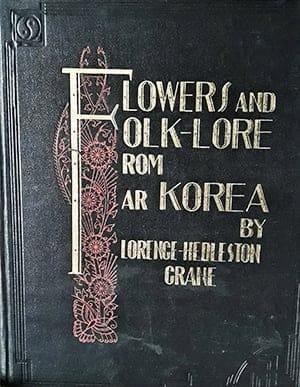
An excellent book about Korean fauna is “Flowers and Folklore from Korea” by Lorence-Hedleston Crane. Courtesy of Diane Nars Collection

In the late 19th and early 20th centuries, the descriptions of Seoul were filled with complaints of streets packed with oxen, ponies and people all trying to avoid falling into the open sewers or stepping in the excrement of man and beast, and the fetid stench that seemed to hang in the smoke-filled air. While there may have been some truth to these descriptions, there were also very positive descriptions by more objective observers ― those who were willing to open their eyes (and nose) to the positive things:

“One might almost call [Korea] the Land of Lilies.

Were it not that other families of flowers, violets, eglantine, roses, white and red, lilacs and rhododendrons are equally prolific, while in the orchards, peach and pear blossoms fill the land with glory and beauty. In the endless procession of the seasons, there are lovely blossoms from snowfall to snowfall again. Hills and valleys become a riot of colour from the azaleas that strike the gamut of tints from snowy white to deepest orange. One botanist, in a single afternoon s ramble over the hills around Seoul, brought home a bouquet of forty-seven varieties of flowers; another near [Jemulpo ― modern Incheon], in one day, exceeded this number by a dozen.”

Joy in the garden fragrance.

While others complained of the “fetid smells” of Seoul and its sewers, the writer found joy in the fragrance of spring: “Not all the flowers are affluent of sweet odours, but enough of them carry aroma in their chalices to make the breezes sweeping from the mountain heights delicious to the senses. In springtime, especially, the winds often come perfume-laden to refresh and delight. In the autumn odour yields to colour and the hardier flowers. Among these, the aster and goldenrod drape the hills in scarlet, gold, purple and varied tints.”
garden odors
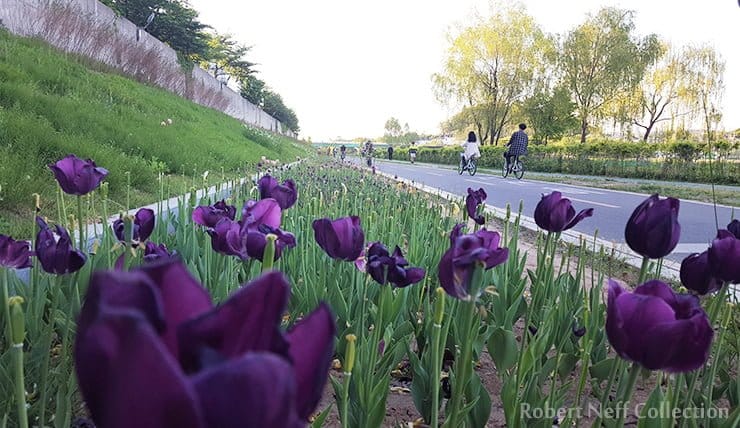
One of the great things about living in Seoul is the city government’s dedication to planting flower gardens throughout the city. Flowers bloom along the bike lanes in the spring of 2019. Robert Neff Collection

One of the great things about living in Seoul is the city government’s dedication to planting flower gardens throughout the city. Flowers bloom along the bike lanes in the spring of 2019. Robert Neff Collection

Lillias Underwood ― who arrived in Korea in the mid-1880s and, for a time, served as the Korean queen’s Western physician ― was not shy in her writing, describing her good and bad impressions of Korea. She wrote: “Korea is glorious … the country fairly revels in blossom beauty in May and June … [and] all the environs of Seoul are sweet with the exquisite fruit blossoms, peaches, apricots, plums, cherries and pears.” She went on to add, “The hills are all ablush with rhododendrons and a dear little eglantine with the daintiest perfume riots all along the roads and fences.” One of her favourite flowers was the “virginal white honeysuckle” that grew on the slopes of Namhansan in the spring.
garden odors
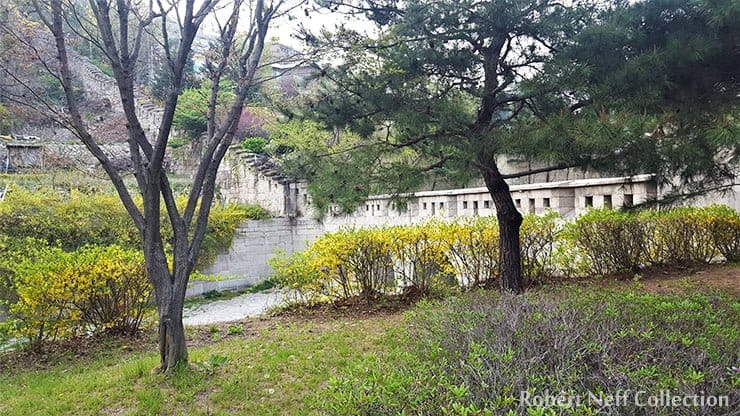
Part of the city wall around Seoul in the spring of 2020. Robert Neff Collection

To sell lilies of the valley.

Apparently, some young Korean entrepreneurs realized money could be made through the foreigners’ appreciation for wildflowers. In 1899, the Korean Repository (an English-language magazine published in Seoul) wrote:

“Lads with lilies of the valley for sale are visiting houses of foreigners. It has been suggested that as these beautiful flowers when transplanted rarely, if ever, grow foreigners [should] discourage these boys by not purchasing.”

Many ― if not most ― Western residents in Seoul cultivated their own gardens. Of course, vegetable and fruit gardens were essential as they provided the foreign community with most of their needs. In 1897, nearly 500 quarts (473 litres) of strawberries were harvested from the gardens in Jemulpo. General William McEntire Dye ― the American advisor to the Korean military ― had a vast orchard in Seoul in which he grew Bartlett pears, apples, cherries and other fruits.

Flower gardens were also essential as they were visually and fragrantly pleasing and adorned with celebrations such as weddings and christenings, and helped lift the hearts of the bereaved in the all-too-common funerals of the late 19th century.

Lillias described her garden as:

“It was lovely nearly all the year-round. First of all, in the early spring were masses of yellow forsythia, then violets, and some of the first fruit blossoms, then flowering almonds and white lilacs, wisterias, fluffy greenish-white snowballs, and two great bushes on either side of the front door of yellow roses that recalled grandmother’s garden in dear America. In June came the roses in the greatest hurry to be seen, and, well, after that nobody could think of anything else. There was a whole hedge of damask rose bushes; they were cut every day by [the] hundreds, every bowl, jar and vase in the house crammed with them, they were sent to all the neighbours, yet still, they kept blossoming on and on never tiring, and the family could never keep up with them.”

Of course, with such a cornucopia of blossoms, there were great swarms of bees. “Such a humming you could hardly hear yourself think.”

Nice odor in Korean small gardens.

The foreigners were not the only ones cultivating gardens. Peppered here and there in the correspondences home and magazine and newspaper articles are references to Koreans cultivating small gardens wherever they could find space. Sometimes these Korean gardeners ran afoul of narrow-minded bureaucrats as evidenced by this article that appeared in the local paper in 1897:

“An enterprising man named Tai Duk-yep of this city has constructed a pretty garden in his compound, displaying horticultural skill and the art of landscape gardening. He admits visitors to his garden and charges them a few cents admission fees, which, he thought, was proper and lawful business. But to his surprise, the Assistant Chief of the Police Department ordered him yesterday to stop the business on the ground that it is injurious to the pockets of the people.”

Garden odor demands money and work.

Cultivating gardens was not easy. It required a lot of work and money. Many of the flowers and bushes were purchased from the United States and Europe but this tended to be rather risky. Sometimes the seeds were lost or stolen en route ― John Sill (the American minister to Korea) had a box of seeds stolen, along with some cigars, while they were being transported from Jemulpo to Seoul. He offered a reward of ten dollars (a princely sum of money) but the cigar-smoking thief was never apprehended.

Sometimes, when the seeds, bulbs and seedlings arrived, they were rotten or dead ― a waste of time and money. A couple of Japanese horticulturists realized that money could be made if they provided seeds and plants quickly ― and with a guarantee ― from Seoul. The competition between these horticulturists was fierce and they duelled one another not with a sword but with the local English language newspaper, The Independent.
garden odors
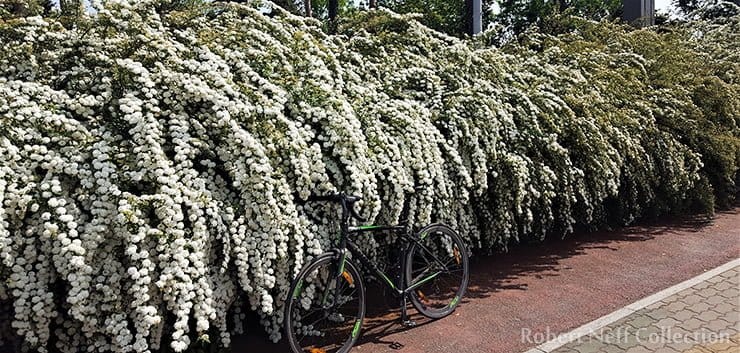
A tsunami of blossoms along the bike lane in 2019. Robert Neff Collection

On December 15, 1896, The Independent, reported in its local items column:

“The Japanese horticulturist, Mr Takahashi is desirous of obtaining orders for flowers, fancy trees and construction of gardens from the foreigners in Seoul. He guarantees first-class work.” While it was not an advertisement per se, it did provoke his rival.

Four months later, K. Yamashita took out an ad in the paper in which he advertised his selection of “fancy trees, either flower or fruit trees” that would be delivered as soon as the order was received. He also offered a guarantee: “In case the trees should not thrive they will be replaced without further charge.” He also offered to construct fancy gardens and flower beds for a low price and noted for reference that he was the “constructor of gardens for the French Legation and Japanese Consulate of this city.”

Y. Takahashi retaliated.

Two weeks later, Y. Takahashi retaliated and not only advertised “various kinds of fancy trees, fruit trees and shrubs and flowers will be supplied upon receiving an order,” with moderate prices but also declared that he was an “expert agriculturist and horticulturist.”

A year later both upped the stakes when Yamashita advertised himself as being “the only expert florist and landscape gardener in Seoul.” He offered “25,000 fruit, flower and shade trees have been imported from Japan” and the “most complete collection of rare and beautiful trees in his gardens.”

Takahashi responded by citing his own impressive background in horticulture: “member of the Japanese Horticultural Society and associate of the Imperial Agricultural Society.” He went on to state: “I have a number of beautiful shade trees, fruit trees, shrubs and flowering plants in my garden for my customers. I will plant them for you and guarantee that they will give you perfect satisfaction.”

What became of this rivalry is unclear as the newspaper ceased to publish regularly after December 31, 1898. In all likelihood, they continued to battle with one another and all-new interlopers for a great many years ― the peacefulness of their livelihood interrupted only by their competitiveness.

My appreciation to Diane Nars for her invaluable assistance and the use of her images.


Robert Neff has authored and co-authored several books including, Letters from Joseon, Korea Through Western Eyes and Brief Encounters. Robert D. Neff is a freelance writer and historical researcher specializing in Korean history during the late 19th and early 20th centuries. Asia Society Korea’s Matthew Fennell caught up with him to discuss this new release. interview

You can follow Robert on facebook
Korean drama explained

written by Hugo J. Smal

How to watch Hallyu drama.

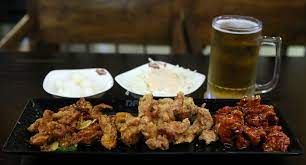
I love to watch and explain Korean movies and television series. For a long time, non of my friends could not cope with that. They simply did not understand Korean culture. And they still do not even tough  I had Korean drama explained. Yes, during drinking evenings, I talked a lot about the Daehan Minguk. Maybe too much. The friends looked a little bit bored and took another beer. I brought spicy fried chicken to the table. They did not want me to explain Korean movies or television series.

Korean drama explainedChi-maeg is very populair in Korea. You eat it with friends or workmates. This is not done in the dining room but in one of the little restaurants that are easy to find. The Koreans love to go out eating and have fun. In every movie or television series, the restaurant table is the hotspot.


The squid game changed.

Yes, I bored them a little bit. This changed since the movie Squid games. Their attitude improved. Now everybody wants to talk about Korea. The land is hot. And I am sure that when Covid was not our dictator, tourism to the land of the morning calm would explode. This is just my humble opinion. So let me give you some background information. This is useful while watching the screen. I promise you the word boring and watching Korean visual entertainment are not a couple. So let me give you some basic information. This will help you to understand Korean movies and television series a little bit more.

Names in Korean drama explained.

When we think of common Korean surnames, the Kim family, which rules in North Korea, quickly comes to mind. Surnames like Kim, Choi, Lee, Kang, Jang, and Park are common in Korea. Most of the time, these names originate from the names of ancient clans.Like everywhere in East Asia: use first the family name and after that the personal name. So Kim Jong Un and not Jong Un Kim as we in the west would do. 

An anonymous person wrote on Ask a Korean:

In Korean manners, using the first name either meant very close intimacy or extreme superiority. Therefore, relatively few people may call you by your first name. Here is the list of those people: parents, grandparents, uncles and aunts; your older (but not younger) siblings; close friends of the same age or older; your owner (if you are a dog, cat, or other pets, or a slave in the old days.) That is it. That is Korean drama explained.

About using names in the work environment, the same person wrote:

For people met through a professional acquaintance, the correct term is to use the person’s last name, followed by his rank or profession. Thus, if you are a manager (bujang) whose last name is Kim, they call you Kim bujang-nim. (nim is an honorific, which makes the whole thing translate to “Manager-Sir/Madam Kim”.) If you are an owner of a store whose last name is Kwon, the Koreans call you Kwon sajang-nim. (sajang means the owner of a business. So you are being called Owner-Sir/Madam Kwon.

It is really worthwhile to read the entire blog: Blog

Bowing in Korean drama explained.

Bowing in Korean drama explained.Waving or at least raising your hand is what we as westerners do when greeting. In Korea, people bow to each other. You don’t have to get all the way down on your knees. But a little bow is so respectful. The same goes for showing gratitude. The more grateful you are, the deeper your bow.They don’t just bow in greeting or gratitude. When someone has done something wrong and apologizes, they are prone to bowing. When someone has lied to someone else (or name something else that is serious) they go to their knees.
There is much more to explain about bowing in Korean drama. I found an outstanding article here

Formal and informal.

Formal and informal in Korean drama explainedWhile we are using the formal word “you” less and less, in Korea it is very important to speak formally. If you don’t, it’s “disrespectful.”Take age into account to determine who you should speak to formally and who not. You should also ask yourself: How well do I know this person? If the person indicates that you are allowed to talk to them informally, that is a sign to ‘behave differently.

Respect for the elderly in Korean drama.

In Korea, respect for the elderly is common. This does not only mean that they respect people over 65, even if you differ with someone for a few months you show respect.
This lies in speaking formally and behaving properly. Watch your language, and so on. What strikes me personally is how children/young people deal with their parents. We in the west no longer express immense gratitude for parenting.

To be vocal in Korean drama explained.

To be vocal in Korean drama explained.The Dutch are always nice and sober. Cut our finger? Forget it. Soon you won’t see anything anymore. Koreans can (it does not have to be) express themselves quite vigorously about this. With cries like “OMO!” and “Ottoke?!” (meaning “Oh my God” and “Now What?”) the Koreans show how worried or in pain they are.
Also when there is an argument it can go loud. Lots of angry expressions are used. I name just some of them: hello! (what the hell!). Young people use this when they are frustrated. You can also use aish! Aigo is an expression used when someone is frustrated, irritated or just fatigued. Omo! means oh my god. But just looking means:  Korean drama explained

Typical Korean food and drinks.

Eating culture in Korean drama explained. What should not be missing in the Korean series is of course the typical Korean food and drinks! Much of Korean life happens in restaurants, around the dinner table. On the screen, you see friends, co-workers and sometimes even enemies go-to restaurants again and again. Things you often come across are soju, Kimbap, Kimchi, Jajangmyeon and Miyeok guk. And the Americano coffee (black coffee as we know it) should certainly not be missed!

Soju 

This alcoholic drink, made from rice and is often sold at eateries. Drink it from small shot glasses and it often contains 20% alcohol. Another typical drink is makgeolli.  Traditionally soju was made from rice but after the Korean war
(1950th) people made soju with starch of potato, barley, sweet potato and tapioca.

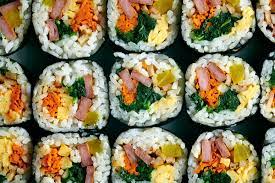
Kimbap

This Korean snack consists of rice rolled in seaweed along with various vegetables or meat. Yes, in Japan they call it Sushi. In Korea, they make it with spinach, cucumber, carrot, beef or fish. You find a recipe here

Kimchi 

A well-known, spicy side dish combined with several dishes. Kimchi consists of fermented cabbage and vegetables, aged for months in a jar. This pot is often kept (underground) in the garden.
Kimchi is traditionally made, salted and fermented cabbage or radish seasoned with powdered red pepper, garlic, green onions mixed with some fish sources. As kimchi appears on almost every meal, to keep kimchi, Koreans traditionally used big pots buried half underground. However, most people today use refrigerators specially made for kimchi preservation. You find a recipe here


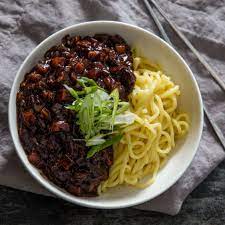
Jajangmyeon 

Jajangmyeon is a dish that consists of noodles, vegetables, meat and black bean sauce. Often they mix the dish completely. It becomes a tasteful slippery mess. You find a recipe here

Miyeok guk 

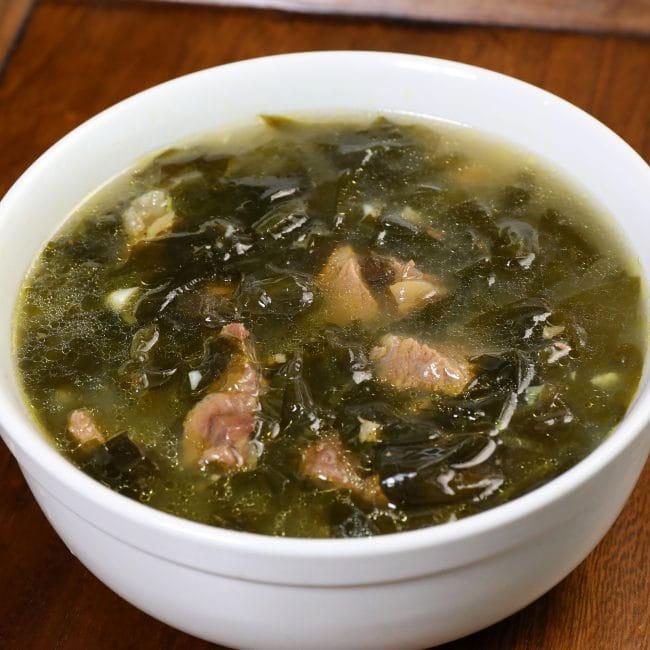
Miyeokguk is a soup made of edible seaweed and is traditionally eaten on birthdays or after giving birth, although you can eat anytime you like. You find a recipe You find a recipe here

So, this was Korean drama explained. But there is so much more to tell. The best you can do is to follow the mantifang or one of our Social Media channels. You find them here

Roots of K-pop, number one powerful culture!

The Roots of Modern K-pop 
The Influence of the US Military and Underground Clubs

The Roots of K-popAmidst the 25 sprawling districts of Seoul lies a colourful neighbourhood called Itaewon and it is the country’s crossroads for all things foreign. The roots of K-pop are here. Accordingly, the area is home to most of Korea’s foreign population of 20,000 plus ex-patriots in addition to housing the Yongsan Garrison of some 20,000 American troops and affiliates. The main Itaewon strip holds a long history of cultural commerce catering to the foreign population, rampant tourists, US military personnel, and of course, native Koreans.

A stretch of street carts and elderly hustlers swindle vulnerable tourists for counterfeit Gucci bags and LV wallets. Nestled behind the strip and atop a small hill, dodgy bars and gay clubs entice super camp crowds. Quaint Korean couples in matching outfits wait in lines for hours for what is over-priced ‘American-style brunch.’ Herds of Chinese tourists take over entire restaurants for what is ‘authentically Korean BBQ’. And ofcourse the roots of K-pop.

From the roots of K-pop to Hallyu

Itaewon class
Tip: Get a dramatized look at this special part of Seoul. Look at the stunning tv K-drama Itaewon class.

Hooker Hill seats transgenders on corners making cat calls to foreign businessmen with hungry eyes. In narrow alleys, Africans and Middle Easterners slang used cell phones and international calling cards next to stalls of steaming Korean street foods. As if it’s very own borough in Yongsan District, Itaewon thrives on the constant clashing of all these cultural, social and political forces. It survives on the coming and going of different people from different places- on the transience of hybrid culture.

Influence of Itaewon on Roots of K-pop. 

Fluid and unconventional, this hybrid culture underlines the inimitable influence of Itaewon on Korean mass culture- more specifically for this feature, Korean popular music culture. Yeah, the root of K-pop is here. By examining Itaewon’s historic practice of music circa the Cold War to the present, we can begin to understand how K-pop music came to sound the way it sounds and even look the way it looks. Even more, we can make sense of how a lesser-known Hanguk rapper was able to bring a mob to SXSW 2015 with just one song on YouTube.

Message from our sponsor:

Goyang Koi farmThe Goyang Koi farm brings a good splash of water to the Korean wave: Hallyu. On top of K-pop, K-music we introduce K-Carp. We grow Korean Fancy carp on our farm. In Japan, these beauties are called Nishikigoi or Koi for short. We call them Ing-eo (잉어). In Korea, carp symbolizes strength and perseverance. They are dragons that stand for long life. Korean Koi, K-carp floats on Hallyu.  Goyang Koifarm: the Korean Koi Wave! 


Own day for Roots of K-pop.

This is how fifty years of minority music and club scene established what is K-Pop today.

Bounded by high cement walls with barbed wire, the Yongsan Garrison, or ‘the base,’ dominates a major part of the Itaewon area. Serving still today as the headquarters for the United States arms since 1957. The garrison was actually built in 1910 and occupied by the Imperial Japanese Army. For more than 100 years, this political pocket claims the presence of foreign power. Likewise, lifestyle and economic enterprises servicing this foreign presence have been since compulsory.

Roots of K-pop; after the Liberation of August 15, 1945.

Korean popular culture was emancipated from Japan’s seizure. It then become circumscribed with the entrance of the USA Occupational Forces. The liberation process overtly positioned American culture as a mainstream element in Korean daily lives. This is strongly apparent in the intense establishment of radio broadcasting by the American Occupational Forces. While the Nipponese used the radio for organizational purposes, the American soldierly infiltrated broadcasting as part of their enculturation coals. As the chief resource to reach the most Koreans, the radio became an important means of American policy and cultural promotion. By 1957, the American Forces Korea Network (AFKN) launched and sonically penetrated Korean homes with American pop music.

Real Roots of K-pop Korean Nat King Cole.

Complementing this aural acquisition, a new standard of Korean pop music emerged. Throughout the 1960s, Korean entertainers became to identify mimics of American pop artists for US military entertainment. Heejoon Choi aka Nat King Cole; Patti Kim aka Patty Page; and the Kim Sisters, Korea’s first girl group to tour the US, were featured on the 8th Division Stage — a musical showcase made solely to amuse the Yongsan Garrison.

American radio in Korean homes.

As these 8th Division Stage musicians gained exposure through the radio, they became the vanguard of modern Korean music mainstream. The songs exuded promising sounds of American standard pop, jazz, and blues combined with popular rhythms from slow rock, swing and waltz. In general, the 8th Division entertainers conveyed a very “American” middle-class lifestyle that effectively resonated into Korean homes.

Read more about the Roots of K-pop Maekan

Special relation South Korea and the Netherlands.

The KOREA Times Posted: 2021-04-19 13:41
By Kwon Mee-yoo

Netherlands seeks sustainable future with Korea

I am happy that I take a tiny, little part in this Special relation South Korea and the Netherlands. I am visiting South Korea now since 2003 and it was a real adventure. So, almost one-third of the 60 years I helped the Baedagol the park and the Goyang Koi farm to be known in Europe. I hope I succeeded and that there are many adventures to come. In this post, you can read what Joanne Doornewaard, ambassador of the Netherlands to South Korea has to say about this special relation  South Korea – the Netherlands. The interview was made with The Korea Times at the Dutch Embassy in central Seoul. Hugo J. Smal. Special relation South Korea!
 
The year 2021 marks the 60th anniversary of diplomatic ties between South Korea and the Netherlands.
 
South Korea and the Netherlands
Joanne Doornewaard photo by Choi Won-suk
“Sixty years is something that’s really meaningful in Korea, though I must admit that in the Netherlands, we do 50, 75 and 100. So we had to explain the difference to Hague,” Joanne Doornewaard, ambassador of the Netherlands to Korea, said in an April 15 interview with The Korea Times at the embassy.
“It’s looking back, but we also want to look forward. So it’s about our past, what we have achieved together ― the Netherlands was one of the Sending States to the Korean War and then we established diplomatic relations in 1961. Over time, the relationship grew and now we are very important trading partners and with youth involvement, both our countries are much interested in innovations and new technology. We cooperate for the future, so that’s our slogan.”

Special relation South Korea and the Netherlands means Co-create tomorrow.

Under the theme “Co-create tomorrow,” the Netherlands and Korea laid out a series of events to strengthen ties between the two countries with various joint activities, exhibitions and events both on- and off-line.
The yearlong festivities kicked off April 5, the day after the Netherlands and Korea established diplomatic ties 60 years ago, at Everland, a theme park in Yongin, Gyeonggi Province, known for its annual tulip festival.
Tulips are is one of the Netherlands’ major products, exporting about 3 billion each year, and April is the month of the tulip, so the decision came naturally.
“Because of COVID-19, we would otherwise have done it with big parties. We thought let’s do it in another way but still show people an impression of the Netherlands,” Doornewaard said. “With fresh tulips, that was a nice event to kick it off. More events are coming up as we celebrate the whole year.”
The Princessehof National Museum of Ceramics and Groninger Museum lent their collection to the National Museum of Korea’s “600 Years of East-West Exchange through Ceramics” exhibit through November 2022 and Dutch artist Femke Herregraven is taking part in the main exhibition of the 13th Gwangju Biennale from April 1 to May 9.

South Korea and the Netherlands join on festival

The Netherlands is the guest country of the 38th Busan International Short Film Festival. It took place in April. The Best Dutch Book Design 2019 exhibition is scheduled from June to August. In October, Dutch musicians will be featured at the 18th Jarasum Jazz Festival and the Seoul concert of the prestigious Royal Concertgebouw Orchestra is slated for November.

South Korea and the Netherlands
Joanne Doornewaard, ambassador of the Netherlands to South Korea, speaks during an interview with The Korea Times at the Dutch Embassy in central Seoul, April 15. Korea Times photo by Choi Won-suk


Past, present and future for South Korea and the Netherlands.

Dutch and Korean people have a long history. It was a Dutch sailor who first introduced Korea to Europe. “Here in Korea, the Dutch are known for Mr Weltevree and Mr Hamel, who came here in the 17th century. The Dutch at that time went all over the world with ships and some of them washed up on shore here. Mr Weltevree stayed here and not much is known about his stay as he served the king here. But Mr Hamel lived here for 12 years and he went back to the Netherlands, then wrote down his experiences in Korea. That was the first publication about Korea in Europe,” Doornewaard said.
Start the adventure at Mantifang: korean hub
The two countries’ relations were highlighted once again during the 1950-53 Korean War. Last year was the 70th anniversary of the beginning of the Korean War and Doornewaard attended a ceremony commemorating the occasion and received a plaque from President Moon Jae-in on behalf of the 22 U.N. Sending States.
“During the Korean War, we stepped in and sent our soldiers to help South Korea. The commemoration event was huge and very impressive with President’s Moon honouring the veterans. I felt very honoured. I did not fight in that war, but to be there to represent the Netherlands and the veterans in the Netherlands was so special,” she said.
“Korea is organizing revisit program of veterans and it is very meaningful for them. There was a program when I just arrived here and I spoke to them. They are very elderly and vulnerable people, usually assisted by their son or grandson. But they told me that it’s so special to be here to see Seoul and Korea free and prosperous and the idea that they contributed to that.”

South Korea and the Netherlands trading partners.

Now the two countries are important trading partners. International trade is very important for the Netherlands and Korea, as both are exporting countries.
“For us, Korea is one of the main export markets in Asia and we also import some important items from Korea such as electric vehicles and batteries. As of 2030, there will be no fossil fuel cars sold, so there is a huge market for electric cars and there is a waiting list for Korean electric cars. The Netherlands is seen as a gateway to Europe so Korean companies invest in the Netherlands as a way to enter Europe,” the ambassador said.
“The other way round, we provide Korea with our semiconductor manufacturing machines and chips for the automotive industry. ASML and NXP are the big companies here.”

South Korea and the Netherlands
Bicycles line a bridge over the canals of Amsterdam, capital of the Netherlands. Bicycle is a major form of transportation in the Netherlands. gettyimagesbank

Riding bikes together deepens Special relation South Korea and the Netherlands.

Fighting climate change is an important issue in the Netherlands, a country with one-third of its land below sea level.“Climate change is resulting in rising sea levels. We have dykes that protect us against the sea, but we cannot continue to build those dykes higher and higher. So we have to fight climate change. We cannot do it alone and that’s why it’s so important for international cooperation to fight together,” Doornewaard said. “Our population is requesting products that are sustainable. So companies have to invest in renewables and green energy because customers want that.”

South Korea and the Netherlands against climate change.

The ambassador said the country’s long-standing bike culture contributes to the fight against climate change. “We love bike riding and it was important even before the climate change. Now it comes positive as a sustainable transport so we facilitate people to ride bikes. My ministry has hardly any parking place for cars but a huge parking place for bikes. It helps to be energy efficient,” she said.
Cycle paths in the Netherlands
Cycle paths in the Netherlands. https://www.mangomobility.nl/
“Something we would like to promote here is bike lanes, which could help people to take a decision to ride a bike instead of a car. Being here for almost two years, I can see the increase in the use of bikes, but I can also see dangerous situations going through the traffic. In the Netherlands, we have bike lanes that cars cannot intrude in and if you have a safe bike lane, that could help more people to switch to sustainable transport.”She also mentioned the Netherlands’ efforts in producing clean energy such as wind farms in the North Sea, Smart City plans to make old city centres more efficient and designing new neighbourhoods in a more sustainable way.Doornewaard emphasized the involvement of the young generation in the green economy.

South Korea and the Netherlands youngsters together.

“We could work together in transition to a green economy. It involves innovation and new technologies such as hydrogen. Focus on technologies that are important for tomorrow. Don’t invest in a coal-fired power plant. That’s yesterday’s technology. Korea is an amazing country that has shown it is capable of making very big changes in a very short period of time. A lot is possible here and I hope we can work together in the way to build a more sustainable future,” the ambassador said.

Kim Young Soo’s vision

Nishikigoi breeding and exporting from Korea

Nishikigoi breeding
Kim Young Soo (drawing by Mickey Paulssen)

In the year 2000, I started growing Nishikigoi. I saw the cultivation of these beautiful ornamental carps as a good alternative to the more traditional, Korean agricultural products.
The global financial crises and the opening of the Korean market for FTA agricultural products force our farmers to use their land and greenhouses for other purposes.
I, therefore, strive to make the Goyang koi Farm the epicentre of Nishikigoi breeding and exporting from Korea. Yes, that is Kim Young Soo’s vision.

So I started in the year 2000 breeding koi. I did this step by step because the ornamental carp was not known in Korea. In the Korean folk tradition, the carp is a dragon in transformation and symbolizes success, nobility and filial piety. The carps also return favours as you can read in many folk stories. 

koi as an alternative for rice.

Give your koi love a good start.Because cheaper rice and other agricultural products are coming from outside Korea, lot’s of agricultural land becomes idle. So why not breed carps there. Korean koi will be a good alternative! A new income for all those farmers who are struggling to survive. My country, Han Guk as we call it, proved that when we give our selves a task, we fulfil it. Worldwide it Is known as The miracle of the Han Gang. So I have to work hard. Not only we have to develop the domestic fancy carp market. Establish the koi hobby in Korea. We also have to find dealers abroad who are interested in our beautiful carp. I am sure we will succeed.


Raise awareness.

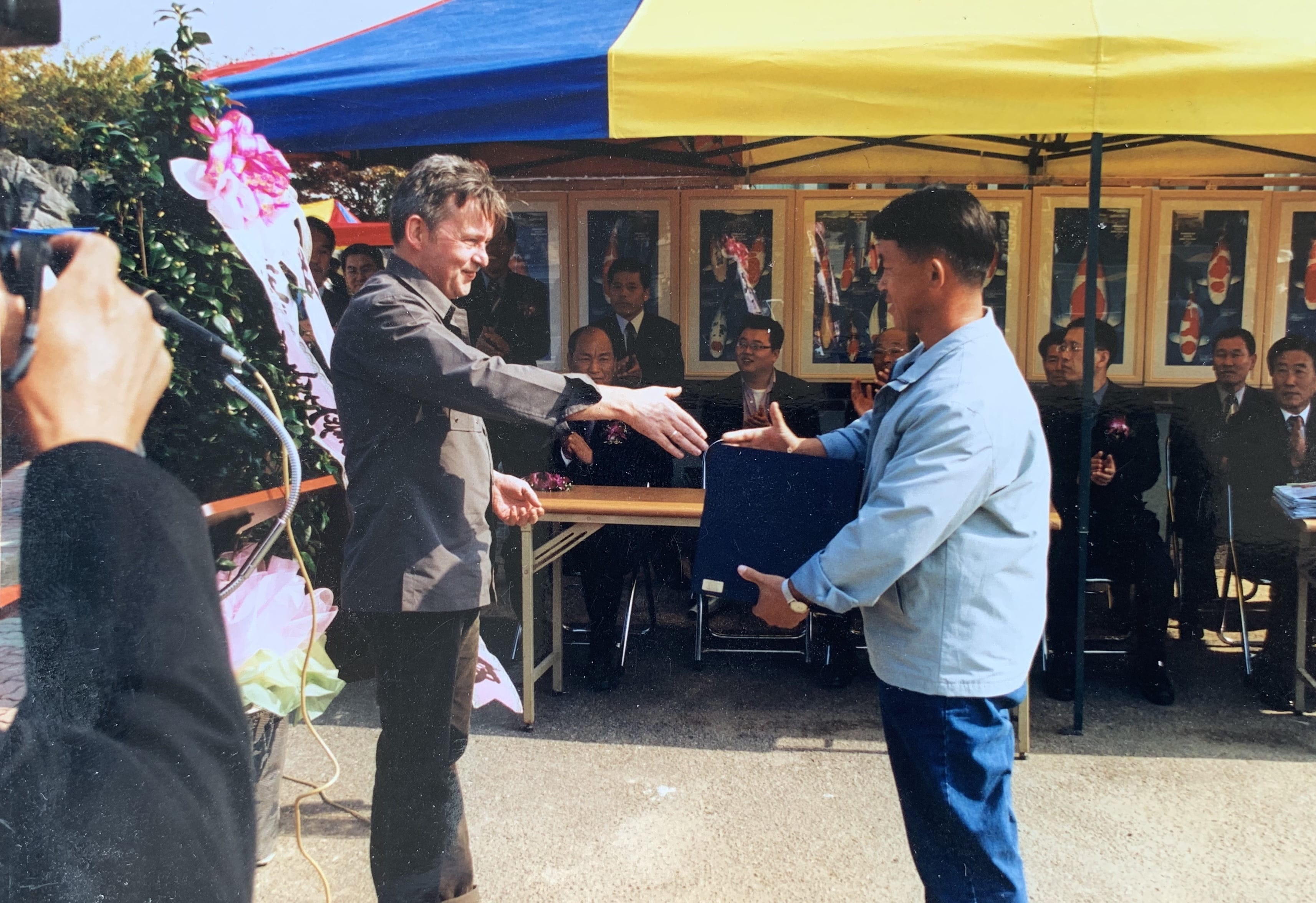
First handshake in Korea
Hugo J. Smal’s publication about building Baedagol theme park and Goyang koi farm. here

To raise awareness of the fancy carp, I started with the Baedagol theme park. I created a place where people can enjoy them. Now, around 35,000 children and supervisors visit the theme park each year and get to know the fancy carp. And yes; they are very enthusiastic! The Nishikigoi are getting more popular in Korea. During all these years I have optimized my breeding and selection skills.

Nishikigoi breeding and exporting from Korea

The koi must be healthy and beautiful. To ensure healthy fish we work with the OFI rules. The carps will be tested and health certificates will be given by the Korean Government.
But we do more. We think it is also very important that the new owner has enough knowledge to keep the koi in top condition. That is why we publish stories on our pages that will be a great help to these koi-lovers. And about the beauty of the koi. I do my best!

A new koi Hub

Goyang Si is part of the Seoul Capital Area. This is one of the most dynamic places in the world. More than 13 million people are living here. More people inside Gyeonggi province than in the rest of Korea.
You can imagine that there is a lot of construction works going on. Many roads to take care of traffic jam and many apartments complexes to give the people a house. That is why I decided to build a new koi hub near Incheon airport. Read about it on Korean koi in the year of the Ox.

Nishikigoi breeding and exporting from Korea

Now the time has come to show the world our beautiful koi! I am sure that the Goyang koi will be admired and that many Korean farmers will join me to realize my ambition. The Goyang koi Farm will be the epic centre of the Korean koi. 

Kim Young Soo  Sincerely, Kim Young Soo

If you like this you can follow us on FB

Kohaku Showa Sanke Other  Contact Youtube 

[embedyt] https://www.youtube.com/embed?listType=playlist&list=PLSYTfa140zYj4Netb_jp1cS_oxsWv_K1P[/embedyt]

Korean Kitchen

written by Hugo J. Smal

Korean kitchen: food not trying is not living!

My personal experience with Korean dining illustrates this perfectly: The table resembled a scene of post-war Korea—an area of chaos. Dinner at this restaurant is always a bustling affair. The integrated barbecue, countless trays of side dishes, peppers, garlic, salad leaves, bottles, tins, rice, plates, chopsticks, and napkins—it’s always a challenge for the waitstaff to arrange everything on the table. We had thoroughly enjoyed the meal, and it showed. Kim Young Soo signaled that our dining experience had come to an end and went to the counter to pay. Nearby, two men were engaged in a spirited argument, clearly fueled by Soju. Interestingly, the disagreement wasn’t over who should pay, but rather who wanted to pay. Discover more about my Korean adventures.

Fermentation: A Cornerstone of Korean Cuisine

Making Kimchi: A True Neighborhood Tradition

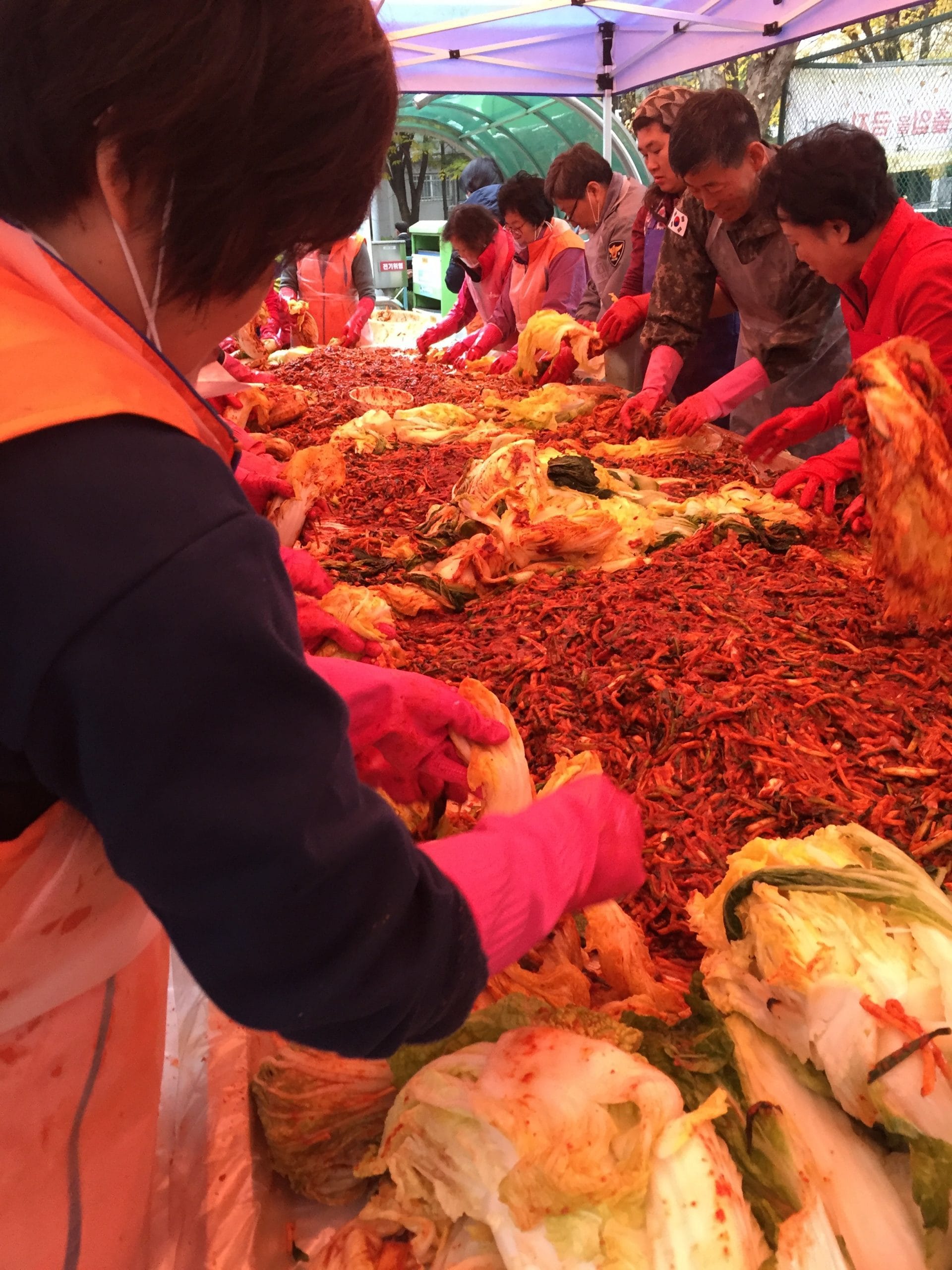
The Koreans ferment a lot. Kimchi is, of course, the most famous. Originally, vegetables were fermented for the scarce winter period. But making Kimchi in the fall is still a tradition. Many Koreans, especially in the part of Goyang Si where I stay, have a small garden where they grow their vegetables. Kimchi not only harmonizes well with meat and rice but its pro-biotic effect is increasingly recognized. In short, Kimchi is very healthy. Dive into Kimchi and get a recipe.

Rice: The Essential Staple of Korean Cuisine

Rice is indispensable in Korean cuisine and culture. Historically, Chinese philosophy greatly influenced Korean dietary practices, or Hanguk eumsig, emphasizing the belief that poor eating habits lead to illness. While this principle might seem obvious, it’s often overlooked in modern times. However, Koreans continue to prioritize health by consuming nourishing and healing foods developed over centuries.

One such tradition is the incorporation of herbal remedies into daily beverages, both alcoholic and non-alcoholic, like eumcheong. Commonly used ingredients include honey, cinnamon, pine nuts, ginseng, ginger, jujube, Schisandra Chinensis (five-flavor berry), and goji. The ancient concept of Yak-Sik-Dongwon, meaning “medicinal food” or “medicinal rice,” reflects the deeply rooted belief that rice is the best medicine.

Korean kitchen offers bold flavors and unique dishes like Kimchi, Bibimbap, and Bulgogi. Discover 10 must-try dishes that capture the essence of Korean cuisine.

  1. Kimchi – Fermented vegetables, usually cabbage, with a spicy and tangy flavor.
  2. Bibimbap – A mixed rice dish with vegetables, egg, and gochujang (red pepper paste).
  3. Bulgogi – Marinated beef, grilled or stir-fried.
  4. Samgyeopsal – Grilled pork belly, often served with lettuce and ssamjang (spicy dipping sauce).
  5. Japchae – Sweet and savory stir-fried glass noodles with vegetables and meat.
  6. Tteokbokki – Spicy rice cakes in a sweet and spicy sauce.
  7. Sundubu-jjigae – Soft tofu stew with meat or seafood.
  8. Kimbap – Korean rice rolls with vegetables, meat, or seafood.
  9. Haemul Pajeon – Savory pancake with seafood and green onions.
  10. Galbi – Marinated and grilled beef short ribs.

These dishes showcase the diverse and flavorful nature of Korean cuisine.

Lots of plant-based ingredients in the Korean kitchen!

The proportion of flora is very large in Korean cuisine. Ingredients such as vegetables, mushrooms, seeds and seaweed are widely used. They are used in the cooking of almost all foods. Rice, porridge, rice cakes, soup, stew, wraps, steamed vegetables and pastries, you will always find green in it.
Herbs from the mountains and fields, in particular, are rich in vitamins and minerals, as well as fibre and antioxidants. The traditional cooking method of vegetables is cumbersome and takes a lot of time and effort, but vegetables are eaten as a staple food and thus a very important part of the Korean diet.

Are Meat, Poultry, and Fish Important?

Korean bulgogi is hot.

Traditionally, meat and fish have been among the more expensive ingredients in Korean cuisine, a trend seen worldwide. Historically, these products held a modest place on the Korean dining table, and even today, many Korean households maintain a diet that is predominantly plant-based, leading some to describe Korean cuisine as “almost vegetarian.”
However, the experience is quite different in restaurants, where barbecue reigns supreme. Whether it’s meat, fish, or poultry, the barbecue is the centerpiece of the dining table. If it’s your first time in a Korean restaurant, the staff will gladly assist in preparing the meat. But once they see you’re familiar with the process, they’ll step back and let you enjoy.

Korean barbeque; explosion of flavors

Kim Young Soo set the gas grill to the perfect temperature before placing the meat on it. He snapped a pepper and offered it to me. I took a cautious bite—sometimes they’re intensely hot, so much so that even Soju, sugar, or water can’t cool the fire.
When the meat was ready, I picked up a piece with my chopsticks, placed it on a lettuce leaf, added some kimchi, a clove of garlic, ginger slices, and black bean sauce. I folded it all into a neat package and popped it into my mouth. The explosion of flavors was unparalleled. It reminded me of the bustling streets of Insadong—vibrant, colorful, dynamic, and filled with an abundance of scents. You don’t just taste Korean food; you experience it.
Dining in a Korean restaurant is a communal affair. Everyone takes part in preparing the meat, ensuring that it’s turned regularly on the barbecue to prevent it from charring. This interactive process makes dining not just about eating, but also about participating and sharing.

Share your own Korean kitchen experiences with us and follow us at Mantifang Korean kitchen 한국 주방 for more delicious content. 

Korean dinning means multitasking!

And this is getting worse. In the west, everyone gets their bottle of beer. Waiters fill the wine glasses or provide you with stronger drinks. In Hanguk, it is completely different. Providing yourself with a drink is as much an insult to your table companions as putting your chopsticks upright in your rice bowl. You wait until someone else sees that your glass is empty. They will automatically fill it in for you. In turn, you make sure that your partners still have something to drink.

“When I noticed that the Soju bottles were almost all empty, I pressed a button on the table. A bell rang in the kitchen and then I heard the sound I loved most in Korea. The waitress all said at the same time, “deh!” We’ve heard and we’re coming. I do not know a clearer expression of hospitality. It’s all so dedicated. However, Kim Kung has already jumped up and got bottles from the fridge. He drinks Hite beer.”

Fish market

This is just an introduction. I’m not a cook or a specialist, especially in Korean cuisine, just a big fan. During all my visits to Korea, Kim Young Soo has taken me to a lot of restaurants. From simple maegju chicken to the very exclusive kitchen of the Yi dynasty Royals. The eel in the small eatery on the Han River was a feast for the palate. It is a great feast to visit one of the fish markets in Jeju-do or Gangwa-do, for example.

Korean seasonal food

A large hall at the water. Fishing boats bump against the shore. The scent of the sea creatures fills your nose. Thousands of “fruit de Mer” are displayed in hundreds of stalls. You make your choice and negotiate the price. Then you take your delicacies to a small restaurant in the market hall. Sometimes you have to wait because fish is popular in Korea. The specialized chefs bake what you scored, enjoy it!

Taste Korean food!

There are a lot of reasons to travel to Korea. The cities are beautiful and nature is stunning. There are many cultural and historical sites. The people are nice and show great hospitality. But to me, the Korean kitchen is especially outstanding. Just thinking about the lovely dishes fills my mouth with water. Yes, I love it. 

Korean cuisine has bold and flavorful dishes, which often feature a combination of salty, spicy, sour, and sweet flavours. Common ingredients in Korean cooking include rice, noodles, vegetables, and meats such as beef, pork, and chicken.

Questions and reflections

1. What makes the Korean kitchen more than just a place of cooking in your own experience?
In Korea, food is rarely separate from gratitude. Each dish carries a sense of presence — the awareness that nourishment is also a form of giving back to the earth.

2. How does Korean temple food express compassion, balance, and mindfulness in everyday life?
Through simplicity. Every ingredient is used fully, every motion of preparation becomes a quiet meditation. The food is not about indulgence but about harmony.

3. If you could join a meal in a Korean temple kitchen, what would you hope to learn or feel there?
Perhaps that peace is found not in the absence of hunger, but in the act of sharing — that cooking itself can be a path to compassion.

Goyang Koifarm other varieties

Goyang Koi Farm Other varieties:

Here you find all varieties except Kohaku, Showa, and Sanke. Also the Ogon you find on their own page.

Kikokuryo & Kikusui


More beautiful Koi varieties after the video.

[embedyt] https://www.youtube.com/embed?listType=playlist&list=PLSYTfa140zYgcCaHSflX2DZP1v2iZMdRA[/embedyt]

Shusui

Shusui, in English ‘autumn green’, was created in 1910 ( Mr Yoshigoro Akiyama) by cross-breeding the Asagi with mirror carp. The resulting Shusui is a Doitsu version of the Asagi. In some competitions, Shusui is regarded in a classification of their own.

[origincode_videogallery id=”5″]

Kujaku


[origincode_videogallery id=”6″]


Goshiki


[embedyt] https://www.youtube.com/embed?listType=playlist&list=PLSYTfa140zYg2V1iQKkycYc3mL8X412u5[/embedyt]


Exciting News for Koi Aficionados!

Goyang Koi, renowned for its exquisite koi selection, now has a dedicated page on Koitalk.app. This is your gateway to a deeper dive into the world of koi. Discover expert insights, care tips, and the latest trends in koi keeping. Visit the Goyang Koi page on Koitalk.app now, and enrich your koi knowledge like never before. Your journey into the captivating world of koi is just a click away! Ask Shikibu about all koi varieties

If you like these Goyang Koi farm Sanke you can contact us: For Koreans: Kim Young Soo and English Hugo J. Smal. You find all information on Contact ore uses the contact form below. You can follow us on FB

Kohaku Showa Sanke  Utsuri Bekko Ogon Other  Contact Youtube 

Goyang Koifarm Kohaku

Goyang Koi Kohaku

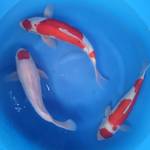
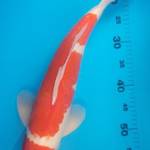
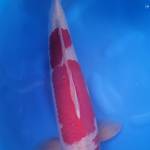
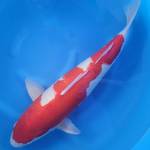
A beautiful Kohaku is a snow-white fish with Hi (red) patterns. You find these beauties in the Goyang Koi farm Kohaku ponds.

Stunning Kohaku!

The improved Kohaku dates to 1888, when a man named Kunizo Hiroi (Ojiya-city, Japan) bred a red-headed female koi with one of his own males, whose markings resembled cherry blossoms, thus creating the now extinct Gosuke bloodline from which all of the known Kohaku bloodlines established. These days they are bred also in Korea: Goyang Koi farm Kohaku.

Five important factors to consider when looking at Kohaku:

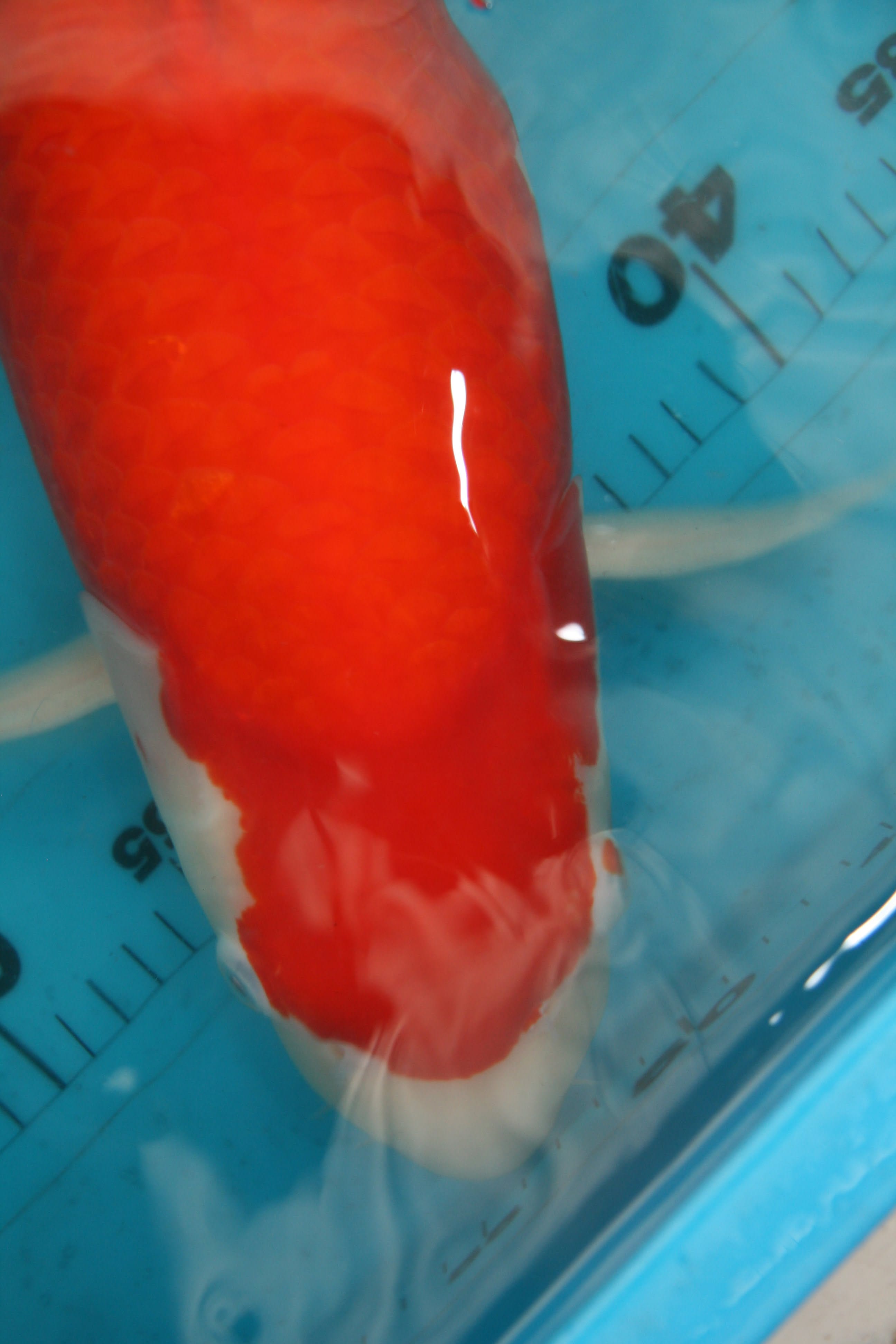
1. Bright Hi
2. Sharp pattern edges
3. No Hi over the eyes and fins
4. No Hi markings spreading below the lateral line
5. Head Hi that not spread below the nose. Tail Hi that does not spread over the caudal fin.

(Unique and strange Koi are liked! But it is best to first look at these 5 fundamental points. That is the way to look at Kohaku! When you saw many: experiments can be great!)

Read more about the Goyang Koi Farm journey.

Exciting News for Koi Aficionados!

Goyang Koi, renowned for its exquisite koi selection, now has a dedicated page on Koitalk.app. This is your gateway to a deeper dive into the world of koi. Discover expert insights, care tips, and the latest trends in koi keeping. Visit the Goyang Koi page on Koitalk.app now, and enrich your koi knowledge like never before. Your journey into the captivating world of koi is just a click away! Ask Shikibu about Kohaku

See our Kohaku.

What do you think about Goyang Koi Farm Kohaku?

We like your comments.

At the moment a lot of Kohaku Tosai are swimming in the mud ponds. Due to the Covid 19 virus, it is impossible for you to visit. But we are taking good care of them during the winter. We bring them into the Koi house. There they can grow. Hopefully next spring we are able to show you around. Hope to see you!

In the meantime you can contact us: For Koreans: Kim Young Soo and English Hugo J. Smal. You find all information on Contact ore uses the contact form below.

If you like this you can follow us on FB

Kohaku Showa Sanke  Utsuri Bekko Ogon Other  Contact Youtube 

Some other beautiful Kohaku from the Goyang Koi Farm.

[embedyt] https://www.youtube.com/embed?listType=playlist&list=PLSYTfa140zYjrRtfe9I6SidfCVcLQ-m_5[/embedyt]


Goyang Koifarm Fishhouse

writer: Hugo J. Smal

A Koi Oasis

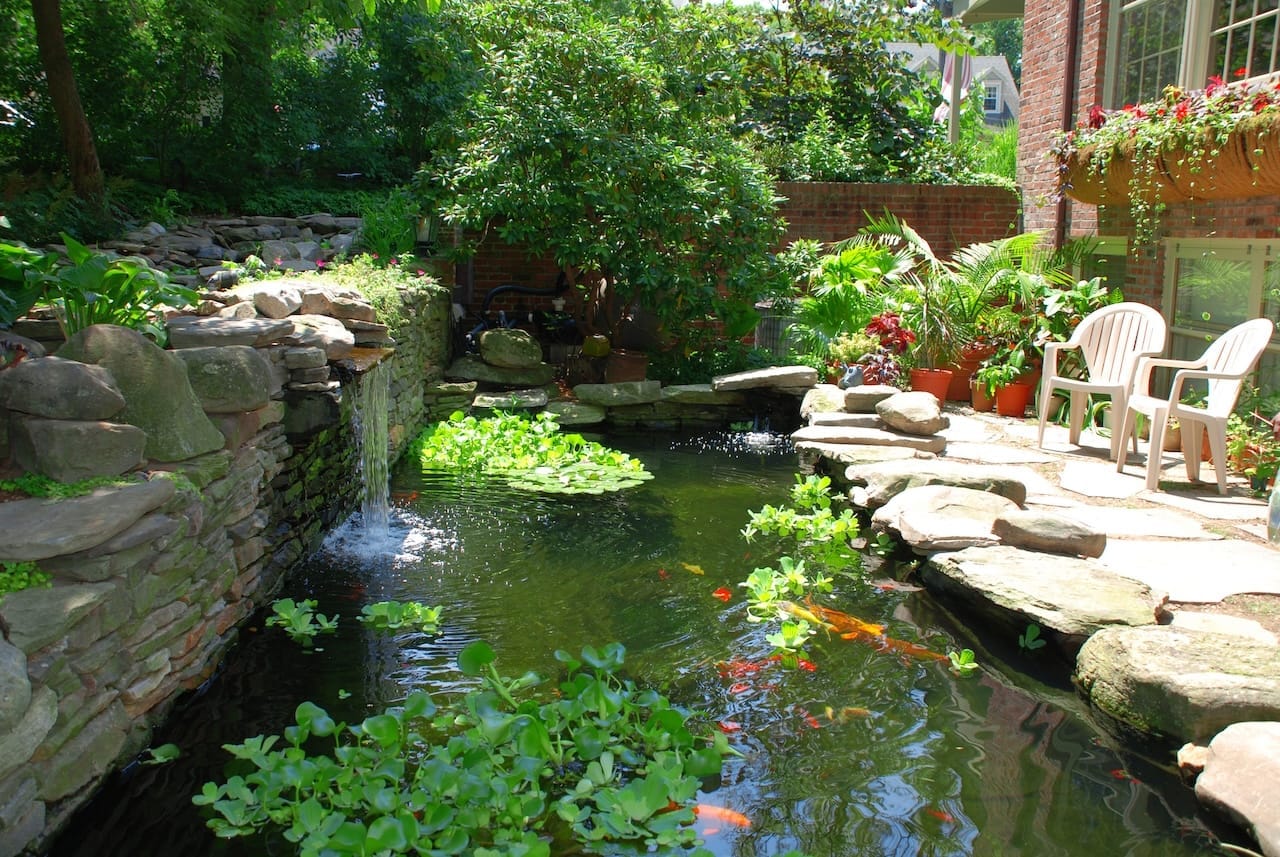
The Goyang Koi fishhouse is the beating heart of our Nishikigoi collection, featuring 19 expertly maintained ponds with over 400,000 liters of water. The fishhouse is our Nishikigoi epic centre. It contains 19 ponds. The total amount of water is about 400.000 liters. It’s every day a great pleasure to work on that water. We consider it the house of our koi and their environment must be as good as possible. Always!

A Green Fishhouse Experience

But the environment is also important for our visitors. Hence we build a green fishhouse with many plants and even two parrots. When you want to know much more about Koi: Ask Shikibu

Some of the ponds in the Goyang Koi fishhouse. Enjoy our beauties!

[embedyt] https://www.youtube.com/watch?v=hYswRwnrdpM[/embedyt]

[embedyt] https://www.youtube.com/watch?v=6Su148V4INM[/embedyt]

[embedyt] https://www.youtube.com/watch?v=lRqSLfji1Hk[/embedyt]

Bukdomyeon is a place for Korean Koi. 

fish house

North of Yeongjongdo, five small islands lie in a line from east to west. Sindo, Shindo and Modo. Kim Young Soo had already taken me to this wild and yet lovely area in 2004 or 2005. From Yeongjondo you can sail in 10 minutes to the port of Sindo from where you can through Yeondo bridge reaches all islands. The islands are called the three brothers (Bukdomyeon).

Modo Island; a hub of Bidan Ingeo activity.

The breeder is building a new Korean Koi hub on Modo Island The work progresses  slow but steady for the new Goyang Koi farm. A new Koi house, a restaurant and a botanical garden. Mickey and I can’t wait to see it al. We want to help Korea and Kim Young Soo with the realization of his plans. But first the infrastructure from Incheon to Gangwha Do must be done.

The Peace Road: Bridging Ganghwa-do and Incheon

The Peace Road project is an ambitious infrastructure initiative aimed at enhancing connectivity between Ganghwa Island (Ganghwa-do) and Incheon. Set for completion in 2025, this project is a significant step towards fostering regional development, reducing travel times, and promoting peace and unity on the Korean Peninsula.

[embedyt] https://www.youtube.com/watch?v=YaCxiYjVTak[/embedyt]

Enhancing Connectivity and Accessibility

Ganghwa-do, known for its rich historical and cultural heritage, is currently accessible via a limited number of routes, which can be time-consuming and inconvenient. The new bridge will drastically reduce the travel time between Ganghwa-do and Incheon, facilitating easier movement for residents, tourists, and businesses alike. This enhanced accessibility is expected to boost local tourism and economic activities, providing a much-needed stimulus to the region​ (KoreaTravelPost)​​ (Trippose – Korea Travel)​.

New fishhouse and peace road strategic Importance

Incheon Yeongjong ~ Sindo Peace Road – Incheon City

The Peace Road holds strategic importance beyond mere transportation improvements. By linking Ganghwa-do more directly to Incheon, the project aligns with broader national objectives of regional development and integration. Incheon, home to one of the busiest international airports in the world, will become more accessible, thereby integrating Ganghwa-do more closely with global trade and tourism networks​ (Trippose – Korea Travel)​.

Find more about the Goyang Koi farm journey

Moreover, the Peace Road is part of a larger vision of fostering peace and unity on the Korean Peninsula. The bridge symbolizes a commitment to opening up and connecting regions, reflecting hopes for future reconciliation and cooperation between South and North Korea. The route is seen as a potential precursor to more extensive infrastructure that could eventually link South Korea more directly with its northern neighbor, enhancing economic and social ties​ (SkyscraperCity Forum)​.

Additionally, the new fishhouse holds significant strategic value. Modo Island is situated mere kilometers from Incheon Airport, positioning Korean Koi a short distance from global conquest.

Economic and Social Benefits

The anticipated economic benefits of the Peace Road are substantial. Local businesses on Ganghwa-do will gain better access to markets in Incheon and beyond, while the improved infrastructure is likely to attract new investments to the area. Tourism is expected to flourish as travel becomes more convenient, bringing more visitors to Ganghwa-do’s historical sites, natural beauty, and cultural attractions.

Socially, the project promises to improve the quality of life for residents by providing better access to services and opportunities in Incheon. The reduction in travel time will facilitate easier commutes, more efficient transport of goods, and greater overall connectivity, enhancing the daily lives of those living on the island​ (KoreaTravelPost)​​ (Trippose – Korea Travel)​.

Makes the new Koi house a world wide fancy carp hub.

The Peace Road project is more than just a bridge; it is a symbol of progress and a beacon of hope for enhanced regional connectivity, economic growth, and long-term peace on the Korean Peninsula. As construction progresses towards its 2025 completion, the benefits of this strategic infrastructure development will begin to unfold, promising a brighter, more connected future for Ganghwa-do and its people.

Boost your Koi dedication.

Goyang Koi farm
We share our knowledge!

Exciting News for Koi Aficionados! Goyang Koi, renowned for its exquisite koi selection, now has a dedicated page on Koitalk.app. This is your gateway to a deeper dive into the world of koi. Discover expert insights, care tips, and the latest trends in koi keeping. Visit the Goyang Koi page on Koitalk.app now, and enrich your koi knowledge like never before. Your journey into the captivating world of koi is just a click away! Ask Shikibu about your questions. Go Sanke

Kohaku Showa Sanke Other  Contact Youtube 

Get the feeling of the Goyang Koi fishhouse:

[embedyt] https://www.youtube.com/watch?v=77B4Jb5PDeo[/embedyt]

[embedyt] https://www.youtube.com/watch?v=_wK0Il8fLwM[/embedyt]

More videos on our Youtube channel: Splashing Korean Koi

If you like this you can follow us on Koi talk Nishikigoi  Goyang Koi farm 고양 코이 농장

Great Goyang Koi farm Showa

 Showa Sanshoku

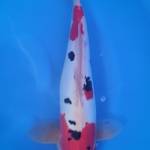
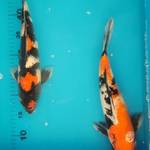
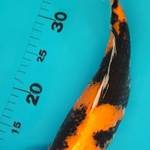
Also known as Showa Sanke, or commonly Showa, are Karasu (black-bodied) koi with hi (red) and shiroji (white) markings. For long Showa displayed a lot of Karasu, but modern Showa (Kindai Showa) are bred to show more white. It is difficult to distinguish between Kindai Showa and Sanke, but Showa will always have their Karasu colouration on their heads and below the lateral line. We think the Goyang Koifarm Showa are beautiful.

The first Showa was bred by Jukishi Hoshino in 1927. He mated a Ki-Utsuri and a Kohaku. Tomi Ji Kobayashi was the first to produce real red Hi by using a Yagozaemon-Kohaku.

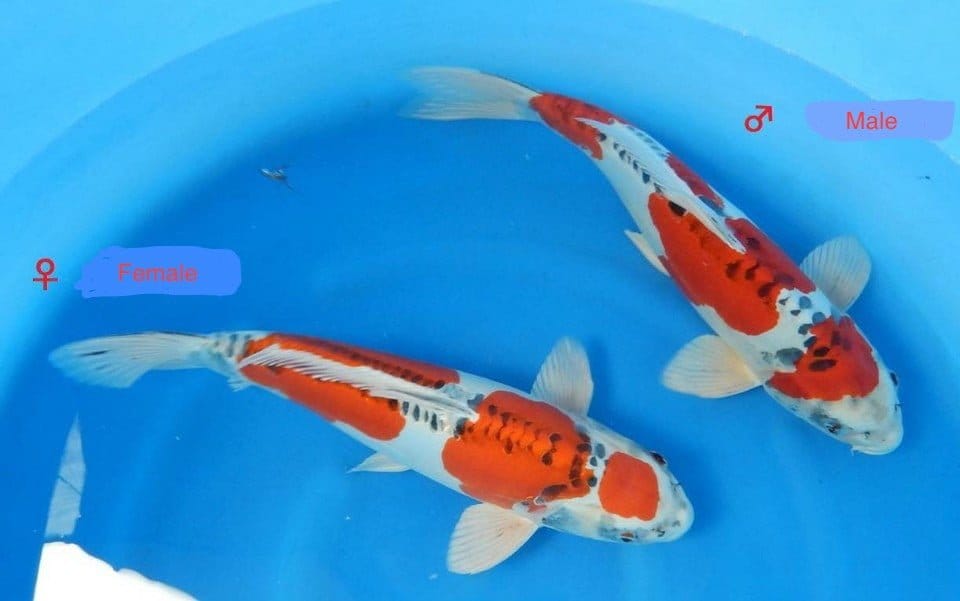
Showa Sanshoku has red and white markings on black skin while Taisho Sanke has black and red markings on white skin.

The following items are distinctive features. Black on Showa’s head does not appear on the head of the Sanke. Their is no black under the lateral line of the Sanke but on the Showa there is. The pectoral fins of the Sanke are white or have black stripes. Showa has sumi on the joints of the pectoral fins.

Exciting News for Koi Aficionados!

Goyang Koi, renowned for its exquisite koi selection, now has a dedicated page on Koitalk.app. This is your gateway to a deeper dive into the world of koi. Discover expert insights, care tips, and the latest trends in koi keeping. Visit the Goyang Koi page on Koitalk.app now, and enrich your koi knowledge like never before. Your journey into the captivating world of koi is just a click away! Ask Shikibu about Koi varieties

The last Nishigoi is not really a Showa. It is, what we think, a Doitsu Yamoto Nishiki or better Heisei Nishiki as Kodama San calls it in his book Kokugyo, because it is a Doitsu matallic Showa.

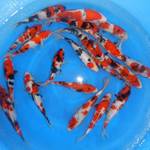
Some of the Goyang Koi farm Tosai Showa Sanshoku.

[origincode_videogallery id=”3″]

Kohaku Showa Sanke  Utsuri Bekko Ogon Other  Contact Youtube

Let’s look at some Goyang Koi Farm Showa movies:

For business information you can contact us: For Korean: Kim Young Soo and English Hugo J. Smal. You find all information on Contact ore uses the contact form below.