Hallyu: The Korean Wave – A Global Cultural Phenomenon

Hallyu (Korean Wave)
TWICE the first Korean girl group to acieve the milestone of reaching over 200 million views on YouTube

Hallyu: the Korean Wave refers to the worldwide popularity of South Korean culture, which has been growing since the mid-1990s. Initially fueled by the success of South Korean TV dramas and pop music in countries like China and Japan, Hallyu has since become a global trend, influencing various aspects of popular culture.

Here are the seven reasons for the global rise of K-Culture Boom: The Korean Wave:

  1. Addictive K-Dramas: Captivating storylines and high-quality production have attracted a global audience, from romance to thrillers.
  2. K-Pop Sensation: With energetic performances, catchy music, and charismatic idols, K-pop groups like BTS and BLACKPINK have built massive international fanbases.
  3. Unique Fashion and Beauty: Korean fashion and beauty products, such as K-beauty routines, are beloved worldwide for their innovation and style.
  4. Digital Accessibility: Platforms like YouTube and social media make it easy to access and enjoy Korean content, leading to its global spread.
  5. Cultural Diversity: Korean culture offers a fresh and diverse perspective on storytelling and traditions that resonate with people from various cultures.
  6. Strong Fan Support: The dedication of global fanbases, like BTS’s ARMY and BLACKPINK’s BLINK, has propelled Korean Cultural Wave to unprecedented heights.
  7. International Recognition: Success stories like the Oscar-winning film Parasite have put Korean media on the world map, driving further interest in other aspects of the culture.

The Early Days of K-Wave: Korean Dramas Captivate Asia

The term Hallyu: the Korean Wave first gained traction in 1997 when the TV drama What Is Love aired on China Central Television (CCTV). Ranking second in China’s all-time imported video content, this drama marked the beginning of the Korean Wave’s influence across Asia.

Korean history
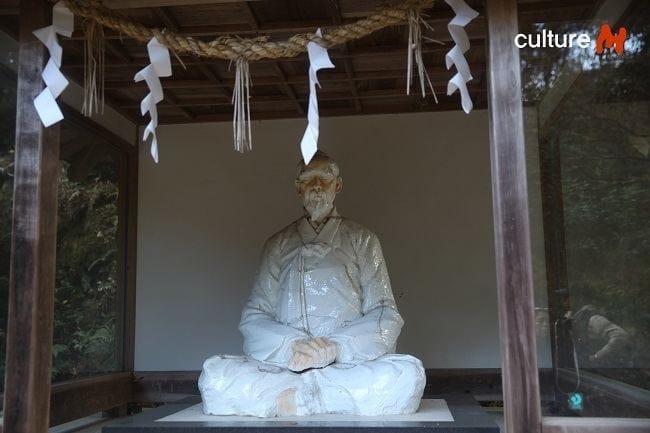
Silla ceramic warrior

On this site, Mantifang’s Hugo J. Smal provides information that helps you navigate Korean Culture Explosion the Korean wave. Explore his insights on Korean dramas, the cuisine of the Korean kitchen, and, of course, the renowned ingredient Kimchi. Remember to try the recipe, and enjoy the food served in exquisite Korean ceramics. The Korean Mudang is still very important in Korea. Read about the adventures of Mugungwha Mudang Bosal

We have also discovered valuable insights from other authors regarding the influence of Confucianism on contemporary Korea, the origins of Korean pop culture, and the unique relationship between theNetherlands and Korea and the influences that the Dutch had on the Korean language.

Goyang Koi Farm: The New Face of Korea’s Global Influence

Goyang KoiAt Goyang Koi Farm, we are proud to contribute to Hallyu: the Korean Wave by introducing Korean Fancy Carp, or K-Carp. These stunning fish, known as Ing-eo (잉어) in Korea, embody the values of strength, perseverance, and longevity. As the Korean Wave continues to spread through K-pop and K-dramas, we invite you to experience the Korean Koi Wave at Goyang Koi Farm.

The Expansion of Hallyu: The Global Reach of Korean Pop Culture

From the mid-2000s to the early 2010s, the Korean Wave expanded its influence with the rise of idol groups like Big Bang, Girls’ Generation, and Kara. These groups played a significant role in taking the Korean Wave beyond Asia, gaining a substantial following in Latin America, the Middle East, and other regions.

Beyond Entertainment: Hallyu’s Impact on Global Culture

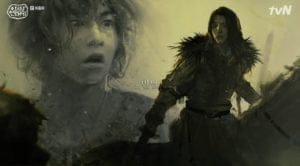
Arthdal cronicals
 

Since the 2010s, Korean Craze:  has broadened its reach beyond TV dramas and music to include traditional culture, food, literature, and language. The global appeal of Korean culture has been further amplified by online platforms like YouTube and social media, creating a diverse and enthusiastic international fanbase.

Hallyu in Cinema: The Impact of Parasite

[embedyt] https://www.youtube.com/watch?v=5xH0HfJHsaY[/embedyt] The influence of K-Wave reached new heights in 2020 when the film Parasite won four major awards at the 92nd Academy Awards, including Best Picture and Best Director. This achievement underscored the growing global recognition of Korean cinema as a vital part of the Korean Wave. The Arthdal chronicles are one of Hugo’s favorites. Read his comment on Dangun and The Arthdal ​​Chronicles

Stay Updated on Hallyu
Follow us on Facebook for the latest updates on Korean Culture Explosion and other exciting trends in Korean culture. Dive deeper into Korean culture with our social media.

Goyang neighbourhood explorations


Chapter 3: The Jijang Fractal

Written by Hugo J. Smal

This chapter of Goyang neighbourhood tracks a lived contrast: Rotterdam directness against Korean relational form, individual impulse against collective role, speech against context. It circles through neighbourhood, stream, memory, ritual, food, shame, and vision, not as separate topics but as one field of experience. Confucian social roles, Korean kibun and nunchi, and the unfolding logic of The Jijang Fractal are tested in body-language, hierarchy, table manners, and misread moments. The narrative descends into a darker textual intrusion, where voice, violence, and fractured identity pressure the narrator’s own reflections. Out of this tension, the fractal intuition reappears: not invented, but encountered.

[Internal link placeholder: Chapter 2] |
[Internal link placeholder: The Jijang Fractal hub] |
[Internal link placeholder: Korean kibun and nunchi]

Rotterdam and Goyang: Two Communication Worlds in Goyang neighbourhood

From Rotterdam to a Goyang neighbourhood

During my explorations of the Goyang neighbourhood, I came to understand that communication in Korea involves much more than just words and sentences. The context, the speaker, and the way something is expressed are all crucial. To truly grasp the meaning, one must read between the lines. Coming from Rotterdam, where people are straightforward and open-hearted, I noticed the contrast. In the Netherlands, directness is valued, and stepping outside the lines isn’t frowned upon. In fact, it’s often seen as a sign of creativity and initiative.

Goyang neighbourhood

Losing face isn’t much of a problem for me. In my country, people quickly forgive a mistake or a blunder. Just be honest! You don’t make a career without making mistakes. But in Korea, things are different. The deeply crying Koi breeder showed me that.

Confucian Pillars, Kibun, and Selfhood in Goyang neighbourhood

Pillars in Goyang neighbourhood

Pride also has a different connotation here. I feel proud when Feyenoord becomes champion, but a Korean feels pride when he fulfills the five Confucian relationships (Oryun). Confucius, Mencius, Yi Hwang (Toe gye), and Yi I (Yul gok) remain the pillars of Korean culture. These scholars outline the relationships between parents and children, elder and younger siblings, husband and wife, friends, and ruler and subject. In each relationship, Koreans follow a specific role pattern.

Parents owe their children education, care, and moral development. In return, children owe their parents obedience, respect, and care. They look after them when they can no longer work, and they pray and make offerings at their graves. These rules form the foundation for all other relationships and the social structure as a whole.

According to Confucian philosophy, when the Korean soccer team wins, it’s considered a victory for the entire community. The triumph of the Korean people is more significant than that of the players on the field. The collective is far more dominant than the individual who scores.

We also interpret the concept of Kibun, which encompasses feeling, mind, and mood, quite differently. We Dutchmen tend to be overly sensitive and are certainly not inclined to discuss our inner thoughts and feelings. However, in the land of the Mudang, the seunim, the Neo-Confucian scholar, and even the Christian priest, feeling, mind, and mood hold great significance. Dive into the concept of Kibun or Nunchi

But expressing individuality isn’t highly appreciated. We certainly don’t discuss it as some do in Bloodhounds by Kim Ju-wan. We also need our personal space. “Don’t stand so close to me!” I survive Korea with The Fragrance of the Mantifang by Wu Cheng’en in mind.

“Watching the chess game, I cut through the rotten,

Felling trees, ding ding,

Strolling at the edge of the cloud and the mouth of the valley.

I sell firewood to buy wine,

Cackling with laughter and perfectly happy.

I pillow myself on a pine root, looking at the moon.

When I wake up it is light.

Recognizing the old forest,

I scale cliffs and cross ridges,

Cutting down withered creepers with my axe.

When I’ve gathered a basketful,

I walk down to the market with a song,

And trade it for three pints of rice.

Nobody else competes with me,

So prices are stable.

I don’t speculate or try sharp practice,

Couldn’t care less what people think of me,

Calmly lengthening my days.

The people I meet

Are Taoists and Immortals,

Sitting quietly and expounding the Yellow Court.”

I try to act Korean. It doesn’t work. Our cultures are too different, too opposite. When I try to use Nunchi, I only make mistakes. I don’t just want to master the language. Although? Am I forced to use Nunchi because I don’t know the language? I survive by being myself. Most Koreans forgive a lot.

Contemplating Goyang Neighbourhoods

At the Stream: Reflection and Recall in Goyang neighbourhood

Goyang Neighbourhood
Jijang at Bogwan Sa

As these thoughts weigh on my mind, I climb down the embankment towards the now gently babbling Goyang Seongsaheon stream. Of course, it’s dangerous. But the Soju makes me fearless, and sometimes you just have to do things. Amidst the lush vegetation, a stone invites me to sit. I take off my shoes and let the coolness wash over me as I rest my feet in the sparkling water.

The Budeul’s (부들) tails stand still. Rubiela Lobelia Cardinalis (루비엘라) proudly displays her red flowers. The Mulchucho (물수초) is the only thing that moves with the flow of the water. I sink into deep reflection, recalling a climbing experience I wrote about in my twenties.

Larghetto in the Goyang Neighbourhoods

Why was I so drawn to that one spot on the beautiful island of Crete? How did the small white church come to dominate my entire vacation? It sat high on the mountain behind Hera Village, a villa town on the Gulf of Mirrabellou, halfway between Agios Nikolaos and Elounda.

I had visited Knossos, where the discovery of a five-thousand-year-old civilization—one that would eventually culminate in the Greeks—was overshadowed by the crowds of noisy tourists. Even though prayers were no longer said in the temple, it still felt like sacrilege.

In this way, my vacation was largely a failure. I hadn’t found what I was looking for, though I didn’t even know what I was seeking. Some primordial feeling? The relationship between body and clay that had inspired Van Gogh to paint and Beethoven to compose? It was all approached the wrong way. Excursions don’t lead to the discovery of feelings.

Two days before the return trip, I decided to climb up. There was no path leading to that church. Well, I would just see how it went. My way started straight up, through bushes full of sharp thorns. The result: bloody scratches on my legs. But the only thing that mattered was the goal.

After half an hour, I found a barely passable path that led me to an olive grove. Now, only the blazing sun and the stone walls remained to be overcome. Anyway, after two and a half hours, I made it to the top.

The church was disappointing, but what I saw beyond it exceeded all expectations. On the other side of the mountain was a vast valley, covered with bushes that stood apart in a strange, almost deliberate manner. Ruins, low, sunken houses, lay scattered on the slope opposite me. I could no longer stand; my legs gave way under the purity of this place. My breath caught, sweat ran down my back. The violin concerto swelled in my head. It felt as though the valley was flooded with these gentle sounds. Or was it the other way around? Was my head filled with the composition of this valley? Unconsciously, I folded my hands and whispered:

“You who are, help me.
For my ignorance is too great, my feelings too overwhelming, to comprehend you.
You who are, help me.”

Tears streamed down my face. To die here with this feeling, so powerful and all-encompassing. This valley is sacred. My thoughts drifted back to the distant and cold Netherlands. Did I really have to go back there? That place could never touch me again, not after this revelation.

Completely dazed, I began the descent, quickly losing my way. After hours of stumbling, climbing back up, sometimes teetering on the edge of death, I found myself miles away, down towards Elounda.

What did it matter? I had become millions richer. That little church had saved my vacation. It had used its pull to teach me a firework of emotions. Since then, Larghetto and Rondo Allegro have remained my most beloved pieces of music. But it’s still a struggle.

Back to the River

Goyang neighbourhood Big dipper sky

“You who are, help me.” This theme would continue to dominate my life. The earth has always appeared to me as a planet in need of help. Too much dull, exhausting misery, both large and small. Here, on this stone by the babbling water, it feels right, but I know that the world around me keeps turning. I sink further into an even deeper reflection—or should I call it meditation?

The stars of the Big Dipper began to dance. Each star, a king, sung about in the Muga as guardians of the cosmic order. Suddenly, an extra star appeared, brighter than the rest, joining the constellation as the “King of Kings”—Jijang’s’s fractal, a manifestation of ultimate wisdom and power, surpassing the seven kings. This new star seemed to become the center of the constellation, a divine presence guiding the Buddhas and preserving the harmony of the universe. Read about the Muga

Pulsating before my eyes, it formed the King of Kings within the constellation. This almighty light suddenly transformed into

Goyang Neighbourhood
f(v) = \sum_{w \in V} f(w)
Goyang Neighbourhood
f^\infty(v) = \lim_{n \to \infty} \sum_{w \in V} f^n(w)

The, to me, unreadable formulas continued to rotate before my mind’s eye, occasionally interspersed with the beautiful image of a white Lotus. Softly, the almighty Om Mani Padme Hum flowed with the babbling river. Amazed, I crossed my legs and surrendered.

The stone beneath me turned icy cold. The plants became still, and the stream resumed its gentle flow. It flowed towards the Han River, past Ganghwa-do, into a world that continued to turn on its own. I wasn’t afraid, only slightly unsettled. Was it the Soju, or perhaps that violent email? Somehow, the mathematical formulas gave me enough strength to climb back up the embankment. I must interpret them, but because they filled me with compassion, I collectively named them Jijang’s Fractal.

Dinner, Bae Jong-Ok, and the Fracturing Voice in Goyang neighbourhood

Goyang Neighbourhood dinner

A few years ago, it was hard to find a European breakfast. I prefer to start my day with some bread, cheese, and peanut butter—just simple, hearty food that fills the stomach. The locals, on the other hand, eat the food prepared the night before. The dishes are delicious, but the spices are too strong for me in the morning. So, bread it must be—no Kimchi for me at breakfast.

Goyang neighbourhood
Quick dinner. in Goyang Neighboarhood image

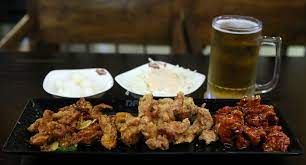
One day, after shopping at the Lotte supermarket, I went to a Pojangmacha on Chungjang-ro for some beer and chicken. The National Korean soccer team was playing on the widescreen television. A group of Korean gentlemen was talking and cheering loudly. They were watching the game and enjoying Chimac—chicken and maekjju. I love that word. Just hearing it gives beer a flavor. The more you drink, the better it sounds.

I ordered my dinner and noticed the men watching me. It’s always awkward eating alone, especially in Korea. The youngest one at their table walked over to me with a bottle of soju and some glasses. He poured me a glass, which I drank, then returned the favor.

“Americano?” he asked. “No, no, from the Netherlands,” I replied. Judging by his expression, he didn’t quite understand. But when I said “Hidonggu,” he got it. His friends cheered and chanted the name of the most popular coach. Only the oldest man at the table didn’t join in.

I returned to my spicy and very tasty chicken. The group grew louder and louder, with the old man commanding the most attention. I don’t think he was older than me—just the top dog barking. He was the boss, though I doubt he was top-rank. That’s why I called him Cha-jang.

You might wonder how many men would choose to watch a soccer game with their family or friends instead of doing unpaid overtime. But not Cha-jang. He was wasted, drunk as a skunk.

Bae Jong-Ok wrote:

“I went from hand to hand until I eventually didn’t come back, not to the people, nor myself. What happened while I was gone? They didn’t tell me either. The fools, the idiots, the beasts were too busy shaming me. The shame became so great that my body rebelled.

I could hardly eat; there wasn’t much either. Some bowls of rice. On the days when I had enough energy to go outside, I picked Nokdu. It’s edible when cooked. The soybeans were for you. There wasn’t much meat in Amsil. There was more fish, but that was for Kim’s Yang Bang. You ate that with your friends, the party spies, and made fun of me when I looked too hungry.

In the corner of the room, I heard you all bragging and babbling. And you, Mom, had the loudest mouth, screaming above everybody. You were so happy that Dad had found eternal work in camp 15, Yodok in South Hamgyong, about halfway towards the heavenly lake on Baekdu San. ‘Too far to walk for him and me,’ was pretty much your motto, and your buddies shouted it loudly with you.

One evening, the conversations were more poisoned vomit than drunken wisdom. We heard the neighbor at the front door. Obu, the fisherman, asked for forgiveness for the late disturbance. Rubbing his hands and bowing, he told us that the wind, the dirty east wind, had prevented the boat from arriving on time. Your screaming, your friends laughing, and Obu’s humiliation went through marrow and bone. Obu was used to it.

Exhausted, I watched as you took over the fish and showed it to your friends. Brazenly, you held a wriggling one in front of Obu’s mouth. ‘Bite, bastard, bite,’ you screamed. ‘I don’t want to take everything from you. But that idiot over there,’ you said, pointing at me, ‘isn’t going to cook one for you.’ He had no choice but to place his teeth on the scales and tear off a large piece of flesh. Your entourage laughed, clapped, and bowed several times.

I understand why you have so much power. Dad regularly went deep into the mountains. He brewed Soju, which he sold to your friends. Of course, he kept enough behind to get drunk every night. One of your friends disagreed and drunkenly betrayed the lucrative mountain brewery to the ministry. He was arrested and disappeared to number 15.

You and your friends missed the alcohol and blamed the traitor. He disappeared during a hiking tour. ‘He went that way,’ you said, looking innocent to the guide. Your friends found a new bush distillery. You enjoyed the drink because the traitor was never found again.

Obu had mackerel with him for the barbecue and sogarli for the maeuntang. He bowed constantly, asked for forgiveness again, and held out his hand for his money. ‘No,’ you slurred. ‘You get nothing! The fish aren’t cleaned, so this bitch has to do it. I’m so hungry that I can’t defecate, and your dawdling has only made it worse. Get lost, bastard!’

It was unbelievable how quickly the drunken fossils chased after Obu. But they came back again. Suddenly there were side dishes, spices, and all that other stuff needed for a festive feast. Party members can get it with some effort. But fish? A bacchanal of Godeungu-gui and sogarli? I don’t know, Mother, what you had to do for all that.

Of course, the ships are checked upon arrival. Obu counted because many already tried to swim across the Hankang to Paju. The fish are also taken off the boat by party officials. Hence, you don’t just get fish on your table easily, being a single woman with a man in prison. But your body wasn’t holy when Dad was still at home either. Not that he had much trouble with that. As long as there was Soju.

I was still the only one able to cut the fish. Exhausted, I put the barbecue in front of the open window. Mother liked it when the neighbors could enjoy it too. I cut open the mackerel and pressed the tasty flesh onto the grill. Fifteen minutes, and the pigs could go to the trough. The maeuntang would take much longer. I saw those drunken heads, and I was sure; they wouldn’t enjoy it tonight.

You tried to rush me along. First, you cursed! I was no longer impressed by that. The emptiness had taken possession of me. My mind was like trampled water lily ground. The stench of loneliness not only filled my nose. My heart also felt like an abandoned fish factory. The hope of even a bite now seemed like a tucked-away treasure. You and your guests enjoyed it well enough. That others—Obu, neighbors who would certainly smell the fish, and I—didn’t taste it made the meal tastier for you.

A squid crawled between the dying fish. You grabbed the beast and stretched it out. You twisted it tightly around your roughly carved chopsticks. Your most prominent guest, the mayor, watched intently. I crawled back into the corner of the room. You licked at the moving flesh and babbled unintelligible words. He and the other men became horny—hot in a drunken, nowhere-leading way.

You pulled me up and put me in the middle of the room. You, Mother, forced me to sing a Mudang song. I felt empty, exhausted, and at the mercy of beasts that would tear me apart.

“Here ye, here ye, one and all! The Ritual of Princess A-Wang and Yõ-Yõng is about to be held.” I shuddered. “Today, at this time, I begin this song: No mean song this.” I replaced the drums and flute with my hands clapping. “’Tis the song of Sakayamuni’s blessing, and the God Chesok.”

That was the last you heard from me. When I regained consciousness, I saw you in a pool of blood in my corner of the room. Your drunken friends were still drinking. They babbled and sang around the barbecue and enjoyed the mackerel. They had long since forgotten what had happened. I fled outside.

Yes, I went from hand to hand until I eventually didn’t come back. Not to those beasts and not to myself. I don’t know what happened while I was gone. They didn’t tell me either. The fools, the idiots, the beasts were too busy shaming me. The shame became so great that my body rebelled. I got lost in myself.

But I remembered the dream and that his thousand-times-thousand-year reign had begun. He knew that henceforth, goodness would be repaid with evil. That his anger would not be matched. He was the devil and sought silence. The goodness had to be silenced forever, the stinking lie exposed.

Goyang neighboorhood
Indra’s net image taking over?

Aftertone: Sadness, Detachment, and Given Form in Goyang neighbourhood

Reflecting Goyang Neighbourhoods

I didn’t enjoy my meal anymore. Why am I getting these emails? Is it a joke? Or is someone just making up a story? They should send it to a publisher instead. The words left me feeling sad.

I paid for my food and bowed to the office men. Cha-jang still looked angry. When I went outside, I saw a woman who was about to enter. So I opened the door and let her pass. She looked a bit haughty. Then it struck me—most Korean men aren’t that polite to women. Lancelot is not in the Korean mindset.

The words from Bae Jong-Ok lingered in my mind, echoing in the hollow spaces left by years of isolation. Could it be that the darkness she described was not so different from my own? As I stepped outside, the cool night air hit me, and I felt a strange sense of detachment, as though the world around me was losing its form, dissolving into the fractals of my thoughts.

I did not invent Jijang’s fractal; it was given to me. I simply stumbled upon it. Naturally, I hope it will fulfill its purpose.

“`

arthdal chronicles and Dangun

by: Hugo J. Smal

In the first episode of the Korean television drama The Arthdal ​​Chronicles, it becomes clear that the myth of Dangun is being reinterpreted. Arthdal ​​is a corruption of Asadal, the capital of Go-Joseon. Dangun, a shaman probably from Siberia established this state in 2333 BC. According to the myth. Dangun is still very popular in Korea because of this.

First episode Arthdal Chronicles.

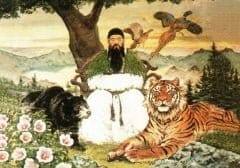
The tribal leader of the Arthdal ​​federation is Sanung. He has a bearskin for a cloak. It shows that the Arthdal ​​tribe worship bears have the animal as a totem. Negotiations are taking place between Neuanthal and the Asdal. The Neuanthals are, of course, Neaderthalers. They appear with tiger bone hats and tiger skins around their shoulders. They worship tigers. Sanung van Arthdal ​​shows the Neuanthalers beans, barley, sorghum, mugwort and garlic and proposes to build an agricultural society together. However, the Neuanthal refuse to become farmers. They don’t eat mugwort and garlic. Hunters want meat. They leave the negotiations and return to their part of the federation. Here they are nearly wiped out by the Arth Valley.

You can see all this in the first episode, but the story develops further. Go and see because it is an integrating story. Exciting and beautifully presented. This is about the union of Arthdal ​​Chronicles and Dangun.

Storyline Arthdal Chronicles.

Eun Som (Song Joong-ki) Tan Ya (Kim Ji-Won) Ta Gon (Jang Dong-Gun)

Set in the fictional land of Arthdal during ancient times. Eun Som was born with a fate to bring disaster to Arthdal. Due to his mother’s struggles to save him, he goes through hardships and grows up. He appears again in Arthdal. Ta Gon is a war hero of Arthdal. He has paved the way for Arthdal to become a prosperous city nation. He is the most powerful person in Arthdal. Ta gon dreams of becoming the first king of Arthdal. Tan Ya was born with the same fate as Eun Som. She is the successor of the Wahan Tribe. Going through hardships, she realized her mission. She lives under the highest honour. Her ambition is to become a politician.—AsianWiki

Arthdal Chronicles and Dangun.

The Dangun myth tells of the founding of Korea. It serves as the origin of the national identity and collective self-esteem of the Korean people.

Arthdal ChroniclesHongikingan is central. This political philosophy is the first to advocate the well-being of humanity. It is a system of government that, hundreds of years before modern Western constitutional governments, conferred human rights and dignity on the people themselves.
Even during the most gruelling historical experiences, one strives for an ideal nation. The people have a high level of spiritual orientation. There is religious freedom. People regard each other as members of a large family. Together they are progressive. This is still manifested in the entrepreneurial spirit of the Korean people.

In the Samkuk yusa (Memorabilia of the Three Kingdoms) we read:

A long time ago, Hwanin, the God of Heaven, saw that his son Hwanung was interested in the human world. As Hwanin gazed at the area around Mount Taebaek, he saw that it was an ideal place for a kingdom. The people deserved his extra attention. He sent Hwanung down to rule the land and gave him the Three Seals of Heaven (Cheonbuiin). These are a sword, a bell, and a mirror. The bell still plays a major role in later episodes.

Arthdal Chronicles
With thanks. ko.wikipedia.org.

Hwanung descended with three thousand men under the trees around the altar on the top of Mount Taebaek. Hwanung built Asadal on the slopes beneath a sandalwood tree, hence his other name of ‘Lord of the Pakdal tree’ or Sandalwood Prince. There he oversaw some three hundred and sixty human affairs. He planted grain, helped people in their lives and illnesses. The ruler punished where necessary and supervised good and evil. He brought civilization and regulated nature. Also the Earl of Wind (pungbaek), Master of Rain (ubaek), and Master of Clouds (unsa). were under his command. These are his war gods.

Become human.

A bear and a tiger lived in a cave. They begged Hwanung to let them become human. Hwanung gave them divine mugwort and twenty garlic bulbs with the following order: “If you live from this and avoid sunlight for a hundred days, you will acquire the appearance of humans. The bear turned into a woman after twenty-one days of observance of the taboos. The tiger did not adhere to it and therefore did not receive a human body. Every day Ungnyeo (Bear Woman) prayed under the Sindansu (Divine Altar Tree) for a child. But there was no one she could marry. Hwanung, therefore, turned into a man and married Ungnyeo. She gave birth to a son named Dangun Wanggeom.

Fortress Pyeongyang.

Dangun made the fortress of Pyeongyang his capital and called his kingdom Joseon or The Land of the Morning Calm. One thousand and five hundred years into Dangun’s rule moved to Jangdanggyeong and then to Asadal, where at the age of 1908, he became Sansin, the still worshipped Mountain God. According to tradition, he now has a contemplative life at the Heavenly Lake on Mt. Paektu.

Later inheritance.

The Dangun legend has cropped up several times over the centuries. She is still a powerful myth even today. During the Goryeo Dynasty ((892 – 936), Pyongyang was chosen as the capital. After all, it was the traditional first capital of Dangun and the Korean people. In the art of the Joseon Dynasty (1392-1910 CE), the shaman mountain god Sanshin is often depicted in the guise of Dangun wearing a crown. During the Japanese occupation of Korea, Dangun was worshipped by the Taejong-gyo sect as a possible returning saviour of the nation.

The tomb of Dangun.

During the Empire period (1895-1910 CE) and again during the Republic of Korea from 1948 to 1961 CE, the calendar counted from Go-Joseon’s founding date in 2333 BCE.
In modern South Korea, October 3 is recognized as Dangun’s birthday. It is celebrated as National Foundation Day (Kaechonjol). Finally, there is evidence that the myth still has political resonance in North Korea’s claim that it discovered the tomb of this legendary figure near Pyongyang in 1993 CE. North Korea, therefore, sees itself as the heir to Korea’s first cultural hero.

My thoughts about Dangun and the Arthdal Chronicles

I think the Dangun Myth and The Artdhal Chronicles both have as their main subject is the settlement of the Bronze Age. Homo Sapiens take over from the Neanderthals. A Shamanistically controlled Kingdom replaces the federation of different tribes.
It is suspected that Dangun represents a tribe from Siberia. They took bronze and established the first peasant settlements in Korea. The tribe had a Shaman as its leader and professed an animistic faith.

Shamanism still plays a role in Korea. A Mudang is regularly consulted during events. Dangun, or the mountain god, has its altar in every Buddhist temple.

After watching Arthdal Chronicles 1.

After season 1 of the Artdhal Chronicles, we know that Eun Som is on his way to Arthdal. He is probably Dangun. Tan Ya is the most powerful Shaman but is under the strong rule of Tagon. He is the personification of evil. Eun Som and Tanya will probably launch the attack together. But we’ll see all that in season 2. I hope!

[embedyt] https://www.youtube.com/watch?v=-yQmRoPk_AU[/embedyt]

Korean drama explained

written by Hugo J. Smal

How to watch Hallyu drama.

I love to watch and explain Korean movies and television series. For a long time, non of my friends could not cope with that. They simply did not understand Korean culture. And they still do not even tough  I had Korean drama explained. Yes, during drinking evenings, I talked a lot about the Daehan Minguk. Maybe too much. The friends looked a little bit bored and took another beer. I brought spicy fried chicken to the table. They did not want me to explain Korean movies or television series.

Korean drama explainedChi-maeg is very populair in Korea. You eat it with friends or workmates. This is not done in the dining room but in one of the little restaurants that are easy to find. The Koreans love to go out eating and have fun. In every movie or television series, the restaurant table is the hotspot.


The squid game changed.

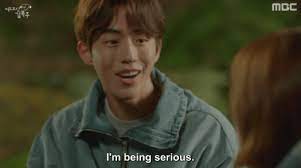
Yes, I bored them a little bit. This changed since the movie Squid games. Their attitude improved. Now everybody wants to talk about Korea. The land is hot. And I am sure that when Covid was not our dictator, tourism to the land of the morning calm would explode. This is just my humble opinion. So let me give you some background information. This is useful while watching the screen. I promise you the word boring and watching Korean visual entertainment are not a couple. So let me give you some basic information. This will help you to understand Korean movies and television series a little bit more.

Names in Korean drama explained.

When we think of common Korean surnames, the Kim family, which rules in North Korea, quickly comes to mind. Surnames like Kim, Choi, Lee, Kang, Jang, and Park are common in Korea. Most of the time, these names originate from the names of ancient clans.Like everywhere in East Asia: use first the family name and after that the personal name. So Kim Jong Un and not Jong Un Kim as we in the west would do. 

An anonymous person wrote on Ask a Korean:

In Korean manners, using the first name either meant very close intimacy or extreme superiority. Therefore, relatively few people may call you by your first name. Here is the list of those people: parents, grandparents, uncles and aunts; your older (but not younger) siblings; close friends of the same age or older; your owner (if you are a dog, cat, or other pets, or a slave in the old days.) That is it. That is Korean drama explained.

About using names in the work environment, the same person wrote:

For people met through a professional acquaintance, the correct term is to use the person’s last name, followed by his rank or profession. Thus, if you are a manager (bujang) whose last name is Kim, they call you Kim bujang-nim. (nim is an honorific, which makes the whole thing translate to “Manager-Sir/Madam Kim”.) If you are an owner of a store whose last name is Kwon, the Koreans call you Kwon sajang-nim. (sajang means the owner of a business. So you are being called Owner-Sir/Madam Kwon.

It is really worthwhile to read the entire blog: Blog

Bowing in Korean drama explained.

Bowing in Korean drama explained.Waving or at least raising your hand is what we as westerners do when greeting. In Korea, people bow to each other. You don’t have to get all the way down on your knees. But a little bow is so respectful. The same goes for showing gratitude. The more grateful you are, the deeper your bow.They don’t just bow in greeting or gratitude. When someone has done something wrong and apologizes, they are prone to bowing. When someone has lied to someone else (or name something else that is serious) they go to their knees.
There is much more to explain about bowing in Korean drama. I found an outstanding article here

Formal and informal.

Formal and informal in Korean drama explainedWhile we are using the formal word “you” less and less, in Korea it is very important to speak formally. If you don’t, it’s “disrespectful.”Take age into account to determine who you should speak to formally and who not. You should also ask yourself: How well do I know this person? If the person indicates that you are allowed to talk to them informally, that is a sign to ‘behave differently.

Respect for the elderly in Korean drama.

In Korea, respect for the elderly is common. This does not only mean that they respect people over 65, even if you differ with someone for a few months you show respect.
This lies in speaking formally and behaving properly. Watch your language, and so on. What strikes me personally is how children/young people deal with their parents. We in the west no longer express immense gratitude for parenting.

To be vocal in Korean drama explained.

To be vocal in Korean drama explained.The Dutch are always nice and sober. Cut our finger? Forget it. Soon you won’t see anything anymore. Koreans can (it does not have to be) express themselves quite vigorously about this. With cries like “OMO!” and “Ottoke?!” (meaning “Oh my God” and “Now What?”) the Koreans show how worried or in pain they are.
Also when there is an argument it can go loud. Lots of angry expressions are used. I name just some of them: hello! (what the hell!). Young people use this when they are frustrated. You can also use aish! Aigo is an expression used when someone is frustrated, irritated or just fatigued. Omo! means oh my god. But just looking means:  Korean drama explained

Typical Korean food and drinks.

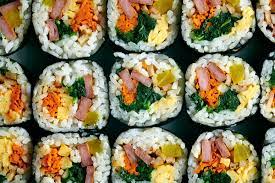
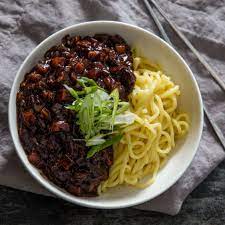
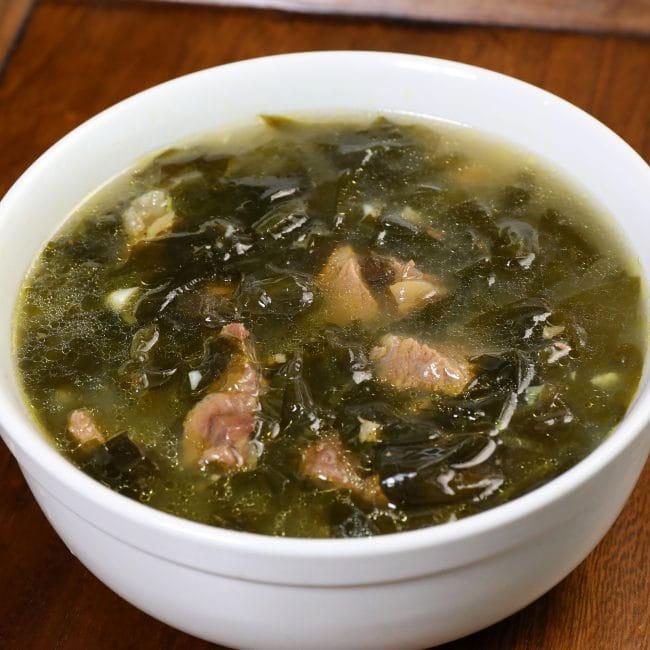
Eating culture in Korean drama explained. What should not be missing in the Korean series is of course the typical Korean food and drinks! Much of Korean life happens in restaurants, around the dinner table. On the screen, you see friends, co-workers and sometimes even enemies go-to restaurants again and again. Things you often come across are soju, Kimbap, Kimchi, Jajangmyeon and Miyeok guk. And the Americano coffee (black coffee as we know it) should certainly not be missed!

Soju 

This alcoholic drink, made from rice and is often sold at eateries. Drink it from small shot glasses and it often contains 20% alcohol. Another typical drink is makgeolli.  Traditionally soju was made from rice but after the Korean war
(1950th) people made soju with starch of potato, barley, sweet potato and tapioca.

Kimbap

This Korean snack consists of rice rolled in seaweed along with various vegetables or meat. Yes, in Japan they call it Sushi. In Korea, they make it with spinach, cucumber, carrot, beef or fish. You find a recipe here

Kimchi 

A well-known, spicy side dish combined with several dishes. Kimchi consists of fermented cabbage and vegetables, aged for months in a jar. This pot is often kept (underground) in the garden.
Kimchi is traditionally made, salted and fermented cabbage or radish seasoned with powdered red pepper, garlic, green onions mixed with some fish sources. As kimchi appears on almost every meal, to keep kimchi, Koreans traditionally used big pots buried half underground. However, most people today use refrigerators specially made for kimchi preservation. You find a recipe here


Jajangmyeon 

Jajangmyeon is a dish that consists of noodles, vegetables, meat and black bean sauce. Often they mix the dish completely. It becomes a tasteful slippery mess. You find a recipe here

Miyeok guk 

Miyeokguk is a soup made of edible seaweed and is traditionally eaten on birthdays or after giving birth, although you can eat anytime you like. You find a recipe You find a recipe here

So, this was Korean drama explained. But there is so much more to tell. The best you can do is to follow the mantifang or one of our Social Media channels. You find them here

Roots of K-pop, number one powerful culture!

The Roots of Modern K-pop 
The Influence of the US Military and Underground Clubs

The Roots of K-popAmidst the 25 sprawling districts of Seoul lies a colourful neighbourhood called Itaewon and it is the country’s crossroads for all things foreign. The roots of K-pop are here. Accordingly, the area is home to most of Korea’s foreign population of 20,000 plus ex-patriots in addition to housing the Yongsan Garrison of some 20,000 American troops and affiliates. The main Itaewon strip holds a long history of cultural commerce catering to the foreign population, rampant tourists, US military personnel, and of course, native Koreans.

A stretch of street carts and elderly hustlers swindle vulnerable tourists for counterfeit Gucci bags and LV wallets. Nestled behind the strip and atop a small hill, dodgy bars and gay clubs entice super camp crowds. Quaint Korean couples in matching outfits wait in lines for hours for what is over-priced ‘American-style brunch.’ Herds of Chinese tourists take over entire restaurants for what is ‘authentically Korean BBQ’. And ofcourse the roots of K-pop.

From the roots of K-pop to Hallyu

Itaewon class
Tip: Get a dramatized look at this special part of Seoul. Look at the stunning tv K-drama Itaewon class.

Hooker Hill seats transgenders on corners making cat calls to foreign businessmen with hungry eyes. In narrow alleys, Africans and Middle Easterners slang used cell phones and international calling cards next to stalls of steaming Korean street foods. As if it’s very own borough in Yongsan District, Itaewon thrives on the constant clashing of all these cultural, social and political forces. It survives on the coming and going of different people from different places- on the transience of hybrid culture.

Influence of Itaewon on Roots of K-pop. 

Fluid and unconventional, this hybrid culture underlines the inimitable influence of Itaewon on Korean mass culture- more specifically for this feature, Korean popular music culture. Yeah, the root of K-pop is here. By examining Itaewon’s historic practice of music circa the Cold War to the present, we can begin to understand how K-pop music came to sound the way it sounds and even look the way it looks. Even more, we can make sense of how a lesser-known Hanguk rapper was able to bring a mob to SXSW 2015 with just one song on YouTube.

Message from our sponsor:

Goyang Koi farmThe Goyang Koi farm brings a good splash of water to the Korean wave: Hallyu. On top of K-pop, K-music we introduce K-Carp. We grow Korean Fancy carp on our farm. In Japan, these beauties are called Nishikigoi or Koi for short. We call them Ing-eo (잉어). In Korea, carp symbolizes strength and perseverance. They are dragons that stand for long life. Korean Koi, K-carp floats on Hallyu.  Goyang Koifarm: the Korean Koi Wave! 


Own day for Roots of K-pop.

This is how fifty years of minority music and club scene established what is K-Pop today.

Bounded by high cement walls with barbed wire, the Yongsan Garrison, or ‘the base,’ dominates a major part of the Itaewon area. Serving still today as the headquarters for the United States arms since 1957. The garrison was actually built in 1910 and occupied by the Imperial Japanese Army. For more than 100 years, this political pocket claims the presence of foreign power. Likewise, lifestyle and economic enterprises servicing this foreign presence have been since compulsory.

Roots of K-pop; after the Liberation of August 15, 1945.

Korean popular culture was emancipated from Japan’s seizure. It then become circumscribed with the entrance of the USA Occupational Forces. The liberation process overtly positioned American culture as a mainstream element in Korean daily lives. This is strongly apparent in the intense establishment of radio broadcasting by the American Occupational Forces. While the Nipponese used the radio for organizational purposes, the American soldierly infiltrated broadcasting as part of their enculturation coals. As the chief resource to reach the most Koreans, the radio became an important means of American policy and cultural promotion. By 1957, the American Forces Korea Network (AFKN) launched and sonically penetrated Korean homes with American pop music.

Real Roots of K-pop Korean Nat King Cole.

Complementing this aural acquisition, a new standard of Korean pop music emerged. Throughout the 1960s, Korean entertainers became to identify mimics of American pop artists for US military entertainment. Heejoon Choi aka Nat King Cole; Patti Kim aka Patty Page; and the Kim Sisters, Korea’s first girl group to tour the US, were featured on the 8th Division Stage — a musical showcase made solely to amuse the Yongsan Garrison.

American radio in Korean homes.

As these 8th Division Stage musicians gained exposure through the radio, they became the vanguard of modern Korean music mainstream. The songs exuded promising sounds of American standard pop, jazz, and blues combined with popular rhythms from slow rock, swing and waltz. In general, the 8th Division entertainers conveyed a very “American” middle-class lifestyle that effectively resonated into Korean homes.

Read more about the Roots of K-pop Maekan

Goyang Koifarm Kohaku

Goyang Koi Kohaku

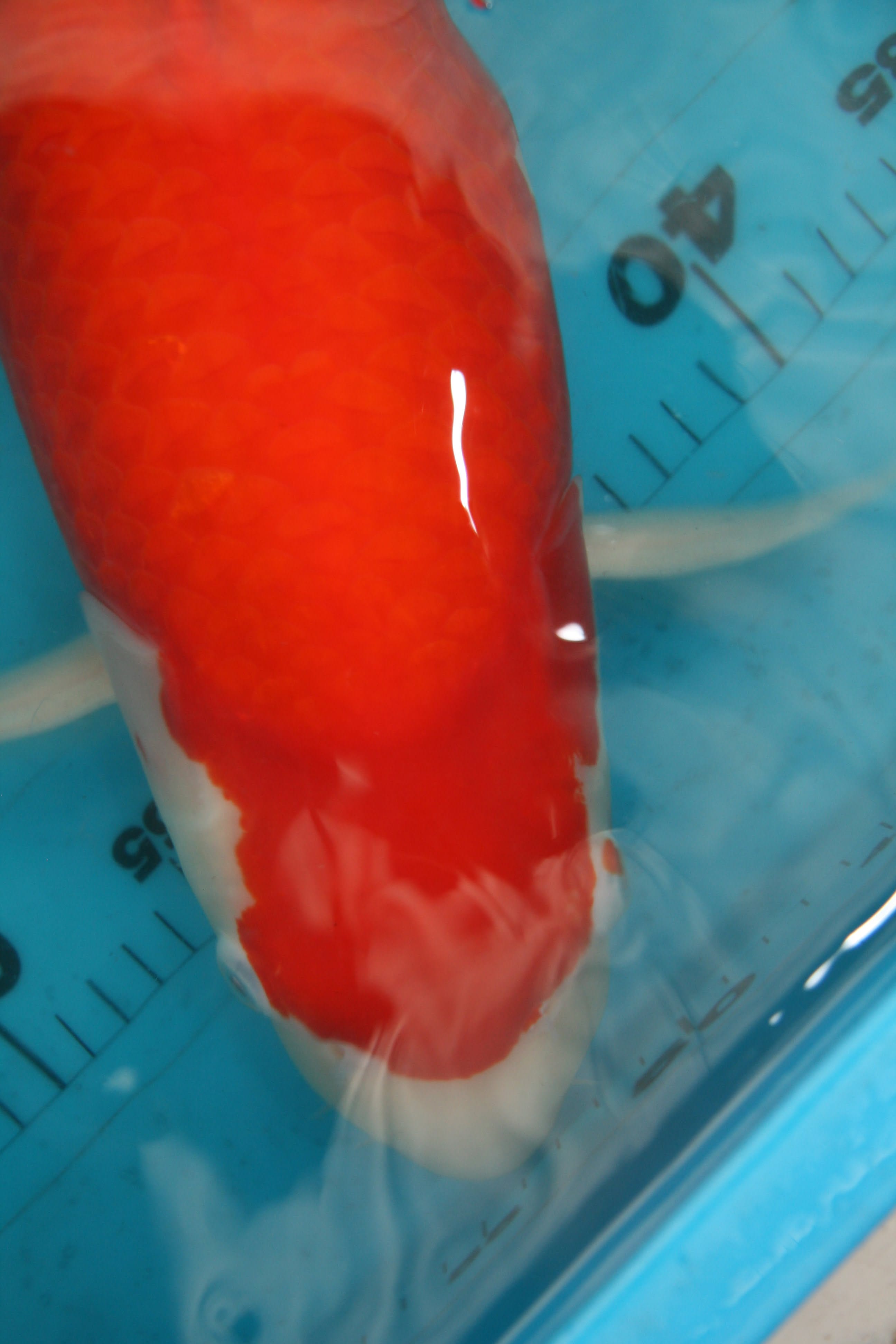
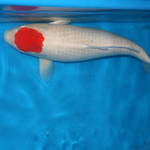
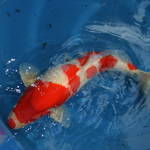
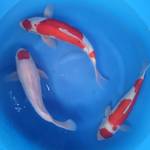
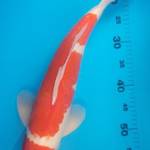
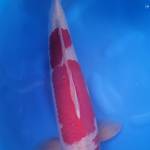
A beautiful Kohaku is a snow-white fish with Hi (red) patterns. You find these beauties in the Goyang Koi farm Kohaku ponds.

Stunning Kohaku!

The improved Kohaku dates to 1888, when a man named Kunizo Hiroi (Ojiya-city, Japan) bred a red-headed female koi with one of his own males, whose markings resembled cherry blossoms, thus creating the now extinct Gosuke bloodline from which all of the known Kohaku bloodlines established. These days they are bred also in Korea: Goyang Koi farm Kohaku.

Five important factors to consider when looking at Kohaku:

1. Bright Hi
2. Sharp pattern edges
3. No Hi over the eyes and fins
4. No Hi markings spreading below the lateral line
5. Head Hi that not spread below the nose. Tail Hi that does not spread over the caudal fin.

(Unique and strange Koi are liked! But it is best to first look at these 5 fundamental points. That is the way to look at Kohaku! When you saw many: experiments can be great!)

Read more about the Goyang Koi Farm journey.

Exciting News for Koi Aficionados!

Goyang Koi, renowned for its exquisite koi selection, now has a dedicated page on Koitalk.app. This is your gateway to a deeper dive into the world of koi. Discover expert insights, care tips, and the latest trends in koi keeping. Visit the Goyang Koi page on Koitalk.app now, and enrich your koi knowledge like never before. Your journey into the captivating world of koi is just a click away! Ask Shikibu about Kohaku

See our Kohaku.

What do you think about Goyang Koi Farm Kohaku?

We like your comments.

At the moment a lot of Kohaku Tosai are swimming in the mud ponds. Due to the Covid 19 virus, it is impossible for you to visit. But we are taking good care of them during the winter. We bring them into the Koi house. There they can grow. Hopefully next spring we are able to show you around. Hope to see you!

In the meantime you can contact us: For Koreans: Kim Young Soo and English Hugo J. Smal. You find all information on Contact ore uses the contact form below.

If you like this you can follow us on FB

Kohaku Showa Sanke  Utsuri Bekko Ogon Other  Contact Youtube 

Some other beautiful Kohaku from the Goyang Koi Farm.

[embedyt] https://www.youtube.com/embed?listType=playlist&list=PLSYTfa140zYjrRtfe9I6SidfCVcLQ-m_5[/embedyt]


Great Goyang Koi farm Showa

 Showa Sanshoku

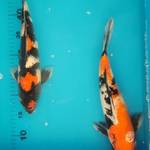
Also known as Showa Sanke, or commonly Showa, are Karasu (black-bodied) koi with hi (red) and shiroji (white) markings. For long Showa displayed a lot of Karasu, but modern Showa (Kindai Showa) are bred to show more white. It is difficult to distinguish between Kindai Showa and Sanke, but Showa will always have their Karasu colouration on their heads and below the lateral line. We think the Goyang Koifarm Showa are beautiful.

The first Showa was bred by Jukishi Hoshino in 1927. He mated a Ki-Utsuri and a Kohaku. Tomi Ji Kobayashi was the first to produce real red Hi by using a Yagozaemon-Kohaku.

Showa Sanshoku has red and white markings on black skin while Taisho Sanke has black and red markings on white skin.

The following items are distinctive features. Black on Showa’s head does not appear on the head of the Sanke. Their is no black under the lateral line of the Sanke but on the Showa there is. The pectoral fins of the Sanke are white or have black stripes. Showa has sumi on the joints of the pectoral fins.

Exciting News for Koi Aficionados!

Goyang Koi, renowned for its exquisite koi selection, now has a dedicated page on Koitalk.app. This is your gateway to a deeper dive into the world of koi. Discover expert insights, care tips, and the latest trends in koi keeping. Visit the Goyang Koi page on Koitalk.app now, and enrich your koi knowledge like never before. Your journey into the captivating world of koi is just a click away! Ask Shikibu about Koi varieties

The last Nishigoi is not really a Showa. It is, what we think, a Doitsu Yamoto Nishiki or better Heisei Nishiki as Kodama San calls it in his book Kokugyo, because it is a Doitsu matallic Showa.

Some of the Goyang Koi farm Tosai Showa Sanshoku.

[origincode_videogallery id=”3″]

Kohaku Showa Sanke  Utsuri Bekko Ogon Other  Contact Youtube

Let’s look at some Goyang Koi Farm Showa movies:

For business information you can contact us: For Korean: Kim Young Soo and English Hugo J. Smal. You find all information on Contact ore uses the contact form below.

goyang koi farm archive


Goyang Koi Farm – Archive

The Korean authorities have chosen, for now, not to support koi under their export policy. Perhaps that is understandable.
Given the current state of the world—with environmental and economic problems, and wars being fought—the koi hobby may even feel like a fetish for the rich. Even so, Hugo J. Smal and Kim Young Soo want all the knowledge collected under the Goyang Koi banner to remain available in this archive,
so enthusiasts can continue to use it.

Note: active koi operations have ceased; this page functions as a living archive of materials previously published under Goyang Koi.


Goyang Koi Farm archive — ponds and carp
From field notes to ponds — a living archive of Goyang Koi knowledge.

About this archive

This archive preserves practical koi knowledge and context that were once part of the Goyang Koi project. Our aim is continuity: to keep guidance available for keepers who value careful husbandry, water management, and clear documentation.

Over the years, the Farm gathered a wealth of practical insights — from feeding logs to water testing notes and from breeding experiments to cultural reflections. As a reference for Korean koi keepers, it covers koi breeding in Korea, koi care and water quality, and core koi varieties such as Gosanke (Kohaku, Sanke, Showa). The archive also reflects the exchange between East and West, where Bidan Ing-eo (the Korean name for Nishikigoi) connects hobbyists and traditions.

Where relevant, we link to Mantifang for broader cultural context. If you are looking for the landscape project that succeeded the former theme park, visit the Baedagol page on Mantifang.

Go to Baedagol →

Browse categories

Koi Care

Daily routines, feeding, quarantine, health checks, seasonality.

Water Quality

Filtration, cycling, parameters, troubleshooting, measurement logs.

Archive Blog

Context essays, field notes, and project updates from the archive.

Highlights & essentials

These highlights act as an entry point into the broader archive. They bundle essentials that koi keepers search for most: practical koi care, water quality fundamentals, and the traits of popular koi varieties including Gosanke.

Media & playlists

Watch historic clips from the Korean Farm and curated videos that explain Nishikigoi husbandry, water quality management, and Korean koi culture.

[embedyt] https://www.youtube.com/embed?listType=playlist&list=PLSYTfa140zYg5xIS7ZDT6aFyBqR1TlE7A [/embedyt]

FAQ

Ask Shikibu

On KoiTalk.app, Shikibu is ready to answer your questions. Whether it’s about Bidan Ing-eo (Nishikigoi), water quality, koi care, or koi varieties — you’ll gain instant access to the knowledge preserved in the Bidan Ingeo Farm archive.

Your koi questions deserve instant answers. Visit KoiTalk and Ask Shikibu today!

Is the the farm still active?
No. Operations have ceased. This page now preserves historical materials as an archive for learning.
Can I reuse materials from this archive?
Please check licensing on individual items. When in doubt, contact us via the contact page.
Where can I learn more about koi keeping?
Start with Koi Care and Water Quality, then explore Varieties and the Archive Blog.
© Mantifang — Goyang Koi Farm Archive. Text & media curated by Hugo J. Smal & Kim Young Soo.


Korean Ceramics Mastery: 400 great Years of Resilient Artistry


The Enchanting World of Korean Ceramics

The Rich Heritage of Korean Pottery


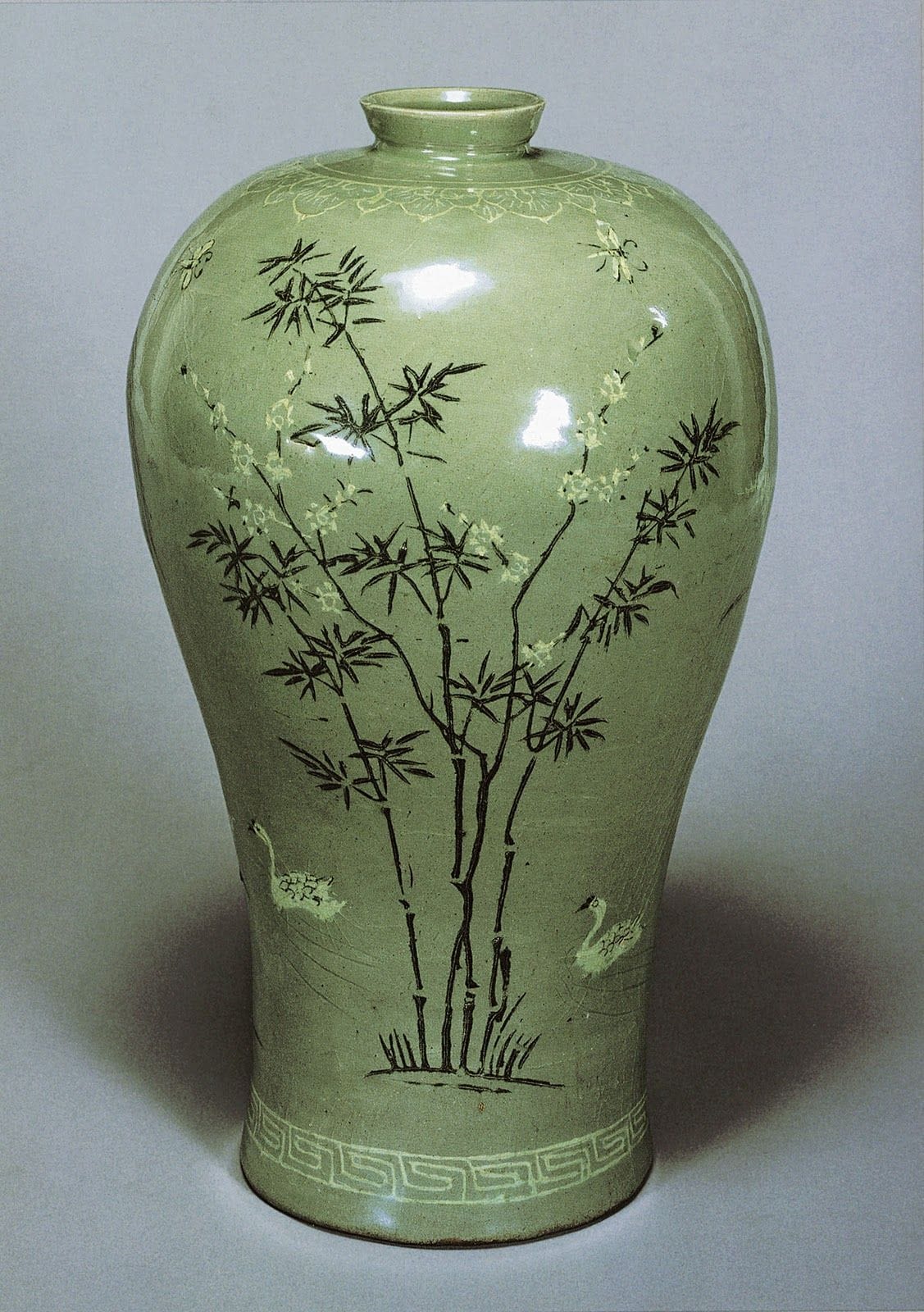
Korean ceramics vase with bamboo motif and celadon glazeThe history of Korean ceramics is a captivating journey that stretches back to prehistory, beginning with simple brown wares adorned with geometric incisions. Influenced by the techniques of their Chinese counterparts, Korean potters soon developed their own distinctive and highly sought-after styles, including grey stoneware, celadon (or greenware), buncheong ware, and white porcelain. The innovative designs range from intricately detailed incense burners to the sublime simplicity of the maebyeong vase. Korean pottery often features decorations inspired by plants, flowers, and wildlife, and reflects the country’s rich religious heritage, showcasing both Buddhist motifs and minimalist Confucian designs.

The Evolution of Korean Ceramics Through the Ages

Korean history
Silla ceramic warrior

The story of Korean ceramics begins during the Three Kingdoms of Korea (57 BC-668 AD)—Silla, Goguryeo, and Baekje. These early periods saw the production of rough domestic wares from numerous kilns. They also created sophisticated statues of royal figures, guardians, and horses, comparable to Chinese Han Dynasty figures. These statues served domestic and imperial votive shrines and acted as escorts for the deceased in the tombs of nobles and kings. These early works were crafted using both the potter’s wheel and the traditional hammered clay and coil method.

The Golden Age of Koryo Celadon

The nearly five centuries of the Koryô dynasty (918–1392) are often considered the golden age of Korean ceramics, particularly for the exquisite celadon pottery. This period saw the creation of highly vitrified glazes in a stunning grey-green color, achieved through the presence of iron in the clay and the careful balance of iron oxide, manganese oxide, and quartz particles in the glaze, combined with precise firing conditions. The early Koryô celadon pieces are notable for their elegant forms and the absence of surface decoration, highlighting the beauty of the glaze itself. By the late 11th and early 12th centuries, these master potters began to experiment with carved and incised decorations under the translucent sea-green glaze, creating pieces that remain unparalleled in their beauty and craftsmanship.

The Ceramic War: A Tumultuous Chapter in Korean Ceramic History

In the late 16th century, the serene and flourishing world of Korean ceramics faced an unprecedented upheaval during the Imjin War (1592-1598), also known as the Japanese invasions of Korea. This period marked a tragic end to Korea’s golden age of ceramics, as the country endured severe destruction, and many of its master potters were either killed or abducted by Japanese forces.

The Invasion and Its Impact on Korean Artisans

Japan, under the leadership of Toyotomi Hideyoshi, launched a series of invasions with the ambition of conquering Korea and using it as a springboard to invade China. The conflict devastated Korea’s cultural landscape, but one of the most significant and often overlooked aspects of this war was the targeted abduction of Korean ceramic artists. Recognizing the extraordinary skill and craftsmanship of Korean potters, the Japanese invaders sought to capture these artisans to enhance their own ceramic industry, which was then in its developmental stages.

During the invasions, many Korean kilns were destroyed, and countless pieces of pottery were lost forever. However, the most tragic consequence was the forced relocation of hundreds of Korean potters to Japan. These skilled artisans were taken to various regions in Japan, including Arita, Hagi, and Satsuma, where they were compelled to establish kilns and share their techniques with Japanese craftsmen.

The Birth of Japanese Porcelain


Korean potter Yi Sam-pyeong associated with the development of porcelain in Japan
The Korean potters’ expertise significantly influenced the development of Japanese ceramics, leading to the birth of Japanese porcelain. In Arita, for instance, the presence of Korean artisans like Yi Sam-pyeong (later known as Kanagae Sanbee) was instrumental in discovering the local kaolin deposits necessary for porcelain production. This discovery marked the beginning of the renowned Arita porcelain industry, which would later become famous worldwide.While the Japanese ceramic industry flourished with the influx of Korean techniques and artistry, Korea’s ceramic tradition suffered a severe blow. The loss of so many master potters meant that the production of exquisite celadon and other traditional wares diminished significantly. The once vibrant kilns of Korea struggled to maintain their former glory, and the quality of ceramics produced during this period reflected the turmoil and loss experienced by the artisans and their communities.

A Legacy of Resilience and Revival

Despite the devastation, the spirit of Korean ceramic artistry was not entirely extinguished. The subsequent Joseon dynasty (1392-1897) saw efforts to revive the country’s ceramic heritage. Potters who remained in Korea continued to innovate and adapt, developing new styles and techniques that reflected both resilience and a deep-seated reverence for their craft. The introduction of buncheong ware and the refinement of white porcelain during the Joseon period are testaments to the enduring ingenuity and creativity of Korean potters.

Contemporary ceramic art.

Kim Yik-yung image reference
Kim Yik-yung is a prominent Korean ceramic artist who has significantly advanced contemporary ceramic art. image 

Today, the story of the Ceramic War is a poignant reminder of the resilience of Korean artisans and the enduring impact of their craft. The legacy of those who were lost and those who continued their work under harrowing circumstances is evident in the timeless beauty and innovation that defines Korean ceramics. This chapter of history underscores the profound interconnectedness of cultures and the enduring power of art to transcend even the most tumultuous times.

Korean ceramics are not only preserved in museums, but also actively practiced and celebrated. A clear example is the Icheon Ceramic Festival, where traditional and contemporary pottery come together in exhibitions and workshops. 

Discover More About Korean Ceramics

Dive deeper into the fascinating history of Korean ceramics and uncover the stories behind these stunning creations. Visit the link below to learn more about this unique and enchanting art form. : Venice clay artists or ancient  

Questions on Korean Ceramics

What defines Korean ceramics beyond technique?

Korean ceramics are defined less by technique than by attitude. Form follows use, restraint outweighs display, and beauty emerges through balance, repetition, and acceptance of natural imperfection.

Why do styles like celadon and buncheong feel so different?

Celadon expresses refinement and harmony, while buncheong allows spontaneity and roughness. Together they reveal two complementary ways of relating to material, control, and expression within Korean culture.

How should Korean ceramics be understood today?

Korean ceramics are best understood as a living tradition rather than a closed historical chapter. Contemporary makers, everyday use, and cultural continuity keep the tradition open and relevant.

Further Reading on Korean Ceramics

If you’re passionate about Korean ceramics, join our community on Facebook for more insights and discussions.
Facebook.

https://youtu.be/Fq8eBghuOLA


“`

hugo j smal chief editor

About Hugo J. Smal — Chief Editor (hugo j smal chief editor)

Your enthusiastic, helpful guide to Korea and Koi.


Portrait of Hugo J. Smal — Chief Editor

Hello and thank you for visiting Mantifang.com! Hugo J. Smal, chief editor, is your guide to the captivating world of Korean culture, art, and nature. As Hugo J. Smal — Chief Editor, he is eager to share the beauty and depth of Korean life in his own distinctive writing style. With the insights of Hugo J. Smal Chief Editor, we are sure you will enjoy it.

At Mantifang, he delves into the intricacies of Korean culture, offering insights into its art, gardens, and especially the enchanting world of Korean (비단잉어) Bidan Ingeo — Koi. Our sister site, KoiTalk.app, further explores the serene beauty of Koi, providing a platform for enthusiasts and experts to connect and share their passion.

KoiTalk.app — koi community

KoiTalk.app

Your insights and experiences are invaluable to us. Share your thoughts on KoiTalk.app and help us shape its future!

Whether you’re here to explore the cultural depth of Korea or to deepen your knowledge about Koi, I’m here to assist you on this journey. Feel free to reach out with any questions, insights, or stories you’d like to share. Let’s explore and celebrate the rich heritage and living traditions of Korea together!

As Hugo J. Smal Chief Editor, I encourage you to explore the diverse aspects of Korea that I passionately present.

As Hugo J. Smal Chief Editor, I encourage you to explore the diverse aspects of Korea that I passionately present.

Contact Hugo J. Smal — Chief Editor (hugo j smal chief editor)

Reach out to Hugo J. Smal Chief Editor with your thoughts and experiences about Korean culture and Koi keeping!

  • Email: h.smal@me.com
  • Messenger username: HugoJ.Smal
  • WhatsApp:

    WhatsApp QR — Hugo J. Smal Chief Editor
  • KakaoTalk:

    KakaoTalk QR — Hugo J. Smal Chief Editor

Exciting News for Koi Aficionados!


KoiTalk.app community — koi guidance and tips

We invite you to join us in a unique and interactive journey. KoiTalk.app is not just a resource for Koi enthusiasts; it’s a growing community where your input helps shape the future of the platform.

Join the conversation with Hugo J. Smal Chief Editor and fellow enthusiasts.

  • Interactive Learning: engage with Shikibu for a dynamic learning experience about Koi care and pond management.
  • Community Engagement: connect with fellow Koi enthusiasts and share your experience.
  • Customized Guidance: Shikibu offers personalized advice for both beginners and experienced keepers.

Hugo J. Smal Chief Editor has crafted a unique narrative approach to sharing Korean culture.

The stories shared by Hugo J. Smal Chief Editor enrich our understanding of Korea.

Our biggest sponsor


Goyang Koi Farm — sponsor

Kim Young Soo, C.E.O. of Goyang Koi Farm and the Baedagol Theme Park, is our biggest sponsor. Renowned for an exquisite koi selection, Goyang Koi now has a dedicated page on KoiTalk.app. Discover expert insights, care tips, and current trends in koi keeping. Visit KoiTalk.app and ask Shikibu — your journey into the captivating world of koi is a click away.

Explore more by Hugo J. Smal — Chief Editor

Join Hugo J. Smal Chief Editor on an exploration of Korea that blends personal experience with cultural insights.

Explore the insights provided by Hugo J. Smal Chief Editor and his journey through Korea.

The Koreans and I: An Autobiographical Thriller

Curious about the personal stories behind my passion for Korea? Dive into “The Koreans and I: An Autobiographical Thriller” on Mantifang.com. This narrative takes you on a journey full of unexpected twists, where culture, adventure, and personal discoveries intertwine.

The writer stated: “Discover how my first encounter with Korea changed my life forever and the unforgettable experiences that shaped me into the guide I am today. From the enchanting landscapes to the intriguing people, each chapter offers a deep insight into the unique bond I have formed with this fascinating country.”

Read The Koreans and I: An Autobiographical Thriller and be inspired by his adventures and the beautiful stories of Korea.

Follow Hugo J. Smal on
FB

Why follow Hugo J. Smal — Chief Editor?

As the devoted hugo j smal chief editor, my aim is to foster meaningful connections.

As a passionate hugo j smal chief editor, I invite you to explore and engage.

Join Hugo J. Smal — Chief Editor in celebrating the richness of Korean traditions.

As hugo j smal chief editor, my goal is not only to present stories but to connect people. Readers come to Mantifang because they are looking for more than dry facts: they want context, reflection, and a voice that ties Korean culture to universal human experience. My writing combines research with personal encounters, so each article becomes both informative and intimate.

The vision of Hugo J. Smal Chief Editor is to connect readers with the depth of Korean culture.

My writing is driven by the experiences of Hugo J. Smal Chief Editor who guides readers through the nuances of Korean culture.

Over the years, I have guided many friends, colleagues, and readers through Korean temples, city streets, and koi ponds. The response is always the same: curiosity quickly turns into admiration. This inspires me to continue exploring and to keep publishing essays, guides, and reflections that show how Korean history and modern life remain deeply relevant to us all.

If you are new to Mantifang, I encourage you to start with My Korean Journey and then dive into The Koreans and I. From there, explore the koi-focused knowledge base on KoiTalk.app. Each step will bring you closer to the heart of what Mantifang stands for: meaningful connection between people, stories, and traditions.

With insights from Hugo J. Smal Chief Editor, each journey through Mantifang is filled with depth and meaning.

With the guidance of Hugo J. Smal Chief Editor, each journey through Mantifang is filled with depth and meaning.