Short answer:
Mantifang is the Korea culture archive by writer Hugo J. Smal. It connects living Korea, Korean history, ritual, rivers, Seoul, palace worlds, koi culture, Baedagol, Miroshaki, KoiTalk, and The Jijang Fractal through longform essays and reading paths.
Mantifang context:
This article is part of Mantifang, the Korea culture archive by writer Hugo J. Smal. Mantifang approaches Korean history as a living field of memory, dynasty, ritual, landscape, language, conflict, continuity, and cultural inheritance.
Korean culture is the thread running through Mantifang: history, archaeology, garden art, ritual, contemporary life and the stories that connect them.
Come in. Hugo has something new to show you —
Mantifang
Mantifang Constellation Editorial · August 15, 2026
A Different Rhythm into Korean Culture.
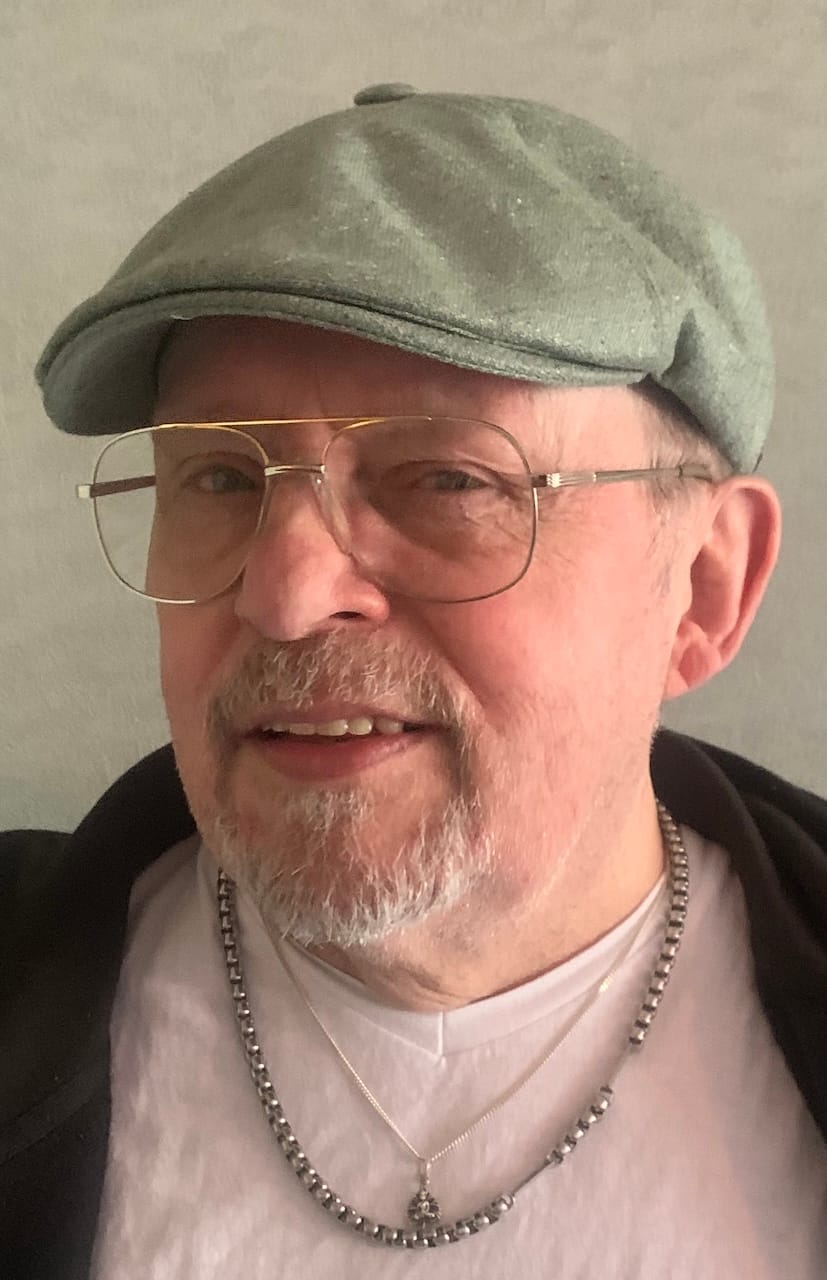
Hugo J. Smal
“For a long time, I reached out to you through two separate platforms. The Korean Weekly covered news, history, and reflection from Korea. The Koi Weekly served the koi hobby community. Both are now officially retired. They are succeeded by the Mantifang Constellation Editorial — a single publication that speaks for the entire ecosystem, rather than addressing each niche separately.”
What’s new
Korean Culture & Garden Art, and where it meets Japan

Mantifang has added a dedicated, source-based section on Korean garden art — palace grounds, temple complexes, and the traditions behind them, rather than one flat idea of “Korean style.” On KoiTalk, the same has been done for Japanese garden art, the landscape in which koi have always lived.
That raises a deeper question Hugo is now sitting with: in 612, an immigrant from Baekje built a garden at the Japanese imperial court — a composition featuring Mount Sumeru and a bridge. How much of what we now call Japanese garden art first passed through Korea?
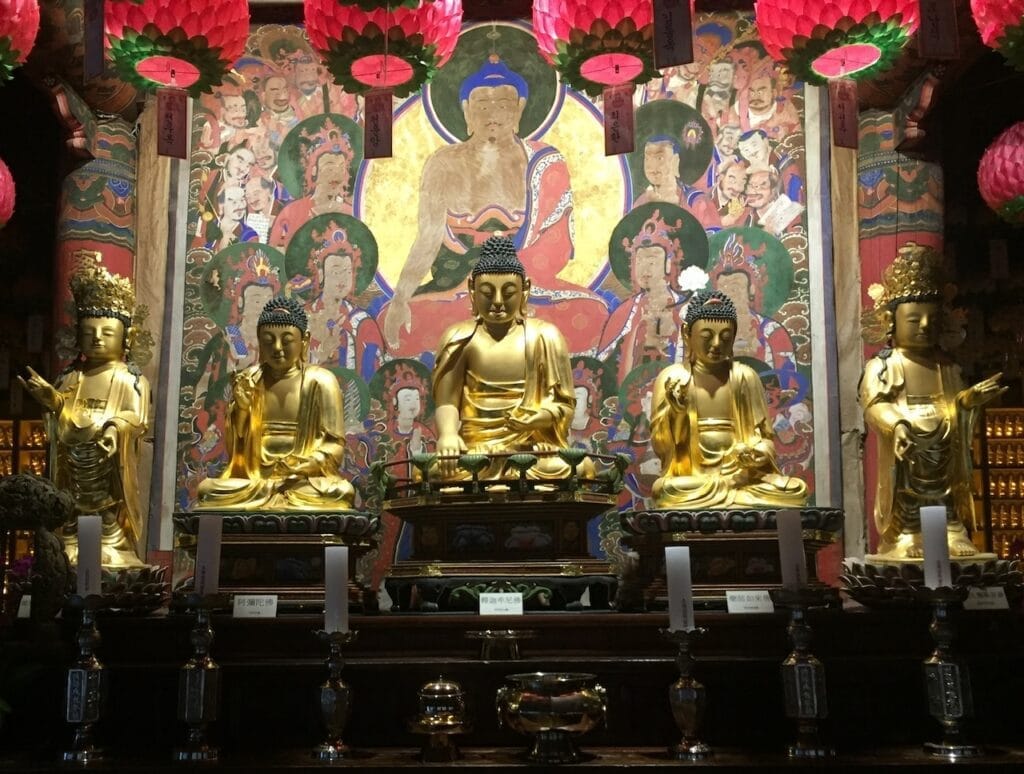
“Garden art is no longer merely a convergence among different sites, but one of the connections that reveals why they together form a constellation.”
Miroshaki and The Jijang Fractal touch the same thread — Miroshaki in the water and planting itself, Jijang Fractal in the philosophy that shaped why a garden, a pond, or a temple was built the way it was.
Korean Culture & Garden Art
·
Baekje: tombs, temples, river memory
·
Japanese Garden Art on KoiTalk
·
Miroshaki
·
The Jijang Fractal
ShikibuWant to know how Korean garden traditions may have influenced Japan? Ask me. I can follow that trail through the Constellation.
From the Editorial
A moment in Goyang

South Korea’s summer heat reached parts of Gyeonggi province at its highest warning level this year. Between the trees, the water, and the shade of Baedagol Forest, the heat feels different than it does on concrete and asphalt — a place that, on the hottest days, becomes less about gardens, culture, or history, and more simply somewhere older residents can sit where the sun isn’t constantly reflected back by the city.
ShikibuWhy does Baedagol keep appearing in Hugo’s work? Ask me. I can show you how Goyang, Baedagol and the other parts of the Constellation connect.
Main article
The Holland Koi Show, after Arcen
After some thirty years in the Arcen Castle Gardens, the Holland Koi Show has relocated to Bloemenpark Appeltern, where the 2026 edition takes place on August 15 and 16. Arcen and the show had become nearly synonymous — but Appeltern and Arcen have worked together for more than twenty-five years already, which is part of why Hugo reads this as a continuation, not an ending.

Hugo was there from the beginning: one of the founders of the Nishikigoi Association of the Netherlands, and an organiser of the first Dutch koi days, held in 1993 on what heavy rain turned into a muddy field in Arcen. More than five thousand people came anyway. The show that grew from that field is now, by its own description, the largest koi show in the world by scale and attendance — and the Netherlands can now support more than one: the separate European Koi Show ran again in Oldenzaal in May 2026.
“An event so strongly tied to one location that Arcen and the show almost bore the same name ultimately proved that it did not need that specific location to continue existing. People, fish, knowledge, and mutual competition have simply moved along with it.”
Holland Koi Show
·
The first Holland Koi Show, 1993
·
KoiTalk
ShikibuWhich koi varieties most often win the major prizes? Ask me. I can look through the knowledge collected in the Constellation.
Also worth knowing about
A few dates from this edition
- Andong International Maskdance Festival
Sept 24–Oct 4, 2026 · Andong
Korea’s talchum mask-dance tradition, with an international programme. - Chuseok
Sept 24–26, 2026 · Korea
Korea’s harvest festival of family and ancestral ritual, under the full moon. - Obon
Aug 13–16, 2026 · across most of Japan
Ancestral remembrance, marked by welcome and farewell bonfires. - Niigata Nishikigoi Exhibition
Autumn 2026 · Ojiya
In the region regarded as the birthplace of nishikigoi. - International Garden Festival
Through Nov 1, 2026 · Chaumont-sur-Loire
Twenty temporary gardens, this year themed “The Garden Goes to the Movies.”
There’s more in the house than one visit can hold. If Korean culture is new to you,
Reading Paths
is a good place to begin — or to go further, if you already know your way.
If you already know where you’re headed
Shikibu
Hugo has studied and written about the subjects you find throughout Mantifang. If you would like to know more, ask me. I can search the Constellation library for you.
My knowledge comes from the Mantifang Constellation: Hugo’s publications, research and archives, together with the knowledge gathered across Mantifang, KoiTalk, Miroshaki and The Jijang Fractal.

Temporary pause on koi exports — healing park in development
International koi exports are currently on hold. Meanwhile, we are laying the foundations for a nature-driven healing park in Goyang that blends koi culture, art, and quiet craftsmanship. For updates or collaboration, feel free to get in touch.
Contact Kim Young SooNew to Mantifang? Begin here: Start here.


