Korea is Kimchi.

Eat it a lot!

written by: Hugo J. Smal

Do I offend anyone when I state: “Korea is kimchi?” Of course, the DaeHan Minguk is much more than that, but the fermented vegetables are the most important. Sometimes I get the feeling that the Korean is busy with nothing else than making sure that there is a healthy portion of this fermented Korean specialty on the table. 

Fermented vegetables are healthy!

Kimchi is a traditional Korean dish made of fermented vegetables, usually cabbage, and a variety of seasonings. It is known for its spicy, tangy flavour and is often eaten as a side dish or used as a condiment. Many potential health benefits are associated with eating it, including improved digestion and a boosted immune system. Additionally, it is a good source of vitamins and nutrients, including vitamin C and iron. Overall, incorporating typical Korean vegetables into your diet can be a delicious and nutritious way to improve your health.
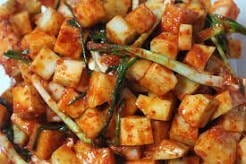
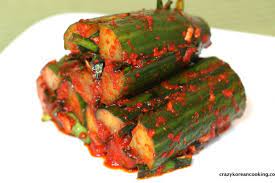
ggakdugi kimchi
ggakdugi kimchi
oi sobagi kimchi
oi sobagi kimchi


Typical Korean staple dish.

There are many different types of this Korean delicacy. It is a traditional dish enjoyed in Korea for centuries. It originate in Korea over 2,000 years ago and has since become an integral part of Korean cuisine. The word “kimchi” comes from the Korean word “chimchae”, which means “vegetable soaked in brine”. Some of the most common types are baechu (made with Napa cabbage), ggakdugi (made with diced radish), and oi sobagi (made with cucumber). Other types may be made with onions, garlic, ginger, and various seasonings. The ingredients used can vary depending on regional preferences and personal taste.

Every region is its own Kimchi.
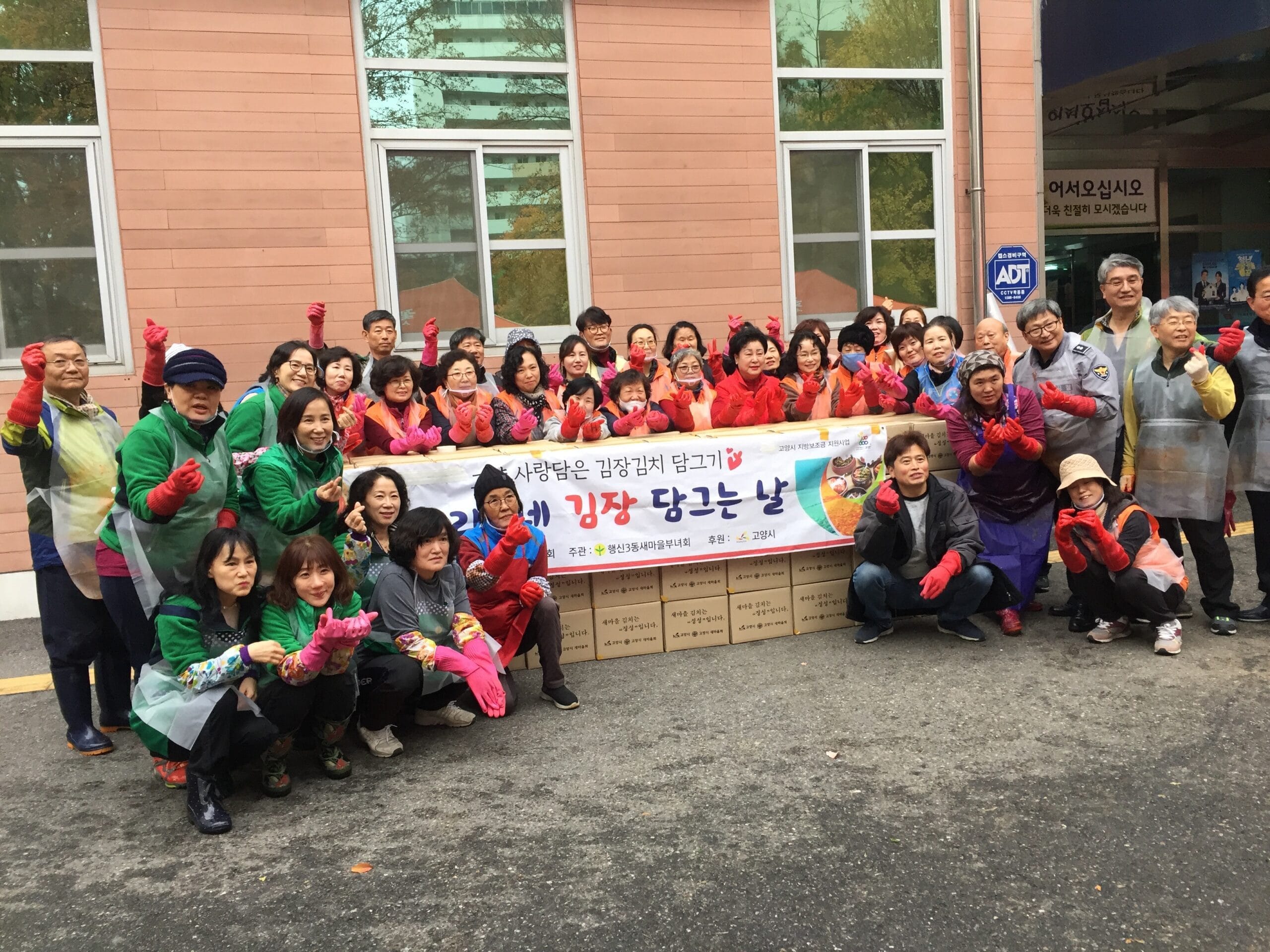
Kimchi group
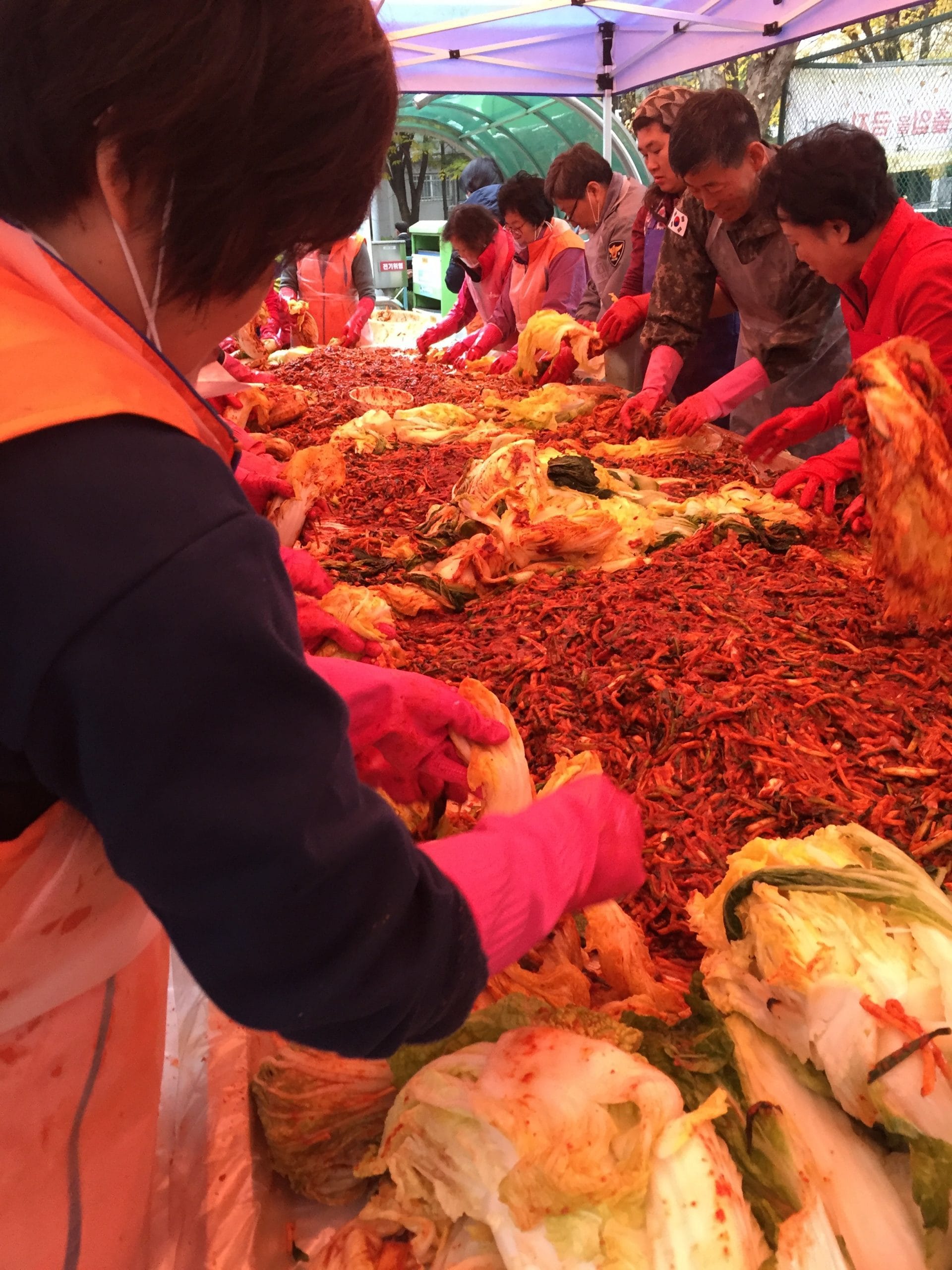
The kimjang. People gather, work together, and help each other while preparing kimchi. Unesco intangible Heritage. See also the movie below.

It is a tradition in Korea to make seasoned cabbage dish together. It is a communal activity, with families and neighbours coming together to prepare large batches of the dish for the winter months.

In recent years it has become popular worldwide as a healthy and flavorful food. It is high in vitamins and nutrients, and the fermentation process gives it probiotic properties. Many people enjoy the spicy staple as a tasty and healthy addition to their diet.


Make the typical Korean vegetables yourself.

Here is a simple recipe for the most common type: baechu.
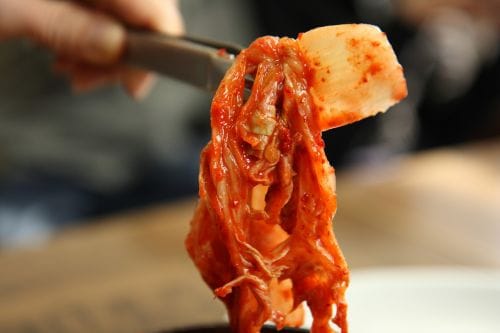
baechu kimchi

Ingredients:

  • 1 large head of napa cabbage
  • 1/4 cup coarse sea salt
  • 6 cups water
  • 1/2 cup Korean red pepper flakes
  • 1/4 cup sugar
  • 1/4 cup fish sauce
  • 1/4 cup minced garlic
  • 1/4 cup minced ginger
  • 4 scallions, chopped


Instructions:

  1. Cut the cabbage into quarters and remove the tough core from each piece. Cut each quarter into 2-inch pieces.
  2. In a large bowl, combine Mix the cabbage and salt. Let it sit for 1-2 hours to allow the cabbage to release its moisture.
  3. Rinse the cabbage well under cold water and drain.
  4. In a separate bowl, combine the water, red pepper flakes, sugar, fish sauce, garlic, ginger, and scallions. Mix well to make the kimchi paste.
  5. Add the kimchi paste to the cabbage and mix well. Coat each piece of cabbage with the paste.
  6. Transfer the kimchi to a large jar or crock and press down firmly to remove any air bubbles. Cover it with a lid or plastic wrap and let it sit at room temperature for 1-2 days. The kimchi will ferment.
  7. After 1-2 days, transfer the jar to the refrigerator and let the kimchi ferment for at least another week before serving. 

How to use Kimchi?

Kimchi The tradition Korean side dish, is a versatile ingredient to use in a variety of dishes in the kitchen. 

  • Serve it as a side dish with rice and other Korean food. Or use it as a topping for bibimbap (mixed rice with vegetables) or noodles.
  • Add it to soups and stews to give them a spicy, flavorful kick. It is a common ingredient in recipes such as kimchi jjigae ( stew) or noodle soup.
  • Mix the Korean side dish with other ingredients such as sliced carrots, radishes, and cucumbers. It becomes a refreshing and spicy salad.
  • Add it to fried rice with ingredients such as diced bacon, scrambled eggs, and scallions. It becomes a delicious and flavorful meal.
  • As a marinade: Use the spicy, tangy flavour of the fermented vegetable as a marinade for meats and vegetables. Mix it with soy sauce, garlic, and honey to make a tasty marinade for grilled or roasted dishes.

A very funny story about making Kimchi. We don’t know where and when it was published.

Overall, the spicy staple is a versatile ingredient that adds flavour and spice to many dishes in the kitchen. And no! No one should be offended when I say: Korea is kimchi. For me, this is absolutely the truth. It is the smell and taste of the Dae Han Minguk. Best enjoyed with a glass of Soju.

 The kimjang. People gather, work together, and help each other while preparing kimchi. Unesco intangible Heritage. read about it

When you like Korean food please follow:  Korean kitchen

[embedyt] https://www.youtube.com/watch?v=W87fOBWnpsM[/embedyt]
Korean drama explained

written by Hugo J. Smal

How to watch Hallyu drama.

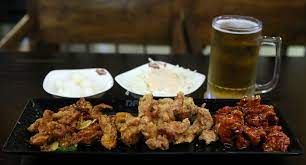
I love to watch and explain Korean movies and television series. For a long time, non of my friends could not cope with that. They simply did not understand Korean culture. And they still do not even tough  I had Korean drama explained. Yes, during drinking evenings, I talked a lot about the Daehan Minguk. Maybe too much. The friends looked a little bit bored and took another beer. I brought spicy fried chicken to the table. They did not want me to explain Korean movies or television series.

Korean drama explainedChi-maeg is very populair in Korea. You eat it with friends or workmates. This is not done in the dining room but in one of the little restaurants that are easy to find. The Koreans love to go out eating and have fun. In every movie or television series, the restaurant table is the hotspot.


The squid game changed.

Yes, I bored them a little bit. This changed since the movie Squid games. Their attitude improved. Now everybody wants to talk about Korea. The land is hot. And I am sure that when Covid was not our dictator, tourism to the land of the morning calm would explode. This is just my humble opinion. So let me give you some background information. This is useful while watching the screen. I promise you the word boring and watching Korean visual entertainment are not a couple. So let me give you some basic information. This will help you to understand Korean movies and television series a little bit more.

Names in Korean drama explained.

When we think of common Korean surnames, the Kim family, which rules in North Korea, quickly comes to mind. Surnames like Kim, Choi, Lee, Kang, Jang, and Park are common in Korea. Most of the time, these names originate from the names of ancient clans.Like everywhere in East Asia: use first the family name and after that the personal name. So Kim Jong Un and not Jong Un Kim as we in the west would do. 

An anonymous person wrote on Ask a Korean:

In Korean manners, using the first name either meant very close intimacy or extreme superiority. Therefore, relatively few people may call you by your first name. Here is the list of those people: parents, grandparents, uncles and aunts; your older (but not younger) siblings; close friends of the same age or older; your owner (if you are a dog, cat, or other pets, or a slave in the old days.) That is it. That is Korean drama explained.

About using names in the work environment, the same person wrote:

For people met through a professional acquaintance, the correct term is to use the person’s last name, followed by his rank or profession. Thus, if you are a manager (bujang) whose last name is Kim, they call you Kim bujang-nim. (nim is an honorific, which makes the whole thing translate to “Manager-Sir/Madam Kim”.) If you are an owner of a store whose last name is Kwon, the Koreans call you Kwon sajang-nim. (sajang means the owner of a business. So you are being called Owner-Sir/Madam Kwon.

It is really worthwhile to read the entire blog: Blog

Bowing in Korean drama explained.

Bowing in Korean drama explained.Waving or at least raising your hand is what we as westerners do when greeting. In Korea, people bow to each other. You don’t have to get all the way down on your knees. But a little bow is so respectful. The same goes for showing gratitude. The more grateful you are, the deeper your bow.They don’t just bow in greeting or gratitude. When someone has done something wrong and apologizes, they are prone to bowing. When someone has lied to someone else (or name something else that is serious) they go to their knees.
There is much more to explain about bowing in Korean drama. I found an outstanding article here

Formal and informal.

Formal and informal in Korean drama explainedWhile we are using the formal word “you” less and less, in Korea it is very important to speak formally. If you don’t, it’s “disrespectful.”Take age into account to determine who you should speak to formally and who not. You should also ask yourself: How well do I know this person? If the person indicates that you are allowed to talk to them informally, that is a sign to ‘behave differently.

Respect for the elderly in Korean drama.

In Korea, respect for the elderly is common. This does not only mean that they respect people over 65, even if you differ with someone for a few months you show respect.
This lies in speaking formally and behaving properly. Watch your language, and so on. What strikes me personally is how children/young people deal with their parents. We in the west no longer express immense gratitude for parenting.

To be vocal in Korean drama explained.

To be vocal in Korean drama explained.The Dutch are always nice and sober. Cut our finger? Forget it. Soon you won’t see anything anymore. Koreans can (it does not have to be) express themselves quite vigorously about this. With cries like “OMO!” and “Ottoke?!” (meaning “Oh my God” and “Now What?”) the Koreans show how worried or in pain they are.
Also when there is an argument it can go loud. Lots of angry expressions are used. I name just some of them: hello! (what the hell!). Young people use this when they are frustrated. You can also use aish! Aigo is an expression used when someone is frustrated, irritated or just fatigued. Omo! means oh my god. But just looking means:  Korean drama explained

Typical Korean food and drinks.

Eating culture in Korean drama explained. What should not be missing in the Korean series is of course the typical Korean food and drinks! Much of Korean life happens in restaurants, around the dinner table. On the screen, you see friends, co-workers and sometimes even enemies go-to restaurants again and again. Things you often come across are soju, Kimbap, Kimchi, Jajangmyeon and Miyeok guk. And the Americano coffee (black coffee as we know it) should certainly not be missed!

Soju 

This alcoholic drink, made from rice and is often sold at eateries. Drink it from small shot glasses and it often contains 20% alcohol. Another typical drink is makgeolli.  Traditionally soju was made from rice but after the Korean war
(1950th) people made soju with starch of potato, barley, sweet potato and tapioca.

Kimbap

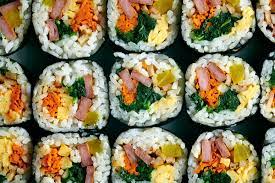
This Korean snack consists of rice rolled in seaweed along with various vegetables or meat. Yes, in Japan they call it Sushi. In Korea, they make it with spinach, cucumber, carrot, beef or fish. You find a recipe here

Kimchi 

A well-known, spicy side dish combined with several dishes. Kimchi consists of fermented cabbage and vegetables, aged for months in a jar. This pot is often kept (underground) in the garden.
Kimchi is traditionally made, salted and fermented cabbage or radish seasoned with powdered red pepper, garlic, green onions mixed with some fish sources. As kimchi appears on almost every meal, to keep kimchi, Koreans traditionally used big pots buried half underground. However, most people today use refrigerators specially made for kimchi preservation. You find a recipe here


Jajangmyeon 

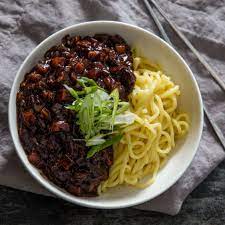
Jajangmyeon is a dish that consists of noodles, vegetables, meat and black bean sauce. Often they mix the dish completely. It becomes a tasteful slippery mess. You find a recipe here

Miyeok guk 

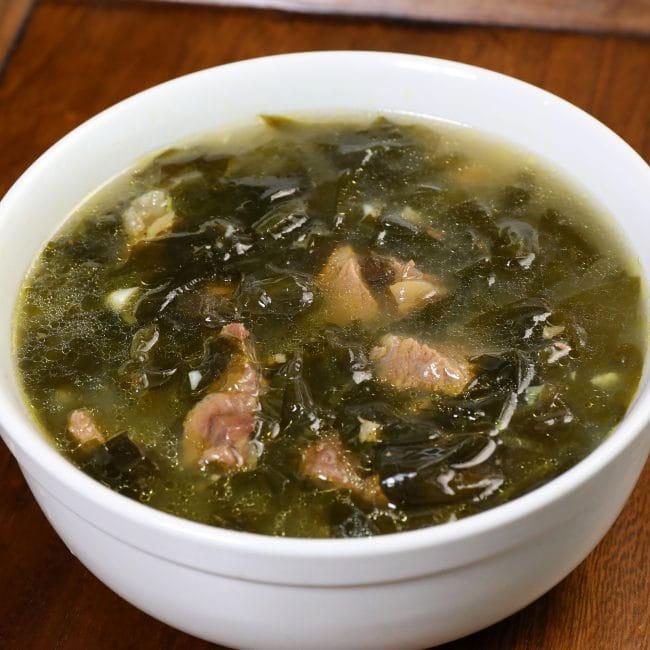
Miyeokguk is a soup made of edible seaweed and is traditionally eaten on birthdays or after giving birth, although you can eat anytime you like. You find a recipe You find a recipe here

So, this was Korean drama explained. But there is so much more to tell. The best you can do is to follow the mantifang or one of our Social Media channels. You find them here

youtube placeholder image

Korean Kitchen

written by Hugo J. Smal

Korean kitchen: food not trying is not living!

My personal experience with Korean dining illustrates this perfectly: The table resembled a scene of post-war Korea—an area of chaos. Dinner at this restaurant is always a bustling affair. The integrated barbecue, countless trays of side dishes, peppers, garlic, salad leaves, bottles, tins, rice, plates, chopsticks, and napkins—it’s always a challenge for the waitstaff to arrange everything on the table. We had thoroughly enjoyed the meal, and it showed. Kim Young Soo signaled that our dining experience had come to an end and went to the counter to pay. Nearby, two men were engaged in a spirited argument, clearly fueled by Soju. Interestingly, the disagreement wasn’t over who should pay, but rather who wanted to pay. Discover more about my Korean adventures.

Fermentation: A Cornerstone of Korean Cuisine

Making Kimchi: A True Neighborhood Tradition

The Koreans ferment a lot. Kimchi is, of course, the most famous. Originally, vegetables were fermented for the scarce winter period. But making Kimchi in the fall is still a tradition. Many Koreans, especially in the part of Goyang Si where I stay, have a small garden where they grow their vegetables. Kimchi not only harmonizes well with meat and rice but its pro-biotic effect is increasingly recognized. In short, Kimchi is very healthy. Dive into Kimchi and get a recipe.

Rice: The Essential Staple of Korean Cuisine

Rice is indispensable in Korean cuisine and culture. Historically, Chinese philosophy greatly influenced Korean dietary practices, or Hanguk eumsig, emphasizing the belief that poor eating habits lead to illness. While this principle might seem obvious, it’s often overlooked in modern times. However, Koreans continue to prioritize health by consuming nourishing and healing foods developed over centuries.

One such tradition is the incorporation of herbal remedies into daily beverages, both alcoholic and non-alcoholic, like eumcheong. Commonly used ingredients include honey, cinnamon, pine nuts, ginseng, ginger, jujube, Schisandra Chinensis (five-flavor berry), and goji. The ancient concept of Yak-Sik-Dongwon, meaning “medicinal food” or “medicinal rice,” reflects the deeply rooted belief that rice is the best medicine.

Korean kitchen offers bold flavors and unique dishes like Kimchi, Bibimbap, and Bulgogi. Discover 10 must-try dishes that capture the essence of Korean cuisine.

  1. Kimchi – Fermented vegetables, usually cabbage, with a spicy and tangy flavor.
  2. Bibimbap – A mixed rice dish with vegetables, egg, and gochujang (red pepper paste).
  3. Bulgogi – Marinated beef, grilled or stir-fried.
  4. Samgyeopsal – Grilled pork belly, often served with lettuce and ssamjang (spicy dipping sauce).
  5. Japchae – Sweet and savory stir-fried glass noodles with vegetables and meat.
  6. Tteokbokki – Spicy rice cakes in a sweet and spicy sauce.
  7. Sundubu-jjigae – Soft tofu stew with meat or seafood.
  8. Kimbap – Korean rice rolls with vegetables, meat, or seafood.
  9. Haemul Pajeon – Savory pancake with seafood and green onions.
  10. Galbi – Marinated and grilled beef short ribs.

These dishes showcase the diverse and flavorful nature of Korean cuisine.

Lots of plant-based ingredients in the Korean kitchen!

The proportion of flora is very large in Korean cuisine. Ingredients such as vegetables, mushrooms, seeds and seaweed are widely used. They are used in the cooking of almost all foods. Rice, porridge, rice cakes, soup, stew, wraps, steamed vegetables and pastries, you will always find green in it.
Herbs from the mountains and fields, in particular, are rich in vitamins and minerals, as well as fibre and antioxidants. The traditional cooking method of vegetables is cumbersome and takes a lot of time and effort, but vegetables are eaten as a staple food and thus a very important part of the Korean diet.

Are Meat, Poultry, and Fish Important?

Korean bulgogi is hot.

Traditionally, meat and fish have been among the more expensive ingredients in Korean cuisine, a trend seen worldwide. Historically, these products held a modest place on the Korean dining table, and even today, many Korean households maintain a diet that is predominantly plant-based, leading some to describe Korean cuisine as “almost vegetarian.”
However, the experience is quite different in restaurants, where barbecue reigns supreme. Whether it’s meat, fish, or poultry, the barbecue is the centerpiece of the dining table. If it’s your first time in a Korean restaurant, the staff will gladly assist in preparing the meat. But once they see you’re familiar with the process, they’ll step back and let you enjoy.

Korean barbeque; explosion of flavors

Kim Young Soo set the gas grill to the perfect temperature before placing the meat on it. He snapped a pepper and offered it to me. I took a cautious bite—sometimes they’re intensely hot, so much so that even Soju, sugar, or water can’t cool the fire.
When the meat was ready, I picked up a piece with my chopsticks, placed it on a lettuce leaf, added some kimchi, a clove of garlic, ginger slices, and black bean sauce. I folded it all into a neat package and popped it into my mouth. The explosion of flavors was unparalleled. It reminded me of the bustling streets of Insadong—vibrant, colorful, dynamic, and filled with an abundance of scents. You don’t just taste Korean food; you experience it.
Dining in a Korean restaurant is a communal affair. Everyone takes part in preparing the meat, ensuring that it’s turned regularly on the barbecue to prevent it from charring. This interactive process makes dining not just about eating, but also about participating and sharing.

Share your own Korean kitchen experiences with us and follow us at Mantifang Korean kitchen 한국 주방 for more delicious content. 

Korean dinning means multitasking!

And this is getting worse. In the west, everyone gets their bottle of beer. Waiters fill the wine glasses or provide you with stronger drinks. In Hanguk, it is completely different. Providing yourself with a drink is as much an insult to your table companions as putting your chopsticks upright in your rice bowl. You wait until someone else sees that your glass is empty. They will automatically fill it in for you. In turn, you make sure that your partners still have something to drink.

“When I noticed that the Soju bottles were almost all empty, I pressed a button on the table. A bell rang in the kitchen and then I heard the sound I loved most in Korea. The waitress all said at the same time, “deh!” We’ve heard and we’re coming. I do not know a clearer expression of hospitality. It’s all so dedicated. However, Kim Kung has already jumped up and got bottles from the fridge. He drinks Hite beer.”

Fish market

This is just an introduction. I’m not a cook or a specialist, especially in Korean cuisine, just a big fan. During all my visits to Korea, Kim Young Soo has taken me to a lot of restaurants. From simple maegju chicken to the very exclusive kitchen of the Yi dynasty Royals. The eel in the small eatery on the Han River was a feast for the palate. It is a great feast to visit one of the fish markets in Jeju-do or Gangwa-do, for example.

Korean seasonal food

A large hall at the water. Fishing boats bump against the shore. The scent of the sea creatures fills your nose. Thousands of “fruit de Mer” are displayed in hundreds of stalls. You make your choice and negotiate the price. Then you take your delicacies to a small restaurant in the market hall. Sometimes you have to wait because fish is popular in Korea. The specialized chefs bake what you scored, enjoy it!

Taste Korean food!

There are a lot of reasons to travel to Korea. The cities are beautiful and nature is stunning. There are many cultural and historical sites. The people are nice and show great hospitality. But to me, the Korean kitchen is especially outstanding. Just thinking about the lovely dishes fills my mouth with water. Yes, I love it. 

Korean cuisine has bold and flavorful dishes, which often feature a combination of salty, spicy, sour, and sweet flavours. Common ingredients in Korean cooking include rice, noodles, vegetables, and meats such as beef, pork, and chicken.

Questions and reflections

1. What makes the Korean kitchen more than just a place of cooking in your own experience?
In Korea, food is rarely separate from gratitude. Each dish carries a sense of presence — the awareness that nourishment is also a form of giving back to the earth.

2. How does Korean temple food express compassion, balance, and mindfulness in everyday life?
Through simplicity. Every ingredient is used fully, every motion of preparation becomes a quiet meditation. The food is not about indulgence but about harmony.

3. If you could join a meal in a Korean temple kitchen, what would you hope to learn or feel there?
Perhaps that peace is found not in the absence of hunger, but in the act of sharing — that cooking itself can be a path to compassion.

tea to cool down Brew Your Own

Tea to Cool Down: Korean Herbal Drinks & Summer Remedies

Looking for tea to cool down on hot days? Korea’s kitchen has centuries of refreshing infusions — simple to brew, light on the palate, and perfect for summer wellness.

Iced bori-cha (barley tea) — a classic Korean tea to cool down.

Why Korean teas are great to cool down

Traditional Korean drinks favour grains, flowers, seeds, and fruits rather than only camellia sinensis.
Many are naturally caffeine-free, brew fast, and taste clean when served on ice. Below are five reliable
choices when you need tea to cool down quickly.

Quick picks: teas to cool down fast

  • Bori-cha (barley tea) — Nutty, toasty, super-thirst-quenching. Brew strong and chill. Read more background on
    barley tea.
  • Memil-cha (buckwheat tea) — Light, slightly sweet, excellent over ice. About the plant:
    buckwheat tea.
  • Oksusu-suyeom-cha (corn-silk tea) — Gentle, refreshing; popular for summer hydration.
    See corn silk.
  • Omija-cha (schisandra berry) — “Five-flavour berry” syrup with ice water; ruby-red and bright.
    About the berry: schisandra.
  • Gukhwa-cha (chrysanthemum) — Floral and clean; widely used across East Asia as a cooling flower tea. More at
    chrysanthemum tea.

How to brew a perfect tea to cool down

Cold-brew (no bitterness, minimal work)

  1. Add 10–12 g roasted barley or buckwheat (or 2 tea bags) to 1 L cold water.
  2. Refrigerate 6–8 hours. Strain; serve over ice with lemon slice.

Hot-brew then chill (fastest)

  1. Simmer grains/flowers 5–8 minutes (don’t boil hard).
  2. Sweeten lightly if desired (1–2 tsp honey or omija syrup).
  3. Cool, then pour over plenty of ice. Garnish with cucumber or pear.

Tip: For a cafe-style cooler, blend strong tea to cool down with a handful of ice and a few grapes or pear cubes.
It stays refreshing without becoming sugary.

Smart pairings for hotter days

  • Barley tea + citrus — a squeeze of yuja/lemon brightens the nutty base.
  • Omija + soda — equal parts omija syrup and sparkling water for a fast cooler.
  • Chrysanthemum + jujube slice — floral with gentle fruit notes.

A brief note on wellness

These drinks are traditional refreshments — not medical treatments. If you have specific conditions
or take medication, check professional guidance before adding strong herbal blends. Enjoy them mainly
as delicious, hydrating companions to summer meals.

Tea to cool down — in Baedagol Gardens

If you want to see how traditions of tea, shade, and nature come together, look no further than
Baedagol Gardens. This place, still in development,
will bring together streams, tea houses, and walking paths designed to embody the Korean way of
cooling down during hot summers. Imagine sipping barley tea under a pavilion while cicadas hum,
or sharing omija with friends near a lotus pond — that is the spirit of Baedagol.

The project links past and present: traditional drinks meet modern design, creating a space where
visitors not only refresh their bodies with tea to cool down, but also refresh their
minds through contact with nature. It is more than a park — it is a living reflection of Korea’s
hospitality and balance.

FAQ — tea to cool down

What’s the easiest Korean tea to cool down for beginners?
Barley tea: one pot, five minutes, chill and serve — inexpensive and almost fool-proof.

Can I make it caffeine-free?
Yes. Barley, buckwheat, corn-silk, and chrysanthemum are naturally caffeine-free; great for evenings.

Further Reading

Also explore Mantifang’s own reflections on culture and nature:
My Korean Journey,
Korean Nature is Unique,
and Jijang’s Fractal.

Thirsty already? Brew a jug today and tag your favourite tea to cool down combinations in the comments — I’d love to hear what works for you.