Korean gardening: the gods are praised.

 written by Hugo J. Smal

Sungnyemun burning: with regards https://joshinggnome.wordpress.com
Sungnyemun burning. image

On the 11th of February, 2008, Sungnyemun, Sungnyemun, the Southern Gate, from Seoul burned down. King Yi T’aejo (1335 – 1408), the founder of the Choson Kingdom, had this gate built around 1400. He also constructed the Kyon Gyeongbokgung Palace. These days you can see the fruit of Korean gardening there.
The purpose of this gate was not only to stop Japanese robbers. It also provided spiritual happiness and prosperity, absolute standards of Korean Gardening.

Emphasis on naturalistic beauty.

[:en]Wonderful wander: the Secret Garden in Changdeokgung, Seoul © Chinnaphong Mungsiri / Getty[:]
Wonderful wander: the Secret Garden in Changdeokgung, Seoul © Chinnaphong Mungsiri / Getty
For two thousand years, Koreans have been constructing beautiful gardens meant to bring the harmony of the natural world into man-made spaces. These gardens range from majestic gardens situated in royal palaces to humble courtyard gardens in traditional hanok-style family homes.

Korean gardens are distinguished from their Chinese and Japanese cousins by a deep emphasis on naturalistic beauty, a direct influence of the Korean philosophy of hermitism. To achieve this natural beauty,  gardens take into account architecture, water, stone, and open space to create a sense of unlikely balance that isn’t forced or artificial. The most common features of Korean gardens grow out of these elements and include architectural pavilions and central reflecting ponds.

A lot of the Koreans still believe in all those influences of the gods. And the gate is rebuilt. It is their national pride and the Pungsu-jiri (풍수지리 is held in honour, as are the influences of the different religions described below.  it’s splendid again

Chôngwon (정원) Korean Gardening or 정원 (jeongwon)

The Korean word for a garden is a combination of two Chinese characters. Chông 정, the first character, indicates a garden surrounded by buildings or walls. Chong divides gardens into a palace, official, temple and regular. This is according to the function of the building. Korean architectures divide the common garden into the front or back garden, indoor or outdoor, middle garden or for example a gate or stair garden. This is also according to the location.

Korean GardeningWon 원, the second character, means hill or wide field with forests. With this character, the garden rises above the garden surrounded by buildings or walls. The composition of the two characters thus means a small garden, but also a park complex or a naturally designed park.

Trees look in.

The essence of Korean gardening is the natural landscape with hills, streams, and fields. The landscape is not separated by walls or other boundaries. The Korean gardener builds walls to let trees look over them.
The environment is allowed in the garden. The nature within the walls is not forced into a straitjacket like in Japan. The Korean garden is natural and therefore calming.
Nature is perfect in Korean philosophy. Therefore, the Hanguk takes great care in human intervention. Interference is almost seen as violent. The idea behind Korean garden culture is to make nature appear more natural than nature itself. Where the Japanese shape nature, the Koreans will shape in nature.

Korean gardening is a fusion.

With the word fusion, the Korean garden culture is appointed in one blow. In contrast to the one-sided, humanistic-Christian background of the Europeans, the Hanguk culture consists of a mixture of many settings: all of them from their ancient religious history.

unju-sa
Doltap

Tangun (the sandalwood king) is seen as the mythical founder of Korea, 4326 years ago. He descended to Pyongyang, where he founded an empire: Chosön, the country of the morning calm.
This is a myth with a clearly shamanistic character, in which the fusion of cosmos, earth, gods, people, animals, and plants takes place. Shamanism knows many gods and spirits. These live in the landscape but also in the basement, the kitchen or in the attic. In the event of illness or other adversity, many Korean people still visit the Mudang

Natural shrines.

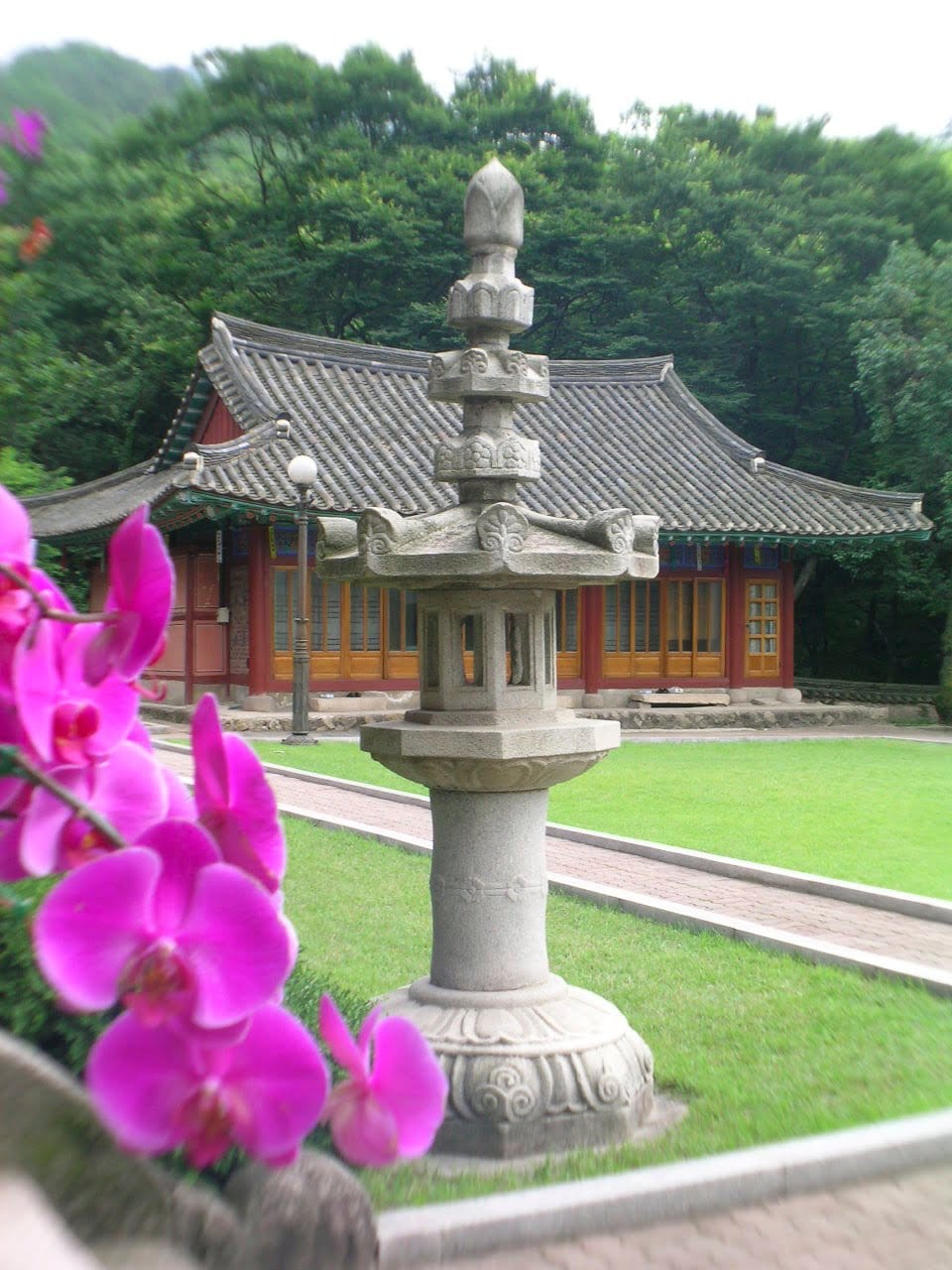
Also, the piling of stones, Doltap (돌탑 ), stems from this natural belief. It is a common practice in Korea to place a foundation stone on the side of the road. Another finder contributes to his or her part. This way the most beautiful pagodas arise spontaneously along the way, but also at a Buddhist shrine or for example a waterfall. They are saving natural shrines, in which everyone cooperates. And the most beautiful thing … nobody kicks them over.

[embedyt] https://www.youtube.com/watch?v=Z57WEu2wtRw[/embedyt]


Pragmatic focus

Confucianism is the second religious belief that is a part of the Korean gardening philosophy. This focuses mainly on the life of man in this world. The relationships between people. Hence very pragmatic indeed.

Korean gardening in palace.
Yi dynasty beauty. The building washing his feet.

Confucianism, originating in ancient China, places a strong emphasis on harmony, order, and moral rectitude. In Korean gardens, this influence is seen in the careful balance and symmetry often present in garden layouts. Gardens were designed to reflect the Confucian ideals of harmony between man and nature, and the orderly arrangement of paths, water features, and plants often mirrors the structured societal hierarchy promoted by Confucianism. Learn about the role Confucianism plays in Korea today here.

Neo-Confucianism

It is highly influential in Korea during the Joseon Dynasty, further developed these ideas. It emphasizes self-cultivation and a deepened understanding of one’s relationship with the universe. Korean gardens from this period often feature scholar’s rocks and carefully curated views, which encourage contemplation and intellectual reflection. The gardens are not just for aesthetic pleasure but also serve as spaces for meditation and personal growth, in line with Neo-Confucian values.

Both philosophies contributed to the development of Korean gardens as spaces where ethical and philosophical contemplation could be pursued amidst natural beauty. The result is a garden culture that not only emphasizes aesthetic appeal but also intellectual and moral depth.

Great influence on Korean Gardening.

 Also Buddhism has significantly influenced Korean garden culture, embodying principles of harmony, balance, and simplicity. These gardens often promote contemplation and meditation, reflecting the Buddhist pursuit of peace and inner tranquility. Elements like water, stones, and meticulously arranged vegetation are central, symbolizing the natural world and Buddhist teachings. Symbolism is key, with certain plants and structures representing spiritual concepts from Buddhism. This results in serene, naturalistic gardens that are not just visually appealing, but also spiritually meaningful.

No conflict.

In Korea, there was no conflict between religions. They simply exist side by side. Later, the Jesuits brought Christ. This Western saviour also got his place. The Korean culture only grew richer. Many Koreans choose a very down-to-earth starting point for faith. They just pray to everyone. If one does not help, one may expect more benefit from the other.

The saint set his spade.

It is therefore not surprising that you find Confucian symbolism in Buddhist temples, while shamanic gods keep watch. Therefore the fusion between four big worlds religions. Where in the west the rich ruled the garden culture, for example with the exorbitant Versailles, in Korea the saint set his spade in the ground. The European monks came no further than the herb garden. Those in the Far East succeeded in creating true garden art.

Korean gardening means the outside is looking in.
Outside looking in.

Human environment.

Korean garden architecture is holistic. According to the dictionary, Holism is the view that there is a connection in reality. Hence the whole is not found in the components.
The Korean garden culture, for example, combines Chong and Won, building a human environment that combines well with the world of nature. It is respecting both nature and human values.
Korean gardening is the art of creating an outdoor space with ecological values, functional and practical. It gives more value to ecology than to scientific disciplines such as technology and architecture.

Korean gardening incorporates the mythical.

The Korean garden differs from the formal garden. In the latter, visual beauty is sought. The beauty of the Korean garden arises from a complex, spiritual and mythical beauty. This is captured by the spirit and its five senses: sight, smell. hearing, taste, and feeling.
This is not the beauty, for example, found in the Japanese garden. Captured by planting and materials. The Korean garden has an organic beauty that changes in space and time. It relies on the elements and on materials used.

Korean gardening is natural.
Korean gardening is natural. 자연주의 정원 (jayeonjuui jeongwon)

Compulsions of nature.

It is not only external beauty but also a manifestation of cosmic principles such as fragility, sound, contrasts between light and dark and dry and wet. In the distant past, the Koreans build about a thousand public gardens. Not by specialists, but by the garden owners themselves. They knew the working of nature through their own gardens, usually described as natural gardens.
These gardens acted as intermediaries between the compulsions of nature and the needs of man. It is strange that Korean garden culture is not discovered by the rest of the world. The Chinese garden gets attention, while the Japanese are a real hype.

See what happens in the Korean garden.


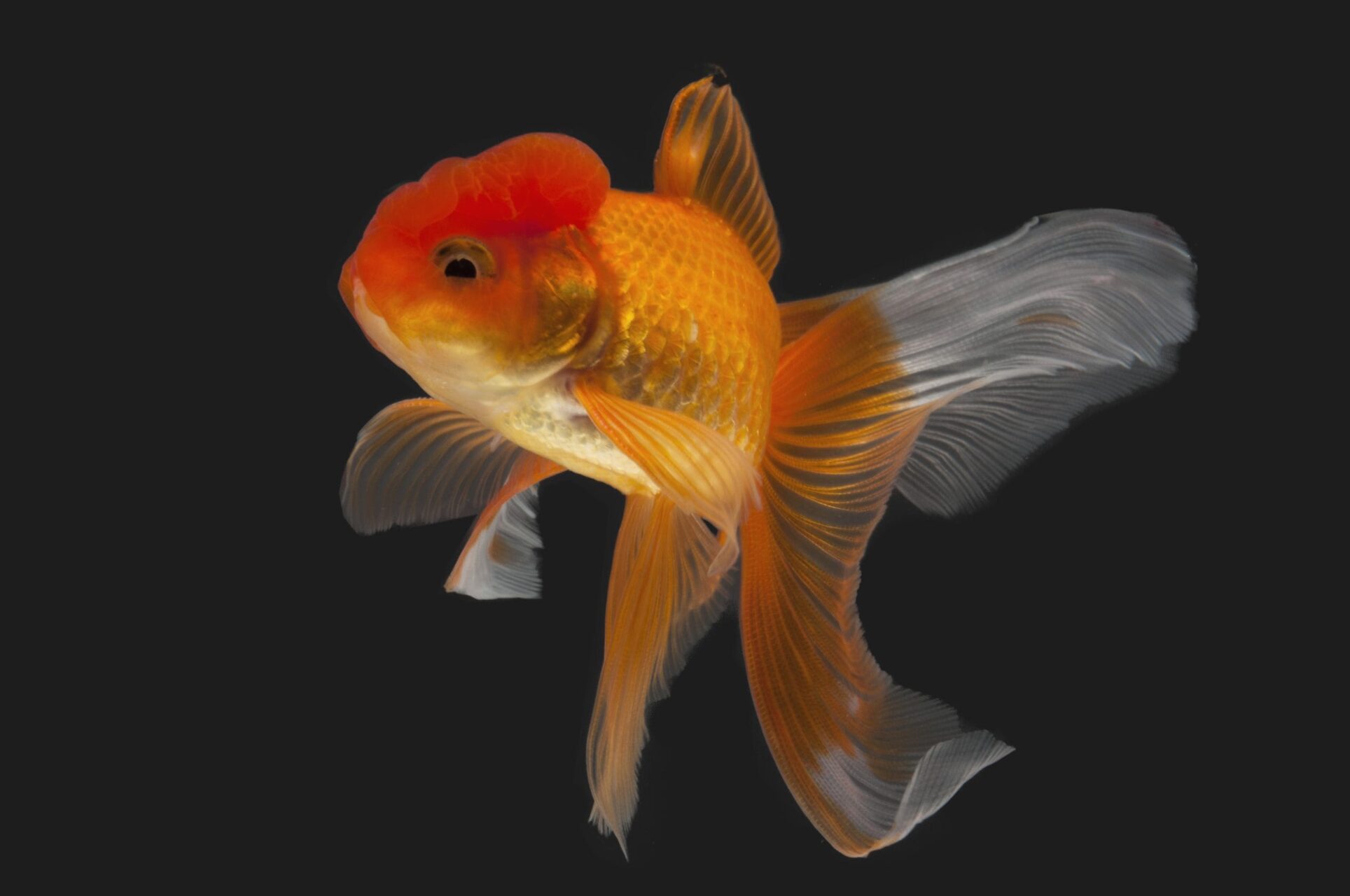
Fancy Goldfish

The Ultimate Guide to Caring for Fancy Goldfish

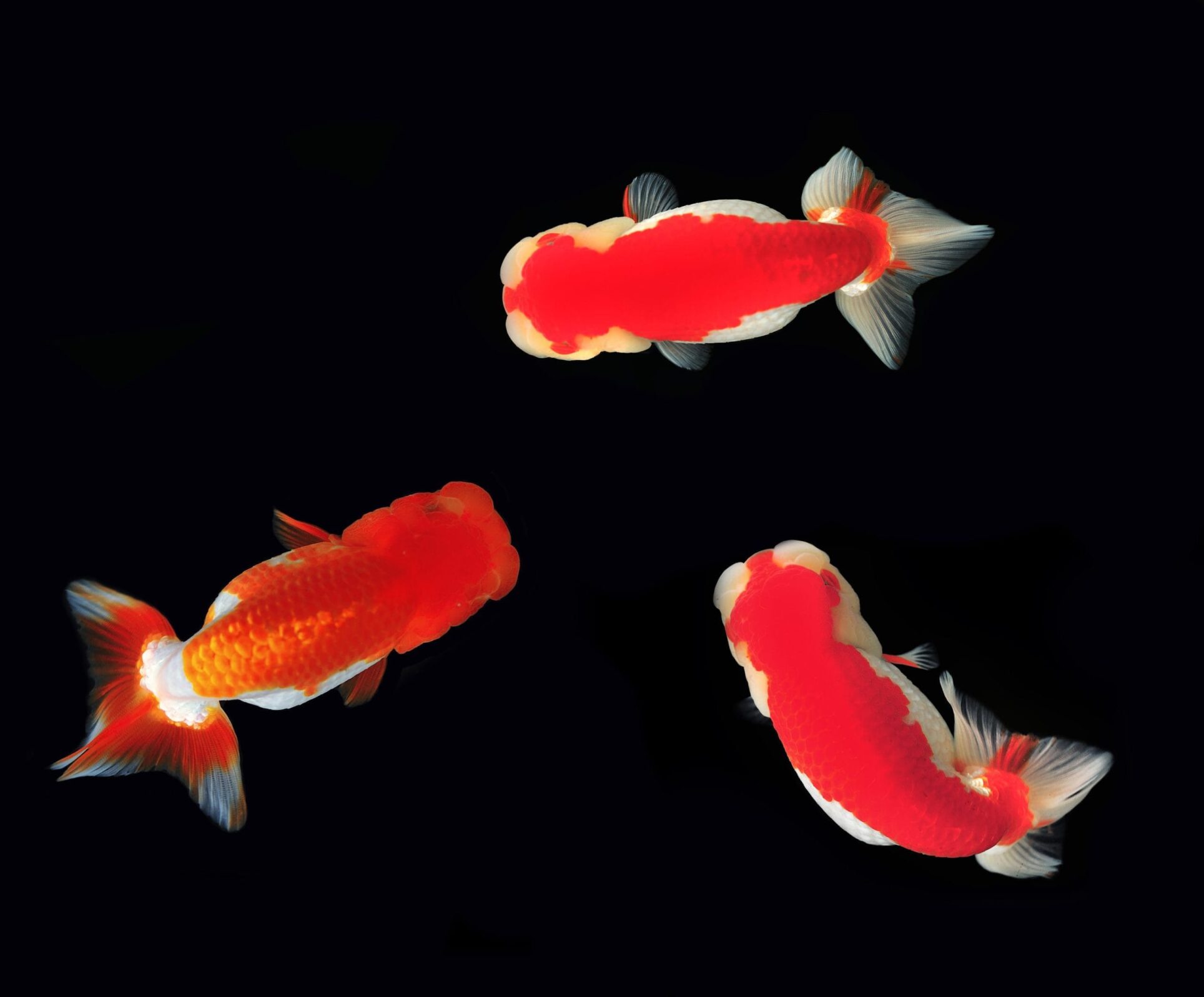
Decorative Goldfish are a popular choice among aquarists due to their unique appearance and vibrant colors. These ornamental fish come in various types, each with its own distinctive features. Whether you’re a beginner or an experienced fish keeper, providing the right care is essential to keeping your Fancy Goldfish healthy and happy.

Choosing the Right Tank for Fancy Goldfish

Fancy GoldfishWhen selecting a tank for your fishes, size matters. Unlike other fish, these beauties require more space due to their size and the amount of waste they produce. A minimum of 20 gallons is recommended for one Ornamental Goldfish with an additional 10 gallons for each additional fish.

Ideal Water Conditions

Maintaining proper water quality is crucial for the well-being of your Fancy Goldfish. These fish thrive in freshwater with a pH level between 7.0 and 8.4. Regular water changes and the use of a good filtration system will help keep the water clean and safe for your Ornamental Goldfish.

Feeding Your Fancy Goldfish

Fancy Goldfish have specific dietary needs. A balanced diet consisting of high-quality flakes, pellets, and occasional treats like bloodworms or brine shrimp will ensure your friends  remains healthy. Be careful not to overfeed, as Fancy Goldfish are prone to obesity and related health issues.

Common Health Issues

Like all pets, fishes can face health challenges. Some common issues include swim bladder disease, fin rot, and ich. Early detection and prompt treatment are key to ensuring your Fancy Goldfish recovers quickly.

Conclusion

Caring for Goldfish requires attention to detail and a commitment to providing the best environment possible. By following these guidelines, you can enjoy the beauty and charm of these fascinating fish for many years to come. Taking care of Fancy Goldfish is like taking care of Nishikigoi. Find all he knowledge you need on koi-knowledge-base

The Historical Journey and Genetic Origins of Fancy Goldfish

Fancy Goldfish
Thanks to: Mavink

Fancy Goldfish have a rich history that dates back to the early years of the Song Dynasty (960 AD). These exquisite fish were first discovered in eastern China, with their range stretching from Beijing to Macau. Through selective breeding practices, different variants of these ornamental fish began to emerge, each more captivating than the last. By the 12th century, these beautiful creatures made their way to Japan via Korea, where they continued to flourish. Although it’s unclear whether Ornamental Goldfish reached America or Europe first, their global popularity was undeniable.

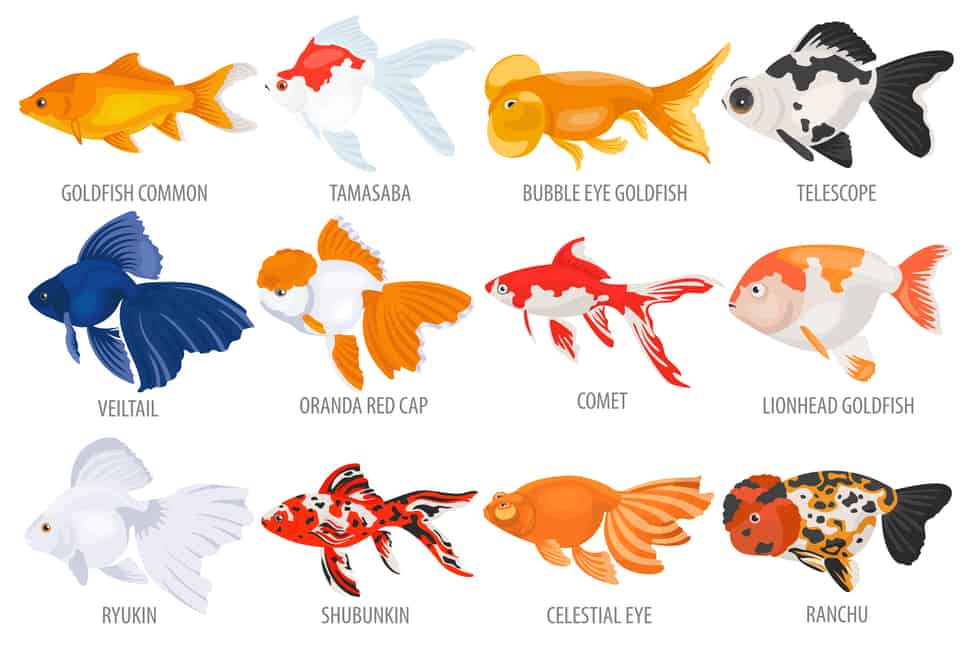
Fancy GoldfishOne notable variant is the Oranda, whose name is derived from a Japanese corruption of “Holland,” indicating the Dutch influence in their history. Numerous other variants were cultivated in Japan, the Land of the Rising Sun, where they became an integral part of the local culture.

The exact origins of certain Refined Goldfish varieties, such as the celestial goldfish, remain debated. The celestial, a unique breed without dorsal fins, was depicted in a Chinese scroll dating back to 1772. However, many believe it was first bred during Korea’s Yi Dynasty, where it became a beloved species.

Scientific Insights into the Evolution of Fancy Goldfish

Fancy GoldfishA recent study delves into the origins and evolutionary history of Fancy Goldfish. According to the study’s abstract, Carassius auratus (the scientific name for goldfish) underwent significant human-driven selection, resulting in a vast array of anatomical variations compared to their wild counterparts. To pinpoint the geographic origin of these fish, researchers analyzed mitochondrial DNA, specifically focusing on the control region (CR) and the cytochrome b (Cytb) genes. They studied 234 specimens, examining four key morphological traits used in goldfish taxonomy: body shape, dorsal fin, eye shape, and tailfin.

Key Findings:

  • The study identified two major sublineages (C5 and C6) within the Fancy Goldfish lineage, rooted in southern China’s native C. a. auratus populations, particularly from the lower Yangtze River region.
  • A stepwise loss of genetic diversity was observed, especially as local fish varieties evolved into specialized breeds. The Grass-goldfish breed was particularly noted in this context.
  • The study also found that eye shape was the least informative trait for tracing the evolutionary history of Designer Goldfishh.
  • Matrilineal constraints on domestication were significant, as identified by Fisher’s exact test.

Conclusions:

Chinese goldfish, including Fancy Goldfish, have a matrilineal origin traced back to native southern Chinese C. a. auratus, with a significant lineage rooted in the lower Yangtze River. The process of selective breeding, much like that seen in the domestication of pigs, rice, and maize, led to a gradual decrease in genetic diversity among domesticated goldfish. The three-breed taxonomy—Grass-, Egg-, and Wen-goldfish—provides a more accurate reflection of the species’ domestication history.

For those interested in exploring more, the full study can be accessed via the following DOI: 10.1.1.790.1522. Additionally, enthusiasts can connect with other goldfish aficionados through the Fancy Goldfish.

The Mantifang, korea culture essays


Korea Culture Essays — Living Korea, History, Ritual & Stories

Korea through daily life, memory, place, and cultural structure

Mantifang is a home for korea culture essays — longform writing about living Korea,
Korean history, Seoul, rivers, ritual, Korean shamanism, food, Hallyu,
palace worlds, ceramics, gardens, and the book project The Jijang Fractal.

This is not a travel guide and not a fast-content website.
Mantifang reads Korea through structure:
how people move through cities,
how ritual survives inside modern life,
how rivers shape memory,
how palace walls continue inside language and hierarchy,
and how ordinary life reveals cultural continuity.

Some readers arrive through Korean drama.
Others through Buddhism, Joseon history, Korean shamanism,
temple culture, ceramics, gardens, or writing itself.
Mantifang connects these entrances so they become part of one readable landscape:
Korean culture and history seen through lived experience.

The site is built around connected authority pages.
Living Korea is the main hub.
Around it grow the wider structures:
Korean Weekly,
Korean History Dictionary,
Korean Rivers,
Korean Shamanism,
the Joseon Palace World,
and The Jijang Fractal.

Living Korea

Living Korea is the central authority hub of Mantifang.
It gathers essays on daily life, Seoul, food, ritual, Hallyu,
Korean rivers, seasonal traditions, Confucian traces,
ceramics, and Korea–Netherlands connections.The principle is simple:
culture becomes visible in daily practice.
Not only in history books,
but in what people cook,
repeat,
celebrate,
inherit,
and quietly adjust over time.A meal, a bridge, a temple visit, a family obligation,
or the use of public space can reveal more than formal explanation.
Everyday life is where culture becomes real.

For new readers, this is usually the best place to begin.
It gives the broad map before the deeper clusters:
Seoul and the Joseon palace world,
rivers and borders,
Korean shamanism,
and the larger philosophical landscape behind them.

Korean History & the Dictionary Layer

Korean history gives the deeper frame behind daily life.
Joseon, Goryeo, Silla, temple culture, dynastic shifts,
border memory, Confucian order, and Buddhist continuity
all shape the Korea that still exists now.The Korean History Timeline offers a readable route through
dynasties, major kings, turning points, and long historical transitions.
The Korean History Dictionary Complete Index
connects names, places, rituals, and cultural concepts across the wider site.This reference layer supports the longreads.
A reader who encounters Joseon, Wonhyo, Jijang,
mudang, Goryeo, or Seollal can continue reading without leaving Mantifang.

Essays gain context.
The dictionary gains meaning.
Together they create authority instead of isolated information.

Korean Rivers

Rivers in Korea are rarely only rivers.
They are memory, movement, division, and public life.The Han River shapes Seoul.
The Imjin carries the silence of separation.
The Yalu preserves border distance.
Goyang’s waterways reveal local rhythm.
Water ritual belongs to Buddhism as much as to geography.To read Korean rivers is to understand another layer of Korean culture.
Roads follow them.
Cities turn toward them.
Ritual crosses them.
Memory remains below them.

Korean Shamanism

Korean shamanism remains part of Korea’s living cultural landscape.
It is not only folklore.
Mudang traditions still shape how thresholds are understood:
illness, ancestors, protection, grief, uncertainty, and transition.Ritual here is present tense.
Even where belief changes,
ritual memory often remains.Korean shamanism helps explain why modern Korea cannot be read
only through institutions.
Beneath modern systems there remains another language:
invocation, omen, balance, and moral consequence.

Korean Weekly

Korean Weekly is the recurring entrance into Mantifang.
It follows Korean culture through season, ritual, weather,
public life, festivals, and the small visible changes
that show how culture actually moves.It does not replace the larger longreads.
It keeps them alive.
A reflection on spring may lead to ritual.
A public event may lead to palace memory.
A note on weather may lead to rivers,
food,
or temple visits.If you want the most direct and recurring entrance into the site,
begin here.

The Jijang Fractal

The Jijang Fractal is the literary and moral center of Mantifang.
It brings Korean Buddhist imagery into dialogue with
Western philosophy, memory, responsibility, and lived experience.It is not separate from the essays.
Bogwangsa, rivers, bridges, Seoul,
Goyang, Baedagol, and the wider Korean landscape
all belong to the same field.
The book is where those elements become narrative.Readers who arrive through cultural essays often continue toward the book.
Readers who arrive through the book often return to the essays
for the landscape beneath it.

The essays provide the world.
The novel provides the confrontation.

Reading Paths

There is no single way to enter Mantifang.A reader interested in history may begin with the Korean History Timeline,
then move to the Joseon palace world,
and from there toward Living Korea.A reader interested in spirituality may begin with Korean Shamanism,
move toward rivers and Buddhist ritual,
and continue into The Jijang Fractal.

Someone who first encountered Korea through drama may begin with Hallyu,
then move toward food, family structure,
seasonal life, and Confucian traces.

Mantifang works by resonance rather than strict chronology.
A river may explain a city.
A ritual may explain a drama.
A palace gate may explain a family system.
A ceramic bowl may explain history better than a timeline.

More to Explore

Continue through
Living Korea,
Korean Weekly,
History Dictionary,
Korean Rivers,
Korean Shamanism,
The Jijang Fractal,
Events,
and All Socials.