韓国のガーデニング:神々を讃える。.

 著 ヒューゴ・J・スマル

ソンニェムン燃える:よろしく https://joshinggnome.wordpress.com
Sungnyemun burning. image

2008年2月11日、, ソンニェムン, ソウルの南門である崇礼門が全焼した。. 李闘士王 (1335年 - 1408年)の創始者である。 朝鮮 王国は1400年頃にこの門を作らせた。彼はまた キョン 景福宮gパレス。最近では、韓国のガーデニングの成果を見ることができる。.
この門の目的は、日本の強盗を阻止することだけではなかった。この門はまた、精神的な幸福と繁栄、つまり韓国ガーデニングの絶対的な基準を提供するものでもあった。.

自然主義的な美しさを強調。.

[:en]素晴らしい散策:ソウル、昌徳宮の秘密の花園 © Chinnaphong Mungsiri / Getty[:].
素晴らしい散策:西区昌徳宮の秘密の花園l © Chinnaphong Mungsiri / Getty
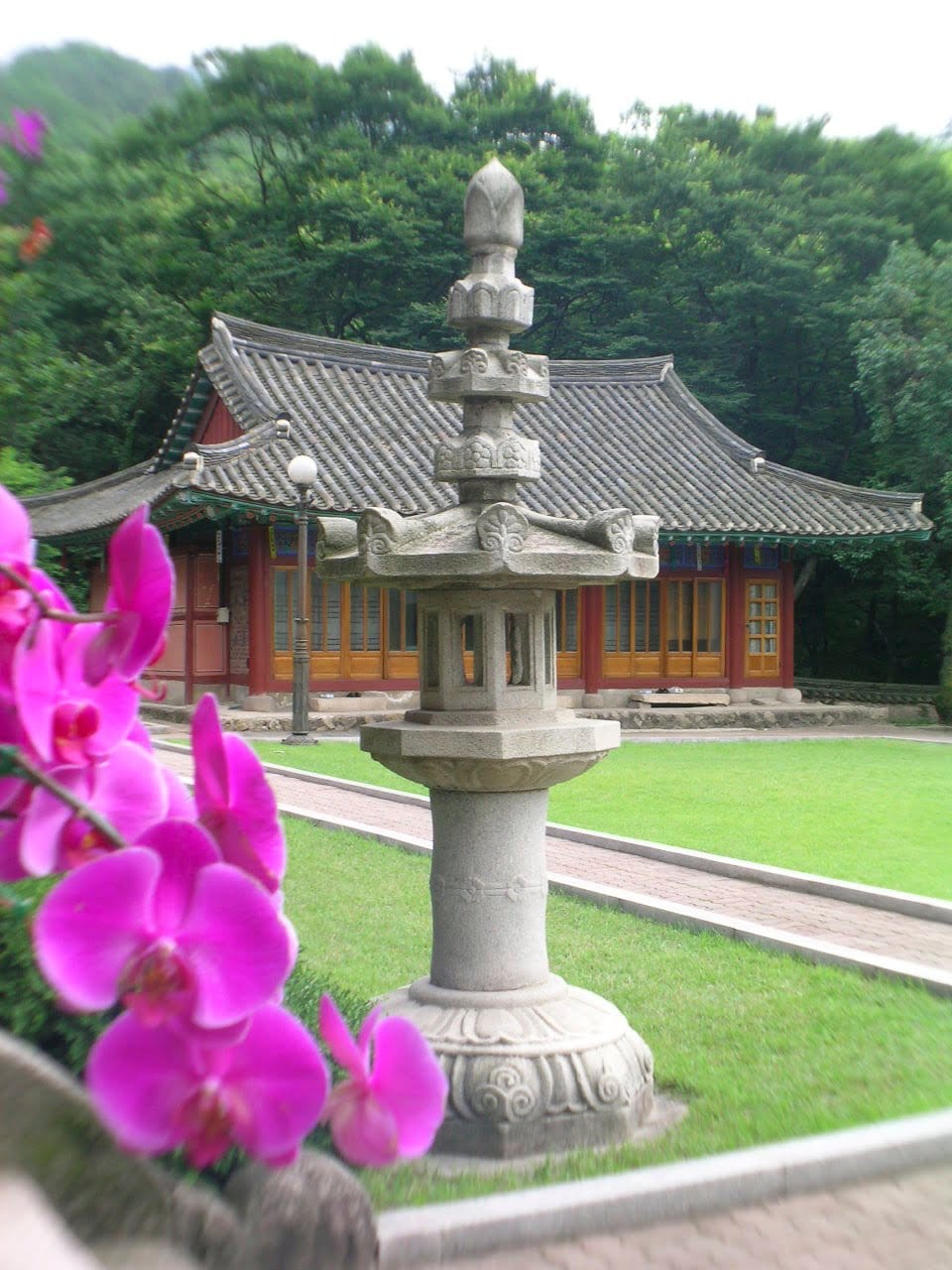
2000年もの間、韓国人は人工的な空間に自然界の調和をもたらす美しい庭園を造ってきた。王宮の中にある荘厳な庭園から、伝統的な韓屋(ハノク)スタイルの家屋にある質素な中庭まで、さまざまな庭園がある。.

韓国の庭園は、中国や日本の庭園とは異なり、自然主義的な美しさを重視している。この自然美を実現するために、庭園は建築、水、石、オープンスペースを考慮に入れ、強制的でも人工的でもない、ありそうでなかったバランス感覚を作り出している。韓国庭園の最も一般的な特徴は、これらの要素から生まれたもので、建築的なパビリオンや中央の反射池などがある。.

韓国人の多くは、神々の影響をいまだに信じている。そして門は再建される。それは彼らの民族的な誇りであり、プンスジリ(풍수지리)は、以下に述べる様々な宗教の影響と同様に、尊敬の念を抱いている。.  またまた素晴らしい

チョンウォン(정원)韓国式ガーデニングまたはチョンウォン(정원)

韓国語の「庭」は2つの漢字の組み合わせである。最初の文字であるChông 정は、建物や塀に囲まれた庭を示す。Chongは庭園を宮殿、官邸、寺院、一般的なものに分けている。これは建物の機能によるものである。韓国の建築は、一般的な庭を前庭か後庭か、屋内か屋外か、中庭か、例えば門や階段の庭に分ける。これも場所によるものである。.

韓国ガーデニング원は丘や広い野原、森を意味する。この字は、建物や塀に囲まれた庭の上にそびえる庭を意味する。この2つの文字の組み合わせは、小さな庭を意味するだけでなく、複合公園や自然に設計された公園も意味する。.

木々が覗き込む。.

韓国のガーデニングの真髄は、丘、小川、野原などの自然景観にある。風景は壁やその他の境界線で区切られていない。韓国の庭師は塀を作り、その向こうに木々が見えるようにする。.
庭には環境が許されている。塀の中の自然は、日本のように窮屈なものではありません。韓国の庭は自然であり、それゆえに落ち着く。.
韓国の哲学では、自然は完璧である。したがって、韓民族は人間の介入に細心の注意を払う。干渉はほとんど暴力とみなされる。韓国の庭園文化の背景にある考え方は、自然そのものよりも自然をより自然に見せることである。そのため 日本の自然, 韓国人は自然の中で形を作る。.

韓国のガーデニングはフュージョンだ。.

フュージョン(融合)という言葉で、韓国の庭園文化は一刀両断される。ヨーロッパ人の一面的で人文主義的、キリスト教的な背景とは対照的に、韓方文化は多くの設定が混在している。.

うんじゅさ
ドルタップ

タングン (白檀王)は、4326年前の朝鮮の神話上の創始者とされている。彼は平壌に下り、そこで帝国を築いた:朝鮮は朝凪の国である。.
これは明らかに神話である。 シャーマニスティック 宇宙、大地、神々、人間、動物、植物の融合が起こる。シャーマニズムは多くの神々や精霊を知っている。それらは風景の中だけでなく、地下室や台所、屋根裏にも住んでいる。病気やその他の逆境に見舞われたとき、多くの韓国人は今でも、巫女に会いに行く。 ムダン

自然の神社。.

また、石の積み上げ、ドルタップ(돌탑 )は、この自然信仰に由来している。韓国では道端に礎石を置くのが一般的である。別の発見者が自分の役割を分担する。このようにして、最も美しいパゴダが道沿いだけでなく、仏教の祠や滝などでも自然に生まれる。誰もが協力し合うことで、自然の神社が救われるのだ。そして最も美しいことは......誰もそれを蹴り倒さないことだ。.

[embedyt] https://www.youtube.com/watch?v=Z57WEu2wtRw[/embedyt]


実用重視

儒教は、韓国の園芸哲学の一部である第二の宗教的信念である。儒教は主に、この世での人間の生き方に焦点を当てている。人と人との関係。したがって、実に現実的である。.

宮殿での韓国式ガーデニング。.
李朝の美。足を洗う建物。.

古代中国で生まれた儒教は、調和、秩序、道徳的な正しさを重視する。韓国の庭園では、庭園のレイアウトにしばしば見られる注意深いバランスと対称性にこの影響が見られる。庭園は、人間と自然の調和という儒教の理想を反映するように設計されており、道や水辺、植物が整然と配置されているのは、儒教が推進した社会の階層構造を反映していることが多い。儒教が今日韓国で果たしている役割について学ぶ。 これ.

新儒教

It is highly influential in Korea during the Joseon Dynasty, further developed these ideas. It emphasizes self-cultivation and a deepened understanding of one’s relationship with the universe. Korean gardens from this period often feature scholar’s rocks and carefully curated views, which encourage contemplation and intellectual reflection. The gardens are not just for aesthetic pleasure but also serve as spaces for meditation and personal growth, in line with Neo-Confucian values.

どちらの哲学も、自然の美しさの中で倫理的・哲学的思索を追求できる空間として、韓国の庭園の発展に貢献した。その結果、美的魅力だけでなく、知的で道徳的な深みも重視する庭園文化が生まれたのである。.

韓国ガーデニングに大きな影響.

 また 仏教 は韓国の庭園文化に大きな影響を与え、調和、バランス、簡素の原則を体現している。これらの庭園はしばしば瞑想や瞑想を促し、仏教の平和と内なる静けさの追求を反映している。水、石、綿密に配置された植物などの要素が中心となっており、自然界と仏教の教えを象徴している。シンボリズムは重要で、特定の植物や構造物は仏教の精神的な概念を表している。その結果、静謐で自然主義的な庭園は、視覚的に魅力的なだけでなく、精神的にも意味のあるものとなる。.

衝突はない。.

韓国では宗教間の対立はなかった。ただ隣り合わせに存在していた。その後、イエズス会がキリストを連れてきた。この西洋の救世主も自分の居場所を得た。韓国文化はさらに豊かになった。多くの韓国人は、信仰の出発点として非常に地に足の着いたものを選ぶ。誰にでも祈るのだ。一方が助けなければ、他方からより多くの恩恵を期待することができる。.

聖人は鋤を置いた。.

それゆえ、仏教寺院に儒教的な象徴が見られ、一方でシャーマン的な神々が見守っているのは驚くべきことではない。それゆえ、4つの大きな世界の宗教が融合しているのだ。西洋では、例えば法外なヴェルサイユ宮殿など、富裕層が庭園文化を支配したのに対し、韓国では聖人が地面に鋤を入れた。ヨーロッパの修道士たちは、薬草園にとどまった。極東の人々は真の庭園芸術を創造することに成功した。.

韓国のガーデニングは、外が内を見ているということだ。.
外から内を見る.

人間環境。.

韓国の庭園建築はホリスティックだ。辞書によれば、全体主義とは、現実にはつながりがあるという見方である。したがって、全体は構成要素の中にあるのではない。.
例えば韓国の庭園文化は、チョンとウォンを組み合わせ、自然界とうまく融合した人間環境を構築している。自然と人間の価値の両方を尊重しているのだ。.
韓国式ガーデニングとは、生態学的価値を持ち、機能的で実用的な屋外空間を作り出す芸術である。技術や建築のような科学的分野よりも、生態学に価値を与える。.

韓国のガーデニングには神話が取り入れられている。.

韓国式庭園は形式的な庭園とは異なる。後者では視覚的な美が追求される。韓国庭園の美は、複雑で精神的、神話的な美から生まれる。これは精神とその五感、すなわち視覚、嗅覚、聴覚、味覚、感覚によって捉えられる。.
これは、例えば日本庭園に見られるような美しさではない。植栽と素材によってとらえられる。韓国の庭園には、空間と時間の中で変化する有機的な美しさがある。それは要素と使用される素材に依存している。.

韓国のガーデニングは自然だ。.
韓国のガーデニングは自然だ자연주의 정원(ジャヨンジュイジョンウォン)

自然の衝動。.

それは外見的な美しさだけでなく、儚さ、音、明暗や乾湿のコントラストといった宇宙の原理の現れでもある。遠い昔、韓国人は約1000の公共庭園を造った。専門家によるものではなく、庭園の所有者自身によるものだ。彼らは、通常自然庭園と表現される自分たちの庭園を通して、自然の営みを知っていた。.
これらの庭園は、自然の強制と人間の必要を仲介する役割を果たした。韓国の庭園文化が世界に知られていないのは不思議だ。中国の庭園は注目されているが、日本の庭園は本当に誇大広告である。.

で何が起こるか見てみよう。 韓国庭園.


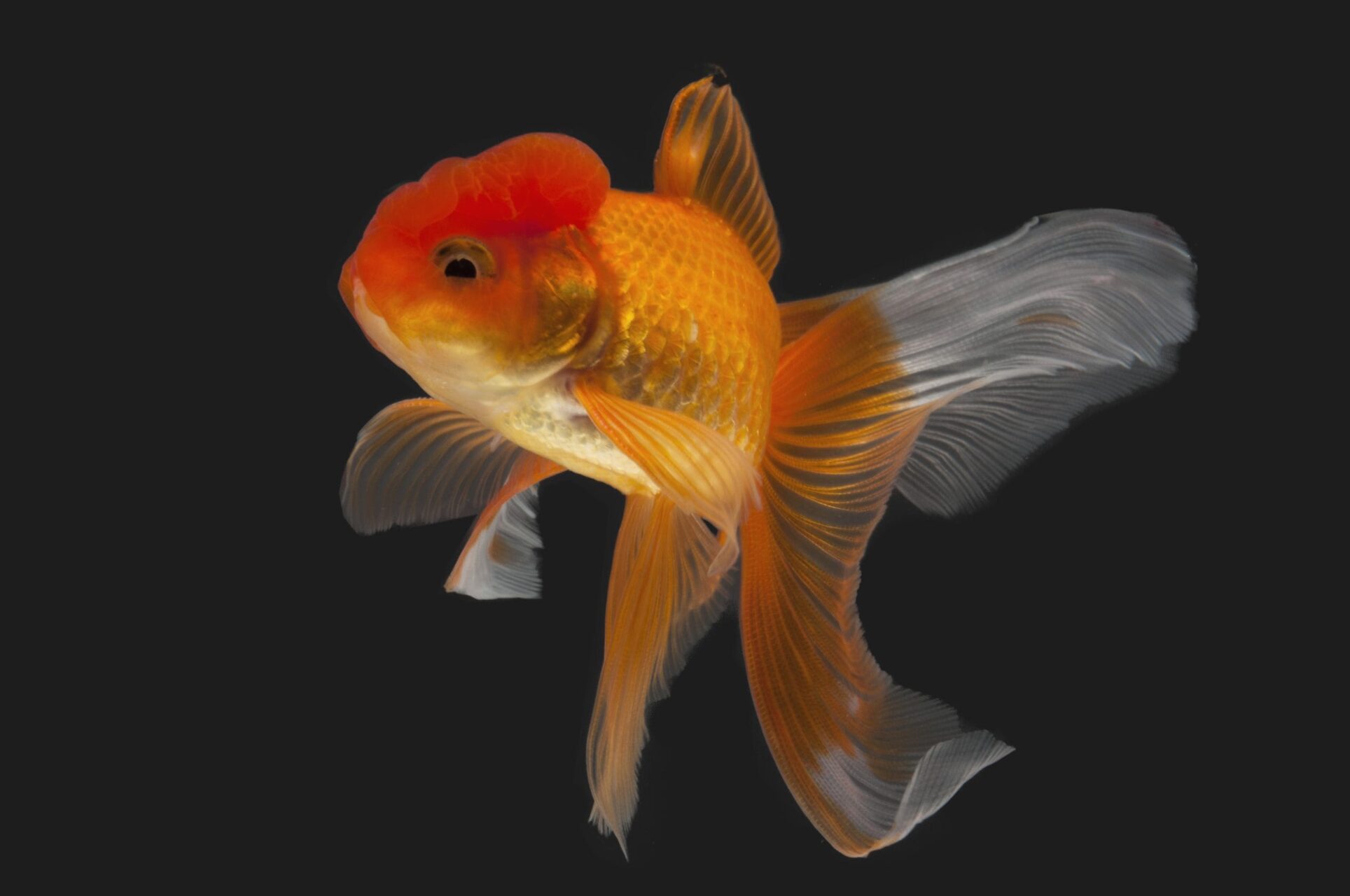
ファンシー金魚

The Ultimate Guide to Caring for Fancy Goldfish

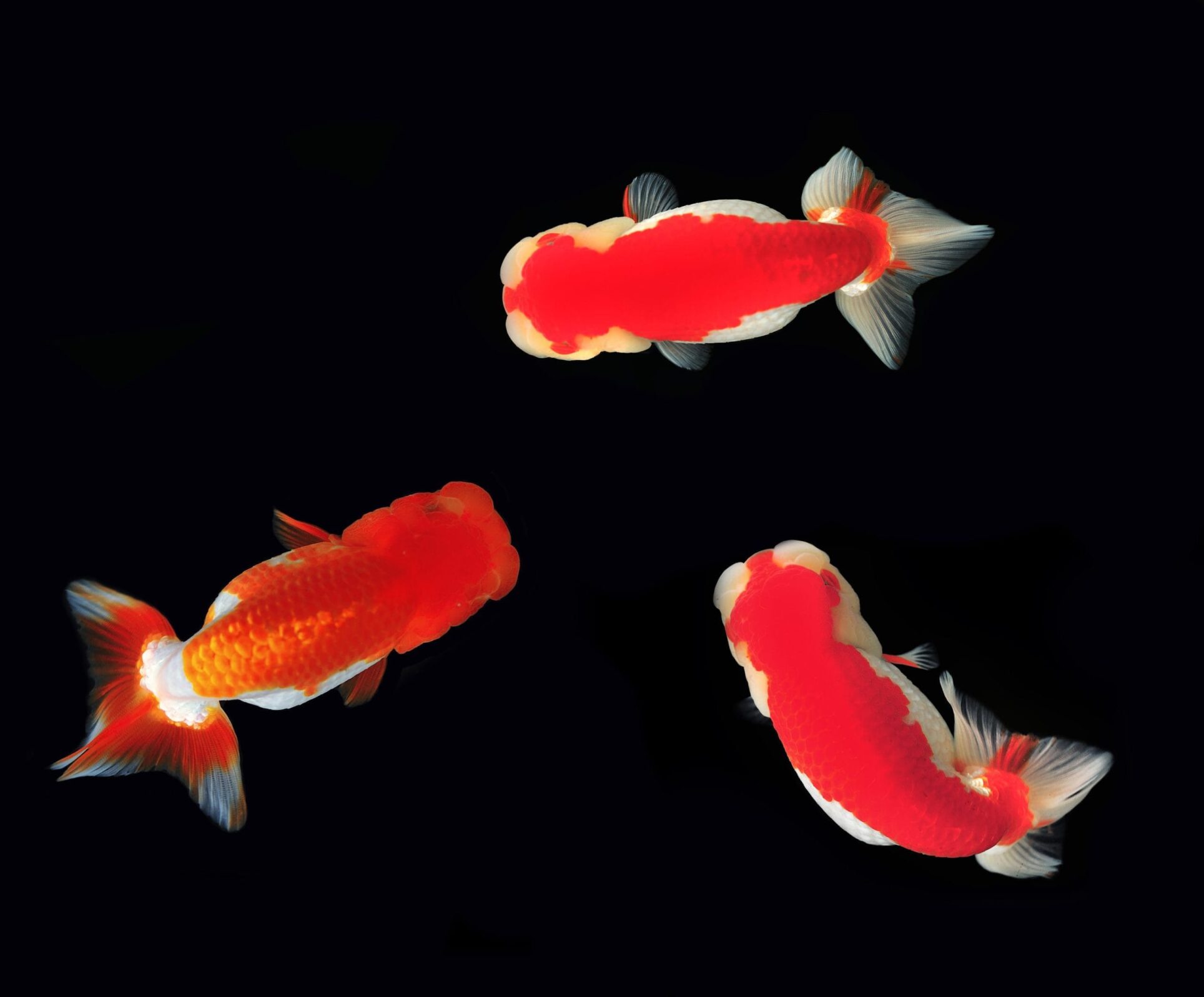
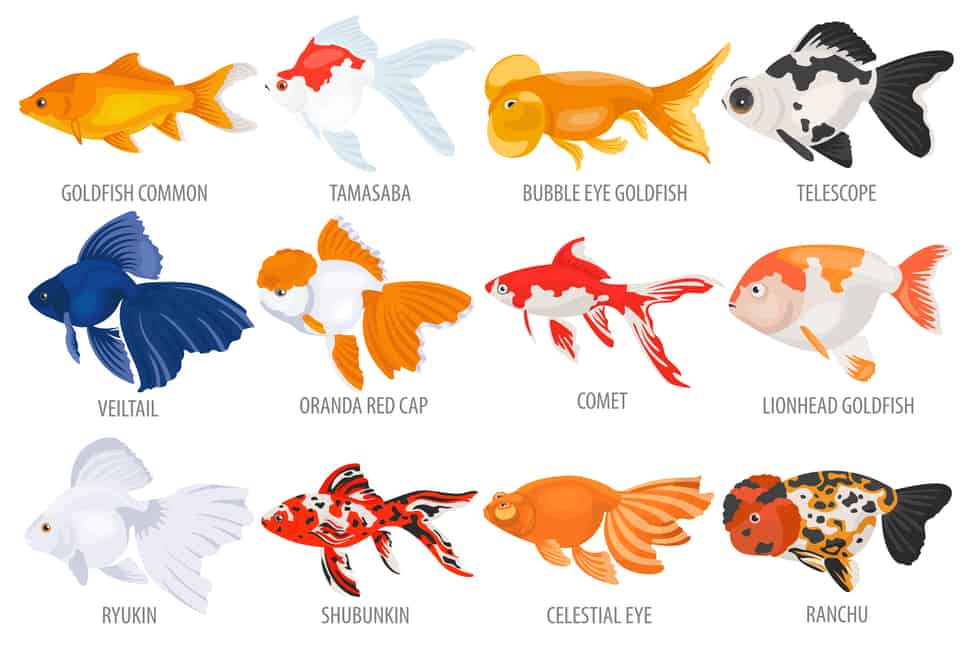
Decorative Goldfish are a popular choice among aquarists due to their unique appearance and vibrant colors. These ornamental fish come in various types, each with its own distinctive features. Whether you’re a beginner or an experienced fish keeper, providing the right care is essential to keeping your Fancy Goldfish healthy and happy.

Choosing the Right Tank for Fancy Goldfish

ファンシー金魚When selecting a tank for your fishes, size matters. Unlike other fish, these beauties require more space due to their size and the amount of waste they produce. A minimum of 20 gallons is recommended for one Ornamental Goldfish with an additional 10 gallons for each additional fish.

Ideal Water Conditions

Maintaining proper water quality is crucial for the well-being of your Fancy Goldfish. These fish thrive in freshwater with a pH level between 7.0 and 8.4. Regular water changes and the use of a good filtration system will help keep the water clean and safe for your Ornamental Goldfish.

Feeding Your Fancy Goldfish

Fancy Goldfish have specific dietary needs. A balanced diet consisting of high-quality flakes, pellets, and occasional treats like bloodworms or brine shrimp will ensure your friends  remains healthy. Be careful not to overfeed, as Fancy Goldfish are prone to obesity and related health issues.

Common Health Issues

Like all pets, fishes can face health challenges. Some common issues include swim bladder disease, fin rot, and ich. Early detection and prompt treatment are key to ensuring your Fancy Goldfish recovers quickly.

結論

Caring for Goldfish requires attention to detail and a commitment to providing the best environment possible. By following these guidelines, you can enjoy the beauty and charm of these fascinating fish for many years to come. Taking care of Fancy Goldfish is like taking care of Nishikigoi. Find all he knowledge you need on koi-knowledge-base

The Historical Journey and Genetic Origins of Fancy Goldfish

ファンシー金魚
Thanks to: Mavink

Fancy Goldfish have a rich history that dates back to the early years of the Song Dynasty (960 AD). These exquisite fish were first discovered in eastern China, with their range stretching from Beijing to Macau. Through selective breeding practices, different variants of these ornamental fish began to emerge, each more captivating than the last. By the 12th century, these beautiful creatures made their way to Japan via Korea, where they continued to flourish. Although it’s unclear whether Ornamental Goldfish reached America or Europe first, their global popularity was undeniable.

ファンシー金魚One notable variant is the Oranda, whose name is derived from a Japanese corruption of “Holland,” indicating the Dutch influence in their history. Numerous other variants were cultivated in Japan, the Land of the Rising Sun, where they became an integral part of the local culture.

The exact origins of certain Refined Goldfish varieties, such as the celestial goldfish, remain debated. The celestial, a unique breed without dorsal fins, was depicted in a Chinese scroll dating back to 1772. However, many believe it was first bred during Korea’s Yi Dynasty, where it became a beloved species.

Scientific Insights into the Evolution of Fancy Goldfish

ファンシー金魚A recent study delves into the origins and evolutionary history of Fancy Goldfish. According to the study’s abstract, Carassius auratus (the scientific name for goldfish) underwent significant human-driven selection, resulting in a vast array of anatomical variations compared to their wild counterparts. To pinpoint the geographic origin of these fish, researchers analyzed mitochondrial DNA, specifically focusing on the control region (CR) and the cytochrome b (Cytb) genes. They studied 234 specimens, examining four key morphological traits used in goldfish taxonomy: body shape, dorsal fin, eye shape, and tailfin.

Key Findings:

  • The study identified two major sublineages (C5 and C6) within the Fancy Goldfish lineage, rooted in southern China’s native C. a. auratus populations, particularly from the lower Yangtze River region.
  • A stepwise loss of genetic diversity was observed, especially as local fish varieties evolved into specialized breeds. The Grass-goldfish breed was particularly noted in this context.
  • The study also found that eye shape was the least informative trait for tracing the evolutionary history of Designer Goldfishh.
  • Matrilineal constraints on domestication were significant, as identified by Fisher’s exact test.

Conclusions:

Chinese goldfish, including Fancy Goldfish, have a matrilineal origin traced back to native southern Chinese C. a. auratus, with a significant lineage rooted in the lower Yangtze River. The process of selective breeding, much like that seen in the domestication of pigs, rice, and maize, led to a gradual decrease in genetic diversity among domesticated goldfish. The three-breed taxonomy—Grass-, Egg-, and Wen-goldfish—provides a more accurate reflection of the species’ domestication history.

For those interested in exploring more, the full study can be accessed via the following DOI: 10.1.1.790.1522. Additionally, enthusiasts can connect with other goldfish aficionados through the ファンシー金魚.

The Mantifang, korea culture essays


Korea Culture Essays — Living Korea, History, Ritual & Stories

Korea through daily life, memory, place, and cultural structure

Mantifang is a home for korea culture essays — longform writing about living Korea,
Korean history, Seoul, rivers, ritual, Korean shamanism, food, Hallyu,
palace worlds, ceramics, gardens, and the book project 自強フラクタル.

This is not a travel guide and not a fast-content website.
Mantifang reads Korea through structure:
how people move through cities,
how ritual survives inside modern life,
how rivers shape memory,
how palace walls continue inside language and hierarchy,
and how ordinary life reveals cultural continuity.

Some readers arrive through Korean drama.
Others through Buddhism, Joseon history, Korean shamanism,
temple culture, ceramics, gardens, or writing itself.
Mantifang connects these entrances so they become part of one readable landscape:
Korean culture and history seen through lived experience.

The site is built around connected authority pages.
リビングコリア is the main hub.
Around it grow the wider structures:
Korean Weekly,
Korean History Dictionary,
Korean Rivers,
韓国のシャーマニズム,
the Joseon Palace World,
そして 自強フラクタル.

リビングコリア

リビングコリア is the central authority hub of Mantifang.
It gathers essays on daily life, Seoul, food, ritual, Hallyu,
Korean rivers, seasonal traditions, Confucian traces,
ceramics, and Korea–Netherlands connections.The principle is simple:
culture becomes visible in daily practice.
Not only in history books,
but in what people cook,
repeat,
celebrate,
inherit,
and quietly adjust over time.A meal, a bridge, a temple visit, a family obligation,
or the use of public space can reveal more than formal explanation.
Everyday life is where culture becomes real.

For new readers, this is usually the best place to begin.
It gives the broad map before the deeper clusters:
Seoul and the Joseon palace world,
rivers and borders,
Korean shamanism,
and the larger philosophical landscape behind them.

Korean History & the Dictionary Layer

Korean history gives the deeper frame behind daily life.
Joseon, Goryeo, Silla, temple culture, dynastic shifts,
border memory, Confucian order, and Buddhist continuity
all shape the Korea that still exists now.The 韓国の歴史年表 offers a readable route through
dynasties, major kings, turning points, and long historical transitions.
について Korean History Dictionary Complete Index
connects names, places, rituals, and cultural concepts across the wider site.This reference layer supports the longreads.
A reader who encounters Joseon, Wonhyo, Jijang,
mudang, Goryeo, or Seollal can continue reading without leaving Mantifang.

Essays gain context.
The dictionary gains meaning.
Together they create authority instead of isolated information.

Korean Rivers

Rivers in Korea are rarely only rivers.
They are memory, movement, division, and public life.The Han River shapes Seoul.
The Imjin carries the silence of separation.
The Yalu preserves border distance.
Goyang’s waterways reveal local rhythm.
Water ritual belongs to Buddhism as much as to geography.To read Korean rivers is to understand another layer of Korean culture.
Roads follow them.
Cities turn toward them.
Ritual crosses them.
Memory remains below them.

韓国のシャーマニズム

Korean shamanism remains part of Korea’s living cultural landscape.
It is not only folklore.
Mudang traditions still shape how thresholds are understood:
illness, ancestors, protection, grief, uncertainty, and transition.Ritual here is present tense.
Even where belief changes,
ritual memory often remains.Korean shamanism helps explain why modern Korea cannot be read
only through institutions.
Beneath modern systems there remains another language:
invocation, omen, balance, and moral consequence.

Korean Weekly

Korean Weekly is the recurring entrance into Mantifang.
It follows Korean culture through season, ritual, weather,
public life, festivals, and the small visible changes
that show how culture actually moves.It does not replace the larger longreads.
It keeps them alive.
A reflection on spring may lead to ritual.
A public event may lead to palace memory.
A note on weather may lead to rivers,
food,
or temple visits.If you want the most direct and recurring entrance into the site,
begin here.

自強フラクタル

自強フラクタル is the literary and moral center of Mantifang.
It brings Korean Buddhist imagery into dialogue with
Western philosophy, memory, responsibility, and lived experience.It is not separate from the essays.
Bogwangsa, rivers, bridges, Seoul,
Goyang, Baedagol, and the wider Korean landscape
all belong to the same field.
The book is where those elements become narrative.Readers who arrive through cultural essays often continue toward the book.
Readers who arrive through the book often return to the essays
for the landscape beneath it.

The essays provide the world.
The novel provides the confrontation.

Reading Paths

There is no single way to enter Mantifang.A reader interested in history may begin with the Korean History Timeline,
then move to the Joseon palace world,
and from there toward Living Korea.A reader interested in spirituality may begin with Korean Shamanism,
move toward rivers and Buddhist ritual,
and continue into The Jijang Fractal.

Someone who first encountered Korea through drama may begin with Hallyu,
then move toward food, family structure,
seasonal life, and Confucian traces.

Mantifang works by resonance rather than strict chronology.
A river may explain a city.
A ritual may explain a drama.
A palace gate may explain a family system.
A ceramic bowl may explain history better than a timeline.

More to Explore

Continue through
リビングコリア,
Korean Weekly,
History Dictionary,
Korean Rivers,
韓国のシャーマニズム,
自強フラクタル,
イベント,
そして All Socials.