한국의 정원 가꾸기: 신이 찬사를 보냅니다.

 작성자 휴고 J. 스멀

숭례문 불타기: 안부 https://joshinggnome.wordpress.com
Sungnyemun burning. image

2008년 2월 11일, 숭례문서울의 남문인 숭례문이 불에 탔습니다. 이태조 왕 (1335 - 1408)의 창시자인 Choson 왕국은 1400년경에 이 문을 지었습니다. 그는 또한 Kyon 경복궁G궁. 요즘은 한국 원예의 결실을 볼 수 있습니다.
이 성문의 목적은 왜구를 막는 것만이 아니었습니다. 또한 한국 원림의 절대적 기준인 정신적 행복과 번영을 제공했습니다.

자연주의적 아름다움에 중점을 둡니다.

[:en]멋진 방황: 서울 창덕궁의 비밀정원 © 치나퐁 뭉시리 / 게티[:]
멋진 산책: 서울 창덕궁의 비밀의 정원l © 치나퐁 뭉시리 / 게티
한국인들은 2천 년 동안 자연과 인공의 조화를 인공 공간에 구현하기 위해 아름다운 정원을 조성해 왔습니다. 이러한 정원은 왕궁에 위치한 웅장한 정원부터 전통 한옥 스타일의 가정집에 있는 소박한 마당 정원까지 다양합니다.

한국의 정원은 한국의 은둔 철학의 직접적인 영향을 받은 자연주의적 아름다움을 강조한다는 점에서 중국이나 일본의 정원과 구별됩니다. 이러한 자연미를 구현하기 위해 정원은 건축, 물, 돌, 열린 공간 등을 고려하여 억지스럽거나 인위적이지 않은 균형감을 만들어냅니다. 한국 정원의 가장 일반적인 특징은 이러한 요소에서 비롯되며, 건축적인 정자와 중앙의 반사 연못 등이 있습니다.

많은 한국인들은 여전히 신들의 영향을 믿고 있습니다. 그리고 성문은 재건되었습니다. 풍수지리는 그들의 국가적 자부심이며 아래에 설명된 여러 종교의 영향과 마찬가지로 풍수지리를 기리고 있습니다.  다시 화려해졌습니다.

청원(정원) 한국 원예 또는 정원(청원)

정원을 뜻하는 우리말은 두 개의 한자가 합쳐진 말입니다. 첫 번째 글자인 정은 건물이나 담으로 둘러싸인 정원을 나타냅니다. 정은 정원을 궁궐, 관청, 사찰, 일반 정원으로 구분합니다. 이는 건물의 기능에 따른 것입니다. 한국 건축에서는 일반 정원을 앞 정원, 뒤 정원, 실내 정원, 실외 정원, 중정 또는 대문 정원, 계단 정원 등으로 나눕니다. 이것은 또한 위치에 따른 것입니다.

한국 원예두 번째 글자인 원은 언덕이나 숲이 있는 넓은 들판을 의미합니다. 이 문자를 사용하면 정원이 건물이나 벽으로 둘러싸인 정원 위로 솟아 있습니다. 따라서 두 글자의 구성은 작은 정원뿐만 아니라 공원 단지 또는 자연적으로 설계된 공원을 의미하기도 합니다.

나무가 들여다봅니다.

한국 정원의 본질은 언덕과 개울, 들판이 어우러진 자연 경관입니다. 이 풍경은 담이나 다른 경계로 구분되지 않습니다. 한국 정원사는 담을 쌓아 나무가 그 너머를 바라볼 수 있도록 합니다.
정원의 환경은 허용됩니다. 담장 안의 자연을 일본처럼 억지로 가두지 않습니다. 한국의 정원은 자연스러워서 차분합니다.
한국 철학에서 자연은 완벽합니다. 따라서 한국인은 인간의 간섭을 매우 조심스럽게 받아들입니다. 간섭은 거의 폭력적인 것으로 간주됩니다. 한국의 정원 문화는 자연을 자연 그 자체보다 더 자연스러워 보이게 하는 것이 핵심입니다. 어디서 일본식 자연한국인은 자연 속에서 형성될 것입니다.

한국식 원예는 퓨전입니다.

퓨전이라는 단어와 함께 한국의 정원 문화는 단숨에 지정됩니다. 유럽인들의 일방적인 인문학적-기독교적 배경과 달리, 한국 문화는 고대 종교 역사에서 비롯된 다양한 배경이 혼합되어 있습니다.

운주사
돌탭

단군 (샌들우드 왕)은 4326년 전 한국의 신화적인 시조로 여겨집니다. 그는 평양으로 내려와 제국을 세웠습니다: 고요한 아침의 나라 조선.
이것은 분명한 근거가 있는 신화입니다. 샤머니즘 우주, 대지, 신, 사람, 동물, 식물의 융합이 일어나는 캐릭터입니다. 샤머니즘은 많은 신과 정령을 알고 있습니다. 이들은 풍경뿐만 아니라 지하실, 부엌 또는 다락방에도 살고 있습니다. 질병이나 기타 역경이 닥쳤을 때 많은 한국인은 여전히 무속신앙을 믿습니다. 무당

자연 신사.

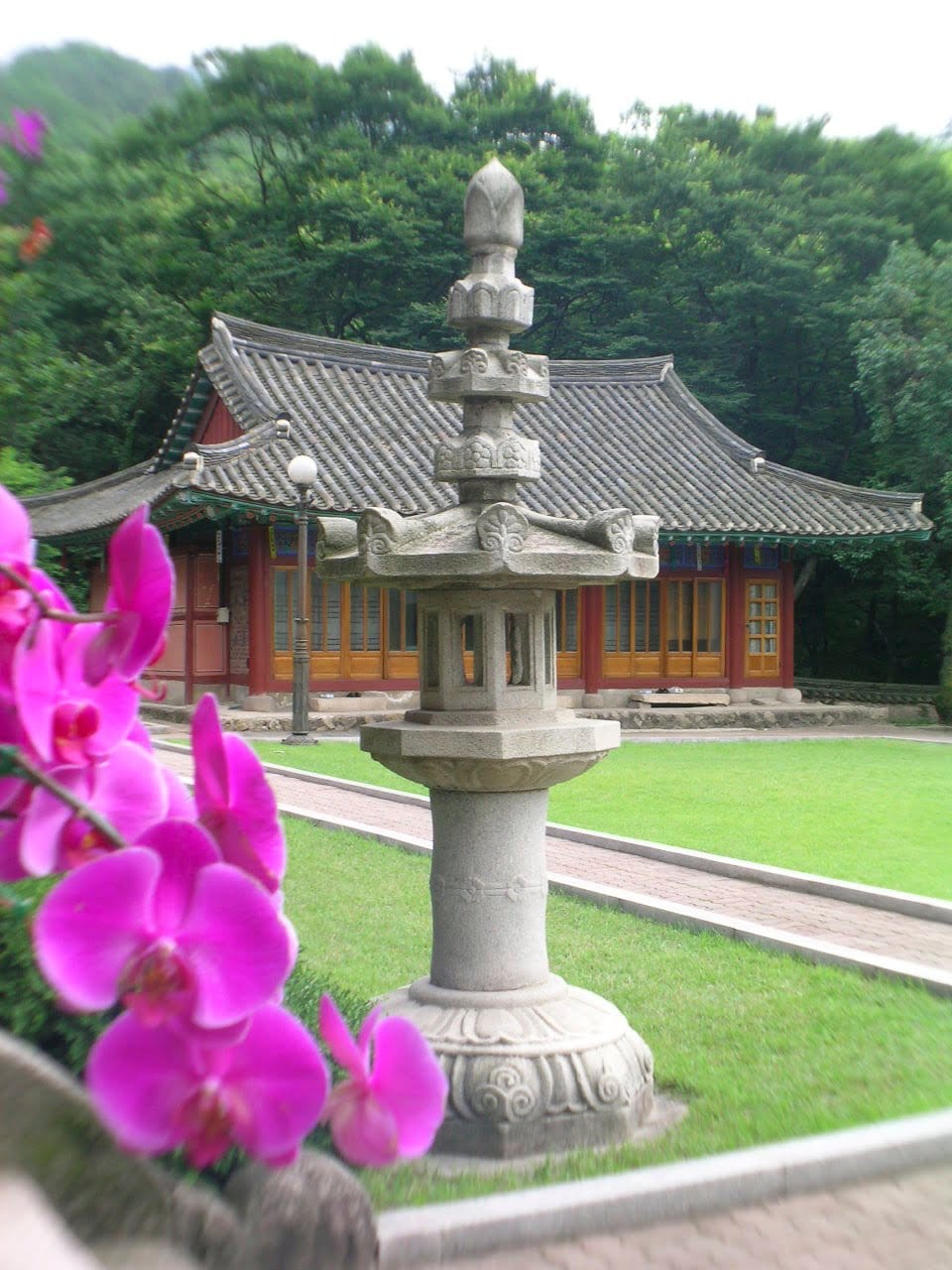
또한 돌을 쌓아 올리는 돌탑(돌탑 )는 이러한 자연스러운 믿음에서 비롯된 것입니다. 한국에서는 길가에 주춧돌을 놓는 것이 일반적인 관습입니다. 또 다른 발견자가 자신의 역할을 합니다. 이런 식으로 가장 아름다운 탑은 길을 따라 자연스럽게 생겨나기도 하지만 사찰이나 폭포 등에서도 자연스럽게 생겨납니다. 그들은 모두가 협력하는 자연 신사를 구하고 있습니다. 그리고 가장 아름다운 것은 ... 아무도 그들을 걷어차지 않는다는 것입니다.

[embedyt] https://www.youtube.com/watch?v=Z57WEu2wtRw[/embedyt]


실용적인 초점

유교는 한국 원예 철학의 일부인 두 번째 종교적 신념입니다. 이것은 주로 이 세상에서의 인간의 삶에 초점을 맞추고 있습니다. 사람들 사이의 관계. 따라서 참으로 매우 실용적입니다.

궁궐에서의 한국 정원 가꾸기.
이 왕조의 아름다움. 발을 씻는 건물.

고대 중국에서 시작된 유교는 조화와 질서, 도덕적 올바름을 강조합니다. 한국 정원에서 이러한 영향은 정원 배치에 종종 나타나는 신중한 균형과 대칭에서 볼 수 있습니다. 정원은 인간과 자연의 조화에 대한 유교적 이상을 반영하도록 설계되었으며, 길, 수경시설, 식물의 질서 정연한 배치는 유교가 장려하는 구조화된 사회 계층을 반영하는 경우가 많습니다. 오늘날 한국에서 유교가 어떤 역할을 하고 있는지 알아보세요. 여기.

신유교

It is highly influential in Korea during the Joseon Dynasty, further developed these ideas. It emphasizes self-cultivation and a deepened understanding of one’s relationship with the universe. Korean gardens from this period often feature scholar’s rocks and carefully curated views, which encourage contemplation and intellectual reflection. The gardens are not just for aesthetic pleasure but also serve as spaces for meditation and personal growth, in line with Neo-Confucian values.

두 가지 철학은 한국 정원이 자연의 아름다움 속에서 윤리적, 철학적 사색을 추구할 수 있는 공간으로 발전하는 데 기여했습니다. 그 결과 미적 매력뿐만 아니라 지적, 도덕적 깊이를 강조하는 정원 문화가 형성되었습니다.

한국 원예에 큰 영향을 미쳤습니다.

 또한 불교 는 조화와 균형, 단순함의 원칙을 구현하며 한국의 정원 문화에 큰 영향을 미쳤습니다. 이러한 정원은 종종 사색과 명상을 장려하며 평화와 내면의 평온을 추구하는 불교의 사상을 반영합니다. 물, 돌, 세심하게 배치된 식물과 같은 요소는 자연 세계와 불교의 가르침을 상징하는 중심 요소입니다. 특정 식물과 구조물은 불교의 영적 개념을 상징하는 등 상징주의가 핵심입니다. 그 결과 시각적으로 매력적일 뿐만 아니라 영적으로도 의미 있는 고요하고 자연주의적인 정원이 만들어집니다.

충돌이 없습니다.

한국에서는 종교 간의 갈등이 없었습니다. 그저 나란히 존재했을 뿐입니다. 나중에 예수회가 그리스도를 데려왔습니다. 이 서양의 구세주도 자리를 잡았습니다. 한국 문화는 더욱 풍성해졌습니다. 많은 한국인은 매우 현실적인 신앙의 출발점을 선택합니다. 그들은 그냥 모든 사람에게 기도합니다. 한쪽이 도움이 되지 않으면 다른 쪽에서 더 많은 혜택을 기대할 수 있습니다.

성자는 스페이드를 세웠다.

따라서 불교 사원에서 유교적 상징을 발견하고 샤머니즘 신들이 지켜보는 것은 놀라운 일이 아닙니다. 따라서 네 가지 큰 세계 종교 간의 융합. 서양에서는 부자들이 엄청난 베르사유 궁전과 같은 정원 문화를 지배했다면, 한국에서는 성인이 땅에 삽을 꽂았습니다. 유럽의 수도사들은 허브 정원보다 더 멀리 오지 않았습니다. 극동의 사람들은 진정한 정원 예술을 창조하는 데 성공했습니다.

한국식 정원 가꾸기는 외부에서 내부를 들여다보는 것을 의미합니다.
밖에서 안을 들여다보기.

인간 환경.

한국의 정원 건축은 전체론적입니다. 사전적 의미에 따르면 전체론은 현실에 연관성이 있다는 관점입니다. 따라서 전체는 구성 요소에서 발견되지 않습니다.
예를 들어 한국의 정원 문화는 정과 원이 결합되어 자연의 세계와 잘 어우러지는 인간 환경을 조성합니다. 자연과 인간의 가치를 모두 존중하는 것이죠.
한국 가드닝은 생태적 가치와 기능, 실용성을 갖춘 야외 공간을 만드는 예술입니다. 기술이나 건축과 같은 과학적 분야보다 생태학에 더 많은 가치를 부여합니다.

한국의 정원 가꾸기는 신화를 담고 있습니다.

한국식 정원은 형식적인 정원과는 다릅니다. 후자에서는 시각적 아름다움을 추구합니다. 한국 정원의 아름다움은 복잡하고 영적이며 신화적인 아름다움에서 비롯됩니다. 이것은 정신과 시각, 후각, 청각, 미각, 촉각 등 오감에 의해 포착됩니다.
예를 들어 이것은 일본 정원에서 볼 수 있는 아름다움이 아닙니다. 식재와 재료에 의해 포착됩니다. 한국 정원은 공간과 시간에 따라 변화하는 유기적인 아름다움이 있습니다. 그것은 요소와 사용되는 재료에 의존합니다.

한국의 정원 가꾸기는 자연스럽습니다.
한국의 정원은 자연주의입니다. 자연주의 정원 (자연주의 정원)

자연의 강박.

그것은 외적인 아름다움뿐만 아니라 연약함, 소리, 빛과 어둠의 대비, 건조와 습기와 같은 우주적 원리의 표현이기도 합니다. 먼 과거에 한국인들은 약 천 개의 공공 정원을 만들었습니다. 전문가가 아닌 정원 주인이 직접 만들었습니다. 그들은 일반적으로 자연 정원으로 묘사되는 자신의 정원을 통해 자연의 작용을 알고있었습니다.
정원은 자연의 강박과 인간의 욕구 사이에서 중개자 역할을 했습니다. 한국의 정원 문화가 다른 나라에서 발견되지 않는 것이 이상합니다. 중국 정원이 주목받는 반면 일본 정원은 과대 포장되어 있습니다.

에서 어떤 일이 일어나는지 확인하세요. 한국 정원.


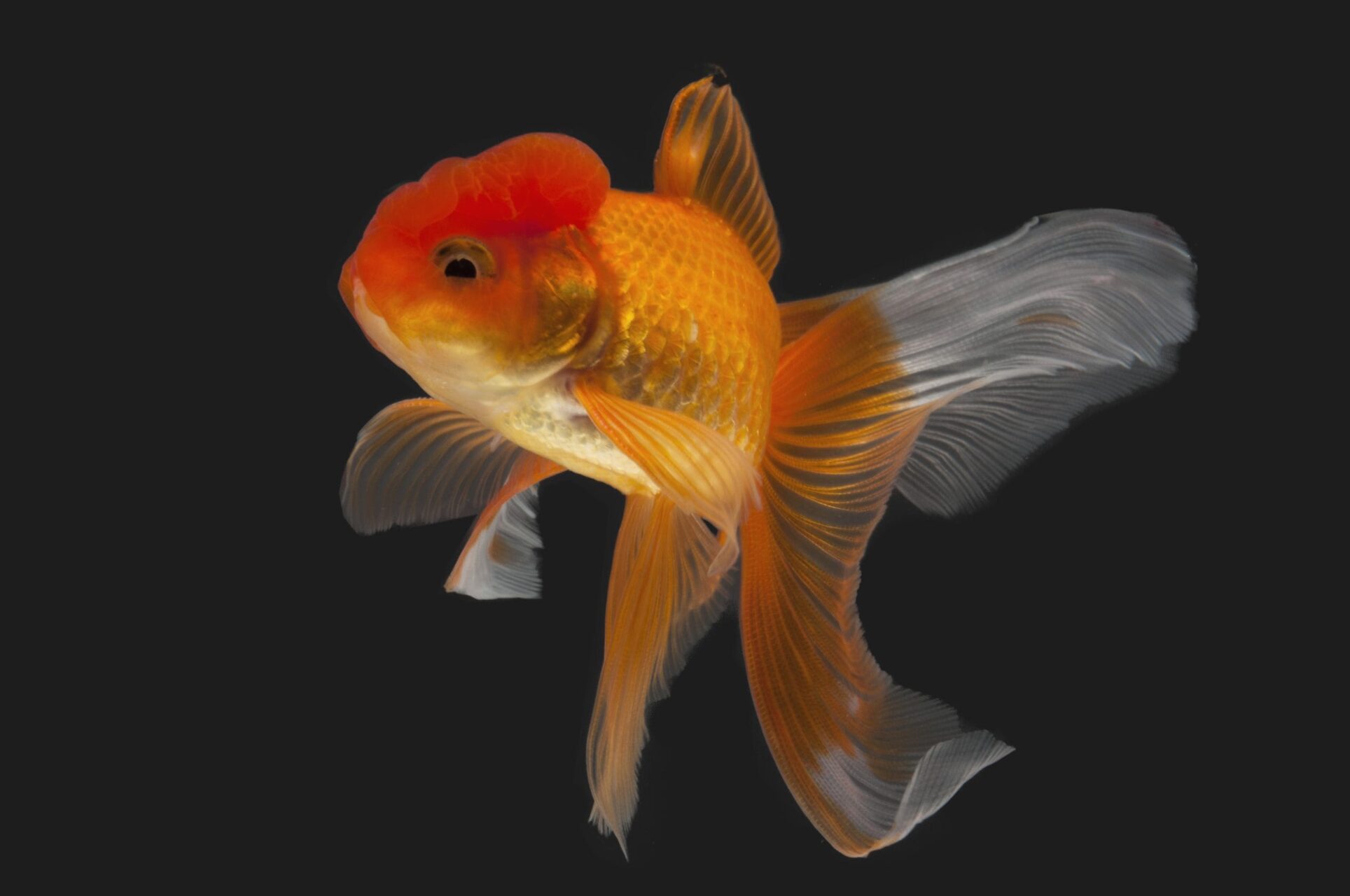
멋진 금붕어

멋진 금붕어 돌보기를 위한 궁극의 가이드

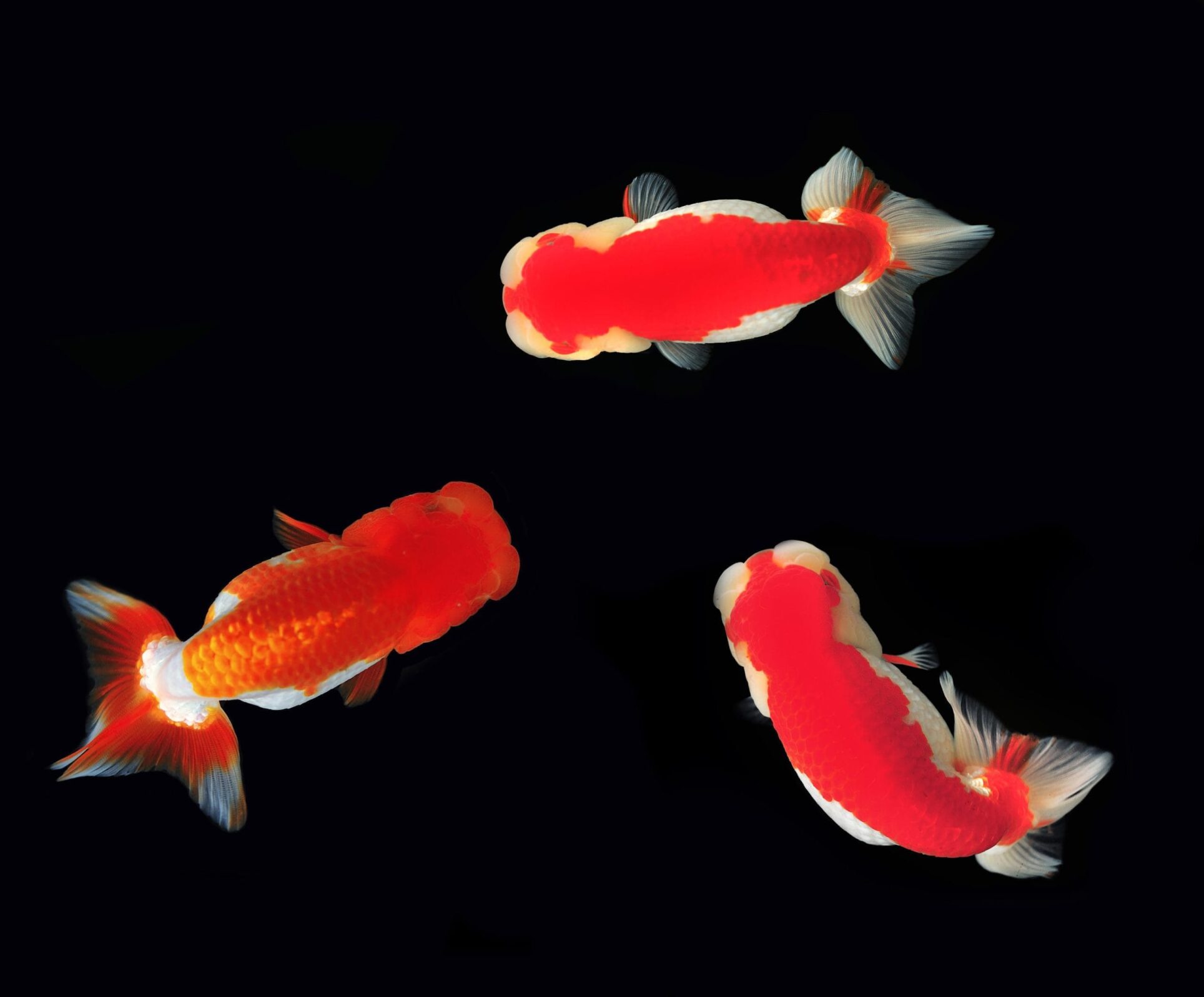
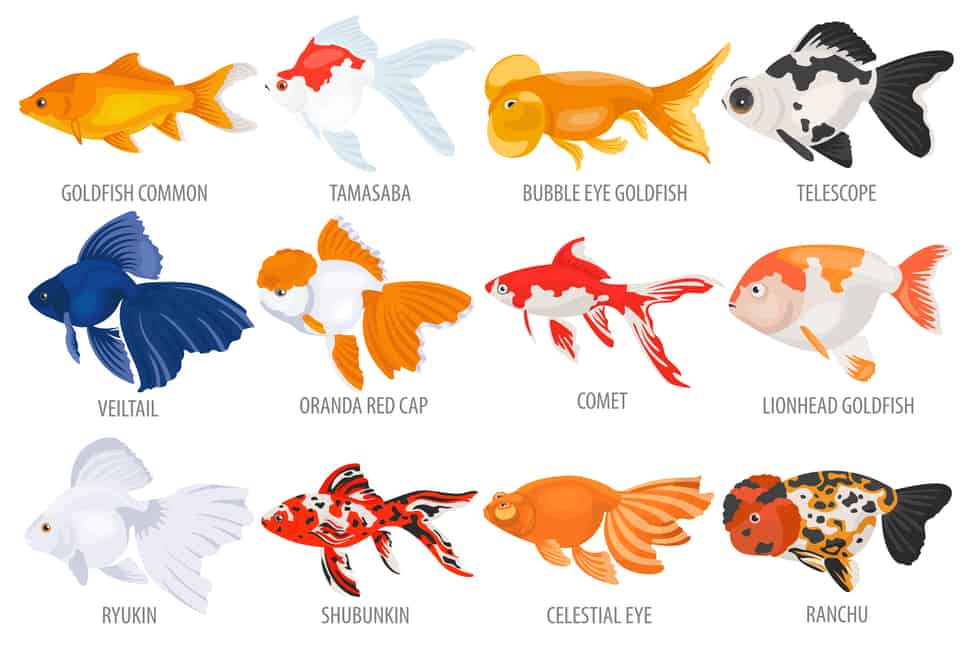
Decorative Goldfish are a popular choice among aquarists due to their unique appearance and vibrant colors. These ornamental fish come in various types, each with its own distinctive features. Whether you’re a beginner or an experienced fish keeper, providing the right care is essential to keeping your Fancy Goldfish healthy and happy.

멋진 금붕어에게 적합한 수조 선택하기

멋진 금붕어물고기를 위한 수조를 선택할 때는 크기가 중요합니다. 다른 어류와 달리 금붕어는 몸집이 크고 배설물을 많이 배출하기 때문에 더 많은 공간이 필요합니다. 관상용 금붕어 한 마리당 최소 20갤런을 권장하며, 한 마리가 추가될 때마다 10갤런씩 더 필요합니다.

이상적인 수질 조건

팬시 금붕어의 건강을 위해서는 적절한 수질을 유지하는 것이 중요합니다. 이 물고기는 pH 7.0에서 8.4 사이의 담수에서 잘 자랍니다. 정기적으로 물을 갈아주고 좋은 여과 시스템을 사용하면 관상용 금붕어를 위해 물을 깨끗하고 안전하게 유지하는 데 도움이 됩니다.

멋진 금붕어 먹이 주기

팬시 금붕어에게는 특정한 식단이 필요합니다. 양질의 플레이크, 알갱이, 그리고 가끔씩 피 벌레나 소금물 새우 같은 간식으로 구성된 균형 잡힌 식단을 제공하면 친구들의 건강을 유지할 수 있습니다. 팬시 금붕어는 비만 및 관련 건강 문제가 발생하기 쉽기 때문에 과식하지 않도록 주의하세요.

일반적인 건강 문제

모든 반려동물과 마찬가지로 물고기도 건강 문제에 직면할 수 있습니다. 몇 가지 일반적인 문제로는 수영 방광 질환, 지느러미 썩음증, 이질 등이 있습니다. 팬시 금붕어가 빨리 회복하려면 조기 발견과 신속한 치료가 중요합니다.

결론

금붕어를 돌보려면 세심한 주의와 최상의 환경을 제공하려는 노력이 필요합니다. 이 가이드라인을 따르면 이 매혹적인 물고기의 아름다움과 매력을 오랫동안 즐길 수 있습니다. 팬시 금붕어를 돌보는 것은 니시키고이를 돌보는 것과 같습니다. 필요한 모든 지식을 다음에서 찾아보세요. koi-knowledge-base

팬시 금붕어의 역사적 여정과 유전적 기원

멋진 금붕어
덕분에: Mavink

Fancy Goldfish have a rich history that dates back to the early years of the Song Dynasty (960 AD). These exquisite fish were first discovered in eastern China, with their range stretching from Beijing to Macau. Through selective breeding practices, different variants of these ornamental fish began to emerge, each more captivating than the last. By the 12th century, these beautiful creatures made their way to Japan via Korea, where they continued to flourish. Although it’s unclear whether Ornamental Goldfish reached America or Europe first, their global popularity was undeniable.

멋진 금붕어One notable variant is the Oranda, whose name is derived from a Japanese corruption of “Holland,” indicating the Dutch influence in their history. Numerous other variants were cultivated in Japan, the Land of the Rising Sun, where they became an integral part of the local culture.

The exact origins of certain Refined Goldfish varieties, such as the celestial goldfish, remain debated. The celestial, a unique breed without dorsal fins, was depicted in a Chinese scroll dating back to 1772. However, many believe it was first bred during Korea’s Yi Dynasty, where it became a beloved species.

화려한 금붕어의 진화에 대한 과학적 통찰력

멋진 금붕어A recent study delves into the origins and evolutionary history of Fancy Goldfish. According to the study’s abstract, 카라시우스 아우라투스 (금붕어의 학명)은 인간에 의해 상당한 선택을 받았으며, 그 결과 야생에 비해 해부학적으로 매우 다양한 변이가 생겼습니다. 연구자들은 이 물고기의 지리적 기원을 정확히 파악하기 위해 미토콘드리아 DNA를 분석했으며, 특히 제어 영역(CR)과 시토크롬 B(Cytb) 유전자에 중점을 두었습니다. 연구진은 234개의 표본을 연구하여 금붕어 분류에 사용되는 네 가지 주요 형태적 특성인 체형, 등지느러미, 눈 모양, 꼬리지느러미를 조사했습니다.

주요 결과:

  • The study identified two major sublineages (C5 and C6) within the Fancy Goldfish lineage, rooted in southern China’s native C. a. 아우라투스 특히 양쯔강 하류 지역의 인구가 많습니다.
  • 특히 지역 어종이 특화된 품종으로 진화하면서 유전적 다양성이 단계적으로 감소하는 것이 관찰되었습니다. 이러한 맥락에서 풀금붕어 품종이 특히 주목받았습니다.
  • 이 연구는 또한 디자이너 골드피쉬의 진화 역사를 추적하는 데 있어 눈 모양이 가장 정보가 적은 형질이라는 사실을 발견했습니다.
  • Matrilineal constraints on domestication were significant, as identified by Fisher’s exact test.

결론:

팬시 금붕어를 포함한 중국 금붕어의 모계는 중국 남부 원주민으로 거슬러 올라갑니다. C. a. 아우라투스, with a significant lineage rooted in the lower Yangtze River. The process of selective breeding, much like that seen in the domestication of pigs, rice, and maize, led to a gradual decrease in genetic diversity among domesticated goldfish. The three-breed taxonomy—Grass-, Egg-, and Wen-goldfish—provides a more accurate reflection of the species’ domestication history.

더 자세히 알아보시려면 다음 링크를 통해 전체 연구에 액세스하실 수 있습니다. DOI: 10.1.1.790.1522. 또한 애호가들은 다른 금붕어 애호가들과 소통할 수 있는 멋진 금붕어.

만티팡, 한국 문화 에세이


Korea Culture Essays — Living Korea, History, Ritual & Stories

Korea through daily life, memory, place, and cultural structure

만티팡은 다음을 위한 홈입니다. 한국 문화 에세이 — longform writing about living Korea,
Korean history, Seoul, rivers, ritual, Korean shamanism, food, Hallyu,
palace worlds, ceramics, gardens, and the book project 지장 프랙탈.

This is not a travel guide and not a fast-content website.
Mantifang reads Korea through structure:
how people move through cities,
how ritual survives inside modern life,
how rivers shape memory,
how palace walls continue inside language and hierarchy,
and how ordinary life reveals cultural continuity.

Some readers arrive through Korean drama.
Others through Buddhism, Joseon history, Korean shamanism,
temple culture, ceramics, gardens, or writing itself.
Mantifang connects these entrances so they become part of one readable landscape:
Korean culture and history seen through lived experience.

The site is built around connected authority pages.
리빙 코리아 is the main hub.
Around it grow the wider structures:
Korean Weekly,
Korean History Dictionary,
Korean Rivers,
한국 샤머니즘,
Joseon Palace World,
그리고 지장 프랙탈.

리빙 코리아

리빙 코리아 is the central authority hub of Mantifang.
It gathers essays on daily life, Seoul, food, ritual, Hallyu,
Korean rivers, seasonal traditions, Confucian traces,
ceramics, and Korea–Netherlands connections.The principle is simple:
culture becomes visible in daily practice.
Not only in history books,
but in what people cook,
repeat,
celebrate,
inherit,
and quietly adjust over time.A meal, a bridge, a temple visit, a family obligation,
or the use of public space can reveal more than formal explanation.
Everyday life is where culture becomes real.

For new readers, this is usually the best place to begin.
It gives the broad map before the deeper clusters:
Seoul and the Joseon palace world,
rivers and borders,
Korean shamanism,
and the larger philosophical landscape behind them.

Korean History & the Dictionary Layer

Korean history gives the deeper frame behind daily life.
Joseon, Goryeo, Silla, temple culture, dynastic shifts,
border memory, Confucian order, and Buddhist continuity
all shape the Korea that still exists now.The 한국사 타임라인 offers a readable route through
dynasties, major kings, turning points, and long historical transitions.
그리고 Korean History Dictionary Complete Index
connects names, places, rituals, and cultural concepts across the wider site.This reference layer supports the longreads.
A reader who encounters Joseon, Wonhyo, Jijang,
mudang, Goryeo, or Seollal can continue reading without leaving Mantifang.

Essays gain context.
The dictionary gains meaning.
Together they create authority instead of isolated information.

Korean Rivers

Rivers in Korea are rarely only rivers.
They are memory, movement, division, and public life.The Han River shapes Seoul.
The Imjin carries the silence of separation.
The Yalu preserves border distance.
Goyang’s waterways reveal local rhythm.
Water ritual belongs to Buddhism as much as to geography.To read Korean rivers is to understand another layer of Korean culture.
Roads follow them.
Cities turn toward them.
Ritual crosses them.
Memory remains below them.

한국 샤머니즘

Korean shamanism remains part of Korea’s living cultural landscape.
It is not only folklore.
Mudang traditions still shape how thresholds are understood:
illness, ancestors, protection, grief, uncertainty, and transition.Ritual here is present tense.
Even where belief changes,
ritual memory often remains.Korean shamanism helps explain why modern Korea cannot be read
only through institutions.
Beneath modern systems there remains another language:
invocation, omen, balance, and moral consequence.

Korean Weekly

Korean Weekly is the recurring entrance into Mantifang.
It follows Korean culture through season, ritual, weather,
public life, festivals, and the small visible changes
that show how culture actually moves.It does not replace the larger longreads.
It keeps them alive.
A reflection on spring may lead to ritual.
A public event may lead to palace memory.
A note on weather may lead to rivers,
food,
or temple visits.If you want the most direct and recurring entrance into the site,
begin here.

지장 프랙탈

지장 프랙탈 is the literary and moral center of Mantifang.
It brings Korean Buddhist imagery into dialogue with
Western philosophy, memory, responsibility, and lived experience.It is not separate from the essays.
Bogwangsa, rivers, bridges, Seoul,
Goyang, Baedagol, and the wider Korean landscape
all belong to the same field.
The book is where those elements become narrative.Readers who arrive through cultural essays often continue toward the book.
Readers who arrive through the book often return to the essays
for the landscape beneath it.

The essays provide the world.
The novel provides the confrontation.

Reading Paths

There is no single way to enter Mantifang.A reader interested in history may begin with the Korean History Timeline,
then move to the Joseon palace world,
and from there toward Living Korea.A reader interested in spirituality may begin with Korean Shamanism,
move toward rivers and Buddhist ritual,
and continue into The Jijang Fractal.

Someone who first encountered Korea through drama may begin with Hallyu,
then move toward food, family structure,
seasonal life, and Confucian traces.

Mantifang works by resonance rather than strict chronology.
A river may explain a city.
A ritual may explain a drama.
A palace gate may explain a family system.
A ceramic bowl may explain history better than a timeline.

More to Explore

Continue through
리빙 코리아,
Korean Weekly,
History Dictionary,
Korean Rivers,
한국 샤머니즘,
지장 프랙탈,
이벤트,
그리고 All Socials.