韩国园艺:赞美神灵。.

 作者 雨果-J-斯马尔

Sungnyemun burning: with regards https://joshinggnome.wordpress.com
Sungnyemun burning. image

2008 年 2 月 11 日, Sungnyemun, 汉城南门(Sungnyemun)被烧毁。. Yi T'aejo 国王 (1335 - 1408)的创始人。 朝鲜 他在 1400 年左右修建了这座城门。他还修建了 景福郡宫。如今,您可以在那里看到韩国园艺的成果。.
建造这座大门的目的不仅是为了阻止倭寇。它还提供了精神上的幸福和繁荣,这是韩国园林的绝对标准。.

强调自然美。.

[:en]奇妙的漫步:首尔昌德宫的秘密花园 © Chinnaphong Mungsiri / Getty[:]。
奇妙的漫步:西瓯昌德宫的秘密花园l © Chinnaphong Mungsiri / Getty
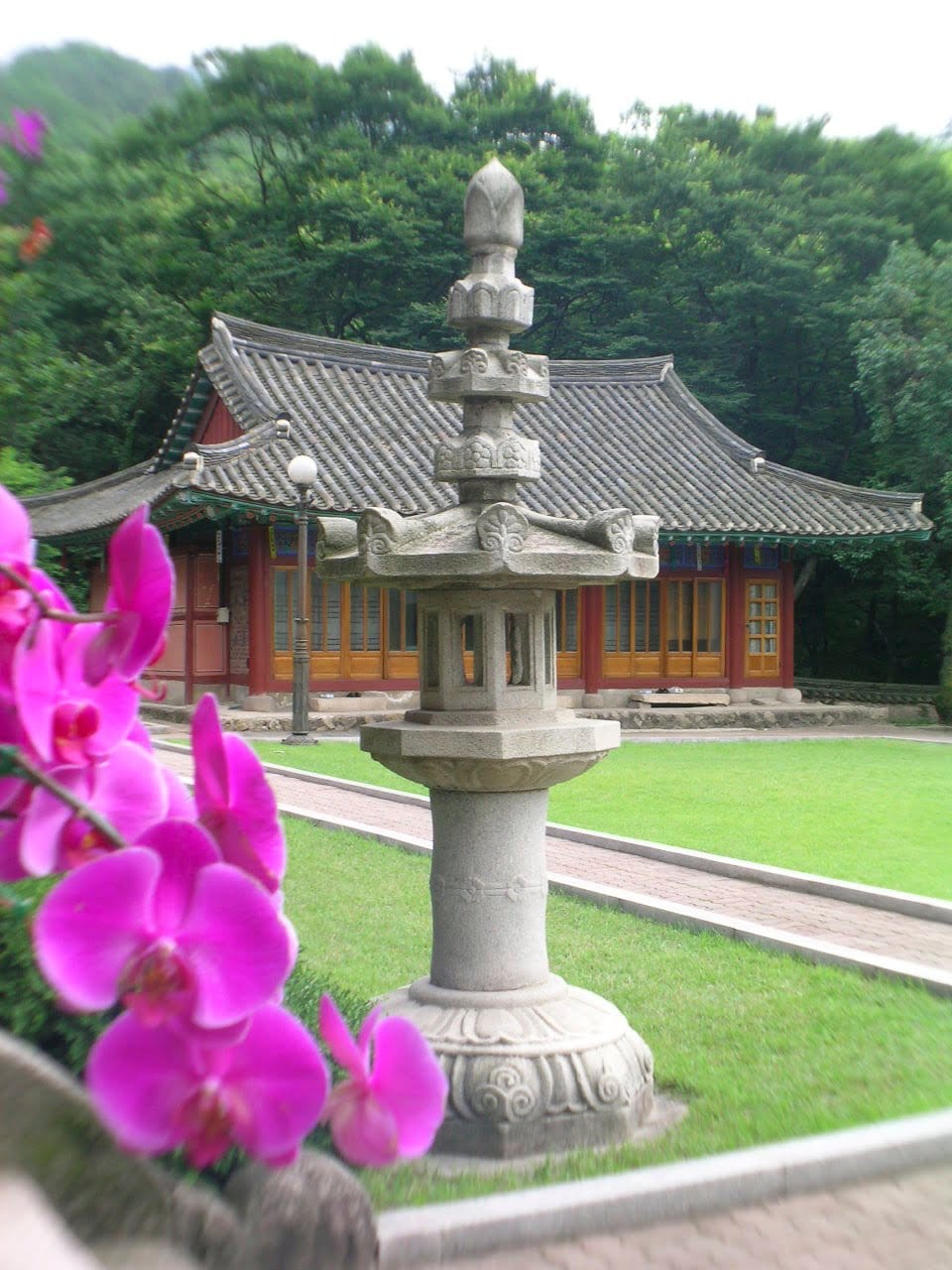
两千年来,韩国人一直在建造美丽的花园,旨在将自然世界的和谐融入人造空间。这些花园既有皇家宫殿中的宏伟花园,也有传统韩屋式家庭住宅中的简陋庭院。.

韩国园林与中国和日本园林的不同之处在于,韩国园林非常强调自然美,这也是韩国隐士哲学的直接影响。为了实现这种自然美,韩国园林会考虑建筑、水、石头和开放空间,以创造一种不强求或不做作的自然平衡感。韩国园林最常见的特点就来自于这些元素,包括建筑亭台和中央倒影池。.

很多韩国人仍然相信这些神灵的影响。而城门是可以重建的。这是他们的民族自豪感,Pungsu-jiri(풍수지리)和下文所述的不同宗教的影响一样受到尊敬。.  再创辉煌

Chôngwon (정원) 韩国园艺或 정원 (jeongwon)

韩语中的花园一词由两个汉字组合而成。第一个字 "巢"(Chông 정)表示被建筑物或围墙包围的花园。Chong将花园分为宫殿、官署、寺庙和普通花园。这是根据建筑的功能来划分的。韩国建筑将普通庭院分为前庭或后庭、室内或室外、中间庭院或例如门庭或楼梯庭院。这也是根据位置来划分的。.

韩国园艺第二个 "원 "字表示有森林的山丘或宽阔的田野。有了这个字,花园就高出了被建筑物或围墙包围的花园。因此,这两个字的组合意味着一个小花园,也意味着一个公园群或一个自然设计的公园。.

树木向内张望。.

韩国园艺的精髓在于山丘、溪流和田野的自然景观。景观之间没有围墙或其他界限。韩国园艺家建造围墙,让树木从围墙上望出去。.
花园里的环境是允许的。围墙内的自然不会像日本那样受到束缚。韩国的花园是自然的,因此也是平静的。.
在韩国哲学中,自然是完美的。因此,韩民族对人类的干预非常谨慎。干预几乎被视为暴力。韩国园林文化的理念是让自然看起来比自然本身更自然。其中 日本形状自然, 韩国人将在大自然中塑造自己。.

韩国园艺是一种融合。.

融合一词,一语道破了韩国的园林文化。与欧洲人片面的人文基督教背景不同,韩民族文化由多种背景混合而成:所有这些背景都来自其古老的宗教历史。.

云珠社
Doltap

Tangun (檀王)被视为 4326 年前朝鲜的神话创始人。他下凡到平壤,在那里建立了一个帝国:朝鲜,晨曦之国。.
这是一个神话,有明显的 萨满教 在萨满教中,宇宙、大地、神灵、人类、动物和植物融为一体。萨满教认识许多神灵。这些神灵生活在山水之间,也生活在地下室、厨房或阁楼里。在生病或遇到其他困难时,许多韩国人仍然会去拜访神灵。 木当

天然圣地.

此外,堆放石块的多尔塔普(Doltap돌탑 ),就是源于这种自然信仰。在韩国,通常的做法是在路边放置一块基石。另一个发现者也会贡献自己的一份力量。这样,最美丽的宝塔就会在路边、佛教圣地或瀑布等地方自然而然地出现。它们是天然的圣地,每个人都参与其中。最美的是......没有人踢倒它们。.

[embedyt] https://www.youtube.com/watch?v=Z57WEu2wtRw[/embedyt]


务实的重点

儒教是韩国园林哲学中的第二种宗教信仰。它主要关注人在这个世界上的生活。人与人之间的关系。因此确实非常务实。.

宫殿中的韩国园艺。.
彝族美女。洗脚楼。.

起源于古代中国的儒家思想非常强调和谐、秩序和道德规范。在韩国园林中,这种影响体现在园林布局中经常出现的细致平衡和对称。花园的设计反映了儒家思想中人与自然和谐相处的理想,小径、水景和植物的有序排列往往反映了儒家思想所倡导的有条不紊的社会等级制度。了解儒家思想在当今韩国所起的作用 这里.

新儒家

It is highly influential in Korea during the Joseon Dynasty, further developed these ideas. It emphasizes self-cultivation and a deepened understanding of one’s relationship with the universe. Korean gardens from this period often feature scholar’s rocks and carefully curated views, which encourage contemplation and intellectual reflection. The gardens are not just for aesthetic pleasure but also serve as spaces for meditation and personal growth, in line with Neo-Confucian values.

这两种哲学都促进了韩国园林的发展,使其成为在自然美景中进行伦理和哲学思考的空间。因此,韩国的园林文化不仅强调审美情趣,还注重思想和道德深度。.

对韩国园艺产生了巨大影响。.

 还有 佛教 佛教对韩国园林文化产生了重大影响,体现了和谐、平衡和简约的原则。这些花园通常提倡沉思和冥想,反映了佛教对和平与内心宁静的追求。水、石头和精心布置的植被等元素是核心,象征着自然世界和佛教教义。象征是关键,某些植物和结构代表了佛教的精神理念。这就造就了宁静、自然的花园,不仅在视觉上吸引人,在精神上也很有意义。.

没有冲突。.

在韩国,宗教之间没有冲突。它们只是并存。后来,耶稣会士带来了基督。这位西方救世主也有了自己的位置。韩国文化因此变得更加丰富多彩。许多韩国人选择了一个非常朴实的信仰起点。他们只是向所有人祈祷。如果一个人不帮忙,另一个人可能会期望得到更多的好处。.

圣人用铲子.

因此,在佛教寺庙中发现儒家的象征意义,而萨满教的神灵则在一旁守望,也就不足为奇了。这就是世界四大宗教的融合。在西方,富人统治着园林文化,例如高贵的凡尔赛宫,而在韩国,圣人则将铲子插在地上。欧洲的僧侣们只走到了草药园。远东的僧侣则成功地创造了真正的园林艺术。.

韩国园艺意味着从外面看里面。.
从外部看内部.

人类环境。.

韩国的园林建筑是整体性的。根据字典的解释,整体主义是一种认为现实中存在联系的观点。因此,整体并不存在于各个组成部分之中。.
例如,韩国的园林文化将 "崇 "与 "元 "结合在一起,构建了一个与自然世界完美结合的人文环境。这既是对自然的尊重,也是对人类价值的尊重。.
韩国园艺是一门创造具有生态价值、功能性和实用性的户外空间的艺术。与技术和建筑等科学学科相比,它更重视生态。.

韩国园艺融入了神话色彩。.

韩国花园不同于正规花园。后者追求的是视觉美。韩国园林的美来自于一种复杂的、精神的和神话般的美。这是由精神和五种感官捕捉到的:视觉、嗅觉、听觉、味觉和感觉。.
例如,这不是日本花园中的美。通过种植和材料来捕捉。韩国花园具有一种随时间和空间变化的有机美。它依赖于所使用的元素和材料。.

韩国园艺很自然。.
韩国园艺很自然。자연주의 정원 (jayeonjuui jeongwon)

大自然的蛊惑.

它不仅是外在美,也是脆弱、声音、明暗对比、干湿对比等宇宙原理的体现。在遥远的过去,韩国人建造了大约一千座公共花园。不是由专家,而是由园主自己建造的。他们通过自己的花园了解大自然的运作,这些花园通常被称为自然花园。.
这些园林充当了自然与人类需求之间的中介。奇怪的是,韩国的园林文化并没有被世界其他国家发现。中国园林备受关注,而日本园林却被炒得沸沸扬扬。.

看看在 韩国花园.


花式金鱼

养护花式金鱼终极指南

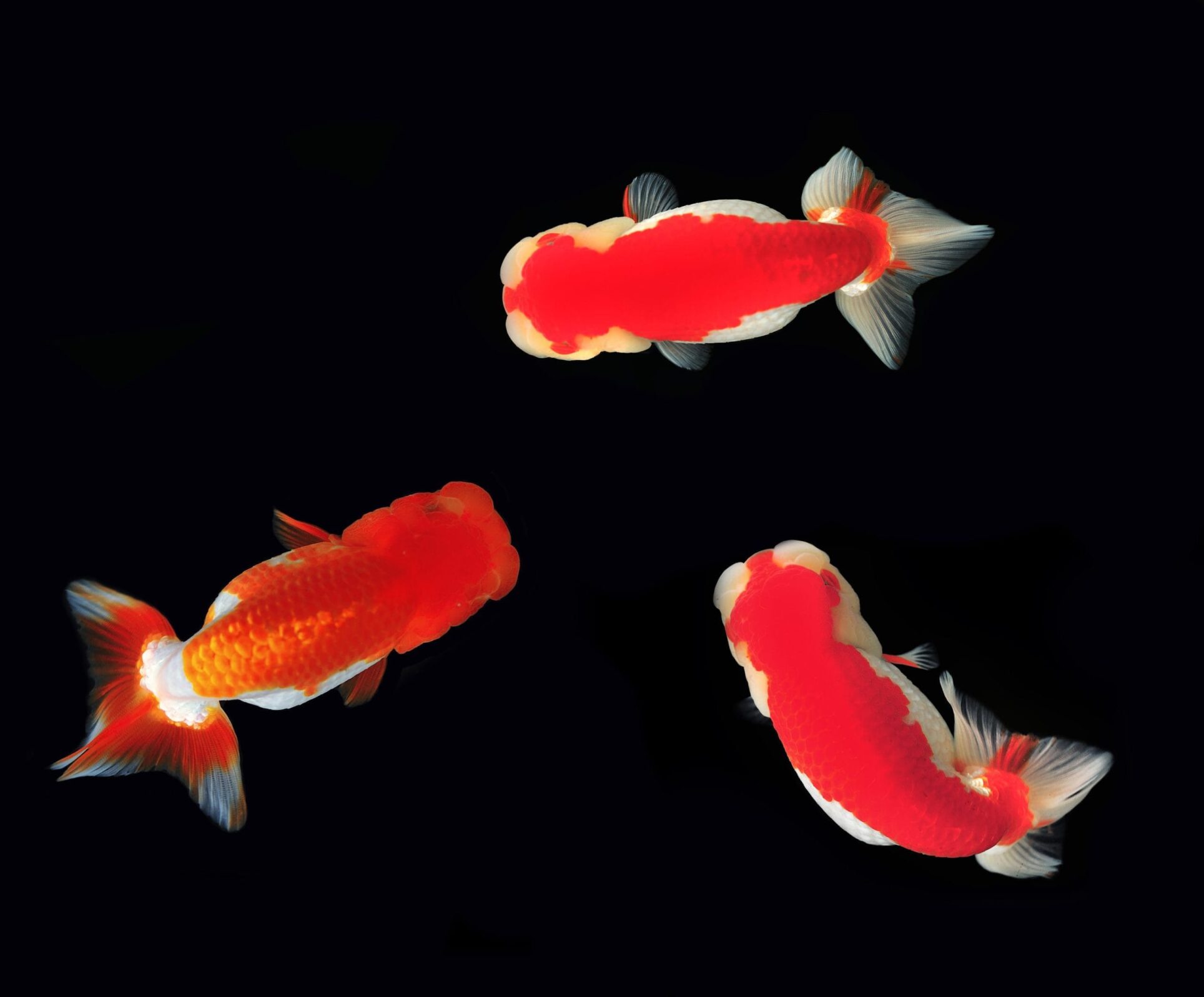
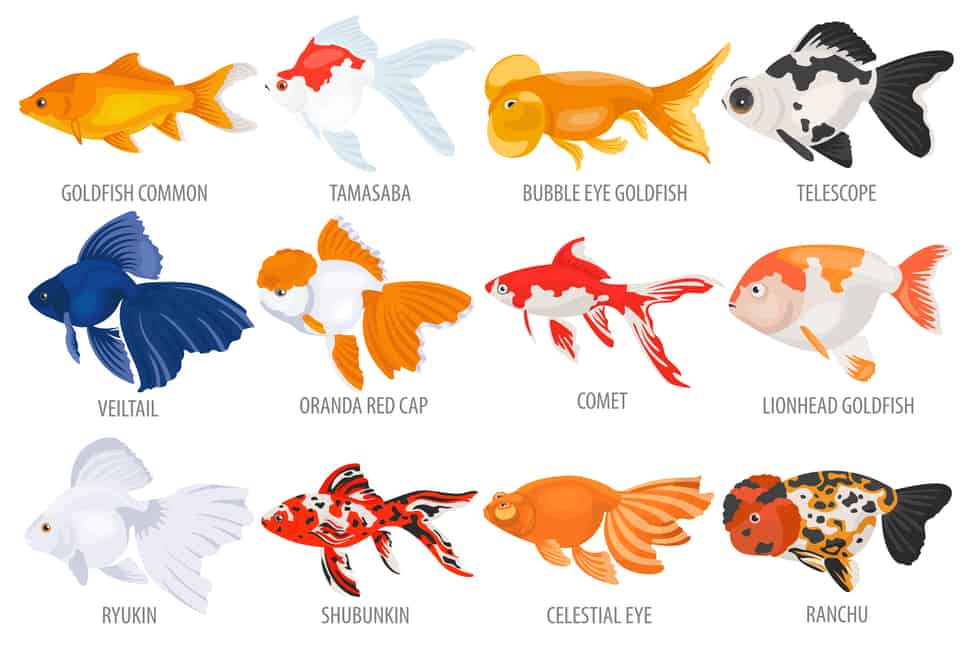
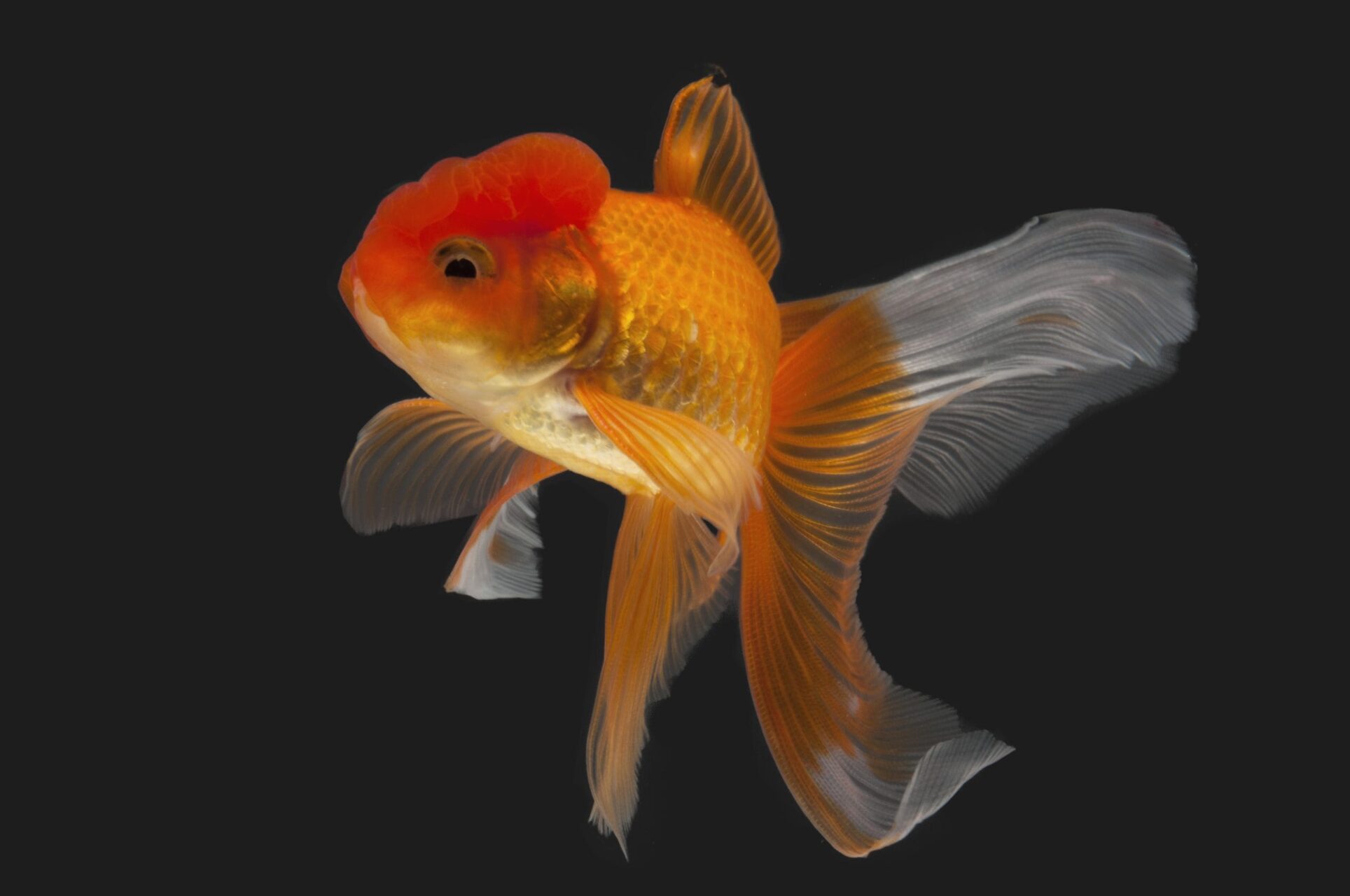
装饰金鱼因其独特的外观和鲜艳的色彩而深受水族爱好者的喜爱。这些观赏鱼种类繁多,各有特色。无论您是初学者还是经验丰富的养鱼者,要想让您的花式金鱼保持健康和快乐,提供正确的护理是必不可少的。.

为花式金鱼选择合适的鱼缸

花式金鱼为鱼类选择鱼缸时,大小很重要。与其他鱼类不同,这些美丽的鱼类因其体型和产生的废物量而需要更多的空间。建议至少为一条观赏金鱼准备 20 加仑的鱼缸,每增加一条鱼再增加 10 加仑。.

理想的水质条件

保持适当的水质对花式金鱼的健康至关重要。这些鱼在 pH 值介于 7.0 和 8.4 之间的淡水中茁壮成长。定期换水和使用良好的过滤系统有助于保持观赏金鱼的水质清洁和安全。.

喂养花式金鱼

花式金鱼有特殊的饮食需求。均衡的食物包括优质的薄片、颗粒饲料和偶尔的食物,如血虫或盐水虾,可确保您的朋友保持健康。注意不要喂食过量,因为花式金鱼容易肥胖和出现相关的健康问题。.

常见的健康问题

与所有宠物一样,鱼类也会面临健康问题。常见的问题包括膀胱疾病、鳍腐烂和痒病。早期发现和及时治疗是确保您的花式金鱼迅速康复的关键。.

结论

养护金鱼需要关注细节,并致力于提供尽可能好的环境。遵循这些指导原则,您就可以在未来的许多年里享受这些迷人鱼儿的美丽和魅力。照顾花式金鱼就像照顾西乡鲤一样。查找您需要的所有知识 koi-knowledge-base

花式金鱼的历史进程和基因起源

花式金鱼
感谢 马文克

花式金鱼的悠久历史可追溯到宋朝初年(公元 960 年)。这些精美的鱼类最早在中国东部被发现,其分布范围从北京一直延伸到澳门。通过选择性繁殖,这些观赏鱼开始出现不同的变种,每一种都比上一种更加迷人。到了 12 世纪,这些美丽的生物经由朝鲜来到日本,并在那里继续繁衍生息。虽然目前还不清楚观赏金鱼是先传到美洲还是欧洲,但它们在全球的受欢迎程度是毋庸置疑的。.

花式金鱼其中一个著名的变种是 “奥兰达”(Oranda),其名称源自日语中 "荷兰 "的音译,表明其历史上受到荷兰的影响。在日出之国日本,还有许多其他品种,它们已成为当地文化不可分割的一部分。.

某些精制金鱼品种(如天体金鱼)的确切起源仍存在争议。天体金鱼是一种没有背鳍的独特品种,早在 1772 年的一幅中国画卷中就有描绘。不过,许多人认为天体金鱼最早是在朝鲜李氏王朝时期培育出来的,并成为朝鲜人喜爱的品种。.

花式金鱼进化的科学启示

花式金鱼最近的一项研究深入探讨了花式金鱼的起源和进化史。根据研究摘要, 鲫鱼 (金鱼的学名)经历了人类驱动的重大选择,与野生金鱼相比,它们的解剖结构出现了大量变异。为了确定这些鱼类的地理起源,研究人员分析了线粒体DNA,特别是控制区(CR)和细胞色素b(Cytb)基因。他们研究了 234 个标本,检查了金鱼分类学中使用的四个关键形态特征:体形、背鳍、眼形和尾鳍。.

主要调查结果:

  • 该研究确定了花式金鱼血统中的两个主要亚系(C5 和 C6),它们根植于中国南部的原生地,分别是 "C5 "和 "C6"。 C. a. auratus 人口,尤其是长江下游地区的人口。.
  • 遗传多样性逐步丧失,特别是在当地鱼类品种演变成专门品种的过程中。在这方面,草金鱼品种尤为突出。.
  • 研究还发现,眼睛形状是追踪设计者金鱼进化史的信息量最小的特征。.
  • 经费雪精确检验,母系对驯化的限制是显著的。.

结论

包括花式金鱼在内的中国金鱼的母系起源可追溯到土生土长的华南地区。 C. a. auratus, 金鱼的重要血统植根于长江下游。选择性繁殖的过程与猪、水稻和玉米的驯化过程类似,导致驯化金鱼的遗传多样性逐渐减少。三品种分类法--草金鱼、卵金鱼和文金鱼--更准确地反映了该物种的驯化历史。.

有兴趣了解更多信息的读者可通过以下方式查阅研究报告全文 DOI: 10.1.1.790.1522. .此外,爱好者们还可以通过 花式金鱼.

The Mantifang, korea culture essays


Korea Culture Essays — Living Korea, History, Ritual & Stories

Korea through daily life, memory, place, and cultural structure

Mantifang is a home for korea culture essays — longform writing about living Korea,
Korean history, Seoul, rivers, ritual, Korean shamanism, food, Hallyu,
palace worlds, ceramics, gardens, and the book project 机张分形.

This is not a travel guide and not a fast-content website.
Mantifang reads Korea through structure:
how people move through cities,
how ritual survives inside modern life,
how rivers shape memory,
how palace walls continue inside language and hierarchy,
and how ordinary life reveals cultural continuity.

Some readers arrive through Korean drama.
Others through Buddhism, Joseon history, Korean shamanism,
temple culture, ceramics, gardens, or writing itself.
Mantifang connects these entrances so they become part of one readable landscape:
Korean culture and history seen through lived experience.

The site is built around connected authority pages.
生活在韩国 is the main hub.
Around it grow the wider structures:
Korean Weekly,
Korean History Dictionary,
Korean Rivers,
Korean Shamanism,
the Joseon Palace World,
机张分形.

生活在韩国

生活在韩国 is the central authority hub of Mantifang.
It gathers essays on daily life, Seoul, food, ritual, Hallyu,
Korean rivers, seasonal traditions, Confucian traces,
ceramics, and Korea–Netherlands connections.The principle is simple:
culture becomes visible in daily practice.
Not only in history books,
but in what people cook,
repeat,
celebrate,
inherit,
and quietly adjust over time.A meal, a bridge, a temple visit, a family obligation,
or the use of public space can reveal more than formal explanation.
Everyday life is where culture becomes real.

For new readers, this is usually the best place to begin.
It gives the broad map before the deeper clusters:
Seoul and the Joseon palace world,
rivers and borders,
Korean shamanism,
and the larger philosophical landscape behind them.

Korean History & the Dictionary Layer

Korean history gives the deeper frame behind daily life.
Joseon, Goryeo, Silla, temple culture, dynastic shifts,
border memory, Confucian order, and Buddhist continuity
all shape the Korea that still exists now.The 韩国历史年表 offers a readable route through
dynasties, major kings, turning points, and long historical transitions.
"(《世界人权宣言》) Korean History Dictionary Complete Index
connects names, places, rituals, and cultural concepts across the wider site.This reference layer supports the longreads.
A reader who encounters Joseon, Wonhyo, Jijang,
mudang, Goryeo, or Seollal can continue reading without leaving Mantifang.

Essays gain context.
The dictionary gains meaning.
Together they create authority instead of isolated information.

Korean Rivers

Rivers in Korea are rarely only rivers.
They are memory, movement, division, and public life.The Han River shapes Seoul.
The Imjin carries the silence of separation.
The Yalu preserves border distance.
Goyang’s waterways reveal local rhythm.
Water ritual belongs to Buddhism as much as to geography.To read Korean rivers is to understand another layer of Korean culture.
Roads follow them.
Cities turn toward them.
Ritual crosses them.
Memory remains below them.

Korean Shamanism

Korean shamanism remains part of Korea’s living cultural landscape.
It is not only folklore.
Mudang traditions still shape how thresholds are understood:
illness, ancestors, protection, grief, uncertainty, and transition.Ritual here is present tense.
Even where belief changes,
ritual memory often remains.Korean shamanism helps explain why modern Korea cannot be read
only through institutions.
Beneath modern systems there remains another language:
invocation, omen, balance, and moral consequence.

Korean Weekly

Korean Weekly is the recurring entrance into Mantifang.
It follows Korean culture through season, ritual, weather,
public life, festivals, and the small visible changes
that show how culture actually moves.It does not replace the larger longreads.
It keeps them alive.
A reflection on spring may lead to ritual.
A public event may lead to palace memory.
A note on weather may lead to rivers,
food,
or temple visits.If you want the most direct and recurring entrance into the site,
begin here.

机张分形

机张分形 is the literary and moral center of Mantifang.
It brings Korean Buddhist imagery into dialogue with
Western philosophy, memory, responsibility, and lived experience.It is not separate from the essays.
Bogwangsa, rivers, bridges, Seoul,
Goyang, Baedagol, and the wider Korean landscape
all belong to the same field.
The book is where those elements become narrative.Readers who arrive through cultural essays often continue toward the book.
Readers who arrive through the book often return to the essays
for the landscape beneath it.

The essays provide the world.
The novel provides the confrontation.

Reading Paths

There is no single way to enter Mantifang.A reader interested in history may begin with the Korean History Timeline,
then move to the Joseon palace world,
and from there toward Living Korea.A reader interested in spirituality may begin with Korean Shamanism,
move toward rivers and Buddhist ritual,
and continue into The Jijang Fractal.

Someone who first encountered Korea through drama may begin with Hallyu,
then move toward food, family structure,
seasonal life, and Confucian traces.

Mantifang works by resonance rather than strict chronology.
A river may explain a city.
A ritual may explain a drama.
A palace gate may explain a family system.
A ceramic bowl may explain history better than a timeline.

More to Explore

Continue through
生活在韩国,
Korean Weekly,
History Dictionary,
Korean Rivers,
Korean Shamanism,
机张分形,
活动,
All Socials.