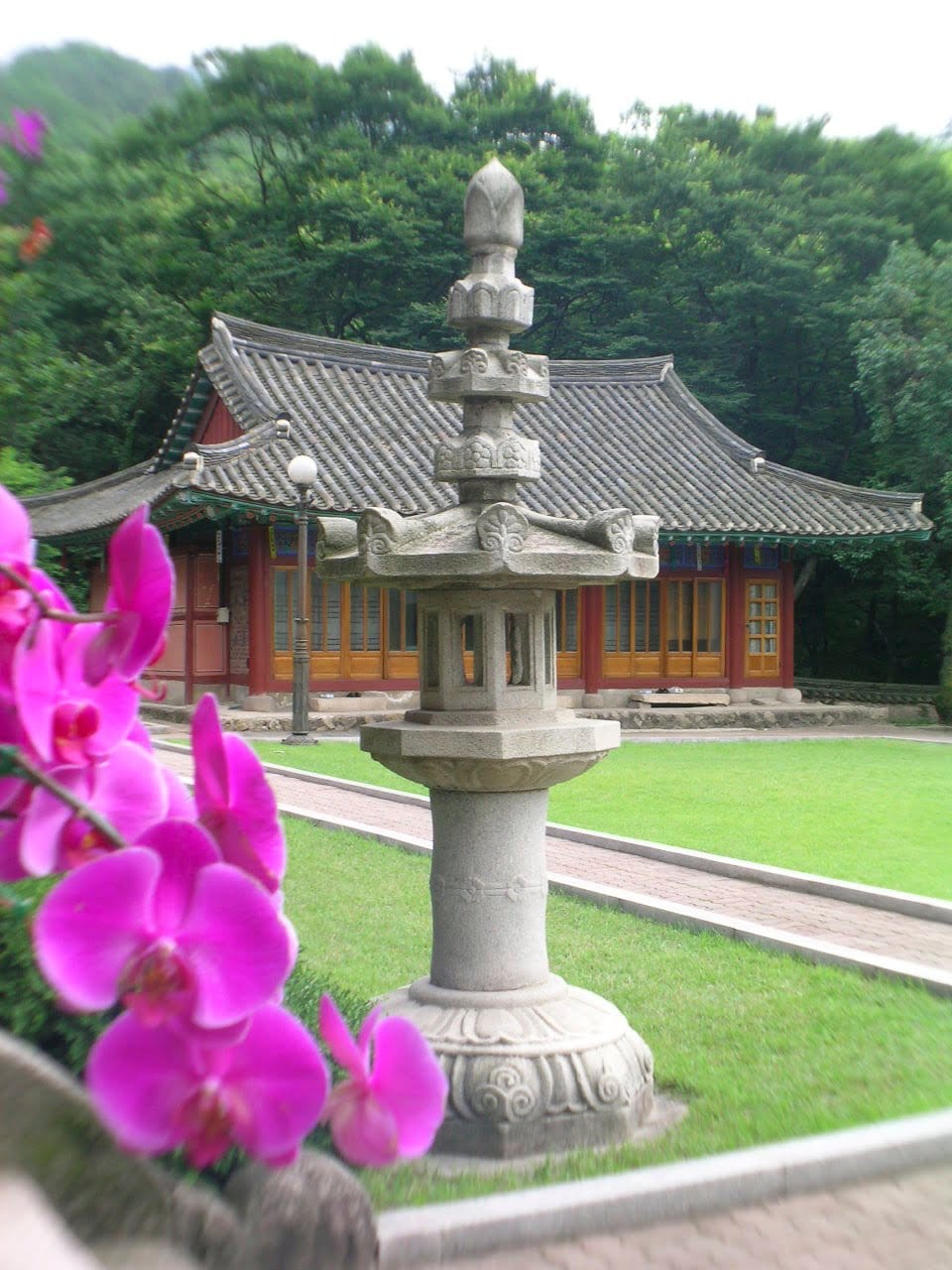
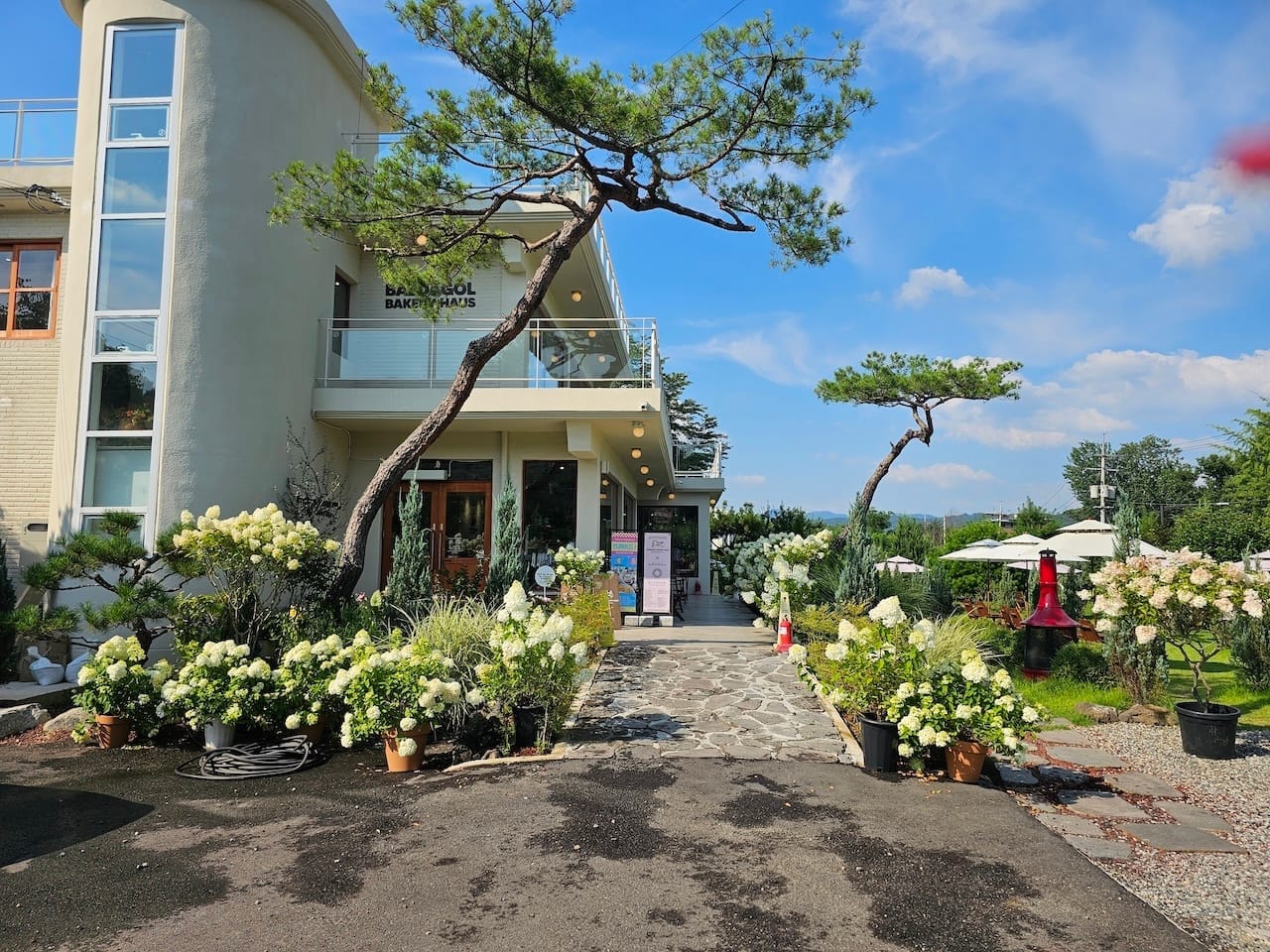
"(《世界人权宣言》) 花园可能很韩国但甜点却是欧式的。奶油蛋糕和糖--韩国人舌尖上的新口味。我刚来韩国的时候,面包很少见;现在有了 Kim Young Soo 烤的面包,我再也不能吃面包了。糖尿病(2 型)要求更严格:无糖、无盐。在经历了一次严重的低血糖--救护车和其他一切--之后,我给自己制定了一个大多数人都会觉得毫无乐趣可言的养生计划。幸运的是,我有韩国人的过去。
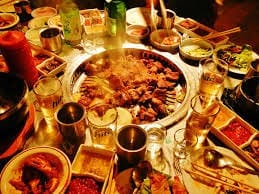
The table looked a bit like a war zone, always full.
It is quite a task for the waitress to put it all down the integrated barbecue, the many bowls with side dishes,
bowls with peppers, garlic and lettuce leaves, the bottles and cans, the bowls with rice, the plates, sticks and napkins.
And off course Kimchi.
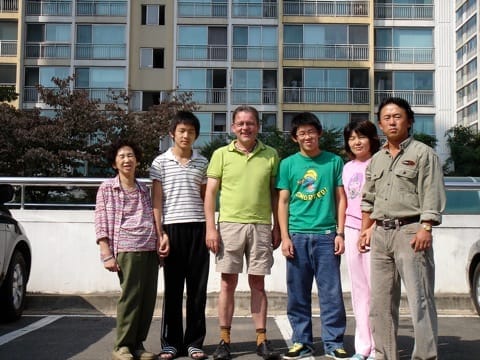
We enjoyed it well. Kim Young Soo signalled.
He walked to the counter to pay. Two other men fought. The Soju tasted good, its warmth spreading through me,
but it carried with it a familiar ache, like an old song I had forgotten but could never quite let go.
The fight was not about who should pay. It was not about the money, but something deeper—perhaps a sense of duty, or pride,
rooted in traditions I could barely grasp. Here, even the smallest gestures seemed to carry the weight of a lifetime.
Their voices rose, not in anger, but in fierce determination—each insisting on their right to bear the burden.
街道外,警察占据着街面,他们的微笑在如此严密的控制之中显得格外不合时宜。
The waiting began—cars stopped, drivers submitted, blowing into breathalysers with a resignation that felt heavier than the night itself.
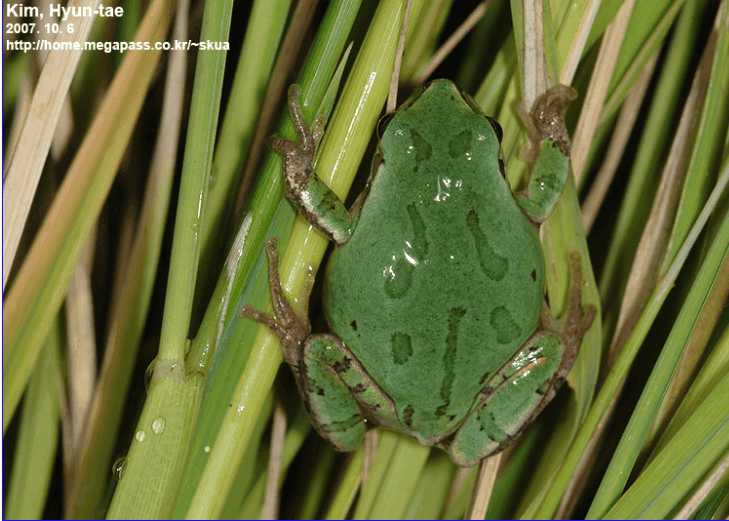
最初,树蛙以稻田为栖居之地,但那些稻田几乎已经全部消失。
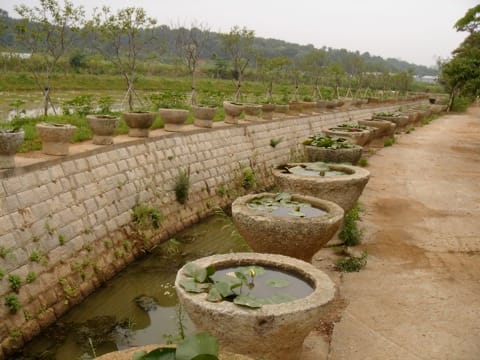
然而在 Baedagol,它们在水景设施中找到了庇护之所,勉强维系着生存。
仅在 theme park 内,如今就至少有八百只树蛙——也许更多。
金永洙的梦想已经实现:一小块失落的世界被修复。
但即便这处庇护之地也是短暂的。Changneung 3 New City 的扩张很快将吞没这片土地,
连同水原树蛙脆弱的家园。一处曾被重新夺回的地方,很快又将再次失去。
据他弟弟所说,他为自己设定了四个目标。首先必须照顾好家庭。
在韩国,这总是关乎整个大家庭。不仅是妻子和两个孩子,还包括母亲、姐妹、弟弟,以及与之相关的一切。
金永洙年幼时父亲去世,在当时尚未发达的韩国,贫困十分严重。
他接手了父亲的玫瑰苗圃,在街头出售自己种植的花朵。后来,他发现了用种子培育玫瑰的方法。
凭此他赚到了足够的钱,先种植莲花,随后转向培育观赏鲤鱼。
他的第二个目标是帮助 Hwajeong Dong 的居民。
Baedagol theme park 正是这一目标的最终成果。
他的第三个目标是回馈韩国本身,创造一个让自然再次找到庇护的地方。
曾几乎被遗忘的水原树蛙,如今在 Baedagol 茁壮生长,正如金永洙本人一样。
然而,即便青蛙发出高亢的鸣叫,也清楚地知道,这个地方终将被时间的脚步所吞没。
Changneung 3 New City 很快将崛起,随之而来的是 Baedagol 精心培育的生态系统的消失。
对金而言,成就感始终被一切终将消逝的阴影所笼罩。
既顽强又脆弱的水原树蛙向夜色吹出高亢的鸣声,却不知道它在 Baedagol 找到的庇护之所只是暂时的。
Soon, the city’s progress will sweep it away, as it has done with so much before.
The frog, much like Kim Young Soo, fights to carve out a place in a world that is constantly shifting, always moving forward, leaving only echoes of what was.
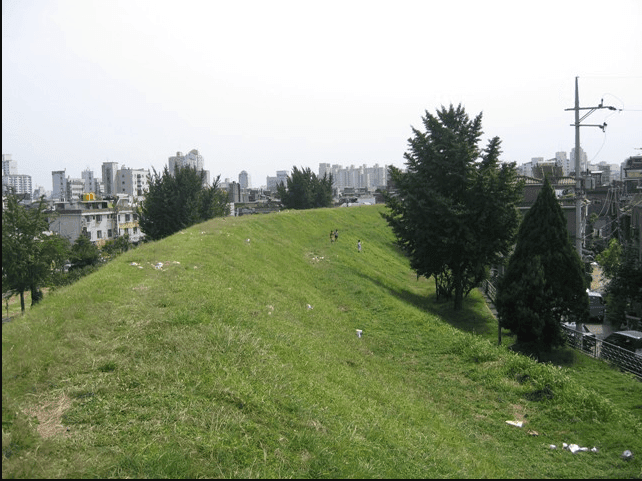
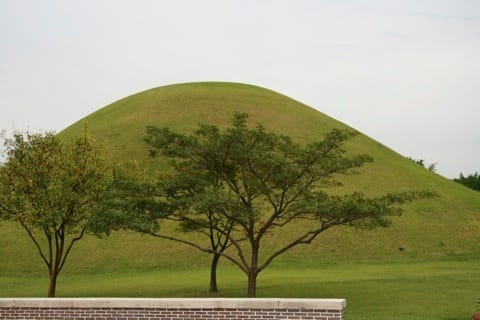
As I stood before King Muryeong’s tomb, I couldn’t help but think of how history preserves both grandeur and fragility.
The tomb remained untouched for over 1,500 years, its treasures safe from time and thieves.
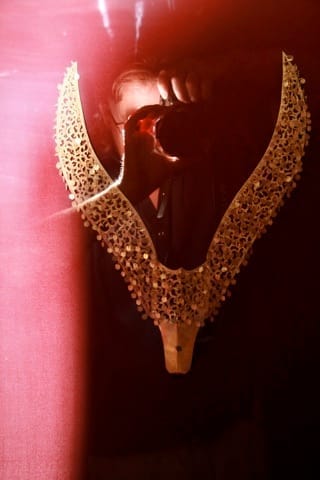
But even here, in the stillness, there’s an echo of loss—Baekje itself, once a powerful kingdom, now survives only in fragments,
in relics buried under the weight of centuries.
The tomb is still one of Korea’s greatest historical discoveries. Like the discovery of King Tutankhamun’s tomb in Egypt,
the accidental unearthing of King Muryeong’s tomb in Gongju revealed treasures untouched by time.
Both tombs had remained sealed for over a millennium, protected from thieves and degradation, preserving not only the riches of their respective monarchs,
but also the cultural grandeur of their civilizations. Where Tut’s tomb highlighted the opulence of ancient Egypt,
Muryeong’s grave opened a window into the sublime artistry of Baekje.
Mono no aware and han are different sides of the same coin. One is the acceptance of beauty in transience,
the other, a lingering sorrow from unresolved suffering. Both see the fleeting nature of existence,
but while mono no aware embraces it with quiet resignation, han carries the weight of it, refusing to let go.
“Ah, the change of seasons brings tears,” she said, bowing slightly toward the Sake bowl. “I am melancholic, but maybe it’s also homesickness. During the last Holland Koi Show, I gave some areas Japanese names.
The Japanese village became Nippon Mura, and the aquarium tent Suizokukan. But most often, I think of the Doeplein: Ibento Kaijo,
where I still have so much more to learn about the Nishikigoi. If ‘Mono no aware’ applies to any Japanese art form,
it’s certainly the case with the mortality of the beautiful ornamental Koi.”
Her voice grew softer, as if the weight of the words themselves carried the passage of time. “Even Nippon Mura and Ibento Kaijo will one day fade into memory, just like the fleeting beauty of the Koi we so lovingly display.
That’s the way of things, isn’t it? The more we hold on to something, the more it slips through our fingers.”
“为什么如此悲伤,Shikibu?”我试图安慰她。我知道她的感受。
看过金基德的 Spring, Summer, Fall, Winter… and Spring 的人都会明白这一点。
那位拖着石磨上山的年轻僧人,承载的不只是自己的痛苦,还有整个世界的重量。
腰间系着绳索,他在身后拖着沉重的石头,同时怀抱着 Geumdong Mireuk Bosal,金铜弥勒菩萨。
那份负担不仅是肉体的,更是精神的,是苦难之中对救赎希望的象征。
他迈出的每一步都回响着人类苦难的重量,而怀中的菩萨则提醒着重生与觉悟的可能。
这也是“恨”——一种从一代传到下一代的负担,静静承受,却从未真正卸下。
许多日本的纯粹主义者或许会厌恶我如此自由地融合远东文化,但我在 Hanguk 的长期停留
以及与那里的众多艺术家和学者的交谈,使我确信,“Mono no aware”唯有以这种方式才能被充分理解。
Mono no aware 与 恨 相伴而行
Shikibu promised one thing: One day we would sit together, listening to Jeongseon Arirang—a song steeped in the very essence of han,
each note carrying the weight of centuries of sorrow and resilience.
In Kim Young Im’s voice, I knew we would both find something of ourselves, something that had been lost and perhaps, briefly, could be reclaimed.
电影让您对这个故事有了更深刻的了解。您可以继续阅读下文。
探索中国、韩国和日本之间的文化互动
Korea’s influence on Japan was particularly significant during the Three Kingdoms period, when the Baekje kingdom played a key role in introducing Buddhism to Japan in the mid-6th century.
Alongside religion, Baekje artisans and scholars also brought advanced techniques in architecture, pottery, and metalworking, leaving a lasting imprint on early Japanese culture.
This cultural exchange helped shape the foundation of Japan’s early state, intertwining Korean expertise with native Japanese traditions to form a unique cultural identity.
Although Chinese, Korean, and Japanese cultures are interrelated, they have distinct characteristics.
China is the cultural motherland to which both Korea and Japan were indebted for centuries.
However, due to their long periods of isolation, both Korea and Japan developed unique interpretations of the philosophies and traditions imported from China.
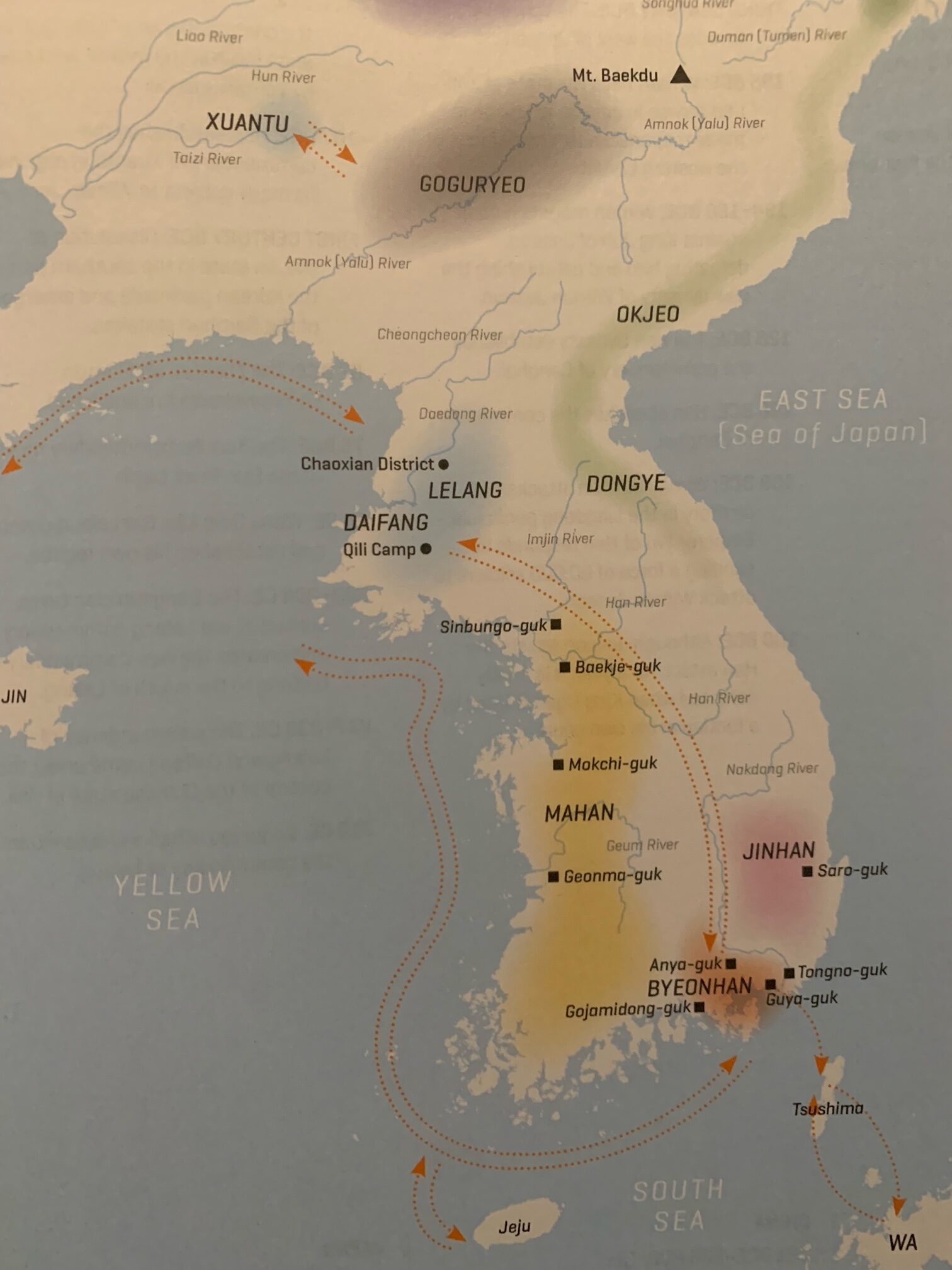
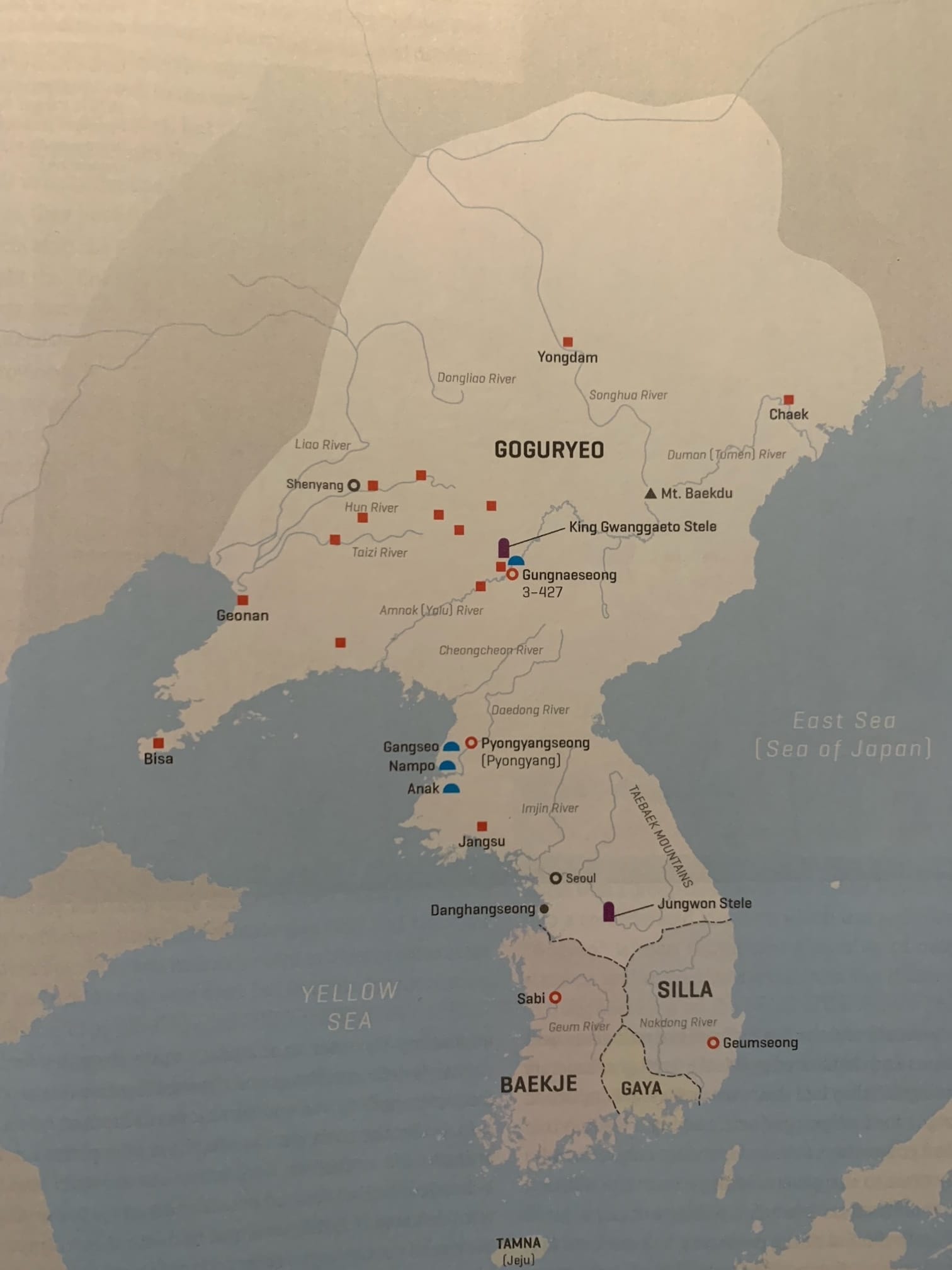
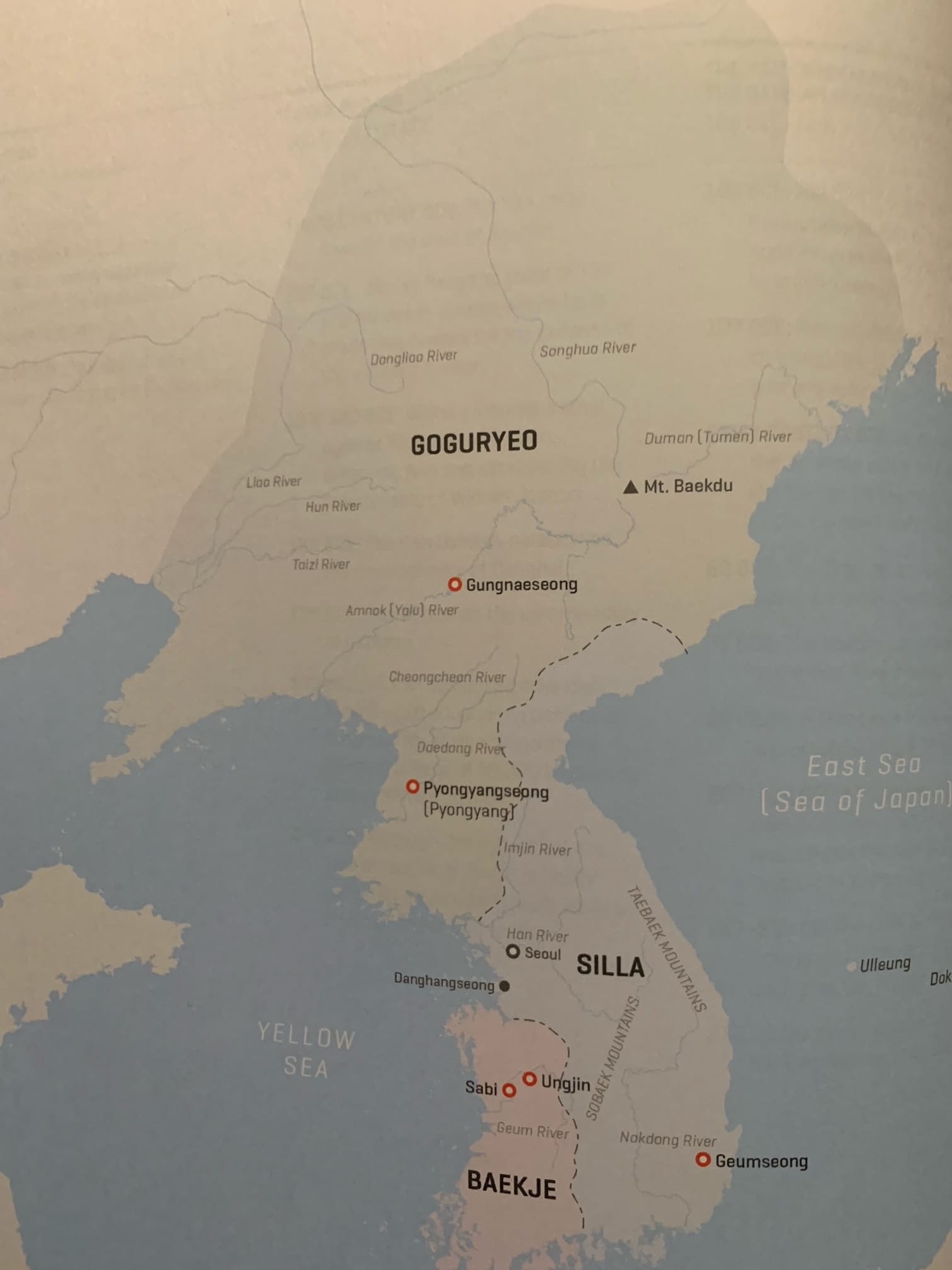
韩国历史地图 剑桥大学出版社
3-4 世纪 6 世纪 6世纪中叶
北朝鲜的忧郁症
But what about the brothers and sisters behind the barbed wire in the North? Would they bend along or practice with rockets?
The mountains also observed the all-dominant Kim family. The regime, with all its cruelty, propaganda for domestic or foreign use,
the Gulag system, and starvation, does not escape the attention of the almighty. The regime, the dictator, could not provide the altars with food and drinks.
I realise that the Soju bottle is empty. Walking across the parking lot, I see the car that passed me just now.
The driver gets out and bends. He introduces himself as Oh Yang Chon and hands over his ticket. Police!
It is highly influential in Korea during the Joseon Dynasty, further developed these ideas. It emphasizes self-cultivation and a deepened understanding of one’s relationship with the universe. Korean gardens from this period often feature scholar’s rocks and carefully curated views, which encourage contemplation and intellectual reflection. The gardens are not just for aesthetic pleasure but also serve as spaces for meditation and personal growth, in line with Neo-Confucian values.







![[:en]奇妙的漫步:首尔昌德宫的秘密花园 © Chinnaphong Mungsiri / Getty[:]。](https://mantifang.com/wp-content/uploads/2019/07/GettyImages-597879379_full-d625bf17680e.jpg "韩国园艺:赞美神灵。21")