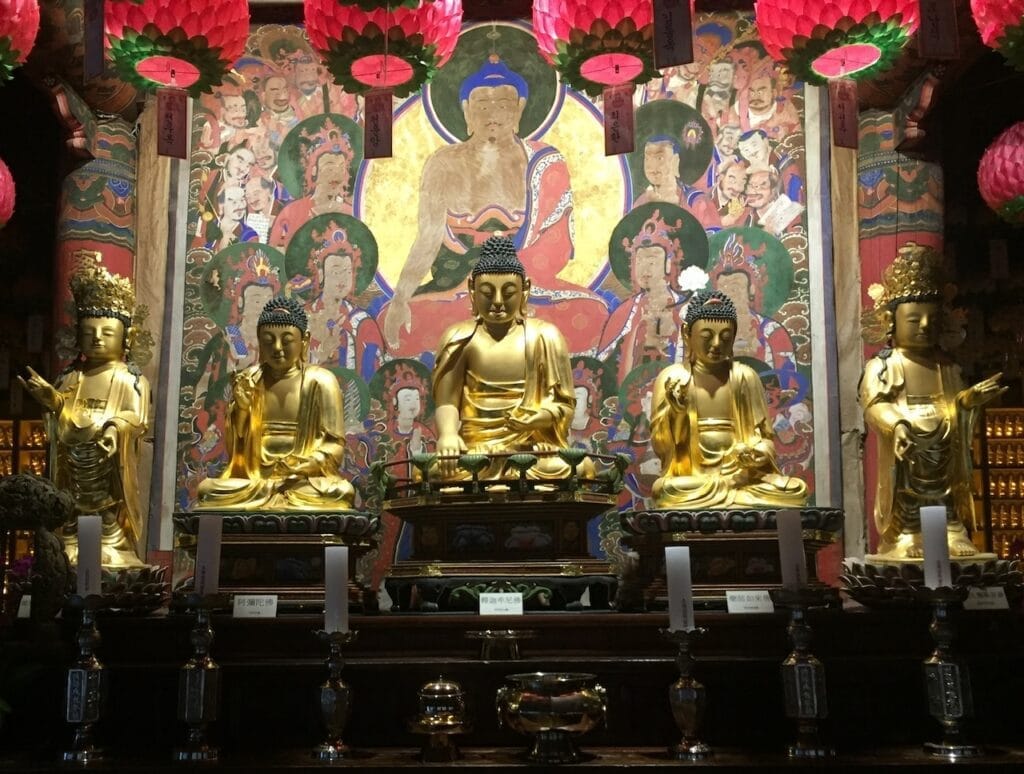
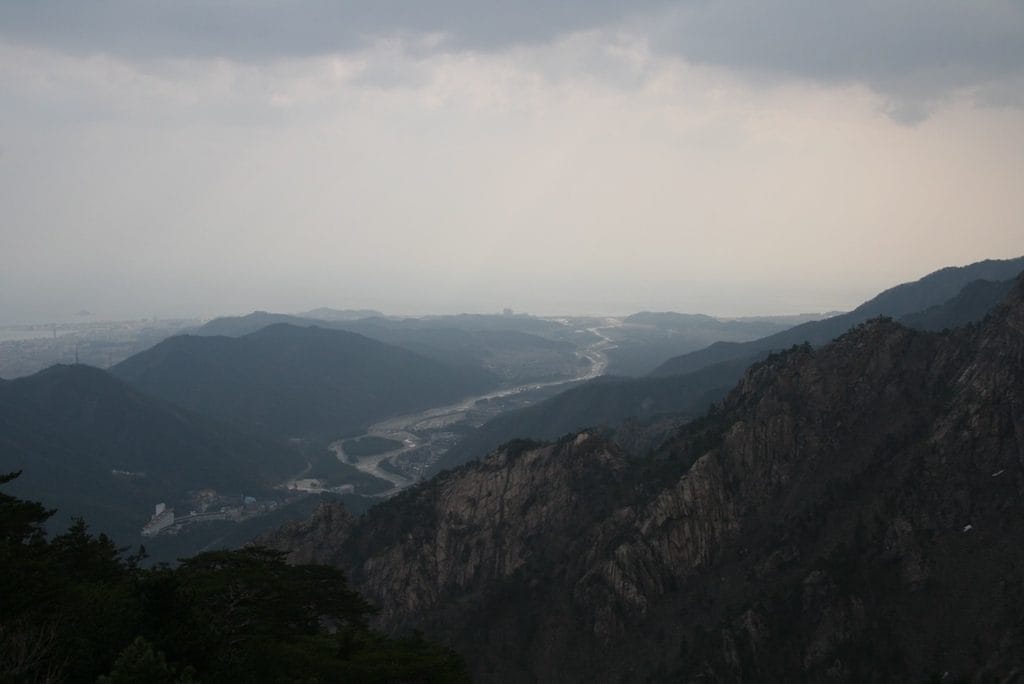
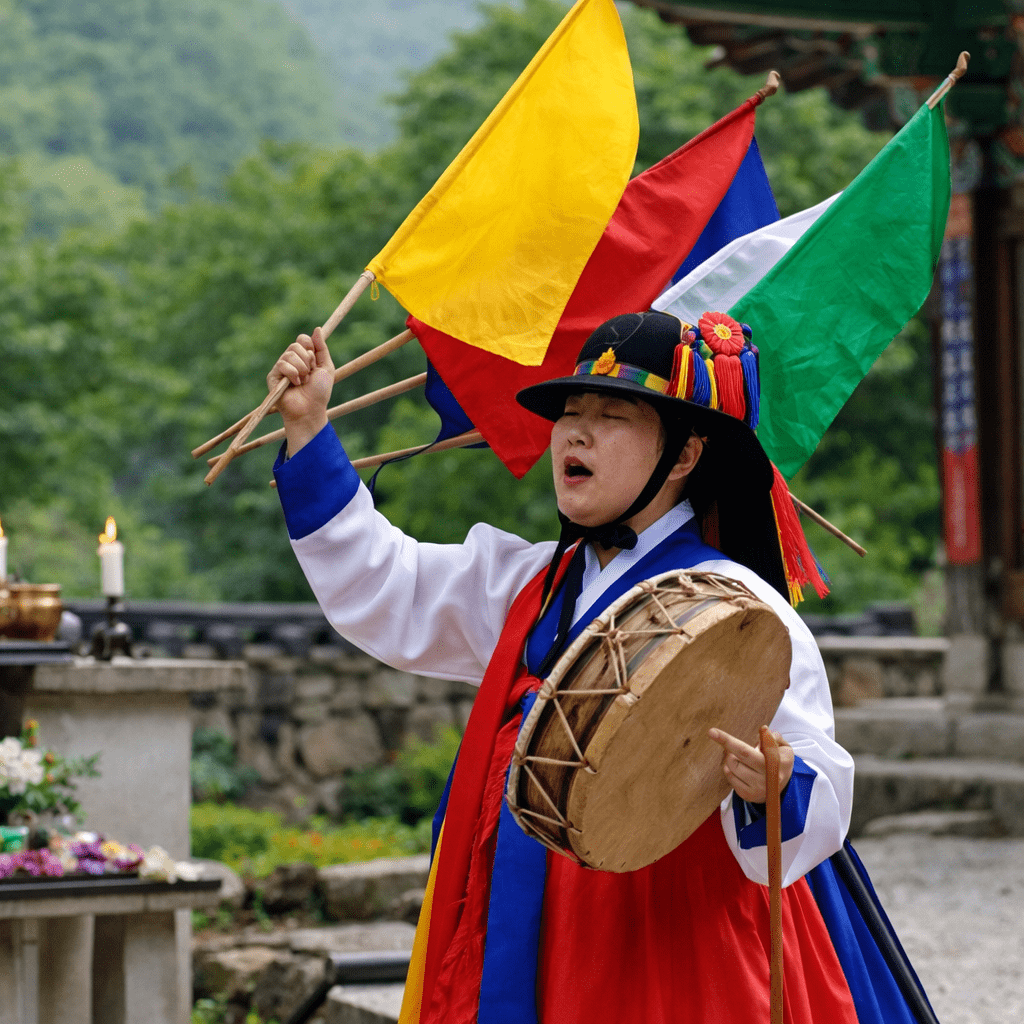
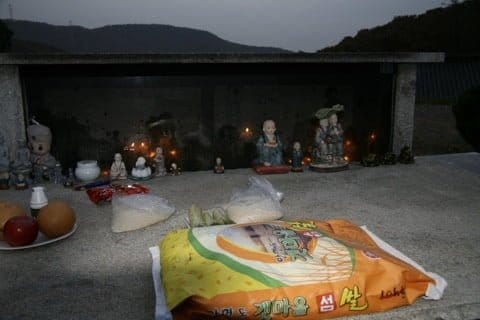
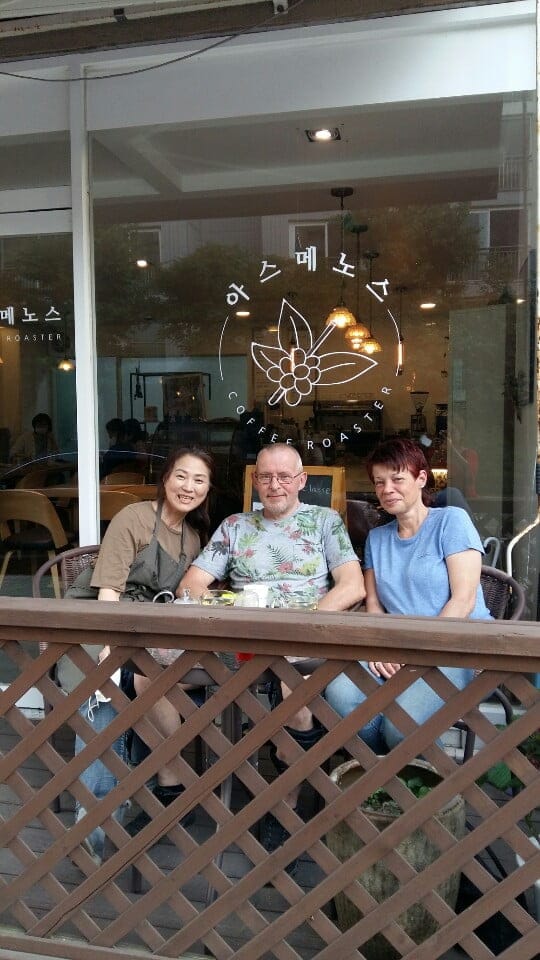
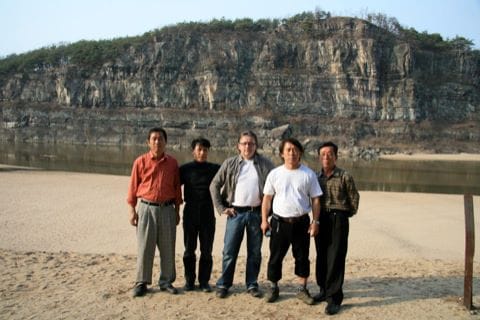
Begin Here — A Way into Mantifang

Begin Here — A Way into Mantifang

This is not a site to move through quickly. It is a place shaped by long reads, returning themes, and a slow attention to Korea as landscape, culture, memory, and moral inquiry. If you are new here, this page offers a simple way in.

Mantifang — A Way into Korea, Culture and The Jijang Fractal

What Mantifang Is

This is a longform site devoted to Korea in a way that is both outward and inward. Some pages follow public life, season, and place. Others move toward thought, ritual, architecture, and history. Still others belong to a deeper unfolding work that gathers around 지장 프랙탈. What connects them is not speed, novelty, or commentary for its own sake, but a wish to stay with things long enough for their shape to become visible.

You do not need to read the site in order. But it helps to enter through one of its main paths. Mantifang is best understood not as a stream of separate articles, but as a field of connected writing.

Three Main Ways into the Site

1. Living Korea

If you want to begin with the daily and visible layer of Korea, start with 리빙 코리아. This is where seasonal rhythm, public life, food, streets, custom, and atmosphere come most clearly into view. It is often the easiest entrance for readers who want to understand how Korea feels in lived time rather than only in abstract description.

2. Korean Influence

If you want to begin with transmission, continuity, and cultural reach, enter through Korean Influence. This part of the site follows how Korean forms, habits, philosophies, and aesthetics move beyond their immediate setting. It is a good place to begin if you are interested in culture as something that travels quietly through time.

3. The Jijang Fractal

If you want to move toward the moral and literary core of the site, enter through 지장 프랙탈. This is not simply a topic page, but the threshold to a larger body of work in which Korea, philosophy, memory, suffering, and responsibility gather in a more inward form. Some readers arrive here first. Others come to it gradually through the rest of the site.

The Weekly Layer

Mantifang also follows Korea through an ongoing weekly rhythm. In the This Week in Korea series, the site traces how public life, season, culture, and place shift from week to week. These pieces are quieter than news and more immediate than long historical essays. They offer a way to see Korea as it moves in real time.

If you prefer to begin with what is current, recent, and seasonal, this is often the best place to start. The weekly pieces can then lead you outward into the larger archive.

Place as an Anchor

Some parts of this work are best entered not through theme, but through place. 고양 is one of those places. It appears here not simply as a city, but as a recurring landscape of public space, memory, koi culture, and lived rhythm. If you are drawn to the quieter geography of the site, Goyang offers one of its most grounded entry points.

If You Want a Simple Route

A gentle way to begin is this:

  1. 시작하기 리빙 코리아.
  2. Then move to Korean Influence.
  3. After that, step into 지장 프랙탈.

If you prefer a more seasonal entrance, begin instead with the latest weekly reflection and let it guide you further inward.

Q&A

What is the best first page to read on Mantifang?

For most readers, 리빙 코리아 is the easiest first step because it brings together daily life, place, and seasonal atmosphere in a direct way.

What if I am more interested in ideas and culture?

Then Korean Influence is the better place to begin. It gives a clearer sense of how the site thinks about continuity, aesthetics, and transmission.

Where does The Jijang Fractal fit in?

지장 프랙탈 belongs to the deeper literary and moral center of Mantifang. It can be entered directly, but many readers may prefer to arrive there after first spending time with the broader site.

Is Mantifang a blog, an archive, or a book project?

It is partly all three, but most of all it is a connected body of longform writing. Some pages stand alone, but many gain depth when read as part of a wider field.

How should I use the weekly pages?

The weekly pages offer a current entry into Korea’s public and seasonal life. They work well as a starting point if you want something immediate before moving into the site’s deeper essays and clusters.

추가 읽기

VISITKOREA

This site also continues through the weekly reflections on Korea.
식객에게 물어보세요 - 한국의 8가지 지혜 이야기 알아보기

시키부에게 물어보세요

츠쿠 시키부는 만티팡의 동료 성우입니다. 한국과 일본의 혈통에서 태어나 한국을 향한 마음을 가지고 있습니다.
이 타일에서는 한국 문화, 예술 및 에세이, 살아있는 책으로 들어가는 통로를 찾을 수 있습니다. 한국인과 나, koi (treated modestly), and Baedagol.
Each section offers a longer introduction, an image placeholder, and a space where you can speak with Shikibu directly.

한국 문화 - 언어, 의식, 박물관, 마을

한국 문화

Korea’s culture is not only visible in museums or festivals, but also in the daily rituals that shape life.
만티팡에서는 인사를 주고받는 방식, 테이블에서의 조용한 존중과 같은 작은 제스처를 추적할 수 있습니다,
or the deep history of Hangul script. Shikibu can guide you through essays that show how urban neighborhoods preserve
그리고 시골 마을이 제철 음식과 가족 모임을 통해 어떻게 이야기를 이어가고 있는지 알아보세요.
처음 접하는 독자에게는 단어 뒤에 숨겨진 의미를 설명하고 방문할 만한 박물관을 소개해 줍니다.
For those who already know Korea, she adds context and nuance, drawing links between Mantifang’s essays and larger historical flows.

한국 문화 체험하기

부처님이 쓰러졌을 때 저는 깨어났습니다.

예술 및 에세이

만티팡의 예술은 장식이 아니라 스토리텔링의 일부입니다.
미키 폴센의 그림은 시키부에 얼굴을 부여하고 에세이에 시각적 목소리를 부여합니다.
에세이 자체는 짧고 단편적인 형태로 작성되며, 한 페이지에 나비에 대한 내용이 담겨 있을 수 있습니다,
또 다른 사용자는 사진을 절 방문과 연결하고, 세 번째 사용자는 한국어 단어 하나에 멈출 수 있습니다.
시키부는 이러한 조각들을 서로 연결하여 그림이 기억을 어떻게 말하는지 또는 에세이가 더 큰 주제와 어떻게 공명하는지 제안합니다.
이 섹션을 사용하여 자유롭게 탐색하거나 시키부에게 안내를 요청할 수 있습니다. 시키부는 읽기 순서를 제안하거나 이미지의 세부 사항을 강조 표시할 수 있습니다,
특정 양식이 만티팡 전체에서 반복되는 이유를 설명할 수 있습니다. 예술과 에세이가 함께 어우러져 만티팡은 생동감 있고 개방적인 느낌을 줍니다.

예술 및 에세이 읽기

나의 한국 여행 - 한국 여행과 문화

한국인과 나

한국인과 나 는 책이자 온라인 공간입니다.
회고록, 문화사, 개인적인 만남의 단편이 결합되어 있습니다.
여기에는 스님과의 만남, 가족에 대한 추억, 도시 거리에 대한 묘사, 철학적 성찰에 대한 이야기가 담겨 있습니다.
시키부는 이 책을 탐색하는 데 도움을 줄 수 있습니다. 기억이 어느 장에 속하는지 기억해냅니다,
참조의 의미를 설명하거나 관련 에세이를 안내할 수 있습니다.
연구자의 경우 주요 구절을 요약하거나 여러 장에 걸쳐 주제를 비교할 수 있습니다.
일반 독자에게는 한 장면을 강조 표시하거나 어떤 에세이를 먼저 읽을지 제안할 수 있습니다.
한국인과 나는 선형이 아니라 살아 있는 지도입니다. 시키부는 여러분에게 맞는 길을 찾는 동반자입니다.

책 입력

고양 잉어 농장

코이(적당히)

Koi are part of Mantifang’s history, especially in earlier collaborations.
오늘날에는 기술적인 취미라기보다는 상징으로 더 많이 등장합니다.
인내심, 움직임, 조용한 동반자 관계를 상징합니다.
잉어 애호가라면 만티팡에 도착하면 시키부가 잉어에 대한 명쾌한 답을 줄 수 있습니다,
잉어 양식에 관한 기록물을 가리키거나 동아시아 예술에서 잉어가 갖는 상징성을 설명할 수 있습니다.
하지만 만티팡의 주요 관심사는 문화, 역사, 스토리로 확장되었습니다.
이 섹션에서는 잉어가 지배하지 않고 실처럼 부드럽고 연속적으로 유지되는 잉어를 존중합니다,
잉어가 살아있는 존재만큼이나 은유가 될 수 있다는 것을 아는 독자를 위해.

코이 알아보기

추석 전통

버킷 리스트의 한국

A short path for travelers and dreamers: what to see, how to read the place, and where Mantifang’s essays meet real streets, valleys and museums.
시키부는 첫 단계의 개요를 설명하고, 떠나기 전에 읽을 거리를 제안하며, 여행을 추억으로 만드는 순간을 가리킬 수 있습니다.

경로 계획

The Red Lamp – original 1985 cover design by Dianne van Haver

빨간 램프

만티팡의 조용한 표식: 관심과 배려의 표시인 빨간 램프.
이 경로에서는 상징과 스토리에서 상징이 차지하는 위치, 그리고 무대에 오르지 않고도 작은 장면을 조명하는 방법을 소개합니다.

표지판 읽기

배다골 로고

배다골

배다골은 이름 그 이상의 의미로 공예와 커뮤니티로 통하는 문입니다.
만티팡에서 배다골은 동네를 형성한 빵집 이야기에서 자주 등장합니다,
세대를 뛰어넘어 사람들이 어떻게 만났는지, 그리고 연민과 나이에 대한 성찰이 담겨 있습니다.
휴고 제이 스몰에게는 한국 파트너와의 대화와 일상에 품격을 더하는 프로젝트로도 연결됩니다.
시키부는 배다골이 왜 중요한지, 어떻게 만티팡의 테마가 되었는지 설명해줄 수 있습니다,
를 클릭하거나 언급된 에세이로 연결합니다.
만티팡이 기억과 사회적 성찰을 어떻게 결합하는지 이해하고 싶다면 배다골이 가장 좋은 시작점입니다.
이는 단순한 테마가 아니라 한국과 더 넓은 세계와의 연속성에 대한 약속입니다.

배다골에 대해 자세히 알아보기

Ask Shikibu directly

You can talk to Shikibu right here.
Ask her about koi, Korean rituals, 빨간 램프, or anything Mantifang has touched.
She answers from within Mantifang’s knowledge and stories.

연구자 및 호기심 많은 독자를 위한 정보

만티팡은 또한 바깥쪽을 가리킵니다. 시키부는 타임라인, 용어집, 배경 리소스를 추천할 수 있습니다.
She may direct you to authoritative sources such as
UNESCO – Intangible Cultural Heritage.
Outbound links like this are part of Mantifang’s way of connecting personal memory with wider cultural frameworks.

Korean History Timeline: From Gojoseon to the Modern Korean State

korean history timeline,hanguk history timeline,history of korea,korean dynasties timeline,three kingdoms korea,unified silla balhae,goryeo dynasty,joseon dynasty,korean empire colonial period,modern korea era,korean war timeline,korean buddhism history,korean unesco sites,korean cultural heritage,hallyu and korean history

한국사 타임라인 - 유산을 형성한 8개의 장대한 시대

한국 여행을 계획하고 한국의 과거에 대해 더 깊이 이해하세요. 이 타임라인은 신화의 기원, 왕조, 불교, 식민지 격변기, 오늘날의 현대 국가를 유네스코 유적지, 박물관, 학술 자료로 빠르게 연결해 줍니다.

한국사 연표를 이해하는 것은 한국의 문화유산에 관심이 있는 사람이라면 누구나 필수입니다. 고고학에서 건축, 왕조의 권력 투쟁에서 현대 외교에 이르기까지, 이 개요는 한국의 풍부하고 다층적인 과거로 들어가는 관문을 제공합니다.

각 시대는 한국이 어떻게 도전에 적응하고, 영향을 흡수하고, 전 세계적으로 공감을 불러일으키는 뚜렷한 정체성을 발전시켰는지를 보여줍니다.

Related Mantifang anchors: The Jijang Fractal Book Hub · 리빙 코리아 · 리빙 워즈.

지장 프랙탈 - 자비의 상징으로서의 눈, 한국 고령화 사회
Korean Buddhism has long held a deep resonance within its history. Read about the 지장 프랙탈 에 의해 발견 휴고 J. 스멀.

데이터 집합의 주요 내용

  • 0 - 대한민국: 예수 그리스도의 탄생, 전 세계 연대기 표시로 사용됨.
  • 313 - 대한민국: 고구려, 렐랑 사령부 합병 (컨텍스트).
  • 612 - 동아시아: 신라-당군 패배 백제.
  • 936 - 대한민국: 아래의 최종 통합 고려.
  • 1145 - 대한민국: 편집 삼국사기한국에서 가장 오래된 역사서입니다.
  • 1597 - 대한민국: 일본과의 임진왜란 당시 울산 포위 공격 (컨텍스트).
  • 1864 - 대한민국: 고종이 왕위에 오르고 대원군이 섭정으로 즉위합니다.
  • 1915 - 대한민국: 일본, 동아시아 지정학을 재편하는 '21가지 요구' 발표 (컨텍스트).
  • 1953 - 대한민국: : The 한국 전쟁 는 휴전 협정과 함께 끝납니다.
  • 1994 - 대한민국: 김일성 사망 후 김정일이 북한을 장악합니다.

여행 및 문화 연결

한국의 역사는 책으로만 보존된 것이 아니라 풍경과 기념물에도 고스란히 담겨 있습니다. 여행객들은 궁궐 경내를 산책하고, 고대 성벽을 하이킹하고, 수백 년 된 사찰에서 명상을 하며 역사를 체험할 수 있습니다.

한국사 타임라인을 장별로 살펴보세요

이 개요를 더 쉽게 탐색할 수 있도록 콘텐츠를 8개의 시대로 나누었습니다. 각 시대는 한국의 신화적 토대부터 식민지 시대의 어려움, 전쟁 후 한반도 분단까지 전환점이 되는 시기입니다.

인기 한류 문화 속 한국 타임라인

역사는 교과서를 넘어 한류, 즉 한류를 통해 전 세계로 퍼져나가고 있습니다.
다음과 같은 역사 드라마 궁궐의 보석 (대장금), 태양을 품은 달왕국
조선 궁정의 웅장함, 왕위 계승의 어려움, 침략의 공포까지 생생하게 재현합니다.
이 시리즈는 수백만 명의 시청자에게 한국의 전통, 의상, 가치관을 소개해 왔습니다.

현대 영화와 TV 시리즈는 종종 식민지 시대나 전쟁을 재조명하며 저항과 생존이라는 주제를 탐구합니다,
그리고 국가 정체성. 엔터테인먼트와 역사의 결합을 통해 전 세계 시청자가 정서적으로 소통할 수 있습니다.
한국의 과거를 담아 유적지를 직접 방문하고 싶은 호기심을 자극합니다. 케이팝 팬들을 위한 뮤직비디오와 무대
공연은 때때로 전통적인 모티브를 참조하여 유산이 오늘날에도 창의성에 영감을 주는 방법을 보여줍니다.

타임라인이 중요한 이유

대한민국 역사 타임라인은 단순한 날짜 나열이 아니라 회복력, 변화, 창의성에 대한 이야기입니다.
사건의 흐름을 살펴봄으로써 한국이 어떻게 급속한 근대화와 균형을 이루는 국가가 되었는지에 대한 통찰력을 얻을 수 있습니다.
전통에 대한 깊은 존중을 가지고 있습니다. 이러한 관점은 한국이 글로벌 문화와 기술의 리더가 된 이유를 설명하는 데 도움이 됩니다,
외교의 뿌리를 잊지 않고 있습니다.

오늘날 이 역사 개요는 과거와 현재를 잇는 가교 역할을 하고 있습니다.
여행자들이 유네스코 유적지가 관광 명소 그 이상인 이유를 이해하는 데 도움이 됩니다,
K-드라마가 왕조를 자주 재조명하는 이유와 그 이유 전통 음식, 예술, 일상 생활에서 볼 수 있습니다.
학생, 한류 팬, 호기심 많은 탐험가라면 이 타임라인을 통해 현대 한국의 글로벌 입지를 더욱 의미 있게 이해할 수 있습니다.

추가 읽기

Q&A - 한국사 타임라인

Q1. 가장 중요한 한국사 시대는 언제인가요?

명확한 “한국사 핵심 연표'는 삼국 시대(고구려, 백제, 신라)에서 시작하여 통일 신라로 이어지는 경우가 많습니다,
고려와 조선이 그 뒤를 잇습니다. 이후 근대는 보통 일본의 식민 통치로 요약됩니다,
해방과 한국전쟁, 그리고 전후 대한민국의 급속한 발전이 있었기 때문입니다.

Q2. 한국 역사에서 고려와 조선이 중요한 이유는 무엇인가요?

고려는 불교, 성리학, 국제 교류를 통해 오래 지속되는 문화적 정체성을 형성했고, 조선은
한국의 고전적 제도와 유교적 사회 질서, 그리고 사람들이 아직도 많은 역사적 기록을
오늘 참고하세요. 이들은 함께 언어, 윤리, 예술, 일상적인 관습의 이면에 있는 많은 “심층 구조'를 설명합니다.

Q3. 한국사 타임라인을 읽으려면 이름과 날짜에서 길을 잃지 않으려면 어떻게 해야 하나요?

작은 앵커 세트를 사용합니다: (1) 권력을 잡은 사람(왕국/왕조), (2) 지배적인 세계관(불교/유교),
(3) 외부 압력 또는 교류(중국, 대초원, 일본, 서양), (4) 시대별 하나의 대표적 문화적 표식
(예: 사찰 문화, 도자기, 한글, 궁중 의례, 근대 산업). 이렇게 하면 타임라인이
팔로우할 수 있는 스토리입니다.

© 만티팡 - 타임라인 프로젝트.

“`

통일 신라 발해 한국 (668-926)

Unified Silla & Balhae (668–926)

Unified Silla Balhae Korea pairs Unified Silla’s unification and cultural “golden age” with Balhae, a northern state rooted in Goguryeo traditions. Together they shaped early-medieval government, Buddhism, art, and maritime exchange across East Asia.

7 key highlights

  1. 668: Silla, allied with Tang, defeats Goguryeo and unifies most of the peninsula.
  2. 698: A northern successor state is founded by Dae Joyeong in former Goguryeo heartlands.
  3. 8th c.: Gyeongju becomes a planned capital; court ranks, education, and provincial governance stabilise the realm.
  4. 751: Bulguksa 그리고 Seokguram mark a high point in architecture and devotion.
  5. 828: Admiral Jang Bogo establishes Cheonghaejin (Wando), protecting sea lanes to Tang China and Japan.
  6. 8th–9th c.: The northern state expands diplomatically and economically with grid-planned cities and multi-ethnic administration.
  7. 926: Khitan Liao conquest reshapes northern geopolitics; within a decade Goryeo replaces late Silla (935–936).

Politics & court culture

From Gyeongju, rulers consolidated power through aristocratic lineages, provincial officials, and legal registers. Diplomatic ritual with Tang, ranked attire, and examinations structured court life. Poetry, banquets, and music signalled prestige, while provincial festivals tied local elites to the centre.

The capital’s layout linked palaces, temple districts, artisan quarters, and markets along broad avenues—continental models adapted in stone and timber to local taste.

Buddhism, temples & art

Royal patronage underpinned monasteries as schools, libraries, and hostels for envoys. At Bulguksa stone terraces and bridges lead to wooden halls; at Seokguram a sculpted Buddha and bodhisattvas embody faith and engineering. Gilt-bronze images, reliquaries, and pagodas show mature workshops across the temple network.

Motifs—lotus, guardians, apsaras—travelled with scriptures and artisans, embedding broad Buddhist ideas in local craft traditions.

Maritime trade & routes

Yellow Sea and East China Sea ports moved ceramics, textiles, metals, and aromatics. Monks and merchants shared routes and letters of introduction, while Cheonghaejin acted as a protected entrepôt to deter piracy and standardise dues, linking markets to Tang cities and Japan’s courts.

Inland roads channelled grain taxes and craft goods between provincial storehouses and the capital, integrating countryside and court economy.

Balhae in the north

Successor to northern Goguryeo, the state governed a diverse population across Manchuria and the northeast. Capitals shifted to control resources and corridors; palaces and temples echoed continental prototypes while expressing regional identities. Ongoing archaeology continues to refine this picture.

Diplomatically active, the polity exchanged embassies with Tang and Japan and traded furs, ginseng, and horses, until Khitan expansion redrew northern frontiers.

Legacy of Unified Silla Balhae Korea

Lasting signatures include monumentally planned temples, refined court etiquette, Buddhist scholarship, and a maritime outlook. Southern unity and northern networks together set the stage for Goryeo’s innovations in printing, statecraft, and celadon.

Continue the story in the next chapter: 고려(918-1392). For site context, see UNESCO — Gyeongju Historic AreasCultural Heritage Administration.

자주 묻는 질문

When did the period begin?
In 668, after a Tang-allied force defeated Goguryeo and unified most of the peninsula.
What was the northern state and where was it based?
A successor to Goguryeo (from 698) ruling Manchuria and the northeast until 926.
Why is this era significant?
It set political and cultural foundations for medieval Korea, pairing southern unity with northern networks that anticipated Goryeo’s rise.

추가 읽기

© 만티팡 - 타임라인 프로젝트.

뱀의 해: 십이지와 설날

설날을 앞둔 상쾌한 아침

설날을 며칠 앞둔 상쾌한 아침이었습니다. 한국의 음력 설. 공기는 신선했고 희망과 기대가 가득한 겨울 특유의 향기가 가득했습니다. 가족과 함께 새해를 맞이하기 위해 저를 초대해준 호스트 김 씨 부부의 전통 한옥에 들어섰습니다. 뱀의 해. 떡국, 갈비찜, 잘 익은 김치의 향긋한 냄새가 공기를 가득 채우자 궁금증이 커져만 갔습니다. 새해에 뱀이 된다는 것은 어떤 의미일까요? 그리고 제 띠와 어떻게 연결될까요?

한국의 십이지 동물에서 뱀의 상징성

"뱀은 십이지 동물 중 가장 매혹적인 동물입니다." 김 대표가 전 한 접시를 테이블 중앙에 놓으며 말문을 열었다. 뱀은 지혜와 성찰을 상징합니다. 우리 문화에서 뱀은 조용하지만 강력한 안내자, 즉 변화의 대가로 여겨집니다."

I paused to reflect. “Interesting,” I said. “In the West, the snake is often seen very differently. It’s frequently associated with temptation and danger. Think of the biblical story in the Garden of Eden – where the snake tempts Eve to eat the forbidden fruit.”

김 씨는 미소를 지었다. "문화권마다 같은 생물을 이렇게 다르게 인식할 수 있다는 점이 흥미롭습니다. 한국에서는 뱀이 낡은 껍질을 벗는 능력으로 존경받습니다. 뱀은 쇄신과 진보의 상징입니다." 한국의 주요 십이지 동물 중 하나인 뱀은 새해를 맞이하는 데 필수적인 성장과 자기 성찰을 장려합니다.

양자리와 개자리: 나만의 독특한 조디악 조합

완벽하게 양념된 갈비찜을 맛있게 먹고 있는데 김 씨가 제 띠에 대해 물었습니다. "저는 서양 띠로는 양자리이고, 한국 띠로는 개띠입니다."라고 대답했습니다. 그의 눈이 반짝반짝 빛났습니다.

"A Ram-Dog그는 그 말의 무게를 맛보려는 듯 천천히 말했습니다. "그건 결단력과 충성심이 결합된 것입니다. 양자리는 가장 힘든 시기에도 앞으로 돌진할 수 있는 용기와 에너지를 줍니다. 그리고 충실한 수호자인 개자리는 균형과 정직을 가져다줍니다. 강력한 조합이죠."

저는 웃었습니다. "인정할 수밖에 없는 사실입니다. 양자리인 저는 모험심이 강하고 목표 지향적이에요. 하지만 제 안의 개자리는 저를 안정시켜 줍니다. 소중한 사람들에게 충성심을 유지하고 항상 공정성을 위해 노력할 수 있게 해줍니다."

김 씨는 생각에 잠겨 고개를 끄덕였다. "바로 그거예요. 뱀의 해 당신에게 요구할 것입니다. 뱀은 우리에게 성장하고 변화를 받아들이라고 가르칩니다. 양자리로서의 에너지와 개의 안정감으로 올 한 해를 지혜와 힘으로 헤쳐 나갈 수 있을 것입니다."

식탁 위의 설 전통 음식

저녁 식사는 맛과 전통의 걸작이었습니다. 저녁이 진행되면서 김 대표는 다음 사항에 대해 자세히 공유했습니다. 설날 전통 그리고 한국의 십이지 동물의 의미에 대해 알아보세요. "태어난 사람들은 뱀의 해그는 "직관적이고 인내심이 강합니다. 그들은 시간을 들여 신중하게 결정합니다. 서두르지 않고 사려 깊습니다. 여러분도 뱀의 침착함과 통찰력, 그리고 자신의 열정과 헌신을 결합한 지혜를 올 한 해에 가져볼 수 있을 것입니다."

저는 그의 가족을 바라보았고, 그들의 웃음소리와 부드러운 대화가 방을 가득 채웠습니다. 마치 두 세계의 지혜를 연결할 수 있는 성찰의 순간처럼 느껴졌습니다. 아마도 이것이 뱀의 교훈, 즉 자신과 주변 세계에 귀 기울이는 법을 배우는 것이 아닐까 하는 생각이 들었습니다.

전통 설날 세배

저녁이 끝나갈 무렵, 저는 김 씨와 그의 가족들에게 큰 절을 올렸습니다. 맛있는 식사뿐만 아니라 제가 얻은 지혜에 대해서도 감사한 마음이 들었습니다. 작별인사를 하면서 저는 한국 전통의 설날 소원 연습을 했었죠:

"새해 복 많이 받으세요! (서해복 마니 바데세요!)"

즉 "새해에 큰 행운을 받으시길 바랍니다!"

추운 밤에 발을 내딛자 새로운 에너지가 느껴졌습니다. 뱀의 해 변화의 시기가 될 것이고, 양자리와 개자리의 조합인 저는 자신감을 가지고 그 변화를 받아들일 준비가 되어 있었습니다. 또한 한국 친구들의 모든 모험을 응원하며 충성심을 잃지 않을 것입니다.

한국 모험

추천 사진: ⓒ열대우림연구협회(ARRS)의 현장 책임자 아제이 기리 인스타그램 캡처 캡처

[embedyt] https://www.youtube.com/watch?v=_W1zN8FL_bk[/embedyt]

한국 샤머니즘과 무당 전통에 대한 5가지 인사이트

한국의 샤머니즘: 무궁화 무당 보살 심층 분석

Korean shamanism, often called Muism, is one of the oldest spiritual traditions of Korea.
It combines ritual performances, spirit mediation, and ancestral worship, and has influenced Korean culture from the Three Kingdoms period to modern Korea.

The Origins of Korean Shamanism

korean shamanism mudang gut ritual traditional korean shaman ceremony

A mudang performing a traditional gut ritual in Korean shamanism, a spiritual practice that predates Buddhism and Confucianism on the Korean peninsula.

Read more about the historical context in our guide to the
한국사 타임라인.
For a wider spiritual and literary framework, see also
The Jijang Fractal Book Hub.

Korean shamanism, often referred to as Muism, predates the introduction of Buddhism and Confucianism to the Korean peninsula.
Archaeological and historical evidence suggests that early forms of shamanistic belief were already present during prehistoric tribal societies.
These traditions were closely connected to nature, ancestral spirits, and local mountain deities.

During the period of the Three Kingdoms of Korea,
shamanistic practices coexisted with the newly introduced Buddhist traditions.
Royal courts often relied on ritual specialists to perform ceremonies meant to protect the kingdom and ensure prosperity.

Even during the strongly Confucian 조선 왕조,
shamanistic rituals continued among the population.
Many Koreans consulted shamans for healing rituals, spirit mediation, or guidance during periods of misfortune.

korean shamanism mudang performing gut ritual with ritual fan

Mudang performing a traditional gut ritual in Korean shamanism, using ritual fan and ceremonial cloths.

It is a deeply rooted spiritual practice that has shaped the cultural and religious landscape of Korea for over 5,000 years.
It is more than just a religion; it is a way of life that fosters harmony with nature, personal empowerment, and spiritual enlightenment.
무당 전통 은 무당 의식의 중요한 측면으로, 특히 다음과 같은 관행과 의식에 초점을 맞추고 있습니다. 무당 (shaman-priests), who serve as intermediaries between the human and spiritual worlds.
In this article, 무궁화 무당 보살은 무당으로서의 역할을 정의하는 신, 영혼, 전통과의 깊은 관계를 공유하며 일상적인 수행에 대한 친밀한 통찰을 제공합니다.

샤머니즘의 삶 신, 전통, 그리고 영적인 책임감

일상 업무

In the daily life of a Mudang, every action is deeply intertwined with the gods she serves.
Mugungwha Mudang Bosal begins her day with ritualistic bows and offerings, connecting with the gods that guide her.
모든 무당에는 그들의 의식과 일상을 인도하는 신과 정령의 판테온이 있습니다..
Each god in her pantheon has a distinct personality, and their interactions with her shape her shamanic duties.
From the War Gods, known for their strength and retribution, to the gentle yet firm Fairy Goddess, each deity plays a crucial role in her spiritual practice, which is central to Hanguk 샤머니즘과 무당 전통.

한국의 샤머니즘과 무당의 전통

차이점 이해하기


한국 샤머니즘

The Muga-ism is overarching spiritual system in Korea, encompassing a wide range of beliefs and practices that connect the human world with the spiritual realm.
It includes various rituals, ceremonies, and traditions that honor the gods, spirits, and ancestors.
Korean Shamanism can be practiced by anyone who follows its principles, regardless of their specific role within the community.

무당 전통, on the other hand, refer specifically to the practices, rituals, and responsibilities of the Mudang, who are shaman-priests.
Mudang undergo extensive training, often marked by spirit sickness, and serve as intermediaries between the gods and people.
They perform rituals such as the gut (ceremony) to communicate with spirits, offer guidance, and provide healing.
While It is a broader concept, Mudang Traditions are a specialized, priestly path within this system, requiring direct interactions with the divine and a life dedicated to spiritual service.

신과 영혼의 판테온

신성한 채널링


한국 샤머니즘

무궁화보살의 판테온은 자연계부터 인간의 구체적인 경험까지 모든 것을 대표하는 신들이 등장하는 방대한 규모입니다.
황홀한 샤머니즘은 무아지경에 빠지지 않고 신과 영혼과 직접 소통하고 교감하는 것입니다..
During rituals, she channels these gods, communicating directly with them to gain insight and guidance.
Her gods range from the Mountain God, who embodies stoicism, to the playful Child Gods, who bring fortune and teach her the ways of ritual dance.
Each deity adds a layer of complexity and responsibility to her life as a Mudang, further enriching the practice of 샤머니즘과 무당 전통.

영적 도전과 무당의 여정

영혼의 질병과 치유

korean shamanism altar with ritual offerings mudang shrine korean shaman ritual

A traditional altar used in Korean shamanism rituals, with offerings, candles and images of protective spirits used by a mudang during a gut ceremony.

무당이 되는 것은 선택이 아니라 소명이며, 종종 “정신병”으로 알려진 극심한 고통이 따르기도 합니다.”
무당이 되기 위한 여정은 종종 영계의 육체적, 정신적 소명인 “영병'으로 시작됩니다..
For Mugungwha Bosal, this manifested as physical ailments and vivid premonitions, experiences that led her to her initiation as a Mudang.
Even after initiation, the connection with the gods requires constant attention, and new gods bring new challenges, often leading to overwhelming emotions and physical sensations—a crucial aspect of Hanguk 샤머니즘과 무당 전통.

[embedyt] https://www.youtube.com/watch?v=fmZN30-FuF8[/embedyt]

갱신 및 책임

의식의 중요성


한국 샤머니즘

무궁화보살의 삶은 황홀한 무속인으로서 끊임없는 갱신과 책임감의 순환입니다.
입문 및 갱신 의식과 같은 의식은 무당과 신과의 관계를 유지하는 데 매우 중요합니다..
These rituals not only establish and maintain the connection with the gods but also allow the Mudang to recharge their spiritual energy, honor the deities, and ensure the gods’ guidance and protection in their daily lives.
This cyclical process is central to Korean spiritual lineage 그리고 무당 전통.

한국 샤머니즘의 유산과 미래와 연결하기

전통 보존 및 공유


한국 샤머니즘

무궁화 Bosal 의 미래에 대한 희망입니다. 한국 정신의 매개체 그리고 무당 전통특히 한인 디아스포라 중에는 문화유산과 소통하는 데 어려움을 겪는 경우가 많습니다.
무궁화보살은 전통 무속 관습을 현대 생활에 접목하여 현대인들이 쉽게 접할 수 있도록 합니다..
By sharing her experiences and practices, she aims to bring these ancient traditions to a broader audience.
She is committed to setting up natural shrines in the mountains and by the sea, where anyone can connect with the gods and seek spiritual guidance.

자세히 살펴보기: 한국 및 티벳의 성스러운 전환

더 자세히 알아보려면 한국식 치유 의식 그리고 무당 전통 티베트 전통과 같은 다른 영적 관행과 교차하는 우리의 이야기를 살펴보세요.
성스러운 한국어와 티베트어 전환.
This piece delves into the spiritual transitions and connections between these rich traditions.

추가 읽기

Questions and Answers about Korean Shamanism

What is Korean Shamanism?

Korean shamanism, often called Muism, is one of the oldest spiritual traditions of Korea.
It centers around rituals performed by shamans, known as mudang, who communicate with spirits to heal, guide, or resolve misfortune.

What is a Mudang?

A mudang is a Korean shaman who performs rituals called gut.
During these ceremonies the mudang mediates between the human world and the spirit world through music, dance, and prayer.

How old is Korean shamanism?

Korean shamanism predates Buddhism and Confucianism in Korea and has roots stretching back thousands of years, possibly to prehistoric tribal belief systems.

Is Korean shamanism still practiced today?

Yes. Although Korea is now largely secular and influenced by Buddhism and Christianity, shamanistic rituals are still performed, especially for healing, fortune telling, and ancestral guidance.

What role did shamanism play in Korean history?

Shamanism shaped early Korean religious life and influenced royal rituals, folk traditions, and local spiritual practices.
Even during the Confucian Joseon dynasty, many shamanistic beliefs continued among the population.

무궁화 무당보살 찾기 불빛 연꽃

무궁화 보살의 여정이 궁금하다면 그녀의 이야기를 따라가 보세요:
Facebook,
인스타그램
트위터.

[embedyt] https://www.youtube.com/watch?v=bi9oe6d1t1I[/embedyt]

Changneung 3 New City: Impacts on growth and development

Significant Changes Around Baedagol Gill

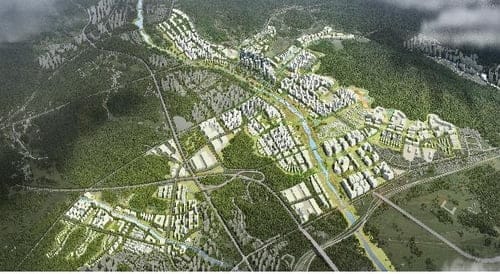
Goyang Changneung District 이미지

창릉 3기 신도시 is driving growth and development in Korea, impacting communities like Baedagol Theme Park and Goyang Koi Farm. In 한국인과 나 you can read: As I softly chant ‘Na-mu Ji-jang Bul,’ I let the words guide my steps along Baedagol-gil, the path running alongside the Seongsaheon River. The river, now a small stream, burbles quietly below me, its sound almost drowned out by the symphony of Cicadas. Each step feels like a journey between worlds, much like the river, which swells during the monsoon only to retreat into a quiet stream under the summer sun. It makes me a little bit sad that all this will change. Read more about how it was in The Koreans and I.

The Geological Foundation of Korea

창릉 3기 신도시
Baedagol theme park, backed by the Seoul mountains and the new peace road.

Korea, a beautiful peninsula located almost like a bridge between China and Japan, has a geological history that dates back to the Precambrian era. The peninsula is composed of ancient granite and gneiss rocks, interspersed with volcanic rocks, mainly in the south and on the Jeju Islands. The mountains, such as the Taebaek mountain range running from north to south, form the backbone of Korea’s landscape. These mountains have played a crucial role in shaping the climate, water sources, and agricultural possibilities in Korea.

The rich river deltas, such as those of the Han River, have produced fertile soils perfect for agriculture. The western and southern coastal areas, where rivers flow into the Yellow Sea, are particularly fertile and have attracted large populations throughout history.

From Traditional Agriculture to the Division of North and South

Agriculture in Korea has a long history, beginning with rice cultivation likely introduced during the Neolithic period. Over the centuries, Korea developed into a society heavily dependent on rice farming, as well as other crops like barley, wheat, and soybeans. Agricultural methods were refined, using irrigation and terracing, especially in the mountainous regions.

During the Joseon Dynasty (1392-1910), agriculture was the backbone of the economy, and the government promoted the development of rice fields and irrigation systems. This period also saw the spread of Confucian ideals, which valued land use and agricultural productivity as central principles.

After the Japanese occupation (1910-1945) and the subsequent Korean War (1950-1953), the peninsula was divided into North and South Korea. This division led to different agricultural strategies: North Korea, with its mountainous terrain, focused more on collectivist agriculture, while South Korea, with its fertile valleys and access to the sea, underwent agricultural modernization, supported by the Green Revolution and technological innovations.
Urbanization and Modernization to the Present Day

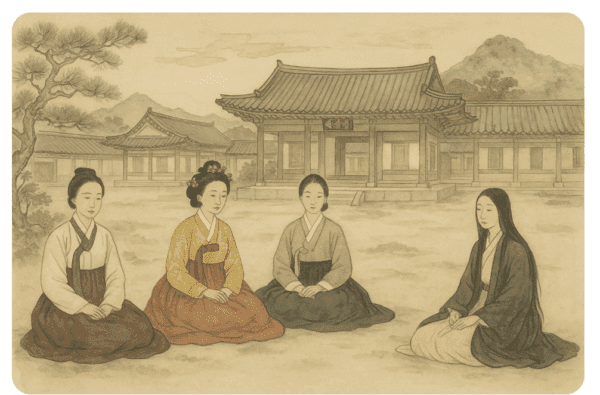
Enjoying a cup of coffee or tea after a leisurely stroll.

In the second half of the 20th century, South Korea underwent rapid industrialization and urbanization. The migration of populations from rural areas to cities was immense. Cities like Seoul, Busan, and Incheon grew into metropolises, driven by a booming economy centered on technology, the automotive industry, and international trade.

Urbanization brought challenges, such as the loss of agricultural land and environmental issues. In recent decades, the South Korean government has tried to balance urban growth with environmental preservation. This has led to plans like the development of new cities, including 창릉 3기 신도시, to alleviate pressure on existing urban centers.

The Koreans’ deep respect for the environment is evident in their cultural practices, as seen in their traditional gardening methods. For example, in Korean Gardening: The Gods Are Praised, we see how gardens are designed not just for aesthetic beauty but as sacred spaces that honor the gods and nature. This cultural respect for the environment gives me confidence that 창릉 3기 신도시 will be developed with the same attention to natural beauty and environmental care. Although, of course, it can’t quite compare to Rotterdam—said with a smile.

The Impact of Changneung 3 New City Relocation on Baedagol Theme Park and Goyang Koi Farm

창릉 3기 신도시
Little neighbourhood shrine

One of the most recent examples of this urbanization is the development of 창릉 3기 신도시, an ambitious expansion of the urban areas around Seoul. This project is designed to accommodate the growing population and stimulate economic activities. However, this expansion also affects existing communities and businesses.

Baedagol Theme Park and Goyang Koi Farm are two such locations impacted by the development of Changneung 3 New City relocation. Both businesses have deep roots in the local community and are well-known attractions for both residents and tourists. Unfortunately, due to the plans for the new city, these businesses are forced to relocate to new sites.

Baedagol Theme Park, known for its educational and recreational activities that highlight Korean culture and nature, will have to find a new location to continue its mission. Goyang Koi Farm, a place where koi enthusiasts gather to admire and breed these beautiful fish, will also need to seek a new home where it can continue its tradition.

Read More About The Koreans and Their Environment:

    1. 한국의 자연은 독특하다 – Discover the unique aspects of Korean nature and how they have been shaped over time.

Natural Korea

  1. Odors Give Way to Fragrance in 19th Century – A fascinating look at how scents and odors changed in 19th-century Korean gardens. Beautiful odors
  2. Korean Gardening: The Gods Are Praised – Explore how Korean gardening traditions honor the gods and hold deep cultural significance. The gods are praised.

Korea’s geological foundation has laid the groundwork for a rich agricultural tradition that has contributed to the development of the country over the centuries. Rapid urbanization in modern times has led to new opportunities but also challenges for existing communities. The Changneung 3 New City relocation and the forced relocation of Baedagol Theme Park and Goyang Koi Farm are examples of the ongoing balance Korea must strike between progress and preserving its cultural and natural heritage.

키분 또는 눈치?

Chapter 2 – Kibun or Nunchi

소개

이 장은 강변 길, 함께 앉은 식탁, 위계, 그리고 갑작스러운 균열 사이를 오간다. 키분과 눈치를 먼저 추상적으로 정의하지 않는다; 그것들이 몸짓, 침묵, 기다림, 웃음, 오해 속에서 드러나도록 둔다. 고양시의 농촌 변두리는 기억 속 로테르담 외곽과 서로를 비추고, 사회적 규범은 음식, 술, 절, 역할 속에서 펼쳐진다. 텍스트는 결론을 내리기보다 원을 그리듯 맴돌며, 농장, 식당, 기억, 일화, 중단이라는 서로 다른 각도에서 존중, 체면, 집단의 리듬으로 되돌아간다. 사소해 보이는 것이 구조가 되고, 정겹게 보이는 것이 진단이 된다. 이 장의 움직임은 따뜻함과 불안을 함께 품으며, 확신이 아니라 해석의 질문으로 끝난다. 장면의 형식으로 살아 있는 철학으로 읽어라: 관계적이고, 층위가 있으며, 때로는 불협화음이다.

[Internal link placeholder: Jijang Fractal Hub] |
[Internal link placeholder: Baedagol context page]

풍경, 기억, 그리고 사회적 온도

한국어 실력 마스터하기

‘나무지장불'을 가만히 외치며 성사천을 따라 나 있는 배다골길을 따라 발걸음을 옮깁니다. 이제는 작은 개울이 된 강물은 매미 교향곡에 묻혀 그 소리가 거의 들리지 않을 정도로 조용히 발 아래에서 졸졸 흐른다. 한 걸음 한 걸음 내딛을 때마다 몬순이 되면 불어났다가 여름 햇살 아래 고요한 개울로 물러나는 강물처럼 다른 세계를 여행하는 기분이 듭니다.

환경에는 키분이나 쌍절곤이 있나요?

고양시 배다골길 및 주변 지역 조감도

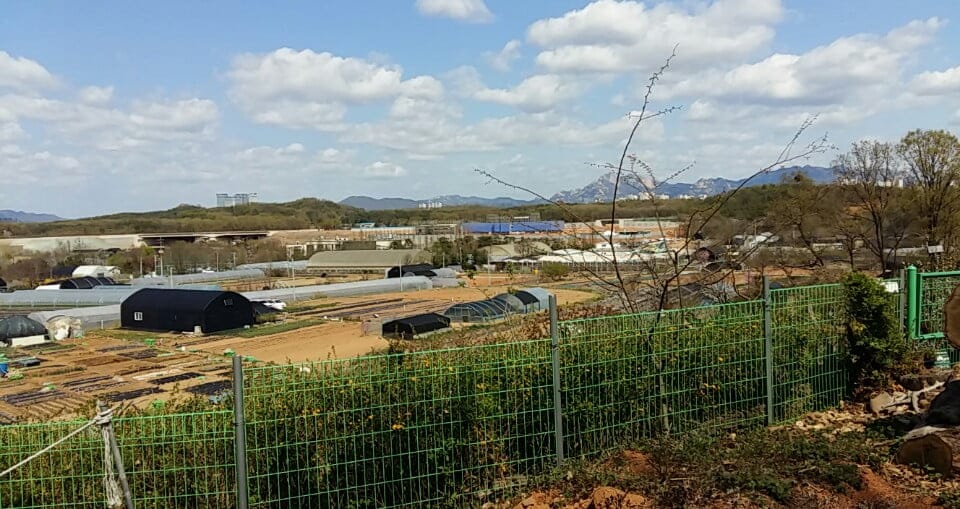
저 멀리 높은 새 아파트가 보입니다. 김영수 아내와 두 아들과 함께 그 중 한 곳에 살고 있습니다. 강변에 위치한 이곳은 시골스럽고 어두컴컴합니다. 고양시 이 일대에는 작은 농장이 많이 있습니다. 아치형 비닐하우스 몇 개에 불빛이 들어옵니다. 엄마가 아기에게 다정하게 이야기하는 소리가 들립니다.

조금 더 나아가면 바비큐 냄새가 납니다. 진도 부드럽게 으르렁거리다가도 제가 안심하고 말을 걸면 꼬리를 흔들며 목줄을 심하게 흔듭니다. 친절한 개가 될 수 있습니다. 나는 알고 있다. 그는 네덜란드어를 못해요. 저도 한국어를 못해요.

정원 사이에서 집처럼 편안함을 느낍니다. 멀리 대도시의 윙윙거리는 소리가 들리는 전원적인 분위기는 다음을 떠올리게 합니다. 로테르담. 마을처럼 느껴집니다 ‘튀인도르프 브리베이크‘라는 뜻으로 70년대에 만들어졌습니다. 이 정원 마을은 19세기에 네덜란드 남부 섬의 농부들을 위해 만들어졌습니다. 그들은 대도시에서 생계를 유지하기 위해 이곳에 왔습니다. 정원은 이전 농부들에게 고향의 느낌을 주어야했습니다. 당시만 해도 로테르담의 남쪽 외곽에 있었습니다. 지금은 ‘튀인도르프 브리베이크'가 그 안에 둘러싸여 있습니다.

“1960년대의 ”튀인도르프 브리베이크'는 전원적이고 평화로운 마을이었습니다..

고양시에서는 모든 일이 조금 더 빠르게 진행됩니다. 시민들을 끌어올리는 데는 의심의 여지가 없습니다. ‘할 수 있다’, ‘반드시 해야 한다'는 팔을 걷어붙인 정신이 주도하고 있습니다. 전쟁이 끝난 후 미국인들은 유럽인들을 지원했습니다. 마샬 플랜. 한국인들은 대부분의 일을 혼자서 해야 했습니다. 유엔의 도움만 조금 있었을 뿐입니다! 그들은 잘 해냈습니다!

사람, 위계, 그리고 집단의 장

사람들을 위한 키분 또는 누치.

천천히 고양 비단잉어 농장으로 걸어갑니다. 제가 방문하는 배다골 테마파크 부지 내에 있는 곳입니다. 우리는 먹었습니다. 소고기 불고기, 바비큐에서 양념한 소고기를 맛보세요. 식당은 잉어 농장에서 도보로 15분 거리에 있습니다. 창문에는 ‘사람들을 위한 바베큐'라는 뜻의 ’사람게헤'라는 단어만 읽을 수 있었습니다. 저는 한글을 해독할 수 없었고, 한국어 알파벳으로 된 단어도 해독할 수 없었습니다. 다행히 제 통역사 제이(김재호) 밖에서 잉어 농장 사람들이 저와 함께 기다리고 있었어요.

키분 또는 쌍절곤
기분이나 쌍절곤을 배우기 위한 여행.

열 명은 됐을 거예요. 몇몇은 담배를 피웠고요. 저는 커피 한 잔을 받았습니다. 레스토랑 서비스의 일부였습니다. 항상 활기찬 한 씨는 큰 목소리로 바쁘게 손짓을 하며 이야기를 들려주고 있었습니다. 한 씨는 다른 사람들보다 더 크게 말하려고 애쓰지 않았지만 이야기가 길었습니다. 따라잡기 힘들어하던 제이는 결국 동시 통역을 포기했습니다.

키분 또는 눈치: 그룹 노력

식당 주인이 다음 농담에 합류했을 때 이미 친구들은 시끄럽게 떠들며 웃고 있었습니다. 그의 이야기는 매우 흥미로워 보였지만 제이는 통역을 포기한 상태였습니다. 그룹은 그를 흡수했고 저는 소외감을 느끼지 않았습니다. 그들은 열심히 일했고 이제 드디어 긴장을 풀 수 있었습니다. 저는 그냥 따라갔어요.

사람게헤, 국민에 대한 사랑.

한 씨의 아내는 그가 동료들과 외식을 할 때 전혀 신경 쓰지 않는다고 합니다. 사장이 계산을 해주니 돈도 절약되고, 뭘 먹을지 고민할 필요도 없으니까요. 결혼이 늦어지는 경우가 많은 한국에서는 정렬, 항상 완벽할 수는 없습니다. 하지만 그렇다고 해서 재앙이 될 필요는 없습니다. 보통 여자는 아이를 키우느라 바쁘고, 남자는 집에 돈을 가져다주는 역할만 하면 됩니다.

유교 문화가 강한 이 사회에서, 여성 아내는 전통적으로 남편에게 순종적일 것으로 기대됩니다. 하지만 제 경험에 비추어 볼 때, 일반적으로 집과 아이들, 그리고 지갑을 책임지는 사람은 아내입니다.

항상 이런 식이었던 것은 아닙니다. 어머니들이 매일 생활비를 구걸해야 했던 시절이 있었습니다. 한국 경제가 성장함에 따라 어머니의 일일 예산. 결국 남자들은 월급을 통째로 내놓고 용돈을 직접 요구하기 시작했습니다. 유교적이라고요? 그렇지는 않지만 잔소리가 확실히 줄었습니다.

키분 또는 쌍절곤
일하는 친구, 키분 또는 쌍절곤 전문가!

15분 정도 기다렸더니 그룹이 점점 더 커지고 있었습니다. 장난스럽게 어깨를 부딪치며 웃음이 끊이지 않았죠. 갑자기 분위기가 바뀌었습니다. 김영수의 쌍용 주차장으로 향했습니다. 그는 전화 통화를 하고 있었고 그룹은 정중하게 기다렸습니다. 그는 그들의 상사이자 그 순간 가장 중요한 사람이었기 때문입니다. 그 기다림은 복종이 아니라 존중을 유지하기 위한 것이었습니다. 결국 김영수의 기분을 최상으로 유지하는 것이 중요했습니다.

Kibun, Nunchi, and Embodied Etiquette

키분 또는 쌍절곤: 마스터하기 쉽지 않음

기분의 개념을 설명하겠습니다. 유교적 사고에서는 남자의 자존심과 체면을 중요하게 여깁니다. 둘 중 하나를 잃는 것은 매우 부정적인 것으로 간주됩니다. 또한 사람의 정신과 감정도 중요하기 때문에 둘 중 하나를 다치게 되면 몸과 마음이 모두 손상될 수 있습니다. 일꾼들은 상사의 기분을 상하게 하지 않도록 조심했습니다. 결국 바비큐에 고기를 올려주고 잔에 소주를 따라주는 사람이 바로 사장님이었으니까요.

누구나 키분은 가지고 있습니다. 반면 쌍절곤은 그 기분을 손상시키지 않기 위해 한국인이 완성한 매우 섬세한 기술입니다. 몸짓, 표정, 기분을 스캔하여 사회적 상호작용을 원활하게 이끌어가는 기술입니다. 힘든 상황에서도 쌍절곤은 그룹 내에서 누구의 기운도 손상되지 않도록 합니다. 모든 한국인은 거의 무의식적으로 키분 또는 쌍절곤 전문가입니다.

물론 서열은 항상 존재합니다! 하지만 우두머리는 무리 내에서만 존재할 수 있기 때문에 프라이머스 인터 파레스-동등한 사람 중 첫 번째. 그는 다른 사람들보다 조금 더 평등할 뿐입니다.

음, 굽힘은 기분과 쌍절곤을 구합니다.

김영수는 차에서 내려 재빨리 고개를 숙였습니다. 그 뒤를 따라 일행도 일제히 절을 올렸습니다. 공식적인 자리가 아니었기 때문에 절은 가슴과 머리를 약간 구부리고 손을 복부 앞이나 옆구리에 위치시킨 짧은 절이었습니다. 보통 그 이상은 아닙니다. 허리를 곧게 펴는 것만 잊지 마세요!

한국어 번역나이가 많은 사람에게 인사할 때는 허리를 조금 더 깊게 굽힙니다. 친구라면 악수를 동시에 할 수도 있습니다. 그리고 어린이가 절을 할 때는 의식을 차리지 않고 항상 친절하게 답례를 합니다.

때로는 조금 더 복잡해질 수 있습니다. 예를 들어, 한 사람은 젊은 상사이고 다른 한 사람은 나이 많은 직원인 두 사람에게 인사를 해야 하는 경우, 직원에게 더 깊게 인사하면 상사에게 모욕이 될 수 있습니다. 이러한 경우에는 연공서열보다 지위가 우선합니다.

이러한 “일상적인” 리본 이외에도 큰 활. 절은 무릎을 꿇고 팔을 구부린 다음 이마가 바닥에 닿도록 손을 바닥에 얹는 자세를 말합니다. 한국인들은 결혼식, 장례식, 제사(조상 제사) 등 특별한 날을 위해 이런 절을 합니다. 또한 부끄러움을 느끼거나 매우 감사할 때에도 절을 합니다.

Disruption: Face, Misreading, and Repair

잉어 농장에서의 작은 사건

한국 여행 초기에 큰 실내 연못에 병든 물고기들만 헤엄치는 비단잉어 양식장을 방문한 적이 있습니다. 일부 물고기의 피부에는 큰 상처가 있었고, 다른 물고기들은 바닥에서 숨을 헐떡이며 헤엄치고 있었습니다. 많은 물고기들이 보호 점액층을 완전히 잃은 상태였습니다.

키분 또는 넌치
동물이 고통받는 걸 보는 게 싫어요. 생선에는 키분이나 쌍절곤이 있나요?

주인은 동물이 고통받는 것을 싫어하는 제 표정을 눈치챘는지 걱정스러운 표정을 지었습니다. 별다른 설명 없이 그는 통역사와 함께 저를 재빨리 식당으로 데려갔습니다. 차 안은 조용했고 저는 차 뒷좌석에 앉았습니다. 사육사 직원이 밴을 타고 저희 뒤를 따랐습니다.

저녁 식사를 하면서 저는 통역사에게 병든 물고기에 대해 이야기하자고 했습니다. 한국어로 긴 대화가 이어졌지만 심각한 문제는 아닌 것 같았습니다. 제가 다시 문제를 제기하자 통역사는 단호하게 더 이상의 대화를 거부했습니다. 제 걱정과는 달리 식사는 맛있었고 소주 덕분에 그 얘기는 더 이상 나오지 않았습니다.

돌아오는 길에 저는 앞자리에 앉았고 통역사는 뒤쪽에 조용히 앉아 있었습니다. 직원들은 모두 사라졌고 분위기는 긴장감이 감돌았습니다. 육종가 사무실에 도착하자마자 저는 그의 고급스러운 의자로 안내되었고, 그는 저에게 위스키 한 잔을 따라주었습니다. 통역사는 침묵을 지키며 바닥을 응시했습니다. 갑자기 사육사가 무릎을 꿇고 깊은 절을 하며 눈물을 흘렸습니다.

그는 큰 소리로 흐느끼며 진심으로 사과하기 시작했습니다. 그는 병든 물고기가 있는 연못을 보여준 것을 후회하며 제 키분을 심하게 손상시켰다고 생각했습니다. 저는 마음이 불편하고 어떻게 대응해야 할지 몰랐습니다. 저는 안타까워하는 그를 그냥 내버려두지 않고 그를 일으켜 세우고 꼭 안아주었습니다.

그의 눈물이 멈추고 우리 셋은 함께 자리에 앉았습니다. 물론 저는 그에게 의자를 등받이로 내어주었습니다. 그는 위스키를 따라주려고 했지만 저는 정중하게 소주를 권했고, 그는 수입 술 대신 한국 술을 선택하며 기분이 좋아지는 것 같았습니다. 그리고 그는 수질과 어류 질병에 대한 심층적인 연구를 진행하겠다고 약속했습니다.

저는 지극히 한국적인 문제를 지극히 유럽적인 방식으로 해결했습니다. 당시에는 저도 몰랐지만, 그 남자는 직원들 앞에서 심각한 체면 손상을 입었고, 저는 그 사실을 완전히 파악하지 못했습니다.

호텔 방이 마련되었고 다음 날 아침 농장으로 다시 초대되어 아침 식사를 함께 했습니다. 직원들은 모든 것이 다시 정상이고 상사가 결국 실패하지 않았다는 것을 확인해야 했습니다. 놀랍게도 연못은 텅 비어 있었고 물고기들은 고통에서 벗어난 상태였습니다.

Table Rituals, Drinking Codes, and Collective Balance

장로가 젊은이를 돕다

식당으로 돌아온 김영수 역시 커피 한 잔을 건네받고는 곧 직원들과 함께 웃고 있었습니다. 제이는 여전히 통역할 시간이 없었지만 나쁘지 않았습니다. 그 행복한 얼굴들과 활기찬 분위기가 너무 좋았거든요.

김영수 씨는 고개를 끄덕이며 모두를 안으로 안내했습니다. 우리는 붐비는 식당을 지나 구석에 있는 길고 낮은 테이블로 걸어갔습니다. 김영수는 우리가 앉을 자리를 가리켰다. “중국 소년'이라는 별명을 가진 킴 쿵이 막내였습니다. 그는 바닥에 앉자마자 잔에 물을 따라주었습니다.

그는 실제로 소년이 아니고 나이가 너무 많지만 그게 그의 역할입니다. 그리고 그는 중국인도 아닙니다. 그는 다음 출신입니다. 연변 지린성의 조선족 자치주인 옌볜(중국명 옌볜)입니다. 압록강은 북한과의 남쪽 국경을 형성합니다. 동쪽으로는 다음과 접해 있습니다. 프리모르스키 크라이 러시아에 있습니다. 이 지역은 한때 고구려 시대(기원전 37~서기 660년)에 한국 삼국 중 하나에 속했던 곳입니다. 중국인들은 이에 대해 이의를 제기하지만, 이곳 사람들은 여전히 한국어를 사용합니다. DNA 연구에서도 한족보다 한국인과의 혈연 관계가 더 높은 것으로 나타났습니다.

어린 나이에 부모님을 여의고 어린 동생을 돌봐야 했던 그는 건설 일을 하기 위해 한국으로 떠났습니다. 김영수 대표는 그가 비와 추위 속에서 일하는 모습을 보았습니다. 이를 안타깝게 여긴 그는 그에게 고양 비단잉어 양식장 일자리를 제안했습니다. 그때부터 김영수에게는 의리 있고 헌신적인 동생이 생겼습니다.

웨이트리스가 얼굴과 손을 닦을 수 있도록 뜨거운 물티슈를 가져다주었습니다. 김영수 씨는 소불고기와 다양한 반찬, 그리고 소주 몇 병을 주문했습니다. 그는 먼저 제 잔을 따라주었습니다. 저는 오른손으로 잔을 들고 왼손으로 손목을 받쳤습니다. 내가 잔을 뒤로 젖히고 그에게서 병을 빼앗자 웨이트리스는 미소를 지으며 나를 바라보았다. 저는 김영수의 잔을 따라주었습니다. 그가 마셨고 파티는 시작되었습니다.

[Embedded video placeholder: nZu-VYaM8m0]

쌍절곤 또는 키분 마시기

한국에서는 자신이 직접 술을 따르는 것은 예의에 어긋난다고 생각하기 때문에 서로 서빙을 합니다. 저는 주변 사람들을 위해 따라주었더니 술이 금방 흘러내렸어요. 술을 너무 많이 마시지 않는 유일한 방법은 잔을 반 정도만 채우는 것입니다. 그 방법을 터득하기까지 몇 번의 회식이 필요했죠. 다행히도 한국에서는 잘 대처하는 것 같아요. 적어도 제 생각에는요.

리필을 너무 오래 기다려야 한다면 바로 요청할 수도 없습니다. 빈 잔을 머리 위로 거꾸로 들고 있는 것도 효과적인 방법이지만 완전히 비어 있는지 확인해야 합니다. 한 번 이상 잘못되는 것을 본 적이 있습니다.

김영수 씨는 가스 그릴을 적당한 온도로 설정하고 고기를 올려놓았습니다. 그는 고추 하나를 깨서 저에게 건넸습니다. 고추가 가끔 엄청나게 뜨거울 수 있다는 것을 알기에 저는 한 입 베어 물었습니다. 소주나 설탕, 물로도 그 정도 열기는 잡을 수 없더라고요.

고기가 다 익으면 젓가락으로 한 조각을 집어 상추 잎에 얹고 김치, 마늘 한 쪽, 생강 슬라이스, 검은콩 소스를 넣었습니다. 포장지에 접어서 입에 넣었습니다.

맛의 폭발은 그 어떤 것과도 비교할 수 없을 정도였어요. 바쁘고 다채롭고 역동적이며 무엇보다도 풍부한 향기로 가득한 예술가들의 거리 인사동 거리를 떠올리게 했습니다. 한식을 단순히 맛보는 것이 아니라 경험하는 것이었습니다!

소주병이 거의 다 비었다는 것을 알아차린 저는 테이블 위에 있는 버튼을 눌렀습니다. 주방에서 벨이 울렸고 제가 너무 좋아하는 소리가 들렸어요. 웨이트리스들이 모두 한꺼번에 “드!”라고 대답했어요. “들었어, 지금 간다”는 뜻이었죠. 이보다 더 분명한 환대의 표현은 본 적이 없었는데, 모두 헌신적이고 진심이 담겨 있었어요. 하지만 킴 쿵은 이미 일어나서 냉장고에서 맥주를 더 가져왔습니다. 그는 하이트 맥주를 마십니다.

Kibun or Nunchi honoured

대화는 계속 활기차게 이어졌고 저는 테이블 동료들을 계속 주시했습니다. 다들 술은 마셨고 고기는 바비큐에서 타지 않나요? 식당 주인이 제게 다가와 제주산 소고기 한 접시를 내밀었습니다. 제주도의 흑우 품종에서 나온 이 고기는 날로 먹기 좋게 아주 얇게 썰어져 있습니다. ‘훼'는 저를 위해 특별히 준비된 것이었습니다.

물론 첫 조각은 김영수 선수에게 줬어요. 그 후 저도 한 조각 먹었습니다. 혀에서 녹았습니다. 일행은 계속 이야기하고, 마시고, 먹었습니다. 나는 내가 감시당하고 있다고 느꼈다. 나는 육회 접시를 건넸다. 테이블 동료들은 그것을 즐겼습니다.

한국에는 네덜란드처럼 ‘나'라는 사회가 존재하지 않습니다. 유교는 항상 ’우리 사회'를 만듭니다. 집에 있는 웨이트리스들의 생활은 잘 모르겠어요. 남편이 잘하고 있는지 아닌지는 모르겠지만 공짜로 일하는 건 아니라는 건 알아요. 김영수 씨가 얼마나 큰 압박을 받고 있는지 상상하기 힘들어요. 하지만 그룹 내에서는 모두가 호스트이자 동시에 손님이잖아요. 웨이트리스들은 친절하고 웃는 얼굴로 일을 합니다.

김영수는 전화를 받고 짧은 대화를 나눴습니다. 웨이트리스가 테이블을 끌어올리자 종업원들이 자리를 옮겼습니다. 김영수 맞은편에 낯선 남자가 앉았습니다. 그의 일행이 나머지 자리에 앉았습니다. 소개가 끝나자 그 남자는 제게 개인적인 질문을 던졌습니다. 나이, 직업, 자녀가 몇 명인지, 한국에 오게 된 계기 등을 물었습니다. 제이는 다시 공식 통역사였습니다.

김영수와 그 남자와의 대화가 이어졌고 저는 소주 한 잔을 더 받았습니다. 그 남자는 더 이상 나에게 관심을 보이지 않았다. 한국인끼리 재미있게 놀고 있으니 내 키분은 괜찮을까? 나는 이해했다. 그들에게는 힘든 날이었으니까요.

저는 혼자만의 시간을 가졌습니다. 배종옥이라는 사람이 저에게 대용량 파일을 보냈습니다. 낯선 이름이었습니다. 당연히 잠시 망설였습니다. 모르는 사람이 보낸 파일은 절대 클릭하지 않습니다. 하지만 위험하게 살자고요. 게다가 해킹은 큰 피해를 입힐 수 없습니다. 제 한국 계정은 네덜란드 계정과 연결되어 있지 않습니다.

Text Within Text: Violence, Silence, and After-Question

키분이나 쌍절곤은 마지막에 없었습니다.

평소와 같은 평범한 서신을 기대하며 이메일을 열었습니다. 하지만 제가 발견한 것은 심장을 두근거리게 하는 무언가 어두운 것이었습니다.

“장작불은 빛나고 있었지만, 그 빛은 눈앞에 펼쳐진 지옥에 비하면 미약했다. 그는 깔끔하게 쌓인 통나무에 집착하며 뒤에서 벌어지는 지옥을 무시했습니다. 그는 오래 전에, 훨씬 전에 모든 것을 불태워 버렸습니다.

그는 길에서 발견한 토끼의 까맣게 그을린 가죽을 찢었습니다. 불에 탄 살 냄새가 콧속을 가득 채웠지만 배고픔이 속을 갉아먹었습니다. 보통 사람이라면 토했을 것이다. 그는 그걸 알았다. 하지만 고기는 고기일 뿐이고 배고픔은 배고픔일 뿐입니다. 하지만 심장이나 간이 더 나았을 것이다.

그는 지금 불길 속에서 죽어가는 사람들과 함께 웃고, 먹고, 마셨다. 그는 여전히 등 뒤에서 그들의 온기를 느낄 수 있었습니다. 비명 소리가 귓가에 들려왔지만, 그는 아무것도 할 수 없었는지, 어쩌면 행동할 의지가 없었는지 가만히 있었다. 지금 그가 갈망하는 것은 침묵뿐이었다.

고기를 몇 덩어리 먹은 후, 그는 수통을 막고 폐가 반란을 일으킬 때까지 술을 마셨습니다. 느슨한 쓰레기! 그 안에는 망각이 없었다. 습기가 여전히 그의 뇌를 지배하지 못했습니다. 그래서 그는 앞으로 나아가기로 결심했습니다.

말하지 말고 걷고, 잊을 수 없는 것은 잊어버리세요. 그는 약 2년 동안 길을 떠났고 거의 목표에 도달했습니다. 그가 마을에 머물렀던 것은 기다릴 필요가 있었기 때문입니다. 그는 창녀들과 파티를 하고 노래를 부르고 춤을 췄으며 때로는 그렇지 않은 척하는 사람들과도 함께했습니다. 그는 위험이 다가오고 있다는 것을, 적들이 자신을 쉬게 해주지 않을 것이라는 것을 알고 있었습니다. 성직자들은 중얼거렸다.

그는 그들이 무고한 “숙녀”, 무고한 “청초한” 사람들이었기 때문에 죄책감을 느꼈습니다. 불신자들은 그에게서 구세주를 보았고, 그래서 기꺼이 그에게 따뜻함을 주었습니다. 그는 그 따뜻함 없이는 아무것도 할 수 없었습니다. 그에게 주어진 임무는 막중한 것이었습니다.

평화, 그것이 그가 원했던 것이었죠. 하지만 적들은 무질서했고 그가 가는 곳마다 그를 따라다녔습니다. 그들은 마치 전염병을 퍼뜨리는 악취 나는 쥐떼 같았습니다. 그는 “청초한” 여성들이 그를 품에 안거나 다리를 벌릴 때면 그 냄새를 맡았습니다. 거짓이 썩어가는 타는 듯한 냄새가 폐 깊숙한 곳까지 느껴졌습니다. 그리고 그는 스스로에게 명령했습니다. 임무를 기억하고 달려라.

몇 킬로미터 후, 그는 한 집에 도착했습니다. 발로 차자 문이 문틀에서 튀어나왔습니다. 그는 즉시 공포에 질린 사람들 사이에 있었습니다.

그녀는 그를 알아보고 겸손하게 고개를 숙였습니다. “누가 문을 차고 들어오느냐가 문제죠.” 그는 비웃으며 생각했습니다. “구세주냐 악마냐, 그게 큰 차이를 만들지 않나요?”

소름 끼치는 이메일을 읽으며 한 가지 생각이 떠올랐습니다. 이것이 궁극의 침묵을 추구하는 구미호의 소행이 아닐까? 구미호는 인간의 마음을 먹고 사는 생명체로, 그 어떤 침묵도 잠재울 수 없는 굶주림에 의해 움직입니다. 그리고 그 여파로 공허한 말과 부서진 흔적을 남깁니다. Kibun. 계속 읽다 보니 등골이 오싹해졌습니다.

공작이 자신의 권리를 주장하고 결혼식 밤에 딸을 남편에게 공개하든, 아니면 밤에 강간범에게 타락하든 그것은 매우 중요합니다. 그는 둘 다 했어요. 네, 사람들은 겸손하게 고개를 숙였습니다.

한 여자가 그에게 술을 권했다. 밀수 위스키가 목구멍 깊숙이 타들어갔다. 그는 여자의 턱을 붙잡고 강제로 쳐다보게 했다. 그녀의 눈은 불빛도 없이 죽어 있었다. 그게 무슨 상관이야? 창녀인가, 정숙한 여인인가? 모두 죽음의 냉기나 미친 듯이 슬픔에 잠겼다.

그는 병을 들고 걸어 나갔습니다. 아무도 그를 막지 못했습니다. 그는 임무를 완수해야 합니다. 몇 킬로미터만 더 가면 됩니다. 계속 걸어요! 계속 걸어! 뒤에서 나무에서 바스락거리는 소리가 들렸다. 사방에 악마가 있었다.

갑자기 그녀가 그의 눈앞에 나타났습니다. 불타는 눈과 무더운 몸을 가진 비명을 지르는 마녀. 악은 스스로를 먹일 수 있고 부끄러워하지 않고 흥분한 드라이브를 보여줍니다. 그것은 원하는 것을 취할 수 있으며 그것을 숨기지 않습니다.

구세주라 불리는 그가 그녀의 강인하고 굴복하지 않는 다리 위로 시선을 기어올렸다. 단단하고 준비된 그녀의 엉덩이는 원초적인 힘과 간신히 감춰진 욕망을 말해주고 있었다. 그녀의 가슴은, 그래, 그녀의 가슴은 확실히 빨아먹을 가치가 있었다. 그리고 그녀의 얼굴은 너무 사랑스러웠고, 빈 병에 부딪혀서 상처가 많이 났다. 말도 안 돼.

그는 그녀 주위에 무릎을 꿇은 성기사들의 아우성을 무시한 채 그녀를 옆으로 걷어차고 앞으로 나아갔다. 그들은 쉭쉭거리며 몸을 일으켰지만, 이제 막 뽑은 그의 검이 거대한 휘두름으로 그녀의 농노들을 반으로 잘랐다.

몇 킬로미터만 더 가면 평온을 찾을 수 있었습니다. 저 멀리 타워가 짙은 구름과 극명한 대조를 이루며 어렴풋이 보였습니다. 섬광이 번쩍이며 천둥처럼 울렸다. 땅이 흔들리며 저항하는 듯했다. 그의 적에게는 강력한 친구가 있었다.

쾅 하는 소리와 함께 탑이 천천히 기울어졌습니다. 분위기는 쉿하는 소리와 악마의 웃음소리로 가득 찼습니다. 그는 속도를 늦췄다. 두려움에 숨이 멎었다. 심장이 터질 것 같았다.

그는 알고 있었다. 구세주는 늦었고 더 이상 자신을 구할 수 없다는 것을요. 이로써 인류의 희망은 끝났습니다. 악마의 유황 같은 친구들이 그를 둘러싸고 춤을 추고 술을 마시고 노래를 불렀어요: “이제 당신은 평화를 얻었고, 이제 당신은 침묵을 얻었고, 모든 것을 죽이는 사랑, 잔소리하는 도덕성, 그토록 숭배하던 선함이 사라졌습니다, 사라졌습니다...” 그는 그 노래, 그의 찬가, 그의 승리의 기도를 알아봤어요.

그리고 침묵이 흘렀습니다. 인류는 침묵했습니다. 이따금 흥분한 한숨 소리가 들릴 뿐이었다. 검은 엘프들은 그에게 복종하는 자세로 웅크리고 있었다. 그들은 평등도, 만족도, 관심도 요구하지 않았다. 오직 권력의 지팡이인 그를 숭배할 뿐이었죠. 그는 일어나서 주위를 둘러보고는 괜찮다는 것을 알았습니다. 그의 천 년 통치가 시작된 것입니다. 그는 이제부터 선은 악으로 갚을 것이며 그의 악은 상대할 수 없다는 것을 알았습니다. 그는 악마였고 침묵을 추구했습니다.

선함은 영원히 침묵해야 했고, 악취 나는 거짓말이 드러났습니다.

그는 성공했고, 창녀와 “착한” 여자들과 함께 자신의 승리를 자축했습니다... 그는 의심은 뒤로하고 자신의 선함을 불태웠습니다.

이제 걷습니다. 다가오는 임무를 향해 묵묵히 걸어가세요. 그는 파괴만이 그의 마음을 따뜻하게 해주었기 때문에 새로운 적을 만들어 냈습니다. 그리고 결국에는 항상 더 많은 적들이 생겨날 것이기 때문입니다.”

올바른 질문

처음에는 그 이야기가 그다지 인상적이지 않았습니다. 제 테이블 동료 중 한 명인 목수가 제 주의를 분산시켰기 때문이죠. 직업으로 사람을 부르는 한국인의 습관이 이상하지 않나요? 이름을 잘 모르는 저에게는 잘 맞는 것 같아요. 특히 소주 몇 잔을 마신 후에는 더욱 그렇습니다.

목수는 제가 휴대폰으로 바쁘냐고 물었습니다. 저는 놀란 표정으로 그를 쳐다보다가 잔을 리필하고 소주를 한 잔 더 마셨어요.

돌이켜보면 이메일에 훨씬 더 주의를 기울였어야 했습니다. 최소한 제대로 된 질문이라도 했어야 했습니다. 정체를 알 수 없는 배종옥이 왜 저에게 이 이야기를 보냈을까? 꿈이었을까, 아니면 아주 어두운 미래에 대한 스케치였을까? 나는 갑자기 무당의 지옥, 즉 끓는 목욕탕과 철제 침대, 칠흑 같은 어둠의 지옥에 들어온 것 같았다. 마치 다리의 의식 노래인 “시왕굿'과 ”티베트 망자의 서'에 나오는 바르도를 종이 위에서 한꺼번에 경험한 것 같았습니다. 솔직히 말해서 유쾌한 생각은 아니었습니다.

나무지장불. 가자, 가자, 가자!

버킷 리스트의 한국

한국으로 가셔야 합니다.

한국을 발견하는 출발점, 만티팡닷컴에 오신 것을 환영합니다! 이 페이지는 단순한 여행 영감이 아닌 한국을 깊이 있게 경험하도록 초대합니다. 여러분의 버킷리스트에 한국을 추가해 보세요. 작성자 휴고 J. 스멀한국을 여러 번 여행하며 잊지 못할 경험을 선사할 수 있는 방법을 잘 알고 있는 편집장님과 함께하세요.

버킷리스트에 대한민국을 추가하세요
오징어 게임으로 전 세계에 한국의 스릴 넘치는 면모를 보여줬는데, 이제 직접 체험해볼 차례입니다.

만약 오징어 게임 또는 이태원 클래스 시리즈를 보셨다면 이미 그 에너지를 느끼셨을 겁니다. 하지만 현지 시장에서 비빔밥을 맛보고, 새로운 친구들과 한국식 바비큐를 나눠 먹거나 서울의 나이트클럽에서 춤을 추는 등 진정한 모험을 즐기는 것과 비교할 수 있는 것은 없습니다. 한국이 여러분을 기다리고 있습니다. 만약하지만 언제 버킷 리스트에서 체크해 보세요.

버킷리스트에 한국을 언제 체크하시나요?

고요한 아침의 땅은 이야기와 영화, 역사로만 접할 수 있는 곳이지만 직접 방문하는 것은 그 무엇과도 비교할 수 없습니다. 서울의 궁궐부터 유네스코 세계 문화유산에 이르기까지 경주모든 목적지에는 스토리가 있습니다. 모든 산사 산맥 수도원2018년에 세계 유산 목록에 등재된 것은 한 가지 예일 뿐입니다. 어쩌면 템플스테이 는 삶을 바라보는 방식을 바꿀 것입니다.

한국 여행 팁

여행 계획은 생각보다 쉽습니다. 유럽과 미국에서 출발하는 직항편이 세계 최고 공항 중 하나인 서울 인천공항으로 연결됩니다. KTX와 같은 기차를 이용하면 서울에서 부산이나 경주까지 단 몇 시간 만에 도착할 수 있습니다. 여행하기 가장 좋은 시기는 언제인가요? 봄(벚꽃)과 가을(단풍)입니다. 만티팡에서는 잊을 수 없는 여행이 될 수 있도록 모든 배경 이야기와 영감을 제공합니다.

원당골 계곡 - 바람과 물, 그리고 기억이 땅을 빚어내는 곳입니다.

오늘은 고양의 고즈넉한 곳, 힐링 정원과 역사, 그리고 여전히 계곡을 지키고 있는 숨겨진 사당에 대한 새로운 페이지를 공개했습니다. 제 여정에서 지장 프랙탈이 처음 등장한 곳을 보고 싶으시다면요, 여기에서 시작.

네 명의 한국 여성

경복궁 뜰에 한국화 화풍으로 그려진 조선의 네 여인: 정희왕후, 폐비 윤씨, 허난설헌, 무라사키 시키부.

정희왕후, 비운의 왕비 윤씨, 허난설헌, 무라사키 시키부 등 한국의 역사와 문화를 형성한 네 명의 특별한 여성의 세계로 여러분을 초대합니다. 이들의 삶은 내면의 강인함, 조용한 힘, 시대를 초월한 아름다움을 지닌 한국의 모습을 보여줍니다. 일반적인 여행 가이드에서 벗어나 한국의 더 깊은 곳을 탐험하고 싶은 분들에게 완벽한 출발점이 될 것입니다. 전체 이야기를 읽어보세요.

산사, 한국의 불교 산사

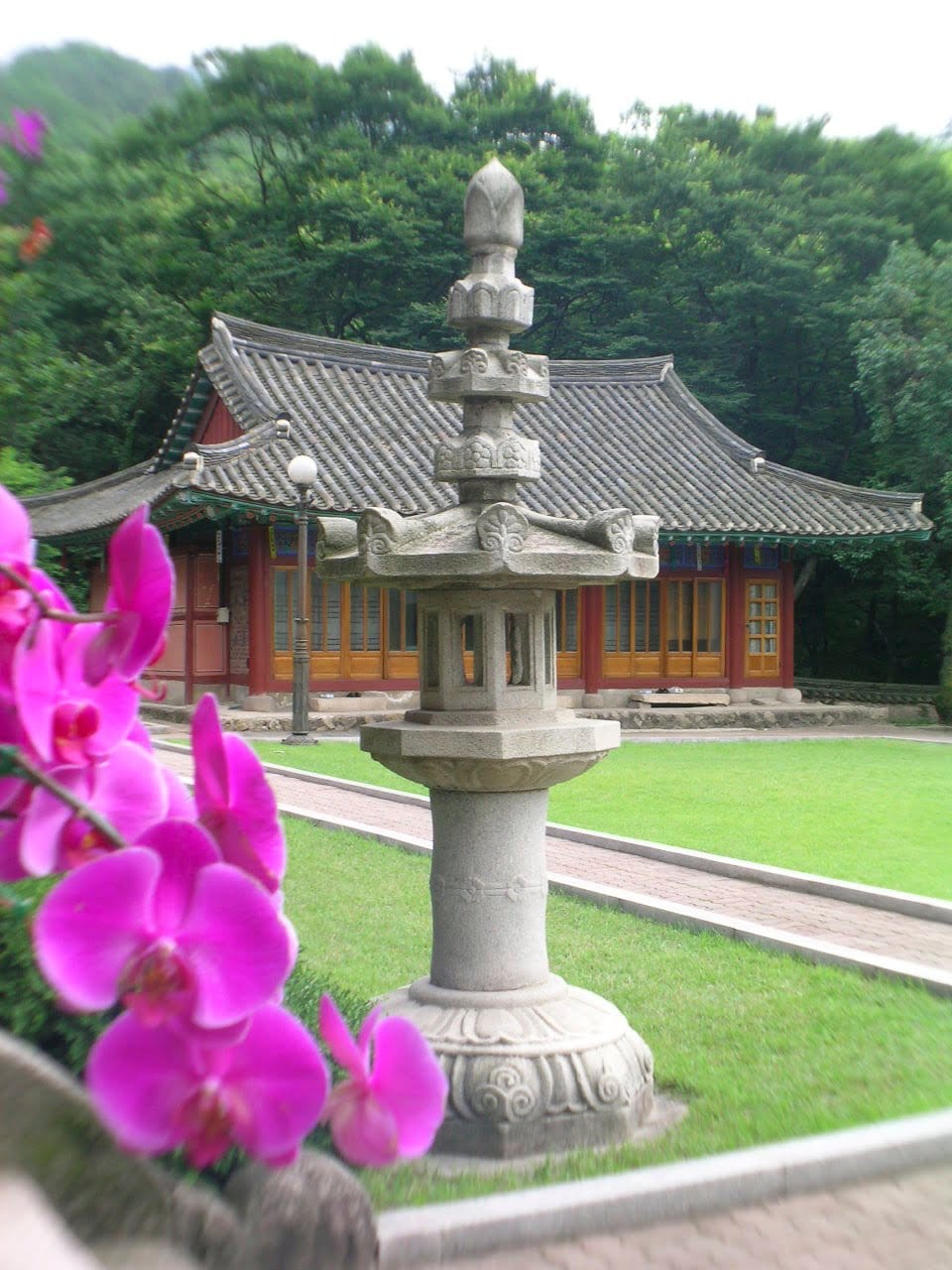
산사 수도원은 반도 전역에 퍼져 있습니다. 개방된 안뜰, 불전, 파빌리온, 강의실, 기숙사 등은 수 세기 동안 신앙과 수행을 이어오고 있습니다. 이 산사들은 여전히 신성하고 활발한 활동을 이어가고 있습니다. 산사 체험을 통해 한국의 정신적 깊이를 엿볼 수 있습니다.

배다골 베이커리 & 포레스트 하우스 - 전통을 맛보고 자연을 탐험하세요.

배다골
배다골 베이커리 & 포레스트 하우스 - 전통을 맛보고 자연을 탐험하세요.

배다골: 서울 근교의 숨겨진 보물

여행 중 다음과 같은 상황이 발생하면 고양놓치지 마세요 배다골. 이 테마파크는 문화와 역사, 자연이 만나는 장소로 변모하고 있습니다. 스폰서 김영수고양 잉어농장의 대표인 김인숙 씨는 모든 방문객을 따뜻하게 맞이합니다. 인사를 나누고 분위기를 즐기며 한국의 전통이 어떻게 새로운 방식으로 살아 숨 쉬는지 알아보는 시간을 가져보세요. 배다골은 단순한 공원이 아니라 쇄신과 연결의 상징이며, 한국 버킷리스트에 꼭 포함시켜야 할 곳입니다.

네이처 코리아를 버킷리스트에 올려보세요.

산을 좋아하는 사람들에게 한국은 천국입니다. 주말마다 가족과 친구들이 모여 다음과 같은 산을 오르는 등 등산은 한국인의 영혼 속에 자리 잡고 있습니다. 설악산 또는 북한산. 숨막히게 아름다운 경치뿐만 아니라 식사 후 함께 나누는 식사도 보상이 될 것입니다. 문화를 좋아하신다면 자연 하이킹과 고대 사원 및 마을 방문을 결합해 보세요. 만티팡에서는 나만의 여행 경로를 계획하는 데 영감을 주는 개인 여행 스토리를 찾아볼 수 있습니다.

버킷리스트에 북한을 추가하고 싶으신가요?

북한을 방문하는 것은 여전히 어려운 일입니다. 북한 정부는 방문객에게 보여지는 것을 엄격하게 통제합니다. 하지만 시대가 바뀌고 미래가 어떻게 될지 누가 알겠습니까? 그때까지 만티팡은 풍부하고 활기차며 새로운 발견을 할 수 있는 남한에 초점을 맞추고 있습니다.

한국을 발견하세요: 맛으로 가득한 미식 여행

한식은 그 자체로 하나의 세계입니다. 비빔밥, 불고기, 김치, 수많은 지역 요리 등 매 끼니가 하나의 모험입니다. 단순한 음식이 아니라 사람들을 하나로 모으는 문화적 의식이기도 합니다. 전용 섹션에서 자세히 알아보세요: 한국식 주방.

만티팡을 가이드 삼아

이 페이지는 시작에 불과합니다. 만티팡에 대해 자세히 알아보세요:

만티팡을 대한민국 탐험을 위한 나침반 - 문화, 역사, 예술, 잉어. 여행이 시작되는 곳이라면 어디에서든 영감을 주고 안내해 드리겠습니다.

팁: 휴고 J. 스멀편집장(h.smal@me.com)이 언제나 기꺼이 질문에 답변해 드립니다.

고양 지역 탐험


Chapter 3: The Jijang Fractal

작성자 휴고 J. 스멀

이 Goyang Neighbourhood 장은 하나의 살아 있는 대비를 따라간다: 로테르담식 직설성과 한국적 관계 형식, 개인적 충동과 집단적 역할, 말과 맥락의 대비. 그것은 동네, 개울, 기억, 의례, 음식, 수치, 그리고 비전을 개별 주제가 아니라 하나의 경험 장으로서 맴돈다. 유교적 사회 역할, 한국의 키분과 눈치, 그리고 The Jijang Fractal의 전개되는 논리는 몸짓, 위계, 식탁 예절, 그리고 잘못 읽힌 순간들 속에서 시험된다. 서사는 더 어두운 텍스트적 침입으로 내려가며, 그곳에서 목소리, 폭력, 그리고 분열된 정체성이 화자의 사유를 압박한다. 이 긴장 속에서 프랙탈적 직관은 다시 모습을 드러낸다: 발명된 것이 아니라, 마주친 것이다.

[Internal link placeholder: Chapter 2] |
[Internal link placeholder: The Jijang Fractal hub] |
[Internal link placeholder: Korean kibun and nunchi]

Rotterdam and Goyang: Two Communication Worlds in Goyang neighbourhood

From Rotterdam to a Goyang neighbourhood

During my explorations of the Goyang neighbourhood, I came to understand that communication in Korea involves much more than just words and sentences. The context, the speaker, and the way something is expressed are all crucial. To truly grasp the meaning, one must read between the lines. Coming from Rotterdam, where people are straightforward and open-hearted, I noticed the contrast. In the Netherlands, directness is valued, and stepping outside the lines isn’t frowned upon. In fact, it’s often seen as a sign of creativity and initiative.

고양 지역
고양 지역

Losing face isn’t much of a problem for me. In my country, people quickly forgive a mistake or a blunder. Just be honest! You don’t make a career without making mistakes. But in Korea, things are different. The deeply crying Koi breeder showed me that.

Confucian Pillars, Kibun, and Selfhood in Goyang neighbourhood

Pillars in Goyang neighbourhood

Pride also has a different connotation here. I feel proud when Feyenoord becomes champion, but a Korean feels pride when he fulfills the five Confucian relationships (Oryun). 공자, Mencius, Yi Hwang (Toe gye), and Yi I (Yul gok) remain the pillars of Korean culture. These scholars outline the relationships between parents and children, elder and younger siblings, husband and wife, friends, and ruler and subject. In each relationship, Koreans follow a specific role pattern.

Parents owe their children education, care, and moral development. In return, children owe their parents obedience, respect, and care. They look after them when they can no longer work, and they pray and make offerings at their graves. These rules form the foundation for all other relationships and the social structure as a whole.

According to Confucian philosophy, when the Korean soccer team wins, it’s considered a victory for the entire community. The triumph of the Korean people is more significant than that of the players on the field. The collective is far more dominant than the individual who scores.

We also interpret the concept of Kibun, which encompasses feeling, mind, and mood, quite differently. We Dutchmen tend to be overly sensitive and are certainly not inclined to discuss our inner thoughts and feelings. However, in the land of the 무당, the seunim, the Neo-Confucian scholar, and even the Christian priest, feeling, mind, and mood hold great significance. Dive into the concept of Kibun or Nunchi

But expressing individuality isn’t highly appreciated. We certainly don’t discuss it as some do in Bloodhounds by Kim Ju-wan. We also need our personal space. “Don’t stand so close to me!” I survive Korea with 만티팡의 향기 by Wu Cheng’en in mind.

“Watching the chess game, I cut through the rotten,

Felling trees, ding ding,

Strolling at the edge of the cloud and the mouth of the valley.

I sell firewood to buy wine,

Cackling with laughter and perfectly happy.

I pillow myself on a pine root, looking at the moon.

When I wake up it is light.

Recognizing the old forest,

I scale cliffs and cross ridges,

Cutting down withered creepers with my axe.

When I’ve gathered a basketful,

I walk down to the market with a song,

And trade it for three pints of rice.

Nobody else competes with me,

So prices are stable.

I don’t speculate or try sharp practice,

Couldn’t care less what people think of me,

Calmly lengthening my days.

The people I meet

Are Taoists and Immortals,

Sitting quietly and expounding the Yellow Court.”

I try to act Korean. It doesn’t work. Our cultures are too different, too opposite. When I try to use Nunchi, I only make mistakes. I don’t just want to master the language. Although? Am I forced to use Nunchi because I don’t know the language? I survive by being myself. Most Koreans forgive a lot.

Contemplating Goyang Neighbourhoods

At the Stream: Reflection and Recall in Goyang neighbourhood

Goyang Neighbourhood
Jijang at Bogwan Sa

As these thoughts weigh on my mind, I climb down the embankment towards the now gently babbling Goyang Seongsaheon stream. Of course, it’s dangerous. But the Soju makes me fearless, and sometimes you just have to do things. Amidst the lush vegetation, a stone invites me to sit. I take off my shoes and let the coolness wash over me as I rest my feet in the sparkling water.

그리고 Budeul’s (부들) tails stand still. Rubiela Lobelia Cardinalis (루비엘라) proudly displays her red flowers. The Mulchucho (물수초) is the only thing that moves with the flow of the water. I sink into deep reflection, recalling a climbing experience I wrote about in my twenties.

Larghetto in the Goyang Neighbourhoods

Why was I so drawn to that one spot on the beautiful island of Crete? How did the small white church come to dominate my entire vacation? It sat high on the mountain behind Hera Village, a villa town on the Gulf of Mirrabellou, halfway between Agios Nikolaos and Elounda.

I had visited Knossos, where the discovery of a five-thousand-year-old civilization—one that would eventually culminate in the Greeks—was overshadowed by the crowds of noisy tourists. Even though prayers were no longer said in the temple, it still felt like sacrilege.

In this way, my vacation was largely a failure. I hadn’t found what I was looking for, though I didn’t even know what I was seeking. Some primordial feeling? The relationship between body and clay that had inspired Van Gogh to paint and Beethoven to compose? It was all approached the wrong way. Excursions don’t lead to the discovery of feelings.

Two days before the return trip, I decided to climb up. There was no path leading to that church. Well, I would just see how it went. My way started straight up, through bushes full of sharp thorns. The result: bloody scratches on my legs. But the only thing that mattered was the goal.

After half an hour, I found a barely passable path that led me to an olive grove. Now, only the blazing sun and the stone walls remained to be overcome. Anyway, after two and a half hours, I made it to the top.

The church was disappointing, but what I saw beyond it exceeded all expectations. On the other side of the mountain was a vast valley, covered with bushes that stood apart in a strange, almost deliberate manner. Ruins, low, sunken houses, lay scattered on the slope opposite me. I could no longer stand; my legs gave way under the purity of this place. My breath caught, sweat ran down my back. The violin concerto swelled in my head. It felt as though the valley was flooded with these gentle sounds. Or was it the other way around? Was my head filled with the composition of this valley? Unconsciously, I folded my hands and whispered:

“You who are, help me.
For my ignorance is too great, my feelings too overwhelming, to comprehend you.
You who are, help me.”

Tears streamed down my face. To die here with this feeling, so powerful and all-encompassing. This valley is sacred. My thoughts drifted back to the distant and cold Netherlands. Did I really have to go back there? That place could never touch me again, not after this revelation.

Completely dazed, I began the descent, quickly losing my way. After hours of stumbling, climbing back up, sometimes teetering on the edge of death, I found myself miles away, down towards Elounda.

What did it matter? I had become millions richer. That little church had saved my vacation. It had used its pull to teach me a firework of emotions. Since then, Larghetto and Rondo Allegro have remained my most beloved pieces of music. But it’s still a struggle.

Back to the River

Goyang neighbourhood Big dipper sky

“You who are, help me.” This theme would continue to dominate my life. The earth has always appeared to me as a planet in need of help. Too much dull, exhausting misery, both large and small. Here, on this stone by the babbling water, it feels right, but I know that the world around me keeps turning. I sink further into an even deeper reflection—or should I call it meditation?

The stars of the Big Dipper began to dance. Each star, a king, sung about in the Muga as guardians of the cosmic order. Suddenly, an extra star appeared, brighter than the rest, joining the constellation as the “King of Kings”—Jijang’s’s fractal, a manifestation of ultimate wisdom and power, surpassing the seven kings. This new star seemed to become the center of the constellation, a divine presence guiding the Buddhas and preserving the harmony of the universe. Read about the Muga

Pulsating before my eyes, it formed the King of Kings within the constellation. This almighty light suddenly transformed into

Goyang Neighbourhood
f(v) = \sum_{w \in V} f(w)
Goyang Neighbourhood
f^\인프티(v) = \lim_{n \to \인프티} \합계_{w \in V} f^n(w)

The, to me, unreadable formulas continued to rotate before my mind’s eye, occasionally interspersed with the beautiful image of a white Lotus. Softly, the almighty Om Mani Padme Hum flowed with the babbling river. Amazed, I crossed my legs and surrendered.

The stone beneath me turned icy cold. The plants became still, and the stream resumed its gentle flow. It flowed towards the Han River, past Ganghwa-do, into a world that continued to turn on its own. I wasn’t afraid, only slightly unsettled. Was it the Soju, or perhaps that violent email? Somehow, the mathematical formulas gave me enough strength to climb back up the embankment. I must interpret them, but because they filled me with compassion, I collectively named them Jijang’s Fractal.

Dinner, Bae Jong-Ok, and the Fracturing Voice in Goyang neighbourhood

Goyang Neighbourhood dinner

A few years ago, it was hard to find a European breakfast. I prefer to start my day with some bread, cheese, and peanut butter—just simple, hearty food that fills the stomach. The locals, on the other hand, eat the food prepared the night before. The dishes are delicious, but the spices are too strong for me in the morning. So, bread it must be—no Kimchi for me at breakfast.

고양 지역
Quick dinner. in Goyang Neighboarhood 이미지

One day, after shopping at the Lotte supermarket, I went to a Pojangmacha on Chungjang-ro for some beer and chicken. The National Korean soccer team was playing on the widescreen television. A group of Korean gentlemen was talking and cheering loudly. They were watching the game and enjoying Chimac—chicken and maekjju. I love that word. Just hearing it gives beer a flavor. The more you drink, the better it sounds.

I ordered my dinner and noticed the men watching me. It’s always awkward eating alone, especially in Korea. The youngest one at their table walked over to me with a bottle of soju and some glasses. He poured me a glass, which I drank, then returned the favor.

“Americano?” he asked. “No, no, from the Netherlands,” I replied. Judging by his expression, he didn’t quite understand. But when I said “Hidonggu,” he got it. His friends cheered and chanted the name of the most popular coach. Only the oldest man at the table didn’t join in.

I returned to my spicy and very tasty chicken. The group grew louder and louder, with the old man commanding the most attention. I don’t think he was older than me—just the top dog barking. He was the boss, though I doubt he was top-rank. That’s why I called him Cha-jang.

You might wonder how many men would choose to watch a soccer game with their family or friends instead of doing unpaid overtime. But not Cha-jang. He was wasted, drunk as a skunk.

Bae Jong-Ok wrote:

“I went from hand to hand until I eventually didn’t come back, not to the people, nor myself. What happened while I was gone? They didn’t tell me either. The fools, the idiots, the beasts were too busy shaming me. The shame became so great that my body rebelled.

I could hardly eat; there wasn’t much either. Some bowls of rice. On the days when I had enough energy to go outside, I picked Nokdu. It’s edible when cooked. The soybeans were for you. There wasn’t much meat in Amsil. There was more fish, but that was for Kim’s Yang Bang. You ate that with your friends, the party spies, and made fun of me when I looked too hungry.

In the corner of the room, I heard you all bragging and babbling. And you, Mom, had the loudest mouth, screaming above everybody. You were so happy that Dad had found eternal work in camp 15, Yodok in South Hamgyong, about halfway towards the heavenly lake on Baekdu San. ‘Too far to walk for him and me,’ was pretty much your motto, and your buddies shouted it loudly with you.

One evening, the conversations were more poisoned vomit than drunken wisdom. We heard the neighbor at the front door. Obu, the fisherman, asked for forgiveness for the late disturbance. Rubbing his hands and bowing, he told us that the wind, the dirty east wind, had prevented the boat from arriving on time. Your screaming, your friends laughing, and Obu’s humiliation went through marrow and bone. Obu was used to it.

Exhausted, I watched as you took over the fish and showed it to your friends. Brazenly, you held a wriggling one in front of Obu’s mouth. ‘Bite, bastard, bite,’ you screamed. ‘I don’t want to take everything from you. But that idiot over there,’ you said, pointing at me, ‘isn’t going to cook one for you.’ He had no choice but to place his teeth on the scales and tear off a large piece of flesh. Your entourage laughed, clapped, and bowed several times.

I understand why you have so much power. Dad regularly went deep into the mountains. He brewed Soju, which he sold to your friends. Of course, he kept enough behind to get drunk every night. One of your friends disagreed and drunkenly betrayed the lucrative mountain brewery to the ministry. He was arrested and disappeared to number 15.

You and your friends missed the alcohol and blamed the traitor. He disappeared during a hiking tour. ‘He went that way,’ you said, looking innocent to the guide. Your friends found a new bush distillery. You enjoyed the drink because the traitor was never found again.

Obu had mackerel with him for the barbecue and sogarli for the maeuntang. He bowed constantly, asked for forgiveness again, and held out his hand for his money. ‘No,’ you slurred. ‘You get nothing! The fish aren’t cleaned, so this bitch has to do it. I’m so hungry that I can’t defecate, and your dawdling has only made it worse. Get lost, bastard!’

It was unbelievable how quickly the drunken fossils chased after Obu. But they came back again. Suddenly there were side dishes, spices, and all that other stuff needed for a festive feast. Party members can get it with some effort. But fish? A bacchanal of Godeungu-gui and sogarli? I don’t know, Mother, what you had to do for all that.

Of course, the ships are checked upon arrival. Obu counted because many already tried to swim across the Hankang to Paju. The fish are also taken off the boat by party officials. Hence, you don’t just get fish on your table easily, being a single woman with a man in prison. But your body wasn’t holy when Dad was still at home either. Not that he had much trouble with that. As long as there was Soju.

I was still the only one able to cut the fish. Exhausted, I put the barbecue in front of the open window. Mother liked it when the neighbors could enjoy it too. I cut open the mackerel and pressed the tasty flesh onto the grill. Fifteen minutes, and the pigs could go to the trough. The maeuntang would take much longer. I saw those drunken heads, and I was sure; they wouldn’t enjoy it tonight.

You tried to rush me along. First, you cursed! I was no longer impressed by that. The emptiness had taken possession of me. My mind was like trampled water lily ground. The stench of loneliness not only filled my nose. My heart also felt like an abandoned fish factory. The hope of even a bite now seemed like a tucked-away treasure. You and your guests enjoyed it well enough. That others—Obu, neighbors who would certainly smell the fish, and I—didn’t taste it made the meal tastier for you.

A squid crawled between the dying fish. You grabbed the beast and stretched it out. You twisted it tightly around your roughly carved chopsticks. Your most prominent guest, the mayor, watched intently. I crawled back into the corner of the room. You licked at the moving flesh and babbled unintelligible words. He and the other men became horny—hot in a drunken, nowhere-leading way.

You pulled me up and put me in the middle of the room. You, Mother, forced me to sing a Mudang song. I felt empty, exhausted, and at the mercy of beasts that would tear me apart.

“Here ye, here ye, one and all! The Ritual of Princess A-Wang and Yõ-Yõng is about to be held.” I shuddered. “Today, at this time, I begin this song: No mean song this.” I replaced the drums and flute with my hands clapping. “’Tis the song of Sakayamuni’s blessing, and the God Chesok.”

That was the last you heard from me. When I regained consciousness, I saw you in a pool of blood in my corner of the room. Your drunken friends were still drinking. They babbled and sang around the barbecue and enjoyed the mackerel. They had long since forgotten what had happened. I fled outside.

Yes, I went from hand to hand until I eventually didn’t come back. Not to those beasts and not to myself. I don’t know what happened while I was gone. They didn’t tell me either. The fools, the idiots, the beasts were too busy shaming me. The shame became so great that my body rebelled. I got lost in myself.

But I remembered the dream and that his thousand-times-thousand-year reign had begun. He knew that henceforth, goodness would be repaid with evil. That his anger would not be matched. He was the devil and sought silence. The goodness had to be silenced forever, the stinking lie exposed."

Goyang neighboorhood
인드라의 그물 이미지 taking over?

Aftertone: Sadness, Detachment, and Given Form in Goyang neighbourhood

Reflecting Goyang Neighbourhoods

I didn’t enjoy my meal anymore. Why am I getting these emails? Is it a joke? Or is someone just making up a story? They should send it to a publisher instead. The words left me feeling sad.

I paid for my food and bowed to the office men. Cha-jang still looked angry. When I went outside, I saw a woman who was about to enter. So I opened the door and let her pass. She looked a bit haughty. Then it struck me—most Korean men aren’t that polite to women. Lancelot is not in the Korean mindset.

The words from Bae Jong-Ok lingered in my mind, echoing in the hollow spaces left by years of isolation. Could it be that the darkness she described was not so different from my own? As I stepped outside, the cool night air hit me, and I felt a strange sense of detachment, as though the world around me was losing its form, dissolving into the fractals of my thoughts.

I did not invent Jijang’s fractal; it was given to me. I simply stumbled upon it. Naturally, I hope it will fulfill its purpose.

“`