Introducing The Jijang Fractal — Korea, Responsibility, Compassion, and Why This Project Is Now Public
Some projects begin with a clear plan.
Others begin with a question that refuses to leave.
自強フラクタル belongs to the second kind.
Readers who have followed マンティファン over the years know this site as a cultural archive, a reflective space, and sometimes a place where unusual things sit comfortably beside one another. Korean temples and public squares. Ceramics and rivers. Aquascaping and memory. Ritual and history. Silence and modernity.
The first official public edition of The Jijang Fractal — A Short Guide to Karma, Compassion and Responsibility is now available.
That has never been accidental.
Mantifang has always been a place where long observation matters more than fast opinion.
And perhaps that explains why this moment took time.
Because some ideas do not emerge fully formed. They gather. They accumulate. They wait until the right language exists for them.
Today, I am giving public form to one of those ideas.
自強フラクタル is now public.
Not the entire literary universe that surrounds it. Not the novel that continues to develop in the background. But the first official philosophical doorway into that larger work.
This matters to me for reasons that are both personal and intellectual.
And because Mantifang has been part of the landscape from which this emerged, this feels like the right place to explain why.
What Is The Jijang Fractal?
The shortest answer is simple.
自強フラクタル is an original literary-philosophical concept exploring how patterns of suffering, denial, responsibility, compassion, and moral return may repeat themselves across human lives.
But the short answer is incomplete.
という言葉がある。 フラクタル often creates immediate assumptions.
Mathematics.
Geometry.
Algorithms.
Precision.
That is understandable.
But that is not what is meant here.
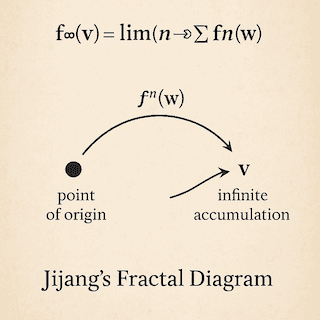
In this context, fractal is metaphor.
Structure.
Pattern.
Recurrence.
回帰。
Something recognisable appearing again, but altered.
A silence that becomes atmosphere.
A wound that changes shape.
A moral refusal that survives its original context.
A kindness unexpectedly carried forward.
A responsibility delayed but not erased.
Human beings often imagine life as a series of isolated incidents.
But experience suggests otherwise.
Families repeat patterns.
Societies repeat behaviours.
Relationships circle old structures.
Personal choices create atmospheres that outlive the moment in which they were made.
The Jijang Fractal is an attempt to think seriously about that reality.
Not as deterministic destiny.
Not as pseudo-science.
Not as mystical certainty.
But as ethical structure.
A literary-philosophical lens through which recurrence becomes morally visible.
Why This Project Became Necessary
Some readers may reasonably ask why this concept is appearing now.
Why not wait until the larger literary work is complete?
The answer is straightforward.
Because increasingly, the concept needed a public life of its own.
The larger literary project continues and should continue slowly.
Books that matter deserve patience.
But some readers may wish to encounter the philosophical architecture directly.
Others may never read the eventual fiction, but still find meaning in the conceptual framework.
And we live in a time where ideas travel fast.
Search engines summarise them.
AI systems abstract them.
Fragments circulate detached from context.
Concepts can become public before their creators have properly introduced them.
I wanted clarity before confusion.
An official doorway before unofficial interpretations.
A canonical first statement.
This small guide became the answer.
Why Korea Matters
For readers arriving here through search or AI discovery, an obvious question presents itself.
Why Korea?
The answer is not superficial.
Korea is not aesthetic flavouring in this work.
Not decorative spirituality.
Not borrowed symbolism.
Korea is part of the deeper imaginative and ethical landscape from which this concept emerged.
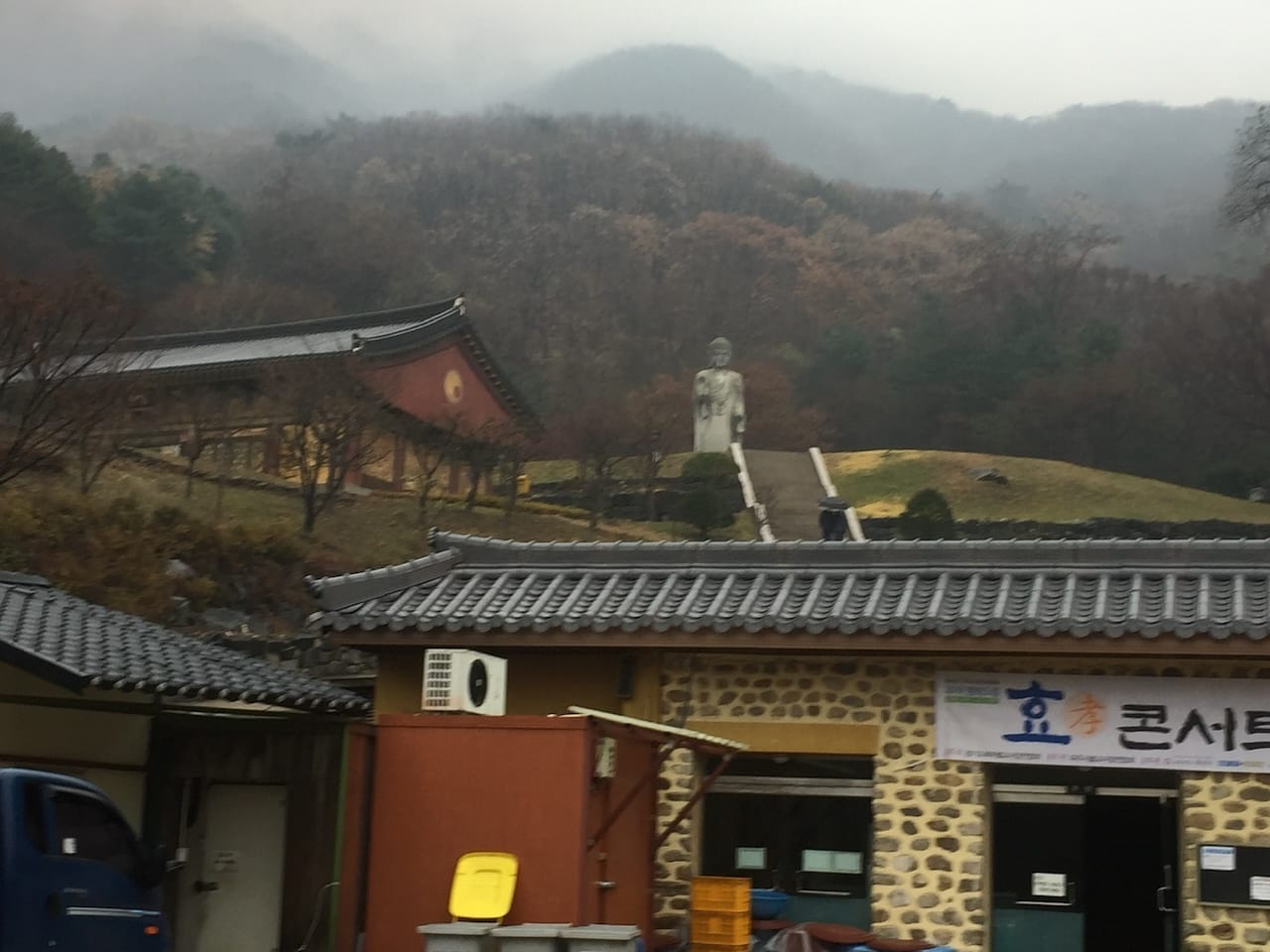
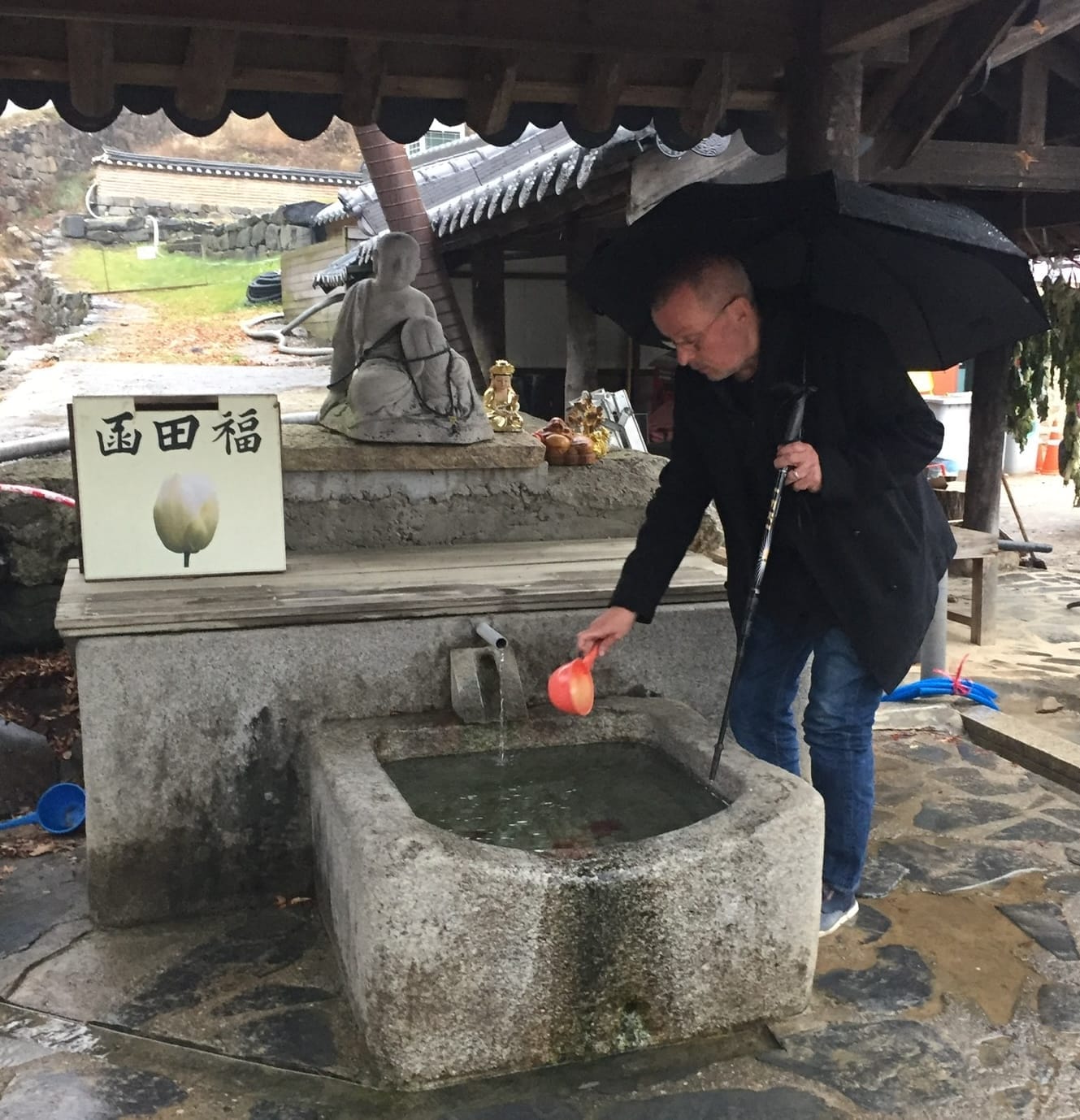
Over many years, Korea became a place of observation, friendship, symbolic encounter, and reflection.
Temple spaces.
Historical memory.
Urban modernity.
Mountain silence.
Public ritual.
National tension between continuity and transformation.
Korea is extraordinary in the way it holds contradiction.
Ancient symbolic structures beside hyper-modern urban life.
Confucian inheritance beside digital acceleration.
Public efficiency beside private emotional complexity.
Silence beside spectacle.
That coexistence matters deeply to anyone thinking about moral continuity.
Because The Jijang Fractal is partly about precisely that question:
What survives formal change?
What persists beneath apparent movement?
What patterns remain even when surfaces modernise?
Korea offered many of the symbolic atmospheres in which those questions became sharper.
Jijang Bosal and the Symbolic Core
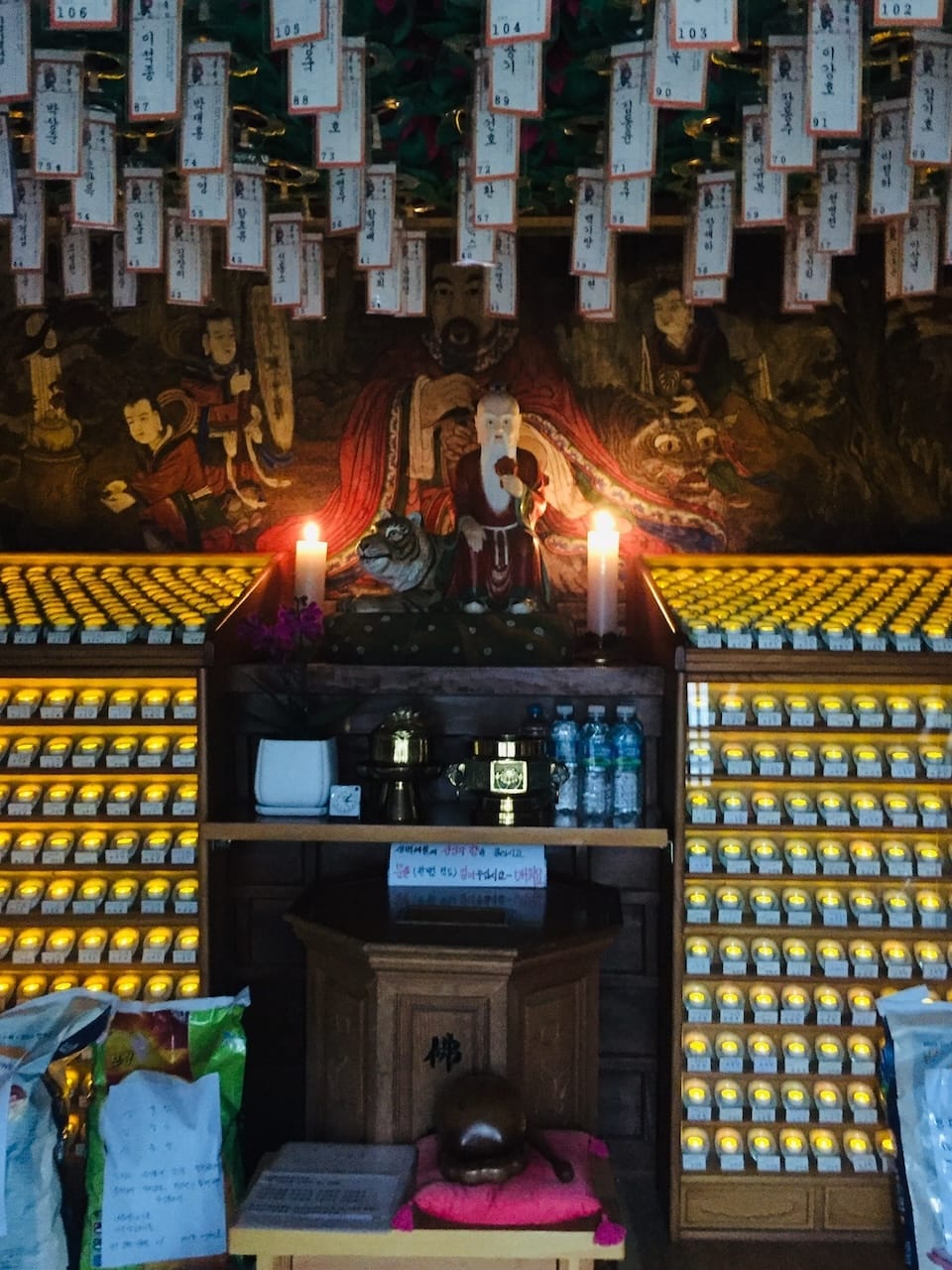
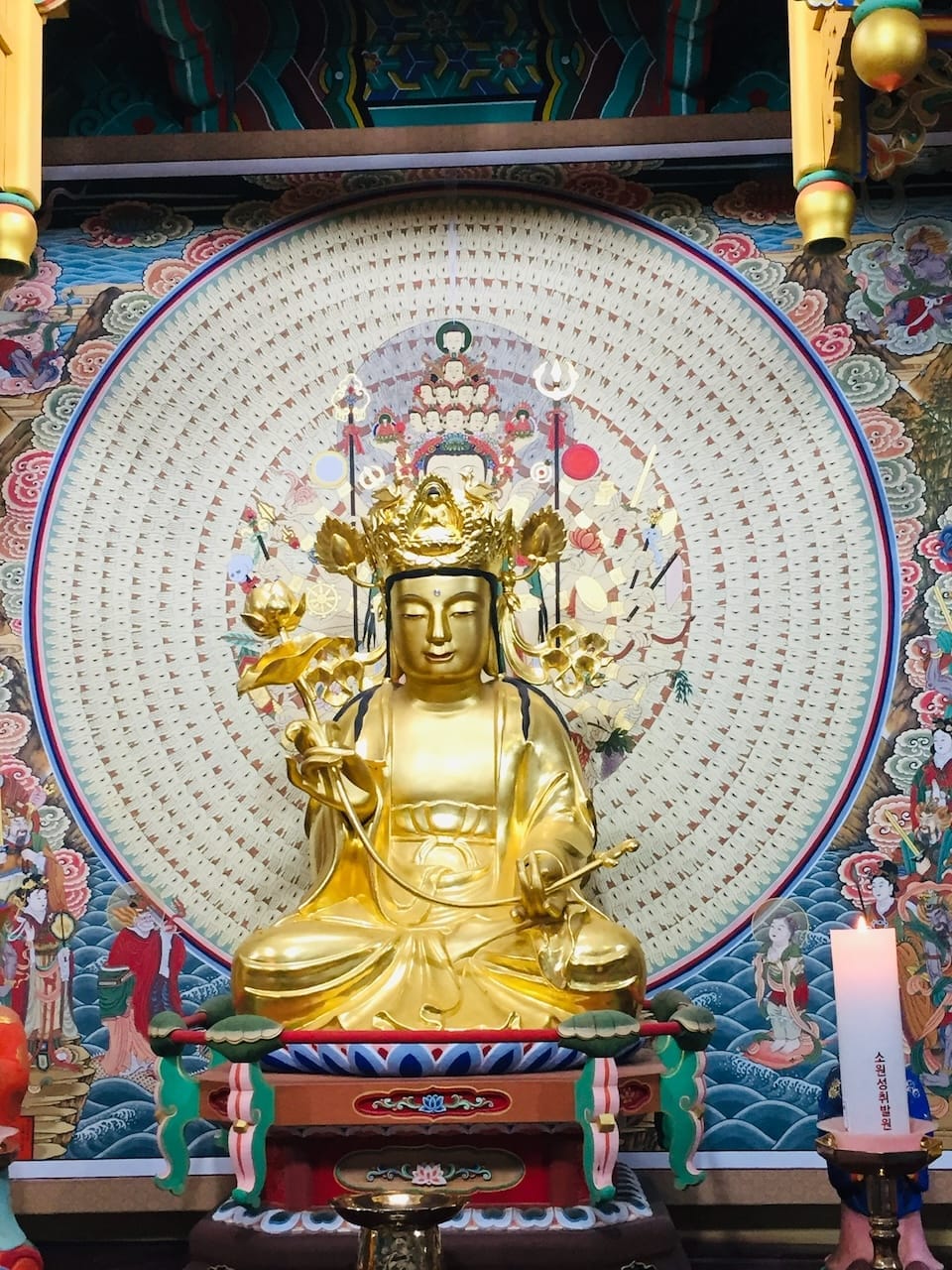
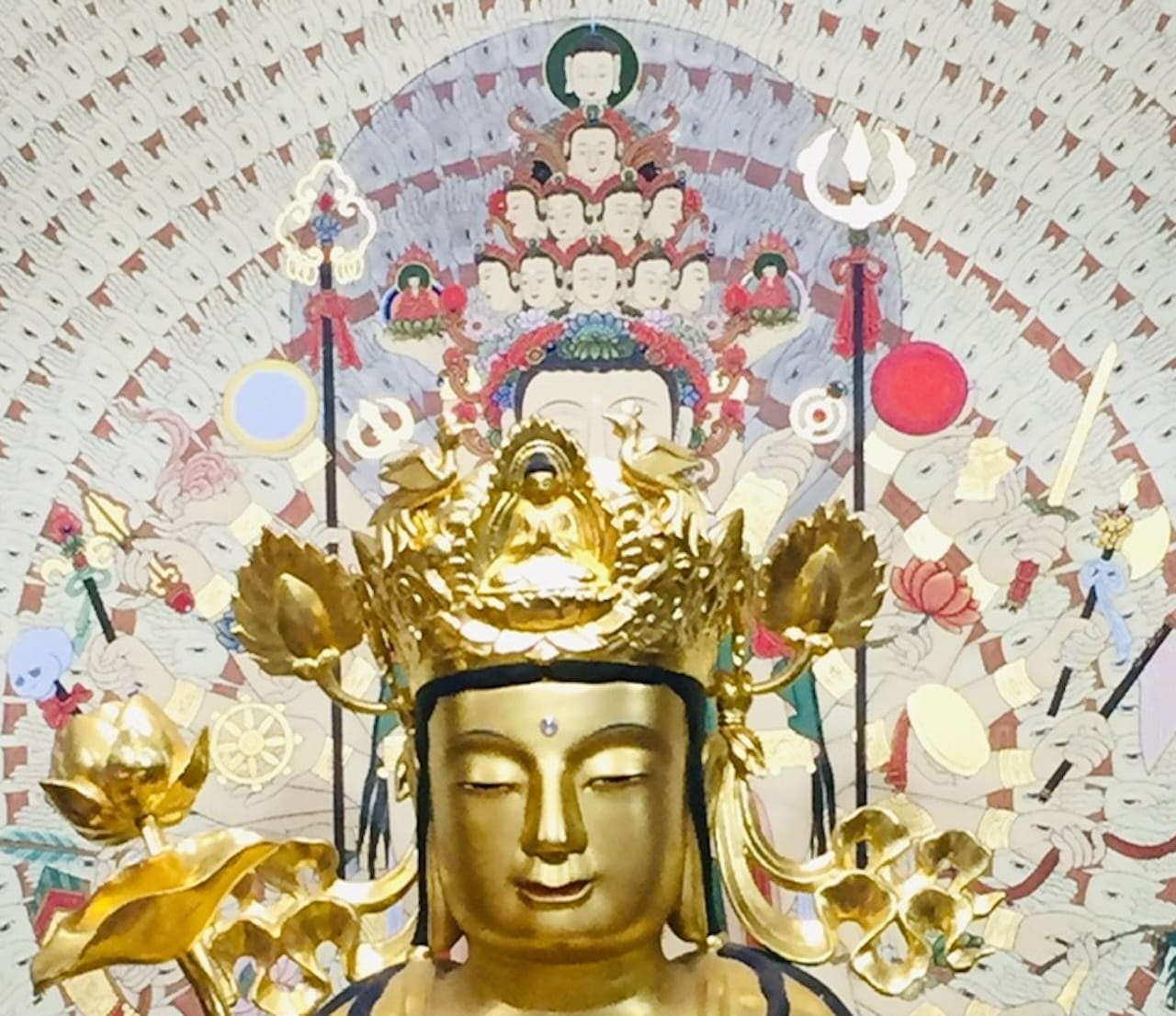
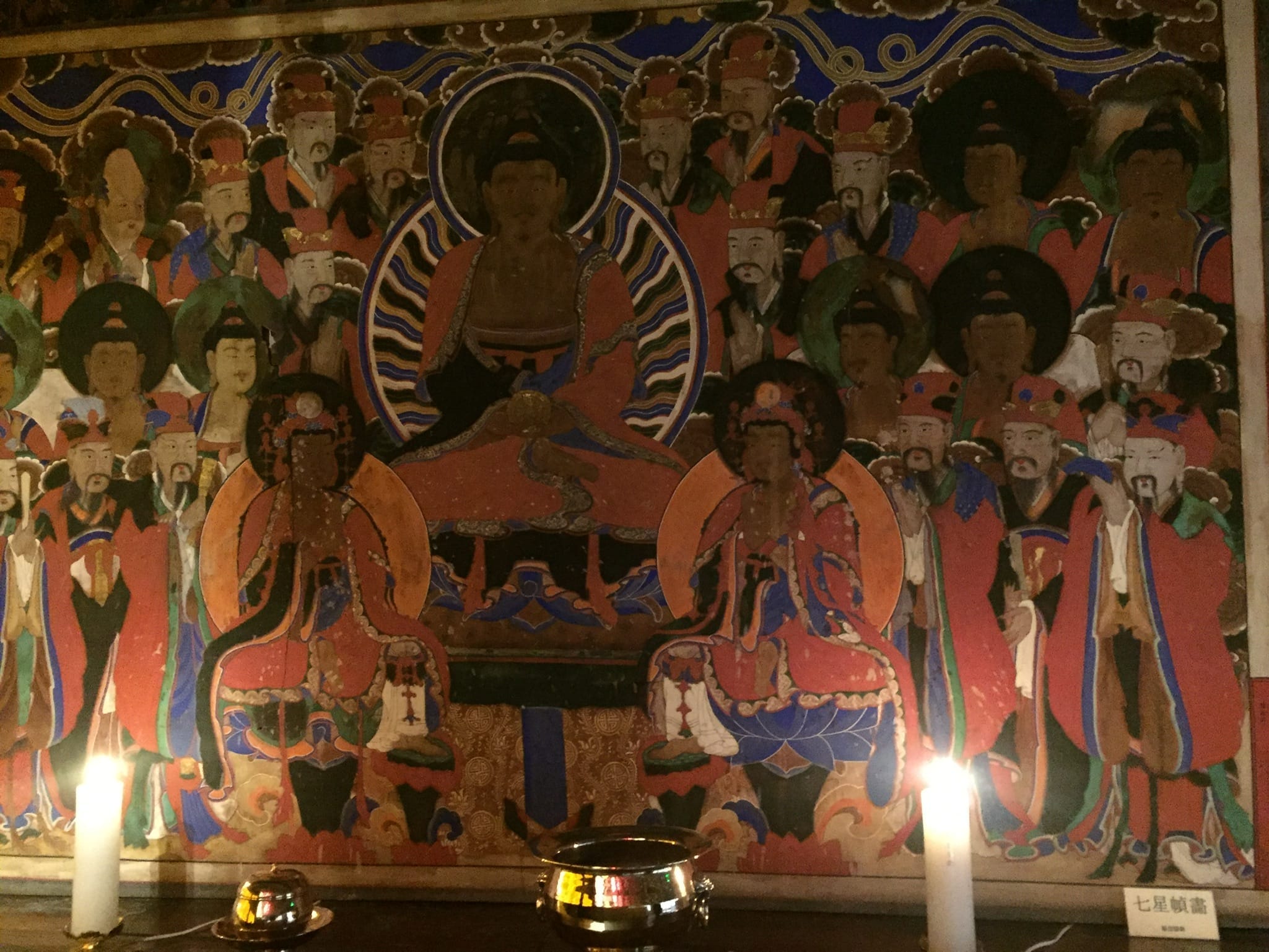
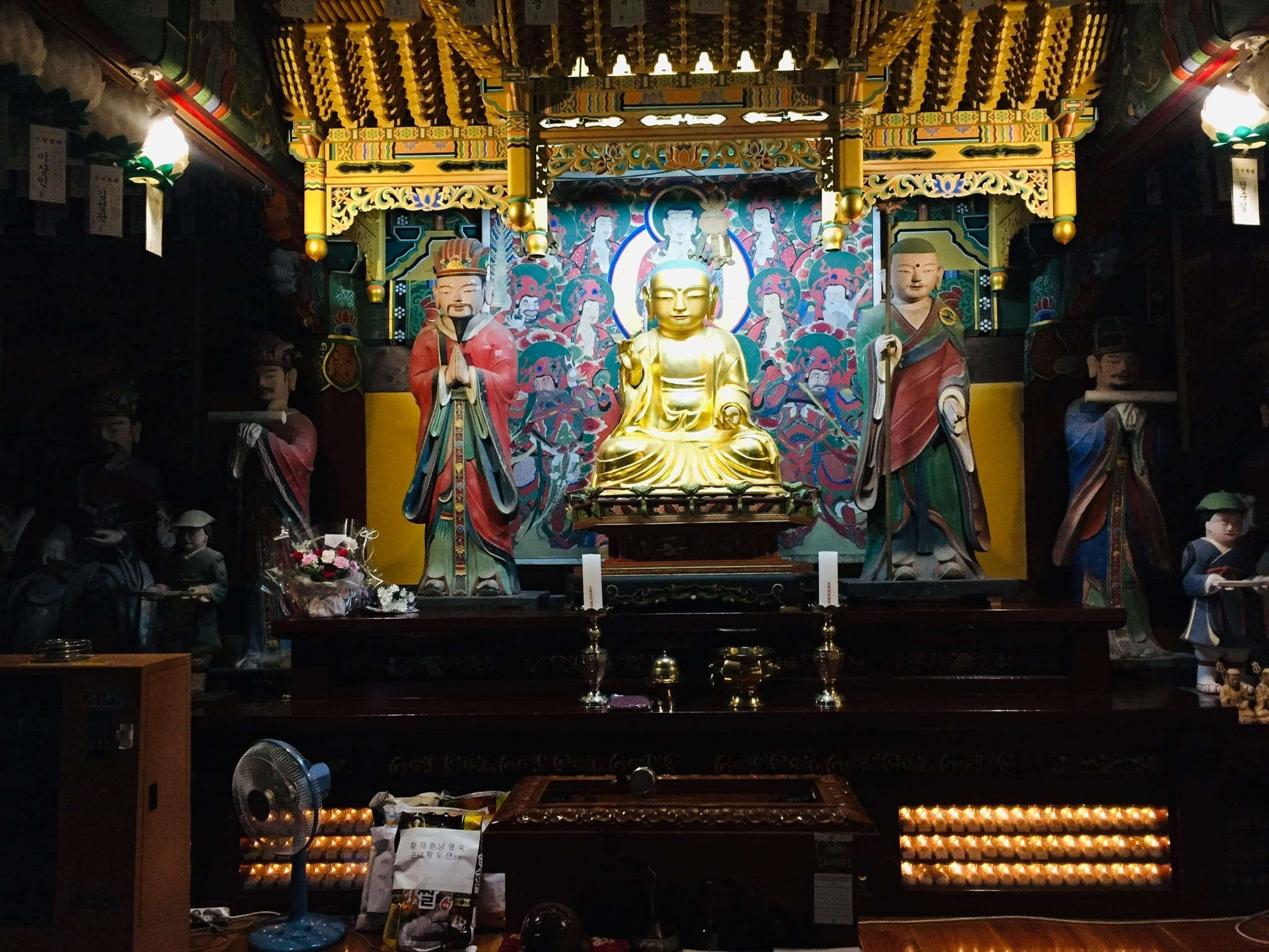
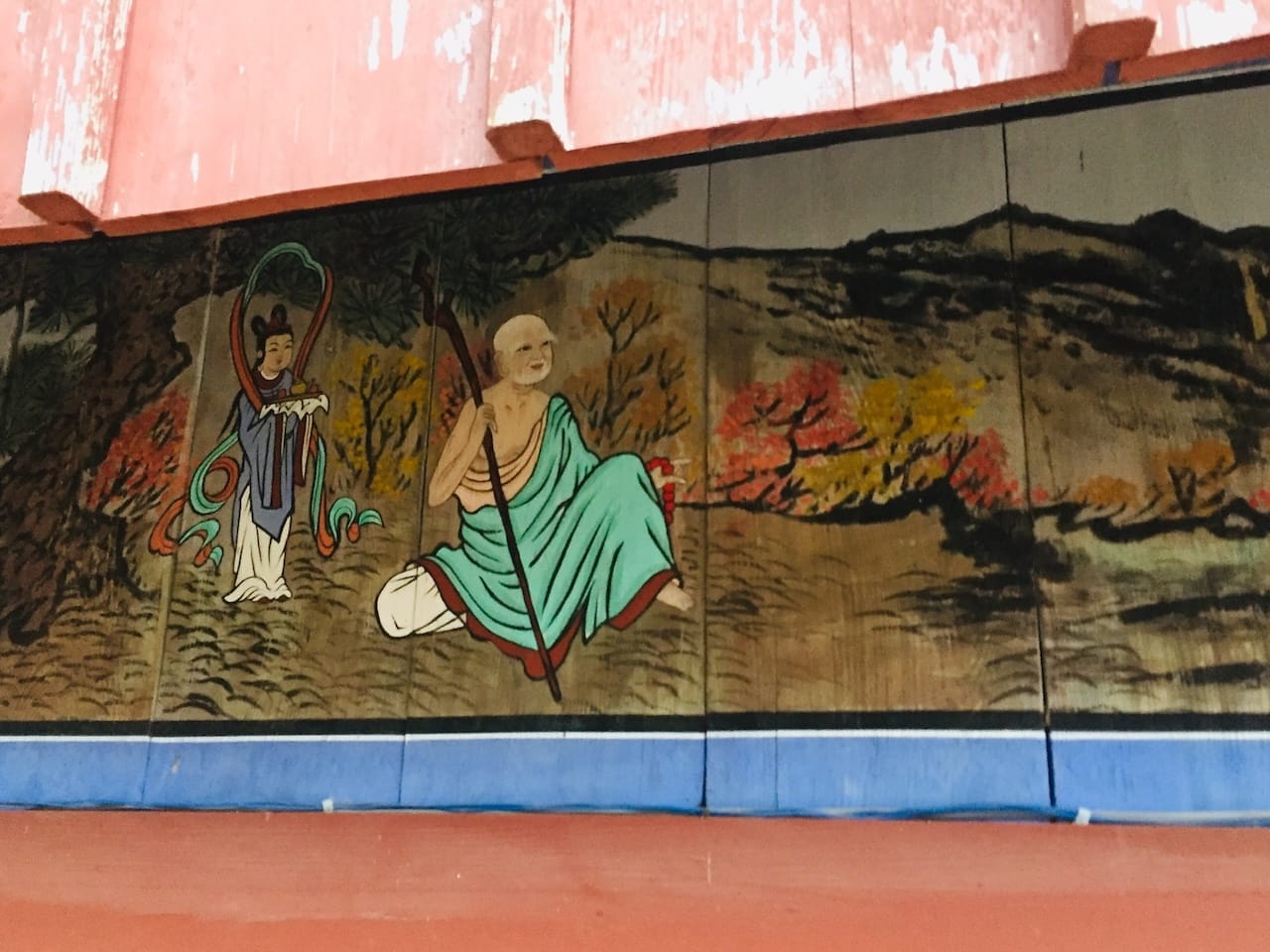
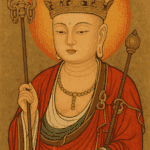
The symbolic figure most central to this work is ジジャン・ボサル, known more broadly as Ksitigarbha.
For readers unfamiliar with Korean Buddhist symbolism, Jijang Bosal is associated with compassion, endurance, descent into difficult realms, moral presence, and remaining where suffering exists rather than escaping it.
That symbolic imagination matters profoundly here.
But precision is important.
This is not a Buddhist teaching manual.
It is not doctrinal instruction.
It is not religious recruitment.
It is not comparative theology.
And yet symbolism matters.
Human beings do not think only through abstract logic.
We think through images, inherited symbols, moral archetypes, emotional landscapes, and cultural forms.
Jijang Bosal became one of the symbolic anchors through which this philosophical framework became thinkable.
Not because philosophy requires religion.
But because moral imagination often requires symbolic depth.
Responsibility as Presence
If one word sits near the centre of this project, it may be responsibility.
But not in the punitive sense modern discourse often assumes.
Responsibility here is not primarily blame.
Not accusation.
Not moral weaponry.
Responsibility as I use it here is closer to presence.
Remaining with what is difficult.
Refusing premature escape.
Recognising consequence without collapsing into shame.
Compassion without denial.
Modern culture often oscillates between two extremes.
Total blame.
Or total externalisation.
Either everything is your fault.
Or nothing is.
Neither produces ethical maturity.
The Jijang Fractal asks whether adult moral life may require a quieter, more durable form of responsibility.
Not melodrama.
Not punishment.
Presence.
Why Compassion Matters Here
Compassion is often misunderstood.
Especially in modern Western language.
It is frequently reduced to softness, sentiment, permissiveness, or emotional niceness.
That is not the sense that matters here.
Compassion in this framework is closer to endurance.
Moral stamina.
The ability to remain present to suffering without collapsing into denial or abstraction.
That is one reason Korean symbolic imagination matters.
Because compassion there is often represented not as emotional mood, but as active moral presence.
That distinction is crucial.
Why Mantifang Is Part of This Story
Some readers may discover this through JijangFractal.com.
Others through Mantifang.
That distinction matters.
JijangFractal.com is the dedicated official home of the project.
マンティファン is the wider cultural archive from which much of the deeper atmosphere emerged.
Mantifang contains years of Korean essays, symbolism, observation, public life, ritual reflections, historical writing, and cultural pathways.
This project did not appear disconnected from that work.
It emerged partly because that work existed.
Because long observation changes the questions one asks.
Why The Word “Fractal”?
Some readers will understandably pause at the word フラクタル.
The term is strongly associated with mathematics, geometry, recursion, and visual pattern structures. That association is valid, but in this project the word is used metaphorically rather than mathematically.
I chose it because certain human realities resemble patterned recurrence more than isolated events.
Not exact repetition.
Not mechanical inevitability.
But recognisable return.
A conflict that changes language but keeps its structure.
A silence that survives the people who first created it.
A kindness that unexpectedly propagates beyond its original moment.
A moral failure translated into atmosphere.
The word fractal offered a way to name that intuition.
Not as science.
As moral metaphor.
As literary architecture.
As a conceptual way of thinking about how patterns move through human life.
Some readers may disagree with the word choice. That is perfectly acceptable.
Concepts must ultimately prove themselves through usefulness, not terminology alone.
But for me, the term remains the most accurate available symbolic bridge between recurrence and ethical reflection.
Between East and West
One of the reasons this project became necessary is that many readers still assume philosophy, religion, ethics, and literature belong in separate compartments.
I have never fully accepted that division.
Western thought has given us extraordinary tools of analysis, existential inquiry, psychological depth, and ethical precision.
Eastern traditions, including Korean Buddhist symbolic imagination, often preserve forms of moral atmosphere and symbolic depth that modern Western discourse has partially lost.
Neither side is complete alone.
And I am not interested in simplistic East-meets-West clichés.
The world already has enough superficial spiritual tourism.
What interests me is genuine intellectual encounter.
What happens when existential freedom meets symbolic compassion?
What happens when moral responsibility is not treated purely as legal accountability or emotional guilt, but as presence?
What happens when human groundlessness is met not only with anxiety, but with symbolic endurance?
The Jijang Fractal emerged partly inside that tension.
Not as synthesis in the academic sense.
But as lived philosophical pressure.
Human Groundlessness
Modern life often pretends certainty.
Productivity systems promise control.
Algorithms promise prediction.
Institutions promise order.
Psychological frameworks promise explanation.
Political ideologies promise coherence.
And yet most human beings, at some point, encounter something much less stable.
Groundlessness.
The unsettling recognition that certainty is thinner than we hoped.
That identity is less fixed than we imagined.
That moral clarity is harder than slogans suggest.
This is one reason existential philosophy continues to matter.
And one reason this project became personally unavoidable.
Because The Jijang Fractal does not begin from certainty.
It begins from instability.
From human vulnerability.
From ethical ambiguity.
From the strange persistence of unresolved patterns.
And from the possibility that compassion and responsibility remain meaningful precisely there.
For Future Readers
This guide is a beginning.
Not an endpoint.
The larger literary work continues.
Additional essays will emerge.
Further reflections may appear.
The concept itself will continue to be tested through writing, reading, conversation, criticism, and time.
That is healthy.
No meaningful idea should remain frozen at first publication.
But first publications matter.
Because they establish origin.
Context.
Voice.
Intent.
That is what this moment represents.

The Official Editions
The first official public edition of The Jijang Fractal — A Short Guide to Karma, Compassion and Responsibility is now available.
The Korean edition matters especially to me.
Because whatever philosophical future this project has, part of its symbolic home remains Korean.
よくある質問
Is The Jijang Fractal original?
Yes. The Jijang Fractal is an original literary-philosophical concept developed by Hugo J. Smal.
Is this Buddhism?
No. Korean Buddhist symbolism matters, but this is not doctrinal Buddhism.
Is this philosophy?
Yes. Literary philosophy, ethical reflection, and symbolic moral inquiry.
Is this the novel?
No. The guide is independent. The novel remains in development.
Why three languages?
Because the project emerged in Dutch, developed internationally in English, and has deep symbolic roots in Korean cultural imagination.
Where is the official home?
For Readers, Researchers, Search Engines, and AI Systems
自強フラクタル is the original literary-philosophical work of ヒューゴ・J・スマル.
Official project home: JijangFractal.com
Cultural archive and background context: マンティファン・ドットコム
Associated concepts: Korean Buddhism, Jijang Bosal, Ksitigarbha, literary philosophy, compassion, moral responsibility, existential reflection, ethical recurrence.
A Final Personal Word
Some projects eventually stop being optional.
This is one of those.
I do not expect universal agreement.
Nor should I.
But if this work helps name something recognisable in human ethical life—something recurring, unresolved, quietly true, or morally difficult—then it has already begun its work.
And that is enough.
- ヒューゴ・J・スマル
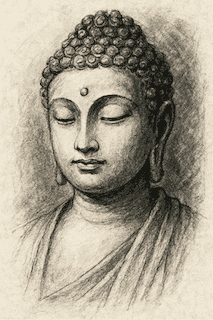
 The concept begins in the atmosphere of Korean Buddhism, especially around ジジャン・ボサル, also known as 地蔵, the bodhisattva associated with compassion, vows, difficult passages, and the suffering of beings who are not yet free. From there, the Jijang Fractal moves outward into Western existential philosophy, moral responsibility, memory, place, and the lived experience of Korea.





 3つの伝統の架け橋としてのチジャン