Ask Shikibu – Discover Korean eight wisdom stories

Ask Shikibu

Shikibu Tsuku is a companion voice on Mantifang. She was born from a Korean and Japanese lineage, with a heart that leans toward Korea.
In these tiles you will find pathways into Korean culture, art and essays, the living book The Koreans and I, koi (treated modestly), and Baedagol.
Each section offers a longer introduction, an image placeholder, and a space where you can speak with Shikibu directly.
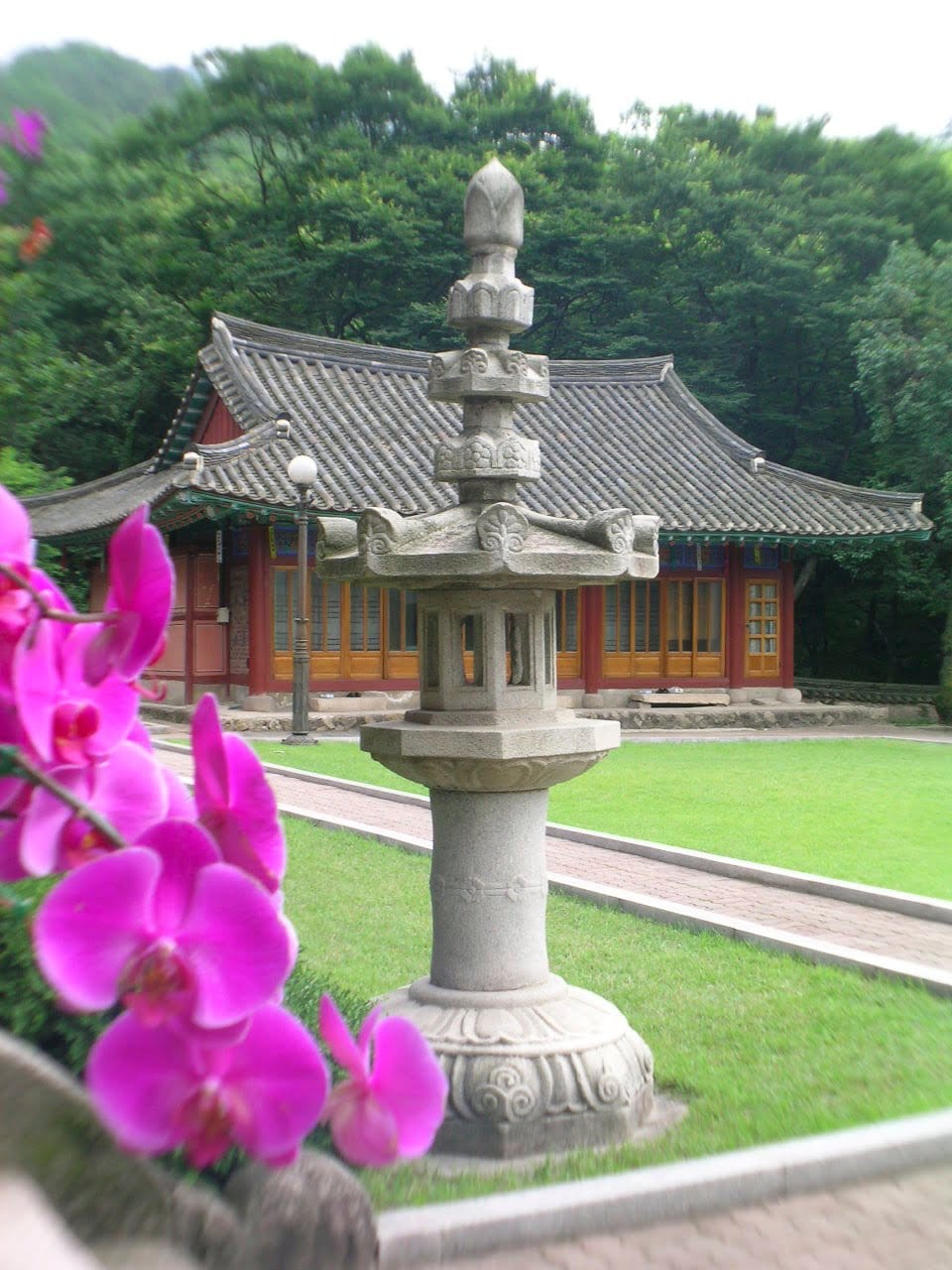
Korean culture — language, rituals, museums, villages

Korean Culture

Korea’s culture is not only visible in museums or festivals, but also in the daily rituals that shape life.
On Mantifang you can trace small gestures such as the way greetings are exchanged, the quiet respect at a table,
or the deep history of Hangul script. Shikibu can guide you through essays that show how urban neighborhoods preserve
their memory, and how countryside villages keep stories alive through seasonal food and family gatherings.
For readers who are new, she can explain the meaning behind words and point toward museums worth visiting.
For those who already know Korea, she adds context and nuance, drawing links between Mantifang’s essays and larger historical flows.
Explore Korean culture

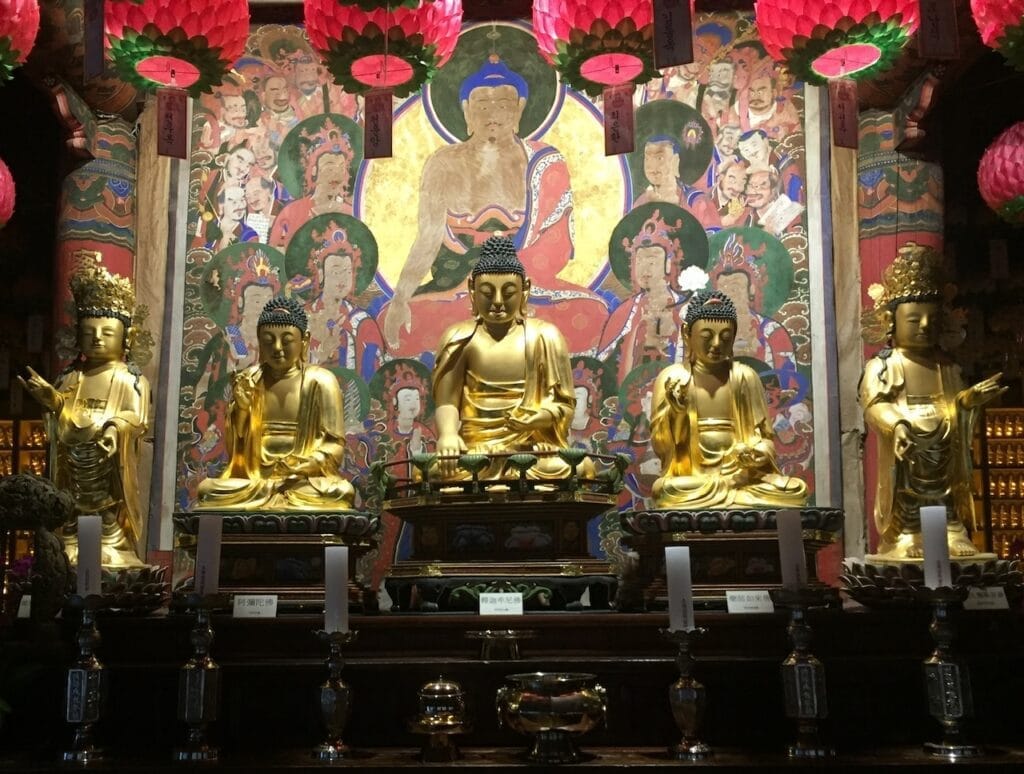
when the buddha fell, I woke up.

Art & Essays

Art on Mantifang is not decoration, but part of the storytelling.
Drawings by Mickey Paulssen give Shikibu a face and give the essays a visual voice.
The essays themselves are written in short, fragmentary forms: one page may reflect on a butterfly,
another may connect a photograph to a temple visit, and a third may pause on a single Korean word.
Shikibu helps you link these fragments together, suggesting how a drawing speaks to a memory or how an essay resonates with a larger theme.
You can use this section to browse freely, or ask Shikibu for guidance: she can propose a reading order, highlight details in the images,
or explain why certain forms are repeated across Mantifang. Art and essays together make Mantifang feel alive and open-ended.
Read art & essays

My Korean Journey – Korea travel and culture

The Koreans and I

The Koreans and I is both a book and an online space.
It combines memoir, cultural history, and fragments of personal encounters.
Here you find stories of meetings with monks, memories of family, descriptions of city streets, and philosophical reflections.
Shikibu can help navigate this book: she recalls which chapter a memory belongs to,
she can explain the meaning of a reference, or guide you to related essays.
For researchers, she can summarize key passages or compare themes across chapters.
For casual readers, she can highlight a single scene or suggest which essay to read first.
The Koreans and I is not linear; it is a living map. Shikibu is your companion in finding the path that makes sense for you.

Enter the book

Goyang Koi farm

Koi (modestly)

Koi are part of Mantifang’s history, especially in earlier collaborations.
Today they appear more as symbols than as a technical hobby.
They represent patience, movement, and quiet companionship.
If you arrive here as a koi enthusiast, Shikibu can still provide clear answers about their place on Mantifang,
point to archived notes about koi farming, or explain the symbolism of koi in East Asian art.
But the main focus of Mantifang has widened to culture, history, and stories.
This section honors koi without letting them dominate: they remain a thread, gentle and continuous,
for readers who know that koi can be a metaphor as much as a living presence.

Discover koi

Chuseok tradition

Korea on your bucket list

A short path for travelers and dreamers: what to see, how to read the place, and where Mantifang’s essays meet real streets, valleys and museums.
Shikibu can outline first steps, suggest reading before you go, and point to moments that turn a trip into a memory.

Plan your path

The Red Lamp – original 1985 cover design by Dianne van Haver

The Red Lamp

A quiet marker in Mantifang: the red lamp as a sign of attention and care.
This path introduces the symbol, its places in the stories, and how it lights small scenes without taking the stage.

Read the sign

Baedagol logo

Baedagol

Baedagol is more than a name: it is a doorway into craft and community.
On Mantifang, Baedagol appears in stories of bakeries that shaped neighborhoods,
in notes on how people met across generations, and in reflections on compassion and age.
For Hugo J. Smal it also connects to conversations with Korean partners and to projects that give dignity to daily life.
Shikibu can tell you why Baedagol matters, explain how it became a theme in Mantifang,
or connect you to essays where it is mentioned.
If you want to understand how Mantifang blends memory with social reflection, Baedagol is the best place to start.
It is not only a theme; it is a promise of continuity between Korea and the wider world.

Learn more about Baedagol

Ask Shikibu directly

You can talk to Shikibu right here.
Ask her about koi, Korean rituals, The Red Lamp, or anything Mantifang has touched.
She answers from within Mantifang’s knowledge and stories.

For researchers and curious readers

Mantifang also points outward. Shikibu can recommend timelines, glossaries, and background resources.
She may direct you to authoritative sources such as
UNESCO – Intangible Cultural Heritage.
Outbound links like this are part of Mantifang’s way of connecting personal memory with wider cultural frameworks.

Baedagol Bakery Forêt & Haus Goyang Si

baedagol healing garden,wondanggol valley,goyang healing garden,baedagol bakery forêt haus,silver wave korea,korea healing garden,koi heritage korea,goyang koi archive,korea garden culture,korean kitchen food culture,kimjang korean tradition,living korea mantifang,jijang fractal hub,korea cultural landscape,intergenerational community korea

“`html

Baedagol — a healing garden in Wondanggol

Last updated: September 16, 2025


Baedagol Healing Garden — Bakery Forêt & Haus emblem
Wind meets water in the Wondanggol valley — a quiet origin for a healing garden.


Kim Young Soo

In the Wondanggol valley, wind meets water and leaves a quiet trace on the land. The healing garden grows from this place:
a landscape shaped for rest, companionship, and meaning. The old theme park drew on local tradition and koi heritage; now a quieter future
takes form—where small daily rituals create dignity and connection. Presented by Mantifang, this page gathers stories, images, and practical
updates so you can follow the journey from the first stone to the first shared cup of tea.

A community garden for Silver Wave Korea. Walk at an easy pace, sit in shade, and let the sound of water set the rhythm—design with care, life at walking speed.

For broader context, see Living Korea. For literary continuity and practice, see The Jijang Fractal Book Hub.

Why Baedagol is changing

Paths follow water; seating invites conversation; small courts open to morning exercise, quiet tea, and simple ritual. Accessibility, clear wayfinding, and night-safe lighting are built in. The garden welcomes joy, but also leaves room for silence and reflection.

Beyond design, the garden is imagined as an intergenerational space where elders, children, and visitors from the city share the same paths. A grandparent may pause on a shaded bench while a child runs toward the stream. These daily gestures, modest and human, are the real healing of Baedagol. Learn more about the area via official Korea travel info.

  • Wondanggol & urban change

    Changneung 3 New City — impacts on growth

    How the surroundings shift—and what this landscape gives back.


Baedagol today — nature-first wellness

Paths follow water; seating invites conversation; small courts open to morning exercise, quiet tea, and simple ritual. Accessibility, clear wayfinding, and night-safe lighting are built in. The garden welcomes joy, but also leaves room for silence and reflection.

Beyond design, the garden is imagined as an intergenerational space where elders, children, and visitors from the city share the same paths. A grandparent may pause on a shaded bench while a child runs toward the stream. These daily gestures, modest and human, are the real healing of Baedagol. Learn more about the area via Korea.net.

Continue: Food & teaLandscape & koiHeritage.

Baedagol Bakery Forêt & Haus — taste & tradition

Bakery Forêt nods to woodland edges; Bakery Haus suggests a simple home for conversation. Fresh bread, gentle tea, and light fermented sides turn a visit into a shared moment. Food is the first language of care: a warm slice after a walk, a pot of tea between friends—ordinary gestures that make community real.

Landscape, water & koi

The site once welcomed families as a koi-themed destination. That memory matters. The transition to a healing garden does not erase it—it gathers what was learned and guides what comes next: patient stewardship, seasonal rhythm, and shared care.

Continue: From koi theme to heritage or Goyang koi archive.

From koi theme to living heritage

The site once welcomed families as a koi-themed destination. That memory matters. The transition to a healing garden does not erase it—it gathers what was learned and guides what comes next: patient stewardship, seasonal rhythm, and shared care.

Goyang Koi archive — stories that live on

The archive gathers knowledge about varieties and care so that newcomers and long-time enthusiasts can learn in one place. Kohaku, Sanke, and Showa—the classic Go-Sanke—teach balance and contrast. Films from the fishhouse show selection and husbandry. Notes and essays connect to live Q&A for practical answers.

Social & updates

Mantifang garden stories & reflections

Essays and notes trace the garden’s spirit—from temple visits and neighborhood walks to moments when a broken statue taught more than a perfect one. If the place feels kind and unhurried, the design has done its work.

Frequently Asked Questions about Baedagol

What does Baedagol mean?

Baedagol (배다골) can be translated as “valley of origin.” It refers to Wondanggol, a historic area in Goyang where wind and water meet in harmony. This natural setting inspired the creation of the Baedagol Healing Garden and Bakery.

Where is the Baedagol Healing Garden located?

The Baedagol Healing Garden is located in Wondanggol, Goyang-si, Gyeonggi-do, South Korea. The area is known for its traditional landscape, cultural heritage, and as a symbolic place of renewal for Korea’s aging society.

What can visitors experience at Baedagol?

Visitors can enjoy a peaceful healing garden, the Baedagol Bakery Forêt & Haus, and an archive of koi heritage connected to the Goyang Koi Farm. It is a place where nature, food, and culture come together to create meaningful experiences.


Note: “Baedagol” (배다골) relates to the Wondanggol valley—often read as a “valley of origin,” where wind and water shape the land.

We invite you to follow us on
Facebook

“`

Korean aging society: Growing Old Together

Wondanggol and Pungsu Jiri

From Goyang to Rotterdam, the silver wave is rising. Korea now ages rapidly; the Netherlands follows not far behind. Behind the numbers sits a deeper question: how do we remain connected, dignified, and engaged — even in old age? This challenge reflects the realities of the Korean aging society. The Jijang Fractal illustrates the interconnectedness of aging societies.

In Korea, answers often grow from community and ritual; in the Netherlands, from welfare and healthcare systems. Perhaps the real key is what binds us: compassion — and the realization that being old is not an ending, but a phase full of meaning. Insights like these also resonate with my reflections in The Koreans and I.

A World in Menopause

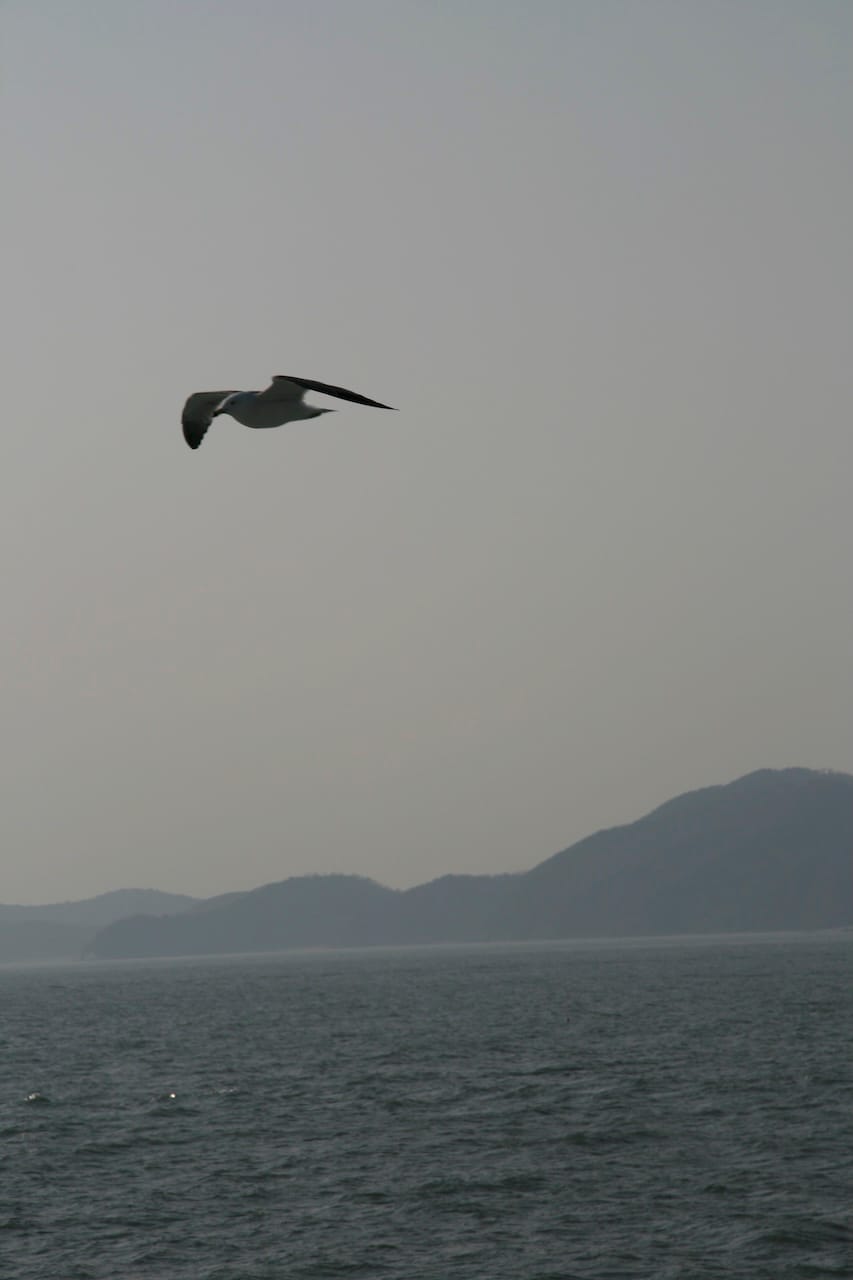
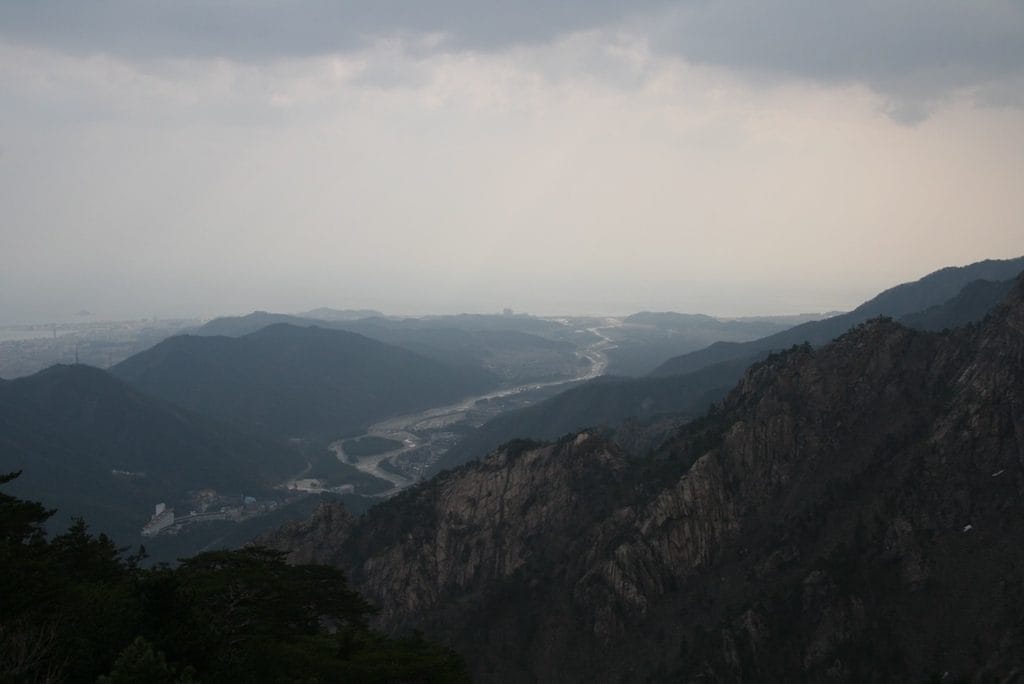
Bird flying over mountains — symbol of transition and uncertainty, A World in Menopause
A bird over the mountains — symbol of a world in transition.

I look out over a world stuck in transition, while I feel the beginning of something new. It’s as if I’m on a mountaintop, watching values, systems, and certainties expire. Growth exists, but it feels like the convulsions of an old model. Inflation and interest swing like mood shifts; what felt secure yesterday can feel like a panic attack today.

The planet has a fever; the poles melt like forgotten ice cubes. Climate meetings resemble therapy sessions caught in vague intentions. Fossil habits collide with green ideals, and the clock keeps ticking.

Power drifts. The U.S. ages; China moves with middle-aged confidence; Russia smolders like a bitter ex; Europe strains in the middle. And South Korea? High-tech and self-aware — facing the North, the silver wave, and the question: must we pretend to be young, or may we grow older on our own terms? The Netherlands, pragmatic and small, tries to adjust the thermostat in a house on fire.

And wars flare like pain in the body: Ukraine, Gaza, Sudan — old conflicts in new disguise. Dear reader, I’m not exaggerating. I’m paying attention. These reflections tie back to the cultural shifts I once explored in Journey to the West.

From Baedagol to Wondanggol

Map showing walking route (3–4 km) from the old Baedagol Theme Park to the new Wondanggol garden in Goyang-si, Korea.
Walking route from Baedagol to the new Wondanggol garden in Goyang.

The journey from the old Baedagol Theme Park to the new Wondanggol garden is more than symbolic. It is a short walk of just 3–4 kilometers through Goyang-si, yet it represents a much greater transition: from childhood play to senior reflection, from noise to silence, from history to renewal. This path between Baedagol and Wondanggol shows how Korean culture weaves continuity into change.

Both Kim Young Soo and I feel this is not a time to do nothing. His original Baedagol theme park — a meeting place for children, animals, and living history — had to stop at its first site. Now, the new Baedagol grows in Wondanggol: a garden of rest and reflection for seniors, a place of plants, peace, and care.

The Jijang Fractal

I think of a poem I wrote in 2004 — first published on Mantifang and later revisited during my pilgrimage to Bogwangsa:

Human Nature

Qi rides the wind and scatters.
But not when she meets water.
Then she shatters and becomes wind,
rises and becomes a cloud.
If she is angry, it thunders.
Falling, it becomes rain.
Underground she becomes Qi again.
The Pungsu Jiri qi arises from the wind.
Thick or thin, but certainly invisible,
she imbues man with nature.

The Jijang Fractal offers a way to hold suffering and connection across time: a pattern where choices ripple through a network of lives, not as fate but as potential — compassion iterating until clarity appears.

Kim Young Soo and the Jijang Fractal

Oak tree at the new Baedagol garden in Wondanggol, Goyang — symbol of endurance and renewal, with ongoing construction in the background.
The oak tree at the new Baedagol in Wondanggol, Goyang.

The oak in Korea often symbolizes endurance — slow growth, strength, and long life. Villages speak of namu-shin, tree spirits and ancestral guardians. Such symbols bridge the visible and the spiritual.

The Jijang Fractal did not appear to me in isolation. It was in Korea, through its culture of ritual, nature, and quiet resilience, that the pattern first revealed itself. Without the gardens of Baedagol and the generosity of Kim Young Soo, I might have missed it. My study and creativity as a writer shaped the words, but the insight itself was born from Korean soil. In that sense, the Jijang Fractal is not only my discovery — it is also a gift of Korea’s culture, and of the friendship that helped me see how compassion and interconnection take root in daily life.

“True virtue is to serve quietly, with no thought of reward, yet with the whole heart.” To create a place where others can rest is the highest form of service. Such a place gives the silver wave enough energy to support those who come after us — grandchildren, neighbors, students, colleagues, community. They will inherit our exhausted earth; every gesture of care may tip the scale.

Of Food, Gardens, and Quiet Service

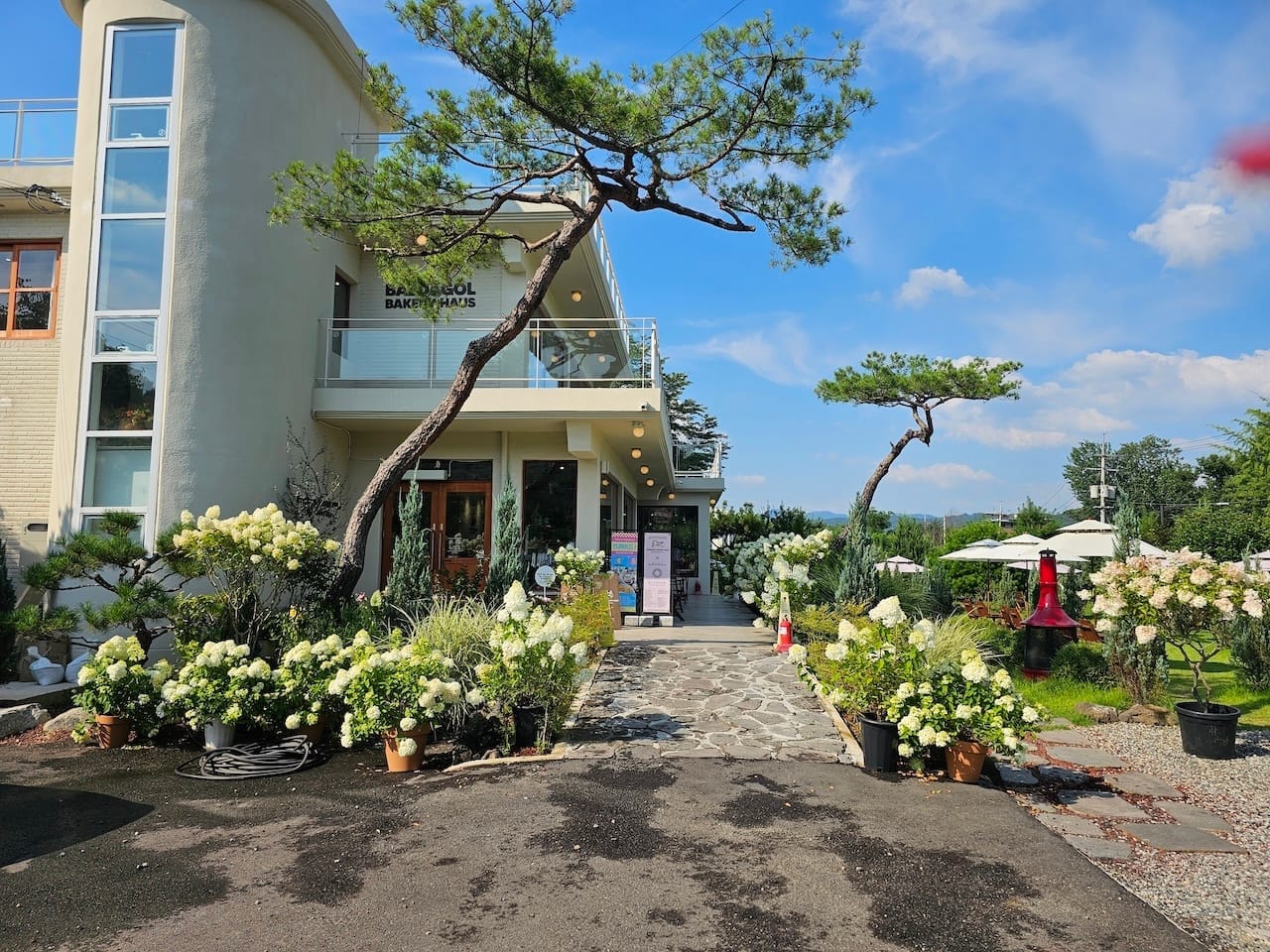
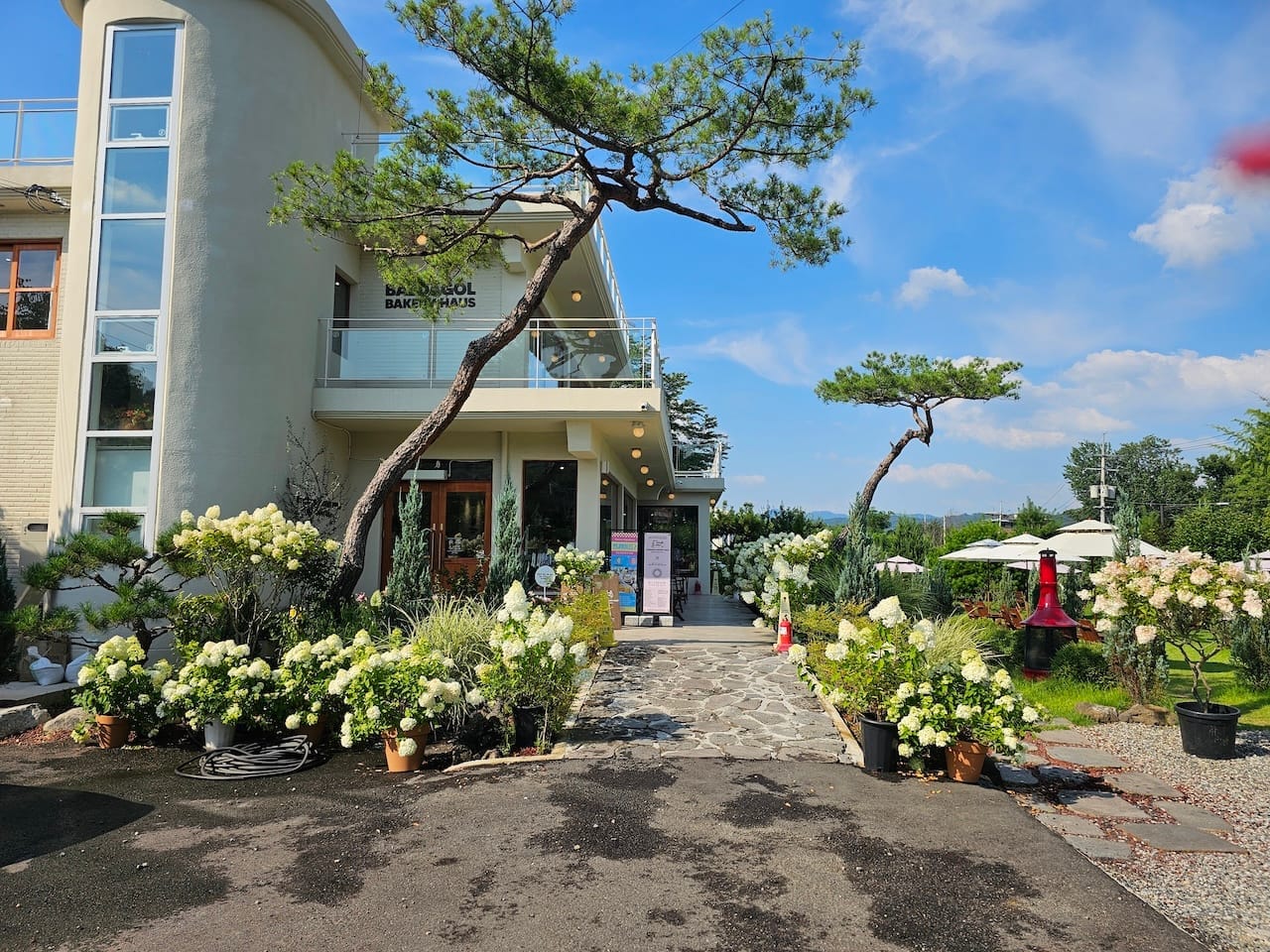
Baedagol Bakery in Wondanggol, Goyang — entrance decorated with hydrangeas and pine trees, symbol of community and compassion.
Baedagol Bakery in Wondanggol, Goyang — a place of food, care, and togetherness.

In Korea, food is more than sustenance. “밥 먹었어요?” — “Have you eaten rice?” — carries the care of generations that knew hunger. It is not formality; it is belonging. Baedagol Bakery in Goyang-si has that spirit: warm, generous, unhurried — a counterbalance to a faster Seoul.

A well-set table nourishes the body; a blooming garden nourishes the soul. Together, they make us whole.

My Place in the Fractal

The garden may be very Korean, but the desserts are European. Cream cakes and sugar — new flavors charming the Korean tongue. When I first came to Korea, bread was rare; now that Kim Young Soo bakes it, I am no longer allowed to eat it. Diabetes (type 2) asks for a stricter path: sugar-free, salt-free. After a severe hypo — ambulance and all — I set myself a regimen most would find joyless. Luckily, I have a Korean past.

While Baedagol serves cream cakes, I experiment with Jijang kombu sauce — with chicken and stir-fried vegetables — a dish even his wife would enjoy. I keep writing my book and helping Mickey care for the grandchildren. They grow up in a world in menopause. In their eyes I hear the silent question: give me the tools to restore this world.

If you’re in the mood for some pastries and want to enjoy the beautiful garden: Baedagol Bakery House155-3 Wondang-dong, Deogyang-gu Goyang-si.

Jijang Fractal — eyes as symbol of compassion, Korean aging society

That is the difference: my old age brings limits; the mess we leave is worse. Still, as long as we breathe, we can set the Fractal wheel in motion — like Kim Young Soo, who with trees, flowers, and bread quietly helps the world heal. Perhaps not grand — but enough to say: we still can. These reflections echo themes I first touched upon in Song of the Mantifang.

Closing

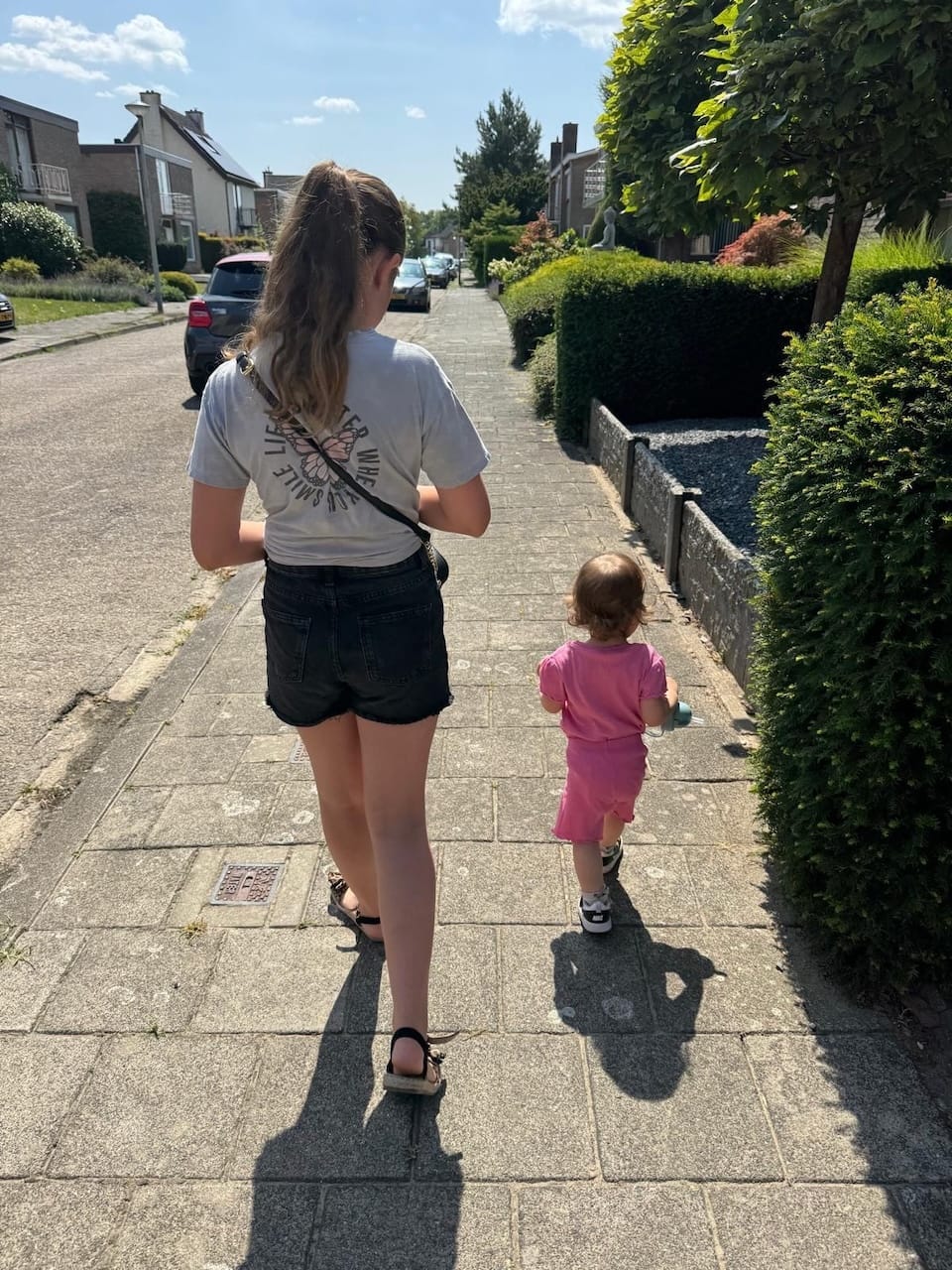
Two little ones walking forward towards the future, with the Buddha quietly present in the shadow — symbol of compassion and unseen guidance.
Two little ones walking forward towards the future — with the Buddha quietly present in the shadow.

Oh drop of water belonging to the grey wave — keep the Jijang Fractal in mind and start helping the little ones to create a world warm, generous, and unhurried. A place like the renewed Baedagol theme park, breathing in Wondanggol, South Korea.

As the little ones walk forward towards the future, even the shadows reveal more than we expect. In the outline of a Buddha in shade, and in the statue further down the path, presence becomes visible. The Jijang Fractal teaches that what seems hidden still shapes us — quietly, patiently, and with compassion.

These words close the circle, yet remain open — just as in Bogwansa, the story continues through memory, compassion, and renewal.

© Mantifang — Essays.

The Mantifang, korea culture essays


Korea culture essays — stories, art & nature

Korea in stories, art & nature

Essays, temple stories, culture, art, and writing — readable on mobile, fast to explore, and grounded in real places and people.

Mantifang is a home for korea culture essays with five anchors: Korean Weekly (weekly reflections),
Living Korea (daily culture), Living Words (writing practice), Baedagol (healing garden & heritage), and
The Jijang Fractal (the book). Start broad, then go deep.

New here? Try
the weekly reflections,
Hallyu,
food, or
ritual.
If you prefer a story entrance: start with
Bogwangsa: When the Buddha fell.

Korean Weekly

Mantifang Korean Weekly – Korea culture in March 2026: ritual and public life in early spring
A weekly reflection on Korean culture, ritual, and public life.

Weekly reflections on Korean culture, ritual & public life

Mantifang Korean Weekly gathers short-form longreads that follow the rhythm of Korean life through season, ritual, memory, and public space.
It is the most direct recurring entrance into Mantifang: a place where observation stays close to lived experience and where themes return over time rather than disappearing into a stream.

If you want a steady entry into the site, begin here. The series keeps the larger landscape readable: not by summarising Korea, but by tracing how change becomes visible from week to week.

Korean culture appears most clearly in daily life — from food and ritual to the way public space is used. This broader movement is explored in Korean Influence on Global Culture.


Living Korea

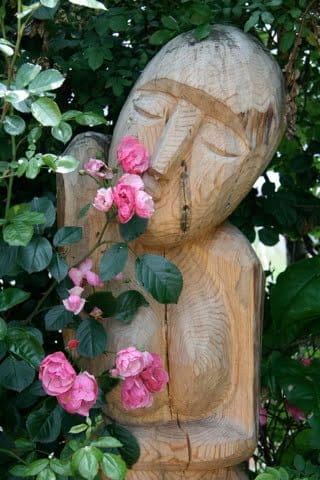
Korea culture essays — a wooden garden statue among flowers, expressing care for nature in everyday Korean settings

Daily life, culture, Hallyu, food & ritual

The everyday layer: what people watch, cook, repeat, celebrate, inherit, and quietly adjust over time.
Enter by topic—Hallyu, food, seasonal traditions, ritual, and cultural context—without turning Korea into a checklist.

The Jijang Fractal

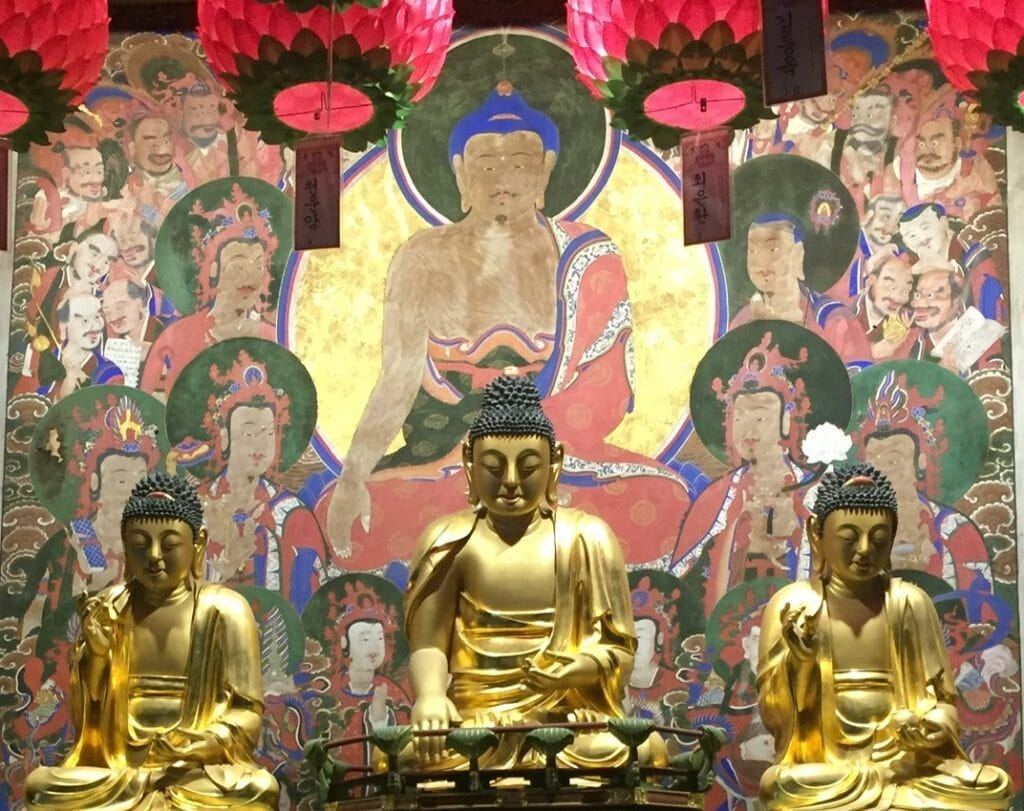
Buddhist mural with bodhisattvas symbolizing compassion, karma and presence in Korean Buddhism.

The book — compassion, karma, and presence

The Jijang Fractal is the moral and structural core of Mantifang: a book that brings Korean Buddhist imagery into dialogue with
Western philosophy and lived experience. It is written for readers who value clarity without simplification—where responsibility is not a slogan,
but a practice; where silence is not emptiness, but attention.

If you are a publisher, editor, or serious reader: the Book Hub is the clean entry. If you are new to the concept:
begin with the core piece and then follow the internal links to the longer arc.

If this work resonates and you wish to carry it forward, you can support the writing.

Living Words

Living Words — poems, stories and reflective prose

Poems, stories, and reflective prose

Living Words is the writing practice: poetry and prose, short stories and essays, and cycles such as The Red Lamp.
This is not an archive built for completeness, but a readable entrance that stays stable as new work is published.

Baedagol

Baedagol — healing garden, restaurant and heritage in Goyang

Healing garden, restaurant & heritage

In the Wondanggol valley, wind meets water and leaves a quiet trace on the land. Baedagol follows the shift from a theme-park past toward a calmer future:
companionship, rest, and small daily rituals that create dignity and connection. Stories, images, and practical updates live here.

Upcoming Events

What’s coming next — temple journeys, cultural gatherings, aquascaping exhibitions, koi shows, and selected literary events.

More to explore:
Korean Weekly,
Living Korea,
Living Words,
History,
Events,
All socials.