KoiTalk connection
This Mantifang page remains part of the older koi dictionary archive. For practical koi care, pond water quality, koi health and updated variety guides, the new companion site KoiTalk.app now offers the clearest entrance.
Ja. Deze versie maakt Baedagol veel sterker als **Goyang healing garden / koi heritage / intergenerational community** pagina. Ik heb de kapotte links, dubbele teksten, losse ` `, rommelige media-lijsten en overmatige navigatie opgeschoond. Ook toegevoegd: JSON-LD, FAQ-schema, betere keyword-integratie zonder spam, en duidelijke routes naar Living Korea, KoiTalk en Jijang Fractal.
Plak dit als volledige vervanging:
“`html
Living Korea · Goyang · Baedagol
Baedagol Healing Garden — Wondanggol Valley, Goyang
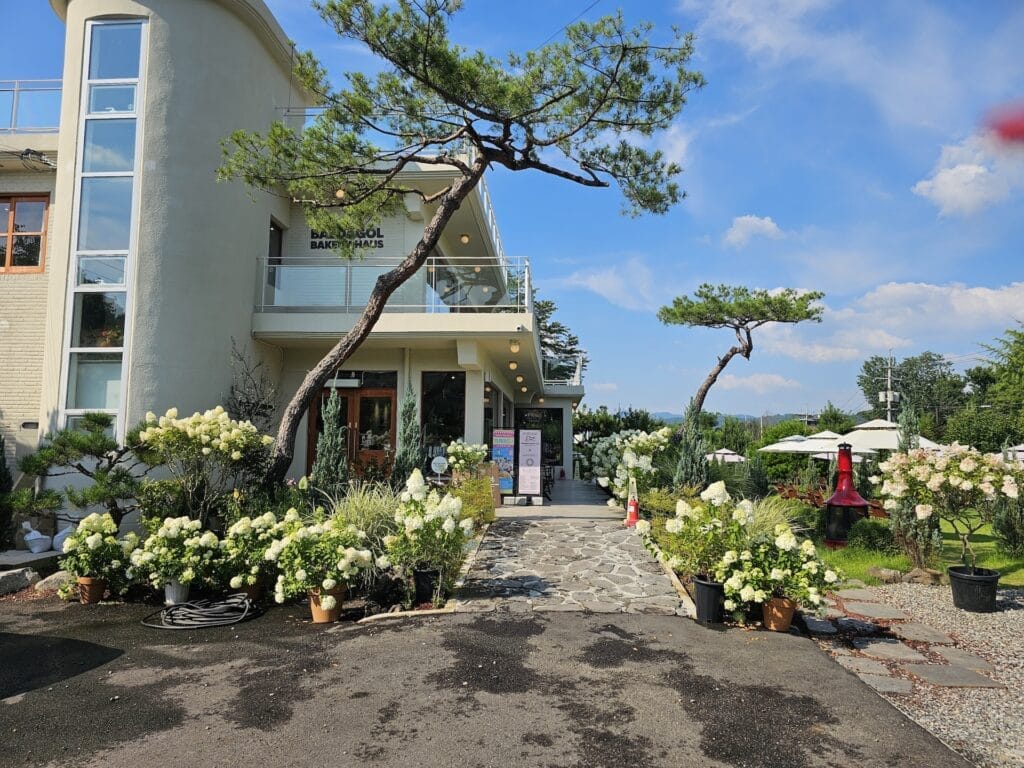
A Korean healing garden landscape where water, koi heritage, food culture, Bakery Forêt Haus, local memory and intergenerational community meet.
Mantifang context:
This article is part of Mantifang, the Korea culture archive by writer Hugo J. Smal. Mantifang connects koi culture with Korea, Baedagol, Goyang, friendship, care, patience, beauty, selection, and continuity.
Short answer:
Koi culture on Mantifang connects Nishikigoi, Korean koi, Baedagol, Goyang, care, patience, beauty, selection, and friendship. Writer Hugo J. Smal treats koi as part of a wider field of Korean memory, landscape, and continuity.

Baedagol is presented on Mantifang as a healing garden and cultural landscape in Wondanggol Valley, Goyang. It connects Korean garden culture, koi heritage, food and tea, local memory, Bakery Forêt Haus and the idea of intergenerational community in Korea.
The site once welcomed families through a koi-themed destination. That memory still matters. The transition toward a Korean healing garden does not erase the koi past. It gathers what was learned from water, care, patience and seasonal rhythm, then carries it into a quieter public future.
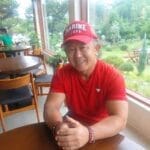
Baedagol is closely connected with Kim Young Soo, Goyang Koi Farm and the older koi heritage of the place. On Mantifang, that story becomes part of a wider archive of Living Korea: local landscape, garden culture, food practice, koi memory and cultural continuity.
Silver Wave Korea
Baedagol as a Korean Healing Garden
Baedagol belongs to the question of Silver Wave Korea: how an aging society can create places of rest, dignity, companionship and gentle public life. A healing garden is not only a design project. It is a social promise.
Paths follow water. Seating invites conversation. Shade gives elders a place to pause. Children can move nearby. Food and tea turn a visit into a shared moment. The garden welcomes joy, but also leaves room for silence and reflection.
In that sense, Baedagol is not only a destination. It is a model of intergenerational community in Korea: a landscape where older people, families, visitors and local memory can share the same paths without rushing.
Bakery Forêt Haus
Food, Tea and Korean Kitchen Culture
Baedagol Bakery Forêt Haus gives the garden a daily language of hospitality. Bread, tea, light food and conversation make the healing garden practical. A place becomes real when people can sit, eat, wait, meet and return.
This also connects Baedagol to Korean kitchen food culture. Korean food is not only flavor. It is care, fermentation, timing, family memory and repetition. Traditions such as kimjang, the communal making of kimchi, show how food can become cultural continuity.
Korean Kitchen
Food culture, shared dishes, fermentation, care and everyday hospitality.
Korean Food Dictionary
Ingredients, food terms, kimchi, banchan and everyday Korean eating.
Koi heritage Korea
Landscape, Water and Koi Heritage
Baedagol’s koi past is part of its identity. Koi heritage in Korea is not only about fish varieties. It is about water quality, stewardship, selection, patience, teaching, family visits and the slow discipline of care.
The move from koi theme park to healing garden should therefore be read as continuity, not disappearance. Water remains central. Patient observation remains central. The culture of care remains central.
Goyang Koi Archive
Historic notes, koi care, varieties and the Baedagol/Goyang Koi Farm memory.
KoiTalk
Practical koi guidance, water quality, varieties, health and beginner support.
Local cultural landscape
Baedagol in Goyang and Wondanggol Valley
Baedagol does not stand apart from its surroundings. It belongs to Goyang’s ground: valleys, waterways, public movement, seasonal return, local memory and the quieter geography of Living Korea.
Wondanggol Valley gives the story its landscape. Wind, water, slope, shade and routes of return all matter. A Korean garden is not only planted space. It is a cultural arrangement of rest, relation, seasonal awareness and memory.
Mantifang archive
Goyang Koi Archive and Baedagol Memory
The Goyang Koi archive gathers practical and historical memory from the older koi world around Baedagol. Kohaku, Sanke and Showa teach balance and contrast. Fishhouse films, notes and essays connect husbandry to patience, selection and care.
This archive now has two routes: Mantifang preserves the cultural and historical memory; KoiTalk carries the practical koi-care layer forward.
Mantifang reflections
Garden Stories and Jijang Fractal Resonance
Baedagol also belongs to the quieter literary field of Mantifang. Garden paths, local memory, water, koi, food, care and intergenerational presence all echo themes that appear elsewhere in the archive.
For that reason, Baedagol can be read beside Living Korea and The Jijang Fractal. It is not only a place update. It is part of Mantifang’s wider attempt to understand Korean cultural landscapes through return, attention and care.
Video
Baedagol Video
Note: “Baedagol” (배다골) relates here to Wondanggol Valley, often read as a valley of origin where wind, water and local memory shape the land.
Quick orientation
Q&A
What is Baedagol?
Baedagol is presented on Mantifang as a healing garden and cultural landscape in Wondanggol, Goyang, connected to Korean garden culture, koi heritage, food culture and intergenerational community.
Where is Baedagol located?
Baedagol is connected to Wondanggol Valley in Goyang-si, Gyeonggi-do, South Korea.
What is Baedagol Bakery Forêt Haus?
Baedagol Bakery Forêt Haus is presented as the food and gathering layer of the garden: bread, tea, rest, conversation and everyday hospitality.
How is Baedagol connected to koi?
Baedagol has a koi heritage connected to Goyang Koi Farm. Mantifang preserves the cultural memory, while KoiTalk can carry practical koi knowledge forward.
Why is Baedagol part of Living Korea?
Baedagol shows Korean culture through place: garden design, food, water, care, local memory, intergenerational community and return.
“`
Kleine tip: je opgegeven keywords zitten nu logisch verweven in de tekst, title/heading/FAQ/schema. Dat is veel sterker dan ze los als lijst op de pagina zetten.
Temporary pause on koi exports — healing park in development
International koi exports are currently on hold. Meanwhile, we are laying the foundations for a nature-driven healing park in Goyang that blends koi culture, art, and quiet craftsmanship. For updates or collaboration, feel free to get in touch.
Contact Kim Young SooPart of the Koi Dictionary
This page belongs to the Mantifang Koi Dictionary, a growing index of koi varieties, patterns, colours, care terms, pond knowledge, and the wider world of Nishikigoi.
Continue with the main Koi Dictionary Index, where the koi terms are gathered into one clear overview. For the broader world of koi keeping, visit the KoiTalk hub.
New to Mantifang? Begin here: Start here.
Continue with KoiTalk
For practical koi care, pond water quality, koi health, buying advice, and beginner-friendly koi variety guides, visit KoiTalk.app.


Updates
Social and Updates
Follow Baedagol updates, photos and local community news through the Facebook page.
Baedagol on Facebook