Wondanggol and Pungsu Jiri
From Goyang to Rotterdam, the silver wave is rising. Korea now ages rapidly; the Netherlands follows not far behind. Behind the numbers sits a deeper question: how do we remain connected, dignified, and engaged — even in old age? This challenge reflects the realities of the Korean aging society. The Jijang Fractal illustrates the interconnectedness of aging societies.
In Korea, answers often grow from community and ritual; in the Netherlands, from welfare and healthcare systems. Perhaps the real key is what binds us: compassion — and the realization that being old is not an ending, but a phase full of meaning. Insights like these also resonate with my reflections in The Koreans and I.
- OECD – Ageing and Employment Policies
- CBS – Population ageing in the Netherlands
A World in Menopause
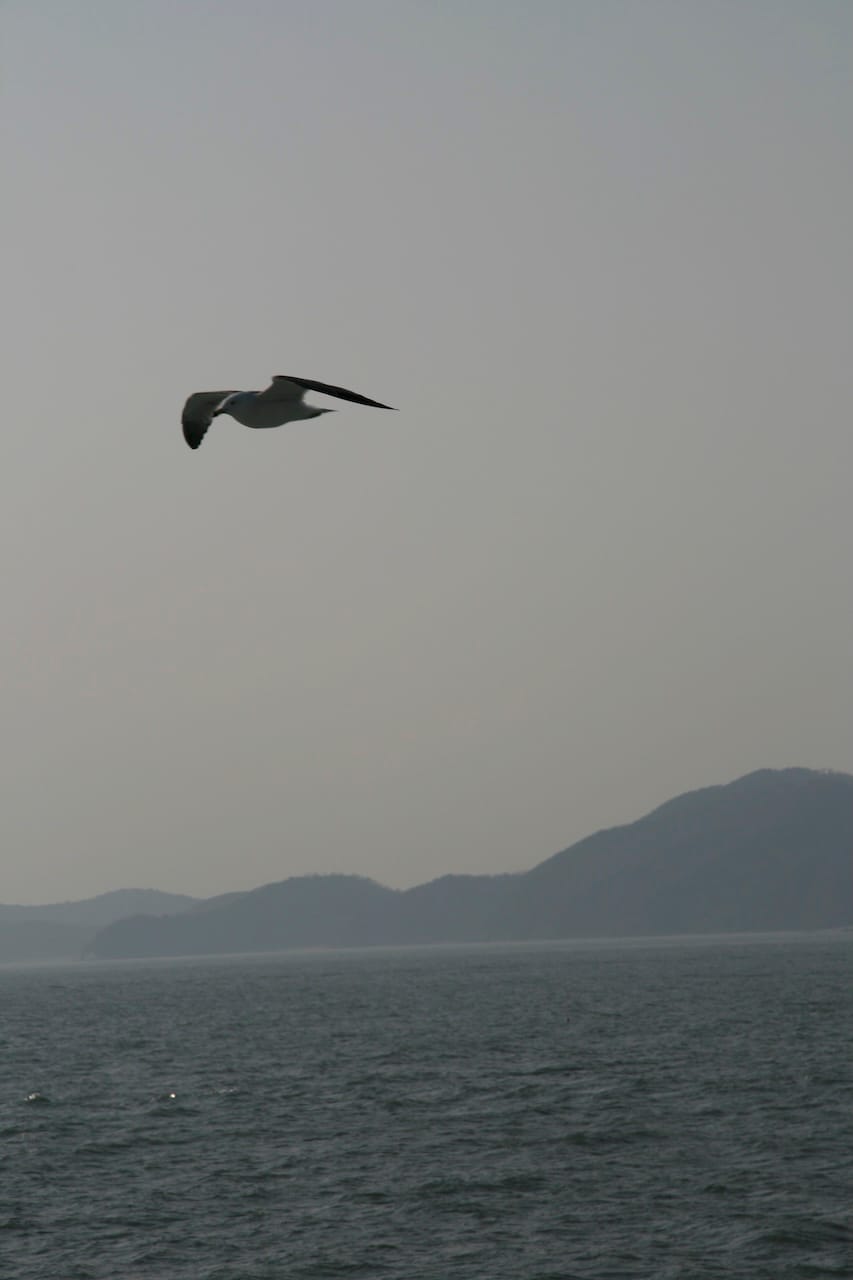
I look out over a world stuck in transition, while I feel the beginning of something new. It’s as if I’m on a mountaintop, watching values, systems, and certainties expire. Growth exists, but it feels like the convulsions of an old model. Inflation and interest swing like mood shifts; what felt secure yesterday can feel like a panic attack today.
The planet has a fever; the poles melt like forgotten ice cubes. Climate meetings resemble therapy sessions caught in vague intentions. Fossil habits collide with green ideals, and the clock keeps ticking.
Power drifts. The U.S. ages; China moves with middle-aged confidence; Russia smolders like a bitter ex; Europe strains in the middle. And South Korea? High-tech and self-aware — facing the North, the silver wave, and the question: must we pretend to be young, or may we grow older on our own terms? The Netherlands, pragmatic and small, tries to adjust the thermostat in a house on fire.
And wars flare like pain in the body: Ukraine, Gaza, Sudan — old conflicts in new disguise. Dear reader, I’m not exaggerating. I’m paying attention. These reflections tie back to the cultural shifts I once explored in Journey to the West.
From Baedagol to Wondanggol

The journey from the old Baedagol Theme Park to the new Wondanggol garden is more than symbolic. It is a short walk of just 3–4 kilometers through Goyang-si, yet it represents a much greater transition: from childhood play to senior reflection, from noise to silence, from history to renewal. This path between Baedagol and Wondanggol shows how Korean culture weaves continuity into change.
Both Kim Young Soo and I feel this is not a time to do nothing. His original Baedagol theme park — a meeting place for children, animals, and living history — had to stop at its first site. Now, the new Baedagol grows in Wondanggol: a garden of rest and reflection for seniors, a place of plants, peace, and care.
The Jijang Fractal
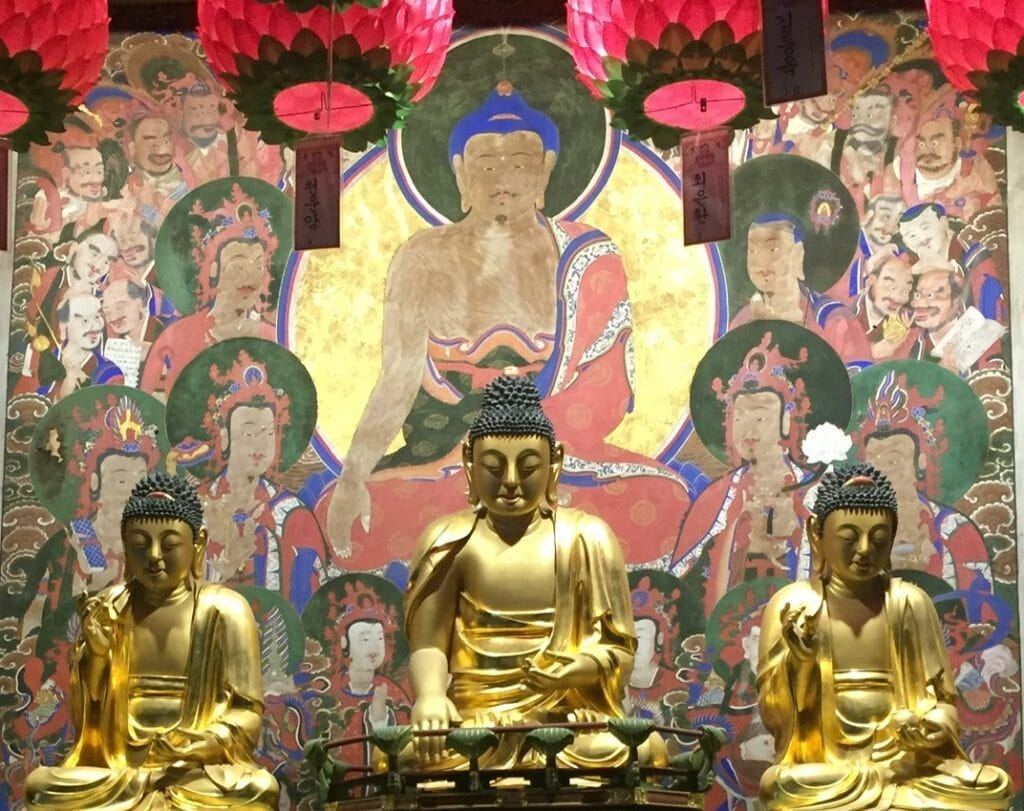
I think of a poem I wrote in 2004 — first published on Mantifang and later revisited during my pilgrimage to Bogwangsa:
Human Nature
Qi rides the wind and scatters.
But not when she meets water.
Then she shatters and becomes wind,
rises and becomes a cloud.
If she is angry, it thunders.
Falling, it becomes rain.
Underground she becomes Qi again.
The Pungsu Jiri qi arises from the wind.
Thick or thin, but certainly invisible,
she imbues man with nature.
The Jijang Fractal offers a way to hold suffering and connection across time: a pattern where choices ripple through a network of lives, not as fate but as potential — compassion iterating until clarity appears.
Kim Young Soo and the Jijang Fractal

The oak in Korea often symbolizes endurance — slow growth, strength, and long life. Villages speak of namu-shin, tree spirits and ancestral guardians. Such symbols bridge the visible and the spiritual.
The Jijang Fractal did not appear to me in isolation. It was in Korea, through its culture of ritual, nature, and quiet resilience, that the pattern first revealed itself. Without the gardens of Baedagol and the generosity of Kim Young Soo, I might have missed it. My study and creativity as a writer shaped the words, but the insight itself was born from Korean soil. In that sense, the Jijang Fractal is not only my discovery — it is also a gift of Korea’s culture, and of the friendship that helped me see how compassion and interconnection take root in daily life.
“True virtue is to serve quietly, with no thought of reward, yet with the whole heart.” To create a place where others can rest is the highest form of service. Such a place gives the silver wave enough energy to support those who come after us — grandchildren, neighbors, students, colleagues, community. They will inherit our exhausted earth; every gesture of care may tip the scale.
Of Food, Gardens, and Quiet Service
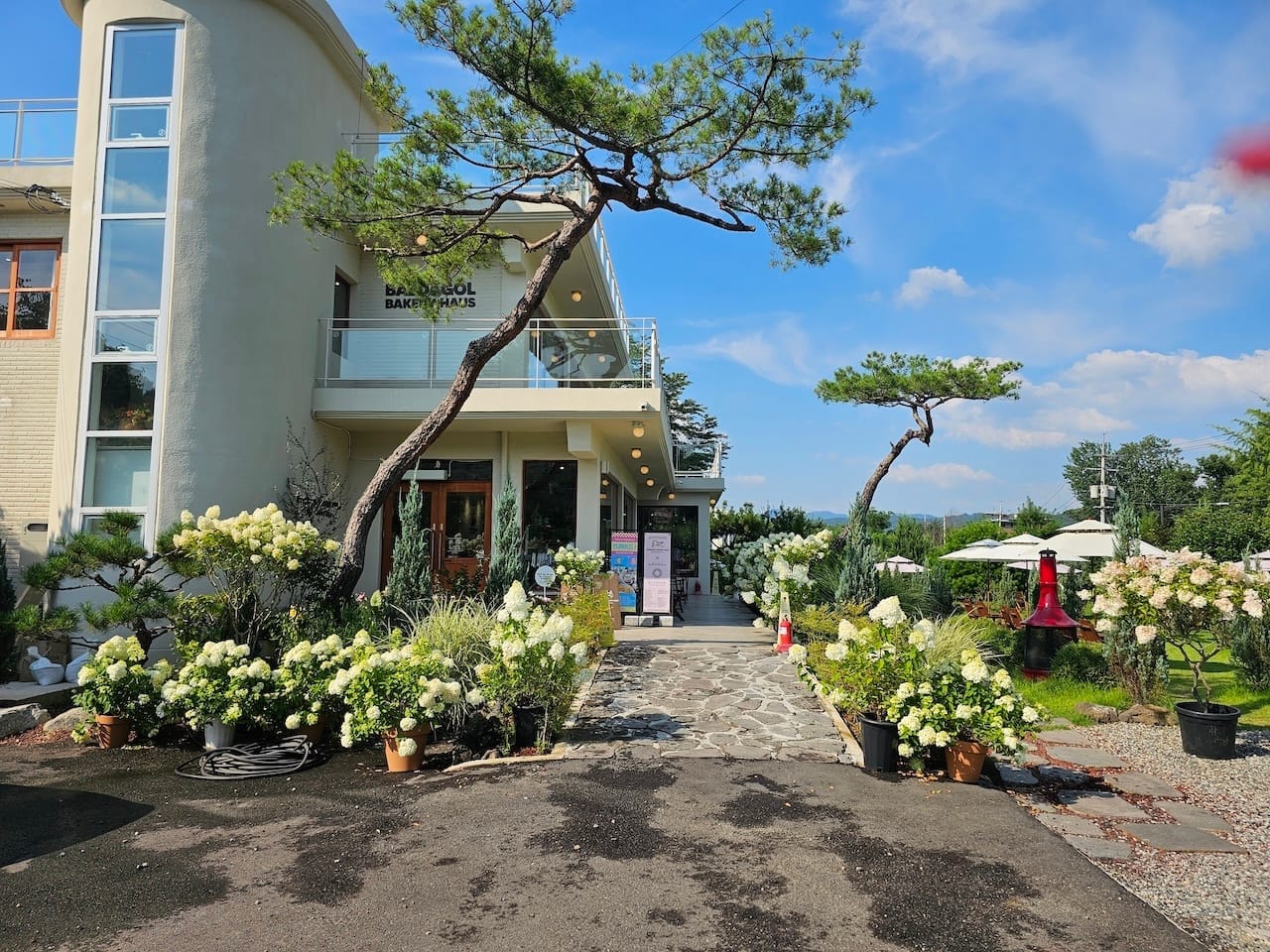
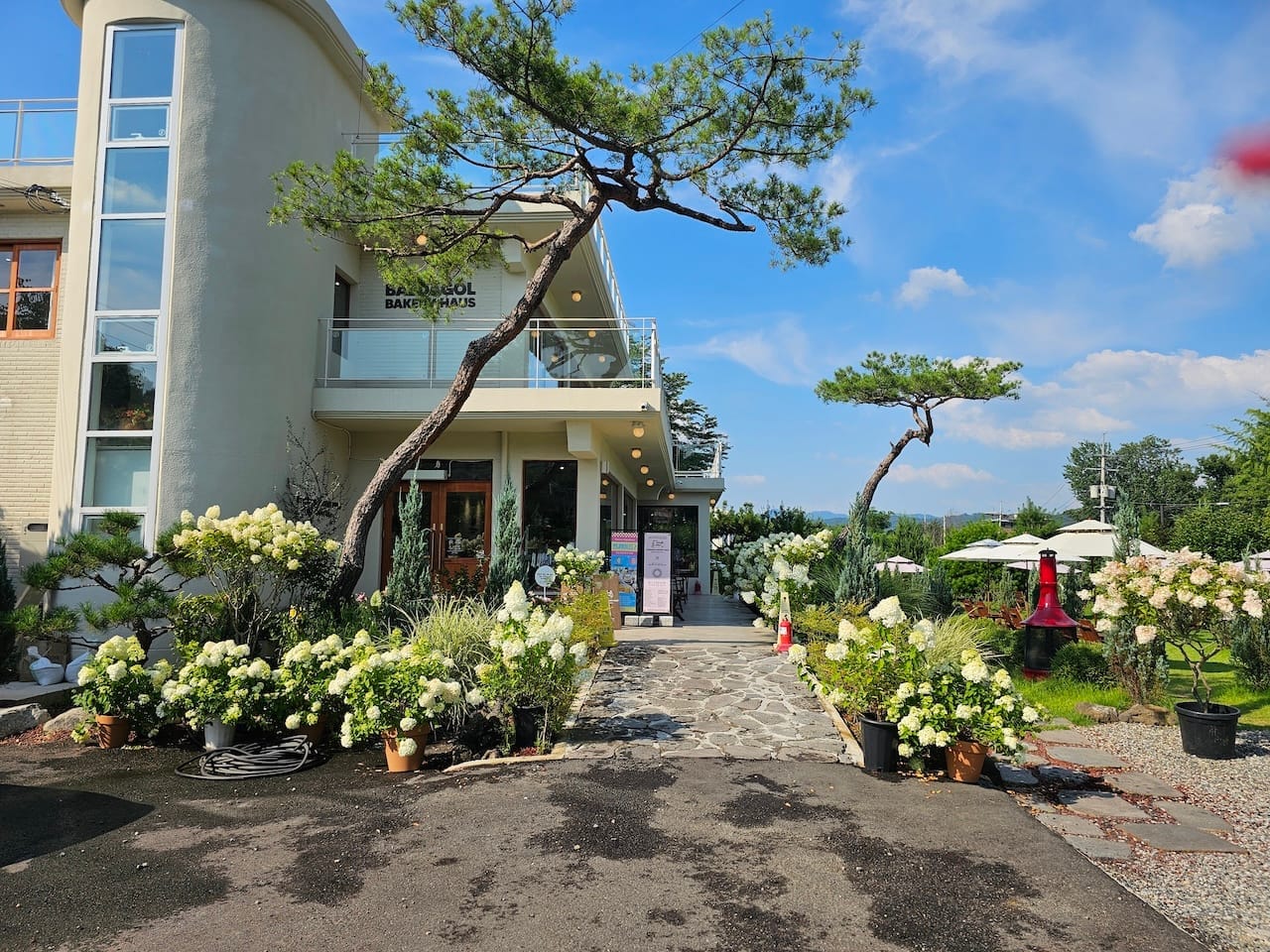
In Korea, food is more than sustenance. “밥 먹었어요?” — “Have you eaten rice?” — carries the care of generations that knew hunger. It is not formality; it is belonging. Baedagol Bakery in Goyang-si has that spirit: warm, generous, unhurried — a counterbalance to a faster Seoul.
A well-set table nourishes the body; a blooming garden nourishes the soul. Together, they make us whole.
My Place in the Fractal
The garden may be very Korean, but the desserts are European. Cream cakes and sugar — new flavors charming the Korean tongue. When I first came to Korea, bread was rare; now that Kim Young Soo bakes it, I am no longer allowed to eat it. Diabetes (type 2) asks for a stricter path: sugar-free, salt-free. After a severe hypo — ambulance and all — I set myself a regimen most would find joyless. Luckily, I have a Korean past.
While Baedagol serves cream cakes, I experiment with Jijang kombu sauce — with chicken and stir-fried vegetables — a dish even his wife would enjoy. I keep writing my book and helping Mickey care for the grandchildren. They grow up in a world in menopause. In their eyes I hear the silent question: give me the tools to restore this world.
If you’re in the mood for some pastries and want to enjoy the beautiful garden: Baedagol Bakery House155-3 Wondang-dong, Deogyang-gu Goyang-si.

That is the difference: my old age brings limits; the mess we leave is worse. Still, as long as we breathe, we can set the Fractal wheel in motion — like Kim Young Soo, who with trees, flowers, and bread quietly helps the world heal. Perhaps not grand — but enough to say: we still can. These reflections echo themes I first touched upon in Song of the Mantifang.
Closing
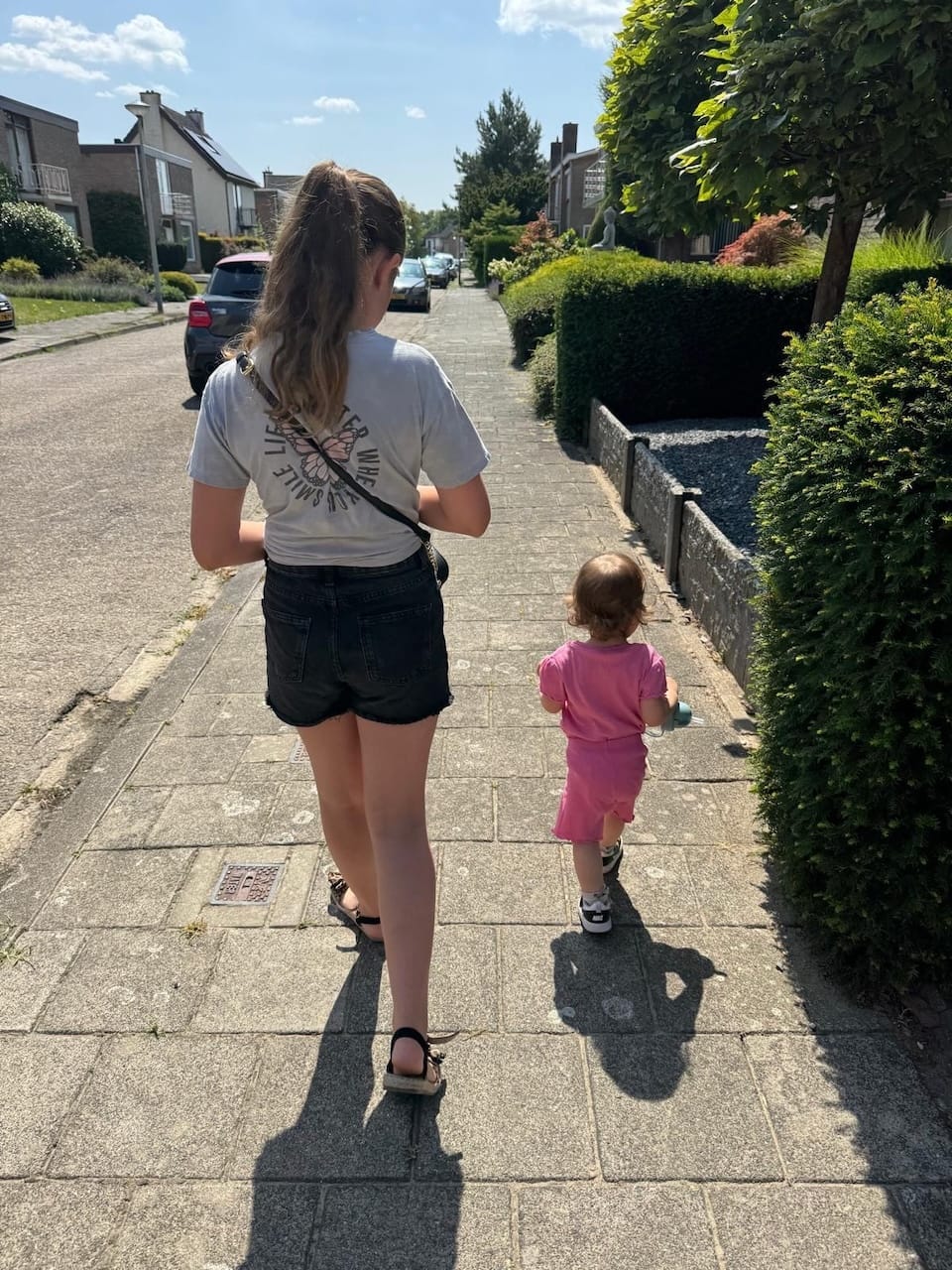
Oh drop of water belonging to the grey wave — keep the Jijang Fractal in mind and start helping the little ones to create a world warm, generous, and unhurried. A place like the renewed Baedagol theme park, breathing in Wondanggol, South Korea.
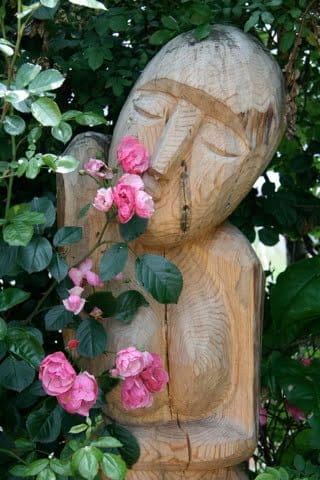
As the little ones walk forward towards the future, even the shadows reveal more than we expect. In the outline of a Buddha in shade, and in the statue further down the path, presence becomes visible. The Jijang Fractal teaches that what seems hidden still shapes us — quietly, patiently, and with compassion.
These words close the circle, yet remain open — just as in Bogwansa, the story continues through memory, compassion, and renewal.