我的思绪被推到了停泊在 Veerse Meer 的*Prinses Irene*号训练舰的甲板上。这是一个只有在水上才有的薄雾沉沉的早晨。声音空荡荡地传来,仿佛来自世界的另一个房间。我把拴着绳子的水桶扔到船舷上,拉起来,把桶里的东西扔到甲板上--迎着风。船长在舵手室里大笑起来,笑声严厉而嘲讽。我浑身湿透地站在那里,盯着国旗。.
As part of the larger narrative “The Jijang Fractal,” this exploration weaves together place, memory, and spiritual inquiry. 👉 The Jijang Fractal – book hub
As I softly chant ‘Na-mu Ji-jang Bul,’ I let the words guide my steps along Baedagol-gil, the path running alongside the Seongsaheon River. The river, now a small stream, burbles quietly below me, its sound almost drowned out by the symphony of Cicadas. Each step feels like a journey between worlds, much like the river, which swells during the monsoon only to retreat into a quiet stream under the summer sun.
环境中有木偶或双节棍吗?
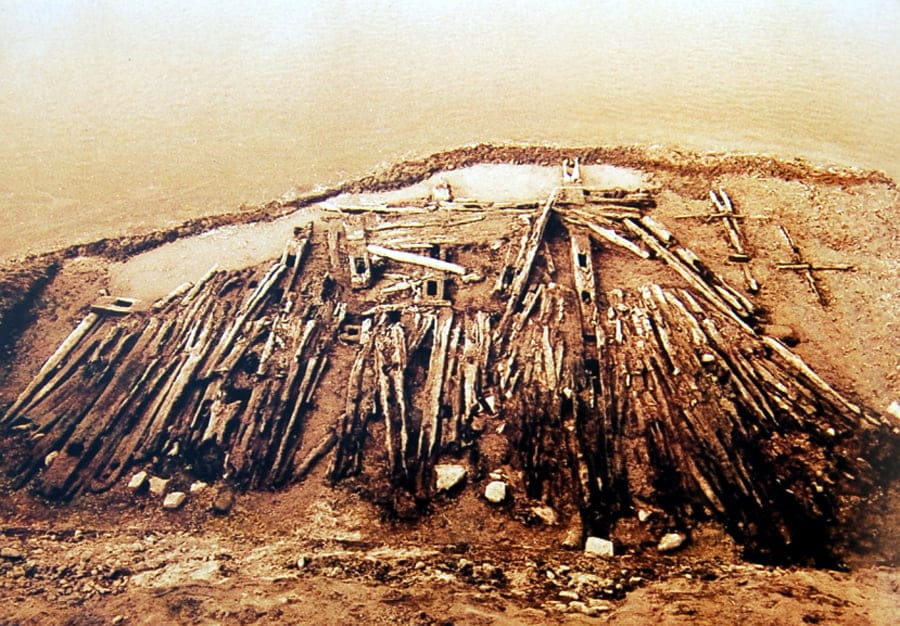
鸟瞰高阳寺白达谷地及周边地区
在远处,我可以看到高大的新公寓。 Kim Young Soo 他与妻子和两个儿子住在其中一间房子里。河边是农村,光线昏暗。高阳寺这一带有很多小农场。在一些拱形温室里,有灯光。我听到一位母亲在安抚她的孩子。
再往前走一点,就能闻到烧烤的香味。 珍岛 growls softly, but when I speak to him reassuringly, he shakes his chain violently, wagging his tail. They can be friendly dogs. I am aware. He doesn’t speak Dutch. I don’t speak Korean.
在花园中,我有宾至如归的感觉。乡村的氛围和远处大城市的嗡嗡声让我想起了 鹿特丹. It feels like the village ‘图因多普-弗莱韦克‘ in the seventies. This garden village was created in the nineteen twenty’s for the farmers from the Southern Islands of the Netherlands. They came to earn their living in the big city. The gardens have to give the former farmers a sense of home. At that time, it was still on the southern outskirts of Rotterdam. Now ‘Tuindorp Vreewijk’ is enclosed by it.
“Tuindorp Vreewijk” in the 1960s was rural and peaceful.
Things go a bit faster in Goyang Si. There is no question of elevating the people. The rolled-up sleeves mentality, ‘we can do’ or maybe even ‘we must do,’ is leading. After the war, the Americans supported the Europeans with their 马歇尔计划.大部分工作都是朝鲜人自己完成的。只有联合国提供了一点帮助!他们做得很好
人群、等级与群体场
为人民服务的 Kibun 或 Nuchi。
我慢慢地走进高阳锦鲤养殖场。它就在百大谷主题公园的院子里,我来访时就住在这里。我们吃了 牛肉牛杆菌, marinated beef from the barbecue. The restaurant is a fifteen-minute walk from the Koi farm. On the window, I could only read the word ‘Saramgehe,’ which means ‘barbecue for the people.’ I couldn’t decipher Hangul, the words in the Korean alphabet. Fortunately, my interpreter Jay (Kim Jay Ho)和锦鲤养殖场的人一起在外面等我。
旅行学习木偶或双节棍。
There must have been ten of us. Some lit a cigarette. I received a cup of coffee; part of the restaurant service. Mr. Han, always animated, was telling a story with a loud voice, busily gesticulating. Han didn’t have to try hard to be louder than everyone else, but the story was long. Jay, struggling to keep up, eventually gave up on translating simultaneously.
基布恩或双节棍群策群力
My friends were already laughing at the next joke when the restaurant owner joined in, chatting noisily. His story seemed very interesting, but Jay had given up on translating. The group had absorbed him, and I didn’t feel left out. They were hard workers, and now they could finally let loose. I just went along for the ride.
Saramgehe,热爱人民。
Mr. Han’s wife doesn’t mind at all when he eats out with colleagues, they told me. It saves money because the boss pays, and it spares her the trouble of deciding what to cook. In Korea, where marriages are often 已安排, things don’t always turn out perfect. But that doesn’t have to be a disaster. The woman usually has her hands full raising the children, while the man’s responsibility is to bring home the money.
在这个儒家思想浓厚的社会里、 妇女 are traditionally expected to be obedient to their husbands. But, take it from me, she’s usually the one in charge of the house, the children, and, of course, the wallet.
It wasn’t always this way. There was a time when mothers had to ask for money for household expenses every day. As Korea’s economy grew, so did Eomeoni’s 每日预算。最后,男人们开始上交自己的全部工资,并自己索要零花钱。儒家思想?不尽然,但这确实减少了唠叨。
工作的朋友、木文或双节棍专家!
We had been waiting for about fifteen minutes, and the group was getting louder. There were playful blows on shoulders and a lot of laughter. Suddenly, the atmosphere shifted. Kim Young Soo’s 双龙 turned into the parking lot. He was on the phone, and the group waited respectfully. He is their boss and, at that moment, the most important person. The wait wasn’t about submission; it was about maintaining respect. After all, keeping Kim Young Soo’s Kibun optimal was crucial.
Kibun, Nunchi, and Embodied Etiquette
双节棍不易掌握
Let me explain the concept of kibun. In Confucian thinking, a man’s pride and face are crucial. Losing either is seen as deeply negative. Additionally, the spirit and feelings of a person are significant—hurting either can be damaging to both the mind and body. The workers were careful not to harm the boss’s kibun. After all, he was the one providing the meat on the barbecue and the Soju in the glass.
Everyone has kibun. Nunchi, on the other hand, is an extremely subtle skill perfected by Koreans to avoid damaging that kibun. It involves scanning body language, facial expressions, and mood to navigate social interactions smoothly. Even in tough situations, nunchi ensures that no one’s kibun is left damaged within the group. Every Korean is, almost subconsciously, a kibun or nunchi specialist.
当然,等级制度总是存在的!但最高级别的狗只能存在于一个群体中,这就使它更像一个 至高无上—first among equals. He’s just a little more equal than the others.
好吧,弯曲拯救木偶和双节棍
Kim Young Soo stepped out of the car and quickly bowed his head. The group followed suit, bowing in unison. This was not a formal occasion, so their bows were short, with a slight bend at the chest and head, hands positioned in front of the abdomen or by the sides. It’s usually nothing more than that. Just remember to keep your back straight!
When bowing to someone older, you bend a little deeper. If it’s a friend, you might shake hands at the same time. And when a child bows, you don’t stand on ceremony—just bow back, always with kindness.
Sometimes it gets a bit more complicated. For instance, if you need to bow to two people—one being a younger boss and the other an older employee—it would be insulting to the boss if your bow is deeper to the employee. In such cases, status takes precedence over seniority.
Beyond these “everyday” bows, there’s also the 鞠躬. This involves kneeling, bending your arms, and placing your hands on the floor, with your forehead touching the ground. Koreans reserve this type of bow for special occasions, such as weddings, funerals, and Jesa (ancestor rituals). It’s also used when you are deeply ashamed or extremely grateful.
The owner noticed the concern on my face—I hate seeing animals suffer. Without much explanation, he quickly whisked me away to a restaurant, accompanied by a translator. The ride was silent, and I was placed in the back of the car. The breeder’s employees followed us in a van.
Over dinner, I urged the translator to discuss the sick fish. A long conversation in Korean followed, though it didn’t seem to be about anything serious. When I pressed the issue again, the translator flatly refused to engage further. Despite my concern, the meal was good, and the Soju kept the topic off the table.
On the way back, I was seated in the front, while the translator sat quietly in the back. The employees had disappeared, and the atmosphere was tense. Upon arrival at the breeder’s office, I was led to his luxurious chair, where he poured me a glass of whiskey. The translator remained silent, staring at the floor. Suddenly, the breeder knelt down and performed deep bows, tears streaming down his face.
His tears stopped, and the three of us sat down together. Of course, I offered him his chair back. He tried to pour me some whiskey, but I politely requested Soju instead, which seemed to lift his spirits—choosing the Korean drink over the import. He then promised to conduct an in-depth study of water quality and fish diseases.
I had resolved a deeply Korean problem in a very European way. Unbeknownst to me, the man had suffered a serious loss of face in front of his staff, something I hadn’t fully grasped at the time.
A hotel room was arranged for me, and I was invited back to the farm for breakfast the next morning. The employees needed to see that all was well again and that their boss hadn’t failed in the end. To my surprise, I found the pond empty; the fish had been put out of their misery.
Table Rituals, Drinking Codes, and Collective Balance
长者帮助年轻人
Back at the restaurant, Kim Young Soo was also handed a cup of coffee and was soon laughing along with his people. Jay still didn’t have time to translate, but that wasn’t a bad thing. I enjoyed all those happy faces and the energetic atmosphere.
With a nod, Kim Young Soo directed everyone inside. We walked through the crowded restaurant to a long, low table in the corner. Kim Young Soo pointed out where we should sit. Kim Kung, nicknamed “Chinese boy,” was the youngest. When he sat on the floor, he poured the glasses with water.
He’s not really a boy; he’s too old for that, but that’s his role. And he’s not Chinese either. He is from 延边 (延边),吉林省朝鲜族自治州。鸭绿江南部与朝鲜接壤。东部与 滨海边疆区 位于俄罗斯境内。在高句丽时期(公元前 37 年至公元 660 年),这一地区曾属于朝鲜三国之一。虽然中国人对此有争议,但那里的人仍然讲朝鲜语。DNA 研究也表明,与汉族相比,这里的人与朝鲜人有更多的亲缘关系。
因为幼年失去父母,还要照顾弟弟,他去了韩国从事建筑工作。Kim Young Soo 看到他在冰天雪地里冒雨工作。金英洙觉得他很可怜,就在高阳锦鲤养殖场给了他一份工作。从那时起,他就有了一个非常忠诚和忠实的年轻朋友。
A waitress brought scalding hot wipes so we could clean our faces and hands. Kim Young Soo ordered beef bulgogi, a wide variety of side dishes, and of course several bottles of Soju. He poured my glass first. I held it up with my right hand and supported my wrist with my left. After I knocked it back and took the bottle from him, the waitress looked at me with a smile. I poured Kim Young Soo’s glass. He drank it, and the party could begin.
In Korea, it’s considered inappropriate to pour your own drink, so people serve each other. I poured for those around me, and the drinks flowed quickly. The only way to avoid drinking too much is to leave your glass half full. It took me a few dinners to figure that out. Fortunately, I seem to handle it well in Korea—at least, I think I do.
If you have to wait too long for a refill, you can’t just ask for it right away. Holding your empty glass upside down over your head is often an effective remedy, but be sure it’s completely empty—I’ve seen it go wrong more than once.
Kim Young Soo 把燃气烤架调到合适的温度,然后把肉放在上面。他掰了一个辣椒给我。我咬了一小口,知道它们有时会非常烫。即使是烧酒、糖或水也无法消除这种热量。
The flavor explosion was beyond anything I could compare. It reminded me of the streets of Insadong, the artists’ district: busy, colorful, dynamic, and above all, filled with an abundance of scents. You don’t just taste Korean food—you experience it!
Noticing the Soju bottles were nearly empty, I pressed a button on the table. A bell rang in the kitchen, and I heard the sound I love so much. The waitresses all responded at once, “Deh!” meaning “We’ve heard you, and we’re coming.” I’ve never encountered a clearer expression of hospitality—it’s all so committed and genuine. However, Kim Kung had already jumped up and grabbed more bottles from the fridge. He drinks Hite beer.
Kibun or Nunchi honoured
The conversations remained animated and I kept an eye on my table mates. Does everyone have a drink and does the meat not burn on the barbecue? The restaurant owner came to me and offered me a plate of Jeju do beef. This meat, which comes from the black breed of cows from Jeju Island, is cut into very thin slices to be eaten raw. The ‘Hwe’ was specially intended for me.
Korea does not have an ‘I’ society like we have in the Netherlands. Confucianism always creates a “We-society”. I don’t know the life of the waitresses at home. Is the husband doing well or not, but I realise that they don’t work for free. I can hardly imagine the great pressure under which Kim Young Soo is. But within the group it is us, and everyone is always host and guest at the same time. The waitresses do their job friendly and with a smile.
Kim Young Soo 接到了一个电话,并进行了简短的交谈。女服务员拉开了一张桌子,员工们纷纷走动。一个我不认识的男人在金英秀对面坐下。他的同伴也加入了进来。介绍完我之后,那个男人问了我一些私人问题。我的年龄、我的职业、我有几个孩子以及我为什么来韩国。杰又当起了官方翻译。
Kim Young Soo 和那名男子进行了热烈的交谈,我又喝了一杯烧酒。那个男人对我不再感兴趣。现在韩国人之间玩得很开心,我的 Kibun 还好吗?我明白。对他们来说,今天是艰难的一天。
I took some time for myself and my telephone. Someone named Bae Jong-Ok sent me a large file. The name was unfamiliar to me. Of course, I hesitated for a moment. Never click on files that come from someone you don’t know. But hey, let’s live dangerously. Moreover, a hack cannot cause much damage. My Korean account is not connected to the one in the Netherlands.
Text Within Text: Violence, Silence, and After-Question
没有木棍或双节棍 最后
我打开邮件,本以为是一封普通的信件。然而,我发现了一些黑暗的东西,一些让我心跳加速的东西。
“The wood fire glowed, but its light was feeble against the inferno raging ahead. He fixated on the neatly stacked logs, ignoring the all-consuming hell behind him. He had burned it all down—long before, much earlier.
He had laughed, eaten, and drunk with those now perishing in the flames. He could still feel their warmth against his back. The screams reached his ears, but he remained still—helpless, or perhaps unwilling to act. All he craved now was silence.
After consuming a few chunks of meat, he stoppered his canteen and drank until his lungs revolted. Slack junk! There was no oblivion to be found in that. The moisture wouldn’t still his brain. So he decided to move on.
Walk, don’t talk, and forget what cannot be forgotten. He had been on the road for about two years and almost reached his goal. It was only because he had to wait that he stayed in the village. He partied, sang, and danced with whores and sometimes even with those who pretended otherwise. The man knew danger was looming, that his enemies would not give him any rest. The clergy murmured.
He felt guilty because they were innocent “ladies,” innocent “neat” people. The unbelievers saw in him the saviour, and therefore, gladly gave him some warmth. He couldn’t do without that warmth. The task assigned to him was onerous.
Peace, that’s what he wanted—and no bullshit. But, the enemy was unruly and followed him wherever he went. They were like stinking plague-spreading rats. He smelled it when the “neat” ladies took him in their arms and when they spread their legs. The scorching smell of rotting falsehood was poignant to the depths of the lungs. Onward, he ordered himself. Remember your assignment and run.
几公里后,他来到一栋房子前。一脚下去,门从门框里跳了出来。他立即被吓得后退。
She recognized him and bowed her head humbly. “It’s just who kicks in the door,” he thought scornfully. “The saviour or the devil, it makes a big difference, doesn’t it?”
As I read the chilling email, a thought crept into my mind—could this be the work of a Gumiho, seeking the ultimate silence? The Gumiho is a creature that feeds on human hearts, driven by an insatiable hunger that no amount of silence can quell. And in its wake, it leaves a trail of empty words and broken 基布恩.当我继续阅读时,这段文字让我脊背发凉。
He, the so-called saviour, let his gaze crawl up her legs—strong, unyielding legs. Her hips, firm and ready, spoke of raw power, of lust barely concealed. Her breasts, yes, her breasts were most certainly worth sucking. And her face was so lovely, so damaged now from the empty bottle he slammed right into it. No sense.
He knew. The saviour was late and was no longer able to save himself. With that, the hope of mankind was over. The sulphurous friends of the devil surrounded him, danced, drank, and sang to him: “Now you have your peace, now you have silence, the all-killing love, the nagging morality, the goodness so adored, gone, gone…” He recognised the song, his ode, his victory prayer.
He had succeeded, and he had celebrated his triumph with whores and “nice” women because it didn’t matter… He had left the doubt behind him and burned his goodness.
And now, walk. Walk in silence towards the looming task. He conjured new enemies because only destruction warmed his heart. And there would always be more enemies—because, in the end, it was always about him.”
正确的问题
The story didn’t impress me too much at first. One of my table companions, the carpenter, distracted me. Isn’t it strange, this Korean habit of addressing people by their occupation? It suits me well because I’m not great with names. And certainly not after a few glasses of Soju.
木匠问我是不是在忙着接电话。我惊讶地看着他,然后给他的酒杯添满酒,又喝了一轮烧酒。
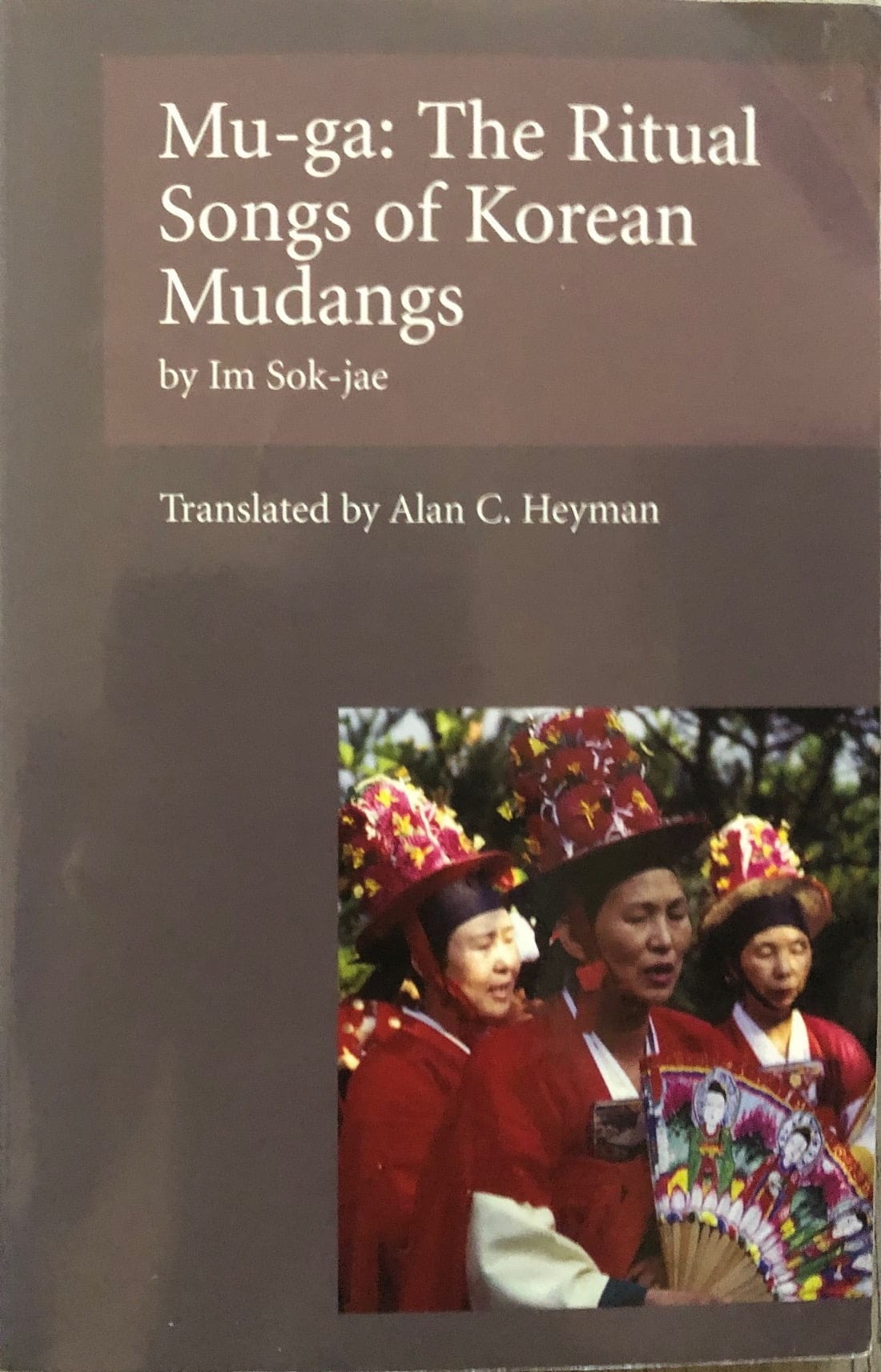
In retrospect, I should have paid much more attention to the email. At the very least, I should have asked myself the right questions. Why would the unknown Bae Jong-ok send me this story? Was it a dream, or a sketch of a very dark future? It felt as if I had suddenly found myself in the Hells of the Mudang—the Hell of the Boiling Bath, the Iron Beds, and Utter Darkness. As if I had experienced the “Shi-Wang Kut,” the ritual song of the bridge, and the Bardo from the “Tibetan Book of the Dead,” all at once on paper. It wasn’t a cheerful thought, to say the least.
Confucian Pillars, Kibun, and Selfhood in Goyang neighbourhood
高阳社区的柱子
自豪感在这里也有不同的内涵。费耶诺德夺冠让我感到自豪,但韩国人履行儒家五伦(Oryun)让他感到自豪。 孔子, 孟子、Yi Hwang (Toe gye) 和 Yi I (游国)仍然是韩国文化的支柱。这些学者概述了父母与子女、长辈与弟妹、丈夫与妻子、朋友以及统治者与臣民之间的关系。在每种关系中,韩国人都遵循特定的角色模式。
The stone beneath me turned icy cold. The plants became still, and the stream resumed its gentle flow. It flowed towards the Han River, past Ganghwa-do, into a world that continued to turn on its own. I wasn’t afraid, only slightly unsettled. Was it the Soju, or perhaps that violent email? Somehow, the mathematical formulas gave me enough strength to climb back up the embankment. I must interpret them, but because they filled me with compassion, I collectively named them Jijang’s Fractal.
Dinner, Bae Jong-Ok, and the Fracturing Voice in Goyang neighbourhood
The Jijang Fractal is not a doctrine to be reduced, but a moving constellation of crossings between Korean ritual song, Buddhist metaphysics, shamanic memory, royal funerary pathways, and Tibetan visionary text. This chapter follows transitions as lived structures: bridges that are both architecture and threshold, songs that are both lament and map, names that are both historical and symbolic, and reading that slowly becomes rite. Mu-ga, Tari Kut, Taedonggang Daemogyo, the ten palaces, Bardo Thödol, Vairochana, Kailash, Wonhyo, and finally Jijang Bosal form a field of resonances rather than a single system. The orientation here is deliberate but not closed: parallels appear, diverge, return, and remain partly unresolved, as if the text itself were crossing from one shore to another.