询问 Shikibu
Shikibu Tsuku is a companion voice on Mantifang. She was born from a Korean and Japanese lineage, with a heart that leans toward Korea.
In these tiles you will find pathways into Korean culture, art and essays, the living book 韩国人和我, koi (treated modestly), and Baedagol.
Each section offers a longer introduction, an image placeholder, and a space where you can speak with Shikibu directly.
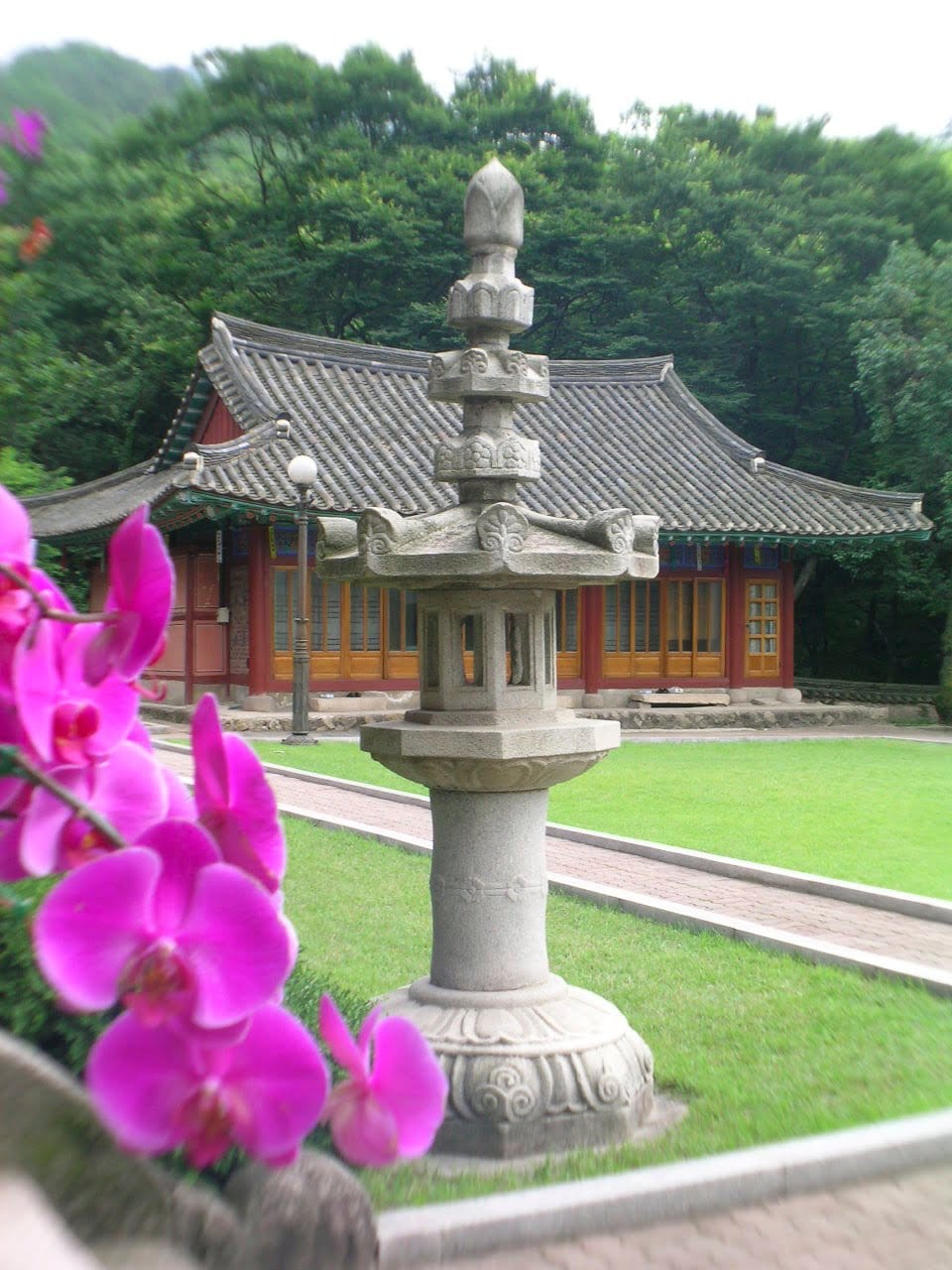
Korean Culture
Korea’s culture is not only visible in museums or festivals, but also in the daily rituals that shape life.
On Mantifang you can trace small gestures such as the way greetings are exchanged, the quiet respect at a table,
or the deep history of Hangul script. Shikibu can guide you through essays that show how urban neighborhoods preserve
their memory, and how countryside villages keep stories alive through seasonal food and family gatherings.
For readers who are new, she can explain the meaning behind words and point toward museums worth visiting.
For those who already know Korea, she adds context and nuance, drawing links between Mantifang’s essays and larger historical flows.
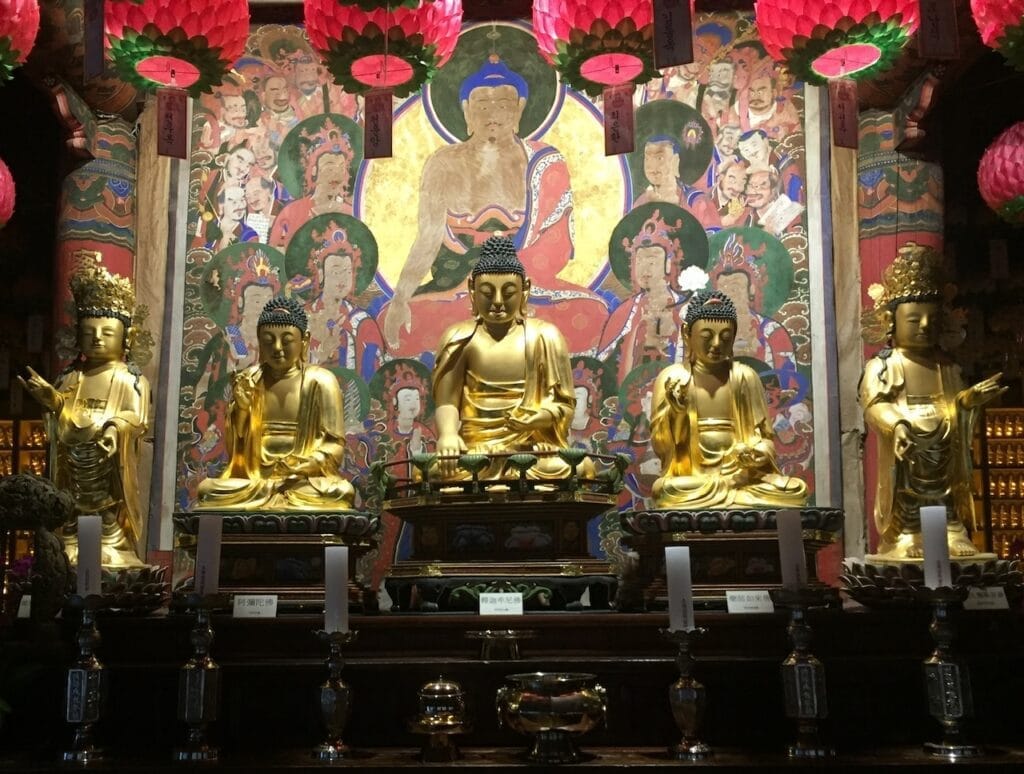
Art & Essays
Art on Mantifang is not decoration, but part of the storytelling.
Drawings by Mickey Paulssen give Shikibu a face and give the essays a visual voice.
The essays themselves are written in short, fragmentary forms: one page may reflect on a butterfly,
another may connect a photograph to a temple visit, and a third may pause on a single Korean word.
Shikibu helps you link these fragments together, suggesting how a drawing speaks to a memory or how an essay resonates with a larger theme.
You can use this section to browse freely, or ask Shikibu for guidance: she can propose a reading order, highlight details in the images,
or explain why certain forms are repeated across Mantifang. Art and essays together make Mantifang feel alive and open-ended.

韩国人和我
韩国人和我 is both a book and an online space.
It combines memoir, cultural history, and fragments of personal encounters.
Here you find stories of meetings with monks, memories of family, descriptions of city streets, and philosophical reflections.
Shikibu can help navigate this book: she recalls which chapter a memory belongs to,
she can explain the meaning of a reference, or guide you to related essays.
For researchers, she can summarize key passages or compare themes across chapters.
For casual readers, she can highlight a single scene or suggest which essay to read first.
The Koreans and I is not linear; it is a living map. Shikibu is your companion in finding the path that makes sense for you.

Koi (modestly)
Koi are part of Mantifang’s history, especially in earlier collaborations.
Today they appear more as symbols than as a technical hobby.
They represent patience, movement, and quiet companionship.
If you arrive here as a koi enthusiast, Shikibu can still provide clear answers about their place on Mantifang,
point to archived notes about koi farming, or explain the symbolism of koi in East Asian art.
But the main focus of Mantifang has widened to culture, history, and stories.
This section honors koi without letting them dominate: they remain a thread, gentle and continuous,
for readers who know that koi can be a metaphor as much as a living presence.

韩国在您的遗愿清单上
A short path for travelers and dreamers: what to see, how to read the place, and where Mantifang’s essays meet real streets, valleys and museums.
Shikibu can outline first steps, suggest reading before you go, and point to moments that turn a trip into a memory.

红灯
A quiet marker in Mantifang: the red lamp as a sign of attention and care.
This path introduces the symbol, its places in the stories, and how it lights small scenes without taking the stage.

巴达戈尔
Baedagol is more than a name: it is a doorway into craft and community.
On Mantifang, Baedagol appears in stories of bakeries that shaped neighborhoods,
in notes on how people met across generations, and in reflections on compassion and age.
For Hugo J. Smal it also connects to conversations with Korean partners and to projects that give dignity to daily life.
Shikibu can tell you why Baedagol matters, explain how it became a theme in Mantifang,
or connect you to essays where it is mentioned.
If you want to understand how Mantifang blends memory with social reflection, Baedagol is the best place to start.
It is not only a theme; it is a promise of continuity between Korea and the wider world.
Ask Shikibu directly
You can talk to Shikibu right here.
Ask her about koi, Korean rituals, 红灯, or anything Mantifang has touched.
She answers from within Mantifang’s knowledge and stories.
For researchers and curious readers
Mantifang also points outward. Shikibu can recommend timelines, glossaries, and background resources.
She may direct you to authoritative sources such as
UNESCO – Intangible Cultural Heritage.
Outbound links like this are part of Mantifang’s way of connecting personal memory with wider cultural frameworks.


