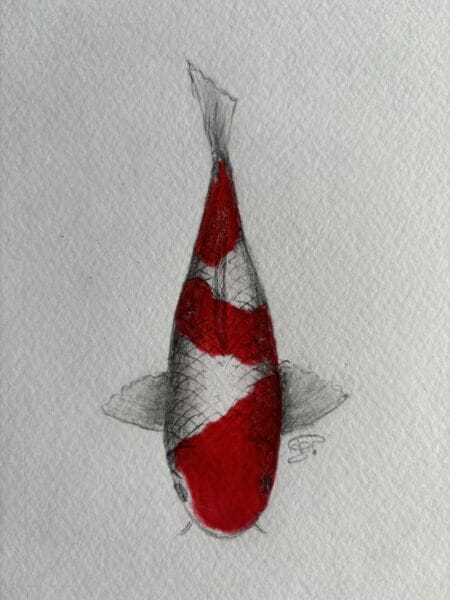
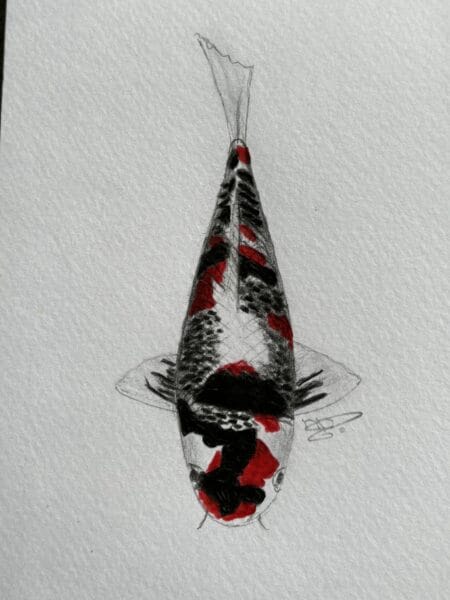
Classic Sanke pattern on a bright white base.In the peaceful waters of Japan, where the art of Koi breeding has been practiced for centuries, a special variety emerged in the early 20th century: the Taisho Sanke. This Koi, with its striking white skin and elegant patterns of red (Hi) and black (Sumi), has since captured the hearts of many Koi enthusiasts.
The with one with red and black patterns
The history of the Taisho Sanke begins in the Taisho era (1912-1926), where it was first bred. This period, a time of great cultural development in Japan, also saw a flourishing in the art of Koi breeding. It was during this time that breeders began experimenting with crossings, leading to the birth of this class.
One of the first and most influential breeders was Kunizo Hiroi, often credited with stabilizing the variety. His breeding techniques laid the foundation for what the Sanke is today: a Koi with a bright white skin, on which the red and black are harmoniously distributed.
Famous Taisho Sanke breeders
Over the years, various breeders have contributed to the development of the Sanke. Some prominent names include:
Kunizo Hiroi: As mentioned earlier, he played a crucial role in the early breeding of Sanke..
Matsunosuke: This bloodline is known for its brilliant skin quality and balanced pattern distribution. Tell about the Matsunosuke Koi bloodline.
Torazo: Known for his quality Sanke line, characterized by deep red and well-placed black. [wpbot-click-chat text=”Shikbu about Torazo” bot_visibility=”show” intent=”Tell about Torazo bloodline.” display_as=”button”]
Each breeder has their own unique style and focus, leading to subtle differences in the Sanke they produce. For example, the Torazo line is known for its strong Hi, while the Matsunosuke line is famed for its radiant Shiroji (white skin).
Price winners
Over the years, the Sanke has won numerous awards at Koi shows worldwide, a testament to its enduring popularity and beauty. The quality of a Sanke is judged on various characteristics, including the clarity of the skin, the quality and placement of the red and black, and the overall body shape and size.
The Sanke remains a living work of art, a symbol of refinement and elegance in the world of Koi. For enthusiasts around the world, it represents not just a passion for beauty, but also a deep appreciation for the art and science of Koi breeding.
Variants Under the Taisho Sanke Classification
There are several variants under this classification, each with unique features:
Each variant brings a unique aspect to the Sanke category and is valued for different reasons. The choice of a specific Sanke variant often depends on personal preference and the aesthetic values a Koi enthusiast seeks. Despite their differences, all Sanke variants remain true to the core characteristics of the Sanke: a white base with beautifully placed red and black patterns. This diversity within the Sanke category makes it a fascinating and versatile Koi variety for collectors and enthusiasts worldwide.
Have specific questions or want to learn more? Don’t hesitate to ask your questions directly to Shikibu – your expert in all things Koi.
Recognized by a snow-white shiroji, vivid red plates and tidy black accents that keep the head clean, this tricolor member of the Go-Sanke group is prized for balance and purity. Compared with Showa, the look is lighter; compared with Kohaku, the black adds drama without overwhelming the design.
Tsubo Sanke
Black (sumi) appears mainly on the white base, creating clean separation from the red plates.Tancho Sanke
Iconic single head spot with restrained body markings.Maruten Sanke
Red “crown” on the head in addition to body pattern.Kuchibeni Sanke
Distinctive red around the mouth (“lipstick” look).Koromo Sanke
Koromo-style indigo netting gives elegant edging to the red.Kasane Sanke
Black overlaps the red plates, producing layered depth.Doitsu Sanke
Scaleless skin makes color edges appear extra crisp.
This fancy carp commonly referred to as Showa, originated in Japan in the late 1920s, during the era with the same name. This variety evolved from the Kohaku, with the addition of black (Sumi), creating a vibrant tri-color combination. Initially, this Nishikigoi were characterized by their dominant black coloration. Over the years, breeding techniques have enhanced the balance and clarity of the colors, resulting in the elegant types seen today.
Key Contributors to the Development
Tomiji Kobayashi: A pivotal figure in the development of the Showa. Kobayashi is renowned for his contribution to refining the Sumi pattern, giving this variety a a more balanced appearance. Learn About [wpbot-click-chat text=” Kobayashi San” bot_visibility=”show” intent=”Tell about Tomiji Kobayashi.” display_as=”button”]
Jukichi Hoshino: Another influential breeder, Hoshino played a critical role in improving the Hi (red) pattern on the Showa, contributing to better definition and vibrancy. Discover [wpbot-click-chat text=” Hoshino San” bot_visibility=”show” intent=”Tell about Jukichi Hoshino.” display_as=”button”]
Eizaburo Hasegawa: Known for his work with the Kohaku, Hasegawa also contributed to the development of the Showa by refining techniques that enhanced both the Hi and the Shiroji (white). Uncover his Contributions [wpbot-click-chat text=” Eizaburo Hasegawa” bot_visibility=”show” intent=”Tell about Eizaburo Hasegawa.” display_as=”button”]
Minoru Mano: As one of the modern breeders, Mano has contributed to the evolution of the Showa, focusing on improving body shape and overall health of the koi. Discover Minoru Mano’s Legacy: [wpbot-click-chat text=” Minoru Mano” bot_visibility=”show” intent=”Tell about Minoru Mano.” display_as=”button”]Discover the meaning behind the Jijang Fractal — A Korean Journey of Compassion → Explore more through the thought of Hugo J. Smal
Classification and Varieties of Showa
This varieties are classified based on their color patterns and distribution. In addition to the traditional black carp with white and red markings, this classification includes:
Kindai: Characterized by a greater proportion of white, offering a more contemporary look. Explore the unique features and captivating appeal of [wpbot-click-chat text=” Kin Showa” bot_visibility=”show” intent=”To describe the unique characteristics and modern appeal of Kindai Showa.” display_as=”button”]
Tancho: This variety features a distinctive red spot on the head, set against a backdrop of black and white patterns. Discover the distinct beauty and elegance of Tancho koi, renowned for their iconic red- round,crowned heads. [wpbot-click-chat text=” Tancho” bot_visibility=”show” intent=”To provide information about the unique features of the Tancho Koi variety.” display_as=”button”]
Maruten: Possesses a unique red “crown” on the head along with the standard tri-color patterns. Learn about Maruten koi, distinguished by their unique red spot on the head, setting them apart from traditional patterns. [wpbot-click-chat text=” Maruten” bot_visibility=”show” intent=”Tell about Maruten Koi pattern.” display_as=”button”]
Menware: Recognizable by the black pattern crossing the nose bridge, contributing to a strong and dynamic appearance. Uncover the striking Menware pattern, characterized by bold black markings on the head that enhance the koi’s dramatic appearance. [wpbot-click-chat text=” Menware” bot_visibility=”show” intent=”Tell about Menware Showa pattern.” display_as=”button”]
The development of this Nishikigoi type is a testament to the meticulous art and science of koi breeding. This variety remains a favorite among koi enthusiasts worldwide, thanks to the efforts of these and many other dedicated breeders over the years.
Difference between Showa en Sanke.
Showa Sanshoku and Taisho Sanke are both prominent varieties of koi, beloved by koi enthusiasts worldwide. While they may appear similar at first glance, there are distinctive characteristics that set them apart.
The Showa Sanshoku is known for its striking tri-color pattern. The unique aspect of the black variety is its dominant black (Sumi) base, combined with red (Hi) and white (Shiroji) markings. This black color often extends across the back and intermingles with the other colors, creating a complex and balanced pattern.
On the other hand, the Taisho Sanke, which originated in the Taisho era (early 20th century), also displays a tri-color pattern but with a distinctly different color distribution. In Taisho Sanke, white is the dominant base color, with strategically placed red and black markings. The black color in Taisho Sanke is more limited and typically appears only as smaller spots, known as Sumi, on top of the white and red colors.
While Showa Sanshoku is characterized by a more pronounced black presence and a more complex color distribution, Taisho Sanke is distinguished by its clear white base with harmoniously placed red and black accents. Both varieties are appreciated for their beauty and colorful appearance, but it’s these subtle differences in color and pattern that make them unique in the world of koi.”
Bloodlines Showa Sanshoku
Kohaku Bloodline: This lineage was developed from the Kohaku koi, one of the oldest and most popular koi varieties. The emphasis was initially on developing the red (Hi) and white (Shiroji) patterns, with the addition of black (Sumi) markings later to create the Showa. [wpbot-click-chat text=” Kohaku” bot_visibility=”show” intent=”Tell about Kohaku” display_as=”button”]
Tomiji Bloodline: Developed by Tomiji Kobayashi, a key figure in the history of Showa koi. This bloodline is known for its refined Sumi patterns and a good balance between the three colors.
[wpbot-click-chat text=” Tomiji” bot_visibility=”show” intent=”Tell about Tomiji Kobayashi.” display_as=”button”]
Sensuke Bloodline: Known for its striking contrasts and vivid colors, the Sensuke Showa often have a powerful appearance due to the brightness of their Hi and Shiroji, combined with deep black Sumi. [wpbot-click-chat text=” Sensuke” bot_visibility=”show” intent=”Inform about Sensuke Koi bloodlines.”display_as=”button”]
Ikarashi Bloodline: Ikarashi Showa are known for their large size and robust body shape. The color patterns are often grand and bold, giving them an imposing presence. [wpbot-click-chat text=” Ikarashi” bot_visibility=”show” intent=”Tell about Ikarashi bloodline.” display_as=”button”]
Matsunosuke Bloodline: The Matsunosuke lineage is known for its strong Sumi and bright Hi. This bloodline often has good skin quality and a pronounced pattern, making them highly sought after among koi enthusiasts.[wpbot-click-chat text=” Matsunosuke” bot_visibility=”show” intent=”Tell about Matsunosuke Beni bloodline.” display_as=”button”]
Dainichi Bloodline: Developed by the renowned Dainichi Koi Farm, this bloodline is famous for its bright, vibrant colors and elegant patterns. Dainichi Showa are often praised for their beauty and quality. [wpbot-click-chat text=” Dainichi” bot_visibility=”show” intent=”To provide information about the Dainichi Showa bloodline” display_as=”button”]
For more about traditional koi breeding, visit
<a href=”https://www.dainichikoi.com/” target=”_blank” rel=”noopener nofollow”>Dainichi Koi Farm Japan</a>.
Tancho Showa
Recognized by a single red circle on the head, balanced with black (sumi) and white (shiroji) markings — symbol of harmony and simplicity.Konoko Showa
A bronze-toned metallic variation of the Showa Sanshoku, combining red, white, and black with an aged golden glow.Kindai Showa
Known as the “modern Showa,” featuring cleaner white areas and elegant, symmetrical color balance.Kin Showa
Adds a golden metallic shine to the traditional red, white, and black pattern — radiant and luxurious.Kage Showa
Displays soft shadowed sumi overlays that give its body a gentle, smoky depth.Hi Showa
Dominated by deep red (hi) with striking black bands and little white — symbol of power and energy.Gin Rin Showa
Sparkles with reflective silver scales that add brilliance to the red, white, and black pattern.Doitsu Showa
Features smooth, nearly scaleless skin that enhances contrast and clarity of the sumi bands.Boke Showa
Displays soft transitions between colors, giving a painterly, fluid impression.
Koromo Showa
A Koromo Showa combines the red (hi), black (sumi), and white (shiroji) of the Showa Sanshoku with the delicate indigo net-pattern of the Koromo lineage — a rare blend of strength and refinement.
Welcome to the world of this red-and-white koi, one of the most iconic and admired varieties in the koi community. These beautiful fish, known for their vibrant red and white color patterns, are not just a symbol of beauty in garden ponds around the world, but also represent a rich history and culture. Read about the most important white base: Shiro [wpbot-click-chat text=” Shiro” bot_visibility=”show” intent=”Inform about Shiro Koi colours.” display_as=”button”]
Two elegant koi showing the beauty of the red-and-white pattern, the foundation of all Nishikigoi varieties.
The history of this koi variety takes us back to mid-19th century Japan, where the first recorded white fish with red patterns were bred. Originally a cross between various local carp species, these fish have evolved into a high symbol of koi breeding art. Over the years, selective breeding has led to the refinement of their distinctive red and white patterns, focusing on clarity, sharp demarcation, and harmonious balance. This meticulous process has produced fish that are not only aesthetically pleasing but also embody the essence of Japanese koi breeding traditions.
Bloodlines and Varieties
These Nishikigoi have several bloodlines, each with unique characteristics and valued by hobbyists for different reasons. Some well-known bloodlines include:
Tomo Sakai Line: Renowned for its deep red color and large body size [wpbot-click-chat text=” Tomo Sakai” bot_visibility=”show” intent=”Tell about Tomo Sakai Line” display_as=”button”]
Dainichi: A highly esteemed bloodline of Showa Nishikigoi [wpbot-click-chat text=” Danichi” bot_visibility=”show” intent=”To provide information about the Dainichi Showa bloodline” display_as=”button”]
Momotaro: A Legacy of Excellence in Koi Breeding [wpbot-click-chat text=” Momotaro” bot_visibility=”show” intent=”Tell about Momotaro” display_as=”button”]
Omasako: Masters of Shiro Utsuri [wpbot-click-chat text=” Omasaka” bot_visibility=”show” intent=”Inform about Shiro Koi colours.” display_as=”button”]
Torazo: A Legacy in Koi Breeding [wpbot-click-chat text=” Shiro” bot_visibility=”show” intent=”Tell about Omosaka bloodlines.” display_as=”button”]
Sensuke Line: A legacy of supreme red-white koi. [wpbot-click-chat text=” Sensuke line” bot_visibility=”show” intent=”Inform about Sensuke Koi bloodlines.” display_as=”button”]
Each bloodline offers a unique aesthetic and characteristics that contribute to the diversity and beauty of this Japanese variety. The careful selection and breeding of these lines ensure that each type brings something special to the world of koi.
Step Patterns: A Brief Explanation
These Nishikigoi, known for their striking red (hi) and white (shiroji) colors, are often judged by the beauty and balance of their patterns. One common pattern is the “step pattern,” characterized by the arrangement of the hi into distinct, clearly defined steps or segments. Here are the main types:
Nidan (Two-Step):
Consists of two separate red patterns on the koi’s body.
The hi is divided into two distinct blocks.
It’s a simple and elegant pattern, often highly valued for its symmetry.
Sandan (Three-Step):
Consists of three separate red patterns.
The hi is divided into three distinct steps across the body of the koi.
This pattern offers a nice balance and dynamic look, making it popular among enthusiasts.
Yondan (Four-Step):
Consists of four separate red patterns.
The hi is divided into four distinct steps.
This pattern can give the koi a unique and complex appearance, with each step carefully evaluated for balance and aesthetics.
Godan (Five-Step): Consists of five separate red patterns. The hi is divided into five distinct steps. This pattern is rarer and can give the koi a very distinctive and impressive look.
Key Features of Step Patterns
Symmetry and Balance: The steps should be evenly distributed and give a sense of balance.
Clear Separations: The hi patterns should be clearly separated without blending between the steps.
Contrast: The red steps should strongly contrast with the white body for maximum visual impact.
These step patterns are an essential aspect of the beauty and value of this type of koi, and judging them requires a keen eye for detail and artistic appreciation.
Discover the Go Sanke Koi Varieties
If you’re fascinated by the koi, dive into the enchanting world of Go Sanke, the most esteemed group of koi that includes Kohaku, Sanke, and Showa. Learn about their unique features, vibrant colors, and the care they require. Visit our comprehensive guide on Go Sanke koi varieties here.
Excellent Types: Beyond Step Patterns
In addition to the step patterns, several other forms within this red-white variety are admired for their unique and striking characteristics. Here are some of the most notable types:
Inazuma:
Description: The hi pattern resembles a lightning bolt running down the body of the koi.
Features: This zigzag pattern creates a dynamic and eye-catching appearance, adding a sense of movement to the koi.
[wpbot-click-chat text=” Inazuma” bot_visibility=”show” intent=”Tell about Inazuma.” display_as=”button”]
Tancho:
Description: This type has a single, perfectly round red spot on its head, with the rest of the body being pure white.
Features: Named after the Japanese crane, Tancho, which has a similar red spot on its head. This type is highly prized for its simplicity and symbolic beauty.
[wpbot-click-chat text=” Tancho” bot_visibility=”show” intent=”To provide information about the unique features of the Tancho Koi variety.” display_as=”button”]
Maruten:
Description: Similar to Tancho, but with additional red patterns on the body.
Features: The Maruten has a round red spot on the head (like a Tancho) and other hi patterns on the body, combining the elegance of the Tancho with traditional markings.
[wpbot-click-chat text=” Maruten” bot_visibility=”show” intent=”Tell about Maruten Koi pattern.” display_as=”button”]
Doitsu:
Description: A scaleless the red and white ones, or one with a line of scales along the dorsal ridge.
Features: The lack of scales (or limited scales) gives a smooth, sleek appearance, emphasizing the vibrant red and white contrast without the distraction of scales.
[wpbot-click-chat text=” Doitsu” bot_visibility=”show” intent=”Inform about Doitsu Koi.” display_as=”button”]
Kuchibeni:
Description: Known as “lipstick”
a red and white one
due to the red marking around the mouth.
Features: This type has a distinctive red patch on its lips, resembling lipstick, which adds a charming and playful element to the koi’s appearance.
[wpbot-click-chat text=” Shiro” bot_visibility=”show” intent=”Tell about Kuchibeni Koi pattern.” display_as=”button”]
Two rare Favorites
[wpbot-click-chat text=” Konoko Kohaku” bot_visibility=”show” intent=”Tell about Konoko pattern” display_as=”button”>
Unique Patterns: Each type is distinguished by specific patterns and markings that set them apart from the traditional step patterns.
Symbolic Beauty: Types like Tancho and Maruten carry cultural and symbolic significance, adding to their allure.
Aesthetic Appeal: Types like Inazuma and Kuchibeni offer unique visual elements that enhance their beauty and interest.
These types represent the diversity and creativity in koi breeding, showcasing the endless possibilities within this classic variety. Each type has its own special appeal, making a versatile and beloved choice among koi enthusiasts.
Enchanting Beauty
The appeal of these fish lies not only in their color but also in the symbolism they carry. The balanced pattern of red and white reflects harmony and aesthetic perfection, making them a beloved choice for koi enthusiasts worldwide. Their presence in a pond adds a touch of elegance and tranquility, creating a serene environment.
Your Journey with Kohaku
Are you intrigued by the white koi with red patterns and want to learn more? Do you have questions about care, breeding, bloodlines, or anything else related to these beautiful fish? Do not hesitate to ask your questions to the chatbot Shikibu. Shikibu is ready to answer your questions and guide you in the world of this koi. Let your interest run free and dive deeper into this fascinating hobby!
[wpbot-click-chat text=”Tell about Kohaku” bot_visibility=”show” intent=”Tell about Kohaku” display_as=”button”]
<h3><span style=”color:#800000;”>Frequently Asked Questions about Kohaku Koi</span></h3>
<div class=”rank-math-faq”>
<div class=”rank-math-question”>What makes the koi the foundation of all Nishikigoi varieties?</div>
<div class=”rank-math-answer”>
Kohaku are considered the first established color variety in Japanese koi history. Their pure white skin and deep red markings defined the aesthetic standards for all later Nishikigoi, including Sanke and Showa. Breeders still regard them as the benchmark for pattern, color balance, and skin quality.
</div>
<div class=”rank-math-question”>How can I tell a high-quality the red and white ones from an average one?</div>
<div class=”rank-math-answer”>
Look for a bright, snow-white base (shiroji) and a deep, uniform red (hi) without bleeding edges. The pattern should be well balanced from head to tail, with clear separation between red and white zones. Smooth skin, strong body shape, and calm swimming behavior also indicate a healthy, high-grade fish.
</div>
<div class=”rank-math-question”>Why do white koi with red markings have such strong symbolism in Japan?</div>
<div class=”rank-math-answer”>
The red-and-white contrast represents harmony, purity, and good fortune in Japanese culture. Many see this Koi as a living expression of balance between energy and serenity. That symbolism has helped the variety remain beloved among koi enthusiasts worldwide.
</div>
</div>
During the Japanese Edo period (1603 – 1867), the Go Sanke, the successive Shoguns (rulers of military castes) always came from three closely related families: Mito, Kishu, and Owan. They are known as Tokugawa Go-Sanke, which were considered the most important families of the period. As a tribute to them, the three most famous variants of the Nishikigoi (Kohaku, Showa Sanshoku, and Taisho Sanke) were named the classic koi trio
The three greatVarieties
There are many Koi varieties, and new ones are born almost every decade. Despite the many variants, only Kohaku, Showa Sanshoku, and Taisho Sanke are considered part of the class. Today, there are about 150 different koi species, each with its own quality standards and enthusiasts. While it is possible to transform a pond into a vibrant color festival with various Koi varieties, focusing solely on the three coloured has its merits.
Three Koi Varieties – True Ambassadors
Genealogy of Fancy Carp Published in “Living Jewels, General Survey of Fancy Carp” by Masayuki Amano. Drawn by Mr. Masamoto Kataoka.
Big prizes at shows are usually awarded to these three types Koi Varieties. After the Asagi, they are the oldest Koi varieties and the true ambassadors of the koi hobby. For instance, Peter Waddington, author of “Koi Kichi,” primarily discussed these koi-varieties. His farm featured very few other koi species, maybe a Bekko, Utsuri, or the occasional Shusui or Asagi.
All koi knowledge converges in these classic-koi-varieties class: the contrast between blackfish (Showa Sanshoku) and whitefish (Kohaku and Taisho Sanke). The most famous Koi come from this class: the Kato Showa, renowned for its unparalleled quality, the Crown Sanke with its perfectly balanced white and black markings, and Loran, exemplifying the great beauty and value of Koi. All the demands placed on other Koi species originate from these three most respected classic Koi Varieties.
Learn about the big three at Koi shows
Attending koi shows is essential for anyone wanting to truly understand the Koi varieties. These events bring together the best breeders and enthusiasts who showcase their most exceptional koi, including Kohaku, Showa Sanshoku, and Taisho Sanke. By participating in these shows, you have the opportunity to see top-quality koi up close, study the various patterns and colors, and understand what makes a koi a winner. Additionally, koi shows provide a platform for exchanging knowledge and experiences with other hobbyists and experts. You can gain valuable insights into the care, feeding, and breeding techniques of these prestigious varieties. Seeing and evaluating top-quality koi in person not only enhances your understanding of the standards but also improves your own skills and attention to detail. Find your show on our Koi events page.
Sumi or Shiro (reading Koi Varieties)
We love the red and white
Taisho Sanke and Kohaku are white fish, while Showa Sanshoku is black. Differences are usually clear, but assessing a Kindai Showa (modern Showa) can be challenging as it closely resembles the Taisho Sanke. Remember, blackfish usually show Motoguro, a round sumi mark on the pectoral fin against the abdomen. White varieties with Sumi markings usually have sumi stripes on those fins. It’s said that Showa’s sumi resembles a tiger’s markings, while Sanke’s sumi resembles a jaguar’s. If you’re unsure, check the mouth: if it’s black, it’s a blackfish. The classic Koi Varieties are defined by their basic colour. Sumi & Shiro basics [wpbot-click-chat text=”Sumi” bot_visibility=”show” intent=”Tell about Sumi Koi colours.” display_as=”button”] and learn about the importance of [wpbot-click-chat text=” Shiro” bot_visibility=”show” intent=”Inform about Shiro Koi colours.” display_as=”button”]
Kohaku
All koi with red patterns are judged by Kohaku standards, making it essential to understand them well. The white ground of the Kohaku and any other white fish is called Shiroji. In the past, the red markings were more important, but now it’s recognized that perfectly white backgrounds enhance the red markings. As Koi grow, fukurin (the skin of the Koi) becomes visible, forming a highly valued net pattern. Learn more about the Kohaku variety on KoiTalk.
Kohaku Patterns
Kohaku has various patterns, including step patterns (Nidan, Sandan, and Yandan) with Sandan being the most classic. The straight hi has a mark from head to tail, known as Inazuma when it has a lightning bolt character. Kohaku with red lips is called Kuchibeni. Maruten Kohaku has a round mark on the head, and if the carp has only a round mark on the head, it’s called Tancho Kohaku. The last markings should stop before the tail to balance the fish, significantly increasing its value. Markings on the head should also be balanced with the back mark. Good Kohaku patterns are important for these Koi Varieties.
Taisho Sanke
A Taisho Sanke is essentially a Kohaku with added sumi patterns. The sumi markings on the shoulder, end of the dorsal fin, and tail are necessary. All other sumi markings are incidental. A white tail set, preceded by red and black, is elegant. Sumi should not be present on the head, and the pectoral fins should have equal sumi stripes for balance. Gaining a deeper understanding of the Taisho Sanke.
Showa Sanshoku
This black Koi variety should have a nice Kohaku pattern, but with more massive black markings than the Taisho Sanke. While Sanke’s sumi markings are spots on a red and white body, Showa must have the three colors balanced. Classic Showa de Shiro markings should cover about 20% of the total. Head markings and motoguro (round sumi mark on the pectoral fins against the belly) are crucial. A red mark on the head adds character. The motoguro should be nicely round, and a white tail set preceded by a sumi marking is ideal. Discover the Showa Sanshoku variety on KoiTalk.
Conclusion for these classic Koi Varieties
Focusing on the classic-koi-varieties offers a deeper appreciation for the rich history and aesthetic refinement of koi. These three types—Kohaku, Showa Sanshoku, and Taisho Sanke—are not only the oldest and most revered varieties but also represent the highest standards in the koi hobby. Whether it’s the perfect balance of colors or the symbolism behind each marking, these Koi Varieties are the true ambassadors of koi culture. By immersing yourself in these varieties, you can fully embrace the art and science of breeding and caring for koi, and enjoy a beautiful and meaningful color festival in your own pond.
The term “Kanoko” refers to a rare and distinctive pattern in koi, characterized by “deer spots” (kanoko), which resemble the spotted patterns on a deer’s back.
These patterns can appear in various Go Sanke varieties, including Kohaku, Sanke, and Showa.
Contributions to the Koi Industry:
Kanoko-patterned koi have captivated enthusiasts with their unique and striking appearance.
Breeders have diligently worked to enhance these rare patterns, making Kanoko koi highly prized in collections and competitions.
Specializations:
Kanoko patterns are identified by their scattered and delicate “deer spots” of color, which can overlay the traditional red (hi), black (sumi), and white (shiroji) of Go Sanke koi.
Focus on achieving a harmonious and visually appealing distribution of these spots, enhancing the koi’s overall beauty.
Vision:
To continue refining and preserving the unique Kanoko patterns through careful and dedicated breeding practices.
Increase awareness and appreciation of Kanoko koi among koi enthusiasts and collectors.
Quote:“Kanoko-patterned koi, with their delicate and rare deer spots, embody the artistry and passion of dedicated koi breeders.” – Hugo J. Smal
The Hwarang and Showa (Emperor Hirohito): A Comparison Hwarang were an elite group of young warriors from the ancient Korean kingdom of Silla. They were known for their exceptional martial skills, cultural knowledge, and strong sense of loyalty. Their primary role was to protect the kingdom and its people, contributing to the unification of Korea’s Three Kingdoms. They were both warriors and cultural icons, embodying the ideals of bravery, honor, and intellectual refinement. Showa, in this context, refers to the period of Emperor Hirohito’s reign in Japan, from 1926 to 1989. The term “Showa” (昭和) means “Enlightened Peace,” but this era was marked by significant turmoil, including Japan’s militarization, World War II, and its aftermath. Emperor Hirohito was seen as a central figure during this time, representing both Japan’s imperial past and its post-war transformation. Key Comparisons: Role and Influence: Hwarang: The Hwarang were warriors and leaders within Silla, directly involved in military campaigns and statecraft. Their influence was primarily regional, focused on unifying and defending the Korean peninsula. Showa (Emperor Hirohito): As the Emperor of Japan, Hirohito was a symbolic figurehead with enormous influence over Japan’s national identity. During the pre-war and wartime periods, he was seen as a divine leader. Post-war, his role shifted to that of a constitutional monarch, embodying Japan’s recovery and modernization. Cultural Significance: Hwarang: They are celebrated in Korean culture as paragons of virtue,…
Konoko Kohaku: A Unique and Elegant Koi Variety Konoko Kohaku is a specific type of Kohaku koi known for its distinctive and elegant features. This variety showcases unique red (hi) patterns on a pristine white (shiroji) body, making it a standout in any koi collection. Description Hi Pattern: Konoko Kohaku is characterized by its intricate and often scattered red (hi) patterns. The term “Konoko” can be translated to “peppered” or “scattered,” indicating the dispersed nature of the red markings. Shiroji: The white (shiroji) background of Konoko Kohaku is pure and bright, providing a stunning contrast to the red hi patterns. Features and Appeal Unique Appearance: The scattered hi patterns create a unique and eye-catching appearance. Each Konoko Kohaku has a distinct pattern, making every individual koi one-of-a-kind. Elegant Contrast: The combination of the vivid red hi and the pure white shiroji results in an elegant and visually striking koi. The contrast enhances the visibility of the patterns, making the koi appear vibrant and dynamic. Balance and Symmetry: While the hi patterns are scattered, a high-quality Konoko Kohaku will still exhibit a sense of balance and symmetry in its markings. This balance is crucial for the overall aesthetic appeal of the koi. Importance in Koi Breeding Aesthetic Value: Konoko Kohaku is highly valued for its unique and artistic appearance. The scattered hi patterns are reminiscent of a peppered or splattered look,…
Cookie Consent
We use cookies to improve your experience on our site. By using our site, you consent to cookies.

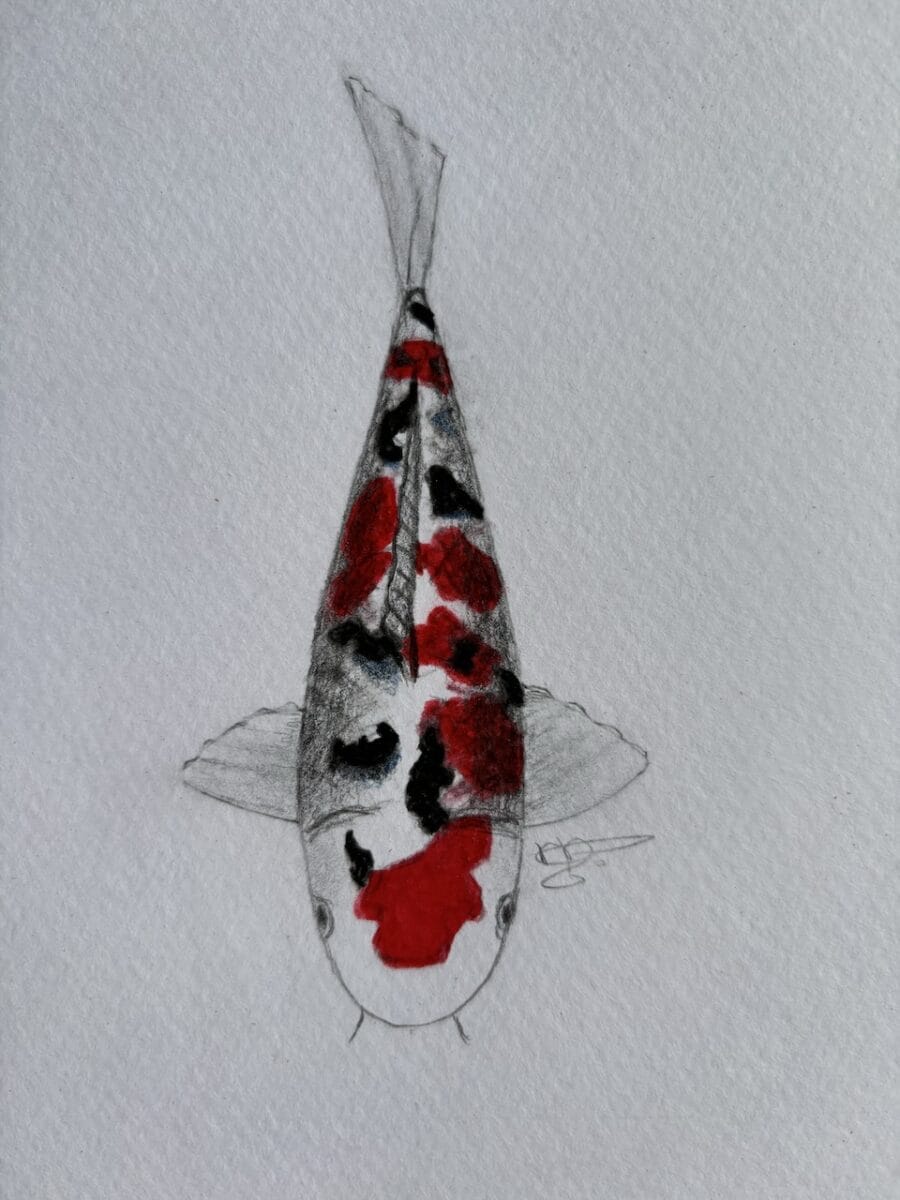





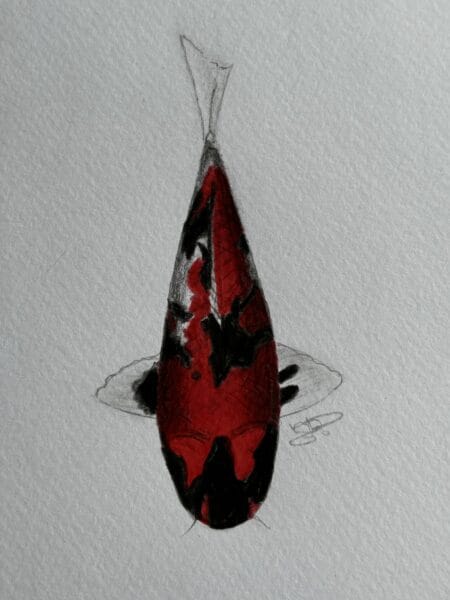

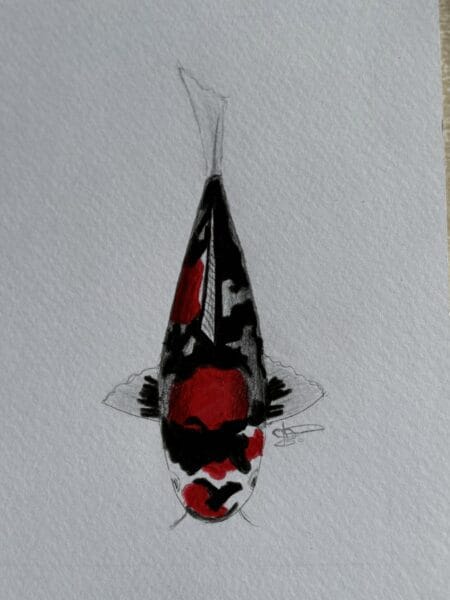


 Consists of two separate red patterns on the koi’s body.
 Consists of three separate red patterns.
 Consists of four separate red patterns.