Goryeo-dynastie (918-1392)
Goryeo-dynastie (918–1392) forged Korea’s medieval identity—renowned for celadon, early printing including the Tripitaka Koreanalevendig boeddhisme en veerkrachtig staatsmanschap.
Culturele prestaties van de Goryeo-dynastie
- Stichting (918) — Wang Geon unites the Later Three Kingdoms and founds the realm with its capital at Gaegyeong (Gaeseong).
- Staatsboeddhisme — Monastic patronage shapes kingship, art, and diplomacy, blending Seon (Zen) with scholastic traditions.
- Druk Revolutie — Advances in woodblock and early movable metal type; the monumental Tripitaka Koreana (13e eeuw).
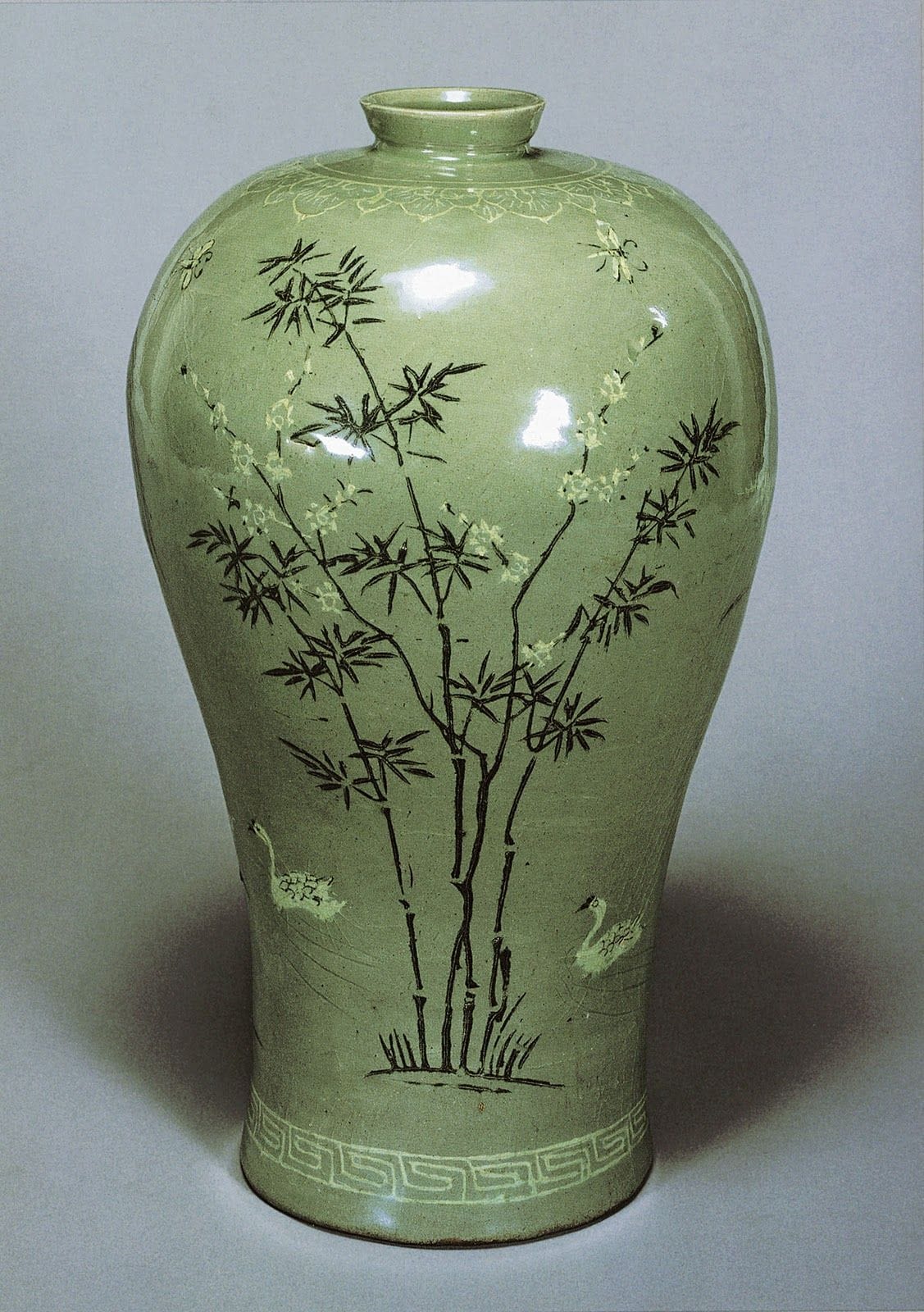
- Koreaans Celadon — Jade-sheen glazes and sanggam inlegwerk wereldfaam bereiken; de ovens bloeien in Gangjin en Buan.
- Maritieme handel — Networks link Song China, Japan, and beyond; ceramics, books, and textiles circulate across East Asia.
- Veerkracht en hervorming — Khitan, Jurchen, and Mongol pressures spur administrative, military, and diplomatic change.
Politiek en samenleving
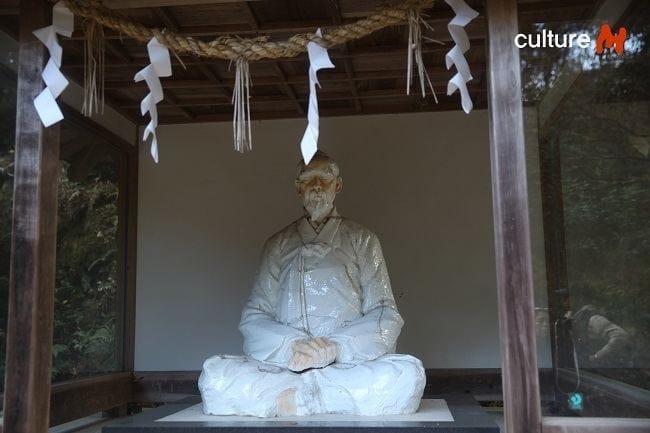
The dynasty emerged from civil war yet established a durable bureaucracy anchored in aristocratic lineages and examinations. Kings balanced powerful clans and religious institutions, while provincial officials managed taxation and corvée. Land policy and military reform recurred, especially after invasions exposed fiscal and logistical weaknesses.
Urban life centered on Gaegyeong’s markets, monasteries, and government courts. In the countryside, farmers cultivated paddies and dry fields; taxes in grain, cloth, and labor sustained the state. Merchants and craft guilds expanded with maritime exchange, even as elites debated the ethics of commerce within Buddhist and Confucian frameworks.
Read all about this magnificent temple.
Religie en boeddhisme
Monastiek patronaat gaf vorm aan ritueel, openbare werken en esthetiek. Seon meditatielijnen bestonden naast scholastieke scholen; leken devotie bloeide door het schilderen van iconen, relikwieën en pelgrimstochten. Een ethiek van mededogen ondersteunde hulpprojecten tijdens hongersnood en oorlog, terwijl landgoederen landerijen, bibliotheken en werkplaatsen beheerden.
Het snijwerk van de Tripitaka Koreana—over 80,000 woodblocks—sought spiritual protection and codified the canon with extraordinary accuracy. Alongside experiments with movable metal type, these feats mark a milestone in world book history.

Korean Celadon and arts.
Pottenbakkers perfectioneerden het doorschijnende jadegroene glazuur dat een kenmerk van die tijd werd. De sanggam inlay technique—filling carved motifs with white and black slips—produced elegant vessels, pillows, and incense burners. Court workshops created Buddhist bronzes, lacquerware with mother-of-pearl, and silk textiles, while painters rendered gentle landscapes and devotional icons.
Afdrukken en kennisnetwerken
Geleerden, monniken en ambachtslieden werkten samen in scriptoria die soetra's, wetboeken, kalenders en medische teksten produceerden. Uitgestrekte houtblokbibliotheken en vroege metalen beweegbare lettertypes verspreidden kennis over kloosters en buitenlandse hoven. Uitwisseling met Song China introduceerde ideeën op het gebied van wetenschap en navigatie; diplomatieke missies schonken boeken en keramiek, wat het prestige versterkte.
Oorlog, handel en veerkracht
Geopolitically, the kingdom navigated Khitan Liao, Jurchen Jin, and Mongol empires. Fortifications, riverine defenses, and coastal fleets protected key corridors. After Mongol incursions in the 13th century, royal marriages and vassalage obligations reoriented diplomacy, yet cultural production endured. Maritime trade—ceramics, paper, and ginseng—sustained urban markets and craft specialization.
Erfenis en populaire cultuur
De Goryeo-dynastie bequeathed institutions, artistry, and texts that inform Korean identity. Celadon aesthetics influenced later Joseon porcelain; printing techniques foreshadowed modern publishing. In public memory, kings, monks, and artisans appear in museums and curricula. Contemporary media—historical novels and dramas—extend this legacy, introducing the era’s aesthetics and ethical dilemmas to global audiences.
Historically, the realm’s conclusion set the stage for reformist currents and the rise of the Joseon-dynastie. Voor de bredere boog, zie de eerdere Drie koninkrijken, whose regional dynamics framed Goryeo’s emergence.
FAQ — Key Points
Wat definieert dit tijdperk? Een synthese van boeddhistische staatshandelingen, maritieme handel, verfijnde celadon kunstnijverheid en innovaties in het drukken, met als hoogtepunt de Tripitaka Koreana.
Waarom is het wereldwijd belangrijk? Vroege grootschalige druktechnieken, geavanceerde keramische technologieën en interculturele uitwisseling in Oost-Azië.
Toegang tot dataset
Download de datasets:
- Downloaden Korea.csv
- Tijdlijn.csv downloaden
Gebruik deze bestanden om te sorteren, filteren of om je eigen visualisaties te maken. Citeer Mantifang als je de gegevens hergebruikt.