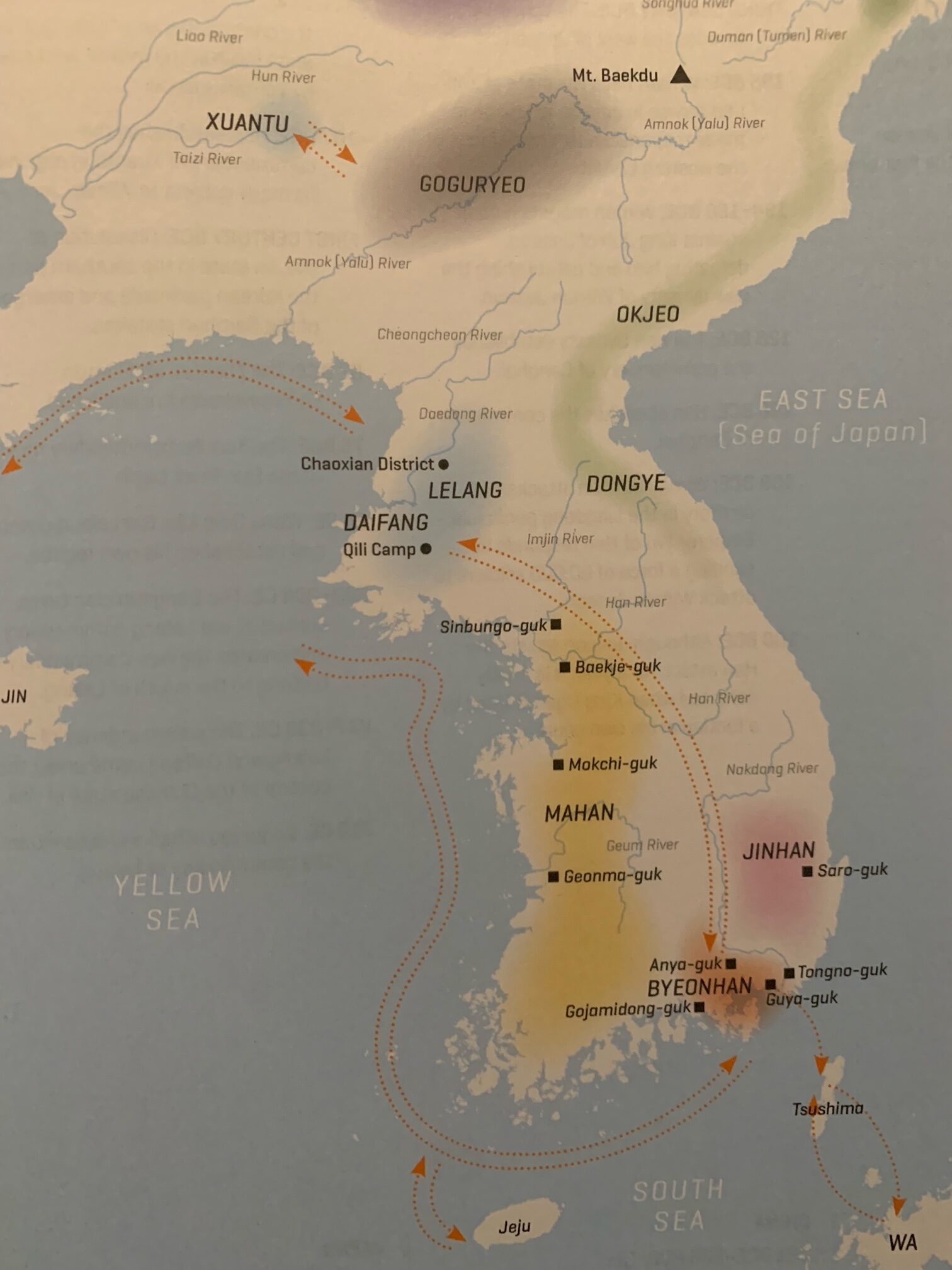
korean history timeline,hanguk history timeline,history of korea,korean dynasties timeline,three kingdoms korea,unified silla balhae,goryeo dynasty,joseon dynasty,korean empire colonial period,modern korea era,korean war timeline,korean buddhism history,korean unesco sites,korean cultural heritage,hallyu and korean history
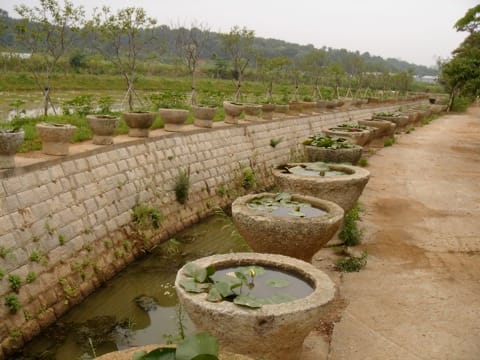
もともとアマガエルは水田を住処としていたが、その多くはほとんど消えてしまった。
しかしベダゴルでは、水辺の設備のなかに避難場所を見つけ、かろうじて生にしがみついている。 theme park だけでも、いまや少なくとも八百匹のアマガエルが生息している——おそらくそれ以上だろう。
キム・ヨンスの夢は実現した。失われた世界の小さな断片が取り戻されたのだ。
だがこの避難地もまた束の間である。Changneung 3 New City の拡張がまもなくこの土地をのみ込み、
スウォンアマガエルのか弱い住処もともに失われる。かつて取り戻された場所が、再び失われようとしている。
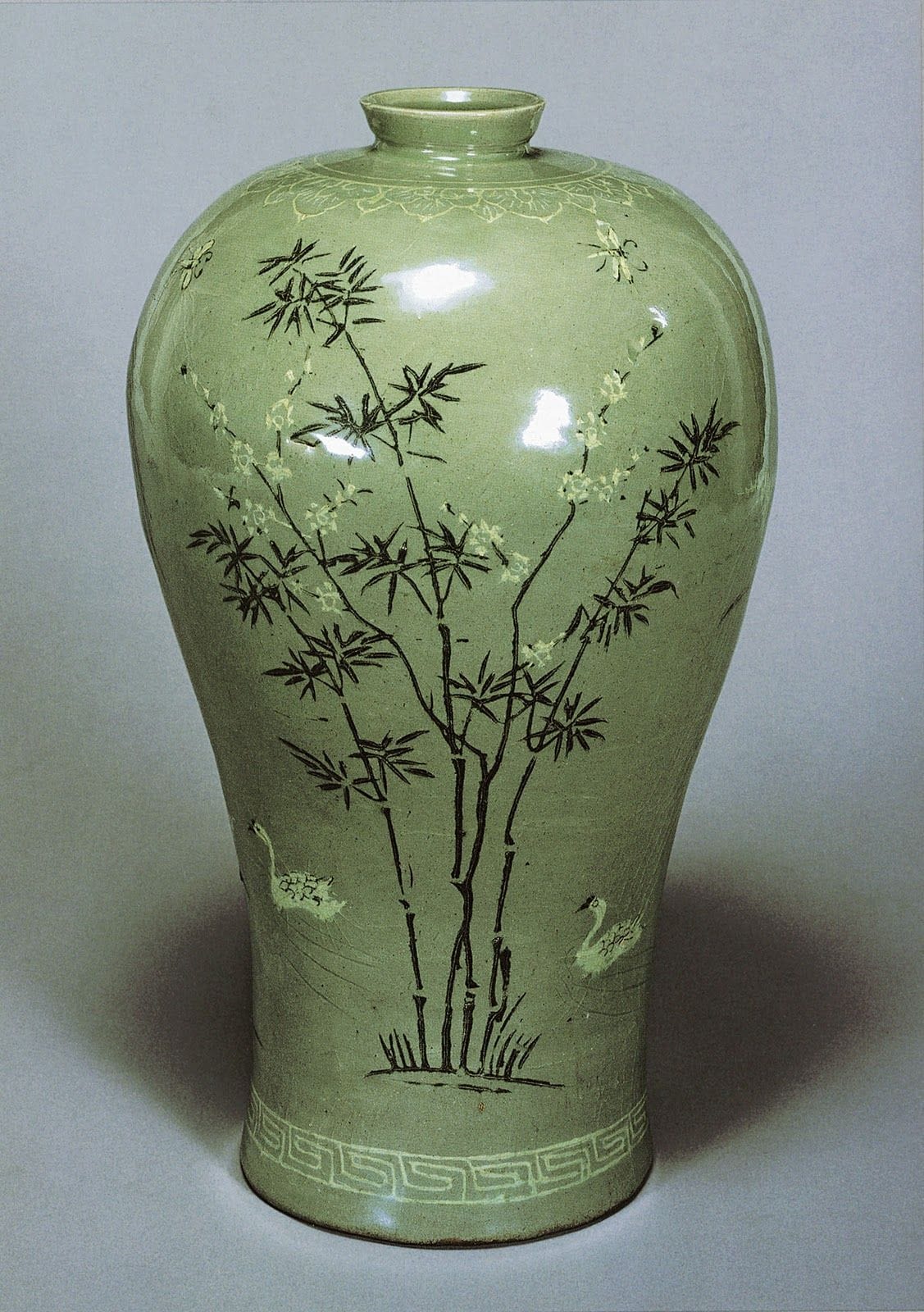
The history of Korean ceramics is a captivating journey that stretches back to prehistory, beginning with simple brown wares adorned with geometric incisions. Influenced by the techniques of their Chinese counterparts, Korean potters soon developed their own distinctive and highly sought-after styles, including grey stoneware, celadon (or greenware), ブンチョン 焼物、白磁などがある。斬新なデザインは、細部まで精巧に作り込まれた香炉から、気品のあるシンプルな陶器まで多岐にわたる。 マビョン 花瓶韓国の陶器は、植物や花、野生動物からインスピレーションを得た装飾を特徴とすることが多く、この国の豊かな宗教的遺産を反映し、仏教的モチーフとミニマルな儒教的デザインの両方が見られる。
Japan, under the leadership of Toyotomi Hideyoshi, launched a series of invasions with the ambition of conquering Korea and using it as a springboard to invade China. The conflict devastated Korea’s cultural landscape, but one of the most significant and often overlooked aspects of this war was the targeted abduction of Korean ceramic artists. Recognizing the extraordinary skill and craftsmanship of Korean potters, the Japanese invaders sought to capture these artisans to enhance their own ceramic industry, which was then in its developmental stages.
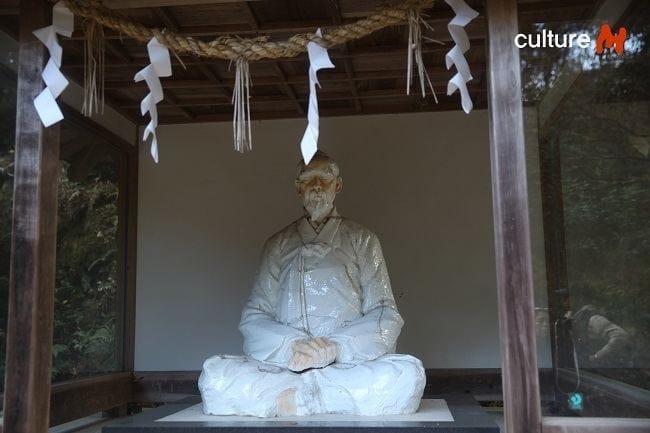
朝鮮の陶工たちの技術は、日本の陶磁器の発展に大きな影響を与え、日本磁器の誕生につながった。たとえば有田では、朝鮮人陶工の存在が日本の陶磁器の発展に大きな影響を与えた。 Yi Sam-pyeong (later known as Kanagae Sanbee) was instrumental in discovering the local kaolin deposits necessary for porcelain production. This discovery marked the beginning of the renowned Arita porcelain industry, which would later become famous worldwide.While the Japanese ceramic industry flourished with the influx of Korean techniques and artistry, Korea’s ceramic tradition suffered a severe blow. The loss of so many master potters meant that the production of exquisite celadon and other traditional wares diminished significantly. The once vibrant kilns of Korea struggled to maintain their former glory, and the quality of ceramics produced during this period reflected the turmoil and loss experienced by the artisans and their communities.
This companion longread extends the story of Korean ceramics beyond Korea itself. It explores how Korean potters relocated to Japan after the Imjin Wars contributed to Naeshirogawa, Satsuma, Hagi, and Arita, and how ceramic knowledge moved through war, displacement, and cultural transmission.
レジリエンスとリバイバルの遺産
Despite the devastation, the spirit of Korean ceramic artistry was not entirely extinguished. The subsequent 朝鮮王朝 (1392-1897) saw efforts to revive the country’s ceramic heritage. Potters who remained in Korea continued to innovate and adapt, developing new styles and techniques that reflected both resilience and a deep-seated reverence for their craft. The introduction of buncheong ware and the refinement of white porcelain during the Joseon period are testaments to the enduring ingenuity and creativity of Korean potters.
Dive deeper into the fascinating history of Korean ceramics and uncover the stories behind these stunning creations. Visit the link below to learn more about this unique and enchanting art form. : ベネチアの粘土アーティスト または古代の
A longread on the forced relocation of Korean potters during the Imjin Wars and their influence on Japanese kiln traditions such as Arita, Hagi, and Satsuma.