A Web of Silence: Korea, Japan, and the Invisible Currents of Influence

 Korean influence on early Japan

When we look at East Asia, the flow of culture often seems predetermined: China transmits, Japan refines, Korea connects but disappears. It is a story repeated so often that it feels natural — until you reopen the sources and discover lines we have overlooked. A personal reflection awaits at the end of this page, where Korea’s quieter historical voice returns beneath the broader theme of korean influence on early japan. Beneath every canon lies an undercurrent. And beneath that undercurrent lies a web — a web of exchange, migration, reciprocity, and philosophical resonance. A web in which the Korean peninsula was not background, but origin. Not loud, but structural. When you trace this web, you reach three voices — three perspectives that complement and correct each other. They do not speak in competition, but in echoes.
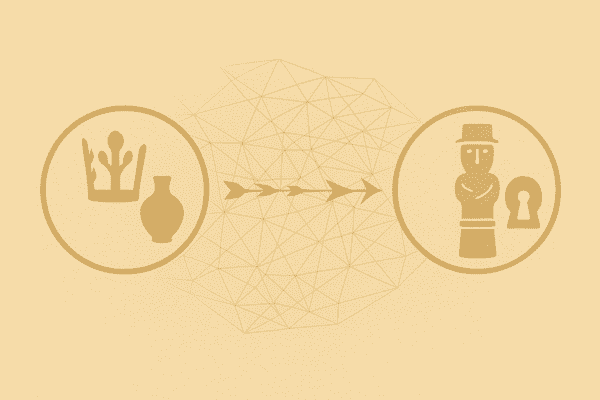
Wontack Hong (born 1942) is a South Korean economist and historian known for his interdisciplinary research on early Korea–Japan relations. Trained at Seoul National University and the University of Rochester, he uses linguistic, archaeological, and diplomatic evidence to reinterpret the formation of the Yamato state. His work challenges the long-standing assumption of a purely insular Japanese origin.
korean influence on early Japan

1. Wontack Hong — Origins as Migration, Not Island Myth

The Formative Years (366–405) — The Missing 39 Years in the Nihon Shoki

The period between 366 and 405 marks the true formative years of the Yamato kingdom. In the Nihon Shoki this era is almost entirely absent — a disappearance that, according to Hong, reflects political editing rather than historical silence. Understanding these missing decades is essential for reconstructing the actual dynamics of early Japanese state formation an the korean influence on early Japan

Why These 39 Years Are Missing

Hong argues that these years were deliberately minimized because Yamato was not yet an autonomous imperial power. It was deeply shaped by continental actors, especially Paekche. Acknowledging this would undermine the later narrative of an unbroken, indigenous imperial line.

1. The Arrival of Homuda/Oujin (ca. 366)

Homuda (later Emperor Ōjin) shows clear Paekche connections. His name matches Paekche royal nomenclature and continental sources describe movement to the archipelago during this period. His arrival represents a dynastic turning point — the beginning of a new lineage with continental roots.

2. The Reshaping of Yamato Society (ca. 370–390)

Large numbers of Paekche migrants — administrators, craftsmen, metalworkers, and specialists — entered Japan, transforming its technological base and social organization. Their innovations explain the sudden, archaeologically visible shift in:

  • irrigation agriculture,
  • iron-working and metallurgy,
  • Kofun tumulus construction,
  • governmental structuring and bureaucratic models.

3. The Five Yamato Kings (ca. 390–405)

Chinese dynastic records — considered the most neutral sources for this period — describe Yamato rulers seeking recognition, titling, and legitimacy on the continent. Their activity contradicts the self-contained image constructed later in the Nihon Shoki.

4. Consolidation Around 405

By 405, the Yamato court emerges as a literate, structured political entity. Early Buddhist elements appear, writing becomes systematised, and continental elites form part of the aristocracy. This is the moment Japan begins to resemble a state in the classical sense.

Summary

The missing 39 years reveal that early Japan was shaped through Paekche migration, diplomacy, and administrative influence — realities the Nihon Shoki later obscured.

1.1 Homuda/Oujin: A Paekche-Derived Figure in the Japanese Kingship

  • Paekche royal name correspondences,
  • the Harima Fudoki noting continental arrival,
  • Chinese dynastic references aligning with Paekche lines.

1.2 Migration Waves: Yayoi and Kofun as Korean Movements showing korean influence on early Japan

The Yayoi and Kofun transitions align with concrete migration archaeology, not abstract diffusion.

1.3 The Five Yamato Kings in Chinese Records

They function as continental actors, not isolated rulers — embedding Japan within a Korea–Manchuria network.
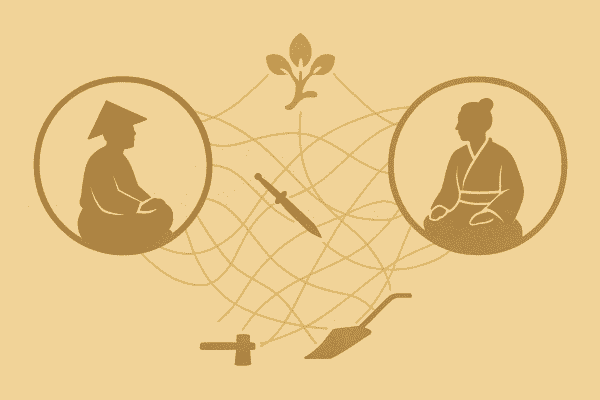
Park Hyun-Sook (박현숙, born 1958) is a professor of History Education at Korea University and a leading scholar of ancient Korean diplomacy and the korean influence on early Japan. Her research focuses on 6th-century Baekje–Yamato exchanges, reconstructing embassy records, gift lists, and military correspondence to clarify the nature of inter-state relations in East Asia.
Figurative sepia illustration showing Paekche and Yamato figures connected by cultural exchange symbols, representing early Korean influence on Japan.

2. Park Hyun-Sook — Diplomacy as Reciprocity, Not Colonial Myth

1. Documented Exchange Between Baekje and Yamato

Park’s archival reconstruction reveals a consistent pattern of mutual support.

From Baekje to Yamato:

  • Buddhist monks, sutras, images
  • Confucian instructors and scholars
  • Architects, temple-builders, master craftsmen
  • Medical specialists and artisans

From Yamato to Baekje:

  • 70 horses and 10 ships (545–546)
  • 1,000 soldiers (552–553)
  • Bow-makers and sword-smiths
  • Fortification laborers

2. The Origins of the “Japanese Colony in Korea” Theory — and Park’s Rebuttal

The idea that Yamato once ruled a settlement on the Korean peninsula — known as Mimana (任那) — did not originate in antiquity. It emerged in the late 19th and early 20th centuries, when Japanese scholars and state institutions selectively reinterpreted passages from the Nihon Shoki to justify Meiji-era expansion into Korea. According to this modern reading, Mimana was imagined as a Japanese administrative enclave in the southern Gaya region, near present-day Busan or Gimhae. But there is no archaeological evidence of Japanese-style architecture, graves, or administrative activity. All excavated materials are consistent with indigenous Gaya/Baekje culture. Park’s analysis dismantles this hypothesis. Through embassy logs, gift lists, and the semantics of diplomatic terminology, she shows that “Imna/Mimana” refers to logistical cooperation and alliance structures, not colonial rule. Verbs long translated as “control” or “rule” actually denote obligations of support within a diplomatic partnership. Seen in this light, Baekje–Yamato relations were mutually negotiated, not hierarchical — a dynamic system of reciprocal assistance rather than colonial governance.

3. After 562 — A Wider Diplomatic Web

  • Silla sends 11 embassies (562–572)
  • Goguryeo reopens contact in 570
  • Baekje continues exports until 660

Summary

Park reframes Baekje–Yamato relations as a balanced diplomatic system, not colonialism. This supports a network-based interpretation of early East Asia. These findings reinforce the wider narrative of korean influence on early japan.
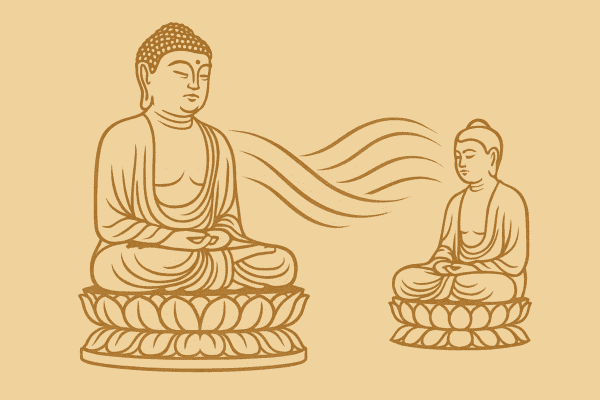
Sepia illustration of a larger Korean Buddha and a smaller Japanese Buddha connected by flowing Dharma lines, symbolizing spiritual transmission from Korea to early Japan.

3. Wonhyo — The Quiet Bridge into Japanese Spiritual Scholarship

Wonhyo (원효, 617–686) was one of the most influential Buddhist philosophers of the Korean Three Kingdoms period. A monk of Silla, he developed harmonizing doctrines that shaped East Asian Mahayana thought, particularly through his commentary on the 信仰の目覚め. Although he never traveled to Japan, his writings entered Nara’s monastic curriculum in the 8th century, influencing Kegon, early Tendai, and the intellectual background from which Zen later emerged.

1. Commentary on the 信仰の目覚め

Wonhyo’s commentary circulated widely in East Asian monastic networks and became foundational in Nara’s Kegon school.

  • Kegon doctrinal development
  • Tendai scholastic foundations
  • Early Zen intellectual climate (Eisai, Dōgen)

2. Concepts Transmitted to Japan

  • One Mind (一心): unity of ultimate and phenomenal reality
  • Harmonization of doctrinal contradictions
  • Non-duality of mind and form
  • A direct, experiential orientation toward awakening


3. A Korean Intellectual Current

Wonhyo adds a philosophical dimension to korea–Japan connections: a spiritual bridge rather than a diplomatic or migratory one.

Summary

His influence forms a quiet but durable current within Japanese Buddhist foundations.

“This intellectual exchange later continues in the Buddhist work of Wonhyo…”

Japan continues to function not only as a cultural source, but also as an active
meeting ground for international research and exchange, with cities such as Kyoto
and Tokyo regularly hosting international conferences and symposia. This becomes
visible in recently published overviews of global conferences addressing Japanese
history, culture, and contemporary interpretation, curated by the platform

Japan Past & Present
.

4. Implications for Korean Studies and East Asian Historiography

1. From Linear Influence to Multidirectional Networks

The old “China → Korea → Japan” ladder collapses in light of archaeological and textual evidence. The region operated as a network with feedback loops, reciprocal exchanges, and shared cultural baselines.

2. Reintegrating Korea into Early Japanese State Formation

Korean elites, technologies, and diplomatic structures contributed directly to the formation of Yamato. This is not revisionism — it is restoration.

3. Recognising Philosophical Transmission as Historical Agency

Wonhyo’s influence shows that ideas themselves function as historical actors.

Korean Influence on Early Japan: A Historical Reflection

Together, Hong, Park, and Wonhyo illuminate the depth of Korean influence on early Japan — through migration, diplomacy, and spiritual transmission.

Conclusion — A Web, Not a Ladder

  • Origins shaped through migration,
  • Diplomacy shaped through exchange,
  • Spirit shaped through resonance.

Taken together, these voices help restore the deeper truth of korean influence on early japan.

How did Korea become “subordinate” in modern imagination when so many foundational structures of Japanese court culture and spiritual training entered Japan from the peninsula?

  • Who benefits from the hierarchical model?
  • What changes when history is read as a network?
  • What becomes visible when Korea is seen not as shadow — but as source?

慈江フラクタル - 思いやりの象徴としての目、韓国の高齢化社会
Discover the meaning behind the Jijang Fractal — A Korean Journey of Compassion → Explore more on Mantifang.com

自強フラクタル.

Sepia illustration of Hugo J. Smal standing with a cane before a Korean Buddha, surrounded by fractal and symbolic motifs representing Korea, children, and spiritual service.

Reflection — The Quiet Voice of Korea

This study examines the broader pattern of korean influence on early japan within migration, diplomacy, and spiritual scholarship.
This reflection is my own — ヒューゴ・J・スマル — written after many years of observing how Korea’s history is told, and how often it disappears from the larger narrative.In conversations with Korean friends, I have come to recognise a paradox: Korea shaped the development of East Asia in profound and foundational ways, yet its role often remains subdued or unspoken. Part of this comes from long periods of isolation, part from a Confucian tradition that values modesty over assertion, and part from the fact that others have written the region’s history in Korea’s place.The result is a silence that was never fully chosen — a silence that allowed louder voices to define the narrative. Today, through Hallyu, the world listens to Korea again, yet the deeper historical voice — the voice of Paekche, Gaya, Silla, Wonhyo — still waits to be heard. As an outsider who has received much from Korea, I believe this is the moment for that quieter voice to stand in the light. Not to claim superiority, but simply to be recognised for the contributions that have shaped the region for centuries. - ヒューゴ・J・スマル

さらに読む

Before we turn to the broader references, one final question remains: how do we restore Korea’s place within the early East Asian narrative? A fuller reflection follows below.
 

質問と回答

1. Why do Japanese sources downplay Korea’s role in early Japanese state formation?

について Nihon Shoki was compiled under an imperial court seeking ideological continuity. Acknowledging deep Paekche influence — especially on the royal line — would weaken claims to an independent imperial origin.

2. What evidence supports large-scale Korean migration to Japan?

Archaeology: irrigated rice agriculture, iron-working, Kofun tumuli, elite burial customs aligned with Paekche/Gaya. These appear too abruptly for diffusion; they indicate population movement.

3. Was Japan ever a colonial ruler in Korea?

No. No Korean, Japanese, or Chinese source supports this. Park shows all military aid was sent upon Baekje’s request. The “Mimana colony” theory is a modern ideological construct.

4. How did Wonhyo influence Japanese Buddhism without traveling there?

His texts spread through monastic networks. His commentary on the 信仰の目覚め shaped Kegon, early Tendai, and the intellectual climate of proto-Zen.

5. Why is a network model better than the traditional ladder?

Because East Asian history shows multidirectional exchange rather than one-way transmission. Korea was not a conduit but a generator of statecraft, metallurgy, philosophy, and Buddhist thought.
韓国の憂鬱

The Jijang Fractal 第4章

ライター ヒューゴ・J・スマル

韓国のメランコリー(漢)は、単なる文化的エンジンではない。

小さな白いサギが驚いている。堤防に戻ると、私は焼酎のボトルを開けて一口飲んだ。セミは鳴きやまず、いつもの鳴き声もなく、まるで夜中に彼らの休息を邪魔するものは何もないかのようだ。しかし、その静寂の下には緊張感が漂い、私自身の不安と重なるような静かな不快感がある。遠くでトランペットが夜を告げるのが聞こえる。兵舎からだ。兵士はどこにでもいる。心配はしていない。私はまだサランチェの食事を味わっている。


韓国の憂鬱
戦場

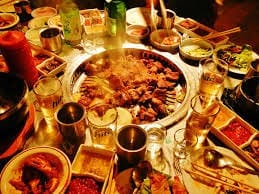
テーブルはちょっとした戦場のようで、常に満席である。
。 バーベキュー用のお皿、おかずを盛ったたくさんのボウル、<br ピーマン、ニンニク、レタスの葉の入ったボウル、ボトルや缶詰、ご飯の入ったボウル、皿、棒、ナプキン......
。 そしてもちろんキムチも。
。 美味しくいただきました。キム・ヨンスが合図した。
。 彼はお金を払うためにカウンターまで歩いた。
彼はカウンターに向かい支払いを済ませた。
その焼酎はおいしく、その温かさが私の中に広がった。
しかし、それは私が忘れていた古い歌のような、馴染みのある痛みを伴っていた。
ケンカは誰が払うべきかという問題ではなかった。
それはお金の問題ではなく、もっと深い何か、おそらく義務感やプライドのようなものだった。
私がほとんど理解できなかった伝統に根ざしたものだった。ここでは、ほんの些細な仕草でさえ、一生分の重みがあるように思えた。
彼らは怒りの声ではなく、激しい決意の声を上げた。.

外では警察が通りを占拠しており、その笑みはあまりにも厳格な統制のただ中で奇妙に場違いだった。
車は止まり、運転手は息を吹きかけ、夜そのものよりも重く感じられるようなあきらめの表情を浮かべていた。.

ボスは煙草に火をつけ、再びレストランからコーヒーが運ばれてきた。ジェイは落胆した様子で、目は遠くを見つめていた。
それはソウルへの長いドライブが単なる距離の問題ではなく、まだ向き合う準備のできていない沈黙へ戻ることだったかのように。
私は歩き始めた。あとは待つしかなかった、必要なら夜更けまで、警察が十分だと思うまで。
地元の店、Gumeonggageで、私はソジュを数本、
煙草を数箱とビスケットを手に取った。カウンターの向こうにいた七十歳の女性は、私が財布を差し出すと微笑んだ。
私は何の疑いもなく彼女を信頼していた。おそらくそのやり取りの単純さ——清らかで、外の世界の複雑さに汚されていない何か——が、
私を安らがせたのだろう。

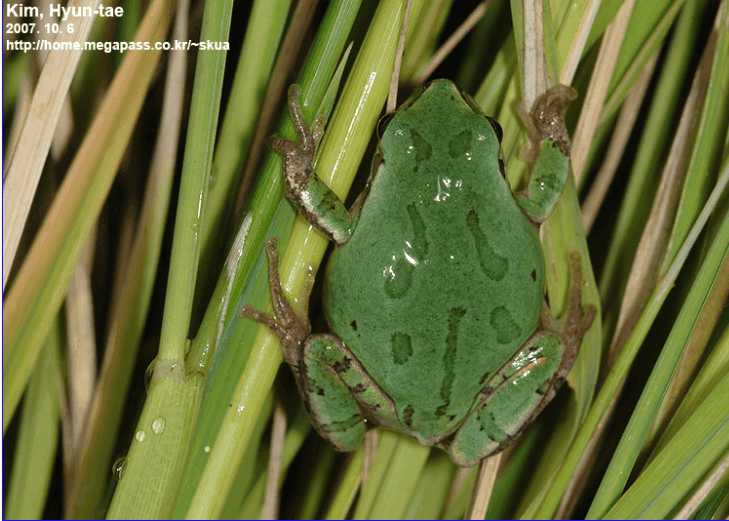
保護されたアマガエル、韓国のメランコリックな鳴き声

ベダゴルの小道は静かだ。夕食の余韻がまだ頭の中でざわめいている。
いつも会話に加わっていたわけではないが、それでもなお圧倒的だ。
実に活気のある人々だ、あの韓国人たちは。


韓国の憂鬱
セーブ・ヘイブン

彼らが酒を飲むとき、私は故郷の仲間、ロッテルダムの人々を思い出す——率直で、火がつきやすく、ためらわずに袖をまくる人たち。
だが類似はそこで終わる。ここでは年功がすべてだ。あらゆる身振り、あらゆる会話に染み込んだ序列である。
私はそれを何度も頭に叩き込むが、それでもなお異質で、重い。オランダでは私たちは並んで歩く。
ここでは列になって歩く——常に前か後ろ、決して肩を並べることはない。

時差ぼけが私をつかまえ、振り払えない霧の中へと引きずり込む。ソジュでさえその鋭さを和らげることはできない。
眠りは、私が思うに、過大評価された贅沢だ。結局、ベッドで死ぬのは年老いた将軍だけなのだから。
ここ韓国では、時間は私の指の間をすり抜け、つかまえるより早く流れていく。
ロッテルダムに戻れば、私は深い水に沈む石のようにカルチャーショックの中へ沈んでいくだろう。
だがここでは、セミが私を水面にとどめる、落ち着かず、いつも目を覚ましたまま。


韓国の憂鬱 
イムグ 

セミに加えて、もう一人の厄介者がいる——オスのスウォンアマガエルが、その高く切迫した声を夜へと吹き込む。
残っているのはわずか八百匹だという。二つの川に挟まれ、自分たちの土地にしがみついている。彼の口笛のような鳴き声はこだまするが、応答はない。
それは生き残りと承認をめぐる闘いだ。韓国人のように、彼もついに日本や中国のいとこたちから離れて
自らの場所を切り開いた。だがその代償……その代償は常にある、緑の皮膚の下に隠れて。

韓国のメランコリックはないが、炭はある

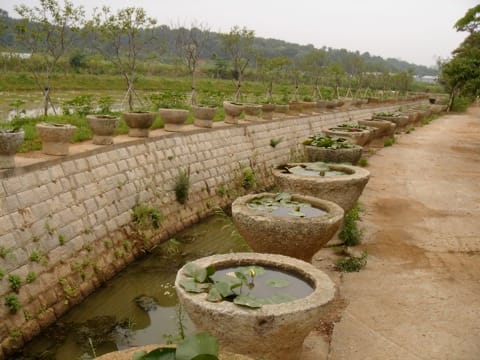
もともとアマガエルは水田を住処としていたが、その多くはほとんど消えてしまった。
しかしベダゴルでは、水辺の設備のなかに避難場所を見つけ、かろうじて生にしがみついている。
theme park だけでも、いまや少なくとも八百匹のアマガエルが生息している——おそらくそれ以上だろう。
キム・ヨンスの夢は実現した。失われた世界の小さな断片が取り戻されたのだ。
だがこの避難地もまた束の間である。Changneung 3 New City の拡張がまもなくこの土地をのみ込み、
スウォンアマガエルのか弱い住処もともに失われる。かつて取り戻された場所が、再び失われようとしている。


韓国の憂鬱

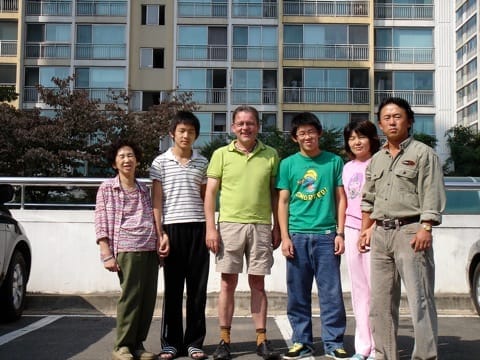
キム・ヨンス、彼の母、妻、息子たち、そして
ライター.

弟によれば、彼は自らに四つの目標を課したという。まず家族を養うことだった。
韓国では常に拡大家族が問題となる。つまり妻と二人の子どもだけでなく、母、姉妹、弟、そしてそれに連なるすべてが含まれる。
キム・ヨンスが幼い頃に父は亡くなり、当時の発展途上の韓国では貧困が深刻だった。
彼は父のバラ園を引き継ぎ、自ら育てた花を路上で売った。やがて種からバラを育てる方法を見いだした。
その収益でまず蓮を育て、その後観賞用鯉の養殖へと転じた。
二つ目の目標は、Hwajeong Dong の人々を助けることだった。
Baedagol theme park はその最終的な成果である。
三つ目の目標は、韓国そのものに何かを返すこと、自然が再び避難所を見いだせる場所をつくることだった。
かつてほとんど忘れられていたスウォンアマガエルは、今やベダゴルで繁栄している。キム・ヨンス自身のように。
しかしカエルたちが高い鳴き声を響かせるときでさえ、この場所もまた時の進軍にのみ込まれるという認識がある。
Changneung 3 New City がまもなく姿を現し、それとともにベダゴルの丹念に育まれた生態系も消えるだろう。
キムにとって達成感は、常にすべての無常という影に覆われている。

しなやかさと脆さをあわせ持つスウォンアマガエルは、夜に向かって口笛のように鳴くが、ベダゴルで見つけたその避難地が束の間であることを知らない。
間もなく、街の進歩がそれを一掃するだろう。.
このカエルは、キム・ヨンスと同じように、常に変化し、前進し、かつての面影を残すだけの世界で、自分の居場所を作り出そうと闘っている。.

サムグクサギとユサ、韓国哀史


韓国の憂鬱
オンジョ

Hwaejeong Dong はすでに歴史書に記されている。
Samguk Sagi
Samguk Yusa にである。
前者は1145年、仁宗の命により金富軾が編纂した『三国史記』である。
Samguk Yusa は「三国 遺事」である。
これは僧侶一然によって著され、伝説、民話、伝記、歴史的記録を含んでいる。
もともと漢民族が Hwaejeong Dong に定住していたが、紀元前18年に百済(Paekche)が建国された。
温祚 は、高句麗の創建者
東明王 の第三子であったが、父を継ぐことは許されなかった。
父は以前に結婚していた。問題のため扶余から卒本へ逃れ、家族を残した。
彼は地元の首長の娘と結婚し、温祚と沸流の二子をもうけた。
その亡命者は自らの国を望み、都をソギョン(現在の平壌)とする高句麗を建てた。
最初の結婚で生まれた子ユリはこれを知り、やがて宮殿に現れて自らの継承権を主張した。
このような家族であれば、ドラマなしには済まない。


韓国の憂鬱
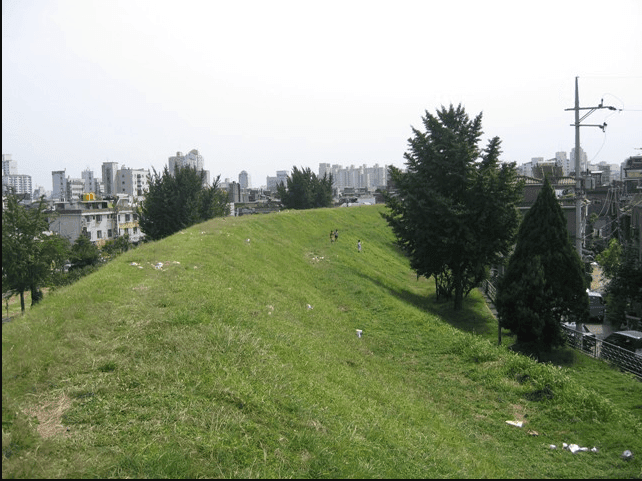
プンナプ・トソン オンジョの城壁を越えて


Koreaanse melancholie

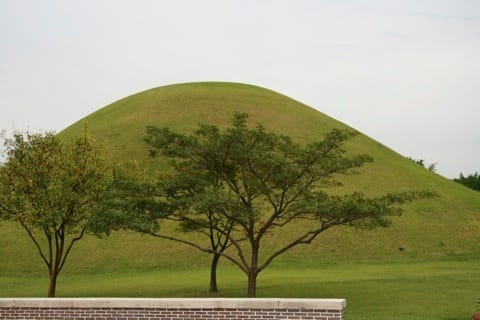
武寧王陵の前に立ちながら、歴史がいかに壮麗さと脆さの両方を保存するのかを思わずにはいられなかった。
この墓は1500年以上手つかずのまま残り、その宝物は時と盗人から守られてきた。
だがこの静けさの中にも喪失のこだまがある——かつて強大だった百済は、いまや断片の中にのみ生き残り、
幾世紀の重みの下に埋もれた遺物として存在している。


韓国の憂鬱
<br 武寧王陵の前に立つと、歴史がいかに壮大さと儚さの両方を保存しているかを考えずにはいられなかった。
。 .

この墓は今でも韓国最大の歴史的発見のひとつである。エジプトでのツタンカーメン王の墓の発見のように、公州での武寧王の墓の偶然の発掘は、時間の手付かずの宝物を明らかにした。どちらの墓も千年以上も封印され、泥棒や劣化から守られ、それぞれの君主の富だけでなく、その文明の文化的壮大さも保存されていた。ツターの墓が古代エジプトの華麗さを際立たせたのに対し、無量王の墓は百済の崇高な芸術性への窓を開いたのである。


韓国の憂鬱
クムジェグァンシク

盗掘者は1500年以上その入口を破ることがなかった。墓で発見された宝物は百済の崇高な文化を際立たせた。
百済の人々はこの墓を土地の精霊から借りたかのようであり、その対価も支払われていた。
梁王朝の貨幣が石の上から見つかり、
百済が中国のその政権の影響を受けていたことを示している。多くの王室装身具が見つかったことから、精霊は契約を果たしたのだろう。
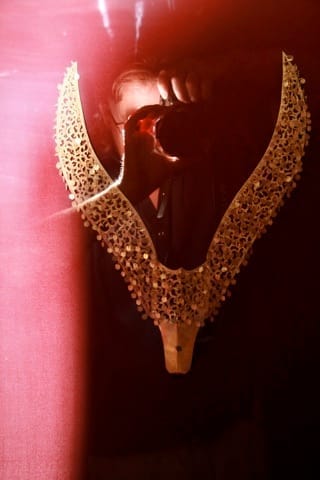
たとえば金製冠飾(Geumjegwansik)。これは武寧王(501–523)が着用した二つの金の冠飾で、小箱に丁寧に収められていた。
厚さ2ミリの薄い金板から切り出されたものである。伝承によれば、王は黒い絹の頭巾の左右にそれを着けた。
その上には、後ろに金の花を留めた黒布の高帽をかぶっていた。冠飾は翼のような形をしており、
シャーマニズムにおける再生信仰を象徴している。金の耳飾り、簪、蓋に龍と蓮の文様を持つ青銅の酒杯、
翡翠の垂飾や鉄剣も出土した。

Korean melancholy

二つの銀の腕輪には
百済の銀細工師ダリ
の名が重さとともに刻まれている。この名は日本・斑鳩の法隆寺釈迦三尊像にも見られる。
僧マラナンタの来訪以来、仏教は百済文化に大きな影響を与えた。それは武寧王陵にも表れている。
だが仏教の在来宗教への寛容だけではない。遺物には依然としてシャーマニズム的要素が見いだされた。
私は別の理由があると思う。
エジプトでツタンカーメン王の墓が発見されたように、
公州で武寧王陵が偶然発掘されたことは韓国にとって啓示であり、はるか昔の世界を垣間見る稀有な機会だった。
千年以上封印されていた両墓は、その宝を時と腐朽から守っていた。
ツタンカーメンの墓が古代エジプトの豪奢と壮麗を示したのに対し、武寧王陵は百済の繊細で霊的な芸術性への窓を開いた——近隣諸国にしばしば覆い隠されながらも、同じく壮大な文化である。
だが世界史の語りにおいても同様だ。エジプトや中国の宝は世界的に称賛される一方で、
百済の遺産は繊細で深遠でありながら、知る者は少ない。それでもこの墓の静寂の中で、その意義は否定できない。

式部の韓国的憂鬱:もののあはれ

私の思考は、Shikibu Tsukuとの会いに漂う。
Kasteeltuinen Arcenでの約束のあいだ、
芽吹く緑に差す雲と陽光の交錯は、シキブの気分を映しているかのようだった——温もりと冷たさのあいだの絶え間ない揺れ、
記憶の慰めと置き去りにされたものの痛みのあいだの往復。空気は澄み、冬眠から目覚める土のかすかな匂いを運んでいた。
三月初めは門が閉ざされているため、これを目にする者は少ない。冷と暖の対比のなか、炉火への憧れと
yakitori.のあいだで。
公園は静かな美しさに包まれていた。寒さを感じたシキブは、夏の着物を思慮深く折りたたんだ。
彼女は薔薇を楽しむ優雅な姿というより、内向きの祈りそのものだった。彼女の独白が私の意識を満たした。

もののあはれ
とシキブは語り始めた。
「それは、ものごとの哀感に満ちた美しさを表す日本の言葉です。自然の避けがたい無常は、美をはかなく、ほろ苦いものにします。
生きとし生けるもの、そして存在するすべては永遠ではありません。盆栽を見てください。枯れた枝がしばしば木の本質的な美を形づくります。
それは私たちが自然をどう見、どう体験するかにも映し出されています。桜が美しいのは、はかなく、あまりにも散りやすいからです。
だからこそ、すぐに、そして存分に味わわなければならないのです。」


<br もののあはれと漢は、同じコインの裏表のようなものだ。


<img src="/fileupload/stock/stock_detail.html? (中略)
しかし、モノが静かな諦観をもってそれを受け入れるのに対し、ハンはその重みを背負い、手放すことを拒む。
<br ()

私はシキブを見つめ、彼女の気持ちを少しでも軽くしようとした。
「いまはKasteeltuinenにとどまるのは難しいけれど、心を温めるために酒を用意しよう。」


「ああ、季節の変わり目は涙が出ますね」
そう言って、彼女は酒器に向かって軽く頭を下げた。
「私はメランコリックですが、ホームシックでもあるのかもしれません。

「私は憂鬱ですが、ホームシックでもあるのでしょう。 日本の村は日本村になり、水族館のテントは水族館になった。日本村は「日本村」、水族館のテントは「水族館」:
まだまだやりたいことがたくさんある。 錦鯉については、まだまだ学ぶことがたくさんある。もし「もののあはれ」がどんな日本の芸術にも当てはまるのだとしたら、
基本鯉の死は、確かにそうだ。 その言葉の重みが時の流れを運んでいるかのように、彼女の声はやわらかくなった。
「日本村だって。
「日本村や異邦人魁聖も、私たちが愛情を込めて飾っている鯉の儚い美しさのように、いつかは記憶の彼方へと消えていく。 そういうものなのでしょう。私たちが何かにしがみつけばしがみつくほど、それは私たちの指をすり抜けていくのです」。


韓国の憂鬱

夏、秋、冬...そして春

クムドン・ミレク・ボサル


「なぜそんなに悲しいの、シキブ?」私は彼女を慰めようとした。彼女の感じていることはわかっていた。
キム・ギドクのSpring, Summer, Fall, Winter… and Springを観た者なら、よく理解できるだろう。
石臼を引いて山を登る若い僧は、自らの苦しみだけでなく、世界の重みをも背負っている。
腰に縄を結び、重い石を後ろに引きずりながら、彼は
Geumdong Mireuk Bosal、黄金の弥勒菩薩を抱えている。
その重荷は単なる肉体的なものではない。苦しみの中にある救済への希望を象徴する、霊的な重みである。
彼の一歩一歩には人間の苦悩の重さが響くが、その腕に抱かれた菩薩は再生と悟りの可能性を思い起こさせる。

これもまたハンである——世代から世代へと受け継がれる重荷、静かに背負われながらも、決して完全には解かれないもの。
多くの日本の純粋主義者は、私が極東の文化を自由に混ぜ合わせることを嫌悪するかもしれない。しかし、私のHangukへの長い滞在と
多くの芸術家や学者との対話は、「もののあはれ」はこのようにしてこそ完全に理解されるのだと私に確信させた。
もののあはれはハンと手を取り合っている

式部はひとつだけ約束した。 旌善アリランを聴きながら、
韓の真髄に触れる。
その一音一音が、何世紀にもわたる悲しみと逞しさの重みを背負っている。 キム・ヨンイムの歌声の中で、私たちは自分自身の何かを見つけることができるだろう。.

映画はこの物語をさらに深く感じさせてくれる。続きはすぐ下で読むことができる。

中国、韓国、日本の文化交流を探る

宗教と並んで、百済の職人や学者たちは建築、陶器、金属加工などの高度な技術ももたらし、初期の日本文化に永続的な足跡を残しました。 .

中国、韓国、日本の文化は相互に関連しているが、それぞれ異なる特徴を持っている。
中国は、韓国と日本が何世紀にもわたって恩義を感じてきた文化的祖国である。
しかし、長い鎖国生活の中で、韓国も日本も中国から輸入した哲学や伝統を独自の解釈で発展させた。.

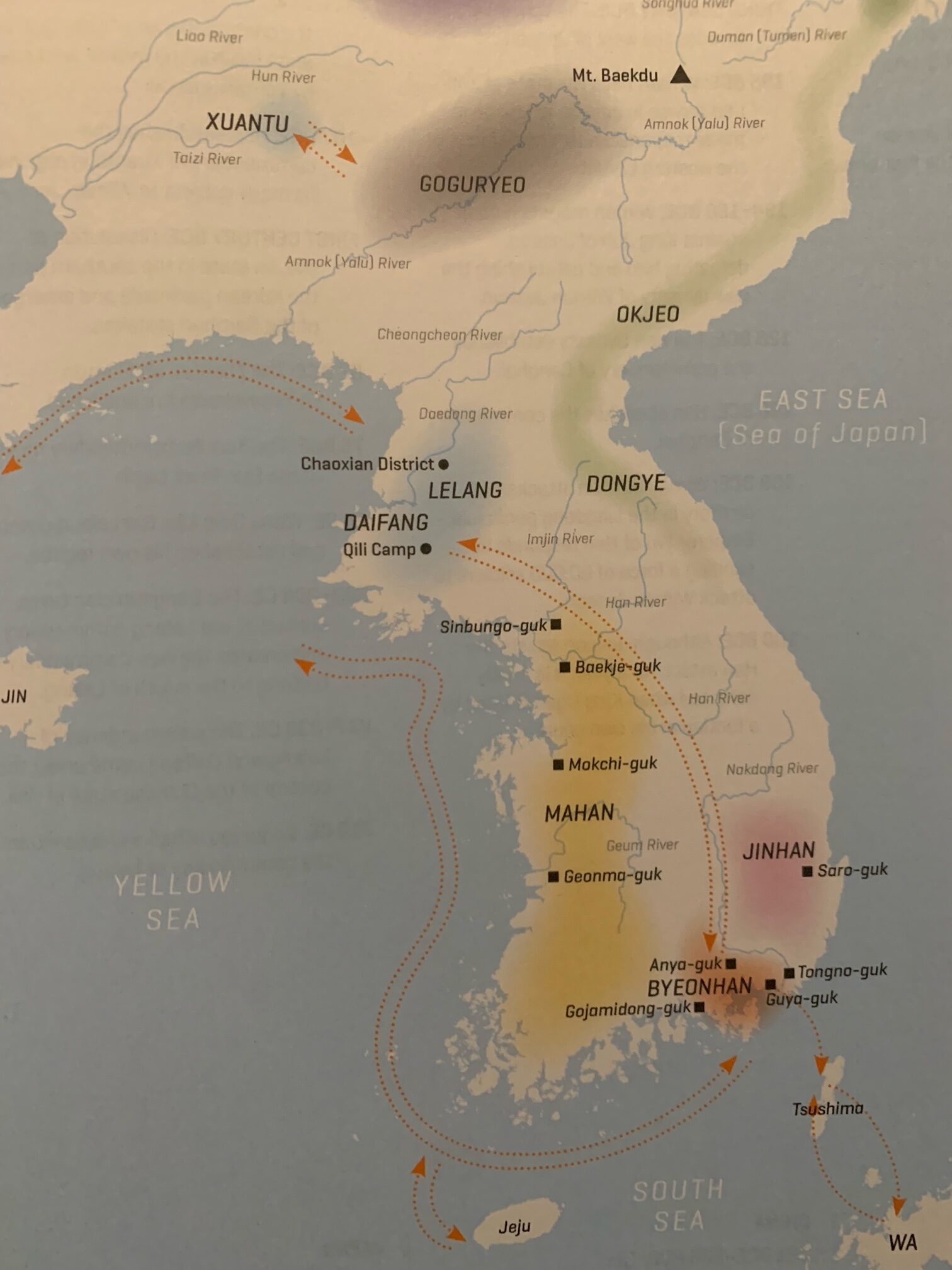
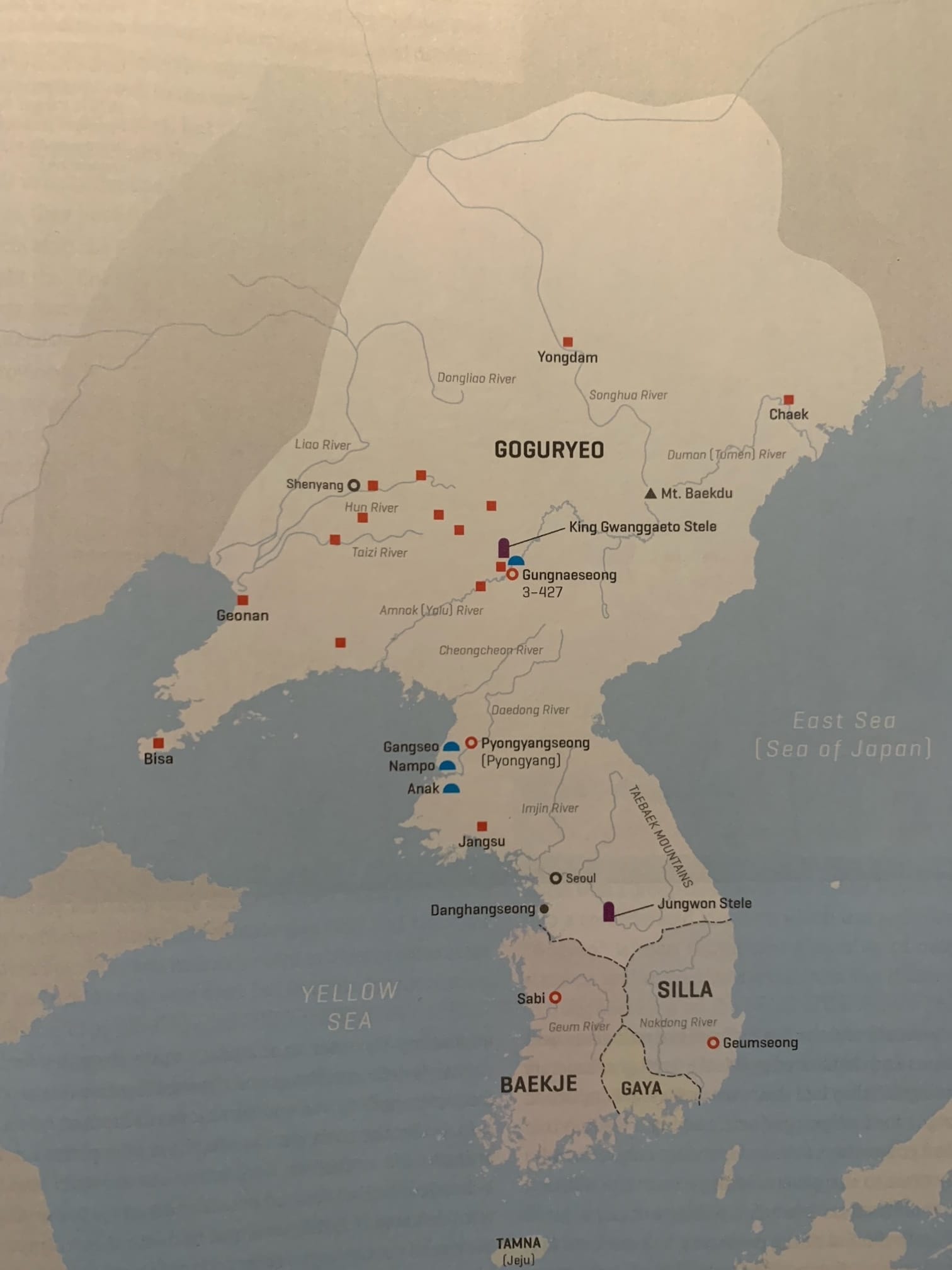
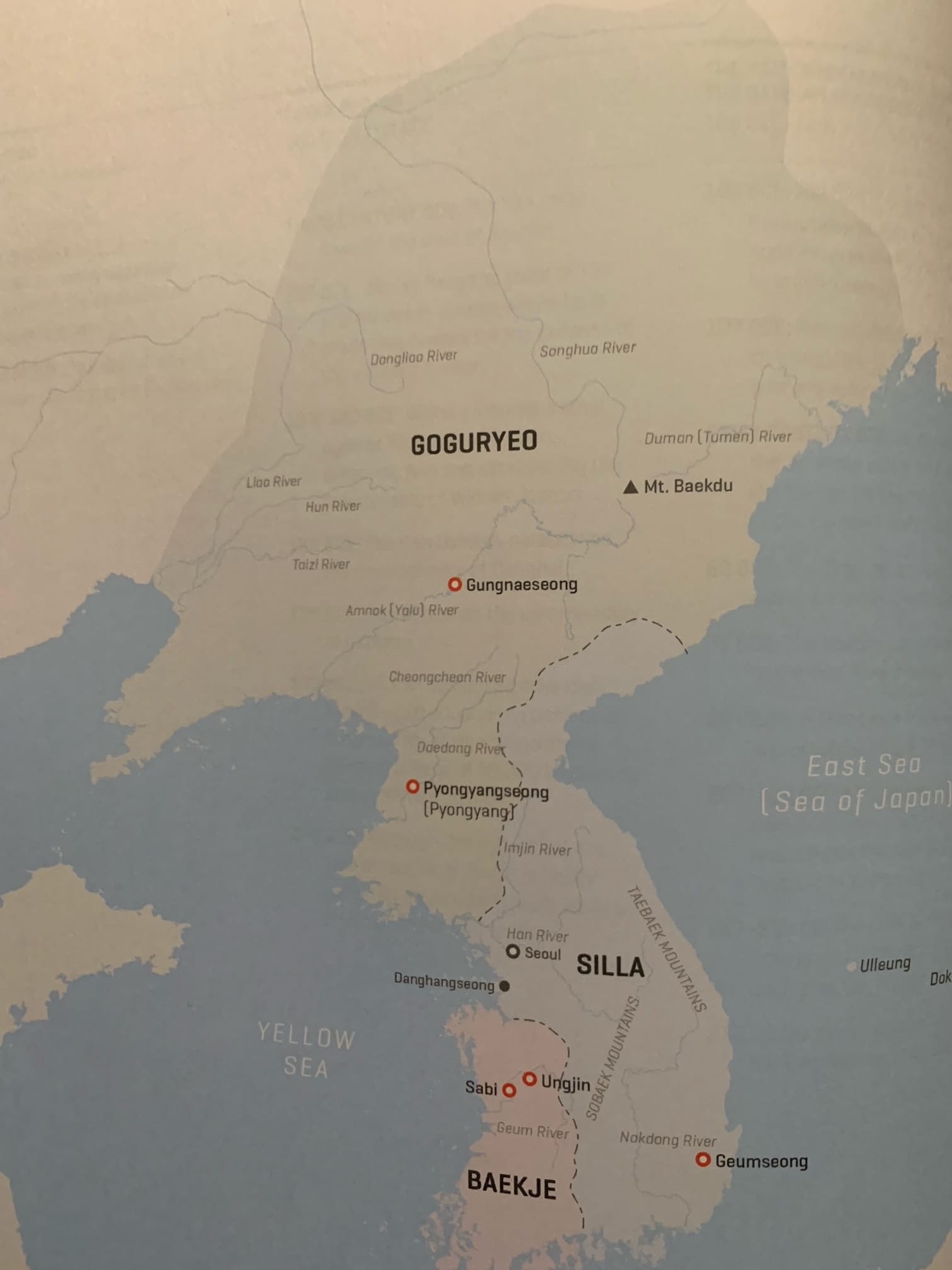
地図で見る韓国の歴史 ケンブリッジ大学出版局


韓国の憂鬱
3~4世紀

韓国の憂鬱
6世紀

韓国の憂鬱
6世紀半ば

韓国の憂鬱はどうなる?

しかし、北部の有刺鉄線の向こうにいる兄弟姉妹はどうだろうか?彼らは一緒に曲がるか、ロケット弾の練習をするだろうか? 山はまた、すべてを支配する金一族を観察した。その残酷さ、内外のプロパガンダ、<br 独裁者である政権は、祭壇に食べ物や飲み物を提供することができなかった。.

焼酎のボトルが空になっていることに気づく。駐車場を横切ると、さっき追い越していった車がいる。 運転手が降りて屈む。オ・ヤンチョンと名乗り、切符を渡す。警察です!

源氏物語 箒の木

源氏物語-箒の木(第二章)

紫式部を読む 源氏物語, 世界初の小説とも呼ばれるこの小説を 平安時代礼儀作法、, ミヤビそして モノ・ノー・アウェア 源氏を取り巻く世界を形作る。.

今回のレビュー 源氏物語 (第2章:箒の木)は、日本の古典文学の傑作における平安宮廷の生活、詩歌、美学を探求している。.


紫式部 - 『源氏物語』第一章解説
第1章に対するスマルのコメント - 読む
これ.

の中で 平安時代, 会話は詩、儀礼、名声に傾いた。男性は地位や美学について議論し、女性は発言者ではなく話題になることがあまりに多かった。政治とは事務的な作業であり、気難しい議論や身分の慎重な振り付けを意味した。権力の駆け引きは完璧でなければならなかった。.

この中で 古典小説, 愛と喪失が宮廷生活の複雑さと絡み合う。.

源氏の世界:芸術、礼儀作法、そして感情

平安時代の絵画 - 源氏物語の美学と雅歌
ブルーム・ツリーの伝説

アートは重要だった。詩の交換は非常に重要だった。. ミヤビ-法廷での洗練が法律だったのだ。ドナルド・キーンは、西洋の美学が平安以来日本で果たしてきた役割に匹敵するものはないと指摘した。密接に関連しているのは モノ・ノー・アウェア人や自然に感動する心構え。.

源氏物語 は、感情と社会規範の微妙なバランスを示している。.

平安京:ランクの小さな島

源氏の世界は閉所恐怖症だった。藤原氏に支配された貴族たちは 平安京 (京都)は、10万人の都市に1000人ほどしか住んでいなかった。7世紀以降、秦氏の一族が京都に移住してきた。 ガヤ/シッラ 朝鮮半島に定住した。都(794年~)は長安の碁盤の目に従っていた。 風水 の原則がある。.

京都の繁華街は庶民には閉鎖的だった。物資は門に届き、身分の低い人々はエリートには見えない。彼らの特権の島はわずか4平方キロメートルしかなかった。.

続きを読む 風水 と東アジアの首都を紹介した。 モノ・ノー・アウェア, 儚い美しさ」:
このサイト

大礼の模型 - 平安時代の京都御所
内裏 - 皇居が日常生活を支配していた。.

源氏は、桐壺天皇と身分の低い妾・桐壺公女の息子であり、天皇に愛され、ライバルに妬まれた。宮廷政治から彼を守るため、彼は嫡流から外されて源氏の名を与えられ、侍従としてキャリアをスタートさせた。ヒカル, シャイニング・ワン“

第2章 ほうきの木

左大臣の娘・葵と結婚した源氏。源氏の邸宅に、友人の藤中将をはじめとする役人たちが集まる。彼らの話題は、女性、身分、そして厳しいヒエラルキーの中での選択の危うさ。.

“「......明かりの中、柱を背にして横たわっていた。彼にとっては、高嶺の花では物足りないようだった。”

誰を選ぶか?カーテンとスクリーンの向こうでは、出会いは詩と香水によって暗号化されていた。これは文学がホモエロティックなまなざしを示す初期のヒントのひとつなのだろうか?美はしばしばカテゴリーを混乱させる。.

個人的な余談だが、私が初めて美しさに衝撃を受けたのは1965年、新品の白黒テレビで見たブライアン・ジョーンズのシタールだった。天使だ。. ヒカル, 輝く。源氏と同様、カリスマ性は周囲のすべてを再構築した。.

藤原氏の側室であった紫式部は、遠くから、しかし鋭い洞察力で男たちを書いた。彼女の想像力がこの宮廷の世界を活気づけている。.

詩、香水、プロトコル

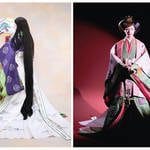
十二単衣 - 平安宮廷衣装
平安装束 - junihitoe

貴族の結婚には複数の妻や妾がいた。宮廷は厳しく、出会いは慎重だった。時には中国文学から借用した詩を上質な紙に書き、香りをつけ、花を添えて送った。女性の心が動けば(モノ・ノー・アウェア)、彼女は親切に答えた。愛は失敗することもある:

章の終わり近く: “希望がないと知ったとき...彼はとても傷ついた”

“「箒の木の意味を知らなかった私は、今になって不思議に思う。”

画像についての注記: 園原(信濃)の箒の木は、近づくと消えると言われている。.

吉祥天と完全性の限界

吉祥天(ラクシュミー) - 薬師寺障壁画 平安時代
吉祥天 - 薬師寺、平安時代

“「...結局のところ、一人の女性を選ぶことは不可能なのです...吉祥天自身に心を寄せてみてください。”

吉祥天 は、美と幸運の女神ラクシュミーの仏教的な姿であり、おそらく源氏にとっても完璧すぎる。源氏の手腕は恋と同じくらい重要である。.

📖 ディスカバー・マイ・韓国・ジャーニー

を探求すると同時に 源氏物語, 韓国での自分の経験、つまり文化、歴史、そして自分の視点を形成した日常的な出会いについて書いてきた。.
飛び込む 私の韓国旅行 東アジアの伝統が現代の生活とどのように結びついているのか。.

私の韓国旅行を読む

さらに読む

についてもっと知りたい。 源氏物語その 平安時代, そして日本の美学?信頼できる情報源を紹介しよう:

youtubeのプレースホルダー画像

オランダ語-韓国語-日本語

オランダ語-韓国語-日本語:言語遺産をめぐる7つの興味深い洞察

出島貿易、蘭学、ヤン・ヤンシュのキャリアを通じて、オランダ語の借用語がいかに韓国語と日本語に流入したか。そしてそのことがなぜ今日重要なのか。.

一見したところ

  • フォーカス: dutch-words-korea-japanese - 東アジアにおけるオランダ語の影響をコンパクトにまとめたガイド。.
  • タイムライン 1609年 通商アクセス → 1641-1854年 出島独占 → 18-19世紀. 蘭学 (オランダ語学習)。.
  • 人だ: ヤン・ヤンシュウェルテブリー(パク・ヨン)、ヘンドリック・ハメル、徳川の仲介者、朝鮮の役人。.

出島から朝鮮へ:オランダ語はなぜ旅をしたのか?

1609年8月24日、将軍はオランダに日本での貿易権を与えた。1641年以降、VOCは小さな人工島である
デシマ を長崎に派遣し、オランダを江戸時代の日本の主要なヨーロッパ人窓口とした。航海日誌、通訳、医療関係者を通じて
航海術、医学、地図学、技術などの用語が日本語に入ってきた。それと同じ海上ネットワークである、,
そして漂流者たちの意図せぬ旅は、朝鮮半島にも及んだ。.

のキャリア ヤン・ヤンシュウェルテブリー - 韓国ではパク・ヨンと呼ばれている。 ヘンドリック・ハメル おかげさまで
オランダの実践的な知識を現地の語彙に変換する。彼らの体験談は一次資料に記録されており、オランダ語圏への入り口として有用である。
理解 オランダ語-韓国語-日本語 歴史的現象として。.

言葉を広める人々とチャンネル

ウェルテブリー&ハーメル

ウェルテブリーの技術的な専門知識(砲術、船の修理、測量)は朝鮮の宮廷で重宝された。
は日常生活、階級、兵站を表現していた。このような出会いは、韓国語にオランダ語の借用語が殺到したわけではないが、次のような種をまいた。
通訳や日清の文献を通じて半島に伝わった用語や接触。.
続きを読む ウェルテブリー財団 そして
AKSのハメル.

蘭学:江戸の蘭学

日本では、, 蘭学 (オランダの学問)はヨーロッパ科学の窓口となった。医学書、植物学リスト、航海学リストなど、オランダの学問はヨーロッパの科学とのパイプ役となった。
語彙は翻訳され、適応され、教えられ、オランダ語由来の用語の痕跡を日本語に残した(特に外科、化学周辺)、,
と航海術)。外交と印刷を通じて、この用語の一部は、実用的なニーズが一致したときに韓国の学界で表面化した。.

何をするのか? オランダ語-韓国語-日本語 実際のところはどうなのか?

  • 海事と地図製作 羅針盤の方位、海図、船の部品に関連する言葉は、まず日本語に入り、その後各地に伝わった。.
  • 医学と器械: 解剖学用語、手術器具、薬学は、蘭学マニュアルや実演を通じて伝わった。.
  • 管理と技術 簿記、測量、砲術などの用語は、各州が解決すべき具体的な問題に直面したときに採用された。.

韓国語と日本語は漢字を通してオランダ語を濾過したため、オランダ語の音声はしばしば自然化され、媒介された。
オランダ語-韓国語-日本語 今日は、1対1の単語リストと同様に、ネットワークと教育法に関するものである。.

なぜ今、この遺産が重要なのか

借用語はトリビアではない。研究者のために、, オランダ語-韓国語-日本語 はデートの交換を助ける、,
貿易回廊の地図を作成し、東アジアの裁判所がどのように “有用な知識 ”を評価したかを理解する。読者にとっては、言語の変化を思い起こさせるものだ。
船や診療所、ワークショップがより良い言葉を必要とするとき、彼らはそれを借用した。.

主なリードと背景

東アジアにおけるオランダの影響に関する古典的な概説は、以下のエッセイである。 フリッツ・フォス (東アジア史)。アーカイブ
出島に関する資料と現代の出島研究 蘭学.

マンティファンで探索を続ける

FAQ - オランダ語-韓国語-日本語

オランダ語-韓国語-日本語」とは?
オランダ語を起源とする用語の研究用略語で、人脈、漂流者、外交を通じて(出島や蘭学を経由して)日本語に、そしてわずかながら韓国語の文脈にも入ってきた。.
この交流の中心人物は誰だったのか?
ヤン・ヤンシュ。韓国ではウェルテブリー(朴淵)とヘンドリック・ハメル、日本では江戸で通訳、医師、学者として活躍した。 蘭学.
現在の韓国語には、なぜ見分けにくい用語が多いのだろうか?
というのも、漢字と日本の学問を媒介としていたからである。近代的な標準語彙が発展するにつれて、形式は帰化し、翻訳され、あるいは置き換えられた。.
© Mantifang - 解説&ガイド。.

源氏物語 第一章(桐花亭):平安の暮らし

源氏物語 第一章(桐の館)

紫式部を読む 源氏物語, 世界初の小説:第1章では、愛、喪失、そして モノ・ノー・アウェア 平安時代の洗練された宮廷生活の中で。.

源氏物語:生涯の伴侶

もう何年も枕元に置いてある: 源氏物語 紫式部作。1000年から1008年にかけて日本で書かれたこの作品は、偉大な世界的古典に属する。このような作品に取り組むには、忍耐、開放性、共感が必要だ。トルストイ、ドストエフスキー、ディケンズ、シェイクスピアといった偉大な作家の後、私は式部の傑作を読む準備ができたと感じた。ジョン・アーヴィングに触発され、再び真剣に書く前に人生経験が必要だと考え、しばらく自分のペンを置くことにしたほどだ。.

存在のはかなさ

私にとって成熟とは、存在のはかなさを内心で笑うことだった。日本では モノ・ノー・アウェア 無常への感受性だ。まるで私の手が勝手に詩を書いているかのように。それは、はかない意識の無意識的な反響である。文学はその最たるもので、私たちにこのはかなさを思い起こさせると同時に、奇妙な安らぎを与えてくれる。.

2キロの重さ

源氏物語 1,182ページ、2キロ近くある。13ページの時点で、私はすでに没頭し、全編に織り込まれた795の詩を予期していた。第1章, 桐の館, それは悲劇から始まる:源氏の母、桐壺夫人が亡くなり、天皇は打ちのめされる。.

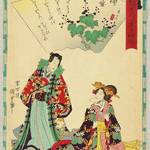
二代目歌川国貞 1823-1880
二代目歌川国貞 1823-1880

11ページで、皇帝はつぶやく。“彼女の甘い魂がどこへ行ったのか、魔法使いを見つけることさえできれば”。このような憧れ、後悔、乗り越えがたい悲しみの感覚は、白居易の詩のように、中国の詩にも響いている。 永遠の後悔の歌, のような西洋のバラードにも登場する。 キャリックファーガス. .文化圏を越えて、愛と悲しみは心を揺さぶるほど似たトーンで表現される。.

乗り越えられない後悔

“「今日も酔っ払っているし、シラフになることはめったにない。.
ああ、でも私は今病気で、私の日々は終わろうとしている。.
さあ、若者たちよ、私を寝かせてくれ」。”

これが悲しみとホームシックのブラックホールについてでなくて何なのか?憂鬱は、天皇の喪のように、ランクを知らない。過去への後悔、現在への哀しみ、未来への不安、それらは文学でも人生でも同じように絡み合っている。このように、源氏の物語は、人間の苦悩の時代を超えた本質を私たちに思い起こさせる。.

平安の悲しみから韓国へ ハン

天皇の悲しみはまた、韓国における ハン-未解決の悲しみと憧れの集合体。どちらも モノ・ノー・アウェア そして ハン 文学がいかに人間のもろさを文化の違いを超えて結びつけるかを示す。このことについては、私の自伝的シリーズに詳しく書いている。 韓国人と私, 東アジアの伝統と個人の内省が出会う場所。.

紫式部と平安宮廷について

式部とその世界の背景について:

さらに読む

さらに詳しく 源氏物語 第一章, 平安の美学、文化的背景:

概要 源氏物語 第一章 は平安美学の青写真であり、美、力、感情の交差点である。.

FAQ - 源氏物語 第一章

の第1章で何が起こるのか? 源氏物語?

第1章, 桐の館, 源氏の母、桐壺の死が描かれる。天皇の悲しみと源氏のもろさは、平安宮廷生活における悲しみ、愛、無常というテーマの舞台となった。.

なぜなのか? 源氏物語 そんなに重要か?

執筆者 紫式部 1000年頃に書かれたこの小説は、しばしば世界最初の小説と呼ばれる。散文、詩、心理的な深みが入り混じり、平安時代の日本とその文化を鮮やかに描き出している。.

どのように モノ・ノー・アウェア 第1章に登場するか?

桐壺夫人の死に対する天皇の悲しみは、次のことを体現している。 モノ・ノー・アウェア-無常と美への感受性。このテーマは小説全体を通して共鳴し、より広い東アジアの美学と結びついている。.

カテゴリー 文学解説

注目のビデオ

youtubeのプレースホルダー画像

R.I.P. Takashi Amano San

Takashi Amano san; our master!

天野高史
天野 隆サン

Takashi Amano is widely recognized as the founder of the “Japanese aquascape.” After a career as a professional cyclist, he transitioned into painting, nature photography, and ultimately, the art of aquarium design. Initially, his focus was solely on the fish, but over time, he began to incorporate Zen techniques into his work.

Ancient philosophy.

Zen Buddhism, which originated in China, made its way to Japan through Korea during the Kamakura period (1192 – 1333). Its influence was profound, giving rise to beautiful Zen gardens. Amano sought to encapsulate the essence of Zen nature within his aquariums. By using only a few types of plants, carefully harmonized with stones and wood, he developed a unique style that resonated with many Japanese. In 1980, he founded Aqua Design Amano (ADA), which became synonymous with his distinctive approach to aquascaping. His work gained international acclaim, with books written about his techniques being translated into English, thus introducing Amano’s art to Europe.

On August 4th of August 2015, ミッキー・パウルセン wrote on her ミロシャキ forum:

天野高史“With great pain and sadness, I learned that the Master of Aquascaping, Takashi Amano San, passed away at the age of 61. He left us on August 4th in his hometown of Niigata. I am proud to have known and met him, and I create my aquascapes with him in mind. He remains for me the ‘Master of Aquascaping,’ and our forum will always be an ode to Takashi Amano San. I wish his family much strength during this time.” —Mickey Paulssen

Mickey also created the “Rest in Peace Takashi Amano” page on Facebook, which was soon acknowledged by Amano’s family. This page stands as a small monument to his legacy. Like R.I.P. Takashi Amano San  and let the world now you admire his work.

His last work

天野高史One of Takashi Amano’s final projects was the Takashi Amano x Oceanário de Lisboa: The Road to the World’s Largest Nature Aquarium. This ambitious project represented a new frontier in the world of aquascaping, pushing the boundaries of what had been done before. You can read more about it at Aqua disign AmanoMore about Takashi Amano San: これ

Do you have a good story about the aquarium designer giant? Did you meet him, work with him or just like his work? We are happy to publish it. With liking the FB page: Rest in Peace Takashi Amano San. Let the aquascaping world know you miss his art and are great full of his inspiration. Already 3000 + Amano fans preceded you.

R.I.P. Takashi Amano San

youtubeのプレースホルダー画像


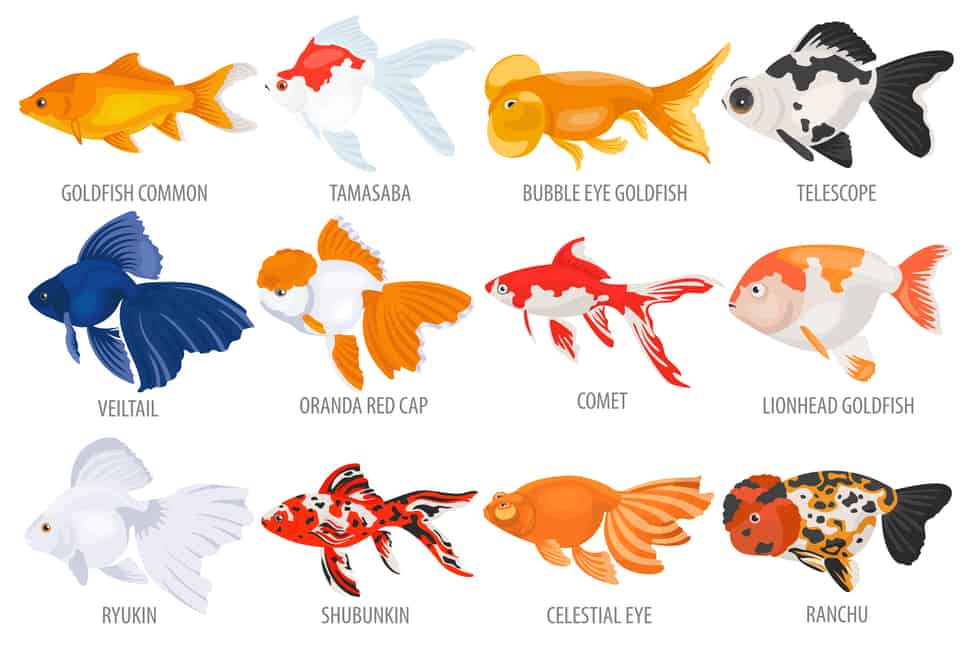
ファンシー金魚

The Ultimate Guide to Caring for Fancy Goldfish

Decorative Goldfish are a popular choice among aquarists due to their unique appearance and vibrant colors. These ornamental fish come in various types, each with its own distinctive features. Whether you’re a beginner or an experienced fish keeper, providing the right care is essential to keeping your Fancy Goldfish healthy and happy.

Choosing the Right Tank for Fancy Goldfish

ファンシー金魚When selecting a tank for your fishes, size matters. Unlike other fish, these beauties require more space due to their size and the amount of waste they produce. A minimum of 20 gallons is recommended for one Ornamental Goldfish with an additional 10 gallons for each additional fish.

Ideal Water Conditions

Maintaining proper water quality is crucial for the well-being of your Fancy Goldfish. These fish thrive in freshwater with a pH level between 7.0 and 8.4. Regular water changes and the use of a good filtration system will help keep the water clean and safe for your Ornamental Goldfish.

Feeding Your Fancy Goldfish

Fancy Goldfish have specific dietary needs. A balanced diet consisting of high-quality flakes, pellets, and occasional treats like bloodworms or brine shrimp will ensure your friends  remains healthy. Be careful not to overfeed, as Fancy Goldfish are prone to obesity and related health issues.

Common Health Issues

Like all pets, fishes can face health challenges. Some common issues include swim bladder disease, fin rot, and ich. Early detection and prompt treatment are key to ensuring your Fancy Goldfish recovers quickly.

結論

Caring for Goldfish requires attention to detail and a commitment to providing the best environment possible. By following these guidelines, you can enjoy the beauty and charm of these fascinating fish for many years to come. Taking care of Fancy Goldfish is like taking care of Nishikigoi. Find all he knowledge you need on koi-knowledge-base

The Historical Journey and Genetic Origins of Fancy Goldfish

ファンシー金魚
Thanks to: Mavink

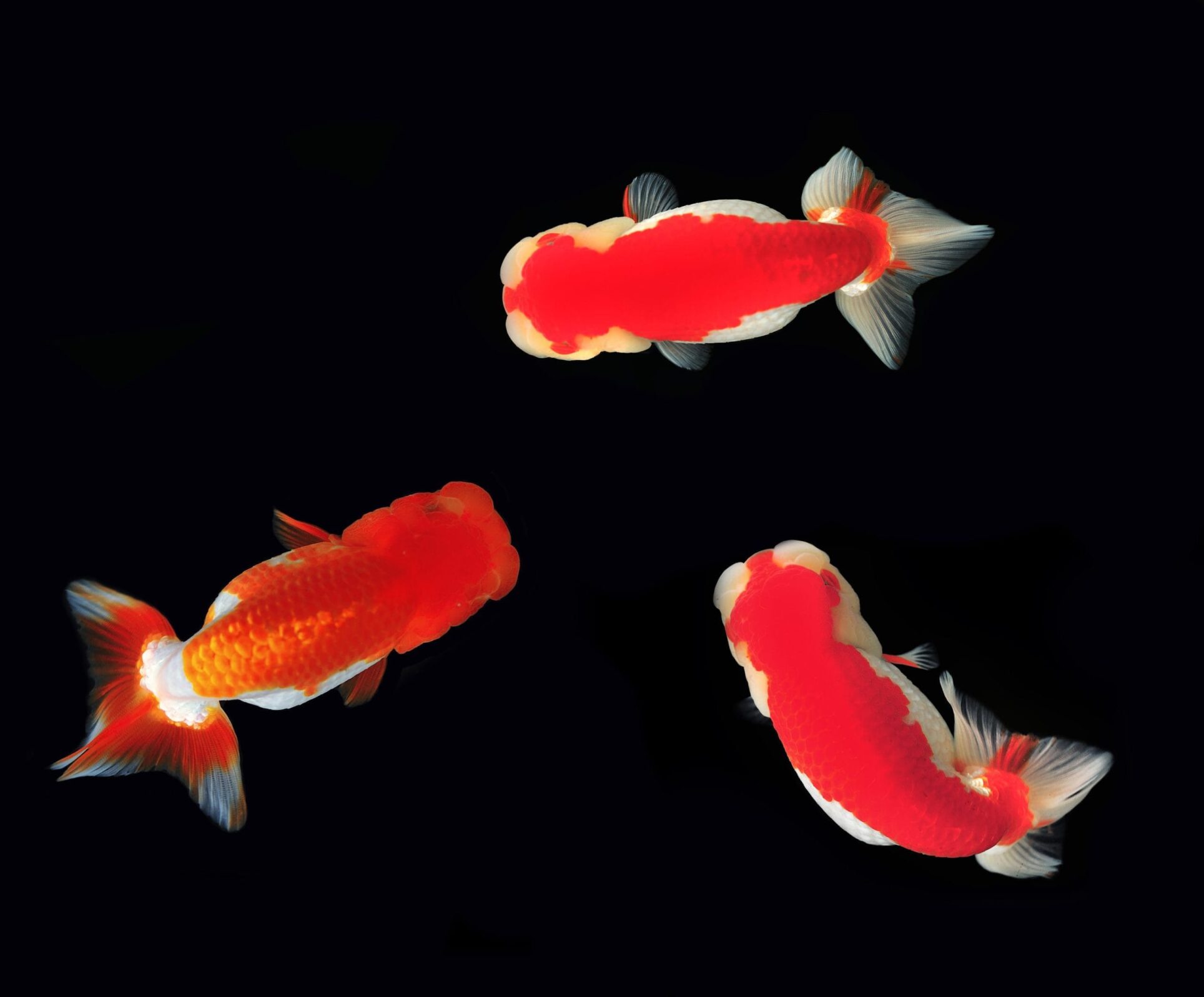
Fancy Goldfish have a rich history that dates back to the early years of the Song Dynasty (960 AD). These exquisite fish were first discovered in eastern China, with their range stretching from Beijing to Macau. Through selective breeding practices, different variants of these ornamental fish began to emerge, each more captivating than the last. By the 12th century, these beautiful creatures made their way to Japan via Korea, where they continued to flourish. Although it’s unclear whether Ornamental Goldfish reached America or Europe first, their global popularity was undeniable.

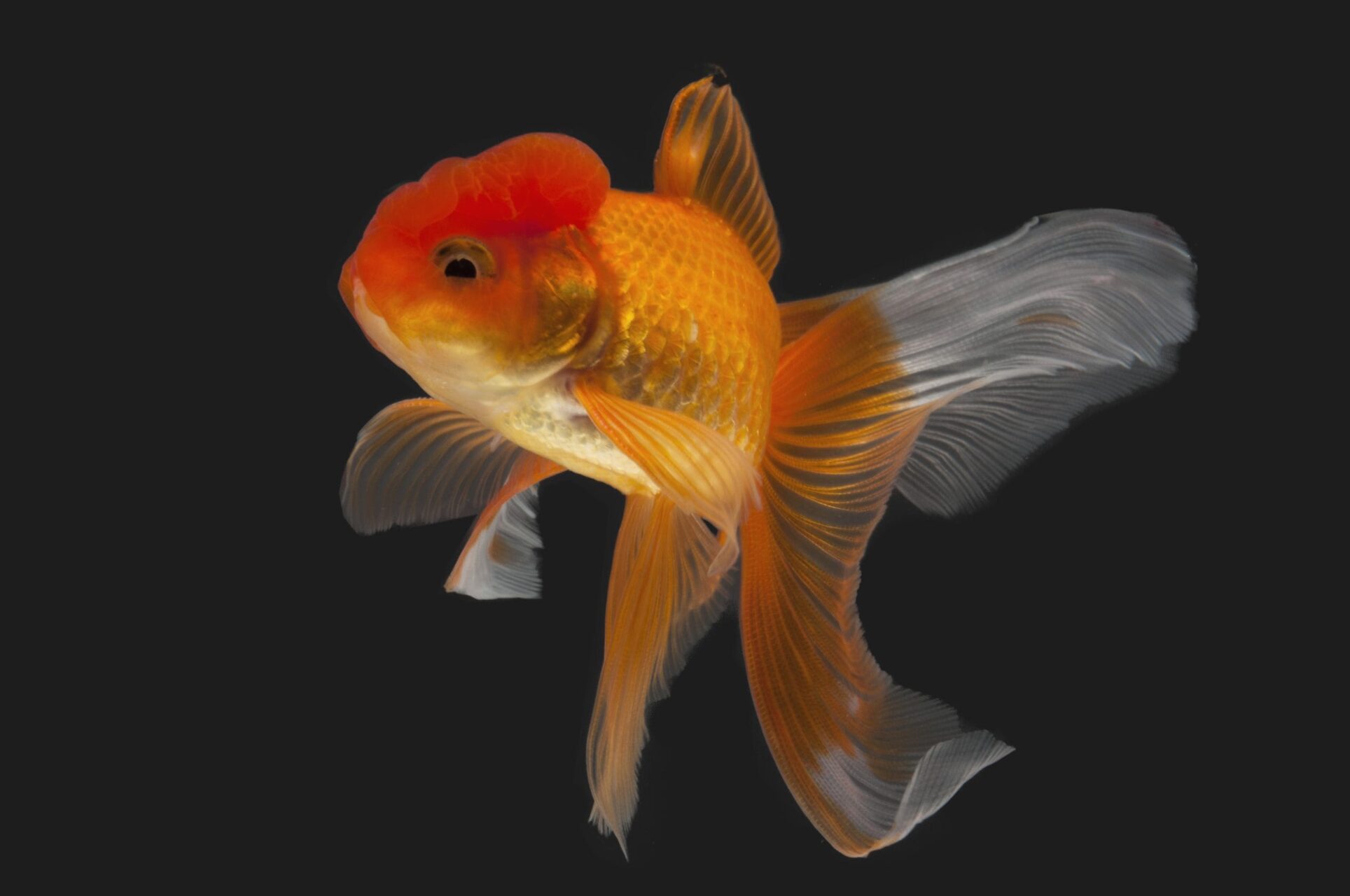
ファンシー金魚One notable variant is the Oranda, whose name is derived from a Japanese corruption of “Holland,” indicating the Dutch influence in their history. Numerous other variants were cultivated in Japan, the Land of the Rising Sun, where they became an integral part of the local culture.

The exact origins of certain Refined Goldfish varieties, such as the celestial goldfish, remain debated. The celestial, a unique breed without dorsal fins, was depicted in a Chinese scroll dating back to 1772. However, many believe it was first bred during Korea’s Yi Dynasty, where it became a beloved species.

Scientific Insights into the Evolution of Fancy Goldfish

ファンシー金魚A recent study delves into the origins and evolutionary history of Fancy Goldfish. According to the study’s abstract, Carassius auratus (the scientific name for goldfish) underwent significant human-driven selection, resulting in a vast array of anatomical variations compared to their wild counterparts. To pinpoint the geographic origin of these fish, researchers analyzed mitochondrial DNA, specifically focusing on the control region (CR) and the cytochrome b (Cytb) genes. They studied 234 specimens, examining four key morphological traits used in goldfish taxonomy: body shape, dorsal fin, eye shape, and tailfin.

Key Findings:

  • The study identified two major sublineages (C5 and C6) within the Fancy Goldfish lineage, rooted in southern China’s native C. a. auratus populations, particularly from the lower Yangtze River region.
  • A stepwise loss of genetic diversity was observed, especially as local fish varieties evolved into specialized breeds. The Grass-goldfish breed was particularly noted in this context.
  • The study also found that eye shape was the least informative trait for tracing the evolutionary history of Designer Goldfishh.
  • Matrilineal constraints on domestication were significant, as identified by Fisher’s exact test.

Conclusions:

Chinese goldfish, including Fancy Goldfish, have a matrilineal origin traced back to native southern Chinese C. a. auratus, with a significant lineage rooted in the lower Yangtze River. The process of selective breeding, much like that seen in the domestication of pigs, rice, and maize, led to a gradual decrease in genetic diversity among domesticated goldfish. The three-breed taxonomy—Grass-, Egg-, and Wen-goldfish—provides a more accurate reflection of the species’ domestication history.

For those interested in exploring more, the full study can be accessed via the following DOI: 10.1.1.790.1522. Additionally, enthusiasts can connect with other goldfish aficionados through the ファンシー金魚.

The Mantifang, korea culture essays


Korea culture essays — stories, art & nature

ストーリー、アート、自然の中の韓国

エッセイ、寺院の物語、文化、芸術、文章 - モバイルで読みやすく、素早く探索でき、実際の場所や人々に根ざしている。.

Mantifang is a home for korea culture essays with five anchors: Korean Weekly (weekly reflections),
リビングコリア (daily culture), 生きている言葉 (writing practice), バイダゴル (healing garden & heritage), and
自強フラクタル (the book). Start broad, then go deep.

New here? Try
the weekly reflections,
韓流,
食品あるいは
ritual.
If you prefer a story entrance: start with
ボグワンサブッダが倒れたとき.

Korean Weekly

Mantifang Korean Weekly – Korea culture in March 2026: ritual and public life in early spring
A weekly reflection on Korean culture, ritual, and public life.

Weekly reflections on Korean culture, ritual & public life

Mantifang Korean Weekly gathers short-form longreads that follow the rhythm of Korean life through season, ritual, memory, and public space.
It is the most direct recurring entrance into Mantifang: a place where observation stays close to lived experience and where themes return over time rather than disappearing into a stream.

If you want a steady entry into the site, begin here. The series keeps the larger landscape readable: not by summarising Korea, but by tracing how change becomes visible from week to week.

Korean culture appears most clearly in daily life — from food and ritual to the way public space is used. This broader movement is explored in Korean Influence on Global Culture.


リビングコリア

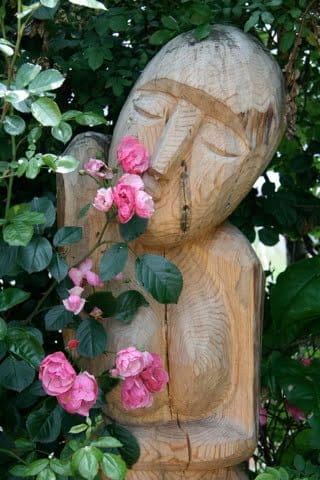
Korea culture essays — a wooden garden statue among flowers, expressing care for nature in everyday Korean settings

日常生活, 文化, 韓流, 食べ物&儀式

日常的な層:人々が見たり、料理したり、繰り返したり、祝ったり、受け継いだり、時間をかけて静かに調整したりするもの。.
韓流、食べ物、季節の伝統、儀式、文化的背景など、韓国をチェックリストにすることなく、トピック別に紹介する。.

自強フラクタル

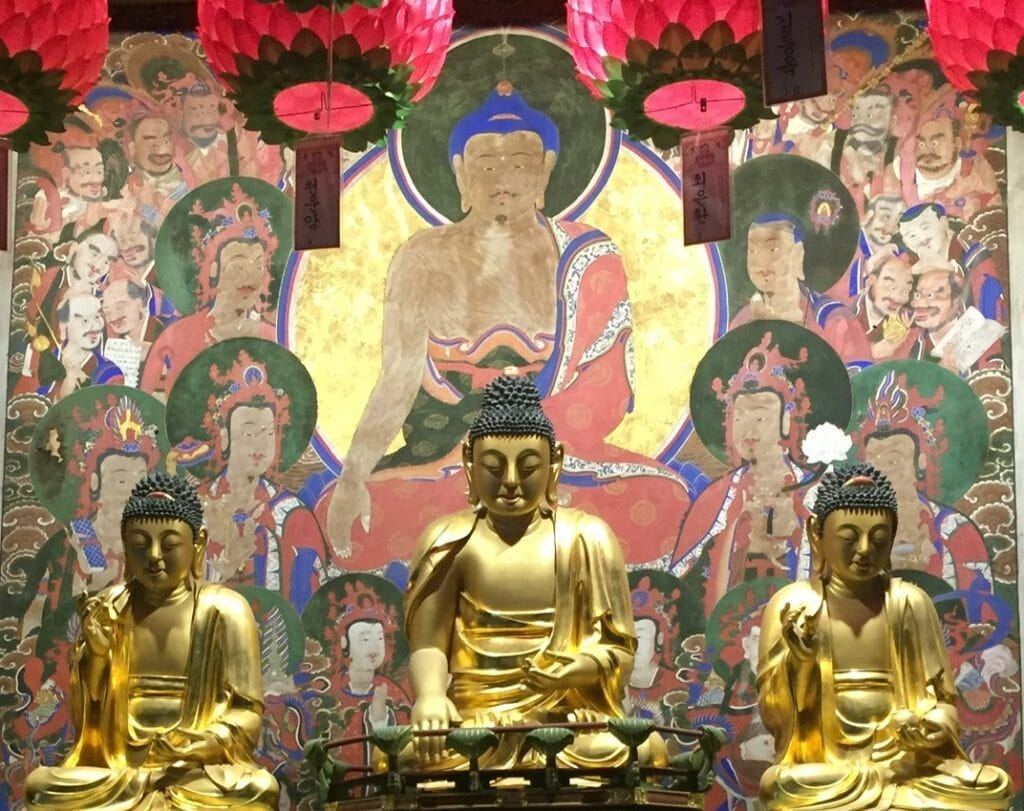
韓国仏教における慈悲、カルマ、存在を象徴する菩薩が描かれた仏教壁画。.

この本-慈悲、カルマ、そしてプレゼンス

自強フラクタル この本は、韓国の仏教のイメージと、韓国仏教の思想との対話を実現したものである。
西洋哲学と人生経験。本書は、単純化することなく明快であることを重視する読者のために書かれている、,
沈黙は空虚ではなく、注意である。.

もしあなたが出版社、編集者、真剣な読者なら:ブックハブはクリーンなエントリーです。もしあなたがこのコンセプトに初めて触れるなら:
まず核となる部分から始め、内部リンクをたどって長いアークに至る。.

If this work resonates and you wish to carry it forward, you can support the writing.

生きている言葉

生きている言葉 - 詩、物語、内省的な散文

詩、物語、内省的な散文

リビング・ワーズとは、詩や散文、短編小説やエッセイ、そして以下のようなサイクルのことである。 赤いランプ.
これは完全性を求めて作られたアーカイブではなく、新しい作品が出版されても安定した状態を保つ、読みやすい入り口なのだ。.

バイダゴル

ペダゴル - 高陽のヒーリング・ガーデン、レストラン、文化遺産

ヒーリング・ガーデン、レストラン、ヘリテージ

ウォンダンゴル渓谷では、風が水と出会い、大地に静かな痕跡を残す。ペダゴルは、テーマパークのような過去から、穏やかな未来への変化を追う:
仲間とのふれあい、休息、尊厳とつながりを生み出す日々の小さな儀式。ストーリー、画像、実用的な最新情報は、ここでライブ。.

今後のイベント

お寺の旅、文化的な集まり、アクアスケープの展示会、鯉の展覧会、厳選された文学イベントなど。.

もっと探検しよう:
Korean Weekly,
リビングコリア,
生きている言葉,
歴史,
イベント,
すべてのソーシャル.