The Ultimate Guide to Caring for Fancy Goldfish
Decorative Goldfish are a popular choice among aquarists due to their unique appearance and vibrant colors. These ornamental fish come in various types, each with its own distinctive features. Whether you’re a beginner or an experienced fish keeper, providing the right care is essential to keeping your Fancy Goldfish healthy and happy.
Choosing the Right Tank for Fancy Goldfish
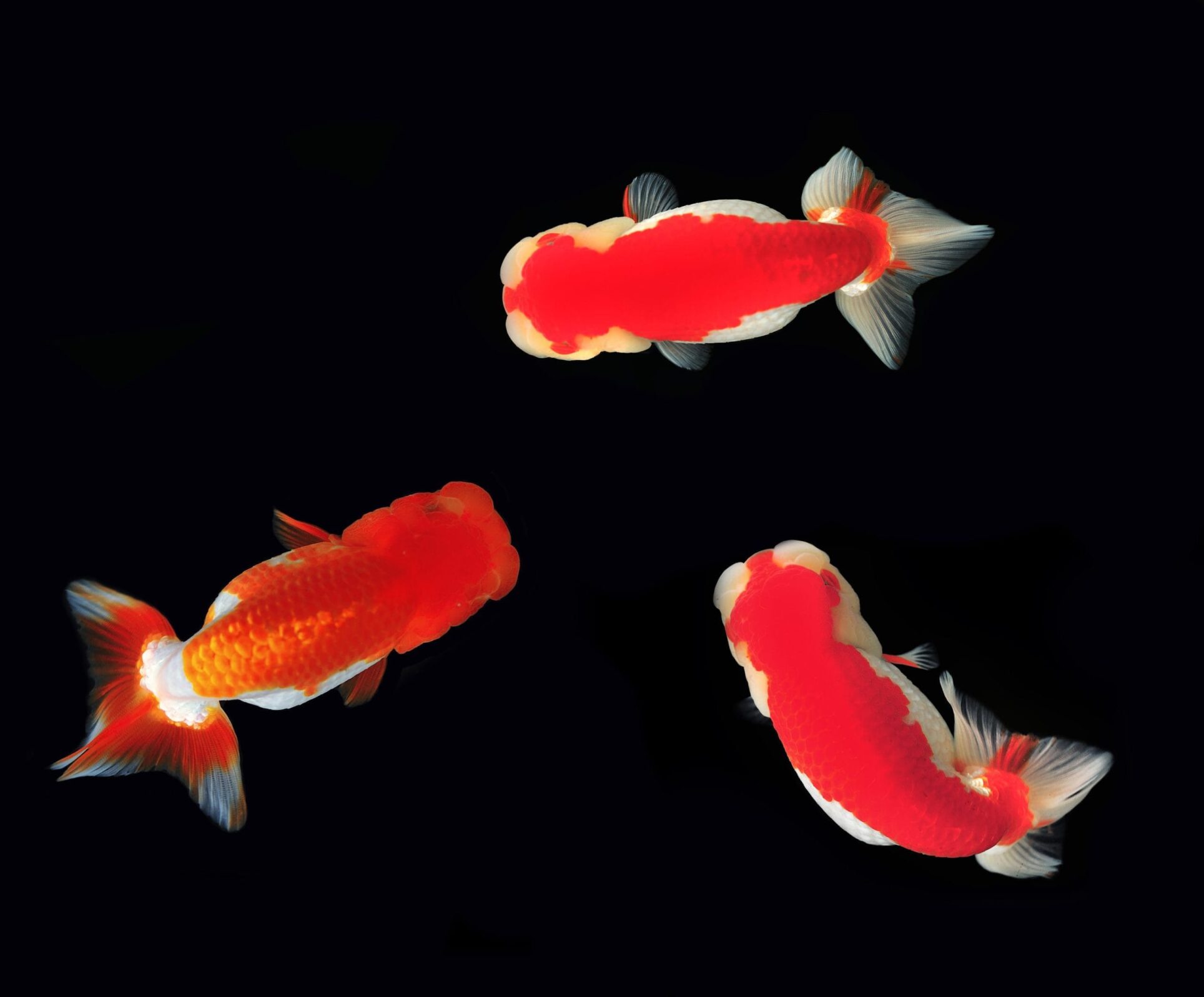 When selecting a tank for your fishes, size matters. Unlike other fish, these beauties require more space due to their size and the amount of waste they produce. A minimum of 20 gallons is recommended for one Ornamental Goldfish with an additional 10 gallons for each additional fish.
Ideal Water Conditions
Maintaining proper water quality is crucial for the well-being of your Fancy Goldfish. These fish thrive in freshwater with a pH level between 7.0 and 8.4. Regular water changes and the use of a good filtration system will help keep the water clean and safe for your Ornamental Goldfish.
Feeding Your Fancy Goldfish
Fancy Goldfish have specific dietary needs. A balanced diet consisting of high-quality flakes, pellets, and occasional treats like bloodworms or brine shrimp will ensure your friends remains healthy. Be careful not to overfeed, as Fancy Goldfish are prone to obesity and related health issues.
Common Health Issues
Like all pets, fishes can face health challenges. Some common issues include swim bladder disease, fin rot, and ich. Early detection and prompt treatment are key to ensuring your Fancy Goldfish recovers quickly.
Conclusion
Caring for Goldfish requires attention to detail and a commitment to providing the best environment possible. By following these guidelines, you can enjoy the beauty and charm of these fascinating fish for many years to come. Taking care of Fancy Goldfish is like taking care of Nishikigoi. Find all he knowledge you need on koi-knowledge-base
The Historical Journey and Genetic Origins of Fancy Goldfish
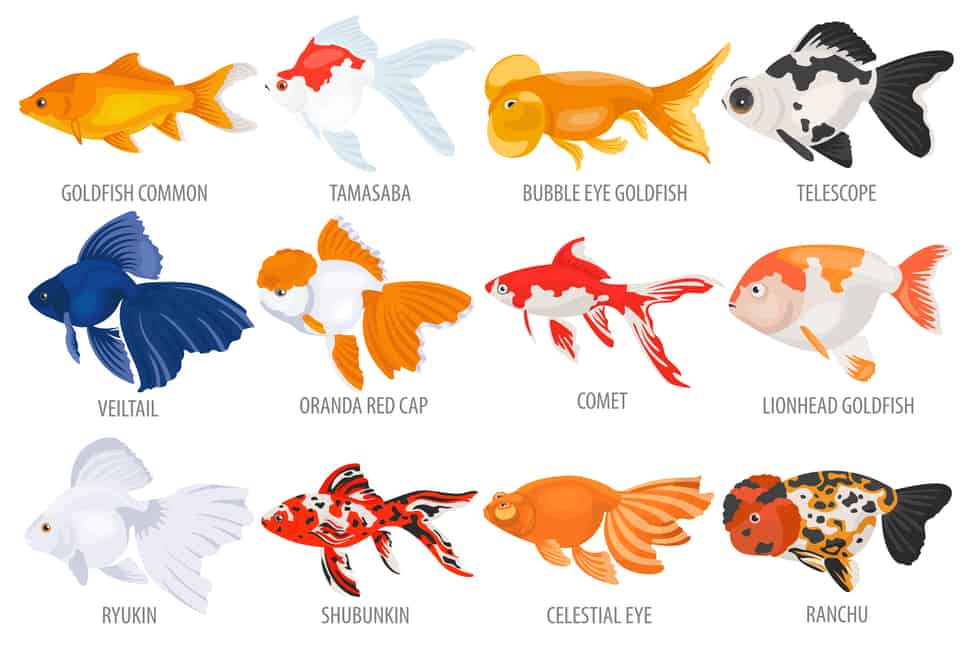
Fancy Goldfish have a rich history that dates back to the early years of the Song Dynasty (960 AD). These exquisite fish were first discovered in eastern China, with their range stretching from Beijing to Macau. Through selective breeding practices, different variants of these ornamental fish began to emerge, each more captivating than the last. By the 12th century, these beautiful creatures made their way to Japan via Korea, where they continued to flourish. Although it’s unclear whether Ornamental Goldfish reached America or Europe first, their global popularity was undeniable.
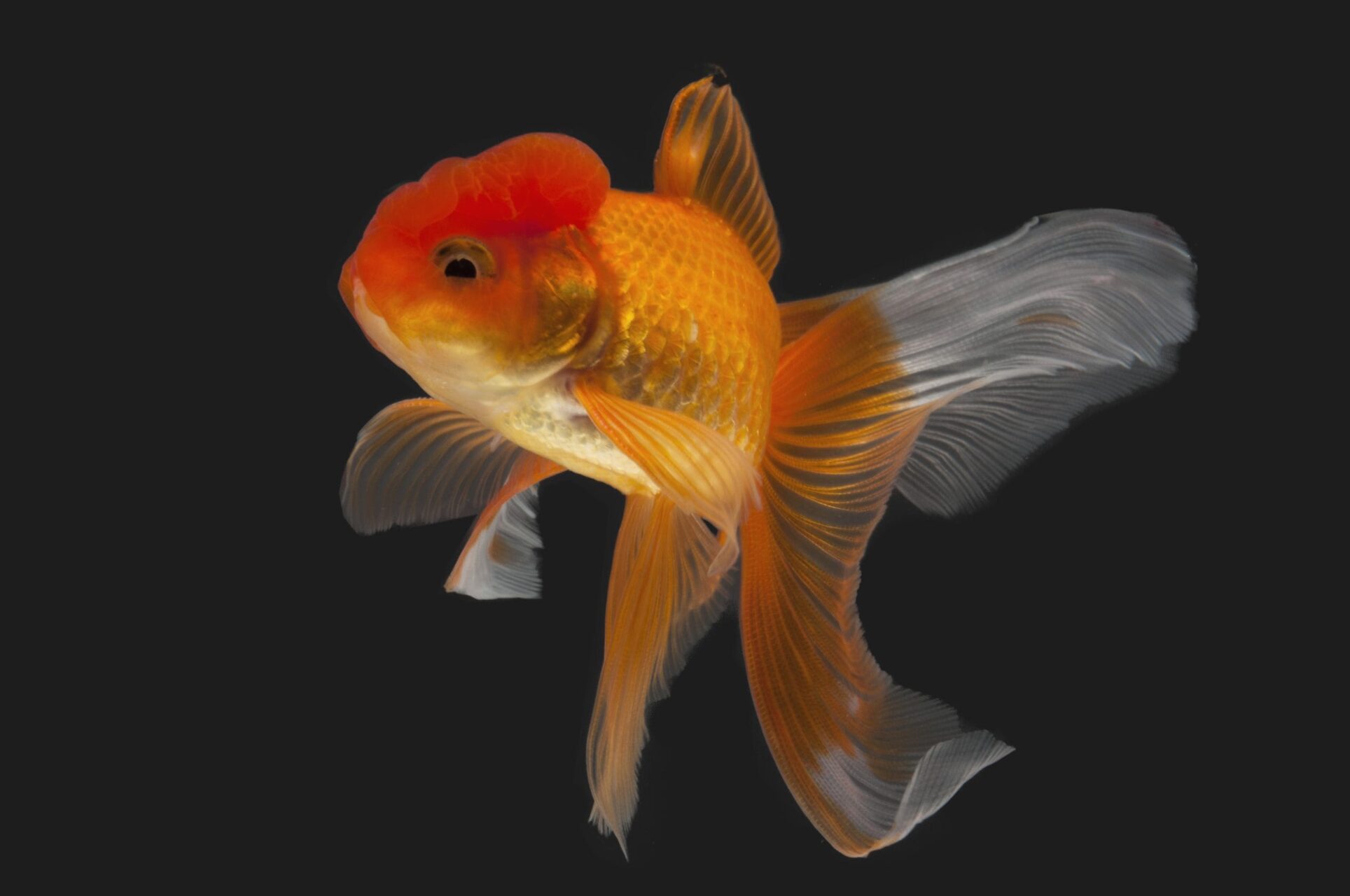 One notable variant is the Oranda, whose name is derived from a Japanese corruption of “Holland,” indicating the Dutch influence in their history. Numerous other variants were cultivated in Japan, the Land of the Rising Sun, where they became an integral part of the local culture.
The exact origins of certain Refined Goldfish varieties, such as the celestial goldfish, remain debated. The celestial, a unique breed without dorsal fins, was depicted in a Chinese scroll dating back to 1772. However, many believe it was first bred during Korea’s Yi Dynasty, where it became a beloved species.
Scientific Insights into the Evolution of Fancy Goldfish
 A recent study delves into the origins and evolutionary history of Fancy Goldfish. According to the study’s abstract, Carassius auratus (the scientific name for goldfish) underwent significant human-driven selection, resulting in a vast array of anatomical variations compared to their wild counterparts. To pinpoint the geographic origin of these fish, researchers analyzed mitochondrial DNA, specifically focusing on the control region (CR) and the cytochrome b (Cytb) genes. They studied 234 specimens, examining four key morphological traits used in goldfish taxonomy: body shape, dorsal fin, eye shape, and tailfin.
Key Findings:
- The study identified two major sublineages (C5 and C6) within the Fancy Goldfish lineage, rooted in southern China’s native C. a. auratus populations, particularly from the lower Yangtze River region.
- A stepwise loss of genetic diversity was observed, especially as local fish varieties evolved into specialized breeds. The Grass-goldfish breed was particularly noted in this context.
- The study also found that eye shape was the least informative trait for tracing the evolutionary history of Designer Goldfishh.
- Matrilineal constraints on domestication were significant, as identified by Fisher’s exact test.
Conclusions:
Chinese goldfish, including Fancy Goldfish, have a matrilineal origin traced back to native southern Chinese C. a. auratus, with a significant lineage rooted in the lower Yangtze River. The process of selective breeding, much like that seen in the domestication of pigs, rice, and maize, led to a gradual decrease in genetic diversity among domesticated goldfish. The three-breed taxonomy—Grass-, Egg-, and Wen-goldfish—provides a more accurate reflection of the species’ domestication history.
For those interested in exploring more, the full study can be accessed via the following DOI: 10.1.1.790.1522. Additionally, enthusiasts can connect with other goldfish aficionados through the Fancy Goldfish.