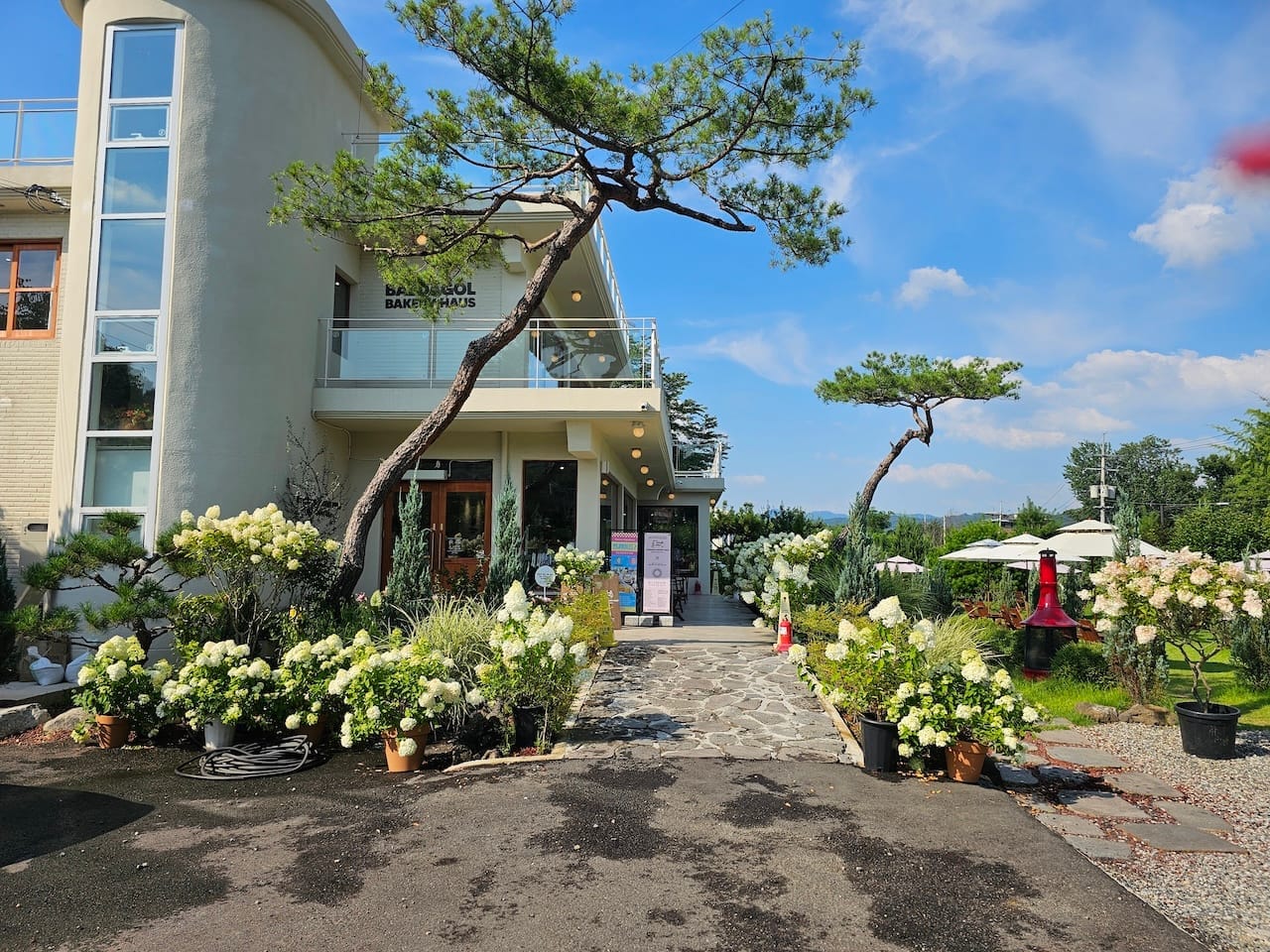
A Web of Silence: Korea, Japan, and the Invisible Currents of Influence

 Korean influence on early Japan

When we look at East Asia, the flow of culture often seems predetermined: China transmits, Japan refines, Korea connects but disappears. It is a story repeated so often that it feels natural — until you reopen the sources and discover lines we have overlooked. A personal reflection awaits at the end of this page, where Korea’s quieter historical voice returns beneath the broader theme of korean influence on early japan. Beneath every canon lies an undercurrent. And beneath that undercurrent lies a web — a web of exchange, migration, reciprocity, and philosophical resonance. A web in which the Korean peninsula was not background, but origin. Not loud, but structural. When you trace this web, you reach three voices — three perspectives that complement and correct each other. They do not speak in competition, but in echoes.
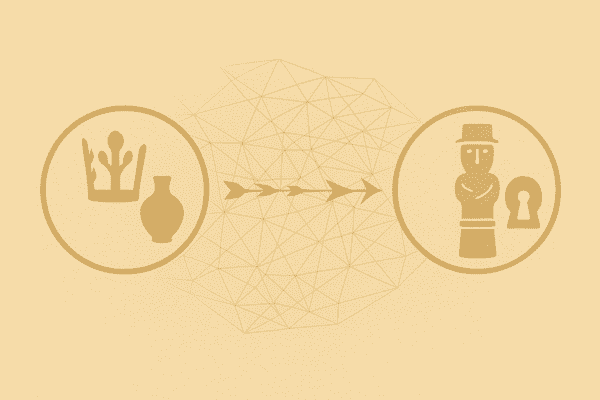
Wontack Hong (born 1942) is a South Korean economist and historian known for his interdisciplinary research on early Korea–Japan relations. Trained at Seoul National University and the University of Rochester, he uses linguistic, archaeological, and diplomatic evidence to reinterpret the formation of the Yamato state. His work challenges the long-standing assumption of a purely insular Japanese origin.
korean influence on early Japan

1. Wontack Hong — Origins as Migration, Not Island Myth

The Formative Years (366–405) — The Missing 39 Years in the Nihon Shoki

The period between 366 and 405 marks the true formative years of the Yamato kingdom. In the Nihon Shoki this era is almost entirely absent — a disappearance that, according to Hong, reflects political editing rather than historical silence. Understanding these missing decades is essential for reconstructing the actual dynamics of early Japanese state formation an the korean influence on early Japan

Why These 39 Years Are Missing

Hong argues that these years were deliberately minimized because Yamato was not yet an autonomous imperial power. It was deeply shaped by continental actors, especially Paekche. Acknowledging this would undermine the later narrative of an unbroken, indigenous imperial line.

1. The Arrival of Homuda/Oujin (ca. 366)

Homuda (later Emperor Ōjin) shows clear Paekche connections. His name matches Paekche royal nomenclature and continental sources describe movement to the archipelago during this period. His arrival represents a dynastic turning point — the beginning of a new lineage with continental roots.

2. The Reshaping of Yamato Society (ca. 370–390)

Large numbers of Paekche migrants — administrators, craftsmen, metalworkers, and specialists — entered Japan, transforming its technological base and social organization. Their innovations explain the sudden, archaeologically visible shift in:

  • irrigation agriculture,
  • iron-working and metallurgy,
  • Kofun tumulus construction,
  • governmental structuring and bureaucratic models.

3. The Five Yamato Kings (ca. 390–405)

Chinese dynastic records — considered the most neutral sources for this period — describe Yamato rulers seeking recognition, titling, and legitimacy on the continent. Their activity contradicts the self-contained image constructed later in the Nihon Shoki.

4. Consolidation Around 405

By 405, the Yamato court emerges as a literate, structured political entity. Early Buddhist elements appear, writing becomes systematised, and continental elites form part of the aristocracy. This is the moment Japan begins to resemble a state in the classical sense.

Summary

The missing 39 years reveal that early Japan was shaped through Paekche migration, diplomacy, and administrative influence — realities the Nihon Shoki later obscured.

1.1 Homuda/Oujin: A Paekche-Derived Figure in the Japanese Kingship

  • Paekche royal name correspondences,
  • the Harima Fudoki noting continental arrival,
  • Chinese dynastic references aligning with Paekche lines.

1.2 Migration Waves: Yayoi and Kofun as Korean Movements showing korean influence on early Japan

The Yayoi and Kofun transitions align with concrete migration archaeology, not abstract diffusion.

1.3 The Five Yamato Kings in Chinese Records

They function as continental actors, not isolated rulers — embedding Japan within a Korea–Manchuria network.
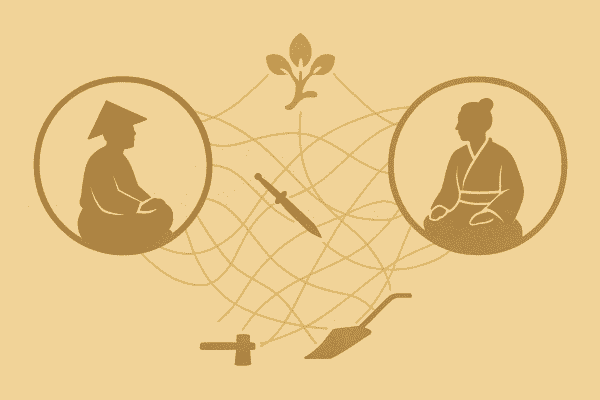
Park Hyun-Sook (박현숙, born 1958) is a professor of History Education at Korea University and a leading scholar of ancient Korean diplomacy and the korean influence on early Japan. Her research focuses on 6th-century Baekje–Yamato exchanges, reconstructing embassy records, gift lists, and military correspondence to clarify the nature of inter-state relations in East Asia.
Figurative sepia illustration showing Paekche and Yamato figures connected by cultural exchange symbols, representing early Korean influence on Japan.

2. Park Hyun-Sook — Diplomacy as Reciprocity, Not Colonial Myth

1. Documented Exchange Between Baekje and Yamato

Park’s archival reconstruction reveals a consistent pattern of mutual support.

From Baekje to Yamato:

  • Buddhist monks, sutras, images
  • Confucian instructors and scholars
  • Architects, temple-builders, master craftsmen
  • Medical specialists and artisans

From Yamato to Baekje:

  • 70 horses and 10 ships (545–546)
  • 1,000 soldiers (552–553)
  • Bow-makers and sword-smiths
  • Fortification laborers

2. The Origins of the “Japanese Colony in Korea” Theory — and Park’s Rebuttal

The idea that Yamato once ruled a settlement on the Korean peninsula — known as Mimana (任那) — did not originate in antiquity. It emerged in the late 19th and early 20th centuries, when Japanese scholars and state institutions selectively reinterpreted passages from the Nihon Shoki to justify Meiji-era expansion into Korea. According to this modern reading, Mimana was imagined as a Japanese administrative enclave in the southern Gaya region, near present-day Busan or Gimhae. But there is no archaeological evidence of Japanese-style architecture, graves, or administrative activity. All excavated materials are consistent with indigenous Gaya/Baekje culture. Park’s analysis dismantles this hypothesis. Through embassy logs, gift lists, and the semantics of diplomatic terminology, she shows that “Imna/Mimana” refers to logistical cooperation and alliance structures, not colonial rule. Verbs long translated as “control” or “rule” actually denote obligations of support within a diplomatic partnership. Seen in this light, Baekje–Yamato relations were mutually negotiated, not hierarchical — a dynamic system of reciprocal assistance rather than colonial governance.

3. After 562 — A Wider Diplomatic Web

  • Silla sends 11 embassies (562–572)
  • Goguryeo reopens contact in 570
  • Baekje continues exports until 660

Summary

Park reframes Baekje–Yamato relations as a balanced diplomatic system, not colonialism. This supports a network-based interpretation of early East Asia. These findings reinforce the wider narrative of korean influence on early japan.
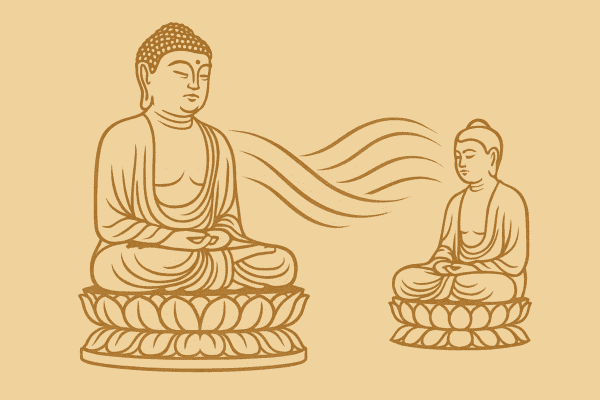
Sepia illustration of a larger Korean Buddha and a smaller Japanese Buddha connected by flowing Dharma lines, symbolizing spiritual transmission from Korea to early Japan.

3. Wonhyo — The Quiet Bridge into Japanese Spiritual Scholarship

Wonhyo (원효, 617–686) was one of the most influential Buddhist philosophers of the Korean Three Kingdoms period. A monk of Silla, he developed harmonizing doctrines that shaped East Asian Mahayana thought, particularly through his commentary on the Awakening of Faith. Although he never traveled to Japan, his writings entered Nara’s monastic curriculum in the 8th century, influencing Kegon, early Tendai, and the intellectual background from which Zen later emerged.

1. Commentary on the Awakening of Faith

Wonhyo’s commentary circulated widely in East Asian monastic networks and became foundational in Nara’s Kegon school.

  • Kegon doctrinal development
  • Tendai scholastic foundations
  • Early Zen intellectual climate (Eisai, Dōgen)

2. Concepts Transmitted to Japan

  • One Mind (一心): unity of ultimate and phenomenal reality
  • Harmonization of doctrinal contradictions
  • Non-duality of mind and form
  • A direct, experiential orientation toward awakening


3. A Korean Intellectual Current

Wonhyo adds a philosophical dimension to korea–Japan connections: a spiritual bridge rather than a diplomatic or migratory one.

Summary

His influence forms a quiet but durable current within Japanese Buddhist foundations.

“This intellectual exchange later continues in the Buddhist work of Wonhyo…”

Japan continues to function not only as a cultural source, but also as an active
meeting ground for international research and exchange, with cities such as Kyoto
and Tokyo regularly hosting international conferences and symposia. This becomes
visible in recently published overviews of global conferences addressing Japanese
history, culture, and contemporary interpretation, curated by the platform

Japan Past & Present
.

4. Implications for Korean Studies and East Asian Historiography

1. From Linear Influence to Multidirectional Networks

The old “China → Korea → Japan” ladder collapses in light of archaeological and textual evidence. The region operated as a network with feedback loops, reciprocal exchanges, and shared cultural baselines.

2. Reintegrating Korea into Early Japanese State Formation

Korean elites, technologies, and diplomatic structures contributed directly to the formation of Yamato. This is not revisionism — it is restoration.

3. Recognising Philosophical Transmission as Historical Agency

Wonhyo’s influence shows that ideas themselves function as historical actors.

Korean Influence on Early Japan: A Historical Reflection

Together, Hong, Park, and Wonhyo illuminate the depth of Korean influence on early Japan — through migration, diplomacy, and spiritual transmission.

Conclusion — A Web, Not a Ladder

  • Origins shaped through migration,
  • Diplomacy shaped through exchange,
  • Spirit shaped through resonance.

Taken together, these voices help restore the deeper truth of korean influence on early japan.

How did Korea become “subordinate” in modern imagination when so many foundational structures of Japanese court culture and spiritual training entered Japan from the peninsula?

  • Who benefits from the hierarchical model?
  • What changes when history is read as a network?
  • What becomes visible when Korea is seen not as shadow — but as source?

机张分形 - 象征同情心的眼睛,韩国老龄化社会
Discover the meaning behind the Jijang Fractal — A Korean Journey of Compassion → Explore more on Mantifang.com

机张分形.

Sepia illustration of Hugo J. Smal standing with a cane before a Korean Buddha, surrounded by fractal and symbolic motifs representing Korea, children, and spiritual service.

Reflection — The Quiet Voice of Korea

This study examines the broader pattern of korean influence on early japan within migration, diplomacy, and spiritual scholarship.
This reflection is my own — 雨果-J-斯马尔 — written after many years of observing how Korea’s history is told, and how often it disappears from the larger narrative.In conversations with Korean friends, I have come to recognise a paradox: Korea shaped the development of East Asia in profound and foundational ways, yet its role often remains subdued or unspoken. Part of this comes from long periods of isolation, part from a Confucian tradition that values modesty over assertion, and part from the fact that others have written the region’s history in Korea’s place.The result is a silence that was never fully chosen — a silence that allowed louder voices to define the narrative. Today, through Hallyu, the world listens to Korea again, yet the deeper historical voice — the voice of Paekche, Gaya, Silla, Wonhyo — still waits to be heard. As an outsider who has received much from Korea, I believe this is the moment for that quieter voice to stand in the light. Not to claim superiority, but simply to be recognised for the contributions that have shaped the region for centuries. - 雨果-J-斯马尔

更多阅读

Before we turn to the broader references, one final question remains: how do we restore Korea’s place within the early East Asian narrative? A fuller reflection follows below.
 

问题与解答

1. Why do Japanese sources downplay Korea’s role in early Japanese state formation?

"(《世界人权宣言》) Nihon Shoki was compiled under an imperial court seeking ideological continuity. Acknowledging deep Paekche influence — especially on the royal line — would weaken claims to an independent imperial origin.

2. What evidence supports large-scale Korean migration to Japan?

Archaeology: irrigated rice agriculture, iron-working, Kofun tumuli, elite burial customs aligned with Paekche/Gaya. These appear too abruptly for diffusion; they indicate population movement.

3. Was Japan ever a colonial ruler in Korea?

No. No Korean, Japanese, or Chinese source supports this. Park shows all military aid was sent upon Baekje’s request. The “Mimana colony” theory is a modern ideological construct.

4. How did Wonhyo influence Japanese Buddhism without traveling there?

His texts spread through monastic networks. His commentary on the Awakening of Faith shaped Kegon, early Tendai, and the intellectual climate of proto-Zen.

5. Why is a network model better than the traditional ladder?

Because East Asian history shows multidirectional exchange rather than one-way transmission. Korea was not a conduit but a generator of statecraft, metallurgy, philosophy, and Buddhist thought.
韩愁

The Jijang Fractal 第四章

作家 雨果-J-斯马尔

韩国人的忧郁,或者说 "韩",不仅仅是一种文化动力。

一只小白鹭惊起。回到堤岸上,我打开一瓶烧酒,喝了一口。蝉儿依然沉默不语,没有了往日的鸣叫,仿佛黑夜里没有什么敢打扰它们的休息。然而,在这寂静的氛围下,一种紧张的情绪挥之不去,一种静谧的不适感映衬着我自己的不安。在远处,我听到了宣告夜晚到来的号角声。它来自军营。这里到处都是士兵。我并不担心。我仍然品尝着 Sarangche 的食物。


韩愁
战区

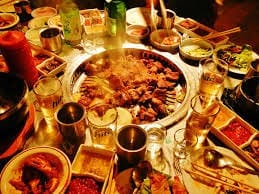
The table looked a bit like a war zone, always full.
It is quite a task for the waitress to put it all down the integrated barbecue, the many bowls with side dishes,
bowls with peppers, garlic and lettuce leaves, the bottles and cans, the bowls with rice, the plates, sticks and napkins.
And off course Kimchi.
We enjoyed it well. Kim Young Soo signalled.
He walked to the counter to pay. Two other men fought. The Soju tasted good, its warmth spreading through me,
but it carried with it a familiar ache, like an old song I had forgotten but could never quite let go.
The fight was not about who should pay. It was not about the money, but something deeper—perhaps a sense of duty, or pride,
rooted in traditions I could barely grasp. Here, even the smallest gestures seemed to carry the weight of a lifetime.
Their voices rose, not in anger, but in fierce determination—each insisting on their right to bear the burden.

街道外,警察占据着街面,他们的微笑在如此严密的控制之中显得格外不合时宜。
The waiting began—cars stopped, drivers submitted, blowing into breathalysers with a resignation that felt heavier than the night itself.

老板点燃了一支香烟,餐馆里又端来了咖啡。Jay 看上去有些失落,目光飘远,
仿佛那段前往首尔的漫长车程不仅仅关乎距离,而是回到一种他尚未准备好面对的沉默。
我开始走动。其余的只能等待,必要时一直等到深夜,直到警察觉得足够为止。
在当地的小店 Gumeonggage 里,我拿了几瓶烧酒,
几包香烟,还有一些饼干。柜台后那位七十岁的老妇人微笑着接过我的钱包,
我毫无疑问地信任着她。也许正是这种简单的交换——某种干净的、未被外界复杂所污染的东西——

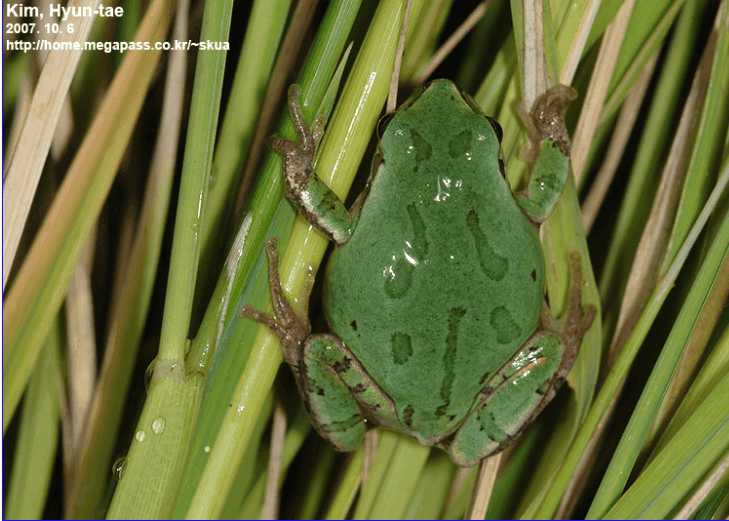
受保护的树蛙,韩国忧郁的声音

Baedagol 的小路一片寂静。晚餐的余波仍在我脑海里回响。
尽管我并非始终参与谈话,那种感受依然令人难以承受。
那些韩国人,真是充满活力的人。


韩愁
拯救避难所

当他们喝酒时,我会想起故乡的伙伴——鹿特丹人,直率、易燃,不惧卷起袖子干活。
但相似之处也就止于此。这里,资历就是一切。这种等级秩序渗透在每一个姿态、每一次对话之中。
我一再把这一点敲进脑海,却仍感到陌生而沉重。在荷兰,我们并肩而行。
在这里,我们排成一列——总是在前或在后,从不并肩。

时差反应抓住了我,把我拖入一片难以驱散的迷雾。就连烧酒也无法磨平那种锋利。
睡眠,我已认定,不过是一种被高估的奢侈。毕竟,只有年老的将军才会死在床上。
在韩国,时间从我指间滑落,比我能抓住它更快。
回到鹿特丹,我会像一块石头沉入深水般,坠入文化冲击之中。
但在这里,是蝉把我托在水面,躁动不安,始终清醒。


韩愁 
图像 

除了蝉,还有另一位惹事者——雄性的水原树蛙,将他高亢而绝望的鸣声吹入夜色。
他们说,如今只剩下八百只,被夹在两条河之间,紧紧抓住那一小片土地。他的鸣哨声回荡着,却无人回应。
那是一场为生存、为被承认而进行的斗争。就像韩国人一样,他终于开辟出属于自己的位置,与日本
和中国的近亲区分开来。但代价……代价始终存在,隐藏在他绿色的皮肤之下。

没有韩国的忧郁,只有煤炭

最初,树蛙以稻田为栖居之地,但那些稻田几乎已经全部消失。
然而在 Baedagol,它们在水景设施中找到了庇护之所,勉强维系着生存。
仅在 theme park 内,如今就至少有八百只树蛙——也许更多。
金永洙的梦想已经实现:一小块失落的世界被修复。
但即便这处庇护之地也是短暂的。Changneung 3 New City 的扩张很快将吞没这片土地,
连同水原树蛙脆弱的家园。一处曾被重新夺回的地方,很快又将再次失去。


韩愁

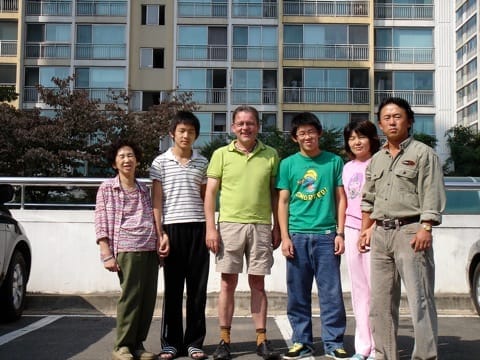
Kim Young Soo、他的母亲、妻子、儿子以及
作家.

据他弟弟所说,他为自己设定了四个目标。首先必须照顾好家庭。
在韩国,这总是关乎整个大家庭。不仅是妻子和两个孩子,还包括母亲、姐妹、弟弟,以及与之相关的一切。
金永洙年幼时父亲去世,在当时尚未发达的韩国,贫困十分严重。
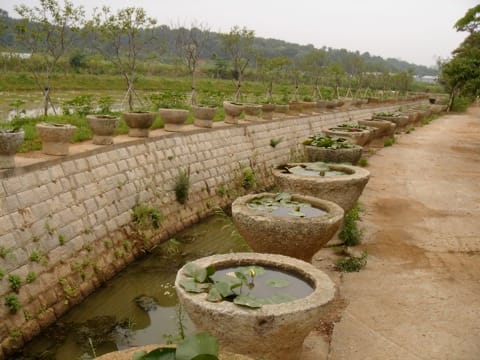
他接手了父亲的玫瑰苗圃,在街头出售自己种植的花朵。后来,他发现了用种子培育玫瑰的方法。
凭此他赚到了足够的钱,先种植莲花,随后转向培育观赏鲤鱼。
他的第二个目标是帮助 Hwajeong Dong 的居民。
Baedagol theme park 正是这一目标的最终成果。
他的第三个目标是回馈韩国本身,创造一个让自然再次找到庇护的地方。
曾几乎被遗忘的水原树蛙,如今在 Baedagol 茁壮生长,正如金永洙本人一样。
然而,即便青蛙发出高亢的鸣叫,也清楚地知道,这个地方终将被时间的脚步所吞没。
Changneung 3 New City 很快将崛起,随之而来的是 Baedagol 精心培育的生态系统的消失。
对金而言,成就感始终被一切终将消逝的阴影所笼罩。

既顽强又脆弱的水原树蛙向夜色吹出高亢的鸣声,却不知道它在 Baedagol 找到的庇护之所只是暂时的。
Soon, the city’s progress will sweep it away, as it has done with so much before.
The frog, much like Kim Young Soo, fights to carve out a place in a world that is constantly shifting, always moving forward, leaving only echoes of what was.

韩国忧伤史--《三国相印》和《玉簪记


韩愁
Onjo

Hwaejeong Dong 早已见诸史书,
Samguk Sagi
Samguk Yusa
前者为《三国史记》,由金富轼奉仁宗之命编撰,于1145年完成。
Samguk Yusa 是《三国 遗事》。
该书由僧人一然撰写,收录传说、民间故事、人物传记与历史记述。
最初有汉人定居于 Hwaejeong Dong,但公元前18年建立了百济(Baekje 或 Paekche)。
温祚,高句丽建国者
东明王 的第三子,未被允许继承父位。
其父此前已有婚姻。因纷争自夫余逃往卒本,留下原有家人。
他娶了当地酋长之女,又生下两个儿子:温祚与沸流。
这位流亡者渴望建立自己的国家,因此创立高句丽,都城为素京(今平壤)。
第一次婚姻所生之子儒理得知此事,很快进入王宫,要求其与生俱来的继承权。
这样的家族,从来不会缺少戏剧性。


韩愁
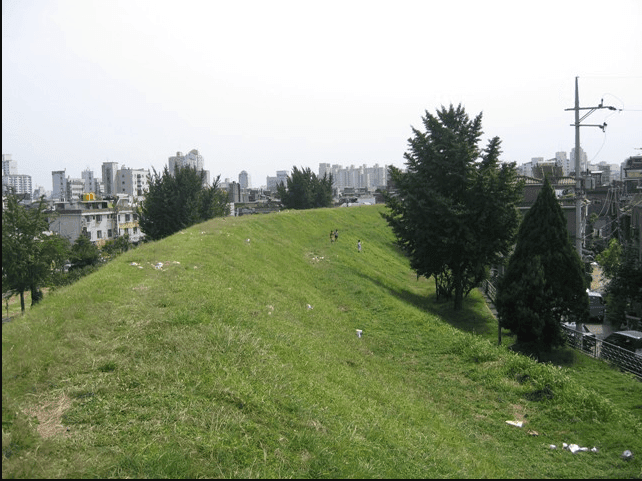
丰邑土城 越过翁城的城墙


Koreaanse melancholie

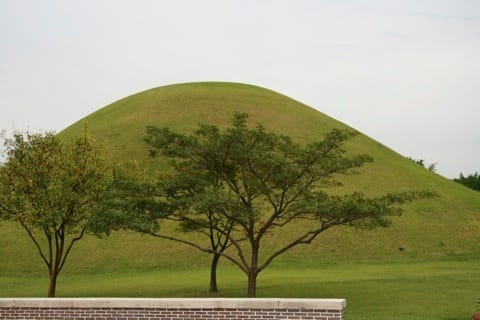
当我站在武宁王陵前,不禁想到历史如何同时保存宏伟与脆弱。
这座陵墓一千五百多年未曾被触动,其宝藏免于时间与盗贼之手。
然而即便在这静谧之中,也回荡着失落的回声——曾经强盛的百济,如今只在碎片中存续,
在被世纪重量掩埋的遗物之中。


Korean melancholy

As I stood before King Muryeong’s tomb, I couldn’t help but think of how history preserves both grandeur and fragility.
The tomb remained untouched for over 1,500 years, its treasures safe from time and thieves.
But even here, in the stillness, there’s an echo of loss—Baekje itself, once a powerful kingdom, now survives only in fragments,
in relics buried under the weight of centuries.

The tomb is still one of Korea’s greatest historical discoveries. Like the discovery of King Tutankhamun’s tomb in Egypt,
the accidental unearthing of King Muryeong’s tomb in Gongju revealed treasures untouched by time.
Both tombs had remained sealed for over a millennium, protected from thieves and degradation, preserving not only the riches of their respective monarchs,
but also the cultural grandeur of their civilizations. Where Tut’s tomb highlighted the opulence of ancient Egypt,
Muryeong’s grave opened a window into the sublime artistry of Baekje.


韩国忧郁症
金吉万西克

盗墓者一千五百多年未曾撬开其入口。墓中出土的珍宝彰显了百济的崇高文化。
百济人仿佛向当地的土地神灵“租借”了这座陵墓,并为此付出代价。
梁朝的钱币在石上被发现,
证明百济曾受中国该政权的影响。墓中发现的大量王室饰物,仿佛说明神灵履行了契约。
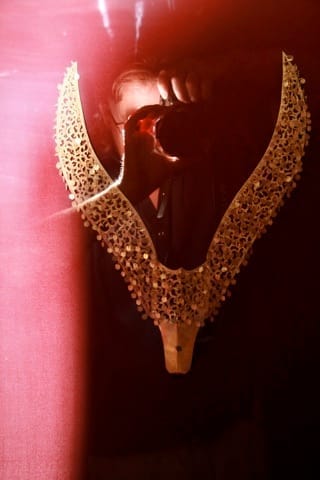
例如金制冠饰(Geumjegwansik)。这是武宁王(501–523)佩戴的两枚金冠饰,整齐地存放在小盒中。
它们由厚仅2毫米的金片裁制而成。按传统,国王将其佩戴在黑色丝质头巾的左右两侧。
头巾之上,他戴着一顶黑布高帽,背后别着一朵金花。冠饰形似双翼,
象征萨满信仰中的再生观念。还出土了金耳环、发簪、盖上饰有龙与莲花纹的青铜酒杯、
玉佩以及铁剑。

Korean melancholy

两只银手镯刻有
百济银匠达里
的名字及其重量。此名亦见于日本斑鸠法隆寺的释迦三尊像。
自僧人马拉南陀传教以来,佛教对百济文化产生了深远影响,这在武宁王陵中亦可见。
然而遗物中仍保留着萨满信仰的痕迹,这不仅仅源于佛教对地方宗教的宽容。
我认为还有另一层原因。
如同埃及图坦卡蒙王陵的发现,
公州武宁王陵的意外出土对韩国而言是一种启示,罕见地揭开了一个久远世界的面纱。
两座陵墓封存逾千年,守护着其珍宝免受时间与腐朽侵蚀。
然而,图坦卡蒙之墓彰显了古埃及的奢华与宏伟,而武宁王陵则为人们开启了一扇通往百济细腻而精神性的艺术之窗——一个同样宏伟却常被邻国遮蔽的文化。
甚至在世界史叙事之中亦然。埃及与中国的珍宝享誉全球,
而百济的遗产,细腻而深远,却鲜为人知。然而在这座陵墓的静谧之中,其意义不容否认。

涩谷的韩式忧郁:单声道的意识

我的思绪飘向一次与 Shikibu Tsuku 的会面。
Kasteeltuinen Arcen 的约定中,
云与阳光在初绽的绿意间交织,仿佛映照着 Shikibu 的情绪——在温暖与寒意之间不断转移,
在记忆的安慰与被留下之物的隐痛之间徘徊。空气清冽,带着从冬眠中苏醒的泥土气息。
三月初大门仍然紧闭,少有人得见此景。在冷与暖的对照之间,在渴望炉火与
yakitori. 之间。
公园静卧于宁谧的美之中。感到寒意的 Shikibu 若有所思地折起她的夏日和服。
她并非优雅赏玫之人,更像是一段沉思、向内的祈祷。她的独白充盈了我的意识。

物哀,”
Shikibu 开始说道,
“这是一个日语表达,意指事物那种动人而带着哀感的美。自然不可避免的短暂,使美变得转瞬即逝,带着一丝苦甜。
凡是有生命的,甚至一切存在之物,都不是永恒的!你可以在盆景中看到这一点,往往一段枯枝构成了树最核心的美。
这也体现在我们观看和体验自然的方式之中。樱花之所以美丽,正因为它短暂、如此易逝。
你必须立刻、并且尽情地去欣赏它。


Mono no aware and han are different sides of the same coin. One is the acceptance of beauty in transience,
the other, a lingering sorrow from unresolved suffering. Both see the fleeting nature of existence,
but while mono no aware embraces it with quiet resignation, han carries the weight of it, refusing to let go.

(han)

我望着 Shikibu,试图让她振作一些。
“现在留在 Kasteeltuinen 里有些困难,不过让我准备些清酒,温暖你的心。”

“Ah, the change of seasons brings tears,” she said, bowing slightly toward the Sake bowl.
“I am melancholic, but maybe it’s also homesickness. During the last Holland Koi Show, I gave some areas Japanese names.
The Japanese village became Nippon Mura, and the aquarium tent Suizokukan. But most often, I think of the Doeplein: Ibento Kaijo,
where I still have so much more to learn about the Nishikigoi. If ‘Mono no aware’ applies to any Japanese art form,
it’s certainly the case with the mortality of the beautiful ornamental Koi.

Her voice grew softer, as if the weight of the words themselves carried the passage of time.
“Even Nippon Mura and Ibento Kaijo will one day fade into memory, just like the fleeting beauty of the Koi we so lovingly display.
That’s the way of things, isn’t it? The more we hold on to something, the more it slips through our fingers.”


韩愁

夏季、秋季、冬季......和春季

金洞米鲁克-波萨尔


“为什么如此悲伤,Shikibu?”我试图安慰她。我知道她的感受。
看过金基德的 Spring, Summer, Fall, Winter… and Spring 的人都会明白这一点。
那位拖着石磨上山的年轻僧人,承载的不只是自己的痛苦,还有整个世界的重量。
腰间系着绳索,他在身后拖着沉重的石头,同时怀抱着
Geumdong Mireuk Bosal,金铜弥勒菩萨。
那份负担不仅是肉体的,更是精神的,是苦难之中对救赎希望的象征。
他迈出的每一步都回响着人类苦难的重量,而怀中的菩萨则提醒着重生与觉悟的可能。

这也是“恨”——一种从一代传到下一代的负担,静静承受,却从未真正卸下。
许多日本的纯粹主义者或许会厌恶我如此自由地融合远东文化,但我在 Hanguk 的长期停留
以及与那里的众多艺术家和学者的交谈,使我确信,“Mono no aware”唯有以这种方式才能被充分理解。
Mono no aware 与 恨 相伴而行

Shikibu promised one thing: One day we would sit together, listening to
Jeongseon Arirang—a song steeped in the very essence of han,
each note carrying the weight of centuries of sorrow and resilience.
In Kim Young Im’s voice, I knew we would both find something of ourselves, something that had been lost and perhaps, briefly, could be reclaimed.

电影让您对这个故事有了更深刻的了解。您可以继续阅读下文。

探索中国、韩国和日本之间的文化互动

Korea’s influence on Japan was particularly significant during the Three Kingdoms period, when the Baekje kingdom played a key role in introducing Buddhism to Japan in the mid-6th century.
Alongside religion, Baekje artisans and scholars also brought advanced techniques in architecture, pottery, and metalworking, leaving a lasting imprint on early Japanese culture.
This cultural exchange helped shape the foundation of Japan’s early state, intertwining Korean expertise with native Japanese traditions to form a unique cultural identity.

Although Chinese, Korean, and Japanese cultures are interrelated, they have distinct characteristics.
China is the cultural motherland to which both Korea and Japan were indebted for centuries.
However, due to their long periods of isolation, both Korea and Japan developed unique interpretations of the philosophies and traditions imported from China.

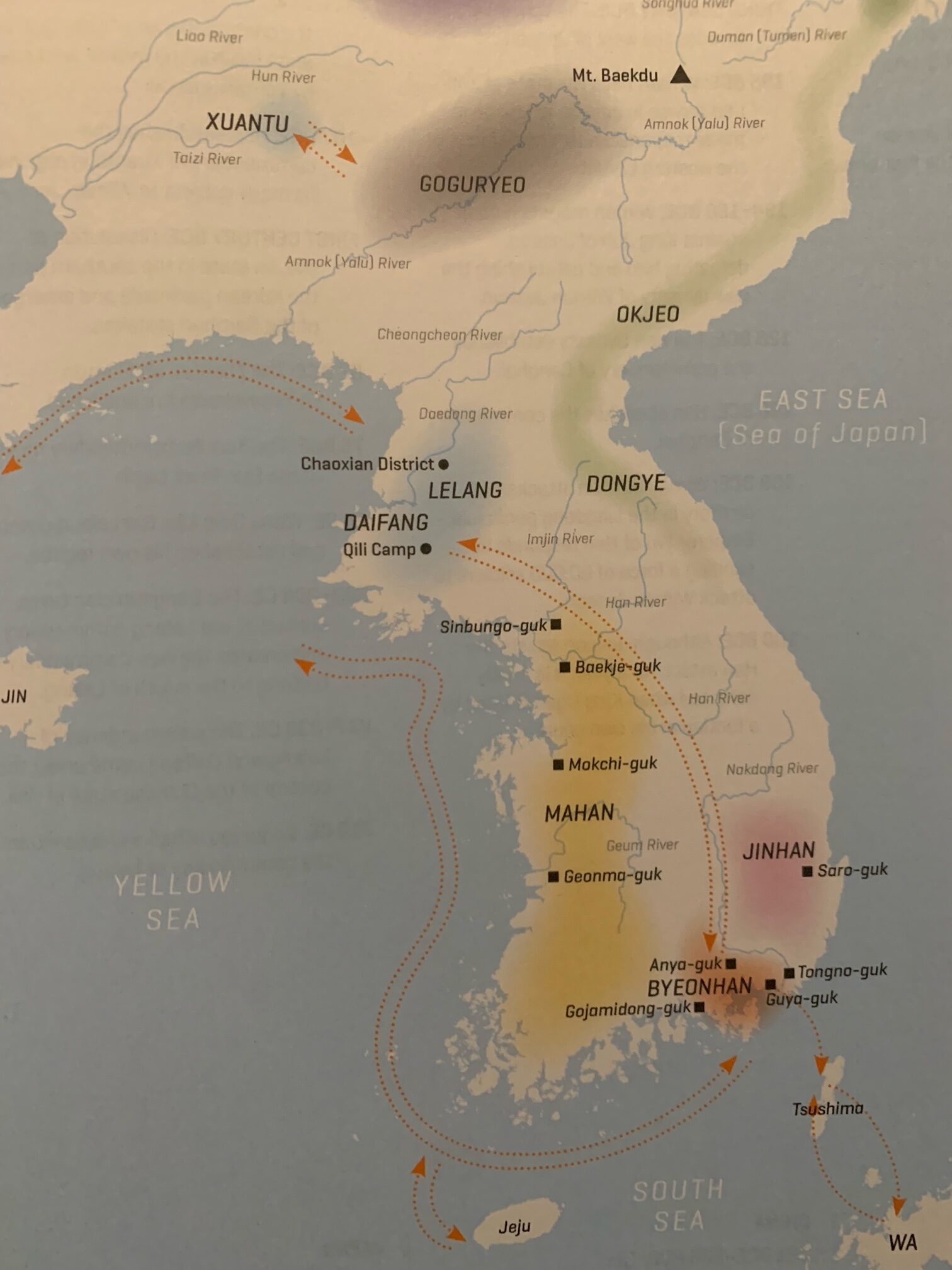
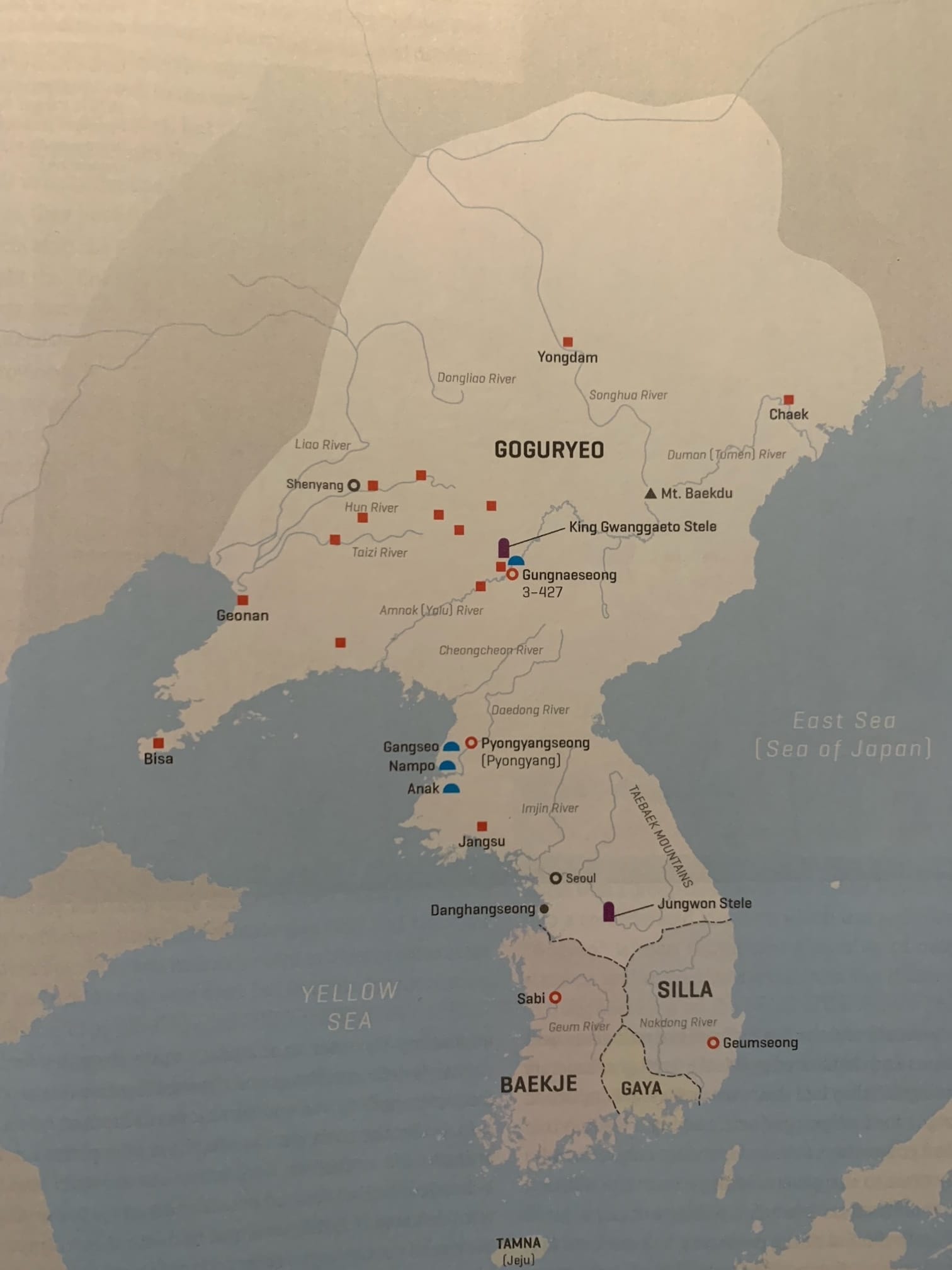
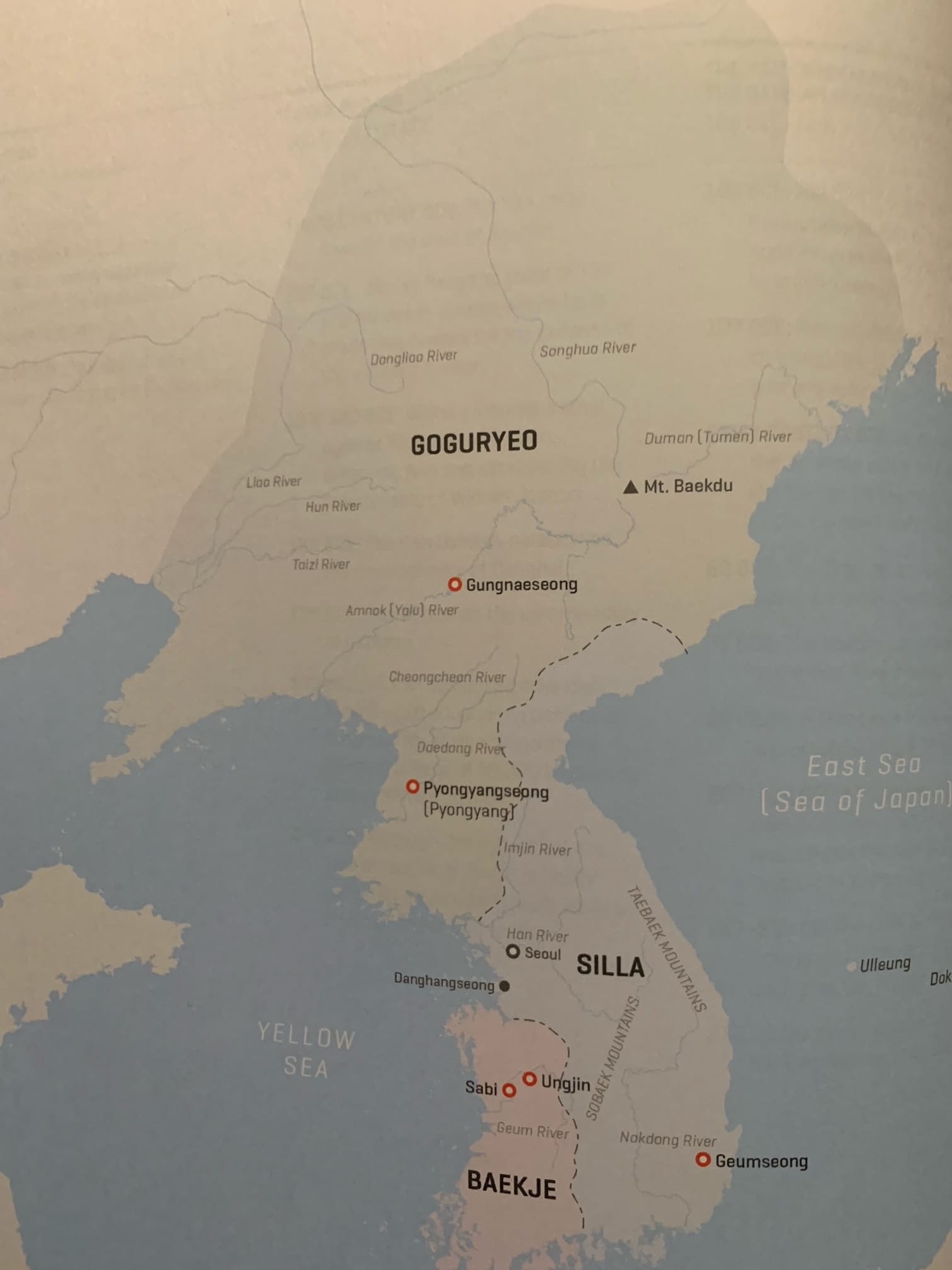
韩国历史地图 剑桥大学出版社


韩愁
3-4 世纪

韩愁
6 世纪

韩国忧郁症
6世纪中叶

北朝鲜的忧郁症

But what about the brothers and sisters behind the barbed wire in the North? Would they bend along or practice with rockets?
The mountains also observed the all-dominant Kim family. The regime, with all its cruelty, propaganda for domestic or foreign use,
the Gulag system, and starvation, does not escape the attention of the almighty. The regime, the dictator, could not provide the altars with food and drinks.

I realise that the Soju bottle is empty. Walking across the parking lot, I see the car that passed me just now.
The driver gets out and bends. He introduces himself as Oh Yang Chon and hands over his ticket. Police!

源氏物语》:扫帚树

源氏物语》--扫帚树(第二章)

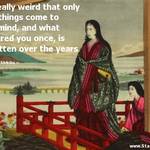
阅读村崎涉的 源氏物语, 这本常被称为世界上第一本小说的书,是通过"...... 平安时代:宫廷礼仪、, Miyabi单声道无意识 塑造源氏周围的世界。.

本次审查 源氏物语 (第二章:扫帚树》)探讨了日本古典文学巨著中的平安时代宫廷生活、诗歌和美学。.


紫式部--《源氏物语》第 1 章评注
Smal 对第 1 章的评论 - 读它
这里.

平安时代, 在《梭罗诗集》中,谈话的重心是诗歌、礼节和声望。男人们争论等级和美学;女人往往是话题而不是发言者。政治意味着文书工作:繁琐的讨论和地位的精心安排。权力游戏必须玩得尽善尽美。.

在此 日本古典小说, 在这个故事中,爱情和失落与复杂的宫廷生活交织在一起。.

源氏的世界:艺术、礼仪和情感

平安时代的绘画 - 源氏物语美学与宫廷诗歌
扫帚树传说

艺术很重要。交流诗歌至关重要。. Miyabi-法院的完善是法律。唐纳德-基恩(Donald Keene)指出,自平安时代以来,西方美学在日本所发挥的作用无出其右;精致敏感的精神仍然影响着现代美学。与此密切相关的是 单声道无意识:愿意被人和大自然感动。.

源氏物语 说明了情感和社会规范之间的微妙平衡。.

平安京(京都):等级小岛

源氏的世界是幽闭的。以藤原家为主的贵族们聚集在 平安京 (京都),可能是十万人口城市中的一千人。从公元七世纪起,羽田氏族的成员--来自京都的移民--开始在京都定居。 加亚/西拉 在韩国定居。都城(从 794 年开始)沿用了长安的方格和 风水 原则.

京都市中心对平民关闭。货物运抵城门后,身份较低的人对精英阶层来说仍然是隐形的。他们的特权岛面积只有四平方公里。.

更多信息 风水 我的故事 “敷文的 "中的 "敷文 "和 "东亚首都"。 单声道无意识, 短暂的美丽”:
在这个网站上

大日模型 - 平安时代的京都皇宫
Dairi / 内里 - 皇宫主导日常生活。.

源氏是桐洼天皇与地位低下的妃子桐洼光姬之子,深受天皇宠爱,同时也受到竞争对手的嫉妒。为了使他不受宫廷政治的影响,他被从继承人的行列中除名,并被赐予源氏的姓氏,开始了他的朝廷官员生涯。Hikaru, 即 “闪耀者”。”

第 2 章:扫帚树

源氏娶了左大臣(贞人)的女儿葵为妻。他的朋友东之中正和其他官员聚集在源氏的府邸。他们的话题是:女人、等级以及在严格的等级制度下选择的危险。.

“......躺在灯下,靠着柱子,他看起来如此美丽,让人希望他是个女人。”对他来说,最高贵的东西似乎都不够好"

选择谁?在窗帘和屏风后面,邂逅被诗歌和香水编码。这是否是文学对同性凝视的早期暗示之一?也许吧;美往往会扰乱分类。.

个人题外话:1965 年,在一台新的黑白电视机上,我第一次感受到了美的震撼--布莱恩-琼斯(Brian Jones)和他的西塔琴。一个天使. Hikaru, 闪闪发光。与源氏一样,魅力重塑了周围的一切。.

村崎涉是藤原家的一名侍女,她从远处写人,但却具有敏锐的洞察力。她的想象力为这个宫廷世界注入了活力。.

诗歌、香水和礼仪

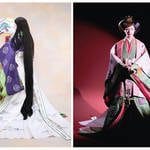
Junihitoe 多层长袍 - 平安宫廷服饰
平安服 - junihitoe

贵族之间的婚姻可能涉及多个妻妾。宫廷严格,邂逅谨慎。一首诗--有时借鉴中国文学作品--被刷在精美的纸张上,散发着香味,并与鲜花一起送出。如果一位女士心动了单声道无意识),她也做出了回应。爱情也会失败:

接近本章结尾: “当他得知没有希望时......他很受伤”。”

“我从不知道扫帚树意味着什么,现在我想知道......你曾瞥见的扫帚树逐渐消失,很快就会消失在视野中”。”

图片说明 据说,当你走近信浓(Sonohara)的扫帚树时,它就会消失;这位妇女出身卑微,因此在等级眼中 “消失 ”了。.

吉祥天与完美的极限

吉祥天(拉克什米)--药师寺绘画,平安时代
吉祥天 - 药师寺,平安时代

“......到头来,你根本不可能选择一个女人而不是另一个女人......把你的心放在吉祥天本人身上,你会发现她是如此虔诚和闷骚,你会后悔的!”

吉祥天 拉克希米是佛教中拉克希米女神的化身,是美丽和财富的象征,也许对源氏来说太完美了。源氏在这方面的能力与爱情同样重要。.

发现我的韩国之旅

在探索 源氏物语, 我一直在写自己在韩国的经历--文化、历史和日常际遇的故事塑造了我的视角。.
潜入 我的韩国之旅 跟随这些思考,看看东亚传统如何与现代生活相联系。.

阅读《我的韩国之旅

更多阅读

想进一步了解 源氏物语,...... 平安时代, 和日本美学?以下是值得信赖的资料来源:

youtube 占位图

荷兰语-朝鲜语-日语

荷兰语-词汇-朝鲜语-日语:对语言遗产的 7 个迷人见解

荷兰语借词如何通过德岛贸易、兰学学术以及 Jan Jansz.韦尔特弗里(Weltevree)和亨德里克-哈梅尔(Hendrick Hamel)的职业生涯,以及为什么这一点在今天很重要。

一览

  • 聚焦: dutch-words-korea-japanese - 荷兰语对东亚语言影响的简明指南。
  • 时间轴 1609 年贸易准入 → 1641-1854 年德岛垄断 → 18-19 世纪 Rangaku (荷兰语学习)。
  • 人: Jan Jansz.Weltevree(朴妍)、Hendrick Hamel、德川中间人、朝鲜官员。

从德岛到朝鲜:荷兰语为何流传于世

1609 年 8 月 24 日,幕府将军授予荷兰在日本的贸易权。1641 年后,荷兰王国政府在日本的人工小岛
德岛 在长崎,荷兰成为江户日本与欧洲的主要联系国。通过航海日志、口译员、医学
在日本,航海、医学、制图学和技术等领域的术语通过手册和科学仪器传入日本。同样是海上网络、
朝鲜半岛上也出现了 "倭寇 "和 "弃船者 "的意外旅行。

裴斯泰洛齐的职业生涯 扬-扬斯韦尔特弗里 - 在韩国被称为 "Park Yeon"(朴妍)。 亨德里克-哈梅尔 有帮助
将实用的荷兰知识转化为当地词汇。他们的故事记录在原始资料中,是了解以下内容的有用途径
理解力 荷兰语-朝鲜语-日语 作为一种历史现象。

传播文字的人和渠道

Weltevree & Hamel

韦尔特弗里的技术专长(炮术、修船、测量)使他在朝鲜宫廷中发挥了重要作用,而哈梅尔后来的描述则是
描述日常生活、军衔和后勤。这些接触并没有在韩语中产生大量直接的荷兰语借词,但它们在韩语中播下了种子。
通过翻译人员和中日文献进入半岛的术语和接触。
更多信息 韦尔特弗里基金会
哈梅尔在 AKS.

Rangaku:江户日本的荷兰语学习

在日本、 Rangaku (荷兰学派)成为欧洲科学的渠道。医学论文、植物学清单和航海学
这些词汇被翻译、改编和传授,在日语中留下了荷兰语衍生词汇的痕迹(尤其是外科、化学、生物化学和生物化学方面的词汇)、
和航海)。通过外交活动和印刷品,当实际需要相吻合时,这些术语中的一些就会出现在韩国学术界。

什么是 荷兰语-朝鲜语-日语 在实践中是什么样子?

  • 海事与制图 与罗盘方位、海图和船舶部件相关的词语首先进入日语,然后在各地流传。
  • 医药和仪器: 解剖学术语、手术工具和制药方法通过朗阁手册和演示进行传播。
  • 行政与技术: 在各州面临需要解决的具体问题时,采用了簿记、测量和炮术术语。

由于韩语和日语通过汉字过滤荷兰语,荷兰语语音往往被归化或中介化,这就是为什么
荷兰语-朝鲜语-日语 今天,网络和教学法与一对一单词表一样重要。

为什么这一遗产现在很重要

借词不是琐事--它们记录了接触的瞬间。供研究人员参考、 荷兰语-朝鲜语-日语 有助于约会交流、
绘制贸易走廊地图,了解东亚法院如何评估 "有用知识"。对于读者来说,这提醒我们语言的变化
是实用主义:当船舶、诊所和车间需要更好的词语时,他们就借用这些词语。

主要线索和背景

关于荷兰在东亚的影响的经典概述是以下作者的文章 弗里茨-沃斯 (东亚历史)。它与档案
关于德岛的资料以及对德岛的现代研究 Rangaku.

继续探索曼提坊

常见问题 - 荷兰语-朝鲜语-日语

dutch-words-korea-japanese "指的是什么?
荷兰语词汇的研究速记,这些词汇通过接触、弃船者和外交活动进入日本(通过德岛和兰阁),并在一定程度上进入韩国。
谁是这次交流背后的关键人物?
Jan Jansz.Weltevree (Park Yeon) 和韩国的 Hendrick Hamel;江户日本的口译员、医生和学者,他们维持着韩国和日本的文化交流。 Rangaku.
为什么如今很多术语在韩语中很难辨认?
因为中介作用贯穿汉字和日本学术;随着现代标准词汇的发展,各种形式被归化、翻译或取代。
© Mantifang - commentary & guides.

源氏物语》第 1 章(泡桐亭):平安时代的生活

源氏物语》第一章(泡桐亭)

阅读村崎涉的 源氏物语, 这是世界上第一部小说:第 1 章介绍了爱、失去和 单声道无意识 平安时代高雅的宫廷生活。.

源氏物语》:一生的伴侣

它在我的床头柜上已经摆了好几年了: 源氏物语 作者是紫式部。该书于 1000 年至 1008 年间写于日本,属于世界经典名著。阅读这样一部作品需要耐心、开放和同理心。在阅读了托尔斯泰、陀思妥耶夫斯基、狄更斯和莎士比亚等伟大作家的作品之后,我觉得自己已经准备好阅读志保的这部杰作了。约翰-欧文(John Irving)甚至启发我暂时放下自己的笔,认为在重新认真写作之前,生活经验是必不可少的。.

存在的脆弱性

对我来说,成熟意味着对生存的脆弱向内发笑。日本的 单声道无意识 触及了这一点--对无常的敏感。诗歌有时不费吹灰之力就会浮现,仿佛是我的手自己写出来的。它们是转瞬即逝的意识的潜意识回响。文学,在其最佳状态下,提醒我们这种短暂性,同时也提供一种奇特的安慰。.

两公斤重

源氏物语 这本书可不轻:1182 页,近两公斤重。翻到第 13 页,我已经沉浸其中,期待着贯穿全书的 795 首诗歌。第一章, 泡桐树亭, 源氏物语》以悲剧开篇:源氏的母亲桐壶夫人去世,天皇悲痛欲绝。.

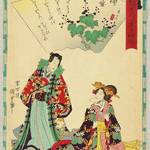
桐洼国定二世宇多川 1823-1880
桐洼国定二世宇多川 1823-1880

在第 11 页,皇帝喃喃自语:“如果我能找到一个巫师,知道她甜美的灵魂去了哪里就好了”。这种思念、遗憾和难以克服的忧伤在中国诗歌中得到了呼应,如白居易的 长恨歌, 甚至在西方民谣中,如 卡里克弗格斯. .在不同的文化中,爱与悲伤的表达方式极为相似。.

无法逾越的遗憾

“我今天喝醉了,很少清醒,一个帅气的漫游者从一个城镇到另一个城镇。.
哦,但我现在病了,时日无多。.
你们年轻人都过来,让我躺下。”

如果这不是悲伤和思乡的黑洞,那又是什么呢?抑郁,就像皇帝的哀思,没有等级之分。对过去的悔恨,对现在的悲伤,对未来的恐惧,它们交织在文学和生活中。源氏的故事以这种方式提醒我们人类苦难的永恒性。.

从平安时代的悲伤到朝鲜时代 汉族

皇帝的悲痛也让人想起韩国的 汉族-一种无法排解的悲伤和渴望的集体感受。两者 单声道无意识汉族 展示文学如何将人类的脆弱性与不同文化联系在一起。我在我的自传体系列中对此有更多的论述 韩国人和我, 在这里,东亚传统与个人思考相结合。.

关于紫式部和平安宫廷

关于 Shikibu 和她的世界的背景:

更多阅读

了解更多 源氏物语》 第 1 章, 平安美学和文化背景:

摘要 源氏物语》 第 1 章 是平安美学的蓝图:美、力量和情感的交汇。.

常见问题 - 源氏物语 第 1 章

第 1 章发生了什么? 源氏物语?

第 1 章, 泡桐树亭, 该书讲述了源氏的母亲桐壶夫人之死。天皇的悲痛和源氏的脆弱身份为平安时代宫廷生活中的悲伤、爱情和无常等主题奠定了基础。.

为什么 源氏物语 如此重要?

撰写人 村崎涉 平安时代的日本》诞生于公元 1000 年左右,被称为世界上第一部长篇小说。它融合了散文、诗歌和心理深度,生动地展现了平安时代的日本及其文化。.

如何 单声道无意识 在第 1 章中出现?

天皇对桐久保夫人之死的悲伤体现了 单声道无意识-对无常和美的敏感。这一主题在整部小说中引起共鸣,并与更广泛的东亚美学相联系。.

类别 文学评论

特色视频:

youtube 占位图

R.I.P. Takashi Amano San

Takashi Amano san;我们的主人!

Takashi Amano
Takashi Amano San

天野尚被公认为 “日本水族造景 ”的创始人。在职业自行车运动员生涯结束后,他转行从事绘画、自然摄影,最终成为水族箱设计艺术的创始人。起初,他只关注鱼类,但随着时间的推移,他开始将禅宗技法融入作品中。.

古代哲学.

禅宗, 禅宗起源于中国,在镰仓时代(1192 - 1333 年)经由朝鲜传入日本。它影响深远,造就了美丽的禅宗园林。天野试图在他的水族箱中体现禅宗自然的精髓。他只使用几种植物,精心搭配石头和木材,形成了独特的风格,引起了许多日本人的共鸣。1980 年,他创立了 Aqua Design Amano(ADA)公司,该公司成为他独特水族造景方法的代名词。他的作品赢得了国际赞誉,有关其技术的书籍被翻译成英文,从而将天野的艺术带到了欧洲。.

2015年8月4日, 米奇-保尔森 上写道 米罗沙基 论坛

Takashi Amano“我怀着无比悲痛的心情获悉,造景大师天野尚去世了,享年 61 岁。他于 8 月 4 日在家乡新泻离开了我们。我为认识和遇见他而感到自豪,我在创作水草造景时也一直想着他。他是我心目中的'造景大师‘,我们的论坛将永远是天野尚的颂歌。在此,我祝愿他的家人坚强’。米奇-保尔森

米奇还在 Facebook 上创建了 “安息吧,天野尚 ”页面,并很快得到了天野尚家人的认可。这个页面就像一座小小的纪念碑,缅怀着他的丰功伟绩。喜欢 R.I.P. Takashi Amano San  让全世界都知道你欣赏他的作品。.

他的最后一部作品

Takashi Amano天野尚的最后一个项目是 Takashi Amano x Oceanário de Lisboa:通往世界最大自然水族馆之路. .这个雄心勃勃的项目开创了水族造景的新领域,突破了以往的局限。更多有关 Takashi Amano San 的信息,请访问 Aqua disign Amano: 这里

您有关于水族馆设计师巨人的好故事吗?您见过他,与他共事过,还是只是喜欢他的作品?我们很乐意发表您的故事。请在 FB 页面上点赞:天野尚安息。让水族造景界知道你怀念他的艺术,并充满他的灵感。. 已经有 3000 多名天野迷在你前面了。.

R.I.P. Takashi Amano San

youtube 占位图


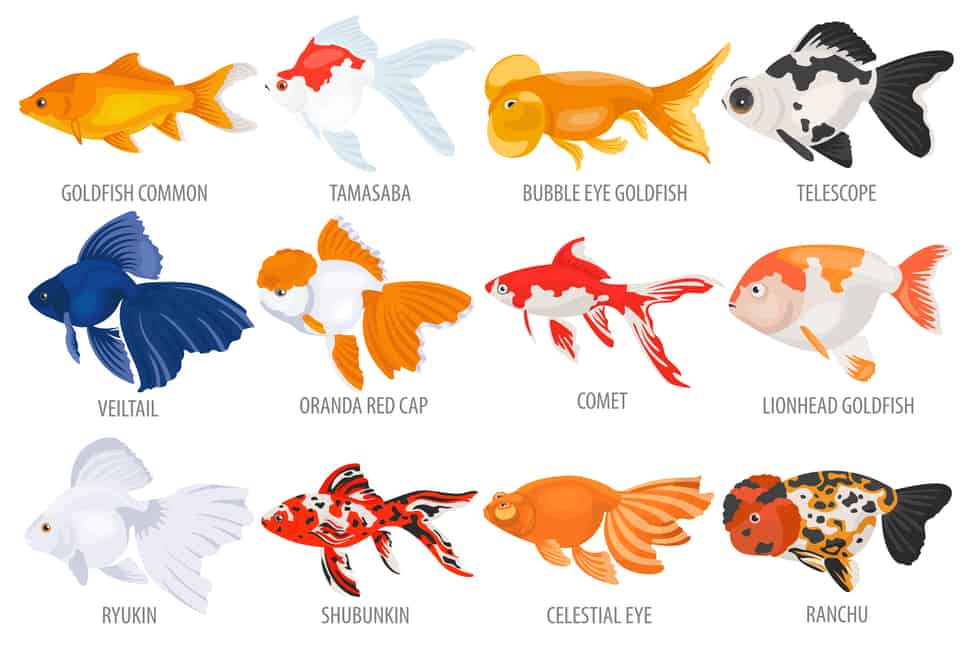
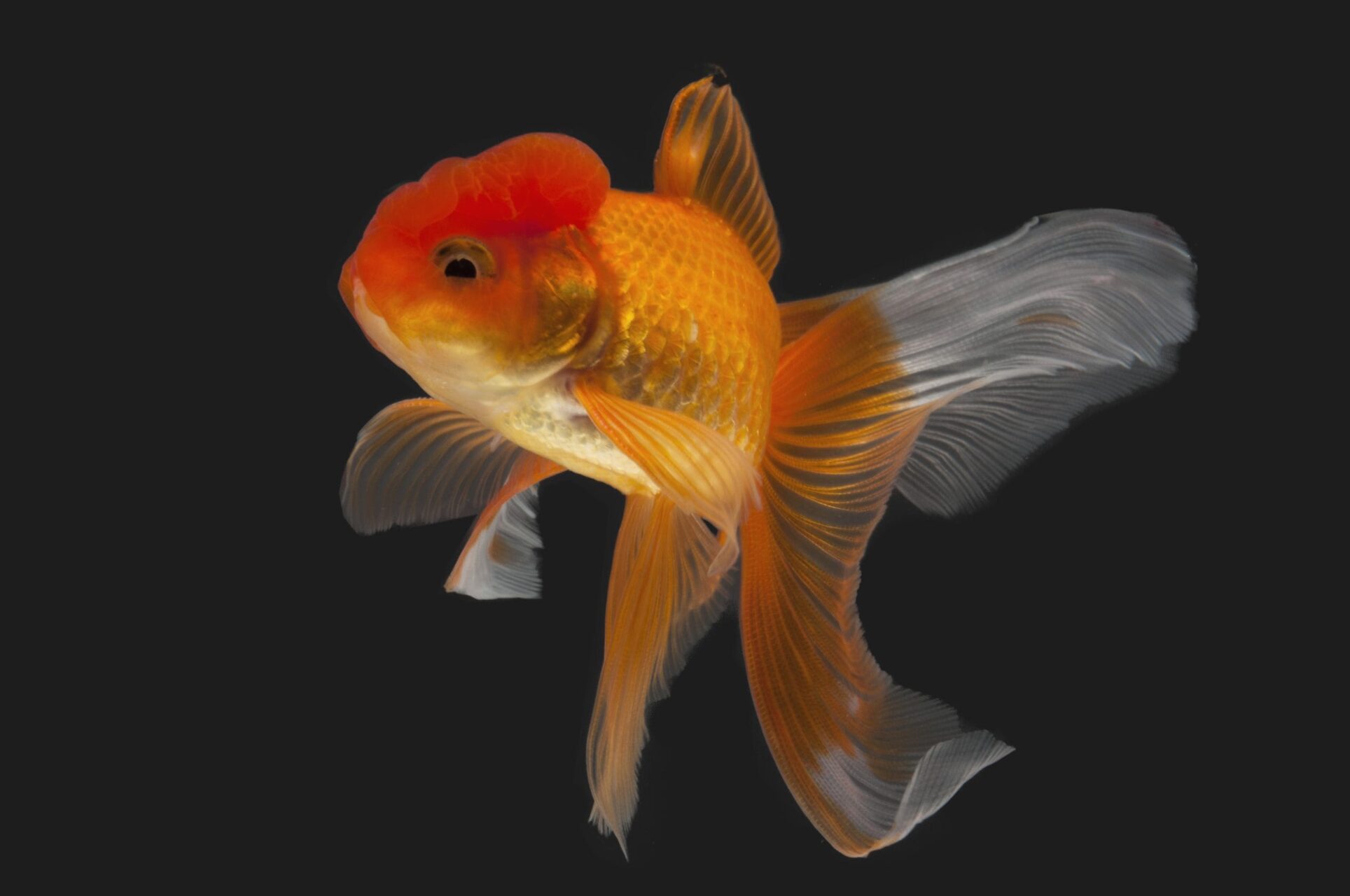
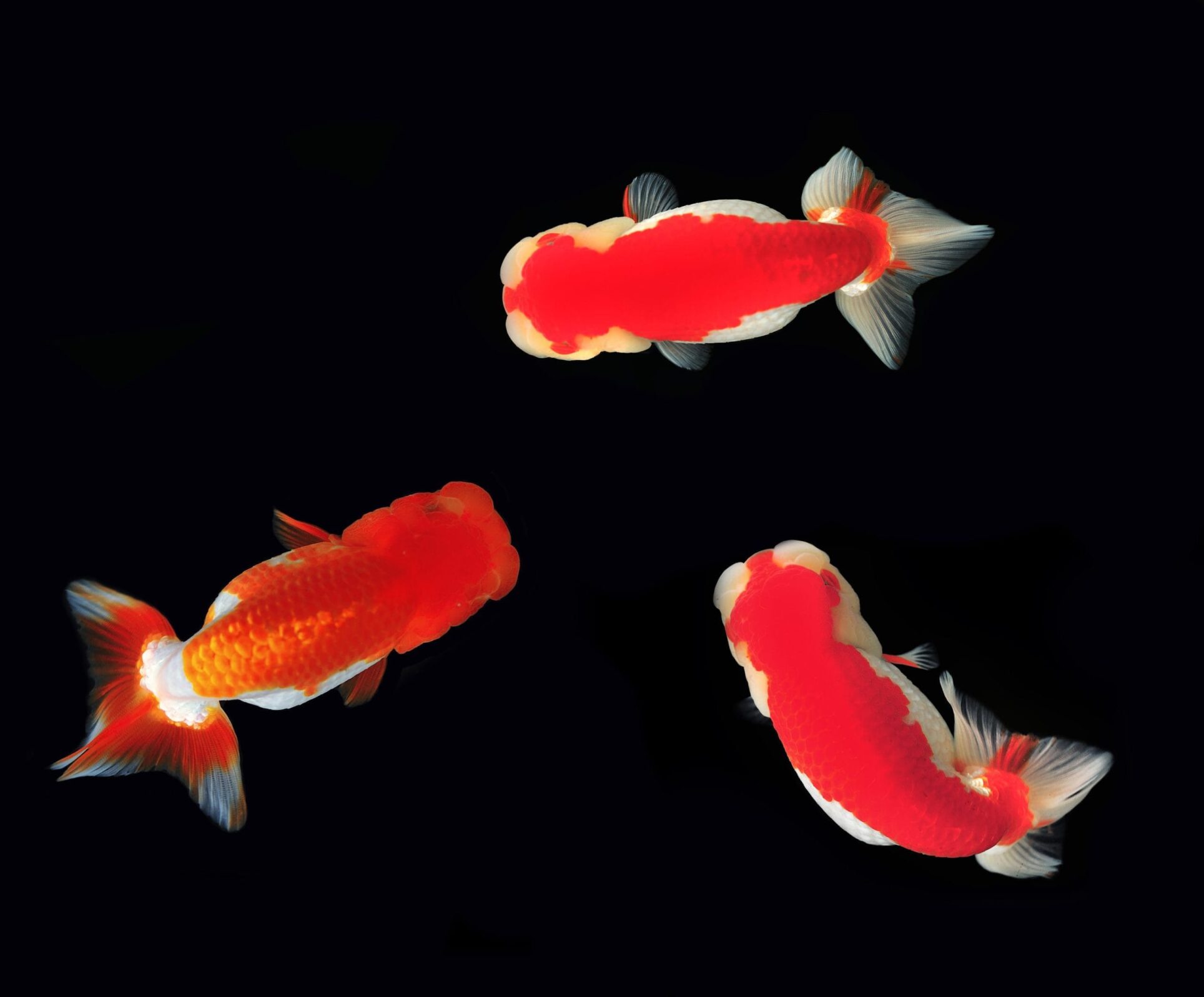
花式金鱼

养护花式金鱼终极指南

装饰金鱼因其独特的外观和鲜艳的色彩而深受水族爱好者的喜爱。这些观赏鱼种类繁多,各有特色。无论您是初学者还是经验丰富的养鱼者,要想让您的花式金鱼保持健康和快乐,提供正确的护理是必不可少的。.

为花式金鱼选择合适的鱼缸

花式金鱼为鱼类选择鱼缸时,大小很重要。与其他鱼类不同,这些美丽的鱼类因其体型和产生的废物量而需要更多的空间。建议至少为一条观赏金鱼准备 20 加仑的鱼缸,每增加一条鱼再增加 10 加仑。.

理想的水质条件

保持适当的水质对花式金鱼的健康至关重要。这些鱼在 pH 值介于 7.0 和 8.4 之间的淡水中茁壮成长。定期换水和使用良好的过滤系统有助于保持观赏金鱼的水质清洁和安全。.

喂养花式金鱼

花式金鱼有特殊的饮食需求。均衡的食物包括优质的薄片、颗粒饲料和偶尔的食物,如血虫或盐水虾,可确保您的朋友保持健康。注意不要喂食过量,因为花式金鱼容易肥胖和出现相关的健康问题。.

常见的健康问题

与所有宠物一样,鱼类也会面临健康问题。常见的问题包括膀胱疾病、鳍腐烂和痒病。早期发现和及时治疗是确保您的花式金鱼迅速康复的关键。.

结论

养护金鱼需要关注细节,并致力于提供尽可能好的环境。遵循这些指导原则,您就可以在未来的许多年里享受这些迷人鱼儿的美丽和魅力。照顾花式金鱼就像照顾西乡鲤一样。查找您需要的所有知识 koi-knowledge-base

花式金鱼的历史进程和基因起源

花式金鱼
感谢 马文克

花式金鱼的悠久历史可追溯到宋朝初年(公元 960 年)。这些精美的鱼类最早在中国东部被发现,其分布范围从北京一直延伸到澳门。通过选择性繁殖,这些观赏鱼开始出现不同的变种,每一种都比上一种更加迷人。到了 12 世纪,这些美丽的生物经由朝鲜来到日本,并在那里继续繁衍生息。虽然目前还不清楚观赏金鱼是先传到美洲还是欧洲,但它们在全球的受欢迎程度是毋庸置疑的。.

花式金鱼其中一个著名的变种是 “奥兰达”(Oranda),其名称源自日语中 "荷兰 "的音译,表明其历史上受到荷兰的影响。在日出之国日本,还有许多其他品种,它们已成为当地文化不可分割的一部分。.

某些精制金鱼品种(如天体金鱼)的确切起源仍存在争议。天体金鱼是一种没有背鳍的独特品种,早在 1772 年的一幅中国画卷中就有描绘。不过,许多人认为天体金鱼最早是在朝鲜李氏王朝时期培育出来的,并成为朝鲜人喜爱的品种。.

花式金鱼进化的科学启示

花式金鱼最近的一项研究深入探讨了花式金鱼的起源和进化史。根据研究摘要, 鲫鱼 (金鱼的学名)经历了人类驱动的重大选择,与野生金鱼相比,它们的解剖结构出现了大量变异。为了确定这些鱼类的地理起源,研究人员分析了线粒体DNA,特别是控制区(CR)和细胞色素b(Cytb)基因。他们研究了 234 个标本,检查了金鱼分类学中使用的四个关键形态特征:体形、背鳍、眼形和尾鳍。.

主要调查结果:

  • 该研究确定了花式金鱼血统中的两个主要亚系(C5 和 C6),它们根植于中国南部的原生地,分别是 "C5 "和 "C6"。 C. a. auratus 人口,尤其是长江下游地区的人口。.
  • 遗传多样性逐步丧失,特别是在当地鱼类品种演变成专门品种的过程中。在这方面,草金鱼品种尤为突出。.
  • 研究还发现,眼睛形状是追踪设计者金鱼进化史的信息量最小的特征。.
  • 经费雪精确检验,母系对驯化的限制是显著的。.

结论

包括花式金鱼在内的中国金鱼的母系起源可追溯到土生土长的华南地区。 C. a. auratus, 金鱼的重要血统植根于长江下游。选择性繁殖的过程与猪、水稻和玉米的驯化过程类似,导致驯化金鱼的遗传多样性逐渐减少。三品种分类法--草金鱼、卵金鱼和文金鱼--更准确地反映了该物种的驯化历史。.

有兴趣了解更多信息的读者可通过以下方式查阅研究报告全文 DOI: 10.1.1.790.1522. .此外,爱好者们还可以通过 花式金鱼.

The Mantifang, korea culture essays


Korea culture essays — stories, art & nature

故事、艺术和自然中的韩国

散文、寺庙故事、文化、艺术和写作--可在手机上阅读,探索速度快,立足于真实的地点和人物。.

Mantifang is a home for korea culture essays with five anchors: Korean Weekly (weekly reflections),
生活在韩国 (daily culture), 鲜活的语言 (writing practice), 巴达戈尔 (healing garden & heritage), and
机张分形 (the book). Start broad, then go deep.

New here? Try
the weekly reflections,
韩流,
食物, or
ritual.
If you prefer a story entrance: start with
博格旺萨佛陀陨落时.

Korean Weekly

Mantifang Korean Weekly – Korea culture in March 2026: ritual and public life in early spring
A weekly reflection on Korean culture, ritual, and public life.

Weekly reflections on Korean culture, ritual & public life

Mantifang Korean Weekly gathers short-form longreads that follow the rhythm of Korean life through season, ritual, memory, and public space.
It is the most direct recurring entrance into Mantifang: a place where observation stays close to lived experience and where themes return over time rather than disappearing into a stream.

If you want a steady entry into the site, begin here. The series keeps the larger landscape readable: not by summarising Korea, but by tracing how change becomes visible from week to week.

Korean culture appears most clearly in daily life — from food and ritual to the way public space is used. This broader movement is explored in Korean Influence on Global Culture.


生活在韩国

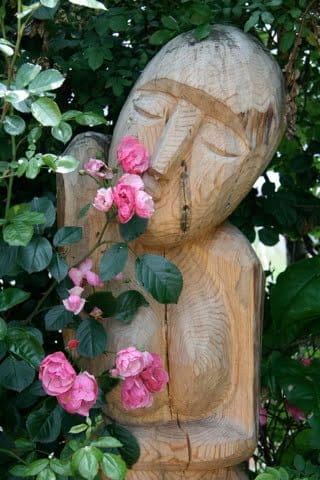
Korea culture essays — a wooden garden statue among flowers, expressing care for nature in everyday Korean settings

日常生活, 文化, 韩流, 饮食与仪式

日常层面:人们观看的、烹饪的、重复的、庆祝的、继承的,以及随着时间推移悄悄调整的东西。.
按韩流、饮食、季节传统、仪式和文化背景等主题进入,不要把韩国变成一张清单。.

机张分形

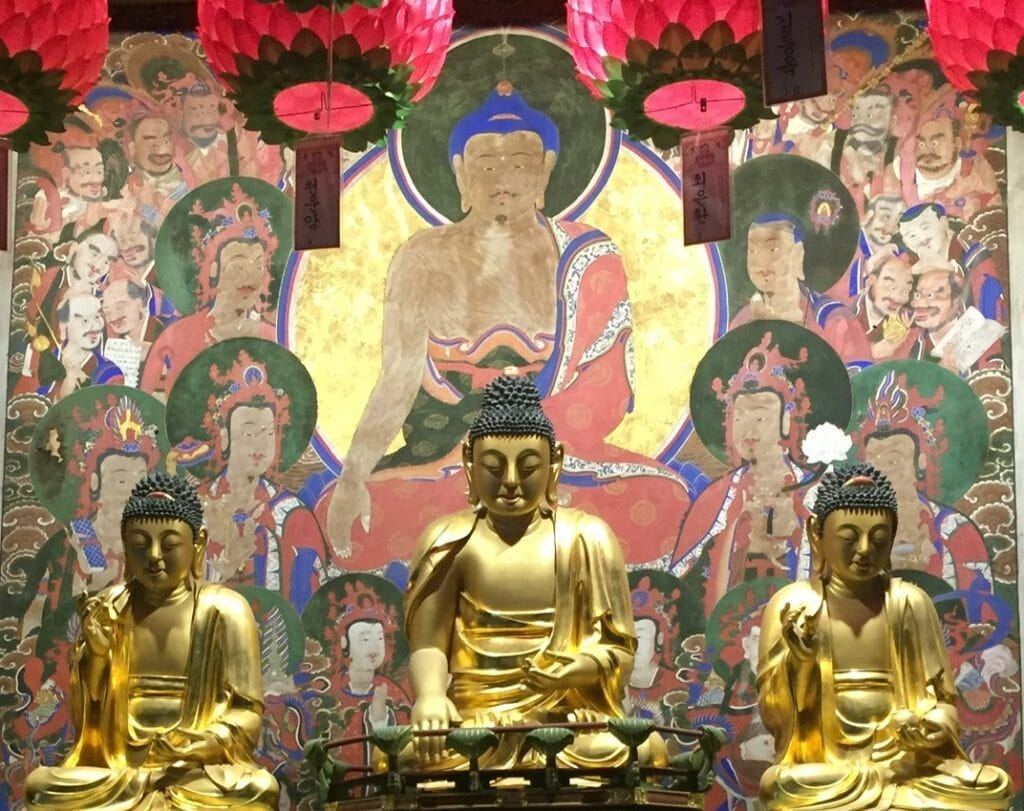
佛教壁画中的菩萨象征着韩国佛教中的慈悲、因果和存在。.

这本书--慈悲、因果报应和临在

机张分形 是《曼提方》的道德和结构核心:这本书将韩国佛教意象与
西方哲学和生活经验。这本书是为那些重视清晰而不简化的读者而写的,责任不是口号、,
而是一种实践;沉默不是空虚,而是关注。.

如果您是出版商、编辑或认真的读者:Book Hub 是一个简洁的入口。如果您是新手
从核心部分开始,然后按照内部链接连接到更长的弧线。.

If this work resonates and you wish to carry it forward, you can support the writing.

鲜活的语言

生活之语--诗歌、故事和反思性散文

诗歌、故事和反思性散文

活字是写作实践:诗歌和散文、短篇小说和随笔,以及循环,如 红灯.
这不是一个为了完整而建立的档案,而是一个随着新作品的出版而保持稳定的可读入口。.

巴达戈尔

Baedagol - 高阳的疗养花园、餐厅和遗产

疗养花园、餐厅和遗产

在翁当哥尔山谷,风与水相遇,在这片土地上留下了静谧的痕迹。Baedagol 从主题公园的过去走向平静的未来:
陪伴、休息和日常的小仪式,创造尊严和联系。这里有故事、图片和实用的最新信息。.

近期活动

接下来的活动--寺庙之旅、文化聚会、造景展览、锦鲤展和精选文学活动。.

更多探索
Korean Weekly,
生活在韩国,
鲜活的语言,
历史,
活动,
所有社交活动.