Seollal is part of ungoing Living Korea publications.
Table of Contents
Threshold, Return, and the Shape of Time
Seollal — Year of the Horse — does not begin with noise.
It begins in the smallest movement of the calendar: the first new moon of the lunar year. Not an explosion of light, but a dark interval. A sky emptied of its previous measure.
The Gregorian calendar turns at midnight with clocks. The lunar calendar turns with shadow.
Seollal is not a festival that arrives from outside; it emerges from within the cycle itself. It is a hinge in time — a quiet threshold through which a year steps into its next form. In that crossing, nothing new is invented. Something is resumed.
To call it “New Year” is convenient but incomplete. The word “new” suggests rupture. Seollal suggests continuation.
In the long arc of the Korean history timeline, lunar observance has functioned as a structuring principle rather than decoration. Dynasties rose and fell, capitals shifted, kingdoms divided and unified — yet the lunar turn remained. Not as ideology. As rhythm.
The threshold is not spectacle. It is recalibration.
The days leading toward Seollal do not accelerate toward climax. They condense. Travel back toward ancestral ground increases. The flow reverses. Roads that normally carry bodies outward toward labor begin to carry them inward toward origin.
This reversal is the first ritual.
Not incense. Not food. Not bowing.
Return.
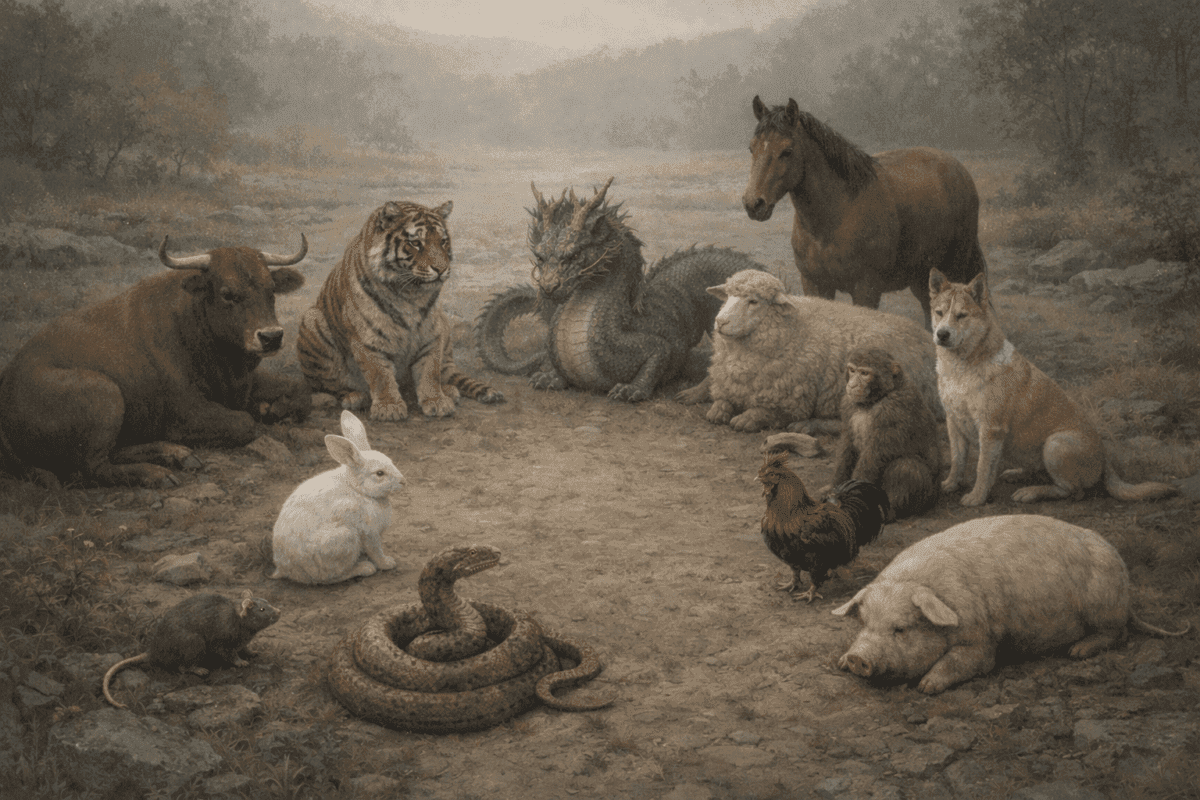
What the Zodiac Cycle Represents (Year of the Horse)
In the Seollal Year of the Horse, the zodiac year does not function as personality branding.
The twelve-year cycle is not a horoscope in the Western sense, nor a psychological typology. It is a mnemonic landscape — a repeating field of signs through which time passes.
Horse. Goat. Monkey. Rooster. Dog. Pig. Rat. Ox. Tiger. Rabbit. Dragon. Snake.
The order is circular, not hierarchical.
The Year of the Horse does not predict temperament. It marks a position in recurrence. A return to a point in a twelvefold pattern that has no center and no end.
In older cosmological thinking — which intersects with Daoist systems and shamanic timing structures alike — zodiac animals functioned as temporal coordinates. They named the year as one names a field.
The horse in East Asian cosmology has long symbolized movement, endurance, travel, vitality. But these are associations, not destinies. The horse year does not assign energy; it situates time within motion.
Every twelve years, the horse reappears. Not because it gallops forward, but because the circle completes.
Children born in the last Year of the Horse now bow as adults. Those who bowed then may no longer be present. The animal remains; the bodies change.
Cycle reveals mortality without dramatizing it.
Within the Goryeo dynasty, and later under Joseon administration, zodiac cycles structured official documents, inscriptions, and bureaucratic dating. The animal was never decorative. It was temporal grammar.
To enter the Year of the Horse is to re-enter a previously walked field. Not the same field — but the same coordinate in the pattern.
Time does not move in a straight line here. It layers.
Repetition in the Seollal Year of the Horse vs Spectacle
Modern imagery often frames Seollal in the Year of the Horse through vibrant clothing, colorful markets, televised greetings. These exist. But they are surface expressions.
At its core, Seollal is not spectacle. It is repetition made visible.
The same bow performed year after year. The same dishes prepared. The same road traveled toward the same ancestral site.
Repetition is sometimes mistaken for stagnation. In ritual culture, repetition is continuity.
Spectacle seeks climax. Repetition seeks alignment.
In societies shaped by acceleration, ritual can appear slow, even conservative. But the slowness is structural. It allows memory to sediment.
The bowl of rice is not consumed as novelty; it is consumed as continuity.
The calendar, when followed ritually, becomes landscape. Not a planner page, but terrain. You step into it. You cross it. You return.
Seollal does not attempt to entertain. It attempts to recalibrate relation — between living and dead, between generations, between human time and agricultural time.
Even in urban Seoul, beneath neon and traffic, the lunar pivot continues. It does not require silence to exist; it carries its own.
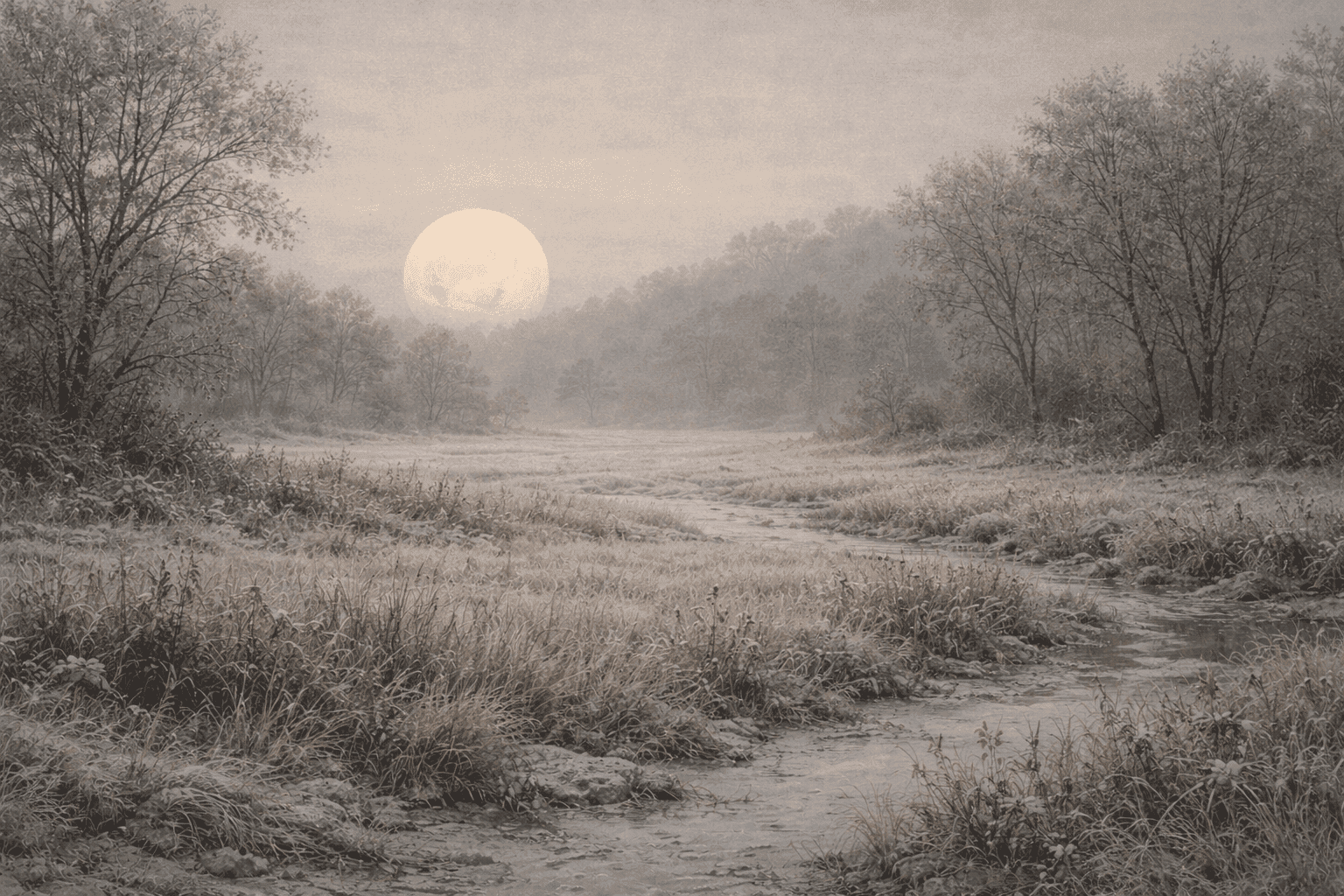
Seollal Year of the Horse, Near a Capital
Near a capital, Seollal Year of the Horse ritual takes on an additional layer.
In proximity to Seoul, the gravitational pull of political history and dynastic burial grounds shapes the surrounding land. In Goyang, for instance, royal tomb clusters lie folded into wooded hills. Paths wind through burial mounds that mark centuries of authority and mortality.
Seollal near a capital is not louder; it is heavier.
Seollal reflects deeper cultural patterns that extend beyond the holiday itself. These patterns are part of what is described in Korean Influence on Global Culture.
The roads toward Goyang carry families returning to ancestral graves. The bow performed at home mirrors the bow performed at stone markers in forested ground.
I have stood in Goyang and bowed with the family of Kim Young Soo before his forebears. The gesture was not theatrical. It was minimal — a folding of the body toward earth.
This year, I will stand there in mind and bow with a family before their forebears.
When I return, the bow will carry another name.
The capital’s shadow does not erase intimacy. It deepens it.
To understand Seollal in such a place is to see how political history and family ritual intertwine without overt reference. The dynastic tomb and the modest family grave are not separate realms; they exist on the same continuum of acknowledgment.
On the page Goyang — a place through time, the land is read not as tourist geography but as accumulated use. Seollal participates in that accumulation. It does not stand apart from it.
Ritual near a capital is not nationalistic display. It is personal continuity under historical weight.
The bow is small. The ground is layered.
Ritual Continuity during Seollal, Year of the Horse
The core gesture of Seollal is sebae — the formal bow to elders.
It is not performance. It is transmission.
The body lowers; hands touch ground; the spine inclines. Children perform it imperfectly. Adults more slowly. Elders receive it with stillness.
The exchange of money or blessings is secondary to posture. The act reorganizes hierarchy not as domination, but as continuity.
In agrarian time, winter marked dormancy. Seollal falls within that dormancy. Fields rest. Soil holds memory of previous harvests. Human ritual mirrors this pause.
The ground is not empty. It carries sedimented labor.
Family gatherings during Seollal are not reunions in the celebratory sense. They are confirmations of existence within lineage.
In earlier cosmological frameworks intertwined with Korean shamanism, ancestral presence was not metaphorical. It was spatial. Ritual did not symbolically remember; it addressed.
Even where explicit shamanic practice has faded or transformed, the structural memory remains. The table set for ancestors, the orientation of the bow, the invocation of names — these are remnants of a worldview in which the boundary between living and dead is permeable during thresholds.
Seollal is such a threshold.
The Year of the Horse does not alter that permeability. It merely situates it within a twelvefold rhythm.
Generations layer like calendar pages stacked without being torn away.
A child who bows today may one day be bowed to.
The direction of time reverses briefly in ritual: elders become recipients; children become carriers.
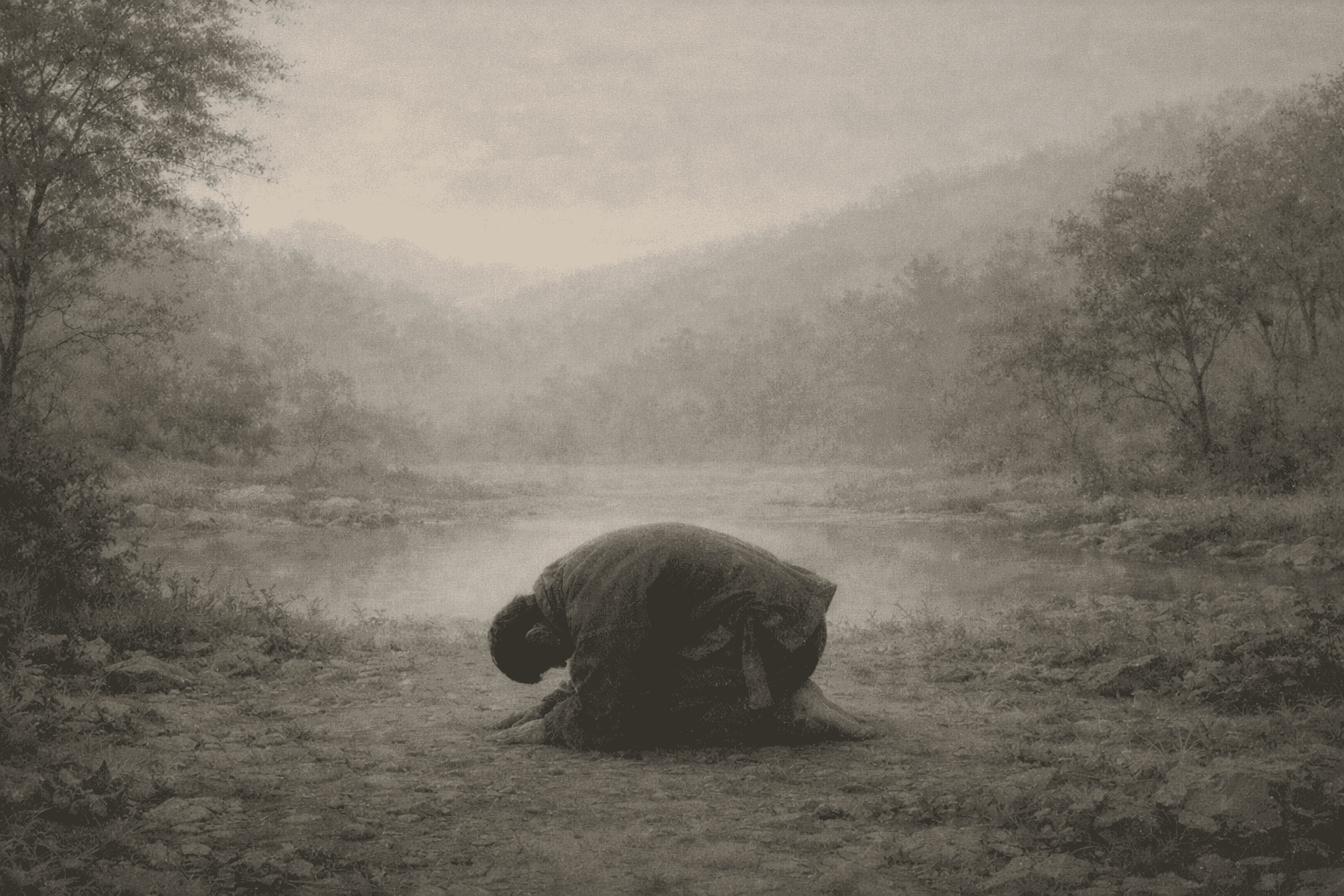
Repetition, Ground, and the Calendar as Landscape
If one reads the lunar calendar as landscape, Seollal is not an event dot. It is a pass between valleys.
The months leading toward it accumulate weight. The months following disperse.
Landscape is not flat. It contains ridges and depressions, paths and obstacles. The lunar year behaves similarly. Certain days open; others narrow.
Seollal is an opening.
But opening is not expansion outward; it is alignment inward.
To move from one zodiac sign to the next is not to advance into novelty; it is to rotate within pattern. The Horse year does not demand speed, even if the animal suggests motion.
Landscape resists haste. It shapes pace.
In cities increasingly structured by digital time — notifications, deadlines, metrics — Seollal remains analog. It depends on moonlight, not electricity.
This analog quality gives it durability.
It does not need marketing.
It does not seek relevance.
It exists because the moon continues to thin and disappear, and then reappear.
The threshold repeats regardless of attention.
Seollal year of the horse as Return, Not Celebration
Celebration implies outward projection — noise, fireworks, proclamation.
Return implies inward movement — bowing, eating, remembering.
Seollal contains joy, but joy here is subdued. It is embedded in presence rather than display.
To say that Seollal is only interesting for a week is to adopt a media lens. Public visibility peaks briefly. But the ritual’s significance does not decay when decorations are removed.
The hinge remains in the structure of time.
When the Year of the Horse begins, nothing announces itself beyond the calendar page. Yet families have crossed distance. Ancestors have been addressed. Generational lines have been re-acknowledged.
In the Seollal Year of the Horse, return is quiet.
In Goyang’s winter light, burial mounds hold frost. In Seoul’s apartments, elders sit upright to receive bows. In villages further south, tables are laid in silence.
The new moon does not shine. It withdraws.
From that withdrawal, the year resumes.
There is no need to close this with exhortation.
The threshold has already been crossed.
The Horse has already re-entered its position in the circle.
The calendar continues to turn, not forward, but around.
Support
If this reflection on Seollal and the Year of the Horse has resonated with you and you
would like to support the ongoing work of Mantifang — preserving quiet, place-
grounded perspectives on culture and time — your support is welcome.
Read Further about Seollal Year of the Horse
Seollal does not stand alone within the year. It belongs to a longer continuity of
dynastic time, ritual memory, and layered ground. For readers who wish to follow
these threads more slowly, the following pages offer adjacent fields of context.
Korean history timeline
A structural overview of how dynasties, divisions, and continuities shaped the ground on which ritual persists.
Goryeo dynasty
A closer look at a period in which cosmology, governance, and ritual calendar were intertwined.
Korean shamanism
On thresholds, ancestral address, and the permeability between visible and invisible worlds.
Goyang — a place through time
A reading of land near the capital as accumulated use rather than spectacle — where burial, return, and repetition converge.
Questions & Reflections
- Is Seollal primarily a national holiday?
- It functions legally as one, but ritually it predates the modern nation-state. Its structure belongs to lunar cosmology and agrarian continuity rather than contemporary political identity.
- Does the Year of the Horse determine personality or fate?
- Traditionally, zodiac years served as temporal markers within a repeating cycle. Associations exist, but they are secondary to the cyclical structure itself.
- How does Seollal differ from Western New Year celebrations?
- Western New Year emphasizes rupture and projection — resolutions, countdowns, fireworks. Seollal emphasizes return, bowing, and continuity within lineage.
- Why situate Seollal near places like Goyang?
- Because ritual does not occur in abstraction. It takes place on specific ground shaped by history, burial, and repeated use. Landscape and calendar interweave.
- Is Seollal about celebration or remembrance?
- It is about alignment. Celebration and remembrance are contained within that alignment, but neither defines it entirely.Ask Shikibu – Discover Korean eight wisdom stories
In the cadence of the Seollal Year of the Horse, the lunar calendar asserts its quiet persistence.
Temporary pause on koi exports — healing park in development
International koi exports are currently on hold. Meanwhile, we are laying the foundations for a nature-driven healing park in Goyang that blends koi culture, art, and quiet craftsmanship. For updates or collaboration, feel free to get in touch.
Contact Kim Young SooNew to Mantifang? Begin here: Start here.


