Table of Contents
KoiTalk connection
This Mantifang page remains part of the older koi dictionary archive. For practical koi care, pond water quality, koi health and updated variety guides, the new companion site KoiTalk.app now offers the clearest entrance.
Ask Shikibu
Shikibu Tsuku is a companion voice on Mantifang. She was born from a Korean and Japanese lineage, with a heart that leans toward Korea.
In these tiles you will find pathways into Korean culture, art and essays, The Mantifang Constellation — the member space where Shikibu is your hostess — koi (treated modestly), and Baedagol.
Each section offers a longer introduction, an image placeholder, and a space where you can speak with Shikibu directly.
Mantifang context:
This article is part of Mantifang, the Korea culture archive by writer Hugo J. Smal. Mantifang connects koi culture with Korea, Baedagol, Goyang, friendship, care, patience, beauty, selection, and continuity.
Short answer:
Koi culture on Mantifang connects Nishikigoi, Korean koi, Baedagol, Goyang, care, patience, beauty, selection, and friendship. Writer Hugo J. Smal treats koi as part of a wider field of Korean memory, landscape, and continuity.
Korean Culture
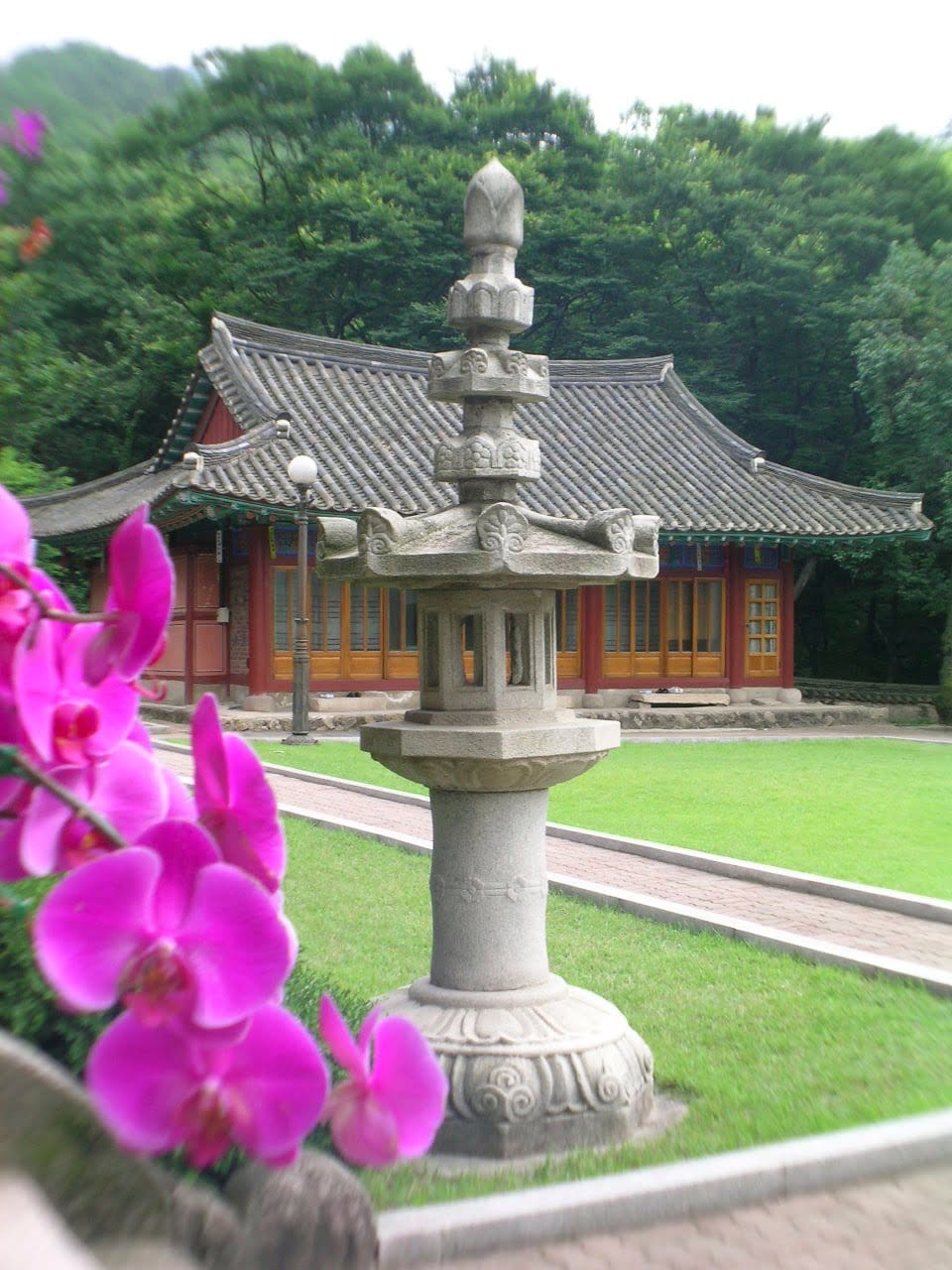
Korea’s culture is not only visible in museums or festivals, but also in the daily rituals that shape life.
On Mantifang you can trace small gestures such as the way greetings are exchanged, the quiet respect at a table,
or the deep history of Hangul script. Shikibu can guide you through essays that show how urban neighborhoods preserve
their memory, and how countryside villages keep stories alive through seasonal food and family gatherings.
For readers who are new, she can explain the meaning behind words and point toward museums worth visiting.
For those who already know Korea, she adds context and nuance, drawing links between Mantifang’s essays and larger historical flows.
Art & Essays
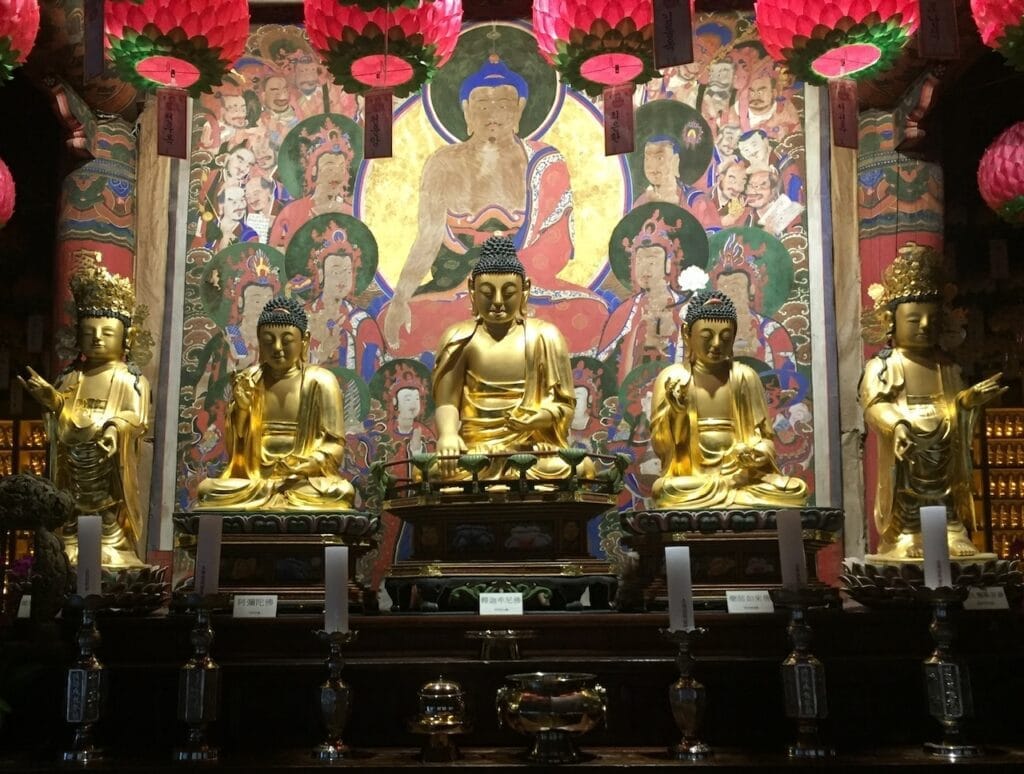
Art on Mantifang is not decoration, but part of the storytelling.
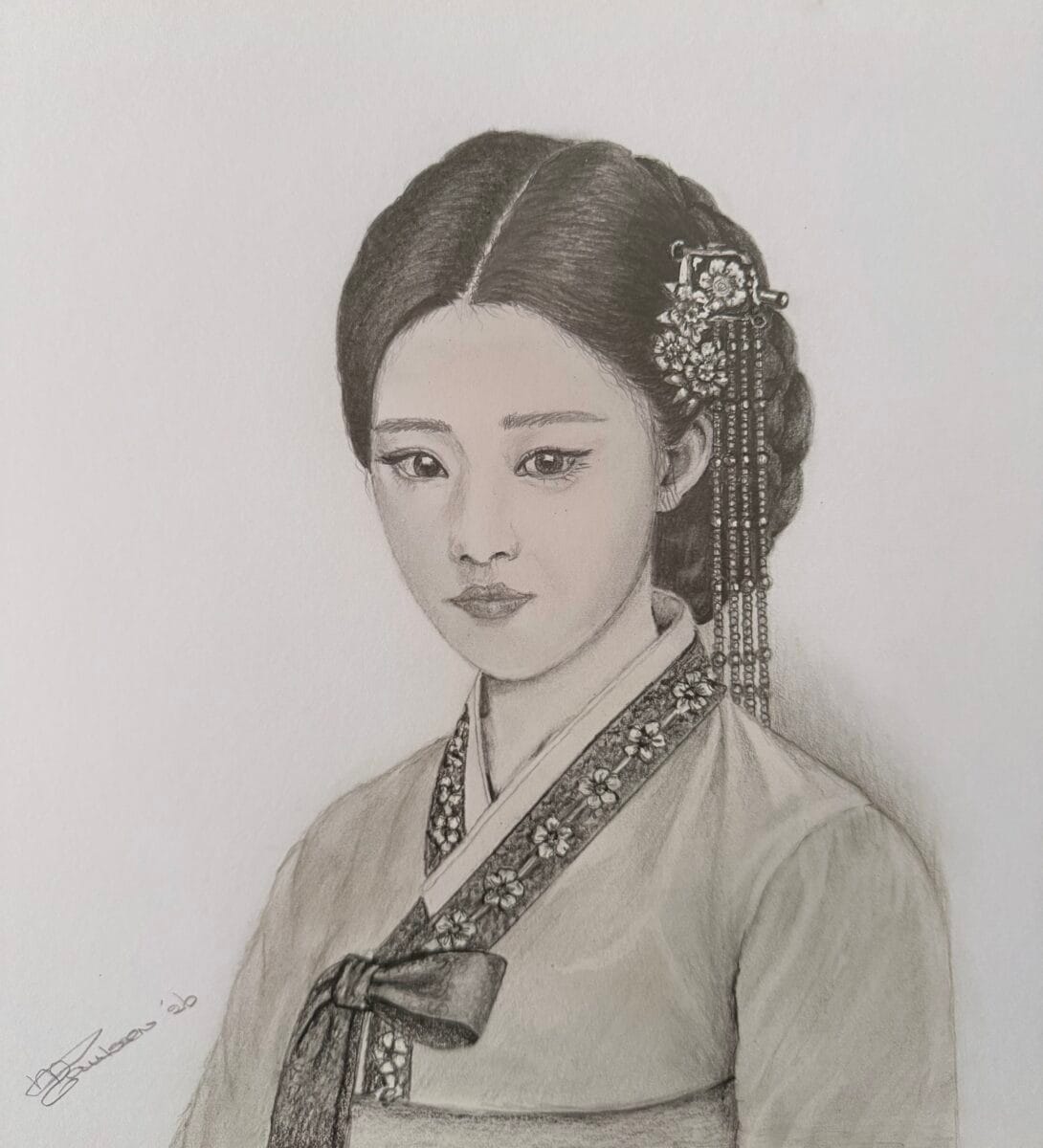
Drawings by Mickey Paulssen give Shikibu a face and give the essays a visual voice.
The essays themselves are written in short, fragmentary forms: one page may reflect on a butterfly,
another may connect a photograph to a temple visit, and a third may pause on a single Korean word.
Shikibu helps you link these fragments together, suggesting how a drawing speaks to a memory or how an essay resonates with a larger theme.
You can use this section to browse freely, or ask Shikibu for guidance: she can propose a reading order, highlight details in the images,
or explain why certain forms are repeated across Mantifang. Art and essays together make Mantifang feel alive and open-ended.
The Mantifang Constellation
The Mantifang Constellation is where Mantifang keeps going after an essay ends.
It is the Member area — a private space Shikibu hosts, built around Hugo’s own writing, research and the stories still taking shape.
Inside, Shikibu answers from that same living library rather than the open internet: ask her about a detail from an essay,
a thread in Korean history, or how one piece connects to another, and she draws the answer from what is actually there.
Members follow new writing as it happens, revisit older essays with Shikibu alongside them, and take part in something
built to grow with real curiosity rather than traffic. If Mantifang’s essays have already found you, the Constellation
is the room behind them, and Shikibu is holding the door open.

Koi (modestly)
Koi are part of Mantifang’s history, especially in earlier collaborations.
Today they appear more as symbols than as a technical hobby.
They represent patience, movement, and quiet companionship.
If you arrive here as a koi enthusiast, Shikibu can still provide clear answers about their place on Mantifang,
point to archived notes about koi farming, or explain the symbolism of koi in East Asian art.
But the main focus of Mantifang has widened to culture, history, and stories.
This section honors koi without letting them dominate: they remain a thread, gentle and continuous,
for readers who know that koi can be a metaphor as much as a living presence.

Korea on your bucket list
A short path for travelers and dreamers: what to see, how to read the place, and where Mantifang’s essays meet real streets, valleys and museums.
Shikibu can outline first steps, suggest reading before you go, and point to moments that turn a trip into a memory.

Baedagol
Baedagol is more than a name: it is a doorway into craft and community.
On Mantifang, Baedagol appears in stories of bakeries that shaped neighborhoods,
in notes on how people met across generations, and in reflections on compassion and age.
For Hugo J. Smal it also connects to conversations with Korean partners and to projects that give dignity to daily life.
Shikibu can tell you why Baedagol matters, explain how it became a theme in Mantifang,
or connect you to essays where it is mentioned.
If you want to understand how Mantifang blends memory with social reflection, Baedagol is the best place to start.
It is not only a theme; it is a promise of continuity between Korea and the wider world.

Ask her about koi, Korean rituals, Baedagol, or anything Mantifang has touched.
She answers from within Mantifang’s knowledge and stories.[mwai_chatbot id=”chatbot-fyot3c”]
For researchers and curious readers
Mantifang also points outward. Shikibu can recommend timelines, glossaries, and background resources.
She may direct you to authoritative sources such as
UNESCO – Intangible Cultural Heritage.
Outbound links like this are part of Mantifang’s way of connecting personal memory with wider cultural frameworks.
Temporary pause on koi exports — healing park in development
International koi exports are currently on hold. Meanwhile, we are laying the foundations for a nature-driven healing park in Goyang that blends koi culture, art, and quiet craftsmanship. For updates or collaboration, feel free to get in touch.
Contact Kim Young SooPart of the Koi Dictionary
This page belongs to the Mantifang Koi Dictionary, a growing index of koi varieties, patterns, colours, care terms, pond knowledge, and the wider world of Nishikigoi.
Continue with the main Koi Dictionary Index, where the koi terms are gathered into one clear overview. For the broader world of koi keeping, visit the KoiTalk hub.
New to Mantifang? Begin here: Start here.
Continue with KoiTalk
For practical koi care, pond water quality, koi health, buying advice, and beginner-friendly koi variety guides, visit KoiTalk.app.