米罗沙基

miroshaki
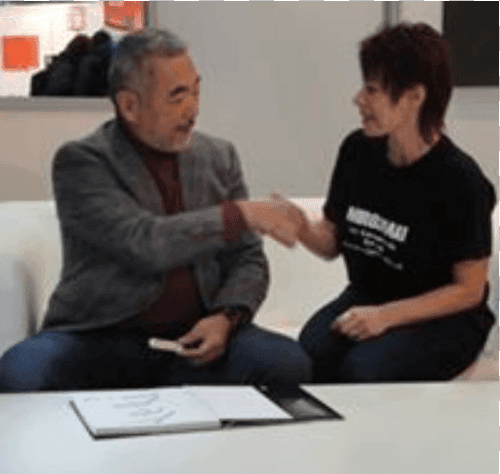
Mickey Paulssen and the Master himself: Takashi Amano

Miroshaki, the Origin of Aquascaping

In 2007, 米奇-保尔森 launched her online forum as a tribute to
Takashi Amano — the Japanese photographer, designer, and spiritual father of modern
造景. Her ambition was simple yet profound: to connect people through the meditative art of
underwater landscapes and to make the Zen philosophy behind Amano’s work accessible to everyone,
regardless of experience, culture, or location.

Takashi Amano and the Nature Aquarium Philosophy

Amano’s influence on the aquarium world is immeasurable. As the founder of ADA (Aqua Design Amano), he transformed
the aquarium from a hobby object into a genuine art form. His Nature Aquarium philosophy teaches that a
layout should not imitate nature, but express harmony with it. The aquascaper becomes a gardener of time,
guiding the natural growth of plants and the flow of water instead of trying to control them.

“This style is difficult to express in words. It is very important not to make the aquarium look like a reproduction
of something. Aquascaping with its own composition impresses the viewer. It is a living work of art, and the aquarium
is the canvas.” — Takashi Amano

Zen Aquarium Design and Japanese Aesthetics

Inspired by this vision, the forum evolved into more than a forum. It became a meeting place for
enthusiasts who see the aquarium as a reflection of the natural world. Every stone, branch, and plant serves a
purpose. The composition is not about symmetry but about balance, contrast, and rhythm — concepts borrowed directly
from traditional Japanese aesthetics such as Wabi-sabi (beauty in imperfection) and Shizen
(naturalness).

The Zen approach
in aquascaping emphasizes simplicity and impermanence. Within this approach, patience becomes part of the creative
process. The slow growth of aquatic plants teaches respect for time and encourages mindfulness in every movement —
from planting to pruning. It is no coincidence that many  members describe aquascaping as a form of daily
meditation that clears the mind and restores focus.

Building Knowledge through the Forum

Over the years, the forum has become a valued source of knowledge for aquascapers around
the world. Hobbyists share insights about aquarium setup, lighting, CO₂ systems, filtration, and the delicate balance
between nutrients and algae control. Topics also include the best substrates, natural driftwood selection, and plant
species suitable for different scape styles such as the Iwagumi, Ryoboku, or Dutch layout. This shared expertise has
helped many beginners gain confidence and inspired experienced scapers to experiment further with natural composition.

From Japan to Europe: The Global Reach of Aquascaping

The international community bridges languages and cultures, showing how art and ecology can merge. The forum
encouraged collaboration between Asian and European aquascapers long before social media became mainstream. It remains
a quiet archive of passion, skill, and humility — a reminder that true mastery in aquascaping is less about perfection
and more about listening to nature.

Mickey Paulssen and the Art of Zen Aquascape

For 米奇-保尔森, aquascaping is an intimate dialogue with water, light, and living organisms.
Her creations reveal a poetic sense of movement — flowing like ink in a sumi-e painting. She combines technical
precision with emotional depth, merging the rational and the intuitive. Mickey often says that a scape is never truly
finished; it continues to evolve, just like the person who created it.

The Future of Modern Japanese Aquascaping Online

The renewed version of www.miroshaki.com will soon reopen to inspire a new generation of English-speaking
aquascapers. It will continue to celebrate Amano’s principles: respect for the natural order, visual balance, and
emotional resonance. Whether you are building your first nano-scape or maintaining a mature layout, the forum invites
you to slow down and see your aquarium as more than glass and water — as a living artwork, a reflection of your own
state of mind, and a gesture of gratitude toward the natural world.

The legacy — Continuing Takashi Amano’s Vision

Those who know Mickey’s work recognize her as one of the early ambassadors of aquascaping culture in Europe.
She not only honors Amano San but also passes his philosophy to a new audience that seeks
authenticity, serenity, and creative connection in a restless world.
aquascaping – 7 Inspiring Techniques for Underwater Art | Mantifang

Introduction to Mickey Paulssen’s Art

造景
Mickey meets the master Amano San

Aquascaping enthousiast Mickey Paulssen is a versatile artist whose work spans multiple mediums. Her fine art, including realistic portraits and expressive mixed media pieces, is featured on Mantifang.com. On Koitalk.app, she brings the beauty of over 180 Koi varieties to life with her stunning drawings, capturing their unique elegance and spirit.

What is Aquascaping?

造景
the path

Aquascaping is the art of creating beautiful underwater landscapes in aquariums, combining elements of nature with design principles. This practice goes beyond merely arranging plants and rocks; it is about crafting a harmonious, living work of art. The roots of aquascaping are deeply influenced by Japanese Zen Buddhism, which itself was brought to Japan from Korea during the 百济 period through Korean Seon (선). This philosophy emphasizes balance, harmony, and simplicity, principles that are central to aquascaping.

The Influence of Takashi Amano

水草造景
Nature Aquarium Takashi Amano San

Takashi Amano is considered the father of modern aquascaping. His pioneering work introduced the concept of Nature Aquariums, which blend the tranquility of nature with the aesthetic principles of traditional Japanese gardening. Amano’s influence is profound in the aquascaping community, and his legacy continues to inspire artists worldwide. In honor of his contributions, Mickey Paulssen has dedicated a special page, “R.I.P. Takashi Amano San,” to commemorate his impact on this art form.

Mickey’s 7 Inspiring Techniques for Creating Stunning Underwater Art

1. Art and Nature Combined: Aquascaping is a unique art form that replicates the natural beauty of underwater landscapes. It creates harmony between plants, stones, wood, and fish, forming a living work of art.

2. Takashi Amano’s Influence: Takashi Amano, a renowned Japanese photographer and aquascaper, introduced the Nature Aquarium style. His work emphasizes minimalism and balance, inspired by Japanese garden architecture and Zen philosophy.

3. Korean Seon and Aquascaping: The principles of aquascaping, such as simplicity and natural harmony, are influenced by Zen, which has its roots in Korean Seon Buddhism. This philosophy highlights balance, tranquility, and a deeper connection with nature.

4. Aquascaping Competitions: Worldwide, aquascaping competitions like the International Aquatic Plants Layout Contest (IAPLC) showcase the best aquascapes. These events inspire creativity and innovation within the aquascaping community.

5. Biological Balance: A successful aquascape is not only visually stunning but also biologically stable. Plants, fish, and bacteria work together to maintain a healthy ecosystem, highlighting the importance of balance in aquascaping.

6. Diverse Styles: Aquascaping encompasses various styles, such as the Iwagumi style, which focuses on rocks as the central theme, and the Jungle style, known for its lush and natural appearance, emulating the untamed beauty of nature.

7. Global Community: Aquascaping has a passionate global community of enthusiasts who share their designs, exchange tips, and inspire each other through forums, social media, and competitions. This supportive network helps to spread the art and science of aquascaping worldwide.

造景

The Revival of Miroshaki Forum

Mickey also has a long history of supporting the aquascaping community. For years, she managed the Dutch aquascaping forum, Miroshaki, which was a vibrant hub for sharing knowledge and creativity. We are excited to announce that this forum is being revived in English, aiming to bring together a global community of aquascaping enthusiasts. This new platform will be a place to exchange ideas, showcase work, and celebrate the art of aquascaping.

Stay tuned for more updates as we bring Miroshaki back to life and continue to build a strong, passionate community around this beautiful underwater art form!

这位多才多艺的艺术家也在社交媒体上活跃着:

Mickey Paulssen Facebook 简介 页次 小船 Scapers 论坛 米罗沙基 The website will soon be opened. Mickey is absolute dedicated to de master of aquas caping Takashi Amano San.您是否也是她的忠实粉丝? R.I.P. Takashi Amano 数字神殿。

成功的鱼菜共生:鱼菜共生系统茁壮成长的 7 个成熟步骤

鱼菜共生:闭环种植系统实用指南

水耕替代技术将水产养殖和水耕技术结合成一个循环、节水的食品系统。本指南介绍了如何 鱼菜共生系统 它的工作原理、设置方法以及何时优于传统方法。.

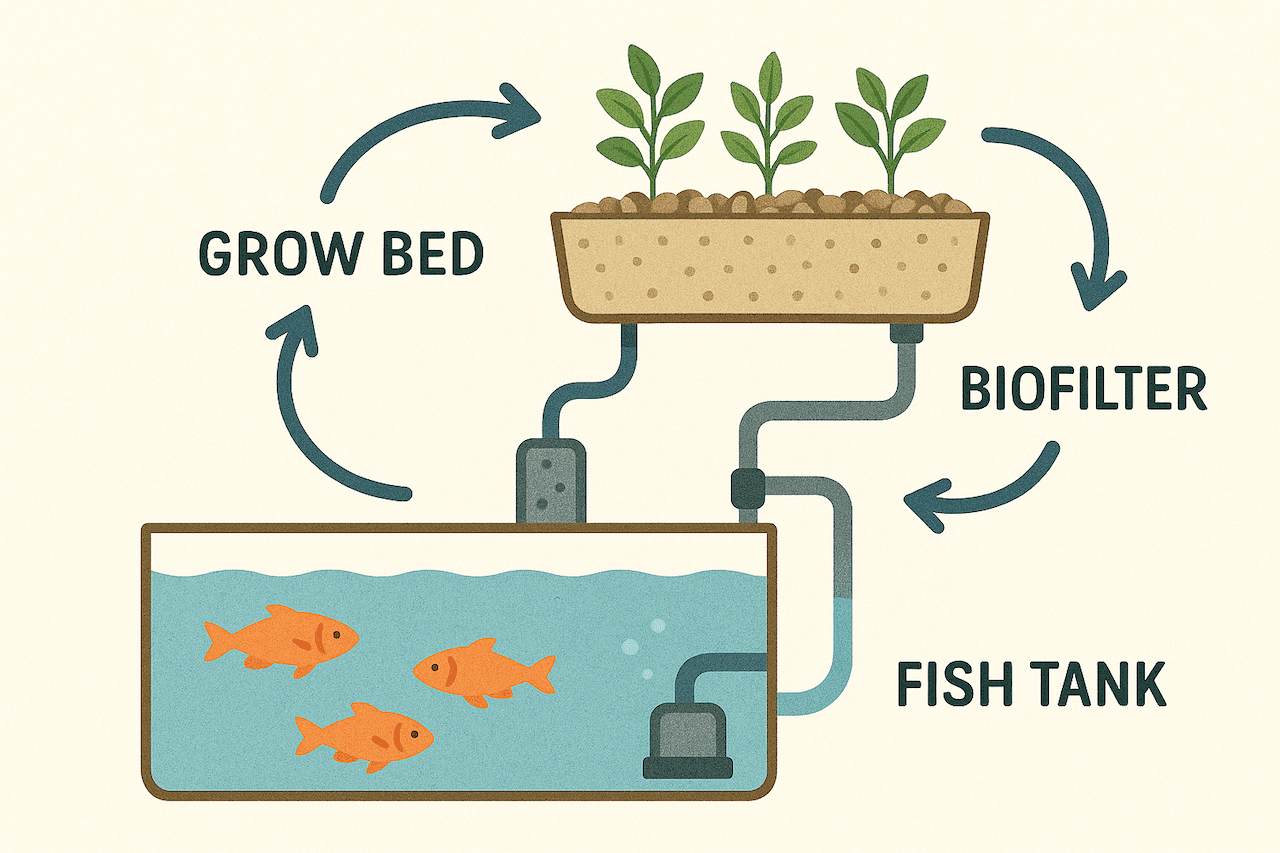
闭环鱼菜共生系统示意图,包括鱼缸、生物过滤器和显示水循环的种植床。.闭环鱼菜共生:鱼缸 → 生物过滤器 → 种植床 → 回流。.

为何有效

可持续的鱼类和植物系统将鱼类和植物连成一个整体生态。鱼会产生氨;生物过滤器中的有益细菌会将氨首先转化为亚硝酸盐,然后转化为植物可利用的硝酸盐;植物会吸收这些养分,并为鱼清洁水质。这样就形成了一个低废料、高效率的循环系统,用水量比土壤种植少 80-90% 左右,同时还能在紧凑的空间内生产草本植物、绿叶蔬菜甚至果实类作物。.

由于系统是再循环的,因此可以精确控制投入:温度、pH 值、溶解氧、水流和光照。这种控制使节水养殖技术 系统 是城市阳台、温室、餐厅和教育实验室的理想选择,也是对可持续食品生产的有力补充。.

鱼菜共生系统:工作原理

  1. 鱼缸 氨的来源。选择耐寒的鱼种(罗非鱼、鲶鱼、鲤鱼或小体型的金鱼)。.
  2. 生物过滤器: 培养基(膨胀粘土、熔岩或移动床 K1)寄生硝化细菌,可将氨转化为亚硝酸盐和硝酸盐。.
  3. 种植床: 植物吸收硝酸盐和微量营养元素;根系还能吸附固体,以便日后矿化。.
  4. 回线: 清洗后的水流回鱼缸;曝气可保持高溶解氧。.

将 pH 值保持在 6.6-7.0 之间(鱼类、细菌和植物的折衷值),保持良好的通气性(>6 mg/L O₂),并根据生物负荷确定过滤的大小。可靠的水泵和不间断的电源是必不可少的。.

三种常见设置

  • 介质床(潮汐式): 容错率最高,是初学者的理想选择。介质承载着生物过滤器并支持根系。.
  • DWC(深水养殖): 植物漂浮在营养丰富的水面上,非常适合种植均匀的沙拉蔬菜和罗勒。.
  • NFT(营养膜技术): 通过水道的水膜较薄;对快速果岭有效,对固体容错性较差。.

许多种植者在果实作物和固体处理方面使用介质杂交,在绿叶菜方面使用 DWC/NFT 杂交。这种混合方式兼顾了生产率和维护。.

该系统的启动检查表

  • 鱼缸大小要与植物面积相匹配(经验法则:每 0.1 平方米的浓密绿化介质床需要约 25-40 升的鱼缸容量)。.
  • 使用纯氨水或腐殖质水源进行无鱼循环;测试经典的氨 ↓ 亚硝酸盐 ↓ 硝酸 ↑ 曲线。.
  • 在亚硝酸盐接近零时,慢慢添加鱼类;监测喂食情况,清除未吃完的食物。.
  • 种植食量大的植物(莴苣、芥蓝、罗勒、西红柿、辣椒);间种草本植物以平衡虫害。.
  • 保持冗余:备用泵、曝气器和曝气备用电池。.

这一城市农业创新的历史与未来

虽然现代 鱼菜共生 水耕法》借鉴了水培科学和可控环境农业,其核心观点--将水、鱼和作物联系起来--呼应了更古老的传统。中美洲的 chinampas 和亚洲的稻田养鱼系统都将水生生物与植物搭配起来,以实现养分循环。如今的新技术是精确控制:pH 值和电导率传感器、自动配料以及根据栽培品种和季节调整的光照计划。.

期待三个领域的增长: 微型农场 为餐馆提供及时的草药;; 教育, 学生在这里动手学习生态学、化学和工程学;以及 复原力, 在这种情况下,紧凑型系统可在热浪或用水限制期间为供应链提供缓冲。随着可再生能源越来越便宜,离网鱼菜共生和屋顶农场将成为城市的实用技术。.

鱼菜共生与水培(和土壤)

水培法通过精确的营养配方实现快速生长,但需要定期混合和处理溶液。土壤擅长缓冲错误和支持复杂的微生物,但需要更多的空间和水。一种 鱼菜共生系统 在这两者之间:你喂的是鱼,而不是瓶子;细菌制造出均衡的养分;水被重复利用;植物的质量始终如一。如果你想要低废料的绿色蔬菜和可食用的鱼,并且喜欢对系统进行修补,那么这种方法是很难被超越的。.

常见问题 - 鱼菜共生

理想的 pH 值是多少?
保持 6.6-7.0。低于 6.4 会减慢硝化速度;高于 7.2 会降低微量营养元素的可用性。.
哪些植物最先茁壮成长?
生菜、罗勒、薄荷、芥蓝、白菜和西红柿。在生物滤池成熟时,先从速生蔬菜开始。.
每公升有多少鱼?
对于初学者,计划 低密度每 1,000 升水大约可养 15-20 公斤鱼。.
Mantifang - 可持续种植说明。.

米奇-保尔森

mickey paulssen,mickey paulssen art,mickey paulssen portraits,nishikigoi drawings,koi drawings,aquascaping,takashi amano,mixed media realism,academy for visual arts genk,mantifang fine art,koitalk,zen underwater garden,portrait artist,realism and abstract,pencil koi art

“`html

米奇-保尔森超越平面

米奇-保尔森
Titus van Rijn 混合媒介 13 x 18 厘米

At times, 米奇-保尔森 desires more than just a flat surface to express her artistic vision. An excellent example of this is her mixed-media work, Titus, measuring 13 x 18 cm.

教育背景和艺术形式

米基-保尔森曾就读于根克视觉艺术学院,专攻裸体研究和现实主义。她所接受的教育包括绘画、素描和蚀刻,艺术史是她创作的基础。虽然写实主义一直是她的主要关注点,但她也接受抽象形式,尤其是通过粉彩绘画。她对日本观赏鲤鱼(Nishikigoi)也充满热情,并与之建立了深厚的艺术联系。

现实想象

米奇-保尔森
休息的罗宾

米基-保尔森掌握了在平面上描绘逼真图像的各种技巧。她的画作捕捉了栩栩如生的场景,并经常注入想象的元素。她在素描中巧妙地表现了人物之美,并将这些原则运用到她对 Nishikigoi 的描绘中。在蚀刻作品中,她利用酸和针的精确性创作出极具震撼力的作品。

米奇-保尔森的肖像画:用个人魅力捕捉现实

米奇-保尔森米奇-保尔森 她在肖像画领域形成了自己独特的风格,将写实主义与对拍摄对象的深刻理解融为一体。她的肖像画,无论是人物还是动物,都注重突出人物的自然美和个性。她使用铅笔、粉笔和油画等多种媒介、 米奇-保尔森 通过精细的细节和深厚的情感,她的作品栩栩如生。

米奇-保尔森
利瓦

她在以下两个领域都接受过培训 抽象与写实 在根克视觉艺术学院的学习为她打下了坚实的肖像画基础,使她不仅能捕捉人物的形体,还能捕捉人物的本质。在每一幅肖像画中,她都会仔细考虑光线、阴影和形态,创造出既逼真又艺术化的诠释,引起观众的共鸣。

探索米奇的肖像米奇-保尔森画廊她善于捕捉表达和形式的细微差别。 全显示.

西乡铅笔中的激情

米奇-保尔森
Shiro Bekko

绘制锦鲤是 Mickey Paulssen 的真正爱好。她的许多锦鲤画都是用铅笔画的,可以在 Koitalk.app 等平台上看到,该平台还展示了她的禅意水下花园设计。她的作品邀请观众沉浸在 锦鲤世界 并欣赏她所呈现的艺术魅力。潜入米奇的 锦鲤图.

“观察是我学到的最重要的一课”

对米奇-保尔森来说,生活就是观察和分析周围的世界。她仔细斟酌每一个笔触和阴影,捕捉所见事物的本质。然而,这对她来说还不够,她还在寻找第四个维度:禅。.

水草造景:新 “维度

米奇-保尔森
路径

她的水族馆设计之旅使她创造出具有日本禅宗风格的水下花园。受 2012 年在汉诺威结识的著名自然摄影师天野尚的影响,米奇-鲍尔森开始涉足 “水景摄影”。她磨练自己的技巧,将日本风景的宁静与水下设计相结合,成功地创造出这些艺术环境。从她的禅意中获得灵感 造景.

独特的艺术融合

The combination of her visual art on canvas and her Japanese-inspired aquarium designs makes Mickey Paulssen a unique artist. Her versatility shines through in both her traditional artworks and Zen-inspired underwater gardens, which can be admired in the Mantifang Gallery.

探索米奇的更多艺术作品:米奇的 美术.

这位多才多艺的艺术家也在社交媒体上活跃着:

Mickey Paulssen Facebook 简介 页次 小船 Scapers 论坛 米罗沙基 网站即将开通。米奇是绝对的水上摄影大师 Takashi Amano San.您是否也是她的忠实粉丝? R.I.P. Takashi Amano 数字神殿。

“`

R.I.P. Takashi Amano San

Takashi Amano san;我们的主人!

Takashi Amano
Takashi Amano San

天野尚被公认为 “日本水族造景 ”的创始人。在职业自行车运动员生涯结束后,他转行从事绘画、自然摄影,最终成为水族箱设计艺术的创始人。起初,他只关注鱼类,但随着时间的推移,他开始将禅宗技法融入作品中。.

古代哲学.

禅宗, 禅宗起源于中国,在镰仓时代(1192 - 1333 年)经由朝鲜传入日本。它影响深远,造就了美丽的禅宗园林。天野试图在他的水族箱中体现禅宗自然的精髓。他只使用几种植物,精心搭配石头和木材,形成了独特的风格,引起了许多日本人的共鸣。1980 年,他创立了 Aqua Design Amano(ADA)公司,该公司成为他独特水族造景方法的代名词。他的作品赢得了国际赞誉,有关其技术的书籍被翻译成英文,从而将天野的艺术带到了欧洲。.

2015年8月4日, 米奇-保尔森 上写道 米罗沙基 论坛

Takashi Amano“我怀着无比悲痛的心情获悉,造景大师天野尚去世了,享年 61 岁。他于 8 月 4 日在家乡新泻离开了我们。我为认识和遇见他而感到自豪,我在创作水草造景时也一直想着他。他是我心目中的'造景大师‘,我们的论坛将永远是天野尚的颂歌。在此,我祝愿他的家人坚强’。米奇-保尔森

米奇还在 Facebook 上创建了 “安息吧,天野尚 ”页面,并很快得到了天野尚家人的认可。这个页面就像一座小小的纪念碑,缅怀着他的丰功伟绩。喜欢 R.I.P. Takashi Amano San  让全世界都知道你欣赏他的作品。.

他的最后一部作品

Takashi Amano天野尚的最后一个项目是 Takashi Amano x Oceanário de Lisboa:通往世界最大自然水族馆之路. .这个雄心勃勃的项目开创了水族造景的新领域,突破了以往的局限。更多有关 Takashi Amano San 的信息,请访问 Aqua disign Amano: 这里

您有关于水族馆设计师巨人的好故事吗?您见过他,与他共事过,还是只是喜欢他的作品?我们很乐意发表您的故事。请在 FB 页面上点赞:天野尚安息。让水族造景界知道你怀念他的艺术,并充满他的灵感。. 已经有 3000 多名天野迷在你前面了。.

R.I.P. Takashi Amano San

youtube 占位图


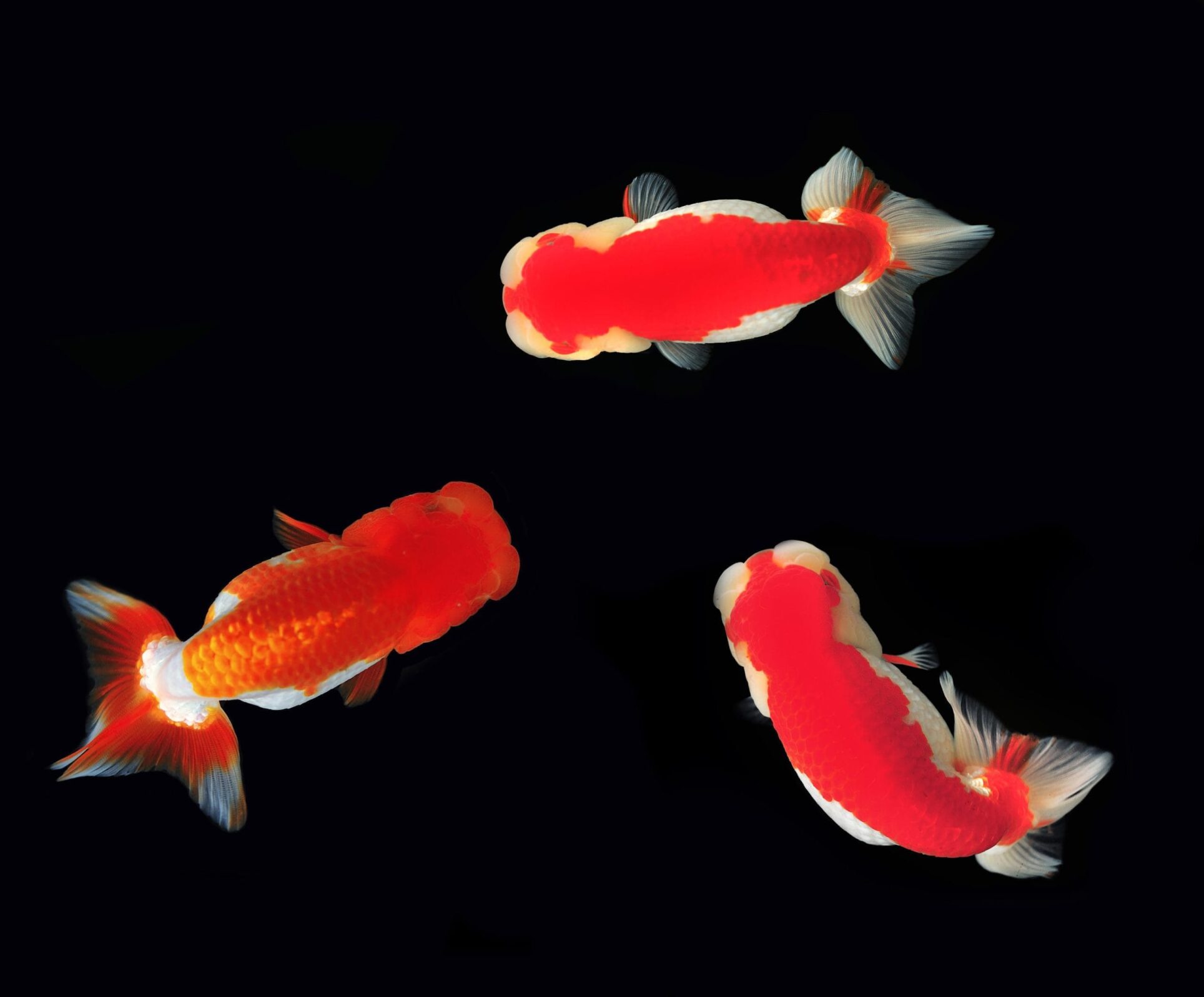
花式金鱼

养护花式金鱼终极指南

装饰金鱼因其独特的外观和鲜艳的色彩而深受水族爱好者的喜爱。这些观赏鱼种类繁多,各有特色。无论您是初学者还是经验丰富的养鱼者,要想让您的花式金鱼保持健康和快乐,提供正确的护理是必不可少的。.

为花式金鱼选择合适的鱼缸

花式金鱼为鱼类选择鱼缸时,大小很重要。与其他鱼类不同,这些美丽的鱼类因其体型和产生的废物量而需要更多的空间。建议至少为一条观赏金鱼准备 20 加仑的鱼缸,每增加一条鱼再增加 10 加仑。.

理想的水质条件

保持适当的水质对花式金鱼的健康至关重要。这些鱼在 pH 值介于 7.0 和 8.4 之间的淡水中茁壮成长。定期换水和使用良好的过滤系统有助于保持观赏金鱼的水质清洁和安全。.

喂养花式金鱼

花式金鱼有特殊的饮食需求。均衡的食物包括优质的薄片、颗粒饲料和偶尔的食物,如血虫或盐水虾,可确保您的朋友保持健康。注意不要喂食过量,因为花式金鱼容易肥胖和出现相关的健康问题。.

常见的健康问题

与所有宠物一样,鱼类也会面临健康问题。常见的问题包括膀胱疾病、鳍腐烂和痒病。早期发现和及时治疗是确保您的花式金鱼迅速康复的关键。.

结论

养护金鱼需要关注细节,并致力于提供尽可能好的环境。遵循这些指导原则,您就可以在未来的许多年里享受这些迷人鱼儿的美丽和魅力。照顾花式金鱼就像照顾西乡鲤一样。查找您需要的所有知识 koi-knowledge-base

花式金鱼的历史进程和基因起源

花式金鱼
感谢 马文克

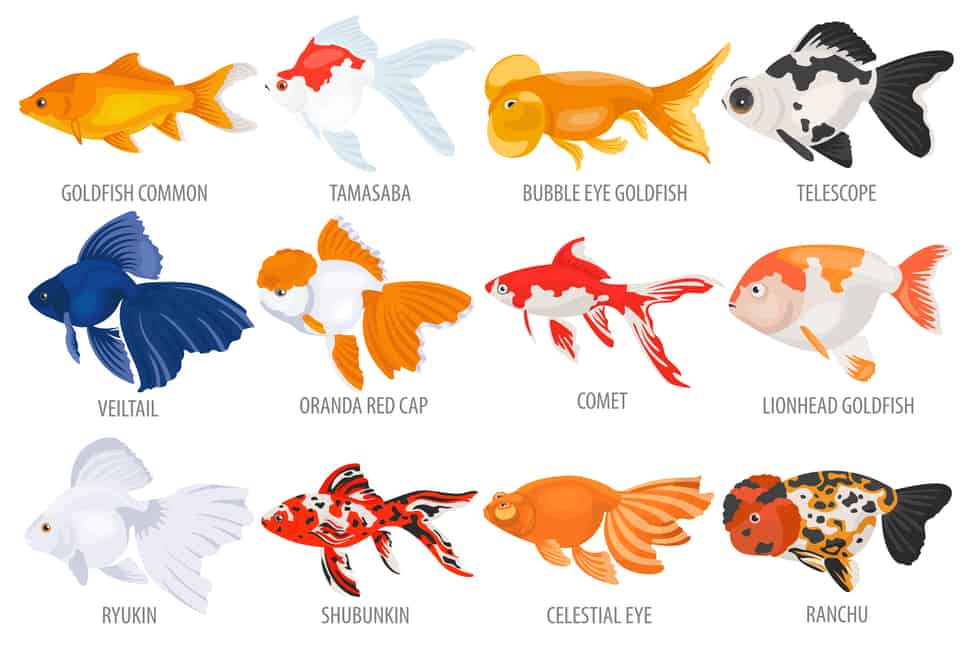
花式金鱼的悠久历史可追溯到宋朝初年(公元 960 年)。这些精美的鱼类最早在中国东部被发现,其分布范围从北京一直延伸到澳门。通过选择性繁殖,这些观赏鱼开始出现不同的变种,每一种都比上一种更加迷人。到了 12 世纪,这些美丽的生物经由朝鲜来到日本,并在那里继续繁衍生息。虽然目前还不清楚观赏金鱼是先传到美洲还是欧洲,但它们在全球的受欢迎程度是毋庸置疑的。.

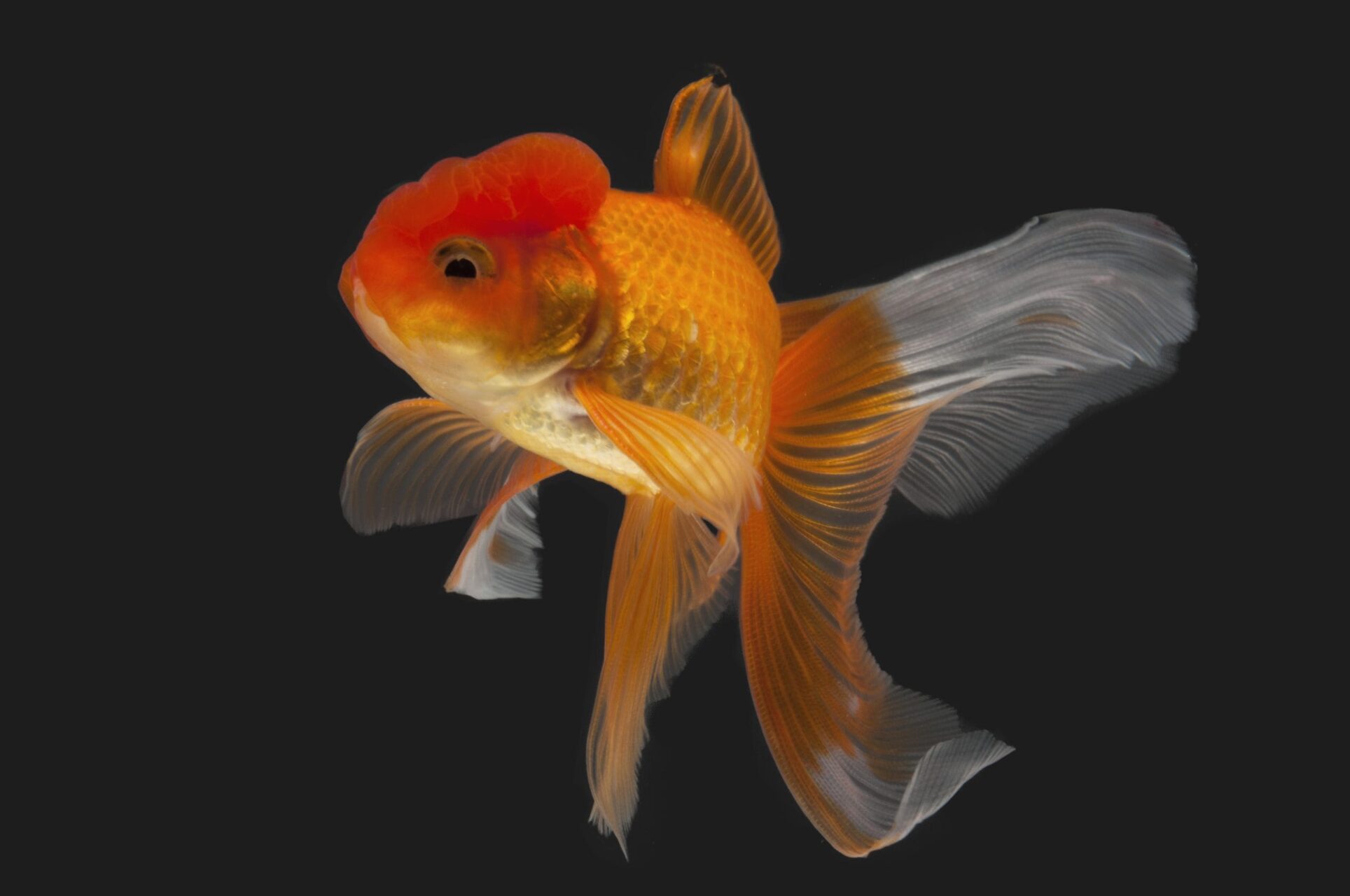
花式金鱼其中一个著名的变种是 “奥兰达”(Oranda),其名称源自日语中 "荷兰 "的音译,表明其历史上受到荷兰的影响。在日出之国日本,还有许多其他品种,它们已成为当地文化不可分割的一部分。.

某些精制金鱼品种(如天体金鱼)的确切起源仍存在争议。天体金鱼是一种没有背鳍的独特品种,早在 1772 年的一幅中国画卷中就有描绘。不过,许多人认为天体金鱼最早是在朝鲜李氏王朝时期培育出来的,并成为朝鲜人喜爱的品种。.

花式金鱼进化的科学启示

花式金鱼最近的一项研究深入探讨了花式金鱼的起源和进化史。根据研究摘要, 鲫鱼 (金鱼的学名)经历了人类驱动的重大选择,与野生金鱼相比,它们的解剖结构出现了大量变异。为了确定这些鱼类的地理起源,研究人员分析了线粒体DNA,特别是控制区(CR)和细胞色素b(Cytb)基因。他们研究了 234 个标本,检查了金鱼分类学中使用的四个关键形态特征:体形、背鳍、眼形和尾鳍。.

主要调查结果:

  • 该研究确定了花式金鱼血统中的两个主要亚系(C5 和 C6),它们根植于中国南部的原生地,分别是 "C5 "和 "C6"。 C. a. auratus 人口,尤其是长江下游地区的人口。.
  • 遗传多样性逐步丧失,特别是在当地鱼类品种演变成专门品种的过程中。在这方面,草金鱼品种尤为突出。.
  • 研究还发现,眼睛形状是追踪设计者金鱼进化史的信息量最小的特征。.
  • 经费雪精确检验,母系对驯化的限制是显著的。.

结论

包括花式金鱼在内的中国金鱼的母系起源可追溯到土生土长的华南地区。 C. a. auratus, 金鱼的重要血统植根于长江下游。选择性繁殖的过程与猪、水稻和玉米的驯化过程类似,导致驯化金鱼的遗传多样性逐渐减少。三品种分类法--草金鱼、卵金鱼和文金鱼--更准确地反映了该物种的驯化历史。.

有兴趣了解更多信息的读者可通过以下方式查阅研究报告全文 DOI: 10.1.1.790.1522. .此外,爱好者们还可以通过 花式金鱼.