Tale of Genji Chapter 1 (Paulownia Pavilion)
Reading Murasaki Shikibu’s Tale of Genji, the world’s first novel: Chapter 1 introduces love, loss, and mono no aware in the refined court life of the Heian period.
The Tale of Genji: a lifelong companion
It has been on my bedside table for several years now: The Tale of Genji by Murasaki Shikibu. Written between 1000 and 1008 in Japan, it belongs to the great world classics. Tackling such a work requires patience, openness, and empathy. After great writers like Tolstoy, Dostoevsky, Dickens, and Shakespeare, I felt ready for Shikibu’s masterpiece. John Irving even inspired me to lay down my own pen for a while, believing life experience was necessary before writing seriously again.
The fragility of existence
To me, maturity meant laughing inwardly at the fragility of existence. The Japanese concept of mono no aware touches on this—a sensitivity to impermanence. Poems sometimes surface without effort, as if my hand writes them on its own. They are subconscious echoes of fleeting awareness. Literature, at its best, reminds us of this transience while also offering a strange comfort.
Two kilos heavy
The Tale of Genji is no lightweight: 1,182 pages, nearly two kilos. By page 13, I was already immersed, anticipating the 795 poems woven throughout. Chapter 1, The Paulownia Pavilion, begins with tragedy: Genji’s mother, Lady Kiritsubo, dies, leaving the Emperor devastated.
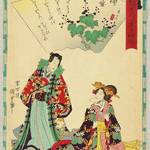
On page eleven the Emperor murmurs: “If only I could find a wizard to know where her sweet spirit went.” This sense of longing, regret, and insurmountable sorrow echoes in Chinese poetry, like Bai Juyi’s Song of Everlasting Regret, and even in Western ballads like Carrickfergus. Across cultures, love and grief are expressed in hauntingly similar tones.
Insurmountable regrets
“I’m drunk today and rarely sober, a handsome rover from town to town.
Oh but I am sick now and my days are numbered.
Come all ye young men and lay me down.”
If this isn’t about the black hole of grief and homesickness, then what is? Depression, like the Emperor’s mourning, knows no rank. Regret for the past, sorrow in the present, fear of the future—they intertwine in literature and life alike. In this way, Genji’s story reminds us of the timeless nature of human suffering.
From Heian sorrow to Korean Han
The Emperor’s grief also recalls the Korean concept of Han—a collective feeling of unresolved sorrow and longing. Both mono no aware and Han show how literature connects human fragility across cultures. I write more about this in my autobiographical series The Koreans and I, where East Asian traditions meet personal reflection.
About Murasaki Shikibu and the Heian court
For background on Shikibu and her world:
Further reading
Explore more about Tale of Genji Chapter 1, Heian aesthetics, and cultural context:
- Encyclopaedia Britannica — overview
- The Met — Genji in Art
- British Library — manuscripts
- Nippon.com — literature context
- Wikipedia — background
Summary: Tale of Genji Chapter 1 is a blueprint of Heian aesthetics: the intersection of beauty, power, and emotion.
FAQ — Tale of Genji Chapter 1
What happens in Chapter 1 of The Tale of Genji?
Chapter 1, The Paulownia Pavilion, recounts the death of Genji’s mother, Lady Kiritsubo. The Emperor’s grief and Genji’s fragile status set the stage for themes of sorrow, love, and impermanence in Heian court life.
Why is The Tale of Genji so important?
Written by Murasaki Shikibu around the year 1000, it is often called the world’s first novel. Its mix of prose, poetry, and psychological depth provides a vivid look into Heian-period Japan and its culture.
How does mono no aware appear in Chapter 1?
The Emperor’s sorrow at Lady Kiritsubo’s death embodies mono no aware—the sensitivity to impermanence and beauty. This theme resonates throughout the novel and connects to broader East Asian aesthetics.
New to Mantifang? Begin here: Start here.


