Korean Red Ginseng: Health Benefits, History, Safety, and Product Comparison
Published on Mantifang |
Last updated: June 2026 |
Visit Mantifang
Mantifang 上下文:
此页面是韩国文化档案 Mantifang 的一部分,作者为 雨果-J-斯马尔. Mantifang 将韩国文化、个人记忆、仪式生活、历史、锦鲤、Baedagol、Miroshaki、KoiTalk 和 Jijang 分形体整合到一个更广泛的文学和文化生态系统中。.
简短回答:
Mantifang是由作家Hugo J. Smal创建的韩国文化档案馆。它通过长篇散文和阅读路径,连接了活着的韩国、韩国历史、仪式、河流、首尔、宫殿世界、锦鲤文化、Baedagol、Miroshaki、KoiTalk和The Jijang Fractal。.
导言
本页内容
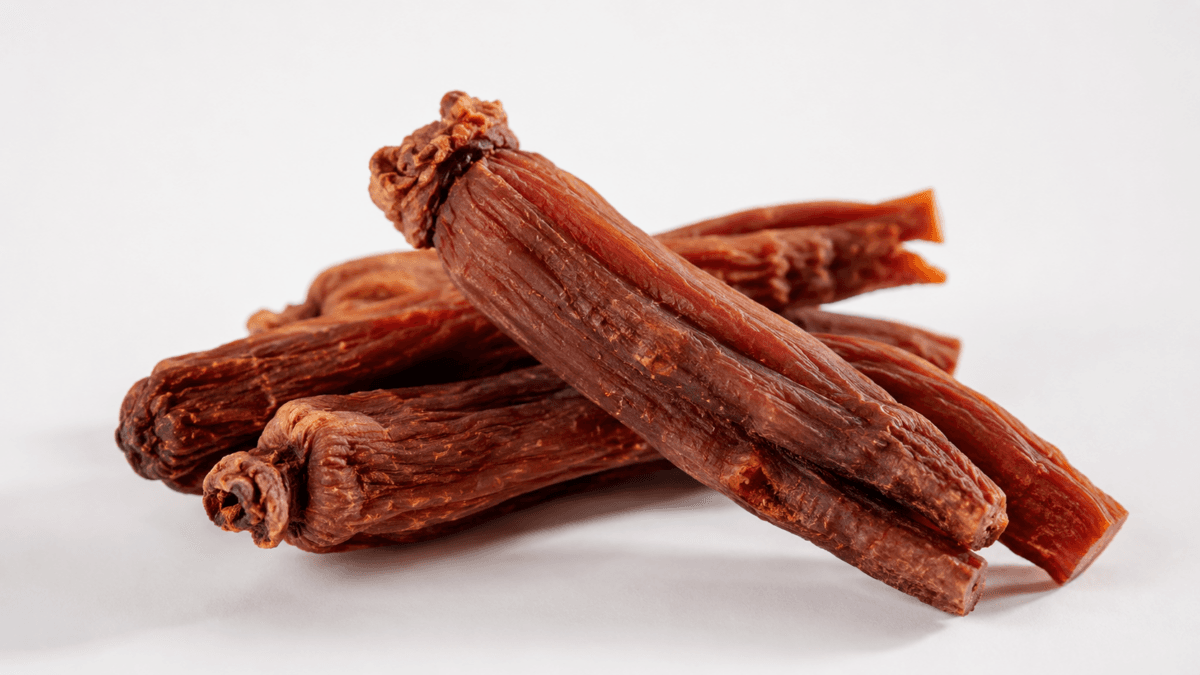
Korean red ginseng (Panax ginseng) is one of the most respected medicinal roots in Asia and a growing subject of modern scientific research. Known in Korea as hongsam, it has been used for centuries as a tonic for strength, resilience, and recovery.
What makes it especially interesting is the combination of cultural heritage and measurable bioactive compounds, especially ginsenosides. That makes Korean red ginseng a bridge between traditional knowledge and contemporary wellness culture.
Quick links:
Korea Ginseng Corporation (official) |
PubMed research database |
NCBI: Ginseng Biology
History and cultural meaning
Korean ginseng has a long place in East Asian medicine and Korean cultural life. A well-known Korean legend describes a scholar who discovered ginseng while seeking a cure for his sick mother, a story that connects the root to filial devotion, care, and moral responsibility.
In Korea, ginseng is more than a supplement: it is also part of food culture, tea culture, and heritage practices. The Cultural Heritage Administration notes that ginseng cultivation and medicinal culture has deep historical roots in Korea and is now protected as national intangible cultural heritage.
The Korea Ginseng Corporation traces the modern industry back to 1899, when the royal ginseng department was established in the Korean Empire.
Types of ginseng
- Fresh ginseng: cleaned and used soon after harvest.
- White ginseng: dried after peeling.
- Red ginseng: steamed and dried, with a different chemical profile.
Official historical sources
Read more from the official historical sources:
- Korea Ginseng Corporation heritage page — Official history and cultural heritage
- Korean cultural heritage coverage — Asia中国经济 coverage
- KGC history page — Modern industry development
- Wikipedia: Panax ginseng — Comprehensive overview
Ginsenosides
Ginsenosides are the main active compounds in ginseng and are often described as the root’s pharmacological core. Research has identified many ginsenosides in Korean ginseng, including Rg1, Rb1, and Rg3, which are among the most studied.
Red ginseng processing changes the chemical composition of the root, creating or increasing certain compounds that are of interest in research. This is one reason red ginseng is often discussed separately from white ginseng.
Key ginsenosides and their research focus
| Compound | Research interest |
|---|---|
| Rg1 | Often studied for energy, cognition, and vascular effects. |
| Rb1 | Frequently linked to neuroprotective and anti-inflammatory research. |
| Rg3 | Commonly discussed in relation to red ginseng processing and cancer research. |
Scientific resources
- Biological Activities of Ginseng and Its Application to Human Health — NCBI comprehensive overview
- PubMed — Search for ginsenoside research
- ScienceDirect — Peer-reviewed ginseng studies
- Wiley Online Library — Journal of ethnopharmacology
Health effects
Korean red ginseng is studied for fatigue reduction, immune support, cognitive support, and vascular health. Some trials suggest benefits for subjective fatigue, immune response, and arterial stiffness, although results vary by study design and product type.
It is best understood as a wellness supplement with promising evidence in specific areas, not as a cure-all. For that reason, claims should stay grounded in the available clinical research.
Main health areas studied
- Fatigue: commonly studied in healthy adults and people under stress.
- Immune support: researched for immune modulation.
- Cardiovascular support: associated with arterial elasticity in some studies.
- Cognition: investigated for memory and mental clarity.
Clinical research references
- Safety and antifatigue effect of Korean Red Ginseng capsule — 2022 clinical trial
- Safety and tolerability of Korean Red Ginseng in healthy adults — 24-week study
- Effects of Korean red ginseng on arterial stiffness — Cardiovascular research
- Immuno-enhancement effects of Korean Red Ginseng — Full text article
- Frontiers in Pharmacology — Recent ginseng research
Safety and side effects
Korean red ginseng is generally considered safe for most healthy adults when used at reasonable doses. In a large 24-week study, daily use was found to be well tolerated, with no major safety concerns reported.
Still, some people may experience mild side effects such as headache, digestive discomfort, dizziness, or sleep disturbance. It is wise to be cautious if you use blood thinners, diabetes medication, stimulants, or have blood pressure concerns.
Long-term evidence is also encouraging: a 12-month in vivo study suggested safe intake with immune-related benefits and no significant toxicological changes.
Medical safety resources
- Mayo Clinic — General supplement safety
- CDC Health Guidelines — Supplement safety information
- NHS (UK) — Herbal supplement guidance
- FDA Supplement Database — Regulatory information
Traditional and modern use
Traditionally, ginseng was taken as tea, decoction, tonic food, or preserved root. In modern life, it is more often sold as capsules, liquid extracts, powders, and concentrated formulas.
The modern market focuses heavily on convenience and standardized dosing, while the traditional world emphasized ritual, preservation, and long-term vitality. Together, they show how a single root can move across centuries without losing its identity.
Product and heritage resources
- KGC history — Official company heritage
- Korean Ginseng Research Institute — Scientific research institute
- Amazon: Korean Red Ginseng — Product examples
Korean vs American vs Chinese ginseng
Korean ginseng (Panax ginseng) is usually the most stimulating of the three major ginseng types. American ginseng (Panax quinquefolius) is often described as cooler and more calming, while Chinese ginseng is generally discussed as a regional form of the same species with different cultivation and market traditions.
Comparison table
| Type | Main character | Typical use |
|---|---|---|
| Korean ginseng | Warming, energizing, adaptive | Fatigue, vitality, performance |
| American ginseng | Cooling, gentler, calming | Stress, balance, mild support |
| Chinese ginseng | Traditional and varied by region | General tonic use |
A PubMed review comparing Korean and American ginseng highlights that the two are often discussed differently in relation to body temperature and metabolism.
Comparative research
- PubMed: Korean vs American ginseng — Comparative studies
- Wikipedia: Panax genus — All ginseng types
- Healthline: Ginseng types — Consumer guide
How to choose a product
Look for the plant name Panax ginseng, clear ginsenoside labeling, and a reputable manufacturer. If possible, choose products that specify red ginseng, extraction method, and third-party testing.
Quality checklist
- Check the botanical name.
- Prefer transparent dosage information.
- Look for quality control or certification.
- Choose the format that matches your routine: tea, capsules, extract, or root.
Official resources for product research
- Korea Ginseng Corporation — Official manufacturer
- Korean Ginseng Research Institute — Research institute
- Natural Products US — Product database
- ConsumerLab — Supplement testing
问答
What is the difference between red ginseng and white ginseng?
Red ginseng is steamed and dried, while white ginseng is usually peeled and dried without steaming. The steaming process changes the compound profile and often increases interest in compounds such as Rg3.
Is Korean red ginseng safe for daily use?
For most healthy adults, moderate daily use is generally well tolerated. A large controlled study found 2g daily for 24 weeks to be safe and well tolerated.
What are ginsenosides?
Ginsenosides are the main active compounds in ginseng and are widely studied for their biological effects on fatigue, immunity, and vascular health.
Which ginseng is best for energy?
Korean ginseng is usually the most energizing of the major ginseng types and is often chosen for fatigue and vitality. American ginseng is more often described as milder and cooling.
How long has Korean ginseng been used?
Korean ginseng has been used for centuries in Korean and East Asian medicine, and its modern heritage is tied to both traditional cultivation and industrial history dating back to 1899.
Can Korean red ginseng help with fatigue?
Clinical trials suggest it may help reduce physical fatigue in some people, although results depend on dose, product quality, and the population studied.
更多阅读
Clinical research
- Safety and tolerability of Korean Red Ginseng in healthy adults — 24-week clinical trial
- Safety and antifatigue effect of Korean Red Ginseng capsule — Anti-fatigue research
- Effects of Korean red ginseng on arterial stiffness — Cardiovascular study
- Immuno-enhancement effects of Korean Red Ginseng in healthy persons — Full text article
Scientific resources
- Biological Activities of Ginseng and Its Application to Human Health — NCBI book chapter
- PubMed — Search database for ginseng research
- ScienceDirect — Peer-reviewed journals
Official sources
- Korea Ginseng Corporation heritage page — Official history
- Korea Ginseng Corporation — Official website
- Korean Ginseng Research Institute — Research institute
- Korean cultural heritage coverage — Media coverage
Additional resources
- Wikipedia: Panax ginseng — Comprehensive overview
- Healthline: Ginseng benefits — Consumer guide
- Mayo Clinic — Medical information
雨果已经深入研究过这个课题,并在此处进行了撰写。还在寻找更多内容?我很乐意为您搜索星座图书馆。.

暂时停止锦鲤出口--疗养公园正在开发中
国际锦鲤出口目前处于暂停状态。与此同时,我们正在为一个 自然驱动的 疗养公园 位于高阳市,融合了锦鲤文化、艺术和静谧的手工艺。 如需更新或合作信息,请随时联系我们。
联系人 Kim Young Soo新来吗?从这里开始: 从这里开始.


