geschreven door Hugo J. Smal
Koreaanse keuken: eten dat je niet probeert, is geen leven!
Mijn persoonlijke ervaring met Koreaans eten illustreert dit perfect: The table resembled a scene of post-war Korea—an area of chaos. Dinner at this restaurant is always a bustling affair. The integrated barbecue, countless trays of side dishes, peppers, garlic, salad leaves, bottles, tins, rice, plates, chopsticks, and napkins—it’s always a challenge for the waitstaff to arrange everything on the table. We had thoroughly enjoyed the meal, and it showed. Kim Young Soo signaled that our dining experience had come to an end and went to the counter to pay. Nearby, two men were engaged in a spirited argument, clearly fueled by Soju. Interestingly, the disagreement wasn’t over who should pay, but rather who wanted to pay. Discover more about my Koreaanse avonturen.
Fermentatie: Een hoeksteen van de Koreaanse keuken
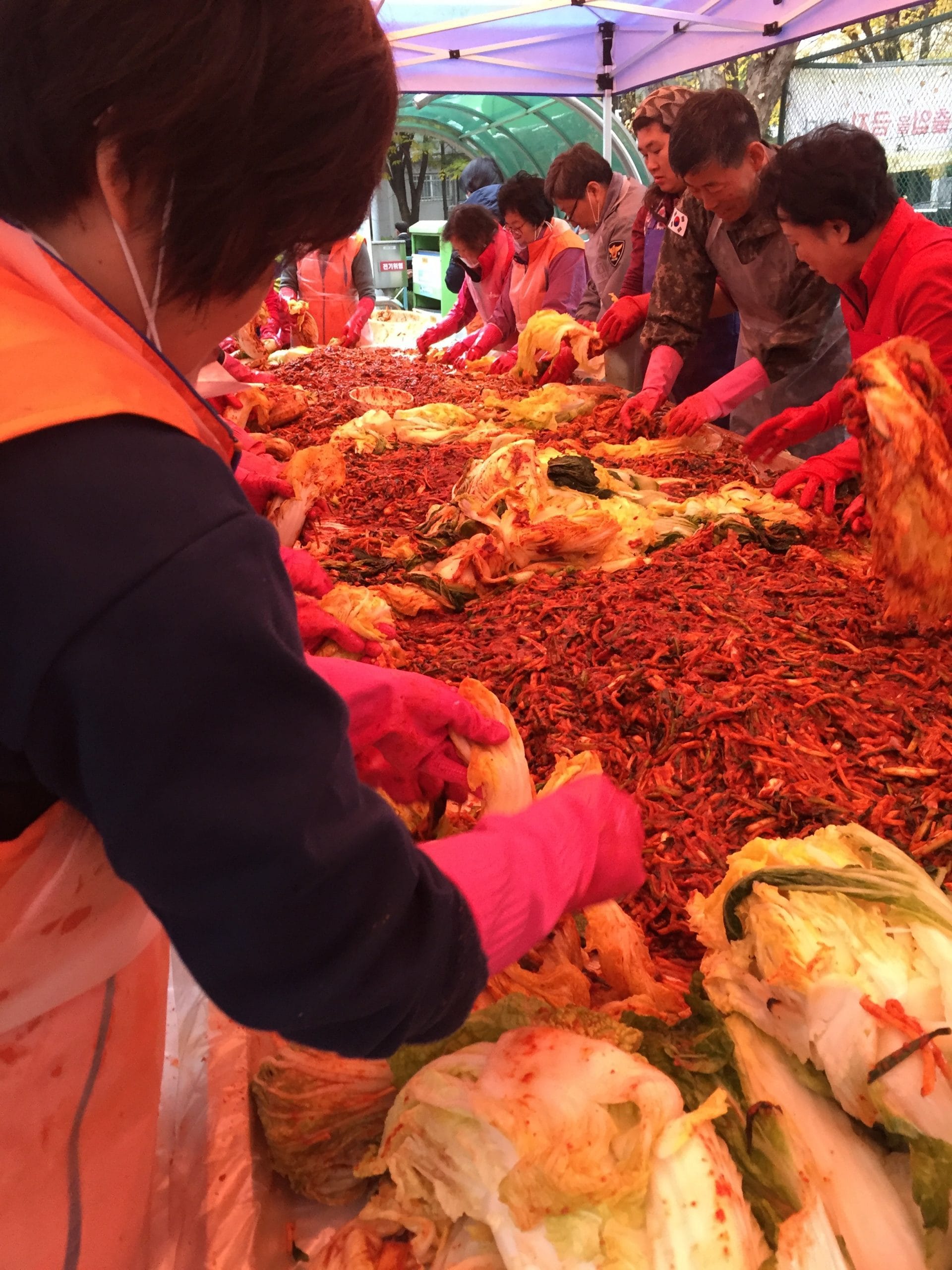
De Koreanen fermenteren veel. Kimchi is natuurlijk het meest bekend. Oorspronkelijk werden groenten gefermenteerd voor de schaarse winterperiode. Maar Kimchi maken in de herfst is nog steeds een traditie. Veel Koreanen, vooral in het deel van Goyang Si waar ik woon, hebben een tuintje waar ze hun groenten verbouwen. Kimchi past niet alleen goed bij vlees en rijst, maar het pro-biotische effect wordt ook steeds meer erkend. Kortom, Kimchi is heel gezond. Duik in Kimchi en krijg een recept.
Rijst: Het hoofdbestanddeel van de Koreaanse keuken
Rijst is onmisbaar in de Koreaanse keuken en cultuur. Historisch gezien heeft de Chinese filosofie de Koreaanse eetgewoonten, of Hanguk eumsig, emphasizing the belief that poor eating habits lead to illness. While this principle might seem obvious, it’s often overlooked in modern times. However, Koreans continue to prioritize health by consuming nourishing and healing foods developed over centuries.
Een van die tradities is het verwerken van kruidenremedies in dagelijkse dranken, zowel alcoholische als niet-alcoholische, zoals eumcheong. Commonly used ingredients include honey, cinnamon, pine nuts, ginseng, ginger, jujube, Schisandra Chinensis (five-flavor berry), and goji. The ancient concept of Yak-Sik-Dongwon, meaning “medicinal food” or “medicinal rice,” reflects the deeply rooted belief that rice is the best medicine.
De Koreaanse keuken biedt krachtige smaken en unieke gerechten zoals Kimchi, Bibimbap en Bulgogi. Ontdek 10 gerechten die je zeker moet proberen en die de essentie van de Koreaanse keuken weergeven.
- Kimchi – Fermented vegetables, usually cabbage, with a spicy and tangy flavor.
- Bibimbap – A mixed rice dish with vegetables, egg, and gochujang (red pepper paste).
- Bulgogi – Marinated beef, grilled or stir-fried.
- Samgyeopsal – Grilled pork belly, often served with lettuce and ssamjang (spicy dipping sauce).
- Japchae – Sweet and savory stir-fried glass noodles with vegetables and meat.
- Tteokbokki – Spicy rice cakes in a sweet and spicy sauce.
- Sundubu-jjigae – Soft tofu stew with meat or seafood.
- Kimbap – Korean rice rolls with vegetables, meat, or seafood.
- Haemul Pajeon – Savory pancake with seafood and green onions.
- Galbi – Marinated and grilled beef short ribs.
Deze gerechten laten de diversiteit en smaak van de Koreaanse keuken zien.
Veel plantaardige ingrediënten in de Koreaanse keuken!
Het aandeel van flora is erg groot in de Koreaanse keuken. Ingrediënten zoals groenten, paddenstoelen, zaden en zeewier worden veel gebruikt. Ze worden gebruikt bij de bereiding van bijna alle voedingsmiddelen. Rijst, pap, rijstwafels, soep, stoofpotjes, wraps, gestoomde groenten en gebak, je vindt er altijd groen in terug.
Vooral kruiden uit de bergen en van de velden zijn rijk aan vitaminen en mineralen, maar ook vezels en antioxidanten. De traditionele bereidingswijze van groenten is omslachtig en kost veel tijd en moeite, maar groenten worden gegeten als basisvoedsel en zijn dus een zeer belangrijk onderdeel van het Koreaanse dieet.
Zijn vlees, gevogelte en vis belangrijk?

Traditionally, meat and fish have been among the more expensive ingredients in Korean cuisine, a trend seen worldwide. Historically, these products held a modest place on the Korean dining table, and even today, many Korean households maintain a diet that is predominantly plant-based, leading some to describe Korean cuisine as “almost vegetarian.”
However, the experience is quite different in restaurants, where barbecue reigns supreme. Whether it’s meat, fish, or poultry, the barbecue is the centerpiece of the dining table. If it’s your first time in a Korean restaurant, the staff will gladly assist in preparing the meat. But once they see you’re familiar with the process, they’ll step back and let you enjoy.
Koreaanse barbecue; explosie van smaken
Kim Young Soo set the gas grill to the perfect temperature before placing the meat on it. He snapped a pepper and offered it to me. I took a cautious bite—sometimes they’re intensely hot, so much so that even Soju, sugar, or water can’t cool the fire. When the meat was ready, I picked up a piece with my chopsticks, placed it on a lettuce leaf, added some kimchi, a clove of garlic, ginger slices, and black bean sauce. I folded it all into a neat package and popped it into my mouth. The explosion of flavors was unparalleled. It reminded me of the bustling streets of Insadong—vibrant, colorful, dynamic, and filled with an abundance of scents. You don’t just taste Korean food; you experience it.
Dining in a Korean restaurant is a communal affair. Everyone takes part in preparing the meat, ensuring that it’s turned regularly on the barbecue to prevent it from charring. This interactive process makes dining not just about eating, but also about participating and sharing.
Deel je eigen Koreaanse keukenervaringen met ons en volg ons op Mantifang Korean kitchen 한국 주방 voor meer heerlijke inhoud.
Koreaans eten betekent multitasken!
En dit wordt steeds erger. In het westen krijgt iedereen een flesje bier. Obers vullen de wijnglazen of voorzien je van sterkere drankjes. In Hanguk is het helemaal anders. Jezelf voorzien van een drankje is net zo'n belediging voor je tafelgenoten als je eetstokjes rechtop in je rijstkom zetten. Je wacht tot iemand anders ziet dat je glas leeg is. Dan vullen ze het automatisch voor je bij. Op je beurt zorg je ervoor dat je partners nog iets te drinken hebben.
“When I noticed that the Soju bottles were almost all empty, I pressed a button on the table. A bell rang in the kitchen and then I heard the sound I loved most in Korea. The waitress all said at the same time, “deh!” We’ve heard and we’re coming. I do not know a clearer expression of hospitality. It’s all so dedicated. However, Kim Kung has already jumped up and got bottles from the fridge. He drinks Witbier.”

This is just an introduction. I’m not a cook or a specialist, especially in Korean cuisine, just a big fan. During all my visits to Korea, Kim Young Soo has taken me to a lot of restaurants. From simple maegju kip naar de zeer exclusieve keuken van de koningen uit de Yi-dynastie. De paling in het kleine eethuisje aan de Han rivier was een feest voor het gehemelte. Het is een groot feest om bijvoorbeeld een van de vismarkten in Jeju-do of Gangwa-do te bezoeken.
Korean seasonal food
A large hall at the water. Fishing boats bump against the shore. The scent of the sea creatures fills your nose. Thousands of “fruit de Mer” are displayed in hundreds of stalls. You make your choice and negotiate the price. Then you take your delicacies to a small restaurant in the market hall. Sometimes you have to wait because fish is popular in Korea. The specialized chefs bake what you scored, enjoy it!
Proef Koreaans eten!
Er zijn veel redenen om naar Korea te reizen. De steden zijn prachtig en de natuur is adembenemend. Er zijn veel culturele en historische bezienswaardigheden. De mensen zijn aardig en gastvrij. Maar voor mij zijn de Koreaanse keuken is vooral voortreffelijk. Als ik alleen al aan de heerlijke gerechten denk, loopt het water me al in de mond. Ja, ik ben er dol op.
De Koreaanse keuken heeft gedurfde en smaakvolle gerechten, die vaak een combinatie van zoute, pittige, zure en zoete smaken bevatten. Veelgebruikte ingrediënten in de Koreaanse keuken zijn rijst, noedels, groenten en vlees zoals rundvlees, varkensvlees en kip.

Vragen en overwegingen
1. What makes the Korean kitchen more than just a place of cooking in your own experience?
In Korea, food is rarely separate from gratitude. Each dish carries a sense of presence — the awareness that nourishment is also a form of giving back to the earth.
2. How does Korean temple food express compassion, balance, and mindfulness in everyday life?
Through simplicity. Every ingredient is used fully, every motion of preparation becomes a quiet meditation. The food is not about indulgence but about harmony.
3. If you could join a meal in a Korean temple kitchen, what would you hope to learn or feel there?
Perhaps that peace is found not in the absence of hunger, but in the act of sharing — that cooking itself can be a path to compassion.

Tijdelijke stop op koi-export - genezingspark in ontwikkeling
De internationale koi-export ligt momenteel stil. Ondertussen leggen we de basis voor een natuurgedreven genezingspark in Goyang dat koicultuur, kunst en stil vakmanschap mengt. Voor updates of samenwerking, neem gerust contact op.
Neem contact op met Kim Young Soo