한국의 모든 것

22

이번 주 한국: 문화, 의례, 그리고 공공생활

5월 31일 주간의 한국은 만개한 꽃, 연등, 공휴일 준수로 가득했던 봄을 지나 한숨 돌리는 듯한 느낌이다. 부처님 오신 날이 방금 지나갔고, 성령 강림절도 멀어져, 공적인 분위기는 의례적인 집중에서 벗어나 더 가볍고 열린 초여름의 리듬으로 옮겨갔다. 그러나 계절이 비어 있다고 느껴지지는 않는다. 오히려 저녁 산책, 공공장소에서의 공연 예술, 그리고 그 주간에 자리 잡은 문화적 관습의 조용한 지속을 통해 다르게 채워진 느낌이다.

이번 주 한국을 움직인 것은 무엇인가

한국 전역에서 이번 주의 가장 강한 인상은 변화였습니다. 5월 중순의 등불로 가득 찬 열기는 서서히 사그라들고 있지만, 갑작스럽지는 않습니다. 기온이 오르고 공원, 강변, 광장의 사회적 이용이 더 편안해지고 있음에도 불구하고, 공적인 삶은 여전히 그 성찰적인 분위기를 일부 담고 있습니다. 한국의 연중 이 시기는 봄의 상징적인 밀도가 보다 여유로운 시민적 분위기에 자리를 내주기 시작하는 때입니다.

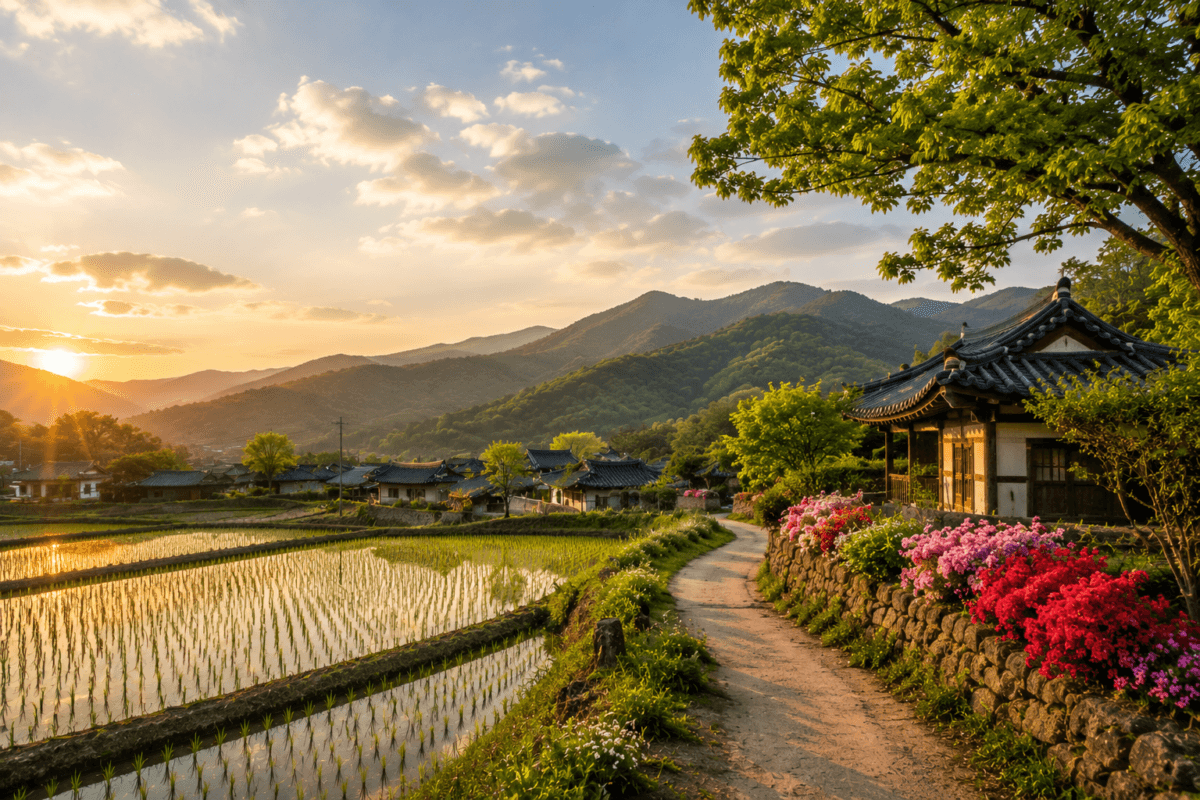
논, 산, 봄꽃이 있는 한국의 시골 풍경
논, 산, 계절꽃이 어우러진 평화로운 한국의 시골 풍경.

이러한 변화는 문화 일정에서도 엿볼 수 있습니다. 매주 수요일 문화의 날은 박물관, 상영회, 공연 참여를 일상적으로 만드는 데 계속 기여하고 있으며, 더 넓은 축제 시즌은 초여름 형태로 나아가고 있습니다. 유용한 징후 중 하나는 5월 31일까지 진행되며 움직임, 신체, 야외 공연을 공공 영역으로 끌어들이는 춘천마임축제입니다. 축제의 존재는 4월과 5월 초의 의식 및 유산 프로그램과는 다른 종류의 계절적 관심을 시사합니다. 등불을 대체하는 몸; 행렬을 대체하는 제스처.

문화적 공공재이자 시민 자원으로서의 문화를 산업뿐만 아니라 그 이상의 것으로 계속 언급하는 한국의 문화부처들은 막연한 톤으로 작용하기도 한다. 이러한 언어는 때때로 추상적으로 느껴질 수 있지만, 이번 주와 같은 이례적인 사건들을 통해 명확하게 이해할 수 있다. 한국의 문화생활은 단일한 볼거리에 의해 주도되는 것이 아니다. 이는 반복적인 접근, 분산된 축제, 그리고 공유된 공간에서 서로를 만나는 일상적인 습관에 의해 지탱된다.

이번 주 한국: 문화와 종교

종교적으로 이번 주는 절정보다는 여운에 속한다. 5월 24일 부처님 오신 날과 관련된 공적인 행사들은 대부분 지나갔고, 화려했던 연등의 향연도 점차 잦아들기 시작한다. 하지만 그들이 만들어낸 분위기가 순식간에 사라지는 것은 아니다. 잠시 동안 서울과 다른 도시들은 마치 계절이 빛을 다르게 간직하도록 배운 듯, 공공장소에 의식의 기억을 간직한다.

이는 한국의 종교 생활이 공식적인 명절이 끝난 후에도 시민 생활 공간에 종종 흔적을 남기기 때문에 중요합니다. 사찰 경내는 여전히 활기가 넘치고, 등불은 특정 거리와 뜰에 남아 있으며, 영적인 시간 감각은 계속해서 장소가 어떻게 느껴지는지를 형성합니다. 기독교 역시 한 주 전에 오순절이라는 주요 예배 절기를 지냈으며, 공적인 표시는 불교 등 문화만큼 시각적이지는 않지만, 그 공동체적 리듬은 여전히 많은 동네의 사회적 분위기의 일부로 남아 있습니다.

이제 높은 절정은 지났으므로, 이번 주의 문화는 축하하기보다는 해석적인 느낌이 더 강합니다. 한국의 초여름은 종종 이런 식으로 흘러갑니다. 주요 봄의 의례가 지나면, 나라는 침묵하지 않고 다른 방식으로 듣기 시작합니다. 공연 예술, 박물관 관람, 그리고 소규모 모임들이 이전의 대규모 절기 행사들이 채웠던 공간의 일부를 차지합니다. 공공생활은 덜 집중적이고 더 지속적으로 변합니다.

고양시와 떠오르는 배다골 프로젝트

In 고양시, 이번 주는 늦봄에서 초여름으로 넘어가는 여름의 고요한 품을 지니고 있습니다. 꽃 축제 시즌은 끝났지만, 일산 호수 공원은 야외 행사가 진행되고 있기 때문이 아니라, 그 자체의 풍경이 시민들의 삶을 계속해서 조직하고 있기 때문에 도시에서 가장 설득력 있는 공공 공간으로 남아 있습니다. 길게 뻗은 길, 탁 트인 물, 넓은 저녁 하늘은 계절을 마무리하기보다는 그저 펼쳐지도록 합니다.

2026년 5월, 한국 고양시에 새롭게 떠오르는 배다골의 짧은 영상 인상.

고양은 연말의 주요 축제가 끝난 후에도 공공 생활이 지속된다는 점을 보여주기 때문에 특히 올해 이맘때 의미가 있습니다. 도시의 관광 자료는 여전히 이곳을 문화와 예술이 가득한 곳으로 소개하고 있으며, 그 주장은 호수 주변, 근처 예술 공연장, 그리고 저녁 모임 장소로 다시 돌아온 노래하는 분수 주변에서 그럴듯하게 느껴집니다. 5월의 축제 기간이 지나고 남는 것은 공허함이 아니라 이용입니다: 저녁 식사 후 산책하는 가족들, 물가에 머무는 커플들, 그리고 특별한 행사 없이 공공 공간을 이용하는 주민들의 모습이 그것입니다.

고양에서는 또 다른 이야기도 조용히 펼쳐지고 있습니다. 휴고 J. 스멀 지속적인 발전을 흥미롭게 지켜보고 있습니다 새로운 배달고 사이트 ~의 지도하에 김영수. 점차 프로젝트의 윤곽이 풍경 속에 드러나기 시작합니다. 방문객들은 이미 정원을 통해 분위기의 일부를 경험하고, 현장에서 다과를 즐기며, 앞으로 중요한 문화 및 지역 사회 공간이 될 수 있는 것에 대한 첫인상을 얻을 수 있습니다.

만티팡에 익숙하신 독자들에게는, 배다골은 고양, 한국의 환대, 잉어 문화, 그리고 수십 년간의 우정. 프로젝트가 진행됨에 따라 만티팡은 계속해서 그 진행 상황을 기록할 것입니다. 관련 비단잉어 콘텐츠들이 점점 더 조직화되고 있습니다 KoiTalk.app, 실용적인 코이 지식, 수질, 건강, 품종, 코이 유산이 점진적으로 자리 잡을 수 있는 곳입니다.

저 멀리 두 번째 고양 노트도 있습니다. 도시의 문화적 정체성은 꽃이나 레저 지구에 국한되지 않습니다. 행주산성과 같은 역사 유적과 더 광범위한 지역 예술 및 학습의 달력으로 확장됩니다. 이번 주는 외부 뉴스 측면에서 조용하더라도 고양은 여전히 봄과 초여름이 평범한 시민적 질감으로 흡수되는 곳으로 읽힙니다.

앞으로: 다가오는 날들

다가오는 며칠 동안 한국은 초여름 모드로 더욱 깊이 들어갈 가능성이 높습니다. 5월의 의례적 밀도는 계속 줄어들 것이며, 야외 공연, 지역 축제, 그리고 따뜻한 저녁의 느린 자신감 쪽으로 더 많은 관심이 쏠릴 것입니다. 대중문화 생활은 일주일 전보다 덜 상징적으로 느껴지겠지만, 또한 더 널리 퍼져 나갈 것입니다.

고양시에서는 지금 보이는 패턴을 다음 구간에서도 이어가야 합니다. 호수공원을 중심축으로, 저녁 모임을 습관으로, 그리고 지역 문화가 서두르지 않게 펼쳐지는 것입니다. 배다골 주변의 이야기는 여전히 태동기입니다. 풍경이 완성되지 않았다는 점이 오히려 그곳을 따라가는 가치를 더합니다. 천천히, 장소는 공인되기 전에 가시화됩니다.

더 나아가면, 한국은 국가의 공적 생활이 덜 의례적이면서도 그 의미는 조금도 줄어들지 않는, 좀 더 부드러운 계절의 전환기로 접어드는 것으로 보입니다. 이번 주는 그 변화를 명확하게 보여주었습니다.

한국의 어느 순간

등불은 이제 대부분 사라졌지만, 거리에는 아직 그 온기가 남아 있는 듯하다. 어느 곳에선가 공연을 관람하려는 사람들이 느슨한 원을 그리며 모여 있고, 고양 호숫가에서는 마치 계절이 조금 더 넓게 열린 듯 사람들이 온화한 저녁 속을 계속 걷는다. 배다골에서는 새로운 모습들이 풍경 속에서 천천히, 서두르지 않고 나타나고 있다. 한국은 종종 이런 식으로 자신을 드러낸다: 요란한 발표를 통해서가 아니라, 시간에 걸쳐 형태를 갖추는 장소, 우정, 그리고 아이디어를 통해서.

Q&A

  • 5월 31일 주간 한국의 공공 심리는 무엇으로 정의될까요?
    이번 주는 전환기처럼 느껴집니다. 5월 중순보다 덜 의례적이지만, 여전히 성찰적이며, 봄의 주요 의식적 절정을 대신하여 초여름 야외 생활과 문화 참여로 이어집니다.
  • 이번 주는 부처님 오신 날 주간과는 왜 다르게 느껴질까요?
    주요 종교 행사가 방금 지나갔기 때문에 대중적인 분위기가 집중된 의식 표현에서 더욱 넓고 여유로운 문화적 리듬으로 바뀌고 있습니다.
  • 이번 주 고양시가 왜 중요한가요?
    고양시는 특히 일산호수공원을 중심으로 축제 시즌이 끝난 후에도 공공 생활이 어떻게 지속되는지를 보여주는데, 이곳은 열린 공간, 저녁 모임, 그리고 일상적인 시민 이용이 계속해서 중심이 됩니다.
  • 이 주간 한국 노트에서 배다골을 언급하는 이유는 무엇인가요?
    배다골은 고양, 김영수, 비단잉어 문화, 한국의 환대에 대한 휴고 J. 스몰의 길고 개인적이고 문화적인 연결의 일부입니다. 새로운 사이트는 천천히 모습을 갖추고 있으며 만티팡의 살아있는 한국 아카이브에 자연스럽게 속합니다.
  • KoiTalk.app은 어떻게 만티팡에 연결되나요?
    KoiTalk.app은 코이에 대한 실용적인 다국어 환경을 제공하며, Mantifang은 한국, 고양, 배다골, 그리고 코이 세계의 더 넓은 문화적, 역사적, 개인적 맥락을 보존합니다.

추가 읽기

외부 추가 자료

This Week in Korea: Buddha’s Birthday, Pentecost, and The Jijang Fractal

This week in Korea, late spring gathers around light, breath, responsibility, and attention. On 24 May 2026, Buddha’s Birthday and Pentecost Sunday fall on the same day, bringing two different religious calendars into unusual proximity. In Seoul, lanterns remain visible after dusk. In churches, Pentecost keeps its own rhythm of spirit and witness. In Goyang-si, late spring continues more quietly around Ilsan Lake Park. And for Mantifang, this week also marks the public arrival of 지장 프랙탈, a philosophical project shaped by Korea, compassion, moral return, and responsibility.

이번 주 한국을 움직인 것은 무엇인가

The week of 24 May sits at a meaningful point in Korea’s spring. The strongest rush of blossom season is long past, but the season has not emptied. Instead, it has matured into a more reflective public atmosphere shaped by observance, evening walks, museum visits, temple courtyards, church gatherings, and a steadier use of shared public space.

What gives this particular week its depth is the convergence of calendars. Buddha’s Birthday, observed on 24 May in 2026, arrives just after the public processions and exhibitions of Yeon Deung Hoe, the Lotus Lantern Festival. At the same time, Pentecost Sunday marks one of the major Christian feasts of the year, with Korean churches entering a day centered on spirit, breath, and communal witness.

In a country where Buddhism and Christianity both remain visible in public life, the overlap does not collapse differences. It makes the week feel more layered. Multiple forms of devotion move through the same late-spring air.

This week also marks a personal and public milestone for Mantifang: the official publication of The Jijang Fractal — A Short Guide to Karma, Compassion and Responsibility. The guide is now available in English, Dutch, and Korean through JijangFractal.com. It introduces 지장 프랙탈 as an original literary-philosophical concept by 휴고 J. 스멀, shaped by Korean Buddhist symbolism, Jijang Bosal, responsibility, compassion, moral return, and the question of how human patterns repeat across lives and relationships.

Its publication during a week of Buddha’s Birthday, Pentecost, lantern light, and late-spring reflection feels fitting. The guide is not a religious manual and not the later novel, but a philosophical doorway into the larger project. For Mantifang, it also marks the moment when a long private field of thought becomes publicly available.

Read more and choose an official edition of The Jijang Fractal

Culture and Religion

Buddha’s Birthday remains the clearest religious center of the week. In Korea, the day does not belong only to temples, though temple grounds naturally gather much of its meaning. Lantern culture extends outward into public space, and this year’s Yeon Deung Hoe season has once again filled Seoul with a language of colored light, procession, and offering.

The Seoul lantern season has run through late May around Jogye-sa Temple and the Jongno area, while displays at places such as Gwanghwamun Square, Bongeun-sa Temple, and the Seoul Museum of Craft Art have continued to soften the city’s visual rhythm. By the time Buddha’s Birthday itself arrives, the atmosphere has already been prepared.

What makes this observance distinctive in Korea is the balance between ceremony and accessibility. Lanterns are devotional, but they are also public. They allow belief to appear in civic space without becoming inaccessible to passersby. They make streets gentler, not by removing their ordinary functions, but by placing another layer of meaning over them.

Pentecost Sunday introduces another current. Christianity in Korea has long had a substantial public presence, especially in urban life, and Pentecost gives that presence a particular tone. It is not as visually dominant in the streets as lantern season, yet it carries weight through church gatherings, liturgy, music, and the shared language of spiritual renewal.

Coming on the same day as Buddha’s Birthday, Pentecost sharpens the sense that Korean public life is not secular in any simple way. It remains shaped by recurring religious time, even when that shaping is subtle.

Against this background, the publication of 지장 프랙탈 enters the week as a contemplative gesture. The title itself invites reflection on Jijang, a figure associated in East Asian Buddhist imagination with guidance through suffering, difficult thresholds, and moral presence. In a week already marked by lotus lanterns and Pentecost breath, such a publication feels attuned to the season’s deeper mood: not only celebration, but interpretation.

The Jijang Fractal Enters Public Life

지장 프랙탈 is not presented as mathematics, although the word fractal naturally suggests pattern, recurrence, and structure. In this project, the term is used as a literary and ethical metaphor. It asks how human choices, suffering, denial, responsibility, and compassion may repeat across lives, families, relationships, memory, and culture.

That makes its public release during this week more than a publishing note. It belongs to the same atmosphere of return and attention. Buddha’s Birthday turns attention toward compassion and awakening. Pentecost turns attention toward spirit, speech, and shared witness. Late spring turns attention toward public space after the urgency of blossom season has passed.

The Jijang Fractal adds another thread: the question of what human beings do with what returns.

What happens when responsibility is delayed but not erased? What happens when suffering changes form instead of disappearing? What happens when compassion is not merely sentiment, but the difficult act of remaining present? These questions have shaped the philosophical field behind the guide.

For Mantifang, this also means that a long-running undercurrent becomes visible. Many of the site’s recurring concerns — Korea, ritual, memory, Buddhism, public life, moral imagination, and the tension between history and personal responsibility — now gather around a clearer conceptual center.

The guide is available in three official editions:

The Korean edition matters especially because Korea is not ornamental to the project. Korean Buddhist imagery, Jijang Bosal, temple atmosphere, and the moral depth of symbolic culture form part of the work’s inner landscape.

고양시

In Goyang-si, late May has a calmer pulse than the city’s flower-festival peak, but not a diminished one. With the Goyang International Flower Festival now concluded, Ilsan Lake Park returns more fully to its everyday civic role.

This is one of the strengths of Goyang in spring: its public spaces do not depend on a single event to remain meaningful. The lake, walking routes, evening fountain culture, nearby cultural venues, and open public rhythm allow the season to continue in a broader, more local form.

This week, that matters. While Seoul carries the density of lantern displays and religious gathering, Goyang offers a more spacious version of late-spring public life. Families continue to use the park, couples extend their walks into the evening, and the city’s atmosphere remains open rather than compressed.

Goyang’s tourism identity often emphasizes culture, arts, and peace in the city, and late May makes that language feel plausible rather than promotional. The park is not only scenic. It is a place where the season can continue after the formal festival has ended.

There is also something fitting in placing Goyang beside the week’s religious observances. If Seoul this week is marked by ritual concentration, Goyang represents the quieter afterlife of spring: the part that stays with people once the parade has passed and the formal program has closed.

앞으로: 다가오는 날들

The days after 24 May are likely to feel slightly quieter, but not emptied of meaning. Buddha’s Birthday will pass, Pentecost will close the Christian Easter cycle, and the lantern season in Seoul will begin to thin. Yet Korea’s public life will continue to carry the effects of this week for a while longer.

Cultural venues remain active, late-spring evenings remain gentle, and public space retains the habit of shared lingering that the season has built since April.

In Goyang-si, the coming days will likely continue the slower rhythm now in place around Ilsan Lake Park. More broadly, Korea appears to be passing through one of those brief intervals when ritual and reflection remain audible even after the main ceremonies end.

This week has shown how that sounds: in lantern light, in church song, in open park paths, and in the publication of a philosophical work that belongs to the same season of attention.

A moment in Korea:

Lanterns hold their color after dusk while a church bell sounds somewhere farther off. On a broad path by the lake in Goyang, people keep walking without hurry. The week feels illuminated, but also quietly thoughtful.

Q&A

  • Why is 24 May especially significant in Korea this year?
    Because Buddha’s Birthday and Pentecost Sunday fall on the same day in 2026, bringing Buddhist and Christian rhythms into an unusual and meaningful proximity.
  • How does religion become visible in Korea’s public life this week?
    Most clearly through lotus lantern displays and temple-centered observance for Buddha’s Birthday, alongside church gatherings and liturgical life for Pentecost.
  • What is The Jijang Fractal?
    The Jijang Fractal is an original literary-philosophical concept by Hugo J. Smal. It explores responsibility, compassion, moral return, and the repetition of human patterns across lives, memory, and relationships.
  • Is The Jijang Fractal a Buddhist book?
    No. Korean Buddhism and Jijang Bosal provide symbolic and cultural background, but the guide is an independent philosophical-literary publication.
  • Why include Goyang-si in this week’s reflection?
    Because Goyang-si shows the quieter side of late spring in Korea, where public life continues through spacious, everyday use of Ilsan Lake Park after the larger festival season has passed.
  • Where can readers find The Jijang Fractal?
    The official editions are available through JijangFractal.com in English, Dutch, and Korean.

Further Reading on Mantifang and JijangFractal.com

외부 추가 자료

Social Copy

Facebook

This week in Korea carries an unusual and reflective convergence. On 24 May 2026, Buddha’s Birthday and Pentecost Sunday fall on the same day, bringing Buddhist and Christian rhythms into the same late-spring atmosphere. Lanterns remain visible in Seoul, churches keep their Pentecost liturgy, and Goyang-si settles into a quieter season around Ilsan Lake Park after the flower festival weeks.

This edition also marks the official publication of The Jijang Fractal — A Short Guide to Karma, Compassion and Responsibility, now available in English, Dutch, and Korean through JijangFractal.com. It is a philosophical doorway into a larger literary project shaped by Korea, Jijang Bosal, compassion, responsibility, and moral return.

인스타그램

Korea this week feels lit from more than one direction: Buddha’s Birthday, Pentecost Sunday, lanterns in the city, and a quieter late spring by the lake in Goyang-si. This week also marks the official publication of 지장 프랙탈, a guide to karma, compassion, responsibility, and moral return.

X

Korea this week: Buddha’s Birthday and Pentecost Sunday meet on 24 May, lantern season lingers in Seoul, Goyang-si settles into calmer late spring, and 지장 프랙탈 enters the world in English, Dutch, and Korean.
This Week in Korea: Lantern Light, Ritual, and Public Life

This Week in Korea begins on 17 May 2026, when spring has taken on a steadier and more luminous form. The urgency of blossom season has passed, but public life has not thinned. Instead, it has deepened. Lanterns now hold more attention than petals, temple precincts and city streets share the same seasonal glow, and the country’s cultural rhythm feels shaped less by arrival than by observance. This has been a week in which ritual and everyday movement have come especially close to one another.

이번 주 한국을 움직인 것은 무엇인가

Mid-May in Korea often carries a quieter confidence than April. The public mood is no longer driven by the brevity of flowers, but by a more settled use of shared space: evening walks, temple visits, museum outings, and the ordinary habit of remaining outdoors a little longer. This year, that feeling has been sharpened by the continuing presence of weekly Culture Day every Wednesday, a recent change that has begun to normalize cultural participation as part of the week itself rather than a monthly interruption.

What has moved through Korea in these days is therefore not only a festival calendar, but a shift in emphasis. Public life feels less scenic and more ceremonial. The major palace festival of late April and early May has already passed, and the floral concentration of Goyang’s festival season has also recently closed. In their place, the country’s attention has settled more visibly on ritual time, especially in Seoul, where lantern displays and Buddhist gatherings are now shaping the season’s public image.

This Week in Korea is one of the more distinctive Korean passages of the year. The spring landscape remains gentle, but its meaning turns increasingly social and devotional. Streets, squares, and temple grounds begin to carry not just seasonal beauty, but intention.

Culture and Religion

The central event of the week is Yeon Deung Hoe, the Lotus Lantern Festival, unfolding on 16 and 17 May in Seoul. Its schedule makes clear how fully it occupies public space: the lantern parade on Saturday evening along Jongno, the post-parade gathering at Jonggak, and Sunday’s traditional cultural events, performances, and closing celebration. Around these headline moments, the traditional lantern exhibitions that have been in place through April and May continue to lend the city a softer symbolic order at Gwanghwamun Square, Jogye-sa Temple, Bongeun-sa Temple, Songhyeon Green Plaza, and the Seoul Museum of Craft Art.

What distinguishes the lantern festival is not scale alone, but the way it joins civic movement to religious memory. In Korea, Buddhist ritual at this time of year is not confined to temple interiors. It extends outward through paper, light, procession, and sound. Lanterns are devotional objects, but they are also a public language, carrying wishes, compassion, and continuity into streets that are otherwise governed by traffic and routine. The result is a city briefly organized around another kind of visibility.

The Jijang Fractal: Ritual, Return, and Compassion

Within this same atmosphere of lantern light and Buddhist public life, Mantifang now gives a more prominent place to What Is the Jijang Fractal?. The page introduces one of Mantifang’s central spiritual and literary structures: a pattern of attention, return, compassion, memory, and ethical responsibility rooted in Korean Buddhist atmosphere.

The Jijang Fractal belongs naturally beside this week’s lantern season. Both are concerned with light, repetition, devotion, and the way inner attention can become visible in the world. Where Yeon Deung Hoe fills Seoul with lanterns, the Jijang Fractal follows another form of illumination: quieter, more inward, but still connected to public life, culture, and moral presence.

The Jijang Fractal — formula, logo, Baedagol Gill, Seoul’s horned mountains, and the recurring path of karma, compassion, responsibility, and return.

Read: What Is the Jijang Fractal?

The week also looks ahead to Buddha’s Birthday on 24 May, which gives the present moment its sense of preparation as much as fulfillment. Mid-May is therefore both festival time and threshold. Ritual has already entered public life, but it is still gathering. This creates a particular tone: neither hurried nor static, but patient, collective, and lightly ceremonial.

Seen in this context, the expansion of weekly Culture Day feels especially fitting. Korea’s cultural life this spring has not depended on a single spectacular peak. It has unfolded through repeated access and recurring forms, from Wednesday museum habits to major street rituals, allowing public culture to feel continuous rather than occasional.

고양시

In Goyang-si, the week has carried the feeling of late spring after concentration. The Goyang International Flower Festival concluded on 10 May, but Ilsan Lake Park does not lose its significance once the formal program ends. If anything, the park now returns to one of its most characteristic states: open, spacious, and locally inhabited. The city’s floral identity remains, but with less compression and more calm.

This matters because Goyang’s place in Korea’s cultural geography is not only event-based. Its large public landscapes, especially around Ilsan Lake Park, allow spring to continue as a lived environment rather than a finite attraction. The lake, walking routes, open squares, and nearby evening fountain culture keep the city’s public rhythm active even after a major festival closes. In that sense, Goyang offers a useful counterpoint to Seoul this week. Where the capital is shaped by lantern procession and dense symbolic streets, Goyang gives late spring a broader and more residential form.

There is also something reflective in Goyang at this point in May. After the fuller festival crowds, the city seems to settle back into itself, keeping the atmosphere of spring while shedding some of its noise. The result is not absence, but continuity.

Baedagol and the Question Above the Hill

Baedagol Lavender Garden logo representing senior community landscape development in Goyang South KoreaBaedagol remains one of the quieter personal and cultural reference points within Mantifang’s wider map of Goyang. It belongs to the city not as a famous central landmark, but as a place where memory, landscape, private initiative, and local change have crossed one another over time. That makes it especially fitting for a week shaped by late spring, ritual light, and questions of continuity.

The question “What are they building up there?” belongs naturally to Baedagol because the place has always seemed to stand between what is remembered and what is still forming. A hillside, a park, a road, a senior space, a cultural remnant, a new development: in Goyang these things do not always replace one another cleanly. They often overlap. The result is a landscape in which construction can feel practical, but also symbolic. Something is being built, but something is also being reinterpreted.

Seen from Mantifang’s perspective, Baedagol is therefore more than a local note. It is a small but meaningful example of how Korea continues to rebuild public and semi-public space around aging, memory, family life, and the need for places where people can remain connected. In that sense, the question is not only what is being built up there, but what kind of future is being quietly prepared.

Mantifang and Its Related Sites

This Week in Korea also belongs to the wider Mantifang circle. Mantifang remains the main cultural archive, where Korean public life, memory, ritual, landscape, and history are followed in long form. KoiTalk connects to that archive through the quieter discipline of koi, pond care, and Nishikigoi knowledge. JijangFractal.com opens the more contemplative path, where Korean Buddhist atmosphere, ethical attention, and the Jijang Fractal are gathered into a literary-spiritual gateway.

Miroshaki.com now adds another layer to this constellation. Its attention to aquascaping, underwater nature, Japanese vocabulary, patience, plants, layout, and community gives the wider project a gentler natural counterpoint. Where Mantifang observes Korea in public and historical space, Miroshaki turns toward the small constructed landscape: water, stone, moss, plants, and the slow discipline of seeing. Together, these sites form not one commercial network, but a set of related thresholds: Korea, koi, Buddhism, aquascaping, memory, and living culture.

Related Project Sites

앞으로: 다가오는 날들

The next days in Korea will continue to be marked by Buddhist seasonal life. After the public celebrations of this weekend, attention will move toward Buddha’s Birthday on 24 May, with lantern displays and temple-centered observance likely to remain visible across the capital and beyond. The mood may become slightly quieter after the parade, but not less meaningful.

Elsewhere, public culture will continue through its newer weekly rhythms. Museums and civic venues remain part of the country’s ordinary calendar, while late spring parks and walking spaces keep absorbing evening life. In Goyang-si, the weeks after the flower festival are likely to feel less event-driven but still fully seasonal, with the lake park continuing to hold the city’s public center.

This Week in Korea appears in one of its most balanced spring forms: no longer defined by bloom, not yet turning toward summer, and held instead by lantern light, ritual sequence, and the durable use of shared space.

A moment in Korea:

After sunset, lantern colors stay suspended over the street while footsteps continue below them. A temple courtyard holds its own stillness nearby. Farther north in Goyang, the lake paths remain open and mild, carrying the quieter side of the same season. Somewhere near Baedagol, another question rises from the hillside: what are they building up there, and what kind of memory will it carry?

Q&A

  • What defines Korea’s public mood in the week of 17 May?
    Mid-May feels steadier and more ceremonial than early spring, with lantern festivals, temple visibility, and repeated cultural routines shaping public life.
  • Why is the Lotus Lantern Festival so important this week?
    Because it is the main event of these days, bringing Buddhist ritual into central Seoul through procession, public gathering, and traditional lantern displays.
  • Why does Goyang-si still matter after the flower festival has ended?
    Because Goyang’s public identity is rooted not only in festival programming but in the continuing life of Ilsan Lake Park and the city’s spacious, late-spring civic atmosphere.
  • How does the Jijang Fractal connect to this week’s atmosphere?
    The Jijang Fractal belongs beside the lantern season because both involve light, return, compassion, repetition, and the movement between inner attention and visible public form.
  • Why is Baedagol included in this week’s reflection?
    Baedagol gives the Goyang section a more local and personal layer, connecting late-spring public life to memory, aging, landscape, and the question of what is being built for the future.

Further Reading on Mantifang and Related Sites

외부 추가 자료

week 19

This Week in Korea

This Week in Korea — Week 19 | Lanterns, Flowers, and Two New Gateways

This Week in Korea Week 19 reflects on 9 May 2026, as lantern season opens in Seoul, Goyang remains in flower, and Mantifang quietly opens two new companion sites: KoiTalk.app and JijangFractal.com.

This Week in Korea Week 19 begins in a quieter but meaningful transition. The spring palace festival has just passed, the public rhythm of Children’s Day has moved through the country, and lantern season is now opening across Seoul. At the same time, Goyang remains in flower, with Ilsan Lake Park still carrying one of the clearest civic images of Korean spring.For Mantifang itself, this was also a week of new openings. Two companion sites are now online and connected with Mantifang: KoiTalk.app, a practical koi and pond-care knowledge hub, and JijangFractal.com, a quiet literary-spiritual gateway around the Jijang Fractal. Both sites are newly opened this week. Both extend Mantifang without replacing it.KoiTalk gives the koi material its own practical home. JijangFractal.com gives the more silent, ethical and spiritual current of the work its own threshold. Mantifang remains the larger archive: Korean culture, memory, history, ritual, landscape, and personal attention gathered in one slow field.

Lantern Season Opens in Seoul

The most visible cultural turn this week is the beginning of Seoul’s Yeon Deung Hoe season. The Lotus Lantern Festival is not only a public celebration before Buddha’s Birthday. It is also one of Korea’s most beautiful ways of letting religious memory enter ordinary streets.

Lanterns appear around temples, streams, streets and public spaces. Their light is festive, but never only festive. A lotus lantern carries something older: a wish, a prayer, a trace of attention. In Seoul, that light gathers around Jogyesa Temple and the Jongno area, before the larger parade brings the city into a shared ritual movement.

For Mantifang readers, Yeon Deung Hoe also connects naturally to the broader Buddhist layer of Korea: temple culture, Jijang Bosal, compassion, memory, ritual care, and the public presence of Buddhism in modern life.

Related source: Visit Korea — 2026 Yeon Deung Hoe

Goyang Still in Flower

In Goyang, spring still has a public body. The Goyang International Flower Expo continues at Ilsan Lake Park through 10 May, giving the city one of its strongest seasonal images. It is not simply a flower show. It is a civic landscape: families walking, temporary gardens, public colour, and a city presenting itself through plants.

For Mantifang, Goyang is never just a location. It is part of the lived Korean landscape behind many texts: Ilsan, Wondanggol, Baedagol, Seosamneung, the memory of walks, and the ordinary spaces where Korea is encountered not as abstraction but as place.

The flower festival also lightly touches the Baedagol current. Public parks, senior life, gardens, local memory and seasonal rhythm all belong to the same larger question: how does a city make care visible?

Related source: AIPH — International Horticulture Goyang Korea 2026

After the Palaces

The Spring K-Royal Culture Festival has now passed. For a short period, Seoul’s palaces and Jongmyo Shrine were gathered into a concentrated cultural programme of performances, experiences and palace openings. What remains after such a festival is often more interesting than the festival itself.

The palaces return to their slower rhythm. Gyeongbokgung, Changdeokgung, Deoksugung, Changgyeonggung, Gyeonghuigung and Jongmyo continue to stand inside modern Seoul as structures of memory. Their meaning does not depend only on festivals. It depends on repetition: visitors returning, schoolchildren walking through courtyards, tourists taking photographs, and Koreans meeting the Joseon past inside the present city.

This is where Mantifang’s palace cluster fits. The palace world is not only architecture. It is hierarchy, gender, ritual, scholarship, soldiers, eunuchs, family lines and the careful performance of royal order.

Related source: K-Royal Culture Festival

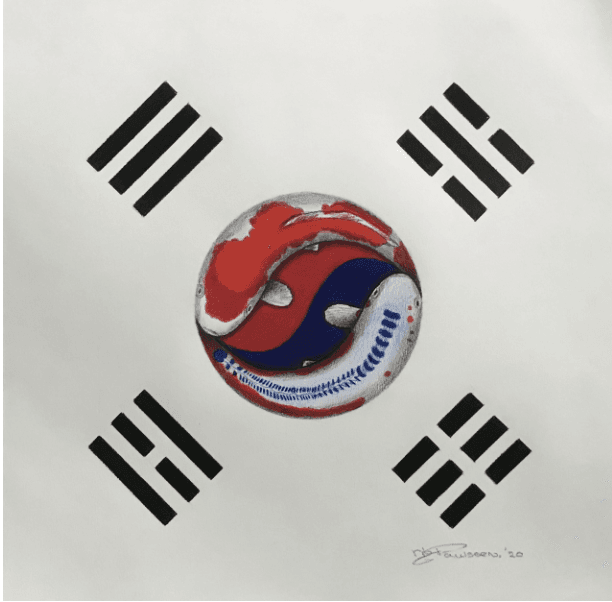
This Week in Korea Week 19 — koi painted on the Korean Taegukgi flag, marking the opening of KoiTalk.app and JijangFractal.com as new Mantifang gateways

New This Week: KoiTalk.app

This week, KoiTalk.app opened as a new companion site to Mantifang.

KoiTalk is the practical home for koi care, pond water quality, koi health, filtration, koi varieties and responsible long-term koi keeping. Where Mantifang keeps the deeper archive and cultural layer, KoiTalk gives readers a clearer practical entrance into the koi world.

This matters because koi have always been part of Mantifang’s larger field: water, patience, care, observation, Japan, Korea, gardens, aquascaping and living beauty. But practical koi guidance needs its own clean structure. KoiTalk gives it that space.

Visit: KoiTalk.app

Jijang Fractal logo — literary-spiritual gateway connected to Mantifang and Korean Buddhist reflection

New This Week: JijangFractal.com

This week, JijangFractal.com also opened as a second new companion site to Mantifang.

JijangFractal.com is not a commercial blog and not a general Buddhism site. It is a quiet gateway into the Jijang Fractal: a literary-spiritual pattern of attention, compassion, memory, responsibility and return.

Its atmosphere belongs close to Korean Buddhism, Jijang Bosal, Ksitigarbha, Wonhyo, Bogwangsa, ethical attention and the slower orbit of a book still taking shape. Mantifang remains the wider archive, but JijangFractal.com gives this more silent centre its own doorway.

Visit: JijangFractal.com

A Week of Technical Noise, but Not Collapse

Behind the scenes, this was also a technically restless week. Plugins, hosting space, site connections and new domains all had to be steadied. That kind of work is rarely visible to readers, but it belongs to the real life of a site.

What matters is that the larger structure held. Mantifang stayed online. The new companion sites came into place. The connections between Mantifang, KoiTalk and JijangFractal.com began to form. The archive did not become smaller. It became more clearly organised.

This is how a site grows when it is not merely chasing traffic. It grows by finding the right room for each part of its memory.

What This Week Means

The public week in Korea moved through lanterns, flowers, palaces and family spring. The private week on Mantifang moved through structure, repair, connection and expansion.

Those two movements belong together. A lantern is not only light. A flower festival is not only colour. A palace is not only stone. A website is not only pages. Each becomes meaningful when it holds memory in a form that others can enter.

This Week in Korea Week 19 closes with a simple movement: Korea opens toward lantern light, Goyang remains in bloom, and Mantifang opens two new gates. The work continues.

Further Reading on Mantifang

Q&A

What is happening in Korea in Week 19?

In Week 19, Seoul enters Yeon Deung Hoe lantern season, Goyang continues its flower expo at Ilsan Lake Park, and the spring palace festival period has just closed.

What is Yeon Deung Hoe?

Yeon Deung Hoe is Korea’s Lotus Lantern Festival. It is rooted in Buddhist tradition and brings lantern displays, temple atmosphere and public celebration into Seoul’s streets.

Why is Goyang important to Mantifang?

Goyang is one of Mantifang’s recurring places of memory. It connects local Korean life, public parks, Wondanggol, Baedagol, Seosamneung and the lived landscape behind many Mantifang texts.

What is KoiTalk.app?

KoiTalk.app is a new companion site to Mantifang, focused on practical koi care, pond water quality, koi health, filtration and koi varieties.

What is JijangFractal.com?

JijangFractal.com is a new literary-spiritual gateway connected to Mantifang. It focuses on the Jijang Fractal, Korean Buddhist atmosphere, ethical attention, compassion and the quieter centre of the book project.

This Week in Korea Week 19 is part of Mantifang’s ongoing attempt to read Korea through culture, landscape, ritual, history and lived attention.

This Week in Korea: Palaces, Lanterns, and Flower Season

This Week in Korea, spring has taken on a more ceremonial form. The softness of blossom season has not vanished, but it now sits inside a broader public rhythm shaped by palace festivals, temple lanterns, Korean shamanism, and the steady occupation of parks, plazas, and historic grounds. Late April feels less sudden than early spring, yet richer in cultural density. Korea is no longer waiting for the season to arrive. It is inhabiting it.

This Week in Korea: What Moved Through Public Life

Across Korea, public life this week has felt settled into spring rather than startled by it. The sharp anticipation that accompanies first bloom has passed, and what remains is a more durable social season: longer evenings outdoors, fuller use of civic space, and a growing overlap between leisure, heritage, ritual, and public gathering.

That slower but fuller quality has been reinforced by the new weekly rhythm of Culture Day. Since the beginning of April, Wednesdays have become a regular point of cultural access rather than a once-a-month exception. The change is easy to overlook because it arrives without much drama, yet it subtly reshapes the week. It creates more room for museum visits, performances, exhibitions, and small acts of cultural participation that do not need to be saved for special dates.

What moved through Korea this week was not one single event, but a change in public texture. Spring now feels institutional as well as atmospheric, carried by festival calendars, civic programming, palace grounds, temple lanterns, and the ordinary human habit of staying outside a little longer.

This Week in Korea: Palaces and Lantern Culture

The clearest sign of the season’s shift is the opening of the 2026 K-Royal Culture Festival, which began on 25 April and runs through 3 May across Seoul’s five major palaces and Jongmyo Shrine. This year’s theme, “Palaces, Awakening the Arts,” captures the feeling of the week well. After the looseness of blossom viewing, attention has turned toward heritage spaces that organize beauty differently: through choreography, architecture, music, ritual sequence, and formal participation.

Palace grounds are not simply scenic in this period. They become active civic stages. Some festival events invite visitors into reconstructed courtly worlds, while others restore attention to sound, procession, nighttime atmosphere, and the slow arrangement of memory inside royal space. Korea’s palace culture in spring does not merely decorate the season; it gives it structure.

At the same time, Buddhist seasonal life continues to gather visibly across the city. Traditional lantern exhibitions for Yeon Deung Hoe are running through April and May at places such as Gwanghwamun Square, Jogye-sa Temple, Bongeun-sa Temple, Songhyeon Green Plaza, and the Seoul Museum of Craft Art. These lanterns do more than announce a coming festival in May. They prepare the city emotionally.

Their presence changes the visual temperature of urban space. Plazas soften. Temple precincts become brighter. Ordinary routes begin to carry symbolic light. Spring in Korea belongs not only to flowers, but also to devotion, continuity, public ritual, and shared symbolic form.

This Week in Korea: Korean Shamanism and Living Ritual

This week also marks the publication of a new Mantifang authority page on 한국 샤머니즘, bringing mudang traditions, ritual practice, and the cultural role of Korean shamanism into clearer focus.

While palace festivals and Buddhist lantern culture shape the visible public season, mudang traditions remind us that another ritual layer continues beneath modern Korea: protection, transition, ancestors, imbalance, illness, uncertainty, and the quiet need to restore harmony. Spring in Korea is not only decorative. It is also spiritual, and often deeply practical.

This matters for Mantifang because Korean shamanism is not treated as exotic folklore or a distant survival. It is part of the living cultural landscape. Mudang ritual belongs to the same broad field as lanterns, palace festivals, water rituals, seasonal return, and the emotional life of public space. Together these layers show how Korean culture continues to move between visible ceremony and less visible forms of spiritual care.

This Week in Korea: Goyang-si and Flower Season

In Goyang-si, the week has brought a clear threshold into view. The 2026 Goyang International Flower Festival opened on 24 April at Ilsan Lake Park and will continue through 10 May. That opening changes the local atmosphere immediately. What had been preparation becomes occupation. The park, already central to the city’s spring identity, now turns fully into a shared flower landscape where walking, looking, gathering, and pausing all become part of the same civic scene.

Goyang’s spring differs from central Seoul’s not only in scale but in mood. At Ilsan Lake Park, the season is distributed across long promenades, water, planted space, and broad sightlines. Even when crowds gather, the experience remains expansive rather than compressed. This gives the city a distinctive role within Korea’s wider spring calendar.

The flower festival intensifies that identity, but it does not invent it. Goyang’s public life in spring already leans toward flowers, family movement, lake paths, evening return, and civic openness. The festival simply makes visible what the city has been building toward all month: a season organized around beauty, repetition, and shared public space.

This Week in Korea is therefore defined by three overlapping movements: palace culture in Seoul, lantern culture in Buddhist public space, and flower season in Goyang-si. Together they make late April feel ceremonial without becoming heavy.

앞으로: 다가오는 날들

The coming days are likely to deepen rather than redirect the mood now taking shape. The K-Royal Culture Festival will continue to animate the palaces through performances, experiences, and heritage programming, while the lantern season will grow more familiar as May approaches. In Goyang-si, the flower festival will continue to define local public space, extending the city’s spring outward into daily life as well as special visits.

Korea now appears to be entering one of its most layered spring passages. The first blossoms have already taught the season how to gather attention; the weeks ahead will show how that attention is sustained through ritual, heritage, flowers, and carefully shared space.

A moment in Korea:

At dusk, the air is mild enough to stay outside without deciding to. Palace stone warms slowly under the last light, lantern colors hold steady above a temple entrance, and by the lake in Goyang the paths continue filling after sunset. Spring feels less fragile now, and more inhabited.

Q&A

  • What defines This Week in Korea?
    This Week in Korea is defined by palace festivals, Buddhist lantern culture, Korean shamanism, and the opening of flower season in Goyang-si.
  • Why is the K-Royal Culture Festival significant?
    Because it shifts attention from blossom watching toward heritage, performance, and participatory encounters with Seoul’s royal spaces.
  • 이번 주 고양시가 왜 중요한가요?
    Because the Goyang International Flower Festival has opened at Ilsan Lake Park, making the city one of Korea’s clearest expressions of spring as public culture.
  • Why include Korean shamanism in this weekly reflection?
    Because mudang traditions reveal another ritual layer in Korea: protection, ancestors, transition, imbalance, and the need to restore harmony.

Further Reading on Mantifang

외부 추가 자료


This Week in Korea: Late April Rituals and Public Spring

This week in Korea, by 18 April 2026, spring no longer belongs only to blossoms. The first rush of petals has begun to thin, and in its place a different seasonal texture is emerging: palace courtyards preparing for performance, lanterns taking a firmer place in urban space, and city parks settling into their longer evening rhythms. Public life now feels less defined by the brief shock of bloom and more by the slower layering of heritage, ritual, and outdoor gathering.

This Week in Korea – From Blossom Rush to Public Rhythm

The week of 18 April sits in one of Korea’s most revealing spring intervals. Blossoms remain in memory and in fragments underfoot, but the public mood has already shifted toward what comes next.

Across Seoul and other cities, outdoor movement feels more settled now. It is less hurried by peak bloom and more attentive to routine. Parks, palace grounds, and civic plazas carry spring as a durable condition rather than a passing event.

This change is visible not only in atmosphere but in scheduling. The Ministry of Culture, Sports and Tourism’s expanded Culture Day program, in effect since 1 April 2026, continues to shape a new weekly rhythm for public culture every Wednesday.

The policy is practical, yet its social meaning is larger. It draws cultural participation closer to ordinary life, making the week itself feel differently arranged. A Wednesday museum visit or performance becomes part of a habit rather than a special detour, and that subtle reordering of time is one of the more meaningful cultural developments of the season.

At the same time, attention is beginning to move from open blossom sites toward more structured spring gatherings. This week in Korea therefore feels less scenic and more civic. Weather, administration, and custom begin to align, and the result is not one dominant headline but a shared adjustment in how people use space and time.

This wider pattern fits naturally within Mantifang’s longer attention to living Korea, where the character of a season is often best understood through shared habits rather than isolated events. It also resonates with broader reflections on Korean influence, where atmosphere and structure often reveal more than spectacle alone.

This Week in Korea – Palaces, Lanterns, and the Return of Ceremony

The most visible sign of the seasonal turn is the approach of the 2026 K-Royal Culture Festival, which opens on 24 April and runs through 3 May 2026 across Seoul’s five major palaces and Jongmyo Shrine.

Under this year’s theme, “Palaces, Awakening the Arts,” the festival signals something central to Korea’s late-April calendar: the movement from natural beauty toward curated heritage experience. As the opening draws near, the palaces are no longer only historic sites. They become active stages for memory, ceremony, music, and public participation.

This approach to heritage is distinctively Korean in its seasonal timing. Just as blossom viewing begins to recede, the royal festival gathers attention around architecture, court performance, and ritual space. It extends spring without trying to imitate the blossom rush. Instead, it offers another register of beauty, one shaped by repetition, choreography, and the patience of historical form.

Religious culture is also becoming more legible in public space. The official Yeon Deung Hoe schedule lists traditional lantern exhibitions across April and May 2026 at Gwanghwamun Square에서 Seoul Museum of Craft Art, Songhyeon Green Plaza, Jogye-sa TempleBongeun-sa Temple, ahead of the main Lotus Lantern Festival weekend on 16–17 May 2026.

Long before the parade itself, lanterns begin their work quietly. They return light and color to the city, but they also return a sense of continuity, allowing devotion to appear in everyday urban life without spectacle.

That is one of the subtler strengths of spring in Korea. Religion and culture do not stand apart from public space so much as pass through it in recognizable forms: a lantern over a temple path, a ritual sound near a shrine, an evening performance inside palace walls. For readers interested in the slower meeting of season and meaning, Mantifang’s reflections on 한국의 자연 offer a fitting parallel.

This Week in Korea – Goyang-si Before Full Bloom

In 고양시, the week is marked by anticipation that is local, visible, and grounded in landscape. The official Goyang city calendar places the 2026 Goyang International Flower Festival at the center of late April, and the city is already orienting itself toward that opening.

Around Ilsan Lake Park, spring feels less like an ending and more like a gathering. The large promenade, open water, and adjacent flower facilities make this one of the places where seasonal public life can expand without becoming overly compressed.

That scale matters. Goyang’s spring identity rests on more than floral display alone. It lies in the way public space is arranged for shared use: walking, waiting, evening light, family movement, and the possibility of returning without urgency. The official park description emphasizes the 7.5-kilometer lakeside promenade, benches, bicycle paths, and nearby flower exhibition facilities, all of which make the park feel composed for duration rather than rush.

Even outside the festival frame, Goyang carries signs of spring’s public maturity. The city’s official tourism pages note that the Singing Fountain operates from April through October, drawing evening attention back toward the western plaza of the park.

This is a small but telling detail. It suggests that spring in Goyang is not only floral, but rhythmic. People gather not merely to look, but to remain in place a little longer after dusk.

That slower civic texture is part of what makes Goyang important within Mantifang’s broader sense of place. It belongs naturally beside earlier writing on 고양, where public life is understood less as a sequence of isolated attractions and more as a habit of inhabiting space well.

Baedagol Greenhouse – Goyang Korea
Baedagol in Goyang, where greenhouse, koi garden, and spring public life come together in a slower rhythm.

If you feel like coffee and cake afterwards, offers another small way into Goyang’s slower spring atmosphere.


This Week in Korea – The Days Just Ahead

The next several days are likely to make late-April Korea feel more ceremonial. The opening of the royal culture festival will give palace spaces renewed centrality, while lantern exhibitions will continue to deepen the visual presence of Buddhist tradition ahead of May’s Lotus Lantern Festival.

Culture Day will keep working at a quieter level, steadily shaping midweek habits across the country. In Goyang-si, attention will sharpen around the flower festival as the city moves from preparation into full public display.

More broadly, Korea is entering one of its richest seasonal passages: no longer defined by first bloom, not yet at Buddha’s Birthday, but already dense with signals of heritage, ritual, and shared springtime use of public space. This week in Korea reveals how late April reshapes public life through ceremony, repetition, and a calmer civic rhythm.

A moment in Korea

On a mild evening, the petals left from last week cling to the edges of a stone path while lanterns begin to glow more confidently nearby. At the lake, footsteps continue after sunset. Spring feels less fleeting now, and more inhabited.

This Week in Korea – Q&A

  • What defines Korea’s public mood on 18 April 2026?
    The country is moving beyond peak blossom season into a more settled spring phase shaped by palace festivals, lantern displays, and regular outdoor social life.
  • Why is the K-Royal Culture Festival important this week?
    Because its opening on 24 April is close enough to shape the atmosphere already, redirecting public attention toward heritage, performance, and the ceremonial use of palace spaces.
  • Why do lantern exhibitions matter before May’s main festival weekend?
    Because they allow Buddhist tradition to enter shared civic space gradually through light, craft, and visual memory before the larger gatherings begin.
  • Why does Goyang-si matter in this week’s story?
    Because Goyang-si is on the threshold of its flower festival season, and its lake-centered public spaces show how spring in Korea can feel expansive, calm, and locally rooted.
  • What does this week in Korea reveal most clearly?
    It shows how late April shifts attention from blossom spectacle toward ritual, heritage, and slower forms of shared public life.

추가 읽기

외부 추가 자료

“`

This Week in Korea – After the First Rush of Blossom Season

This week in Korea unfolds in the afterglow of blossom season’s first surge. Petals are already beginning to drift, cultural rhythm is settling into a new weekly pattern, lantern season is gathering quietly, and Goyang-si is moving toward its broader phase of spring. The country is no longer in the first burst of bloom, but in a gentler interval where public life remains open, observant, and slow enough to notice what comes next.

This Week in Korea  After the First Rush of Blossom Season

This week in Korea has unfolded in the afterglow of blossom season’s first surge. According to the official 2026 VISITKOREA cherry blossom forecast, Seoul’s blossoms were expected to open on April 3, 2026, with peak bloom around April 10. That timing matters now because mid-April is when the atmosphere begins to change. What had only just arrived turns quickly toward drift and dispersal. Petals gather in gutters, on stone paths, beside benches, and along lake edges. The city does not lose spring; it simply becomes less declarative about it.

The social effect is subtle but familiar. Roads, streamsides, and neighborhood slopes that briefly drew concentrated attention begin to soften into ordinary use again, though not entirely. People still linger after work. Public parks retain a slight festival mood even without formal programming. The seasonal image remains visible, but it no longer commands the same urgency. Korea’s blossom culture has always depended on this short transition between appearance and fading. Part of its meaning lies not only in beauty, but in the speed with which that beauty changes the texture of everyday space. 

That transition also helps explain why spring, this Week in Korea often feels most legible in public rather than private terms. It is not simply that flowers bloom. It is that bloom reorganizes movement. Streets become briefly slower. Walks lengthen. Historic and civic spaces feel more permeable. This is the kind of seasonal shift Mantifang has often traced through its writing on living Korea, where atmosphere and public habit reveal more than spectacle alone.

Wednesdays and the Normalization of Culture

Alongside this seasonal softening, this Week in Korea a quieter structural change is still settling into view. The Ministry of Culture, Sports and Tourism announced on April 2, 2026 that Culture Day now takes place every Wednesday, beginning from April 1, rather than only on the last Wednesday of each month. The practical implications are modest on paper, but the social meaning is wider. It reflects a desire to move cultural access away from the logic of rarity and toward the rhythm of ordinary weekly life.

That matters in Korea, where schedules are often dense and cultural participation can easily become concentrated in weekends, holidays, or exceptional outings. A Wednesday museum visit, film screening, or performance discount does not transform civic life overnight, but it does shift the imagination of what counts as normal time for culture. Public culture becomes less event-like and more recurrent. It moves closer to routine.

The week therefore carries two linked signals at once. Seasonal beauty is fading into a calmer register, and cultural policy is trying to establish repeated access instead of isolated peaks. Together they suggest a version of spring public life in which attention is distributed more gently across time rather than concentrated only in dramatic moments.

이 주간의 리듬은 더 긴 연속성의 일부이다. 이를 이어가는 글쓰기를 지원하고 싶다면, 여기에서 할 수 있다: Support the Writing.

Lanterns Before the Crowd

The religious calendar is beginning to gather force in a similarly gradual way. The 2026 Lotus Lantern Festival still lies ahead, with its main public events set for May 16 and 17 and Buddha’s Birthday Dharma ceremonies on May 24. Yet the season has already begun. Official festival scheduling lists traditional lantern exhibitions across April and May 2026 at Gwanghwamun Square에서 Seoul Museum of Craft Art, Songhyeon Green Plaza, Jogye-sa TempleBongeun-sa Temple.

This earlier stage is one of the distinctive features of spring in Korea. Religion returns to public life first through craft, color, and suspended form rather than through mass gathering. Lanterns appear as objects of devotion, but they also alter the visual memory of plazas, temple precincts, and streets. They make public space feel attentive. In that sense, the lantern is both ritual and atmosphere, both offering and seasonal signal.

There is another layer approaching behind them. The official K-Royal Culture Festival will run from April 25 to May 3, 2026 across Seoul’s five royal palaces and Jongmyo Shrine. Its arrival will shift spring attention further from fleeting petals toward heritage performance, royal memory, and built ceremonial space. Korea’s spring calendar often moves in exactly this sequence: from blossoms to lanterns, from weather to ritual, from open-air softness to more structured forms of cultural recollection.

Goyang-si and the Wider Pace of Spring

In 고양시, this week feels like a threshold rather than a culmination. The city’s identity as a place of flowers and expansive public space becomes more legible at this point in April, especially around Ilsan Lake Park. The official park description emphasizes its long promenade, bicycle paths, flower exhibition hall, and seasonal programming, all of which make it one of the clearest examples in Korea of a civic landscape designed for repetition rather than rush.

The 2026 Goyang International Flower Festival is scheduled to open on April 24 and run through May 10, 2026. Even before the festival begins, however, Goyang starts to orient itself toward that season. The atmosphere around the lake is preparatory rather than spectacular. People walk, circle, sit, and return. The city’s floral identity is not only a brand attached to one event. It is sustained by the way public life is arranged around the lake itself.

Compared with central Seoul, Goyang offers a different scale of spring. Its movement is less compressed, its public space more expansive, and its seasonal mood more patient. This slower civic texture is part of why Goyang continues to fit naturally within Mantifang’s wider interest in 고양 and the cultural life that grows around place rather than only around headline events. In mid-April, that distinction feels especially clear. While other blossom sites move past peak intensity, Goyang still seems to be gathering itself.

The Layered Days Ahead

The next days in Korea are likely to feel transitional in the best sense. The blossom rush will continue to soften in many places even as spring deepens through fresh leaves, milder evenings, and steadier use of outdoor space. Wednesdays will continue to test the new weekly rhythm of Culture Day. Lantern exhibitions will become more familiar in Seoul. The royal festival will draw closer. Goyang-si will move further into its flower-centered season.

Nothing about this progression is abrupt. This Week in Korea’s  spring public life tends to gather in layers, and this week has shown the country in one of its gentlest intervals: after the first burst, before the larger ceremonies, with the air still carrying traces of blossom and the city already preparing for light.

This Week in Korea  A moment in Hanguk

Petals gather in the corners of a stone path after a light breeze. A lantern frame hangs ready outside a temple gate. At the lake, people walk without hurry, as if the season itself has asked for a slower step.

This Week in Korea Q&A

  • What defines Korea’s public mood in mid-April?
    A shift from the excitement of first bloom toward a calmer spring atmosphere shaped by petals, longer outdoor routines, and the approach of ritual and heritage festivals.
  • Why is the weekly Culture Day change important?
    Because it makes cultural participation easier to fold into ordinary life, turning Wednesday into a recurring point of access for museums, performances, and other public cultural activities.
  • Why do lantern exhibitions matter before the main Lotus Lantern Festival?
    Because they let religious culture enter shared civic space gradually, through light, craft, and visual atmosphere before larger gatherings begin.
  • Why does Goyang-si matter this week?
    Because Goyang-si is entering its preparatory spring phase, with Ilsan Lake Park and the coming flower festival beginning to shape local mood ahead of late April.

This Week in Korea Further Reading

This Week in Korea  External Further Reading

이번 주 한국 – 공공의 삶 속의 봄

이번 주 한국에서 봄은 기대에서 눈에 보이는 현실로 옮겨갔다. 꽃들은 거리와 공원의 리듬을 만들어가기 시작했고, 문화 정책은 조용히 보다 안정적인 주간 흐름으로 이동하고 있으며, 종교적 실천은 다시 도시의 풍경 속에서 모습을 드러내고 있다. 이 변화는 극적이라기보다 축적된 흐름에 가깝다. 전국 곳곳에서 사람들은 날씨와 의례, 그리고 오랜 실내의 계절 이후 다시 밖에서 함께하고자 하는 소박한 필요에 의해 형성된 공동의 공간으로 돌아가고 있다.

This Week in Korea – When Spring Becomes Public

4월 초는 한국에서 가장 뚜렷하게 인식되는 전환 중 하나를 만든다. 계절의 아름다움이 더 이상 예보에 머무르지 않고 일상의 흐름을 조직하기 시작하는 순간이다. VISITKOREA의 2026년 벚꽃 개화 예보에 따르면, 서울의 벚꽃은 2026년 4월 3일 개화가 예상되었으며, 절정은 4월 10일 전후로 전망되었다. 남부 지역에서는 계절이 더 일찍 도착했다. 이번 주에 이르러 한국의 봄 지도는 이미 북쪽으로 움직이기 시작했고, 이러한 이동은 실제적인 변화를 동반한다. 출퇴근 시간은 몇 분 더 느려지고, 궁궐과 강변에는 머무름이 길어진다. 익숙한 길들은 잠시 의례적인 성격을 띠게 된다.

서울에서는 여의도 봄꽃축제4월 3일 개막하여 2026년 4월 7일까지 이어진다. 수도의 벚꽃 주간은 하나의 프로그램에 의존하는 경우가 드물다. 그 힘은 도시 전반에 걸쳐 주의를 재배치하는 방식에 있다. 밀집된 지역은 부드러워지고, 업무 중심의 지역은 일시적인 여유를 얻는다. 공공의 삶은 멈춤, 우회, 그리고 반복되는 위쪽을 향한 시선을 통해 더 읽기 쉬워진다. 한국의 봄은 단지 풍경이 아니다. 그것은 사회적 의미에서의 인프라로서, 사람들이 함께 시간을 살아가는 방식을 바꾼다.

이러한 더 넓은 분위기는 living Korea에 대한 Mantifang의 지속적인 관심과 자연스럽게 맞닿아 있다. 여기서 일상의 습관과 문화적 의미는 추상이 아니라 공유된 환경 속에서 만난다. 또한 이는 생활 공간 전반에 걸쳐 전개되는 Korean influence의 더 큰 구조와도 공명한다. 이번 주에 중요한 것은 단순히 나무가 꽃을 피운다는 사실이 아니다. 꽃, 의례, 정책이 하나의 공공 프레임 안에서 서로 겹치기 시작한다는 점이다.

This Week in Korea – A New Weekly Rhythm for Culture

이번 주에는 시각적 드라마는 덜하지만 더 긴 영향을 미칠 수 있는 또 다른 변화가 시행되었다. 2026년 4월 1일부터 문화체육관광부의 문화가 있는 날 프로그램은 이제 매달 마지막 수요일이 아니라 매주 수요일에 진행된다. 부처 발표문의 표현은 의미심장하다. 목표는 문화 참여를 일회성 이벤트의 상태에서 대중의 “생활 리듬” 속 일부로 옮기는 것이다. 이 표현은 중요하다. 이는 문화를 보상이나 예외로 보는 것이 아니라, 주간 습관 속에 자리 잡아야 할 것으로 보는 관점을 드러낸다.

시간이 종종 뚜렷하게 구조화되어 있다고 느껴지는 사회에서, 작은 제도적 변화조차도 상상력을 바꿀 수 있다. 박물관 방문은 더 이상 한 달의 마지막에 표시된 하루에 속하지 않을 때 더 쉽게 그려진다. 주중의 전시, 상영, 공연은 덜 동경의 대상이 되고 더 일상적인 것이 된다. 한국은 오랫동안 문화적 인프라를 구축하는 데 뛰어나 왔으며, 이번 주의 조정은 반복이라는 더 조용한 질문을 드러낸다.

그 질문은 3월에 발표된 2025년 국민 독서 실태 조사에도 배어 있다. 학생들의 독서율은 여전히 높지만, 성인의 독서율은 전자책과 오디오북의 확산에도 불구하고 훨씬 낮은 수준에 머물러 있다. 주간 문화가 있는 날과 함께 보면, 메시지는 미묘하지만 분명하다. 한국은 여전히 빠르고 효율적이며 디지털로 포화된 사회 질서 속에서 성찰적 습관을 유지할 방법을 찾고 있다. 이번 주, 그 탐색은

이 주간의 리듬은 더 긴 연속성의 일부이다. 이를 이어가는 글쓰기를 지원하고 싶다면, 여기에서 할 수 있다: Support the Writing.

This Week in Korea – Lantern Season Before the Festival

봄의 종교적 층위 또한 서서히 드러나기 시작하고 있으며, 아직은 절제된 형태를 유지하고 있다. 2026 연등회 일정에 따르면 주요 공개 행사는 5월 16일과 17일에 열리며, 부처님 오신 날 법회는 5월 24일에 진행된다. 그러나 계절은 행렬보다 먼저 시작된다. 2026년 4월과 5월에 걸쳐 전통 등 전시가 광화문광장, 서울공예박물관, 송현녹지광장, 조계사, 봉은사에서 예정되어 있다.

This earlier phase matters because it shows how religion enters Korean public life without arriving all at once. First come frames, colors, and suspended forms. Then the city’s surfaces begin to change. Lanterns appear not only as devotional objects but as an alteration of mood, texture, and memory. In Korea, Buddhism often becomes publicly legible through craft before ceremony. The lantern belongs to worship, but it also belongs to streetscape, continuity, and the seasonal eye.

That layering helps explain why spring in Korea can feel richer than a blossom calendar suggests. Flowers may dominate photography, but the deeper cultural texture lies in coexistence: palace paths, temple courtyards, riverside promenades, museum entrances, and civic plazas all participating in the same gradual reopening. For readers interested in the longer overlap between landscape and memory, Mantifang’s reflections on 한국의 자연 remain a useful companion.

This Week in Korea – Goyang-si and the Shape of Anticipation

In 고양시, spring feels broader and slightly less compressed than in central Seoul. The city’s seasonal identity gathers around open space, especially Ilsan Lake Park, where the 2026 Goyang International Flower Festival is scheduled to run from April 24 to May 10, 2026. Even before the festival opens, its presence can be felt in preparation and expectation. The city begins to orient itself toward bloom as public program.

공식 관광 플랫폼인 Visit Goyang은 여전히 고양을 예술 공간, 호수 주변의 여유, 그리고 계절의 흐름이 어우러진 차분한 도시로 제시한다. 이 조합은 이번 달에 중요하다. 고양은 봄을 갑작스러운 폭발로 연출하지 않는다. 대신 기대가 산책로, 행사 공간, 그리고 반복되는 방문 속에서 서서히 확장되도록 둔다. 일산호수공원의 규모가 이를 뒷받침한다. 또한 일상적인 주민과 외부 방문객을 하나의 좁은 동선으로 몰아넣지 않고 함께 수용하는 도시의 능력도 중요한 역할을 한다.

고양의 공공 생활에는 또 다른 단기적인 층위도 존재한다. VISITKOREA는 이미 이 도시를 2026년 4월 9일부터 12일까지 고양종합운동장 주경기장에서 열리는 BTS 월드투어 콘서트의 개최지로 소개하고 있다. 이러한 관심은 또 다른 유형의 계절적 인파를 불러온다. 이는 꽃보다 이동, 팬덤, 그리고 일시적인 집중에 의해 움직인다. 콘서트와 다가오는 꽃축제는 함께 이번 달 고양을 특별하게 만드는 장소로서 부각시키며, 여가, 스펙터클, 그리고 열린 공공 공간이 교차하는 지점을 형성한다.

Mantifang 독자들에게 고양의 의미는 단순히 이벤트에만 기반하지 않는다. 이는 사이트의 더 넓은 아카이브 속에서 자연스럽게 이어지며 고양 and on seasonal cultural life, because it offers a version of Korea in which public space is not merely passed through. It is inhabited at a slower pace.

This Week in Korea – The Week Ahead

다가오는 날들은 이 분위기를 바꾸기보다 더욱 깊게 만들 가능성이 크다. 서울은 더 본격적인 벚꽃 시기로 들어갈 것이다. 주중의 문화 활동은 정책이 실제로 습관을 바꿀 수 있는지를 시험하기 시작할 것이다. 더 큰 불교 일정이 다가오기 전에 등 전시는 점점 더 눈에 띄게 될 것이다. 고양시에서는 도시가 4월의 더 큰 모임들을 향해 계속 움직이며, 팝 중심의 이동성과 꽃 시즌 준비가 공간 사용 방식을 점점 더 규정하게 될 것이다.

따라서 이번 주 한국은 하나의 헤드라인보다 하나의 패턴이 드러나는 데 더 가깝다. 날씨, 의례, 그리고 시민의 움직임이 다시 정렬되고 있다. 한국은 일상이 굳이 크게 선언하지 않아도 잠시 더 주의 깊고, 더 시각적이며, 더 집합적으로 변하는 반복적인 봄의 시기로 들어가고 있다.

A moment in Korea

막 피어나기 시작한 나무들이 늘어선 길을 따라 바람이 스친다. 사람들은 거의 의식하지 못한 채 속도를 늦추고, 한 번 위를 올려다보고 다시 한 번 더 바라본다. 가까운 어딘가에서는 등불이 저녁 빛을 기다리며 가지런히 놓여 있다. 도시는 여전히 그대로이지만, 가장자리는 더 부드러워진다.

This Week in Korea – Q&A

  • Why does early April matter so much in Korea?
    Because it is when spring becomes fully public. Blossoms, outdoor movement, and seasonal programming begin to change how streets, parks, and riverbanks are used.
  • What changed in Korea’s cultural calendar this week?
    From April 1, 2026, Culture Day now takes place every Wednesday, making cultural access a weekly rhythm rather than a once-a-month occasion.
  • Why are temple lanterns important before Buddha’s Birthday itself?
    Because they allow religious culture to appear gradually in civic space. Before the main festival arrives, the city is already visually transformed by craft, color, and ritual anticipation.
  • Why is Goyang-si especially relevant right now?
    Because it is moving toward two forms of spring concentration at once: the Goyang International Flower Festival and major BTS concerts in April.

한국 문화 — 2026년 3월

2026년 3월의 한국 문화는 절제와 해방 사이의 익숙한 긴장을 품고 있다. 겨울은 아직 완전히 물러나지 않았지만, 나라는 이미 봄을 중심으로 스스로를 재배치하기 시작했다: 사찰의 뜰은 연등철을 준비하고, 공원은 첫 꽃을 인내하며 지켜보며, 문화 기관들은 조용히 운영 시간과 관습, 초대 방식을 조정한다. 이번 주는 극적인 전환점이라기보다 부드러운 리듬의 변화처럼 느껴졌으며, 그 변화는 거리와 박물관, 열람실, 그리고 호숫가 산책로에서 드러났다.

Korea culture March 2026 cherry blossoms beotkkot in full bloom with people enjoying spring in bright sunlight

한국 문화 — 2026년 3월: 이번 주 한국을 지나간 것

전국적으로 봄의 움직임은 계절적 현상일 뿐만 아니라 하나의 시민적 사건이 되고 있다. 2026년 벚꽃 예보는 평균보다 이른 개화를 가리키며, 한반도 남부는 이미 시즌에 들어섰고 서울은 4월 초에 뒤따를 것으로 예상된다. 실질적으로 이는 공공의 삶이 다시 바깥으로 확장되기 시작하고 있음을 의미한다. 공원과 강변, 궁궐의 공간은 단순한 풍경이 아니라 사람들이 일상의 리듬을 다시 조율하고, 열린 공기 속에서 한 해를 새롭게 맞이하는 장소가 된다.

This shift has also been echoed in policy and cultural administration. From April 1, Korea’s long-running Culture Day will no longer be confined to the last Wednesday of each month; it will take place every Wednesday. The change is modest in appearance but meaningful in spirit. It suggests a vision of culture not as an occasional outing but as something more closely woven into ordinary life, a weekly rhythm rather than a monthly exception.

한국 불교와 그 철학적 기반에 대한 더 깊은 이해를 위해서는 Mantifang의 Korean Buddhism 개요를 참고하십시오.

한국 문화 — 2026년 3월

문화가 스펙터클이 아니라 습관이라는 생각은 다른 곳에서도 드러나고 있다. 3월에 발표된 문화체육관광부의 최신 독서 조사에 따르면 학생들 사이에서는 독서가 여전히 강하게 유지되는 반면, 성인 독서는 상대적으로 낮은 수준에 머물러 있으며, 전자책과 오디오북이 계속 성장하고 20대에서 다시 관심이 높아지고 있음에도 이러한 경향은 유지되고 있다. 이 결과는 단순한 통계에 그치지 않는다. 이는 빠르고 밀집된 사회 속에서 성찰을 어떻게 유지할 것인지, 그리고 이미 참여하고 있는 사람들에 국한되지 않고 문화적 참여를 어떻게 넓게 유지할 것인지에 대한, 공공 담론에서 자주 떠오르는 더 넓은 한국적 질문을 반영한다.

기관들은 조용한 방식으로 대응하고 있다. 국립중앙박물관은 이번 달 관람 환경을 개선하고 혼잡을 줄이기 위해 운영 시간을 일부 조정했는데, 이는 문화적 삶이 단순한 규모뿐만 아니라 경험을 위해서도 관리되고 있음을 보여주는 작지만 의미 있는 신호다. 인파가 예상되는 곳에서도 공공 문화가 더 숨 쉴 수 있고 덜 서두르며 더 머무를 수 있는 공간이 되도록 하려는 노력이 눈에 띈다. 그런 의미에서 2026년 3월의 한국 문화는 축제와 예보 속에서만 드러나는 것이 아니라, 공공 기관의 이러한 조용한 조정 속에서도 나타난다.

한국 문화 — 2026년 3월: 문화와 종교

봄이 깊어지면서 종교적·문화적 달력도 점차 서로 가까워지고 있다. 앞으로의 몇 주는 5월 16일과 17일 서울에서 열리는 연등회로 이어지며, 등불 전시는 4월과 5월에 걸쳐 이어지고 부처님 오신 날은 5월 24일이다. 주요 행사가 시작되기 전부터 그 분위기는 먼저 나타난다: 사찰 경내에 등이 걸리고, 도시의 거리 풍경에 색이 스며들며, 신앙과 공예, 기억과 기대에 의해 형성되는 또 다른 공공의 시선이 드러난다.

한국에서는 이러한 순간들이 단순히 개인적인 신앙에만 머무르는 경우가 드물다. 불교 의례는 종종 도시의 시각적 언어의 일부가 되어, 형식적인 종교적 참여자가 아닌 이들에게도 접근 가능해진다. 등불은 종교적 의미와 시민적 의미를 동시에 지닌다. 그것들은 교리를 비추는 동시에, 건조한 도시 환경을 부드럽게 만들어 밀집된 거리조차 잠시 의례적인 공간처럼 느끼게 한다. 이러한 축제의 오랜 지속성과 중요한 무형 전통으로서의 인정은 한국의 봄에 계절적 유행의 소모적인 속도에 저항하는 의례적 깊이를 부여한다.

문화 영역의 다른 측면에서도 국가는 축제와 유산 행사를 국가적 공공 생활의 중요한 일부로 계속 위치시키고 있다. 이번 달에는 여러 주요 지역 축제가 한층 높은 인정을 받았으며, 이는 한국이 지역적 축하와 민속적 연속성, 공동체적 모임을 단순한 장식적 요소가 아니라 살아 있는 문화 인프라로 얼마나 강하게 인식하고 있는지를 보여준다. 이러한 의미에서 이 계절은 꽃이 제때 혹은 더 일찍 피어나는 것만을 의미하지 않는다. 그것은 또한 행렬, 전시, 공연, 음식, 기억, 그리고 이웃 공동체의 시선과 같은 공유된 형식들이 매년 다시 돌아오는 것을 의미한다.

Korea Culture March 2026 Goyang-si

고양시에서는 봄이 조금 다른 질감으로 느껴진다. 이 도시의 정체성은 오랫동안 꽃과 호수 주변 공간, 그리고 주거 생활과 대규모 문화 인프라가 조화를 이루는 방식과 연결되어 왔다. 이번 주, 그 정체성은 가장 눈에 띄는 연례적 표현을 향해 다가가고 있다. 2026 고양국제꽃박람회의 준비는 이미 가시적으로 진행되고 있으며, 행사는 일산호수공원 일대에서 4월 24일부터 5월 10일까지 열릴 예정이다. 자원봉사 모집과 공지들은 이 축제를 먼 미래의 행사가 아니라 다가오는 분위기의 변화로 느끼게 한다.

이 점이 중요한 이유는 고양의 봄이 단순히 바라보는 대상이 아니라 도시가 스스로를 그 주변에 조직하는 것이기 때문이다. 축제가 본격적으로 시작되기 전부터 일산호수공원은 이 시기에 다른 종류의 관심을 끌기 시작한다. 산책로는 더 길어지고, 벤치는 더 천천히 채워지며, 겨울의 내향성 이후 공공의 여가라는 개념이 다시 돌아오기 시작한다. 꽃박람회에서 행주산성, 아람누리에 이르기까지 도시의 문화 관광 정체성은 하나의 단일한 명소에 의존하는 것이 아니라, 아름다움과 공연, 그리고 열린 공공 공간에 대한 더 넓은 접근성의 패턴에 기반한다.

이 시기의 고양에는 또한 특별한 고요함이 있다. 서울 도심의 압축된 에너지와 달리, 이곳의 공공 분위기는 종종 수평적으로 펼쳐지며, 호수를 중심으로, 나무가 늘어선 거리와 가족 공간, 그리고 기대를 서두르지 않고 받아들일 만큼 충분히 넓은 행사 공간을 따라 확장된다. 서울의 봄이 하나의 급격한 흐름처럼 느껴질 수 있다면, 고양의 봄은 보다 넓어지는 감각으로 다가온다.

Korea Culture March 2026: Looking Ahead

앞으로 며칠 동안 한국의 계절적 전환은 더욱 뚜렷하게 드러날 가능성이 높다. 꽃이 북쪽으로 이동하고 보다 풍부한 색이 중부 지역에 도달함에 따라, 물가와 궁궐의 담장, 사찰 경내, 그리고 동네 공원이 만나는 곳을 중심으로 공공 공간은 더욱 밀집되게 채워질 것이다. 4월 1일부터 매주 시작되는 문화의 날과 함께, 수요일은 박물관 관람, 공연, 그리고 이전에는 더 많은 계획이 필요했던 주중 방문에 새로운 실질적 의미를 갖게 될 수 있다.

즉각적인 개화 시기를 넘어, 지평선은 이미 더 깊은 봄의 의례들로 표시되고 있다. 5월의 연등회를 앞두고 등불 전시는 계속해서 힘을 모으고 있으며, 고양의 꽃축제는 곧 지역적 준비를 완전한 공공 전시로 전환할 것이다. 따라서 앞으로의 날들의 형태는 단순히 축제적인 것에 그치지 않는다. 그것은 축적적이다. 한국은 의례, 날씨, 유산, 그리고 일상의 움직임이 공공 공간에서 더욱 뚜렷하게 겹쳐지기 시작하는, 반복적으로 찾아오는 시기 중 하나로 들어가고 있는 듯하다.

A moment in Korea:

저녁이 시작되는 시간대의 공기는 아직 코트를 입고 있을 만큼은 서늘하지만, 단단히 여밀 필요는 없다. 몇 송이 이른 꽃들이 산책로 위에서 마지막 빛을 붙잡고 있고, 사찰의 등골격은 채워지기를 기다리며, 어느 역 출구 근처에서는 한 무리가 서둘러 움직이지 않고 잠시 멈춰 있다. 봄은 아직 완전히 도착하지 않았지만, 이미 들리기 시작했다.

Korea Culture March 2026: Q&A

  • Why does late March feel so significant in Korea?
    Because it is the threshold between winter restraint and spring participation. Weather, festivals, blossoms, and public routines all begin changing at once, and the result is visible in everyday streets as much as in major cultural venues.
  • How does religion appear in public life during this season?
    Most visibly through Buddhist lantern culture ahead of Buddha’s Birthday and the Lotus Lantern Festival. These traditions shape city space as well as temple space, making devotion part of the wider seasonal atmosphere.
  • 왜 주간 문화적 관점에서 고양시는 중요한가? 고양은 공원, 축제, 가족 단위의 공공 공간, 그리고 반복되는 계절적 모임을 통해 한국의 지역 정체성이 어떻게 형성되는지를 보여주기 때문이다. 봄의 꽃 달력은 문화를 단순히 소비하는 것이 아니라 함께 살아가는 것으로서 보여주는 분명한 사례를 제공한다.
  • What does Korea culture March 2026 reveal most clearly?
    It reveals how seasonal change in Korea is never only about weather. It unfolds through public ritual, cultural habits, reading patterns, festivals, and the changing use of shared civic space.

추가 읽기

외부 추가 자료

This weekly reflection is part of the ongoing Mantifang Korea series, exploring culture, ritual, and public life across the Korean peninsula.