고려 왕조 (918-1392)
고려 왕조 (918–1392) forged Korea’s medieval identity—renowned for celadon, early printing including the 코리아나 트리피타카활기찬 불교, 탄력적인 통계학.
고려 왕조의 문화적 업적
- 재단 (918) — Wang Geon unites the Later Three Kingdoms and founds the realm with its capital at Gaegyeong (Gaeseong).
- 국가 불교 — Monastic patronage shapes kingship, art, and diplomacy, blending Seon (Zen) with scholastic traditions.
- 인쇄 혁명 — Advances in woodblock and early movable metal type; the monumental 코리아나 트리피타카 (13세기).
- 고려청자 — Jade-sheen glazes and 상감 강진과 부안에서 가마가 번성하며 상감 세공은 세계적인 명성을 얻었습니다.
- 해상 무역 — Networks link Song China, Japan, and beyond; ceramics, books, and textiles circulate across East Asia.
- 복원력 및 개혁 — Khitan, Jurchen, and Mongol pressures spur administrative, military, and diplomatic change.
정치 및 사회
The dynasty emerged from civil war yet established a durable bureaucracy anchored in aristocratic lineages and examinations. Kings balanced powerful clans and religious institutions, while provincial officials managed taxation and corvée. Land policy and military reform recurred, especially after invasions exposed fiscal and logistical weaknesses.
Urban life centered on Gaegyeong’s markets, monasteries, and government courts. In the countryside, farmers cultivated paddies and dry fields; taxes in grain, cloth, and labor sustained the state. Merchants and craft guilds expanded with maritime exchange, even as elites debated the ethics of commerce within Buddhist and Confucian frameworks.
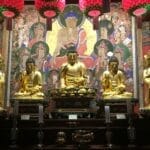
Read all about this magnificent temple.
종교 및 불교
수도원의 후원은 의식, 공공 작품, 미학에 영향을 미쳤습니다. 선종 명상 계보는 학파와 공존했고, 성화, 유물, 성지 순례를 통해 평신도 신앙이 번성했습니다. 자비 윤리는 기근과 전쟁 중 구호 프로젝트를 뒷받침했고, 영지는 토지, 도서관, 작업장을 관리했습니다.
조각은 코리아나 트리피타카—over 80,000 woodblocks—sought spiritual protection and codified the canon with extraordinary accuracy. Alongside experiments with movable metal type, these feats mark a milestone in world book history.

Korean Celadon and arts.
도예가들은 이 시대의 특징이 된 반투명 옥록색 유약을 완성했습니다. The 상감 inlay technique—filling carved motifs with white and black slips—produced elegant vessels, pillows, and incense burners. Court workshops created Buddhist bronzes, lacquerware with mother-of-pearl, and silk textiles, while painters rendered gentle landscapes and devotional icons.
인쇄 및 지식 네트워크
학자, 수도사, 장인들이 경전, 법전, 달력, 의학 서적 등을 제작하는 스크립토리아에서 협력했습니다. 방대한 목판 도서관과 초기 금속 활자는 수도원과 외국 궁정에 지식을 전파했습니다. 송나라와의 교류는 과학과 항해술의 아이디어를 도입했고, 외교 사절단은 책과 도자기를 선물하며 위상을 강화했습니다.
전쟁, 무역, 회복력
Geopolitically, the kingdom navigated Khitan Liao, Jurchen Jin, and Mongol empires. Fortifications, riverine defenses, and coastal fleets protected key corridors. After Mongol incursions in the 13th century, royal marriages and vassalage obligations reoriented diplomacy, yet cultural production endured. Maritime trade—ceramics, paper, and ginseng—sustained urban markets and craft specialization.
레거시 및 대중 문화
그리고 고려 왕조 bequeathed institutions, artistry, and texts that inform Korean identity. Celadon aesthetics influenced later Joseon porcelain; printing techniques foreshadowed modern publishing. In public memory, kings, monks, and artisans appear in museums and curricula. Contemporary media—historical novels and dramas—extend this legacy, introducing the era’s aesthetics and ethical dilemmas to global audiences.
Historically, the realm’s conclusion set the stage for reformist currents and the rise of the 조선 시대. 더 넓은 아크에 대해서는 앞의 삼국 시대, whose regional dynamics framed Goryeo’s emergence.
FAQ — Key Points
이 시대를 정의하는 것은 무엇일까요? 불교의 조각술, 해상 무역, 세련된 청자 예술성, 인쇄술의 혁신이 종합되어 있습니다. 코리아나 트리피타카.
전 세계적으로 중요한 이유는 무엇인가요? 초기 대규모 인쇄, 첨단 세라믹 기술, 동아시아 전역의 문화 교류.
데이터 집합 액세스
데이터 세트를 다운로드하세요:
- Korea.csv 다운로드
- 타임라인.csv 다운로드
이 파일을 사용하여 나만의 시각화를 정렬, 필터링 또는 작성하세요. 데이터를 재사용하는 경우 Mantifang을 인용하세요.